
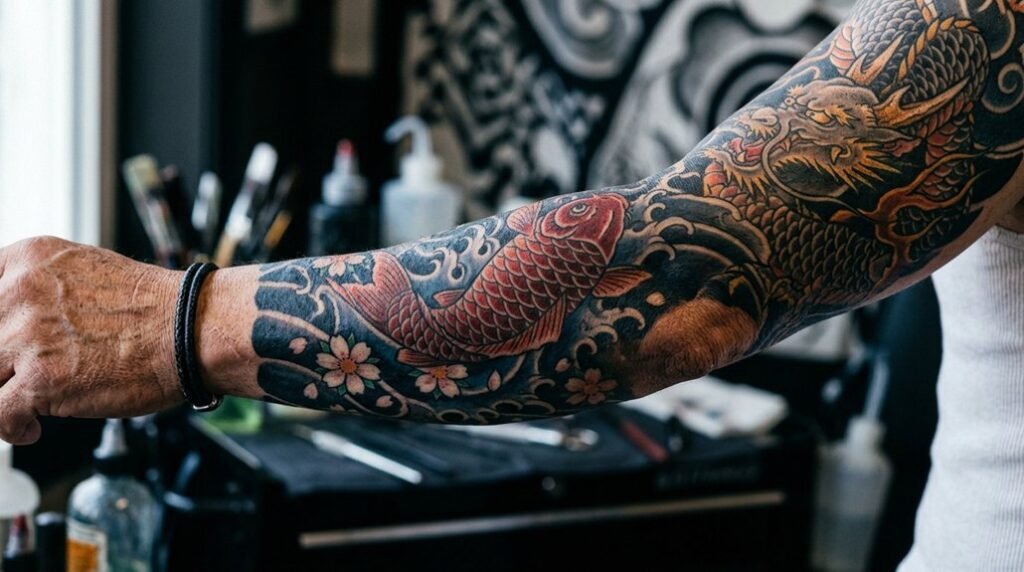
You’re standing in front of the mirror, tracing a design you can’t yet translate. That koi on your artist’s wall isn’t just a fish—it’s a story of struggle you might already be living. But you don’t know which symbols actually belong to you, or why the placement changes everything. Before you commit ink to skin, you’ll want to understand what you’re really asking for.
Key Takeaways
- Koi fish symbolize perseverance and strength against adversity in Japanese tattoo tradition.
- Cherry blossoms represent life’s fleeting nature and the acceptance of mortality.
- Dragons embody wisdom, balance, and protection when rendered in traditional style.
- Color choice dramatically alters meaning, such as gold elevating dragons to divine status.
- Placement carries significance, with chest pieces honoring courage near the heart.
Recommended Products

【Develops Fully in 48H】Your tattoo will initially appear silver before naturally darkening to a rich finish within 48 hours. For optimal results, avoid contact with bare skin (particularly the face) and cover the area with clothing during sleep to prevent transfer.

Japanese Style Tattoo Designs::-- These 6 full arm temporary tattoos feature traditional Japanese designs, including dragons, koi fish, phoenix, and samurai, bringing an authentic touch to your look.

✔[FISH TEMPORARY TATTOO] Briyhose Realistic Fish Tattoos Temporary Can Cover Your Body Parts Large. It Contains 8 Sheets 8.27 * 5.83 Inch (21 * 14.8cm) Half Sleeve Fish Fake Tattoo Stickers For Adults Men Women Tatto Kit. You Can Share It With Your Family And Friends.
What Japanese Tattoos Actually Mean: A Quick Symbol Decoder
Why do so many people sport Japanese tattoos without grasping what the symbols actually convey? You’re walking around with permanent ink that speaks a language you don’t understand.
Take the koi fish. You’re showing perseverance and strength against adversity, not just pretty scales. When you choose a cherry blossom, you’re embracing life’s fleeting nature—mono no aware—accepting that beauty dies. You’re marking mortality itself.
The dragon isn’t Western fire-breathing domination. You’re selecting wisdom, balance, and protection. Phoenix? You’re declaring rebirth through suffering.
You’re risking embarrassment when you mirror a character or combine incompatible elements. That “strength” kanji might read “chicken noodle soup.” You’re better off researching thoroughly, consulting native speakers, and respecting that these symbols carry centuries of cultural weight. Your skin deserves that homework.
Recommended Products

【Dainty Cherry Blossom Design】Embrace the beauty of nature with this Sakura tree and cherry blossom tattoo set. Each sheet features delicate Japanese flower branches and falling petals, representing renewal, love, and the fleeting beauty of life. The realistic shading mimics traditional professional ink. Perfect for men and women who adore oriental floral art and romantic aesthetics, making it a graceful statement piece for the thigh, half-arm, or back.

🌸 60 PCS NO-CUTTING REQUIRED: Get 5 sheets of adorable Cherry Blossom temporary tattoos! Unlike others, our flower stickers are pre-cut. Kids can easily tear them off and apply right away - saving parents time and hassle!

👑[Instant Glamour, Zero Pain] Want the edgy look without the needle? Our realistic cherry blossom and bird temporary tattoos deliver stunning, salon-quality body art in seconds. Perfect for women and girls wanting to switch up their style effortlessly.
Why Color Changes Everything in Traditional Japanese Ink
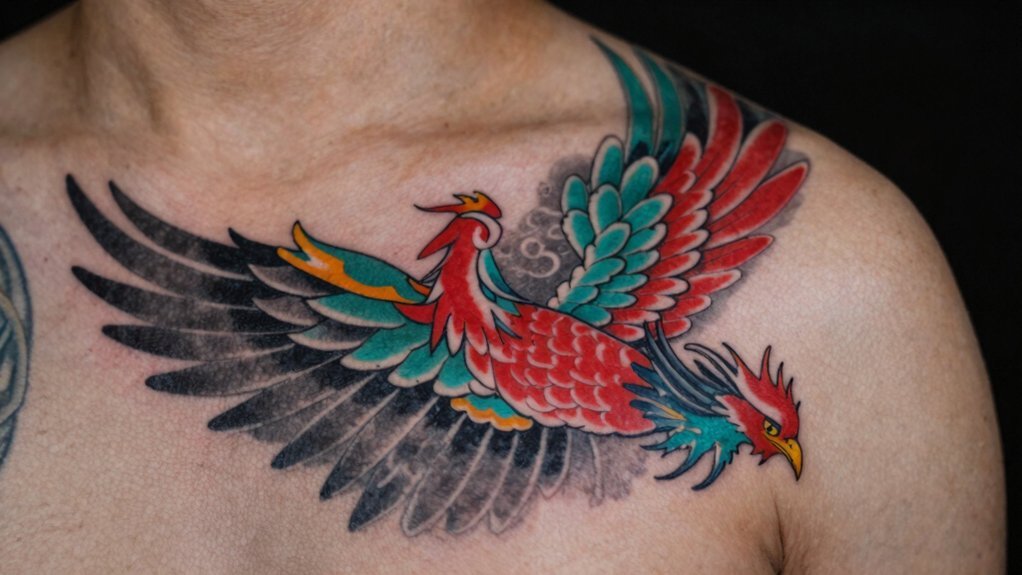
You’ve decoded the symbols, but you’re still missing half the message if you’re ignoring the palette. In traditional Japanese tattooing, color isn’t decoration—it’s narration.
You see black ink as the backbone: sumi creates depth, shadow, and the dramatic contrasts that make these compositions iconic. But when you add vermillion, you’re injecting life, passion, or fiery energy into a koi or phoenix. You use indigo to cool things down, suggesting water, calm, or the moonlit night. Gold isn’t wealth alone; it transforms a dragon into divine protector rather than mere beast.
You’re choosing your story with every pigment. A red lotus differs utterly from a black one. You don’t just wear an image—you wield a language where hue decides meaning.
Recommended Products

[Traditional Japanese Art with Lifelike 3D Printing] Stand out with a detailed traditional Irezumi pattern. Unlike cheap flat prints, our seamless 3D printing creates an incredibly realistic tattoo look without the pain or permanent commitment.

PERFECT FIT FOR JAPANESE-SIZED CARDS: Designed specifically for trading cards measuring up to 59x86 mm, these sleeves are ideal for games like Yu-Gi-Oh! and Cardfight!! Vanguard.
PERFECT FIT FOR JAPANESE-SIZED CARDS: Designed specifically for trading cards measuring up to 59x86 mm, these sleeves are ideal for games like Yu-Gi-Oh! and Cardfight!! Vanguard.
How Tattoo Placement Adds Another Layer of Meaning
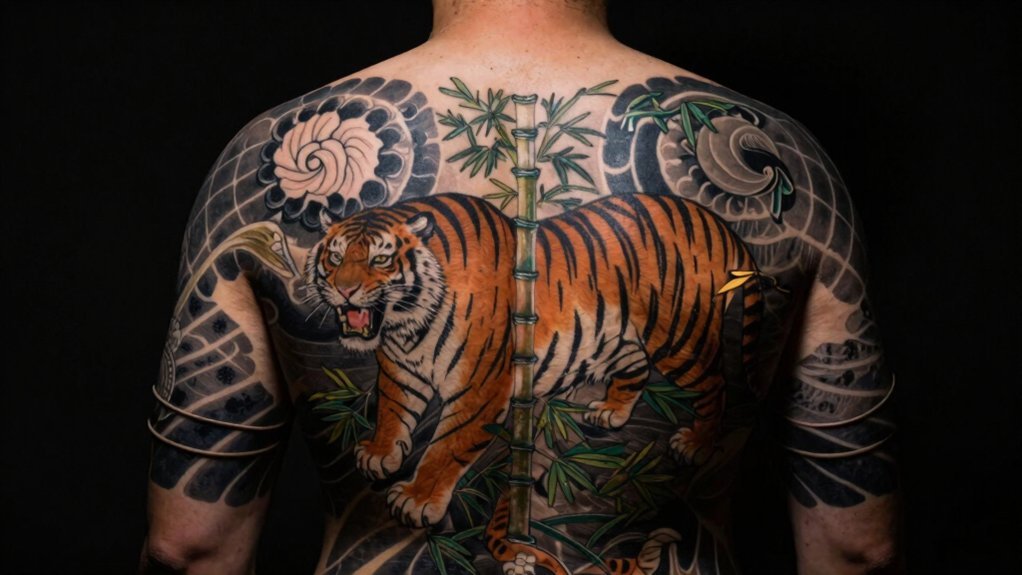
Where you place a tattoo on your body isn’t just about aesthetics—it’s a deliberate choice that shifts its spiritual weight and social signal. You’ll find that chest pieces honor courage and protection, placing the design close to your heart where it guards what matters most.
When you ink your back, you’re carrying your story—it’s private, revealed only when you choose, giving you control over who witnesses your truth.
Your arms broadcast your identity outward; they mark you as someone who’s walked particular paths.
Full sleeves once signaled full commitment within specific social worlds.
Even your legs hold meaning—they ground you, connect you to earth and movement. You’re not just selecting a spot; you’re assigning visibility, vulnerability, and power to your art.
Recommended Products


FAKE TATTOOS, REAL FUN – Express yourself with original Tatsy temporary tattoos. Perfect for parties, festivals, holidays, special events or everyday style. Enjoy the look of real body art without the commitment of a permanent tattoo.
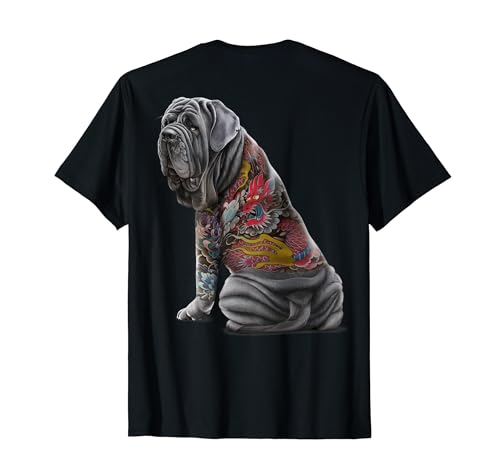
Our design features a stern Neapolitan Mastiff dog with a traditional Japanese dragon tattoo (Irezumi), symbolizing protection for families and homes. Embrace the positive ancient meaning of happiness, freedom, and good luck.
How to Choose a Design That Actually Fits Your Story
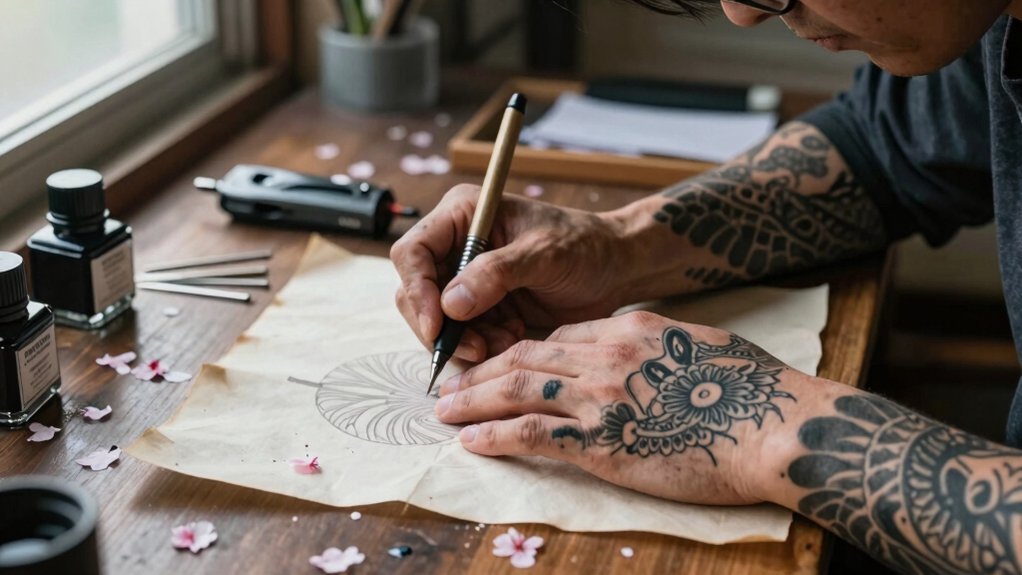
What draws you to a particular image—a memory, a fear, a hope you’ve barely named? Start there. Don’t copy someone else’s koi or dragon because it looks powerful. Ask yourself: what’ve you actually survived? A koi swimming upstream suits someone who’s fought through failure. Cherry blossoms fit if you’ve accepted impermanence. You’re choosing a visual language that predates you by centuries—respect it by making it personal.
Research the folklore. Learn which creatures guard, which transform, which mourn. Match the symbolism to your lived experience, not your aspirational self. If you’ve rebuilt after loss, consider phoenix imagery. If you’ve found discipline late, a tiger might speak. The design becomes yours when you can’t separate the story from the skin.
Recommended Products

Unique Design Chest Underboob Temporary Tattoo: Yazhiji chest Fake Tattoo were not only super cool, but also a symbol of strength, passion, and determination, reflecting strength, bravery and courage, chest themes tattoos symbolize the spirit of freedom, adventure and rebellion.

Water Resistant Temporary Tattoos: These temporary tattoos are water resistant and can be used on the skin.

OVER 60 TEMPORARY TATTOOS --- One package includes 20pcs temporary tattoo stickers, more than 60 exquisite Chinese character tattoos designs. Safe, non-toxic, tasteless materials, realistic, waterproof, durable, carefully selected styles each can be called a classic, you can try a variety of different styles.
What to Look for in a Japanese Tattoo Artist
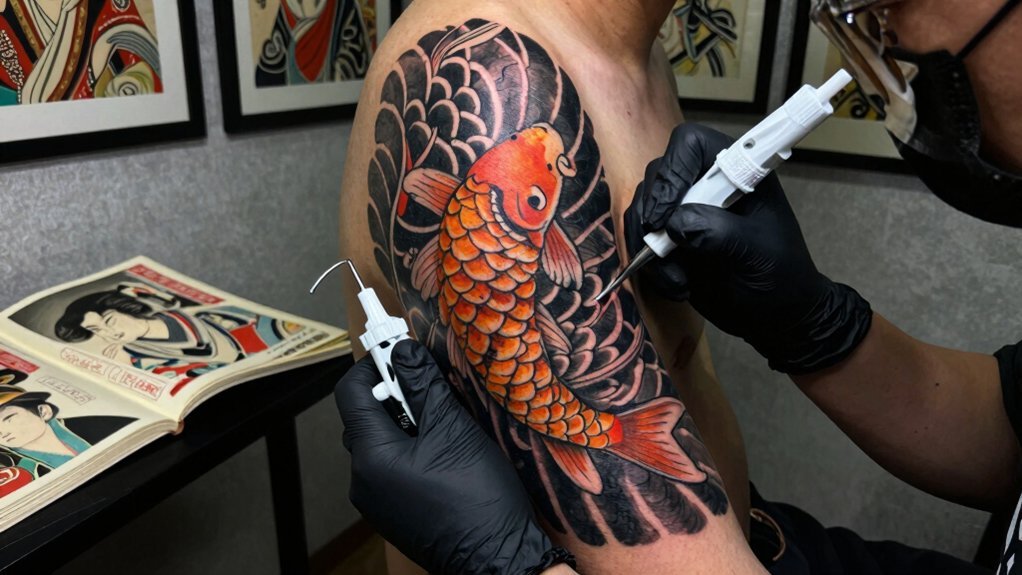
Once you’ve found a design that carries your weight, the person holding the needle matters just as much. You need an artist who deeply understands Japanese tattoo tradition, not just someone who copies flash from Google.
Check their portfolio for consistent line work, proper color saturation, and traditional motifs executed with cultural respect. Look for dragons with correct scale patterns, koi swimming upstream, and kanji that actually means what you think. Ask where they studied and who mentored them. Apprenticeship under a recognized tebori master counts for everything.
Demand to see healed work, not just fresh tattoos. Japanese pieces age dramatically, and you’ll live with this decision for decades.
Don’t bargain shop. You’re paying for years of specialized training and cultural knowledge. Trust your gut—if an artist rushes you or dismisses your questions, walk away.
Recommended Products

TEMPORARY TATTOOS FISH - 6 sheets extra large temporary tattoos which are measured dimension 5.5'' x 7.8''. Your friends will be surprised you took a such big tattoo! Great fun for parties, special events also for testing how would a real tattoo look like.

HIGH QUALITY - You can be sure that only high-quality vinyl is used for Koi Fish stickers. Our stickers are made of durable vinyl material, ensuring long-lasting adhesion and vibrant colors.

Durable: Available in 4 colors of the highest quality adhesive ink that last for 3-5 days, our luminous men’s rave henna replacement glow in the dark body paint kit are the best blacklight tattoo temporary rave festival decorations do not peel off till you are tired of using them. These are your go-to body art rave accessories if you seek durability & vivid display of colors.
How Japanese Tattoos Went From Sacred Mark to Outlaw Art
How did a mark of spiritual devotion become a badge of criminal infamy?
You trace this transformation through centuries of shifting power. In ancient Japan, you would’ve worn tattoos as protective talismans or spiritual symbols. Buddhist pilgrims marked their devotion; fishermen sought protection from water spirits. You’d find these practices accepted, even revered.
Then everything changed. In the seventh century, authorities began using tattoos to brand criminals—you’d receive permanent marks for your transgressions. By the Edo period, decorative tattooing flourished among commoners, but the stigma lingered. You’d watch as the Meiji government banned tattoos entirely in 1872, driving the art underground.
Criminal organizations embraced what society rejected. You’d see yakuza members cover their bodies in elaborate irezumi, reclaiming the mark. Today, you still encounter this complex legacy—sacred roots tangled with outlaw reputation.
Recommended Products

PACKAGE CONTENTS: Set of 30 sheets featuring diverse pink cherry blossom and floral designs, including wreaths, petals, and various flower arrangements

[Semi-Permanent, Realistic Tattoos] INKARTLINK semi-permanent tattoos are lifelike, durable, waterproof, and sweat-resistant, lasting 7–14 days and gradually fading as the skin’s outer layer sheds. They’re perfect for everyday wear, events, or themed occasions. From the beach to the office, they stay vibrant, allowing you to effortlessly showcase your body art in any setting.

Minimalist Cherry Blossom Branch Design: This semi-permanent tattoo pack contains two identical sheets with clustered cherry blossom blooms, thin twigs and budding flowers finished with splatter ink texture. Cherry blossoms symbolize renewal, fleeting beauty and new beginnings. Sketch ink botanical minimalist art fits shoulder, collarbone, rib and upper arm. Ideal for floral line art enthusiasts seeking soft vintage blossom body decorations.
Conclusion
You’re not just picking art; you’re wearing centuries of philosophy. When you choose koi or dragons, you’re claiming their resilience or wisdom. Where you place them—heart or sleeve—shapes the bold story you’ll carry daily. Verify your artist’s lineage and kanji carefully, respecting traditions that survived outlaw stigma. Don’t chase fleeting trends; let these sacred symbols reflect your authentic journey. Your skin deserves nothing less than deep, lasting truth.
Recommended Products


PERFECT FIT FOR JAPANESE-SIZED CARDS: Designed specifically for trading cards measuring up to 59x86 mm, these sleeves are ideal for games like Yu-Gi-Oh! and Cardfight!! Vanguard.

PERFECT FIT FOR JAPANESE-SIZED CARDS: Designed specifically for trading cards measuring up to 59x86 mm, these sleeves are ideal for games like Yu-Gi-Oh! and Cardfight!! Vanguard.