
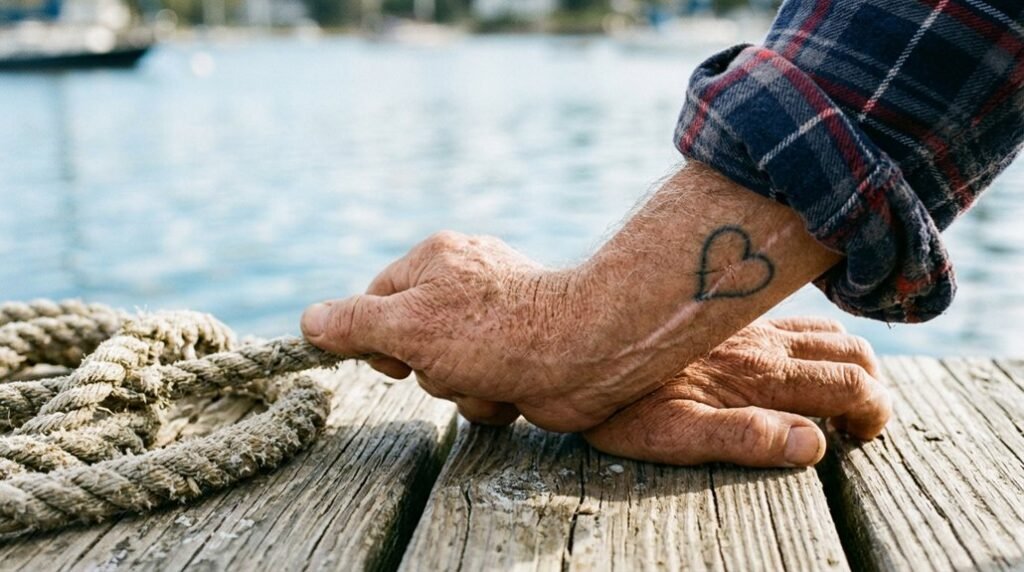
You’ve probably passed hundreds of heart tattoos without noticing what they actually confess. That simple shape on someone’s skin might guard a secret, commemorate a loss, or declare devotion they’d never speak aloud. But you’re about to discover why this ancient symbol still demands such prime real estate on bodies today—and why the same design can mean entirely different things depending on where it sits.
Key Takeaways
- Heart tattoos primarily symbolize love, passion, and the vitality of life itself.
- Broken heart designs transform grief into art, showing healing rather than erasure.
- Sacred hearts carry Catholic devotion through flames, thorns, and sacrifice imagery.
- Color choices dramatically shift meaning: red for passion, blue for grief, black for survival.
- Placement determines visibility: chest declares openly, while ribs or hips preserve intimacy.
Recommended Products

HIGH-QUALITY PRACTICE PAPER - Includes 20 sheets of 240 GSM textured paper, perfect for tattoo practice and honing your skills with ballpoint pens.

【Double-headed Design】- You will get a 6pcs - liquid eyeliner set in the package, each of which is about 12.3 cm in length and 1.17 cm in diameter, with a double-headed design, one head with an delicate soft black eyeliner pencil for drawing precise eye lines, and the other head with a tattoo eyeliner stamp use for eye decoration.
What a Heart Tattoo Really Means
Why do people choose heart tattoos above nearly any other design? You’re drawn to symbols that speak without words, and you’ve found that the heart carries universal weight. When you select this shape, you’re tapping into something primal—love, passion, life itself pulsing through your veins.
You’ve seen hearts on chests, wrists, ankles, each placement whispering different truths. You might ink one to mark a child’s birth, a partner’s name curled inside the chambers. You could choose flaming hearts for desire, crowned ones for loyalty, or sacred hearts for faith reclaimed.
Your heart tattoo doesn’t ask permission. It declares what moves you, who moves you. You’re wearing vulnerability as armor, turning private feeling into public testament. You’ve made your skin a diary page, and the heart’s your signature.
Recommended Products

Western Outlaw Skeleton Design: This semi-permanent temporary tattoos pack holds 2 sheets including one sombrero-wearing skeleton gunslinger piece, assorted bullet hole splatters and one cracked shattered heart motif. Skeleton gunslinger symbolizes fearless rebellious spirit and wild west outlaw attitude; bullet holes add rugged edgy charm; cracked heart stands for resilience through hardship. Ideal for western culture fans and anyone seeking bold statement body art.

FUN TATTOOS - Enjoy this fun sheet of temporary tattoos that can be applied on skin or used as a waterslide decal on a variety of surfaces. Temporary tattoos are great for party favors, events, costumes and dress-up, permanent tattoo testing or just for fun.

What Broken Heart Tattoos Say About Grief and Healing
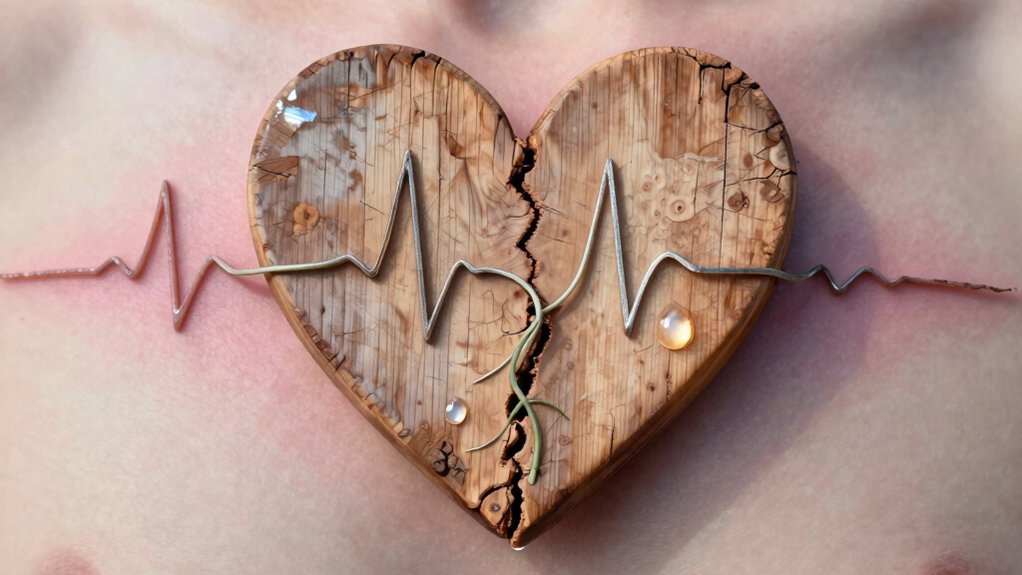
How do you carry a loss that words can’t hold? You etch it into your skin. A broken heart tattoo transforms your grief into visible art. You stitch the cracks, you mend the pieces, you declare that healing isn’t erasure but reconstruction.
You’re wearing your heartbreak openly. You’re refusing to hide the damage. The jagged lines remember what shattered; the threads show you’re pulling yourself together. You choose whether the break looks fresh or scars over time.
You reclaim your narrative. You’re not stuck in sorrow—you’re moving through it. The ink becomes your ritual, your witness, your map back to wholeness. You don’t forget; you integrate. You carry the loss differently now. You’ve stopped letting it carry you.
Recommended Products


Precision Laser Cut

DESIGNED FOR TATTOO TECHNIQUE TRAINING. Built to help artists improve linework, shading, and control using rotary tattoo machines and Inlumino's patented ballpoint cartridges
Why Sacred Heart Tattoos Still Hold Religious Meaning
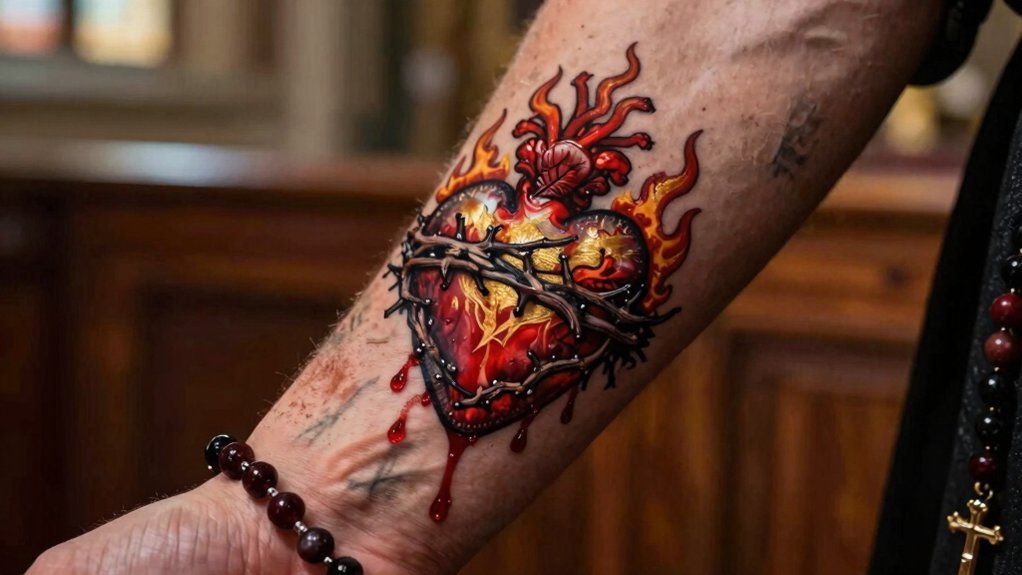
Where does devotion go when you need it with you always? You carry it on your skin. The Sacred Heart tattoo wraps you in centuries of Catholic tradition—you wear Christ’s love literally burning, thorns pressing, flame dancing.
You’re not just decorating yourself; you’re declaring allegiance. When you choose this image, you step into a lineage of believers who’ve risked everything for visible faith. The flames remind you of passion that consumes. The crown of thorns grounds you in sacrifice. The cross anchors your wandering. You might kneel in pews, but you rise with this emblem never hidden, never separate from your daily work, your ordinary moments.
In secular spaces, you still carry your sanctuary. Your tattoo speaks when you stay silent.
Recommended Products

Realistic Finish: Different from you know ordinary temporary tattoo stickers or fake tattoos. It is so real and comparable to the real tattoo. It is a semi-permanent technology, Water-Resistant, friction-resistant, and can last for a long time, staying on your skin for 1-2 weeks.

Beautiful Sacred Heart of Jesus design inspired by traditional Catholic devotion. Perfect for believers who want to express faith, spirituality, and love for Christ through meaningful Catholic apparel.

Sacred Heart of Jesus: you will receive 60 pcs sacred heart decor in 3 styles, 20 pieces of each style; They are respectively sacred heart of Jesus, immaculate heart of Mary, the most chaste heart
How Color Changes the Message of Your Heart Tattoo
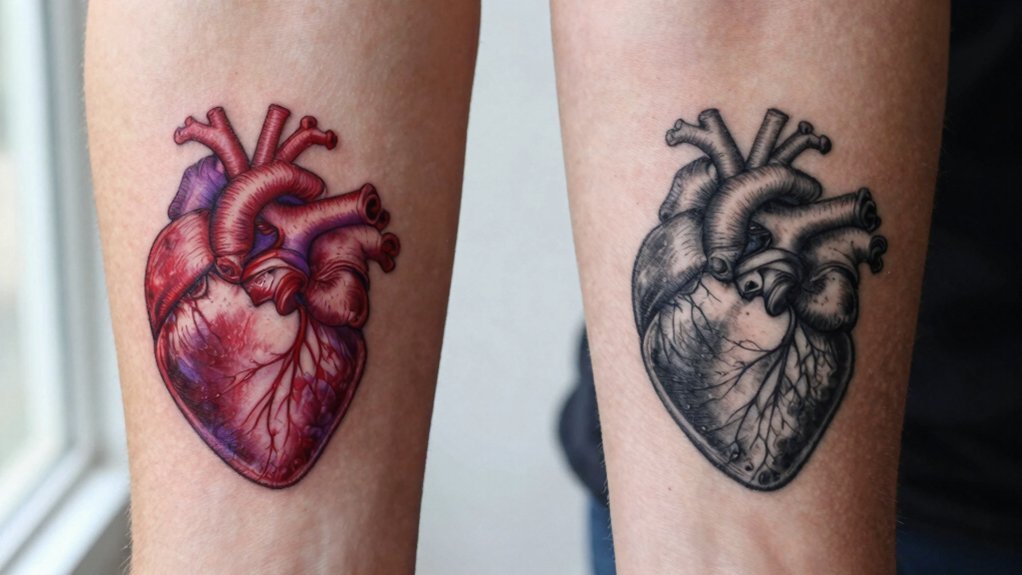
Sacred Heart imagery carries its weight in black and gray, but you change the conversation entirely when you add color. You signal passion, danger, or unfiltered emotion when you choose red. You shift toward healing, growth, or fresh starts when you select green. Blue hearts let you communicate calm, loyalty, or grief without speaking. Yellow or gold ones broadcast joy, warmth, or spiritual light.
You also control intensity through saturation. Muted tones create nostalgia; neon shades scream rebellion. A black heart doesn’t always mean sorrow—you might use it to show something you’ve survived, something closed off, or something reclaimed.
White ink offers subtlety; you’re hiding meaning in plain sight. Pastel blends let you capture love’s gentler forms. You’re not just decorating skin—you’re calibrating emotional frequency through your palette.
Recommended Products

Variety Pattern Selection: This set of face painting stencils for kids contains 183 different theme patterns in 12 sheets A5 size. Everyday children's favorite designs such as dinosaurs, butterflies, mermaids, flowers, cakes, animals, letters, crowns, astronauts and Christmas holiday styles such as Santa Claus and snowflakes allow children to give full play to their imagination and fill in patterns freely
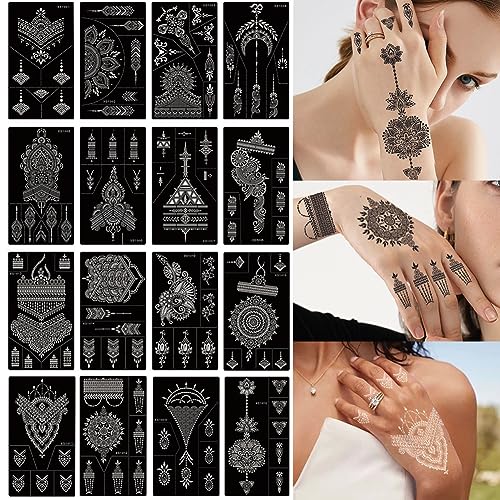
Package: 16 Sheets temporary henna tattoo stencils, self-adhesive henna stencils with various patterns. Only has tattoo template, no tattoo ink

183PCS Different Styles Tattoos Stencil: Our temporary tattoo stencils forkids comes with 183 temporary tattoo stencils painting set design such as flowers, cats, hearts, skulls, dinosaurs, fruits, deer, scorpions, Hannah, unicorns, whales, cars, rainbows, telescopes, ships, too fast, astronauts, pirates, letters, stars and more Style in 12 sheets A5 size. Perfect for festivals, parties, or daily fashion.
Where You Place Your Heart Tattoo Changes Its Meaning
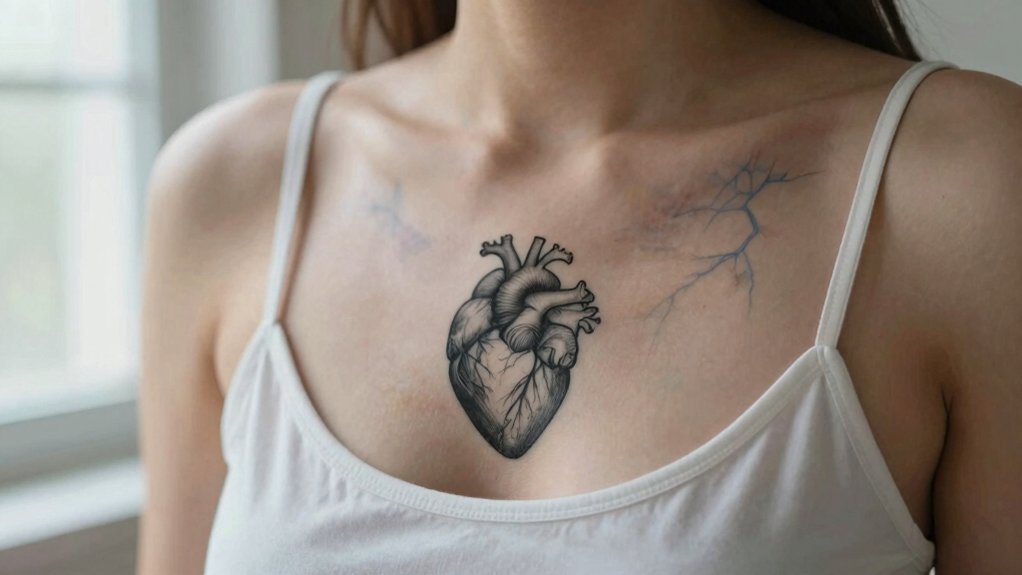
Why limit yourself to symbolism when your body itself becomes the message? You choose where to place your heart tattoo, and that choice speaks volumes. You ink your heart over your actual chest when you’re declaring authentic, deeply felt emotion—love that you wear for the world to witness. You hide it on your hip or ribs when you’re keeping something intimate, reserved for those you’ve invited closer.
You place it on your wrist or forearm to remind yourself daily of resilience, loss, or devotion. You stamp it on your hand when you’re marking commitment you’ll never shake. You cluster hearts behind your ear when you’re whispering memories. You’re not just decorating skin—you’re mapping meaning onto your anatomy, turning placement into personal declaration.
Recommended Products

Dark Cracked Heart Tribal Design: This semi-permanent temporary tattoos pack holds 2 sheets with a central cracked heart with spreading crack lines plus assorted spiky tribal thorn patterns. Cracked heart symbolizes resilient love that grows through hardships; sharp tribal motifs represent bold self-expression and avant-garde attitude. Ideal for dark aesthetic lovers and anyone seeking unique edgy hand body art.

2 STRETCHY CHOKERS: Choker Necklace for Women With 2 Colorful Stretch Chokers - 1 Plain Band, 1 Broken Heart Charm Pendant. Slips Over Head for Snug One Size Fit, No Clasp Needed. Instant Y2K 90s Tattoo Choker Look, Hypoallergenic, Nickel Free, Pairs With Any Outfit Day or Night

You will receive 8 sheets of Valentine's Day temporary tattoos at one time, and each sheet has 15 small pieces, 120 pieces in total, enough quantities to satisfy your daily using and sharing on Valentine's Day
How to Add Names, Dates, and Symbols to Your Heart Tattoo
How do you transform a simple heart into something unmistakably yours? You weave in names, dates, and symbols that anchor your design to lived experience.
You place names inside the heart or wrap them along its curves—perhaps a child’s name tucked within the left chamber, or a partner’s initials flowing through the center. You position dates below the point, marking anniversaries, losses, or beginnings in clean numerals or Roman script. You integrate symbols that amplify meaning: birds for freedom, anchors for stability, or broken lines where grief lives.
You choose placement deliberately. Names across the heartbeat line pulse with life. Dates carved into banner ribbons echo traditional memorials. You balance density—too many elements blur focus; too few leave the story untold.
You work with your artist. You’ll refine scale, ensuring text remains legible as skin ages. You’ll test scripts, letting cursive soften edges or block letters command attention. You’re building a visual autobiography, one deliberate choice at a time.
Recommended Products

Package includes: there are 8 pieces of stencils made in different sizes in the package, the sufficient quantity and various sizes will meet your decoration and DIY needs easily

Pattern rich: Red Heart Valentine Love Temporary Tattoos include 8 Sheets 96 PCS, the size of each sheet is 6.3* 4.7 inches. Easy to share,even if a lot of people's parties, you can have a different tattoo with others.These adorable tattoos will keep you and your little ones – and their friends – occupied for a while.

Idea Gift: Indian Arabian Large temporary henna tattoo stencils kit include a wide variety of patterns, which is a idea gift choice for your wife, daughter and girl friends
How to Match Your Heart Tattoo Design to Its Meaning
Once you’ve layered in names, dates, and symbols, you face a steeper test: making sure the heart itself matches what you’re actually trying to say. You can’t slap a bleeding heart on a tribute to your grandmother—it sends the wrong signal entirely.
Start by examining the style. You want something classic? Choose a traditional, symmetrical shape with clean lines. You’re marking loss? Consider a broken or anatomical design. You’re celebrating romance? A stylized, flowing heart with curves softens the message.
Pay attention to line weight too. Bold outlines shout confidence; thin, delicate strokes whisper intimacy. You control this conversation through your choices.
Finally, placement reinforces meaning. You put memorial pieces where you can see them daily. You hide rebellious hearts where only you know they exist. Match every element, and your tattoo speaks clearly.
Recommended Products

SACRED HEART STICKERS This set includes three vibrant vinyl stickers featuring the Sacred Heart of Jesus, surrounded by a traditional devotional prayer. A meaningful symbol of Christ’s love and mercy.

Package Including: receive 60 pcs sacred heart of jesus pins bulk in one shipment, featuring 3 distinct styles with 20 pieces of each design; Whether for personal collections to match varying moods and outfits, or as first communion appreciation gifts for family and catholic party giveaways, this package offers exceptional value for diverse usage needs

Exquisite Catholic Diptych: this sacred heart of jesus picture features a classic about 5.1 x 3.5 x 0.4 inch / 13 x 9 x 1 cm folding design, depicting the sacred heart of jesus and the immaculate heart of mary with delicate and devout brushstrokes, adorned with elegant gold accents, radiating piety and grace
Conclusion
You carry your story on your skin, and a heart tattoo lets you wear what matters most. Whether you choose flame, crown, or break, placement and color shape your truth. Trust your instincts—this ink belongs to you alone, a permanent reminder of love survived, faith kept, or passion burning still. Let meaning guide your design.
Recommended Products

Face Paint Stencils---You will receive 16pcs face painting stencils,which can meet your needs of different patterns.

✅ 【Dual Tip Use】Liquid eyeliner adopts a very easy to use dual tip design, one end is a fine and delicate soft black eyeliner, the other end is a patterned tattoo eyeliner stamp pen, a variety of vivid and lovely patterned stamps can be used to decorate your eyes, which can make you more attractive.