
You want ink, but you’re nursing—that pause before you book matters more than you think. The real question isn’t whether you *can*, but whether your postpartum body is ready to heal cleanly while you’re sleep-deprived and constantly touched. Ink itself won’t taint your milk, yet infection absolutely can derail both of you. The devil lives in timing, artist choice, and aftercare logistics you’re probably too exhausted to think about yet.
Key Takeaways
- Wait 6–8 weeks postpartum for hormone stabilization and milk supply regulation before tattooing.
- Tattoo ink particles remain trapped in skin and cannot enter breast milk or harm your nursing baby.
- Infection poses the greatest risk, as postpartum immune systems heal slower and babies frequently touch healing areas.
- Hormonal changes during breastfeeding may affect pain tolerance, skin elasticity, and final tattoo appearance.
- Vet artists carefully, schedule morning sessions, and cover tattoos during feeds to protect healing and milk supply.
Recommended Products

COMPLETE AFTERCARE KIT FOR NEW & EXISTING TATTOOS: This Tattoo Aftercare Kit brings together 3 essentials, Antimicrobial Soap, Tattoo Balm, and Tattoo Lotion, to help cleanse, protect, and moisturize fresh ink. Useful after tattoo sessions and throughout healing, it supports vibrant color and skin comfort for dedicated ink enthusiasts and artists

Nourishes Healing Ink for Vibrant Color: Tattoo Goo supports healing tattoos & maintains vibrancy on healed ink with a lightweight formula rich in olive oil, lavender oil, cocoa butter, and beeswax. It absorbs quickly, moisturizes deeply, and helps reduce dryness, itch and tightness so your tattoo looks and feels comfortable through everyday routines
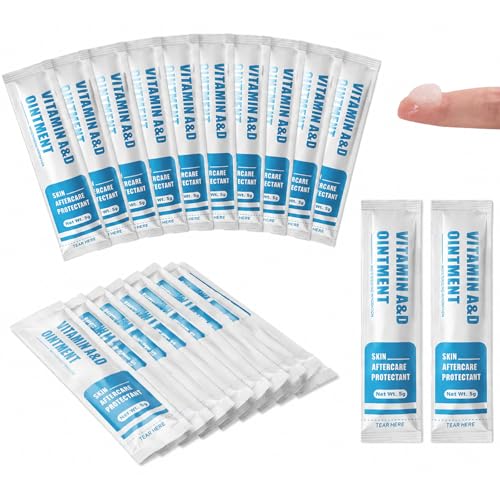
Honest, Accurate Care – This protective ointment comes in 50 hygienic single-serve packets for mess-free, on-the-go convenience. Easy to apply for tattoo protection anytime.
Can You Get a Tattoo While Breastfeeding?
Why tempt unnecessary risks when your baby depends on your healthy body for nourishment? You’re already navigating sleepless nights and healing from birth; adding a tattoo introduces avoidable complications.
You’ll face infection risks from needles breaking skin, and your healing capacity isn’t at its peak right now. Your immune system prioritizes recovery and milk production, not fighting off potential contaminants from fresh ink.
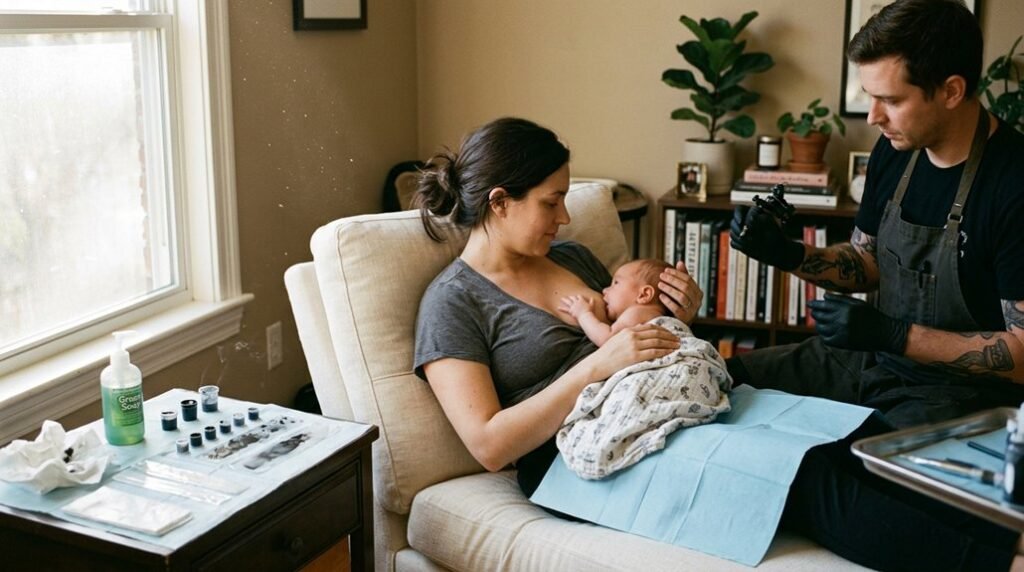
You’re also managing a newborn who touches, kicks, and grabs constantly. A healing tattoo sits right where your baby nests during feedings. You’ll struggle to keep the area clean and undisturbed.
Most reputable artists refuse to tattoo breastfeeding mothers anyway. You’d wait months for most life changes—this one’s temporary. Your child’s safety outweighs any urgency you’re feeling.
Recommended Products

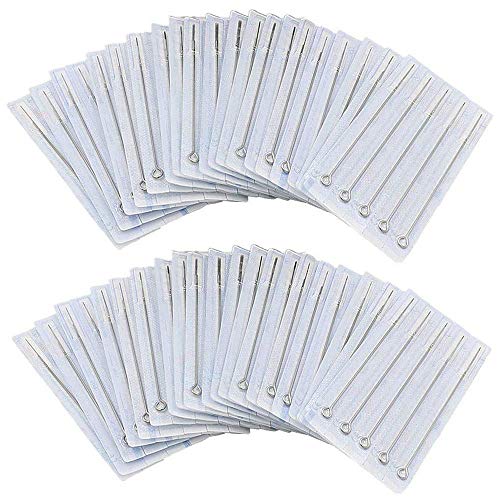
Poseidon cartridge adopt a one-time joint design hygienic standard The material is stainless steel and easy to color,and has better ink flow

Precision & sharpness
Does Tattoo Ink Actually Get Into Your Breast Milk?
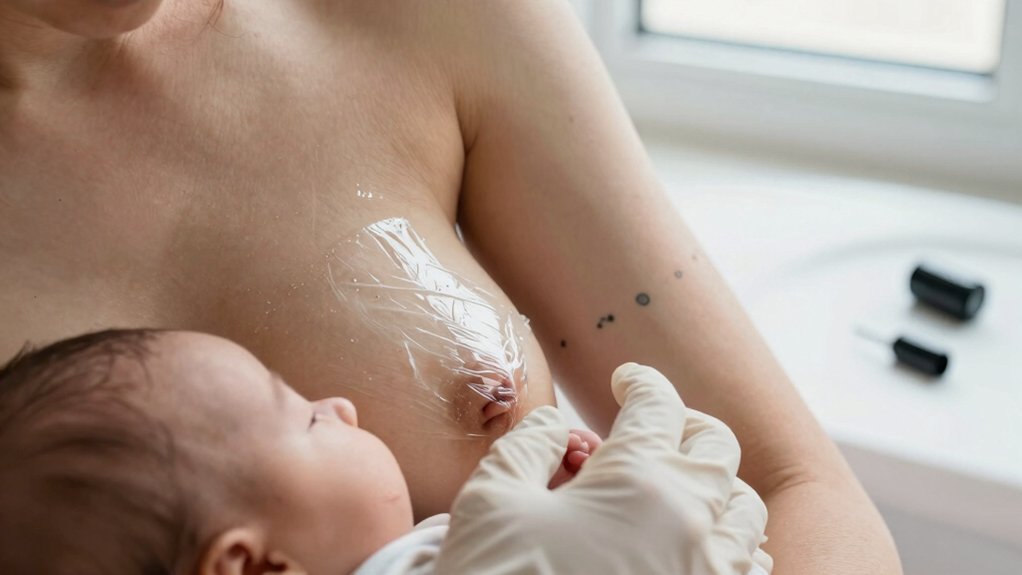
Because your breast milk comes from your bloodstream, you’re right to wonder if tattoo ink could travel there too. Tattoo ink particles are too large to enter your bloodstream. They stay trapped in your skin’s dermis, encased by immune cells. Your body doesn’t process or break down the ink in a way that releases it systemically.
You won’t find tattoo pigment circulating through your veins, so it can’t reach your milk supply. Research hasn’t detected ink components in breast milk after tattooing. The molecules simply don’t migrate from skin to blood to milk.
You can feel confident that the physical ink itself poses no direct contamination risk to your nursing baby. The barrier your skin creates keeps everything localized right where the artist placed it.
Recommended Products

✡Various Purpose - Care for all types of wounds; Waterproof cover; Fixed dressing; Tattoo aftercare. It can help lock in the color, protect your tattooed skin, and reduce scabbing when you wash or moisturize your tattoo, quickly form a protective film then accelerate your recovery

After tattoo care:Helps safeguard new tattoos or retouched areas, supporting a cleaner, smoother healing process. It can help lock the color, protect your tattooed skin, reduce scab when you wash or moisturize your tattoo, quickly form a protective film, and then accelerate your recovery.

Widely Used: Our tattoo film has grid lines on the backing paper, which can be cut into different sizes according to requirements. The size of the film is 6 inches x 8 yards, including 3 layers, namely PET backing, PU film and release paper. Soft and stretchable, which makes it fit perfectly anywhere in the body
The Real Risks: Infection and Healing Complications
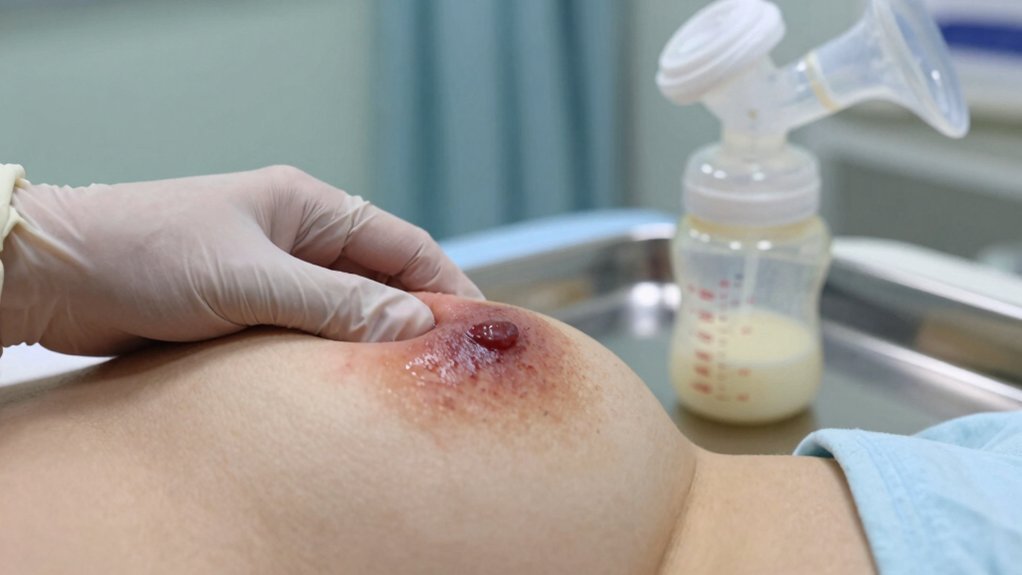
Shift your focus from ink ingredients to what actually threatens your breastfeeding routine: infection and poor healing. You’re creating an open wound that demands constant care while you’re already stretched thin with a newborn.
You risk bacterial infection at the tattoo site, which can spread systemically and require antibiotics that complicate nursing. Your immune system runs differently postpartum, so you heal slower and fight infection less effectively. You’re also sleep-deprived and distracted, making it easy to neglect aftercare or miss early warning signs like spreading redness, warmth, or pus.
Poor healing extends your vulnerability window. You’re handling your baby dozens of times daily, exposing your fresh tattoo to bacteria from diapers, spit-up, and unwashed hands. You can’t simply stop nursing to prioritize wound care. These practical risks outweigh theoretical ink concerns.
Recommended Products

100% new brand and high quality. Favored among professional tattoo technicians.

100% new brand and high quality. Favored among professional tattoo technicians.

100% new brand and high quality. Favored among professional tattoo technicians.
How Breastfeeding Alters Your Body’s Tattoo Response
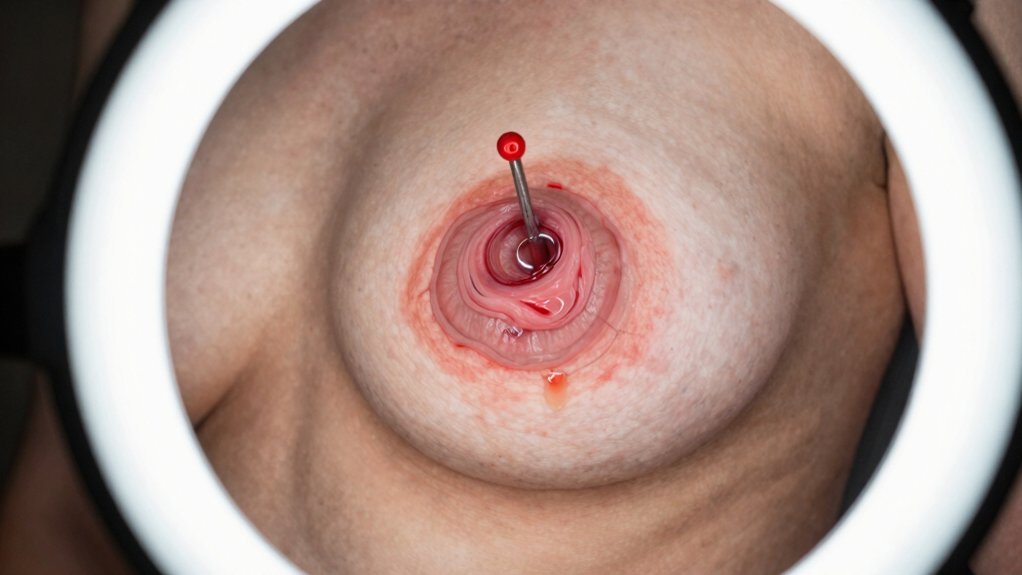
Beyond infection risks, your postpartum body processes tattooing differently than it did before pregnancy. You’re producing prolactin and oxytocin, which shift your immune response and alter how you heal. Your skin retains extra fluid and elasticity from pregnancy, making it more prone to tearing during needling. You’ll notice ink saturation varies because hormonal fluctuations change your cell turnover rate significantly.
Your pain tolerance drops since chronic sleep deprivation sensitizes your nerves. You’re also metabolizing nutrients faster to produce milk, potentially slowing wound repair quite substantially. These physiological factors combine unpredictably; some areas simply won’t hold pigment well, while others bruise excessively.
Your body prioritizes milk production over skin regeneration, leaving you vulnerable to scarring and patchy results that wouldn’t have occurred before lactation began.
Recommended Products

1. Healthy and Effective - The tattoo aftercare ointment contains natural Vitamin A and Vitamin D as well as skin-soothing plant ingredients. which can Effective Nourish Your Skin.

FROM THE LEADER IN TATTOO AFTERCARE: For years now, Mad Rabbit has consistently ranked among the most popular and highest-rated tattoo products on the market. We’ve created a top-of-the-line Tattoo Glide to help professional tattoo artists do their best work.

[ Natural Ingredients ] — Our all-natural after tattoo care butter is petroleum and paraben free. Bela tattoo post care is made from only the finest ingredients, including Shea Butter, Olive Oil, Panthenol, Tocopherol, Grape Seed Oil, Lavender Oil, Aloe Vera Extract, Coconut Oil, Camellia Japonica Seed Oil, Bisabolol, and Sunflower Oil. Great tattoo aftercare ointment.
When to Get Tattooed: Safest Timing While Breastfeeding
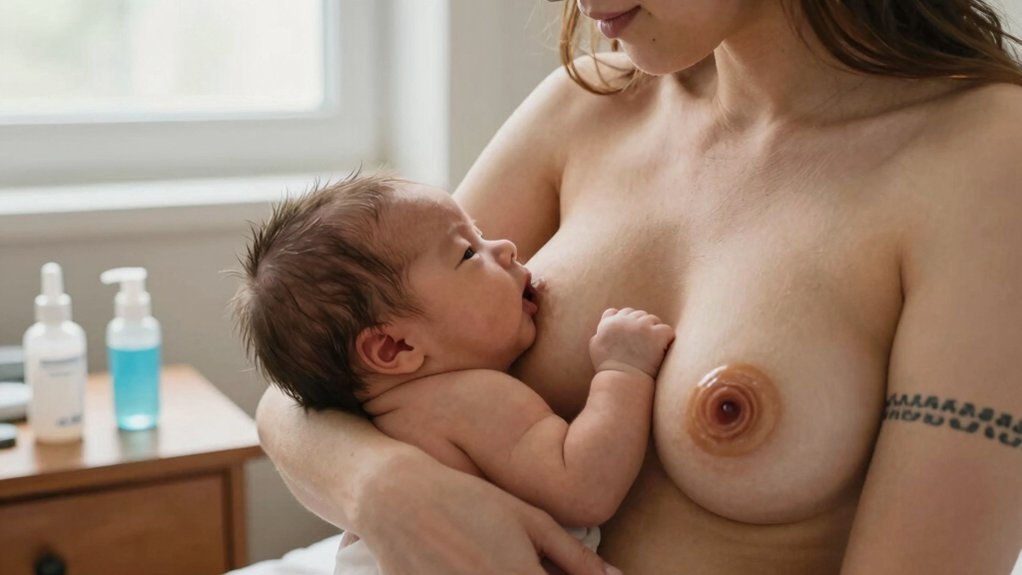
When should you actually book that appointment? You should wait until your milk supply regulates, typically after six to eight weeks postpartum. Your hormones stabilize by then, reducing skin sensitivity and bleeding risks. You’ll also establish a predictable nursing routine, making longer tattoo sessions manageable.
Consider your baby’s schedule when planning. You’ll need uninterrupted healing time without cluster feeding demands. Book morning sessions when you’re rested, since fatigue amplifies pain perception. Avoid getting tattooed during growth spurts when your baby nurses constantly.
Timing matters for healing too. Summer heat increases infection risks; winter dryness complicates aftercare. Spring or fall often work best.
Space tattoos between feedings. You’ll nurse comfortably without fresh ink pressing against your chest or abdomen. Pump extra milk beforehand for appointment days.
Recommended Products

【Value Pack】This bulk pack of 20 sterile tattoo needles (1205RS) is designed for efficiency. The spiral nozzle design holds 30% more ink than standard needles, while laser-sharpened tips ensure crisp lines and smooth shading - built for daily studio work.
【Value Pack】This bulk pack of 20 sterile tattoo needles (1007RL) is designed for efficiency. The spiral nozzle design holds 30% more ink than standard needles, while laser-sharpened tips ensure crisp lines and smooth shading - perfect for both studio professionals and home practice.

FINE LINES MEET SMOOTH SHADING: This 30PCS pack includes 5 each of 1003RL, 1005RL and 1007RL for fine, precise lines, plus 1205RM, 1207RM and 1209RM curved magnums for soft, even shading and blends. Liner sizes are #10 gauge; magnum sizes are #12. A balanced set for black and grey work, portraits and detail-to-shade transitions.
Vet Your Artist: Questions to Ask Before Booking
Once you’ve nailed down the timing, you’ll want to make sure you’re putting your skin in the right hands. Ask your artist directly: “Do you have experience tattooing breastfeeding clients?” Their answer reveals whether they’ve considered the unique considerations you’re navigating.
Probe their hygiene protocols. Ask how they sterilize equipment and whether they use single-use needles. Request to see their autoclave logs or spore test results. You’re not being pushy—you’re being smart.
Inquire about their ink sources. Reputable artists know exactly what brands they use and can confirm they’re sealed, unexpired, and from legitimate distributors.
Finally, ask how they handle clients who feel faint or need breaks. Your postpartum body responds differently to stress and pain. You need someone who’ll pause without complaint when you need to feed your baby or simply catch your breath.
Recommended Products
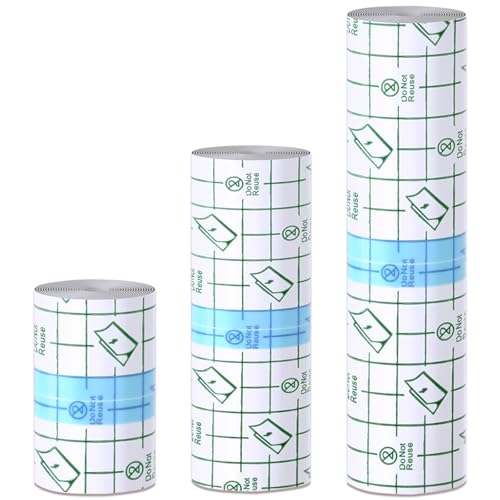
Triple-Size Value Pack for Every Tattoo Style - Get 3 full rolls of premium second skin tattoo cover (2" x 2.2 Yd, 4" x 2.2 Yd, 6" x 2.2 Yd) - sized for wrist art, back pieces, or sleeve designs. The tattoo aftercare bandage can be cut freely to match any ink!

THE ORIGINAL TATTOO AFTERCARE BANDAGE – Saniderm’s Original Gloss Bandage is the tried-and-true, industry-defining tattoo aftercare bandage. Dermatologist-recommended and trusted by expert tattoo artists worldwide, this medical-grade bandage ensures your tattoo heals quickly, safely, and more vibrantly. With over a decade of experience and millions of tattoos healed, it’s the perfect way to heal your ink.

Transparent Matte Film Protection - This breathable tattoo bandage is a must-have in your tattoo supplies, offering latex-free protection that supports gentle healing for new ink.
Studio Red Flags That Should Send You Home
How do you know when to walk away? Trust your instincts when you spot these warning signs.
You notice the floors look dirty or the counters hold visible clutter. You see artists working without gloves or opening new needle packages in front of you. You smell strong chemical odors without proper ventilation running. You can’t locate an autoclave or spore test records. The artist dismisses your breastfeeding questions or pressures you to book immediately.
You deserve a studio that prioritizes your safety and your baby’s health. When you observe poor hygiene practices, you leave. When you feel rushed or unheard, you leave. When something feels off, you leave. You find an artist who respects your concerns and maintains impeccable standards. Your body and your nursing relationship matter too much to compromise.
Recommended Products

100% new brand and high quality. Favored among professional tattoo technicians.

100% new brand and high quality. Favored among professional tattoo technicians.

Smooth: A homogenized carrier/pigment mixture that flows easily
How to Heal a New Tattoo Between Breastfeeding Sessions
Where exactly does tattoo care fit into the chaos of newborn feedings? You squeeze it into the brief windows between cluster feeds.
Wash your hands thoroughly before touching the fresh ink.
Apply a thin layer of fragrance-free ointment after nursing, not before, to prevent transferring residue to your baby’s mouth.
Keep the tattoo wrapped in breathable covering during feeds to block accidental contact with spit-up or tiny grasping hands.
Change dressings immediately if they get wet or dirty.
Sleep when the baby sleeps, but check that your tattoo isn’t sticking to sheets or clothing.
Set phone alarms for care reminders so you don’t miss applications while managing exhaustion.
You balance both demands by treating healing as non-negotiable routine, just like diaper changes.
Prioritize hygiene.
Recommended Products

STICK APPLICATION, ZERO MESS: Twist up the tattoo balm stick, swipe directly over the tattoo, and blend as needed. No jar to open, no fingers scooping product, and no need to carry a separate applicator. The solid stick format is easy to keep in a bag, bathroom cabinet or travel kit, making care simple at home or on the go. It gives you controlled application exactly where you want moisture, with less mess than traditional balm jars. Great for quick touch-ups whenever tattooed skin feels like it needs extra care, at home, after work or while traveling.

PROTECT & HEAL - H2Ocean Aquatat seals the skin in a moisturizing barrier to protect from irritants while still allowing the skin to breathe. Aquatat will also heal topical wounds on skin such as tattoos, rashes, cuts and scrapes while minimizing scabbing.

【Enriched with Vitamins A & D】This tattoo scar gel is formulated with naturally derived vitamins A and D, plus skin-calming ingredients. It helps support your skin's natural recovery process while keeping the tattoo area moisturised.
Signs Your Tattoo Is Healing Normally While Nursing
Balancing aftercare with nursing demands becomes easier when you know what healthy healing looks like.
You’ll notice your tattoo forming a thin, flaky layer—don’t pick it.
The area itches slightly and feels tight, which signals your skin’s repairing itself.
Clear or slightly cloudy plasma dries on the surface; you gently wash this away during your routine.
Your ink stays vibrant beneath the peeling skin, and redness fades within three to four days.
You spot no pus, no spreading warmth, and no foul odor.
The scabs remain small and separate rather than thick and conjoined.
You manage positioning during feeds without wincing, and your baby shows no changes in feeding behavior.
These markers confirm your body handles both healing and milk production well.
Recommended Products
【Value Pack】This bulk pack of 20 sterile tattoo needles (1209RL) is designed for efficiency. The spiral nozzle design holds 30% more ink than standard needles, while laser-sharpened tips ensure crisp lines and smooth shading - perfect for both studio professionals and home practice.

Poseidon cartridge adopt a one-time joint design hygienic standard The material is stainless steel and easy to color,and has better ink flow
What to Do If You Already Got a Tattoo While Nursing
If you’ve already gotten inked while nursing, focus shifts to protecting both your healing tattoo and your milk supply. Keep the area clean using fragrance-free soap and apply the aftercare ointment your artist recommended. Don’t let your baby touch, rub, or mouth the fresh tattoo during feedings—cover it with clean, breathable clothing or a bandage if it’s within reach.
Watch closely for infection signs: spreading redness, warmth, pus, or fever. Seek medical care immediately if these appear, and tell your provider you’re breastfeeding so they prescribe compatible antibiotics. Stay hydrated and maintain your regular nursing schedule; tattoo stress won’t tank your supply unless you skip sessions.
Avoid swimming pools, hot tubs, and direct sunlight on the healing skin. Don’t pick scabs or scratch itching areas. Your tattoo heals in about two weeks, then you’re back to normal routines.
Conclusion
You can get a tattoo while breastfeeding, but you’ll want to weigh the risks carefully. Your postpartum body heals differently, and infection is a real concern with a newborn in constant contact. If you do proceed, you’ll need an impeccable artist, strict aftercare, and smart timing around feeds. Ultimately, you’re the one who decides what’s best—you might wait until your baby weans, or you might take every precaution and get that ink now.