

You want a tattoo that won’t make you wince at fifty, but you’re stuck scrolling through Pinterest at 2 a.m. Start by asking what you’d still nod at after two decades, not what looks sharp this season. The symbols are already in your life—you just haven’t translated them yet.
Key Takeaways
- Start from personal meaning by excavating your history for repeating patterns and moments that shaped you.
- Translate memories into visual shorthand using symbols, colors, and shapes that capture transformation.
- Test longevity with a six-month wait and imagine explaining the tattoo to your future self.
- Collaborate with artists by bringing references and allowing creative interpretation for original results.
- Match placement and style to the idea’s voice, prioritizing meaning that endures beyond words.
Recommended Products
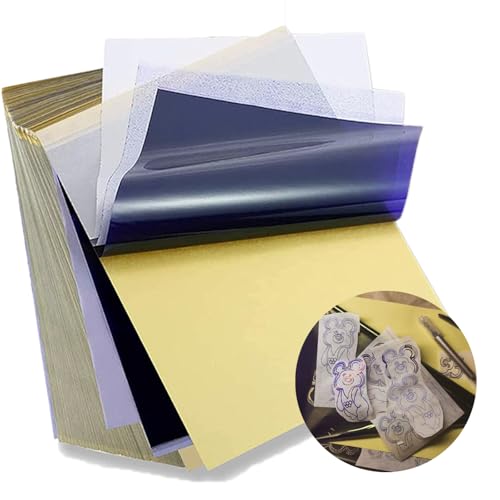
Standard size: Tattoo Transfer Paper is standard A4 paper size, each measures 8.27 in X 11.69 in. There are 4 levels in total. The thickness of the paper is very light and smooth to the touch.
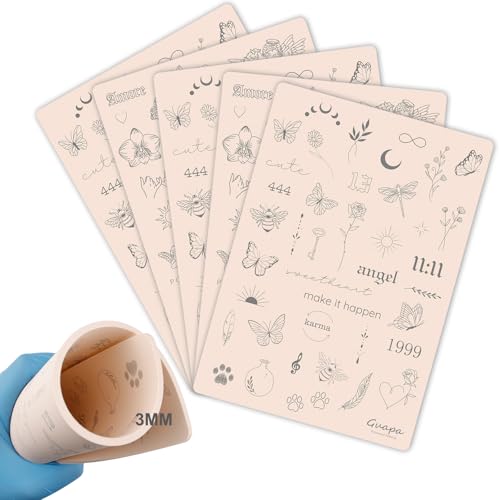
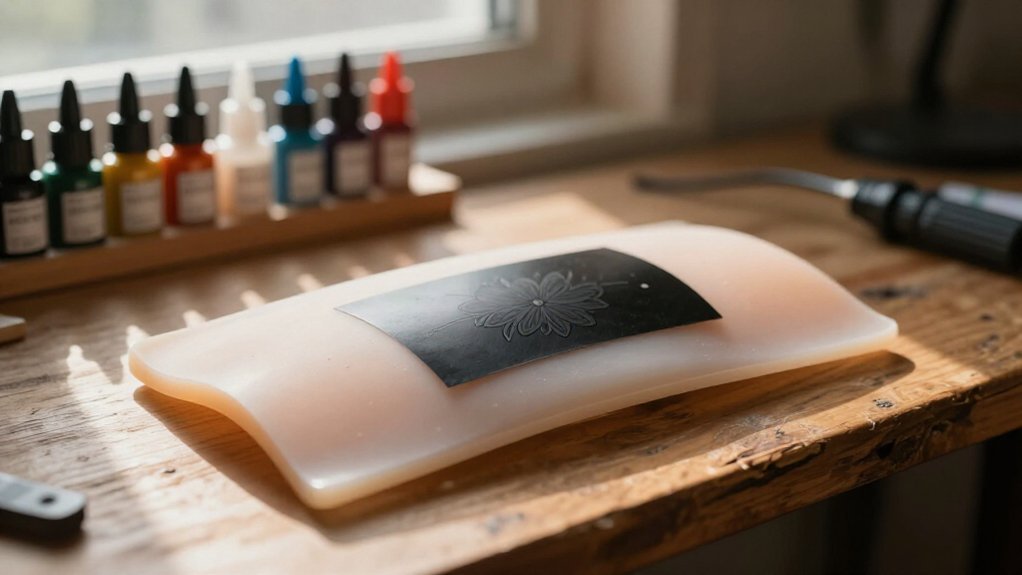
3MM Tiny Tattoo Practice skin Made from high-quality materials, it is closely mimic the texture and feel of real human skin. This gives you a realistic experience, allowing you to refine your skills before working on actual clients

Multiple uses: the 2 tip marker skin pens size are 0.5 mm and 1 mm; The thickness of the pen tip can easily draw accurate and clean lines, suitable for experienced or beginners
Find Meaningful Tattoo Ideas in Your Own Story
Where do you start when the blank canvas of your skin awaits? You dig into your own story. You recall the moments that shaped you, the struggles you’ve survived, the joy you’ve claimed. You don’t chase trends; you excavate meaning.
Ask yourself: What changed you? What do you carry silently? You list the places you’ve lived, the people you’ve lost, the beliefs you’ve fought for. You find patterns in your own history, threads that repeat.
You don’t need to explain this tattoo to anyone later. You need to feel it now, in your chest, when you imagine it. Your skin tells your story. Start there. The most powerful designs come from what you’ve actually lived, not what you’ve merely seen.
Recommended Products
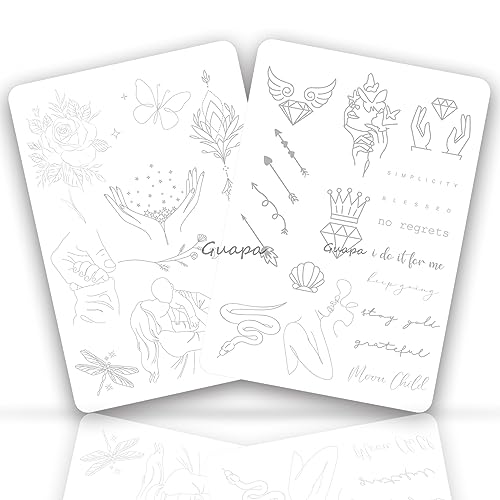
Realistic Stencil Replication: Designed with precision, the light gray outlines mimic real-life stencils, providing clear guidance for your tattooing artistry against a lifelike backdrop.

Sailor Jerry Traitional American Tattoo Flash

Massive Quantity: 60 Sheets removable temporary tattoo stickers, including 30 pcs of inspirational and motivational quotes and scripts, cursive words, meaningful sayinging and writings, 30 pcs of simple minimalist flower tattoos. Enough choices for friends outing, party gatherings to enjoy together or choose different tattoo designs to match your everyday mood.
Turn Your Life Into Visual Symbols

How do you translate memory into image? You extract the essence. That cross-country road trip becomes a gas station coffee cup. Your grandmother’s love transforms into her handwriting, or the lemon tree she tended. You don’t need literal scenes. You need visual shorthand.
Ask yourself: what object triggers the full feeling? What color captures the mood? What shape embodies the transformation you’ve lived through? Distill until you find the symbol that resonates only with you, or with anyone who understands.
You can layer meanings deliberately. A compass needle points north, but you’ve bent yours toward your actual home. A crow carries double weight—your mother’s favorite creature, and your own resilience. These choices compress years into inches. You’re building a private language that lives on your skin.
Recommended Products

All INKJET PRINTER COMPATIBLE: Jecqbor Printable Temporary Tattoo Paper works for all INKJET printers, dimensions of 8.5 X 11 inches with a weight of 0.34 pounds, each comes in a set of 6 with clear and complete user guides! You can make your own tattoos temporary!
All INKJET PRINTER COMPATIBLE: Jecqbor Printable Temporary Tattoo Paper works for all INKJET printers, dimensions of 8.5 X 11 inches with a weight of 0.68 pounds, each comes in a set of 12 with clear and complete user guides! You can make your own tattoos temporary!

NOTE: After printing the tattoo stickers using an inkjet printer, be sure to dry them with a hairdryer before laminating them.
Borrow Ideas Without Stealing Them

Why settle for a carbon copy when you can build something that’s yours? You’ll find inspiration everywhere—art books, nature, architecture, other tattoos—but don’t just replicate. Instead, you’ll deconstruct what draws you in. Is it the line weight? The negative space? The emotional weight? Pull those elements apart and reassemble them through your own lens.
You’ll mix influences shamelessly. Combine Art Nouveau curves with street art grit. Merge your grandmother’s handwriting with botanical illustrations. You’re not stealing; you’re translating.
You’ll work with your artist, too. Bring reference images, then let them interpret. Their expertise transforms your borrowed fragments into original work. Trust the collaborative process.
Your tattoo becomes a remix—recognizable roots, unmistakably individual fruit. That’s how you’ll wear something timeless, not trendy.
Recommended Products

Quick reference learning guide The Muscular Attachments that connect the bones of the human body are described in this 2-page laminated Guide through the effective use of...
Test If Your Idea Will Still Matter in 20 Years

When will you stop caring about the tattoo you’re contemplating? To find out, you’ll strip away temporary triggers. Remove the current trend, the recent breakup, the band you’ve loved for six months. What’s left?
You’ll ask yourself: does this idea connect to something I’ve carried for years? Have I returned to this symbol, this phrase, this image, repeatedly? You’ll imagine explaining this tattoo to your future self at forty, at sixty. Will you still defend it?
You’ll test your idea by waiting. Mark six months on your calendar. Still obsessed? That’s worth noting. You’ll avoid anchoring your skin to moments that already feel distant in hindsight. A tattoo isn’t a snapshot; it’s a commitment you’ll wear through decades you can’t yet picture.
Recommended Products

Package: 50pcs mixed tattoo cartridge needles, includes 10pcs each of 1203RL, 1205RL, 1207RL, 1209RL, 1211RL.

Mast Pro purple tattoo cartridges needles have been providing with high density clear plastic body.

Dragonhawk Tattoo Needles: High-quality tattoo needles, manufactured under the trusted Dragonhawk brand, are perfect for all-purpose work. With a polished, long taper design, these needles ensure reliable performance and excellent control.
Pick a Style That Amplifies Your Meaning
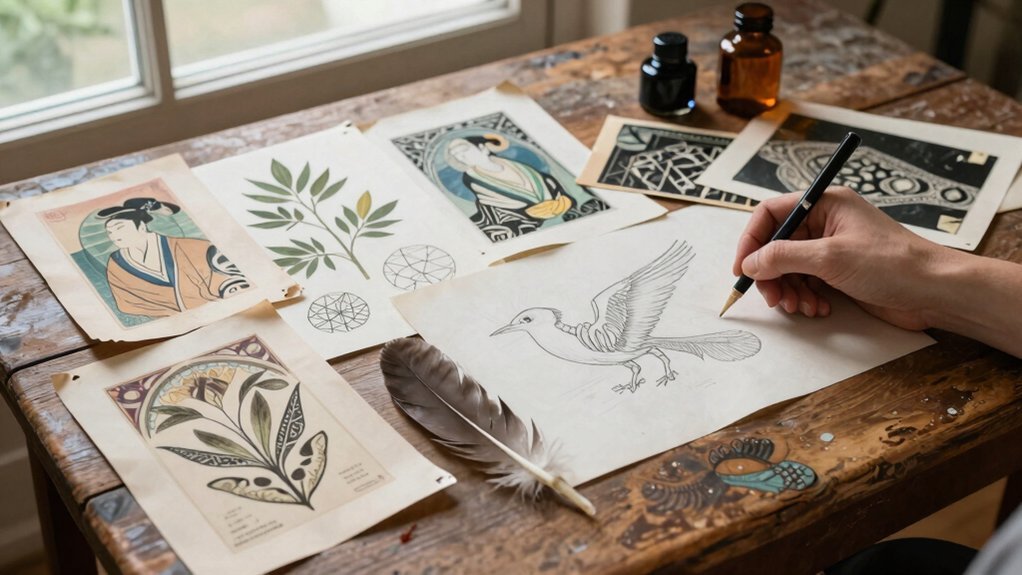
Where does your idea actually live—on a banner across your shoulder, or tucked behind your ear? The style you choose carries as much weight as the image itself. A delicate fine-line rose whispers grief; that same rose rendered in bold American traditional shouts resilience.
You’re not just picking pretty pictures. You’re selecting a visual language. Japanese irezumi layers mythology with flowing composition. Blackwork strips concepts to their essence. Watercolor splashes emotion across skin.
Ask yourself: does your tribute to your grandmother want photorealistic precision or the warmth of a hand-poked folk design? Does your wanderlust crave geometric structure or organic movement?
Research artists who specialize in styles matching your intent. Their portfolios reveal how technique transforms meaning. When style and substance align, your tattoo resonates deeper than skin.
Recommended Products
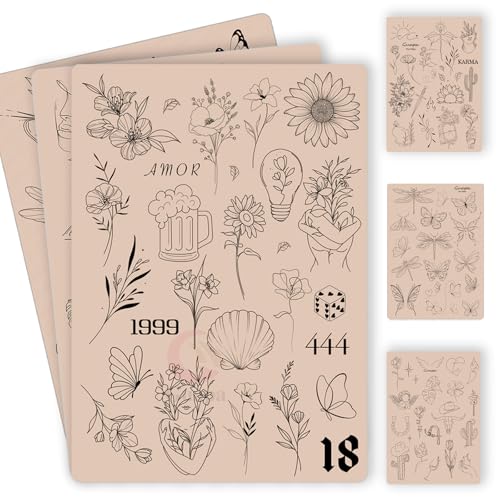
100+ Pre-Printed Designs – Features a wide variety of fine line and tiny tattoo stencils to enhance detailing skills.

Warm Tips: The tattoo transfer paper need to work with transfer medias.You will need to purchase the stencil ointment separately. Apply the design made on the master paper. Please pay attention to press the back side of the pattern to the skin for at least 3 seconds

Precision Transfer Performance - It’s professional-grade tattoo stencil paper delivers vibrant, high-definition transfers even for intricate designs. The carbon layer ensures sharp outlines without smudging or fading, ensuring crisp lines that stay true to your original artwork.
Choose Where It Goes and How Big It Should Be
Your chosen style now demands its stage. You evaluate your body’s natural lines and movement. You trace potential placements with your fingertips, noticing how curves shift the design’s impact. You’ll weigh visibility against concealment—wrists and forearms broadcast your art, while ribs and thighs keep it intimate.
You measure size against detail complexity: intricate pieces need real estate, bold icons thrive small. You’ll stretch the concept across your shoulder blade or compress it behind your ear, each scale altering its voice.
You check how the spot ages—sun exposure blurs some areas faster, skin stretching distorts others. You move through daily motions, ensuring your tattoo doesn’t warp with flexion.
You’re matching form to flesh now, making practical choices that honor your vision’s physical reality.
Recommended Products


Amazing Product: Different from you know ordinary temporary tattoo stickers or fake tattoos. It is so real and comparable to the real tattoo. It is a semi-permanent technology, waterproof, friction-resistant, and can last for a long time, staying on your skin for 1-2 weeks.
Find an Artist Who Gets Your Vision
The search for the right artist shapes your idea’s final form. You shouldn’t settle for proximity or convenience when your skin’s the canvas. Start scrolling through Instagram, digging through shop portfolios, and noting whose lines make you stop scrolling. You want someone whose healed work holds up, not just fresh photos under perfect lighting.
Slide into DMs or email shops with clear references and an open mind. You ask about their specialty—whether they’ve crushed pieces in your style before. A good artist pushes back, suggests tweaks, and elevates your concept. You listen when they warn against sizing too small or detail too cramped. You’re building collaboration, not ordering drive-thru. Trust the process, trust their eye, and you’ll walk in excited to hand over your vision.
Recommended Products

INCLUDES - 8 Sheets of 8.5 in x 11 (21.5 cm x 27.9 cm) of Temporary Tattoo Paper for Inkjet Printers

Spirit Tattoo Classic Thermal Transfer Paper, 8.5” X11” (100 Sheets): Established since 1946, the original and trusted choice of tattoo artists globally, offering reliability and consistency in tattoo stencil creation.

★ FAVORED BY PROFESSIONALS: Be original, make your own semi-permanent tattoos. Our laser water slide decal paper is used around the world by professionals and businesses.Print tattoos effortlessly using our skin safe temporary tattoo transfer paper and make great long lasting and waterproof temporary tattoos with zero skin irritation when following the simple instructions provided.
Price It Out and Plan Your Timeline
How much skin are you willing to invest in, and how long can you wait? Tattoos cost money and time, so you need to map both before committing.
Research rates in your area. Good artists charge hourly or flat fees based on size, detail, and placement. A small piece might run $150–$300; larger work climbs into thousands. Don’t bargain shop—this is permanent.
Check your calendar too. Popular artists book months out. You might wait six months for a two-hour session or a year for multiple appointments covering a sleeve. Factor healing time between sessions if you’re building something large.
Save aggressively. Open a dedicated account. If you can’t afford the artist you want, wait. Don’t compromise on quality because you’re impatient. You’ll wear this decision forever.
Escape the “I Can’t Decide” Spiral
Once you’ve sorted your budget and calendar, you might still find yourself staring at blank skin, paralyzed by options. You’re stuck in the “I can’t decide” spiral, and it feels endless. Stop scrolling Pinterest for hours. Close the apps. You’re drowning in inspiration because you’re seeking external validation before trusting your gut.
Set a deadline. Give yourself two weeks, not two years. Indecision often masks fear—fear of permanence, judgment, or making the wrong choice. Accept that no tattoo is perfect; it’s the commitment that gives it weight.
Try this: eliminate half your ideas immediately. Cut again. What’s left? Sleep on it. If you wake up relieved something’s gone, trust that. If one idea lingers, you’ve found your answer. Book the appointment. Move forward.
Recommended Products
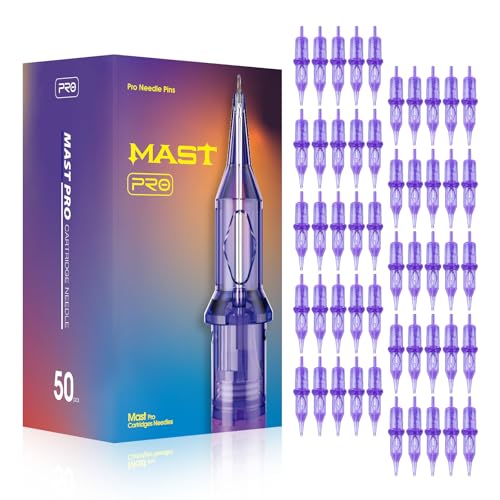
Mast Pro purple tattoo cartridges needles have been providing with high density clear plastic body.

Hawink New Tattoo Finger Ledge Cartridge Needle,Exquisite in every step of production,Make your tattoo work exceptionally smooth and joyful.

[Package]: 50pcs Assorted tattoo cartridge needles, includes 10pcs each of 1203RL, 1205RL, 1207RL, 1209RL, 1211RL.
What Makes a Tattoo Meaningful to You?
Why does one image sink deep while another slides off? You’ll find meaning where your life actually lives—not where you wish it did. Ask yourself: What moment changed you? What do you carry silently? What would you still defend at 3 AM?
Dig past surface aesthetics. A crow might mean death, or it might mean your grandmother’s voice calling you home. You’re not borrowing symbols; you’re reclaiming them. Connect the image to sensation—rain smell, slammed doors, triumph breathless in your throat.
Test your idea: Does it shrink when you say it aloud, or grow? Meaning isn’t performance. It’s the private thread that holds when explanations fail. Trust what persists. Your skin keeps what your mind forgets.
Conclusion
Your tattoo starts with you—your memories, symbols, and values stripped down to what lasts. Test it against time, then trust an artist to translate it into something unmistakably yours. When meaning leads and style amplifies, you won’t second-guess the result. So stop scrolling, start digging into your own story, and commit when it still feels true. The best ink isn’t borrowed; it’s remembered.