
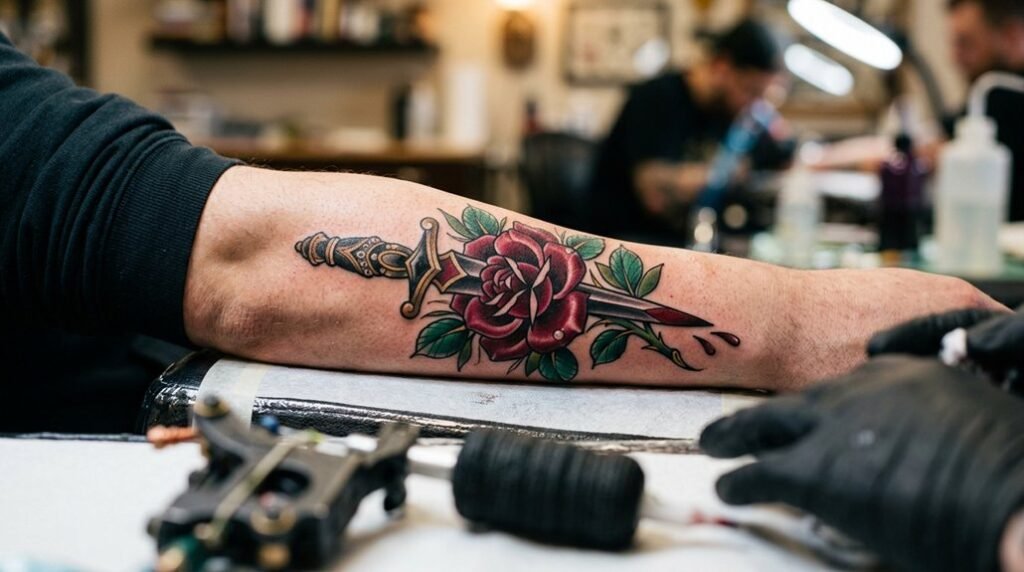
You’ve probably seen Neo Traditional tattoos without knowing what to call them. They look like classic Americana at first glance, but something feels richer, more intricate. The colors hit harder. The subjects feel less like stock flash and more like personal myth. You’re wondering where this style came from and whether it fits your next piece. The answers might surprise you.
Key Takeaways
- Neo Traditional tattoos modernize American Traditional with expanded palettes, decorative flourishes, and illustrative depth.
- They feature bold linework, saturated earth tones, and ornamental elements like filigree and botanical scrollwork.
- Originating in the 1970s–1980s, the style blended folk art with Art Nouveau and Japanese woodblock influences.
- Common subjects include stylized animals, mythological figures, and portraits with exaggerated, nostalgic features.
- Shading uses bold blocks and whip-shading techniques, ensuring vivid readability and long-term tattoo longevity.
Recommended Products


Sailor Jerry Traitional American Tattoo Flash
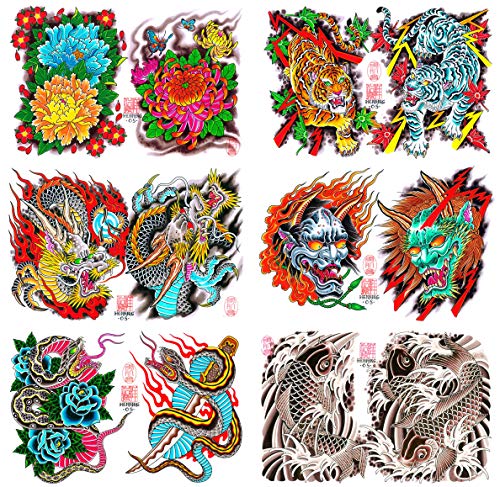
Traditional Japanese Tattoo Flash
Neo Traditional vs. American Traditional: What’s the Difference?
{“word_count”: 124, “rewritten_text”: “The distinction between Neo Traditional and American Traditional tattooing reveals two branches of the same artistic family tree. You recognize American Traditional immediately: bold black outlines, limited color palettes of red, yellow, green and black, and iconic imagery like anchors, roses, and swallows. The style prioritizes readability and longevity over complexity.nnNeo Traditional builds directly upon this foundation but pushes boundaries you’re more familiar with from fine art. You notice expanded color schemes—purples, teals, and softer gradients—plus more intricate shading and dimensional depth. Subjects evolve beyond sailor motifs into portraits, animals, and fantasy elements. While you’ll see the same bold linework anchoring both styles, Neo Traditional compositions often embrace asymmetry and decorative flourishes inspired by Art Nouveau. You choose between stark graphic power or lush illustrative detail.”}
Recommended Products
Perfect for All Skill Levels: Designed for both professionals and beginners, the practice skins help artists refine techniques, build muscle memory and gain confidence. Whether you’re an apprentice or a seasoned artist, you’ll appreciate a versatile tool that grows with your skills. Now available in two distinct skin variations to match your training preference. Choose the Normal variant for a firmer feel, or select the Extra Soft Variation if you prefer a softer, more elastic surface.

⯁ 400+ Reusable Henna Stencils: Get 24 sheets of high-quality, self-adhesive hollow templates featuring over 400 unique patterns. These temporary tattoo stencils allow you to create stunning body art including mandalas, butterflies, and dragons. Perfect for practicing techniques without permanence

Premium Quality 1.5mm Silicone Material – Crafted from premium 1.5mm thick silicone, this tattoo skin offers a true-to-life feel with excellent durability and a smooth surface for effortless needle movement during practice.
From Sailor Jerry to Art Nouveau: How Neo Traditional Was Born
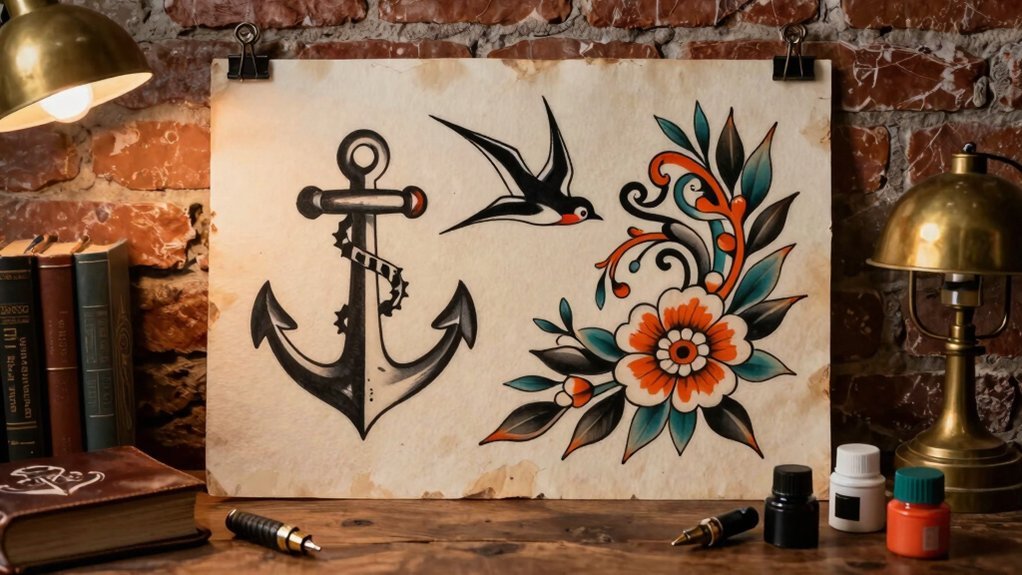
How did a style rooted in sailor culture evolve into something resembling gallery-worthy illustration?
You trace this transformation back to the 1970s and 1980s, when tattoo artists began pushing beyond Norman Keough Collins’s bold, utilitarian designs. You watched them graft Art Nouveau’s flowing organic lines, Japanese woodblock prints’ decorative flair, and Victorian ornamental detail onto traditional foundations. You’re witnessing artists transform anchors and swallows into something more elaborate, more painterly.
You’re seeing Don Ed Hardy and others bridge folk art and fine art sensibilities. You’ve noticed how this evolution didn’t abandon bold outlines or limited color schemes—it honored them while expanding possibilities. You recognize that Neo Traditional emerged when tattooers stopped seeing skin merely as billboard space and started treating it as canvas, ambition unshackled from pure function.
You’re observing a rebellion that became its own respected language.
Recommended Products
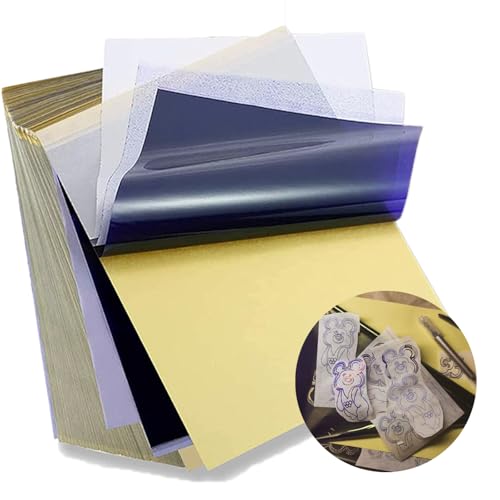
Standard size: Tattoo Transfer Paper is standard A4 paper size, each measures 8.27 in X 11.69 in. There are 4 levels in total. The thickness of the paper is very light and smooth to the touch.

Warm Tips: The tattoo transfer paper need to work with transfer medias.You will need to purchase the stencil ointment separately. Apply the design made on the master paper. Please pay attention to press the back side of the pattern to the skin for at least 3 seconds

Spirit Tattoo Classic Thermal Transfer Paper, 8.5” X11” (100 Sheets): Established since 1946, the original and trusted choice of tattoo artists globally, offering reliability and consistency in tattoo stencil creation.
Bold Lines, Limited Palettes, and Ornamental Detail: The Neo Traditional Look
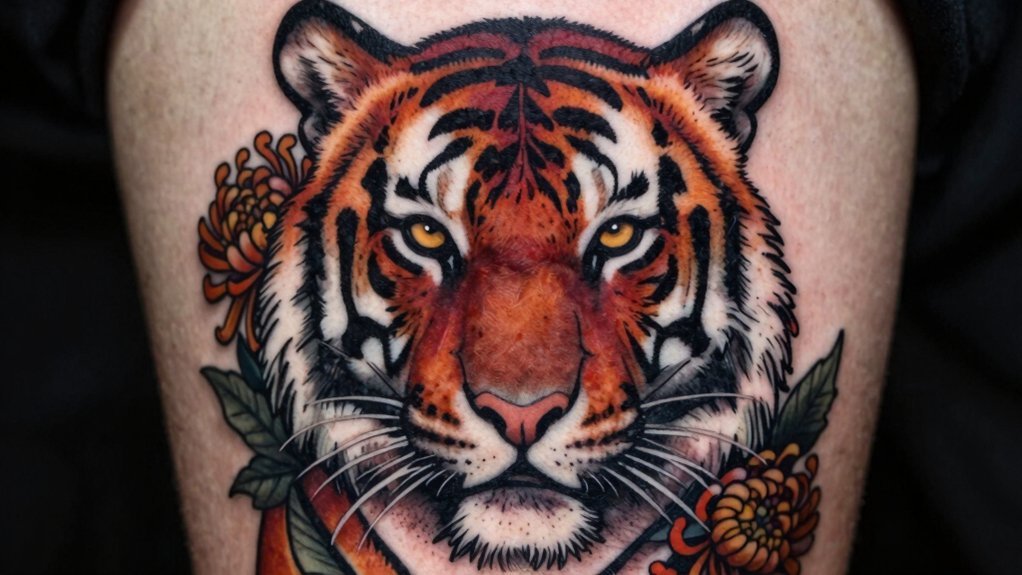
What separates Neo Traditional from its flash-sheet ancestors at first glance? You’ll notice the lines first—thick, confident outlines that frame every element with deliberate weight. You’re not looking at the uniform width of Old School work; you’re seeing varied line weights that create depth and dimension immediately.
You’ll spot the restraint in color next. Where traditional pieces explode with primary bravado, you’re finding muted earth tones, dusty roses, olive greens, and ochres. Your eye catches ornamental flourishes everywhere—decorative filigree, botanical scrollwork, geometric accents—that elevate simple subjects into something gallery-worthy.
You’re witnessing intentional asymmetry, too. Compositions flow organically rather than centering rigidly. Every piece invites closer inspection, rewarding you with layered details: beaded textures, patterned backgrounds, subtle linework you’d miss at distance. This aesthetic balance between bold structure and delicate refinement defines what you’re observing.
Recommended Products

【tattoo ink sets professional Rich Color】This set contains 14 colors of tattoo ink, each bottle of tattoo ink capacity of 30ml. Meet your use needs


Why Neo Traditional Colors Pop: Saturation, Contrast, and Shading Secrets
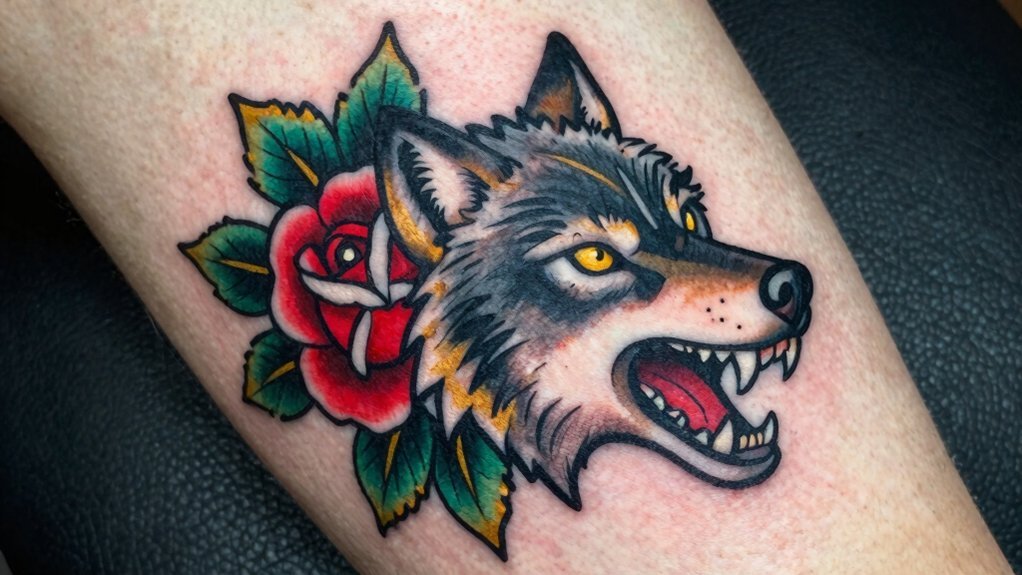
Where exactly does Neo Traditional colorwork derive its unmistakable visual punch? You’ll find it in deliberate saturation choices. Artists push pure, unmixed pigments—emerald, crimson, gold—straight into your skin without watering them down.
Contrast creates the drama you notice immediately. You see complementary hues slammed against each other: orange against teal, violet against yellow. This opposition vibrates, forcing your eye to move across the composition.
Shading separates this style from simpler approaches. You don’t get soft gradients; you receive bold blocks of shadow—deep navy, burgundy, forest green—that anchor bright elements and carve dimension. Artists whip-shade or use tight circular motions, leaving edges crisp.
Together these techniques ensure your tattoo reads cleanly from distance and rewards up-close inspection. You’ve witnessed color engineered for maximum longevity and impact.
Recommended Products

📦 [10Pcs Individually Sealed] 10 sheets of premium tattoo practice skins (8"x6" / 1.0mm thick), each vacuum-sealed for hygiene. Double-sided blank fake skin maximizes usage – wipe & reuse for multiple techniques.

【Package and Size】 - Includes 5pcs blank tattoo practice skin. Individual packaging for each tattoo fake skin. Thickness of these silicone pads is 3mm, measures 7.48" long by 5.62" wide. Providing enough space for your masterpiece creation.

Professional-Grade Realism:Professional Grade 1mm Fake Skin with realistic dermis texture, certified by artists for true needle feedback and ink absorption. This synthetic skin delivers an authentic tattooing experience, making it perfect for beginners to practice safely and build confidence.
Neo Traditional Tattoo Subjects: Animals, Portraits, and Mythic Scenes
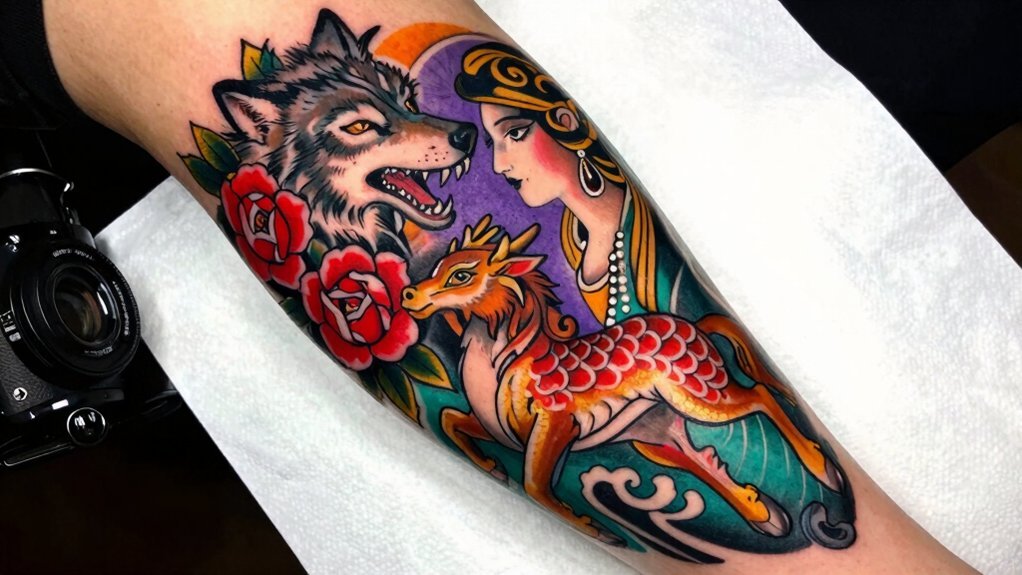
Neo Traditional tattooing gives you a catalog of imagery built for bold color and heavy linework. You’ll find animals dominating this style—snakes coil with decorative scales, wolves snarl with geometric accents, and owls stare with oversized, soulful eyes. These creatures carry symbolism while lending themselves to saturated palettes.
Portraits take on stylized proportions here. You won’t get photorealism; instead, faces elongate, features exaggerate, and expressions intensify. Think melancholic women with flowing hair or hardened sailors with anchor tattoos—rendered through a nostalgic, almost vintage lens.
Mythic scenes complete the trinity. You might choose a rearing unicorn, a battle between Greek gods, or a mermaid perched on a skull. These narratives blend fantasy with tradition, letting you wear stories that feel both timeless and freshly imagined. Each subject thrives under Neo Traditional’s deliberate constraints.
Recommended Products

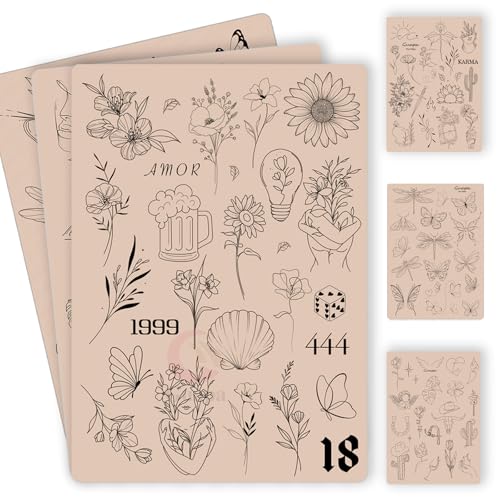
100+ Pre-Printed Designs – Features a wide variety of fine line and tiny tattoo stencils to enhance detailing skills.

How to Choose Your Neo Traditional Artist (and What to Budget)
How do you spot an artist who actually understands this style? You scan their portfolio for bold line weights, balanced color saturation, and confident illustrative flow. You look for healed work photos, not just fresh ink. You skip artists who dabble across ten styles; you want someone who lives in Neo Traditional.
You’ll pay for this specialization. Quality pieces range from $150-$300 hourly, with full sleeves running thousands. You book consultations to discuss their design process and see if they push boundaries or copy templates.
You verify their shop hygiene, licensing, and client reviews. You trust your gut when someone’s energy feels right. You don’t bargain hunt here—cheap work costs more to fix. You save until you can afford the artist whose portfolio makes you stop scrolling.
Recommended Products

INCREDIBLE VALUE – 524 Unique Designs: This henna tattoo kit includes 20 stencil sheets with 524 patterns, featuring butterflies, florals, symbols, lettering, totems, and Egyptian-inspired designs. These henna stencils let you mix, match, and layer for custom henna temporary tattoos on hands, arms, and body. A refillable pen with a soft nylon tip is included for precise lines and varied strokes (pen does not include ink)
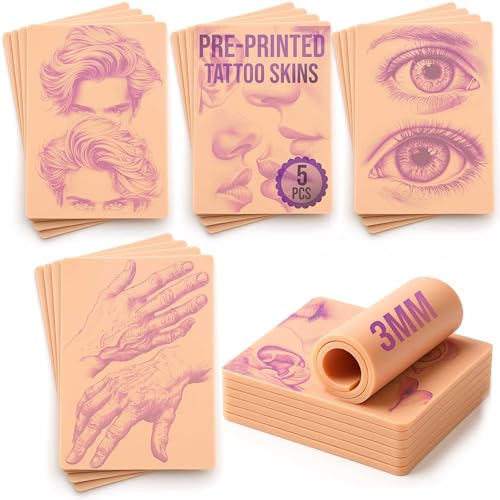
Perfect for All Skill Levels: Designed for both professionals and beginners, the practice skins help artists refine techniques, build muscle memory and gain confidence. Whether you’re an apprentice or a seasoned artist, you’ll appreciate a versatile tool that grows with your skills. Now available in two distinct skin variations to match your training preference. Choose the Normal variant for a firmer feel, or select the Extra Soft Variation if you prefer a softer, more elastic surface.

▶ Henna Tattoo Kit: 16 sheets tattoo stencils. airbrush tattoo stencils suitable for tattoo lovers. Experience the effects of tattooing without the pain of tattooing.
Making Your Neo Traditional Tattoo Last: Aftercare That Preserves Detail
You’ve done the hard part—founded the right artist, sat through the hours, and paid for quality work. Now protect it. Start immediately: wash your fresh tattoo gently with unscented soap, pat dry, and apply a thin layer of recommended ointment. Don’t pick scabs or soak the piece in baths or pools. Keep it shielded from sun exposure during healing, and moisturize daily once it peels. Those bold Neo Traditional lines and vibrant color fields demand attention—neglect causes ink fallout and blurred edges you’ll regret. After healing, slather sunscreen on your tattoo whenever you’re outdoors. UV rays fade reds and yellows fastest. Touch-ups restore lost saturation, but proper aftercare preserves your investment longer. Treat your skin well, and your Neo Traditional piece stays striking for decades.
Recommended Products

🔍 Precision Industry-Standard Transfer - Engineered 4-ply stencil paper (8.25"x11.75") with high-density dyes delivers defined lines for intricate tattoo stencils. Compatible with major thermal printers for reliable tattoo transfer paper workflows.
Spirit Tattoo Classic Thermal Transfer Paper, 8.5x11in: Established since 1946, the original and trusted choice of tattoo artists globally, offering reliability and consistency in tattoo stencil creation.
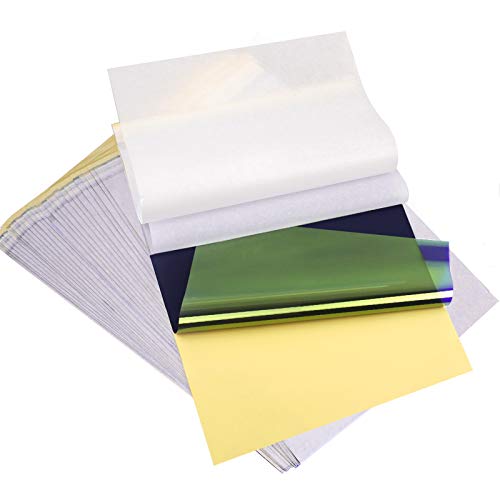
ADVANCED MATERIAL: Tattoo transfer paper is made with the high quality dyes and stencil paper. Transfer marks are very clear, clean and smooth. Tattoo transfer paper kit come with 35 sheets. Great for tattooing, trace and transfer images onto the body.<br>
Is Neo Traditional Right for Your Next Tattoo? Questions to Ask Yourself
Before you commit to a style, you’ll need to weigh what actually matters to you. Ask yourself: Do you want bold lines that age well? Neo Traditional delivers. Do you crave bright colors packed with personality? This style thrives on saturation. But consider your pain tolerance—larger Neo Traditional pieces demand multiple sessions. Think about your career too. Will visible, striking artwork fit your workplace culture?
Reflect on your subject matter. Does your idea suit symbolic, illustrative imagery? Animals, portraits, and nature scenes flourish here. If you prefer minimalism or hyper-realism, look elsewhere.
Finally, evaluate your budget. Quality Neo Traditional work requires skilled artists who charge accordingly. You’re investing in lasting craftsmanship.
Trust your instincts. When the aesthetic excites you and the practicalities align, you’ve found your match.
Recommended Products

MADE IN THE USA SINCE 1990 — For over 30 years Dynamic Color has produced professional tattoo ink in the United States, an established American brand artists built their work on long before most imported labels existed.

MADE IN THE USA SINCE 1990 — For over 30 years Dynamic Color has produced professional tattoo ink in the United States, an established American brand artists built their work on long before most imported labels existed.

MADE IN SPAIN, REACH COMPLIANT — Dynamic Color Platinum is produced in the European Union and formulated to meet REACH requirements for tattoo inks, so it fits studios that require REACH-compliant pigments.
Conclusion
You’ve got a style that honors tattoo history while embracing artistic freedom—Neo Traditional gives you bold lines that’ll stay readable, colors that demand attention, and imagery limited only by your imagination. Find an artist whose portfolio shows mastery in those intricate details you’re craving, budget realistically for their expertise, and commit to proper aftercare. Then you’ll wear a piece that looks stunning today and decades from now. Trust your vision and go get it inked.
Recommended Products

VALUE PACKAGE - The 20Pcs Tattoo Practice Skins 3MM with Transfer Paper Kit includes 15Pcs 11*8.5 inch Stencil Paper and 5Pcs 7.5*5.6 inch Double Sided Thick Blank Tattoo Fake Skin 3MM. The best combination of tattoo skin and tracing paper to help you save time and get a great deal.

✂ **PRO-GRADE VALUE BUNDLE** — Save 27% vs buying separately! Includes 20 sheets 8.5×11" tattoo transfer paper + 10 pcs 7.4×5.6" Double-Sided tattoo practice skins — ideal for daily drills & design tests.

Thick and Solid Practice Skin from Skin Deep Brand Tattoo Products