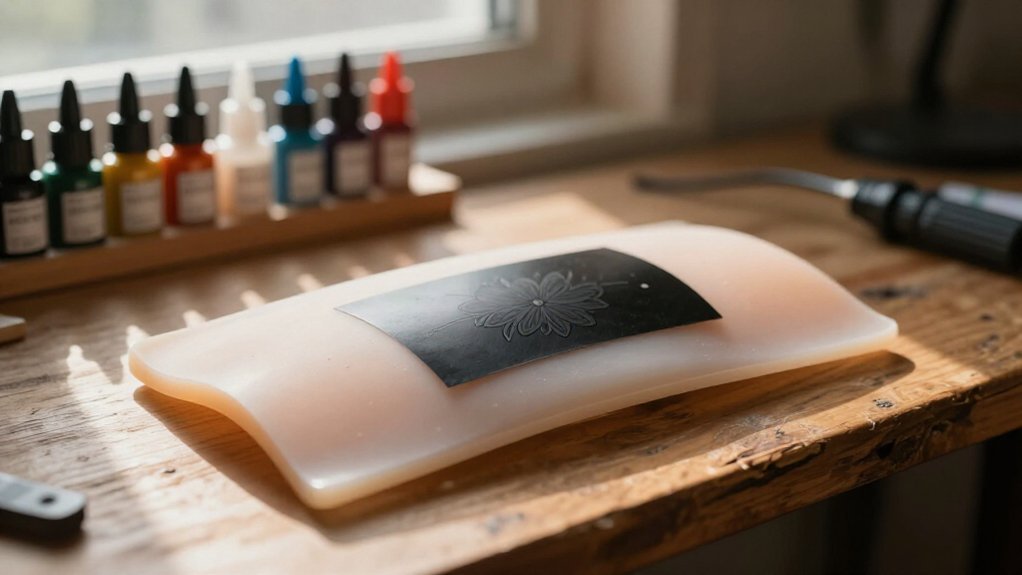

You’re considering your first tattoo, but safety concerns keep surfacing as you scroll through studio reviews. You want to know what actually matters—beyond the Instagram portfolio—and whether your health could be at risk from a decision you’ll wear permanently. The truth is, safety isn’t guaranteed by popularity or price point, and some red flags hide in plain sight during that initial consultation. You’ll need to look closer than you might expect.
Key Takeaways
- Tattooing carries infection, allergy, and scarring risks, but proper studio selection minimizes these dangers significantly.
- Verify studio licensing, autoclave sterilization, and watch artists open new sterile needle packages before procedures.
- Certain medical conditions—diabetes, bleeding disorders, heart disease, pregnancy—require physician consultation before tattooing.
- Normal healing shows mild redness and peeling; thick pus, spreading red streaks, or fever signal dangerous infection requiring immediate care.
- Choose reputable artists with transparent safety practices, disclose your medical history, and follow aftercare instructions precisely for safest outcomes.
Recommended Products

【INDEPENDENT PACKAGING, READY-TO-USE】 Each tattoo needle is packaged in an independent blister and sterilized with EO gas, which is convenient for use and storage, ensuring that the product is clean and dust-free, and can meet your creative needs at any time

【SHARP & WEAR-RESISTANT, EXCELLENT COLORING】 Sharp and wear-resistant, outstanding coloring: The needle body is made of high-quality 316 stainless steel, which is sharp and durable, with strong wear resistance, ensuring smooth and clear lines, rich and uniform colors, and helping to create ideal tattoo effects

- Needle Tip: Made of 316 medical-grade stainless steel
Is Tattooing Safe? The Honest Answer for First-Timers
How exactly does a needle repeatedly piercing your skin sound? You’re probably imagining pain, but you’re also wondering about safety. Here’s the honest truth: tattooing isn’t risk-free, but it’s generally safe when you choose wisely.
You’re trusting an artist to break your skin thousands of times per minute. That means you’re opening yourself to infection, allergic reactions, and scarring if things go wrong. You can’t eliminate every risk, but you control most of them.
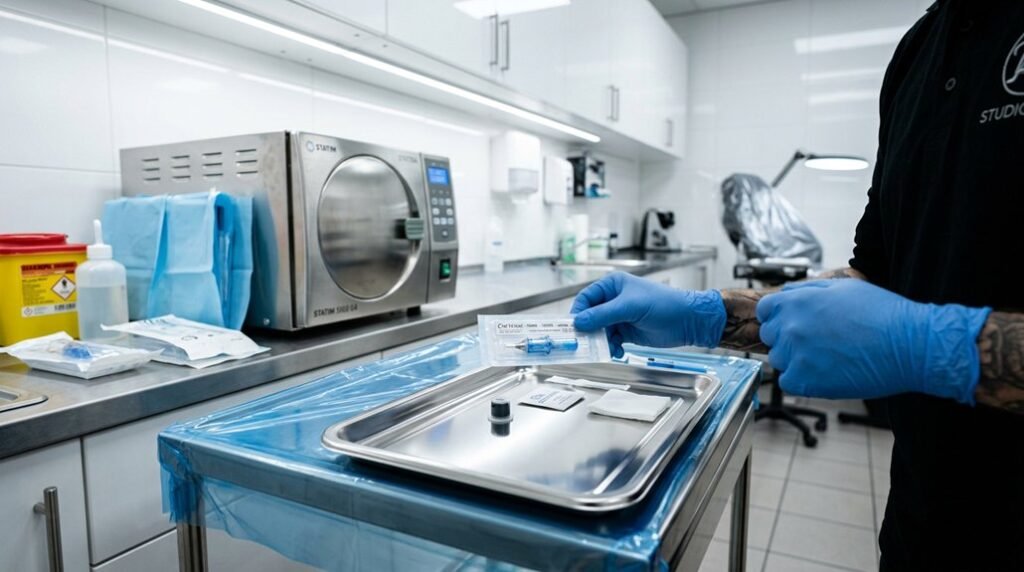
Research your artist thoroughly. You’re looking for spotless workspaces, single-use needles, and proper sterilization. You should see them unwrap new equipment in front of you. Don’t settle for bargain prices or sketchy locations—you’re paying for safety, not just art.
Your skin’s worth protecting. Choose carefully, and you’ll likely walk away fine.
Recommended Products

Sanitize Your Tools - Keep dental, medical, and personal care tools clean with our pouch bags. They’re available in 7 sizes to fit your instruments and get them ready for autoclave sterilizers.

High Quality Material: LXIANGN dry heat cleaner bag is made of high-quality Kraft paper, safe and clean, and can withstand 220C high temperature, it is a must-have product for any beauty salon. The one-time design saves you more time and at the same time is more hygienic

18L tabletop autoclave sterilizer with preset programs: 121°C / 30 min and 134°C / 10 min. Sterilization time starts once the chamber reaches target temperature (excludes heating and exhaust time)
Bloodborne Infections: Your Actual Risk From Dirty Equipment
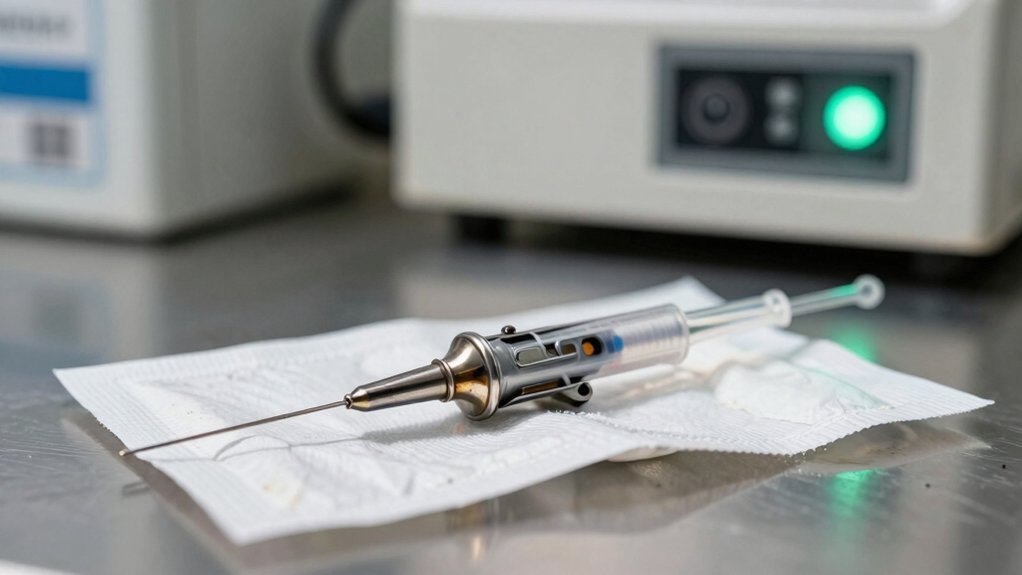
What exactly are you risking when equipment isn’t properly sterilized? You’re exposing yourself to bloodborne pathogens that can change your life. Hepatitis B, hepatitis C, and HIV top the list of what contaminated needles transmit when they pierce your skin.
You can’t see these viruses. You won’t feel them entering your bloodstream. But once they’re in, they’re in. Hepatitis C often hides without symptoms for years while it damages your liver. HIV requires lifelong treatment.
Your actual risk depends on where you go. Licensed studios using autoclaves and single-use needles make infection rare. Underground operations, kitchen tattoos, or shops cutting corners? You’re playing roulette with viruses that don’t negotiate. The equipment either meets medical sterilization standards or it doesn’t. You deserve to know which you’re getting.
Recommended Products

Versatile: BIOMASER tattoo needle cartridges are suitable for shading, lining, and rotary tattooing.It can not only use on body art tattoo,but also permanent makeup eyebrow,liner,lip etc.

【High‑Quality Premium Materials】 Crafted with sharp 316L stainless steel bugpin needles for long‑lasting durability. Premium plastic housing and flexible silicone ensure stable smooth operation. Single‑use disposable design keeps tattoo practice clean for artists and beginners.

How to Vet a Tattoo Studio for Safety Before Booking
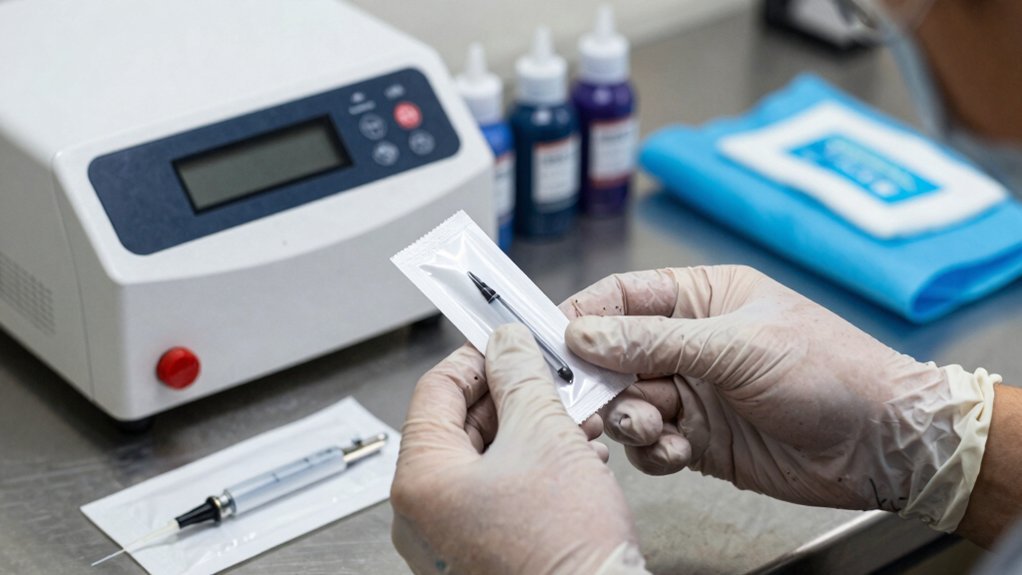
Those risks are real, but they’re also avoidable. You hold the power to choose safety before you ever sit in a chair. Start by researching your studio’s reputation online and checking for valid licensing through your local health department. When you visit, look around: watch artists open new, sterile needle packages in front of clients. You’ll notice if they wash hands thoroughly and use fresh gloves for every procedure. Ask about their autoclave sterilization process for reusable equipment. Don’t feel awkward requesting proof of spore testing results. You deserve transparency. Verify that ink bottles aren’t double-dipped and that workspace surfaces get covered in clean barriers. If something feels off, you should walk away. Trust your instincts—they’re protecting your health.
Recommended Products

Generous Quantity: 5 sheets x 5 = 25 temporary tattoos Vibrant and Durable: Colorful, Easy to Apply & Long Lasting Standard Size: Each tattoo is 1.5" wide Party Accessories:...
Ink Allergies and Skin Reactions: Spotting Trouble Early
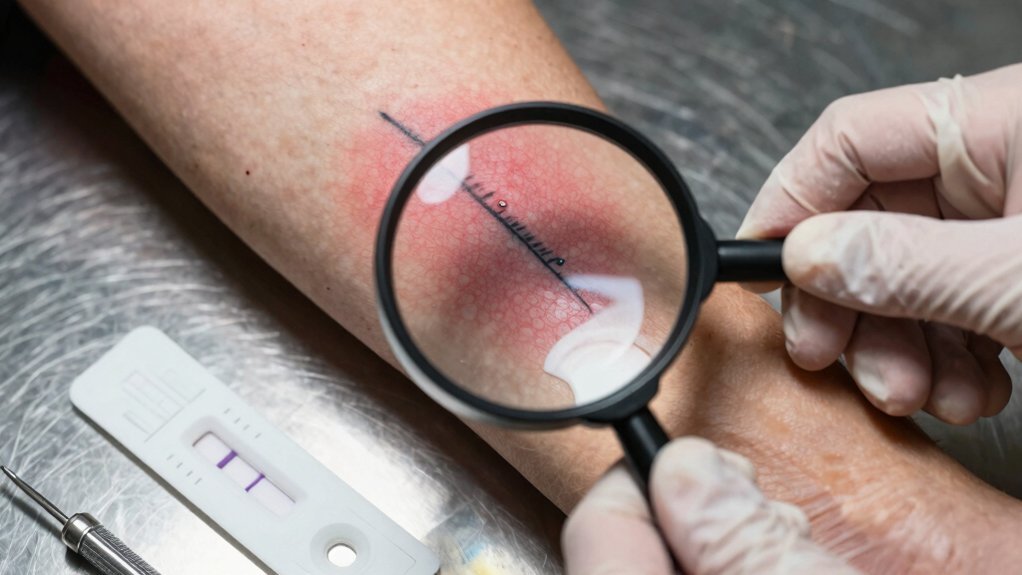
Why does your skin react unpredictably to tattoo ink while others walk away unscathed? Your immune system decides that certain pigment particles pose a threat, triggering redness, swelling, or itching that can emerge days or years after needling.
You’ll spot trouble early by monitoring your healing tattoo. Watch for escalating pain, warmth, or pus—these signal infection, not mere allergy. Raised bumps, persistent itching, or color-specific reactions (especially red inks) suggest contact dermatitis or delayed hypersensitivity.
Patch testing beforehand rarely helps; tattoo inks aren’t standardized, and reactions develop unpredictably. If you suspect a reaction, don’t wait—contact your dermatologist immediately. They’ll prescribe topical steroids or, in severe cases, remove the problematic pigment via laser. Your vigilance prevents permanent scarring or chronic skin changes.
Recommended Products

COMPLETE AFTERCARE KIT FOR NEW & EXISTING TATTOOS: This Tattoo Aftercare Kit brings together 3 essentials, Antimicrobial Soap, Tattoo Balm, and Tattoo Lotion, to help cleanse, protect, and moisturize fresh ink. Useful after tattoo sessions and throughout healing, it supports vibrant color and skin comfort for dedicated ink enthusiasts and artists

100 Pack Professional Tattoo Aftercare Cards Includes 100 high-quality tattoo aftercare cards in a 2 x 3.5 inch business card size. Perfect for tattoo artists, studios, and piercers to give clients clear post-tattoo care instructions.
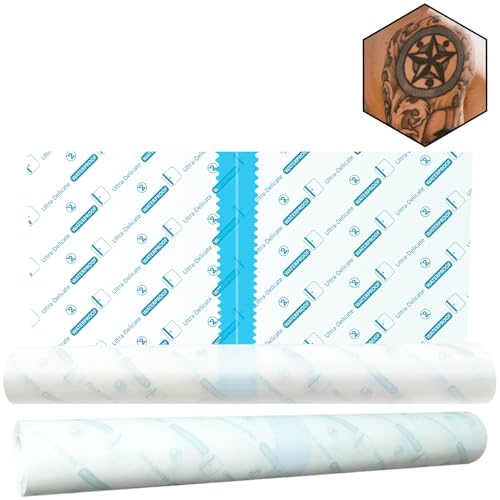
Waterproof and Breathable: The waterproof and breathable film dressing protects the tattoo from water and dirt while promoting healing and reducing the risk of infection. Helps lock in the color of a new tattoo, reduces scabs when you wash or moisturize your tattoo, quickly forms a protective film, and speeds up your recovery
Can Tattoo Ink Cause Cancer? What Decades of Research Shows
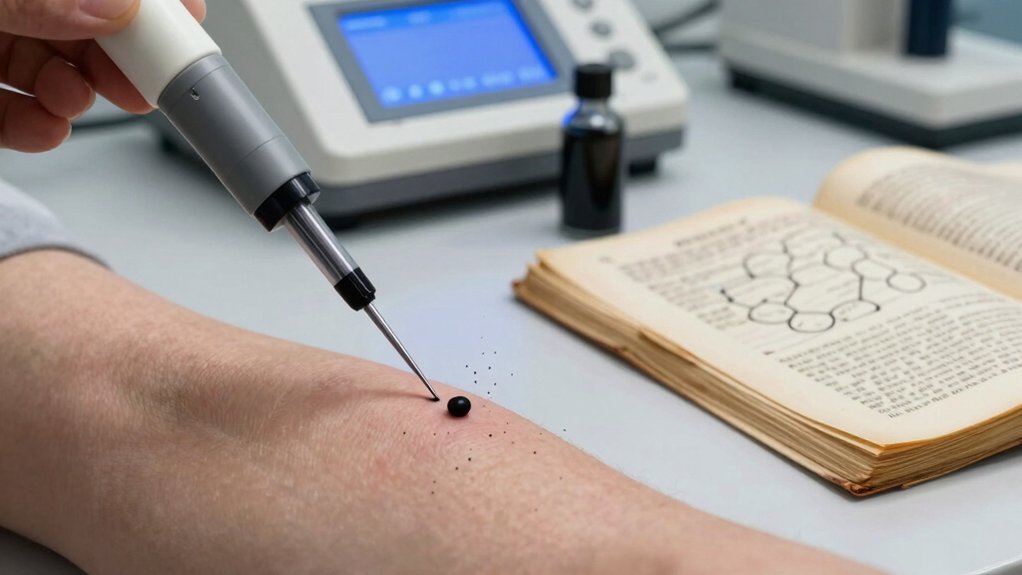
Does tattoo ink lurk in your skin as a silent threat, or have decades of research put that fear to rest? You can breathe easier knowing studies haven’t established a direct link between tattoo ink and cancer.
When you research this topic, you’ll find that most investigations focus on specific pigments. Red ink sometimes contains mercury, and certain black inks carry polycyclic aromatic hydrocarbons. Researchers have identified these as concerning compounds, but you’ll notice they’ve stopped short of proving they cause cancer in tattooed skin.
You should know that the FDA doesn’t regulate tattoo ink as strictly as cosmetics or drugs. This lack of oversight means you’re trusting manufacturers, but it doesn’t mean you’re accepting a proven carcinogen.
If you want certainty, you won’t find it yet. Large-scale epidemiological studies remain limited, so scientists can’t declare tattoo ink completely risk-free either.
Recommended Products

【SHARP & WEAR-RESISTANT, EXCELLENT COLORING】 Sharp and wear-resistant, outstanding coloring: The needle body is made of high-quality 316 stainless steel, which is sharp and durable, with strong wear resistance, ensuring smooth and clear lines, rich and uniform colors, and helping to create ideal tattoo effects
【SHARP & WEAR-RESISTANT, EXCELLENT COLORING】 Sharp and wear-resistant, outstanding coloring: The needle body is made of high-quality 316 stainless steel, which is sharp and durable, with strong wear resistance, ensuring smooth and clear lines, rich and uniform colors, and helping to create ideal tattoo effects

【SHARP & WEAR-RESISTANT, EXCELLENT COLORING】 Sharp and wear-resistant, outstanding coloring: The needle body is made of high-quality 316 stainless steel, which is sharp and durable, with strong wear resistance, ensuring smooth and clear lines, rich and uniform colors, and helping to create ideal tattoo effects
Medical Conditions That Make Inking More Dangerous
Which conditions could turn your tattoo appointment into a medical risk? If you’re living with diabetes, your skin heals slower and you’re more prone to infections. Your immune system won’t fight bacteria as effectively.
If you’ve got hemophilia or another bleeding disorder, you’ll bleed excessively during the session. Your artist will struggle to work, and you’ll risk serious blood loss.
If you’re managing eczema or psoriasis, tattooing triggers flare-ups and damages already compromised skin. Your condition could spread across the new ink.
If you’re battling heart disease, you’re vulnerable to endocarditis from bacteria entering your bloodstream. Your cardiologist should clear you first.
If you’re pregnant, you’re risking your baby’s safety from potential infections and ink absorption. Wait until after delivery.
Always disclose your full medical history before booking.
Recommended Products

Characteristic of magnetic induction switch system.

Sanitize Your Tools - Keep dental, medical, and personal care tools clean with our pouch bags. They’re available in 7 sizes to fit your instruments and get them ready for autoclave sterilizers.
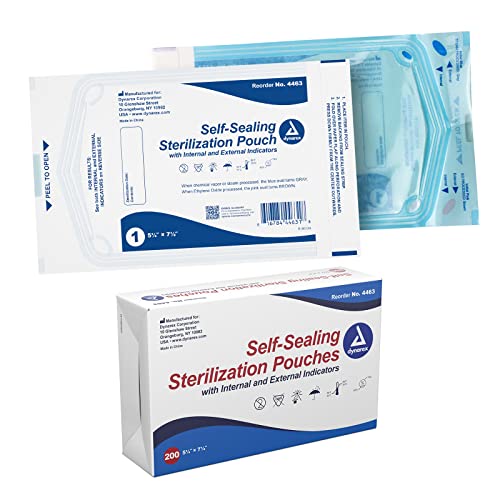
Sanitize Your Tools - Keep dental, medical, and personal care tools clean with our pouch bags. They’re available in 7 sizes to fit your instruments and get them ready for autoclave sterilizers.
Normal Healing vs. Infected Tattoos: When to Get Help
How can you tell if your fresh ink is healing properly or heading for trouble? You’ll notice normal healing through mild redness, slight swelling, and clear plasma oozing for the first few days. Your skin will form a thin scab and begin peeling like a sunburn within a week.
However, you must watch for infection warning signs. If you see thick yellow or green pus, feel increasing pain after three days, or notice red streaks spreading from the tattoo, you’re dealing with an infection. Fever, chills, or swollen lymph nodes mean the infection’s spreading.
Don’t wait if symptoms appear. You need to contact a doctor immediately. They’ll prescribe antibiotics to stop bacteria. Early intervention prevents serious complications and saves your artwork from permanent damage.
Recommended Products

Mast Pro purple tattoo cartridges needles have been providing with high density clear plastic body.
Mast Pro purple tattoo cartridges needles have been providing with high density clear plastic body.

【50PCS Mixed Tattoo Cartridge Needles Set】Includes 50 individually packaged tattoo cartridge needles in popular configurations: 1203RL, 1205RL, 1207RL tattoo cartridges, 1209RL, 1205RS, 1207RS, 1207M1, 1215M1, 1209RM, 1215RM (5pcs each). Suitable for both lining and shading needles for tattooing.
Tattoo Aftercare Mistakes That Lead to Complications
Recognizing infection signs early matters, but avoiding mistakes in your daily aftercare routine prevents problems from starting in the first place. You touch your fresh tattoo with unwashed hands, transferring bacteria directly into broken skin. You skip moisturizer, letting the area crack and bleed. You submerge your new ink in baths, pools, or hot tubs, soaking away protective scabs and inviting infection.
You pick at peeling skin or scratch healing wounds, pulling out pigment and creating scars. You ignore your artist’s instructions, swapping their recommended ointment for petroleum jelly that suffocates your tattoo. You expose healing art to direct sunlight, blistering sensitive tissue. You wear tight clothing that rubs and irritates the area. You stop cleaning too early, thinking the danger has passed. Each error compounds risk.
Botched Tattoos: Fixing Errors Without Making Things Worse
Where do you turn when your fresh ink heals wrong—when lines blur, colors muddy, or infection leaves lasting damage? You don’t panic. You research.
First, you identify the problem. Blown lines need a cover-up specialist, not your original artist. Faded patches require touch-ups after full healing—usually six months. Scar tissue from infection demands a medical tattoo artist or dermatologist, not more needles.
You vet fixers carefully. You check portfolios for similar corrections. You ask how they’ll approach your specific damage. You get second opinions.
You resist quick fixes. Laser removal takes multiple sessions and costs more than the original tattoo. Cover-ups need larger, darker designs. You accept these realities.
You protect healing skin with SPF and moisture. You follow aftercare strictly this time. You learn from mistakes without repeating them.
Recommended Products

50 TOTAL CARDS printed premium cards front and back on a 2 x 3.5” inches card. 14 pt. matte card stock thickness!

NATURAL AND UNSCENTED FORMULA – Saniderm’s Original Tattoo Aftercare Balm is made using natural ingredients like beeswax, shea nut butter, and sea buckthorn oil. Unlike other common ointments and tattoo balms, Saniderm’s fragrance-free Tattoo Aftercare Balm is also petroleum-free so it won’t suffocate the skin while your tattoo heals.

Tattoo aftercare instructions for the professional tattoo artist.
Conclusion
Getting tattooed *can* be safe, but you’ve gotta do your homework. Research your artist, inspect the studio, and disclose your medical history. Follow aftercare religiously, and speak up if something feels wrong. Your skin—and your health—are worth the extra effort.