
You walk into the studio expecting a quick in-and-out, but your artist sets up for longer than you’d imagined. That tiny design on your wrist? It might take thirty minutes—or stretch past two hours. The real question isn’t just size; it’s what you haven’t considered yet.
Key Takeaways
- Most small tattoos take 30 minutes to 3 hours depending on complexity and detail.
- Simple line work or tiny symbols typically require only 30–60 minutes to complete.
- Shading, color packing, and watercolor effects can extend sessions to 2–3 hours.
- Difficult placements like ribs or feet slow progress due to movement and discomfort.
- Prep work including stencils and setup adds 20–30 minutes before tattooing begins.
Recommended Products
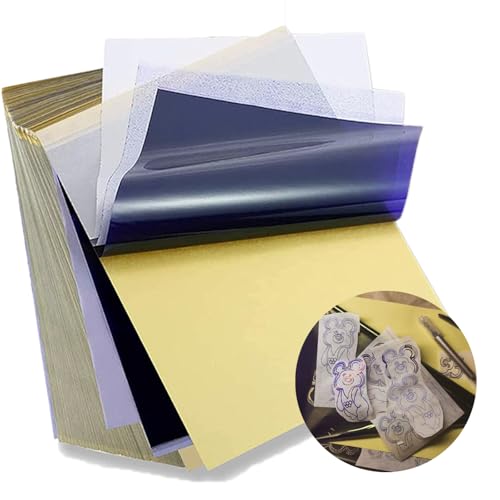
Standard size: Tattoo Transfer Paper is standard A4 paper size, each measures 8.27 in X 11.69 in. There are 4 levels in total. The thickness of the paper is very light and smooth to the touch.

Warm Tips: The tattoo transfer paper need to work with transfer medias.You will need to purchase the stencil ointment separately. Apply the design made on the master paper. Please pay attention to press the back side of the pattern to the skin for at least 3 seconds

Phomemo Tattoo Transfer Paper kit - Paper size: 8.27 in x 11.69 in (210 x 297 mm), Quantity: 1 Box, 100 Sheets in the box, Color: Blue. Phomemo Tattoo Transfer Paper is ideal for tattoo enthusiasts, artists and professional tattoo artists, offering reliability and consistency in tattoo stencil creation
How Long Most Small Tattoos Take
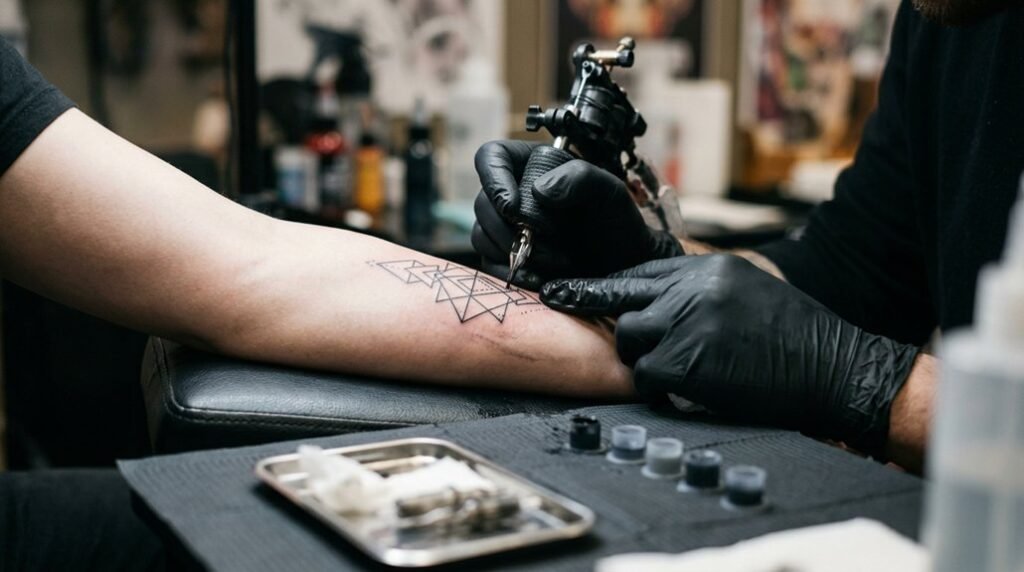
So, how long does a small tattoo actually take? You’ll typically spend 30 minutes to 3 hours in the chair. A simple line drawing or tiny symbol takes about 30–60 minutes. You’ll watch the artist work quickly, laying down clean, minimal ink.
Slightly more detailed pieces—small flowers, basic lettering, or simple animals—usually demand 1–2 hours. You’re paying for setup, stencil placement, and the actual tattooing. Complex small tattoos with shading or color packing stretch toward that 3-hour mark. You shouldn’t rush the process; your skin needs proper care between passes. Remember, you’re also counting prep time and bandaging. Most artists book small tattoos in hour blocks, so you’ll likely reserve more time than the needle actually touches skin.
Recommended Products

✡Various Purpose - Care for all types of wounds; Waterproof cover; Fixed dressing; Tattoo aftercare. It can help lock in the color, protect your tattooed skin, and reduce scabbing when you wash or moisturize your tattoo, quickly form a protective film then accelerate your recovery

Breathable & Comfortable: Transparent film dressings are highly breathable, allowing the skin to breathe freely and helping to promote natural wound healing. High ductility, can be used for flexible connectors. Pre-cut transparent design, easy to use, easy to observe the wound site or equipment conditions.

RELIABLE PROTECTION: Hion transparent adhesive bandage shields your skin from dust, dirt, germs and bacteria, as well as friction or scrubbing. It is good to protect minor burns, scrapes, cuts, blisters, abrasions and new tattoo in healing. The transparent film dressing allows you to observe healing progress of your wound without having to peel it off.
What “Small” Actually Means in Tattoo Studios
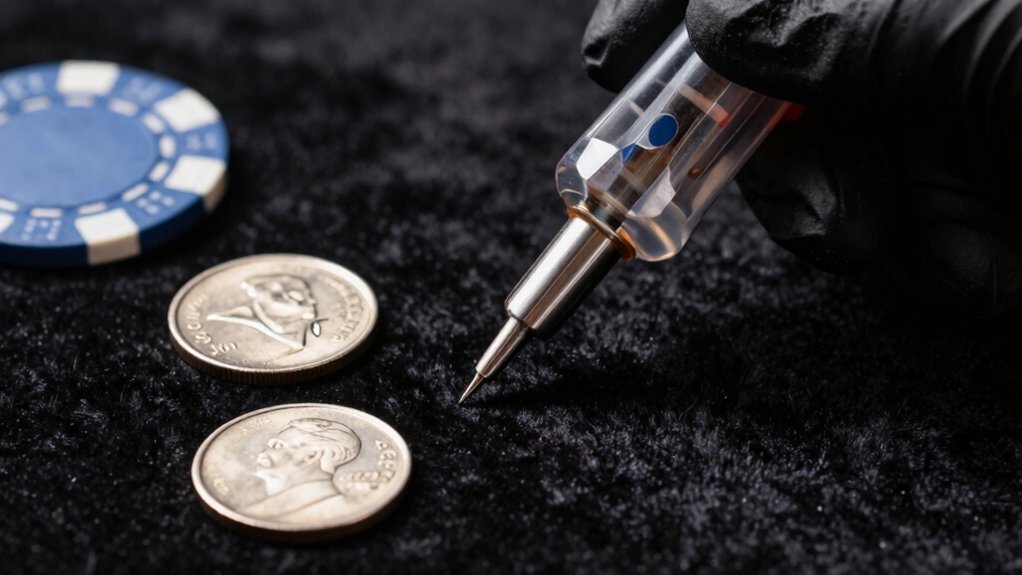
Where exactly does “small” stop being small? You’d think four inches marks the limit, but studios disagree. Some artists call anything under three inches small; others stretch that to five. You’ll find no universal standard.
You walk into one shop, and your palm-sized design counts as small. You visit another, and the same piece pushes into medium territory. Most artists base size on a single dimension—usually the longest edge—rather than overall area. You might request a “small” tattoo and discover your complex four-inch piece takes longer than a simple two-inch one.
You’ll save time and frustration by showing the design, not naming the size. Bring reference images. Let the artist measure. You’re paying for their expertise, so let them classify what you’re getting.
Recommended Products

FSA HSA Eligible Over-the-Counter Medication - This topical lidocaine numb cream with Allantoin, Vitamin E, and Aloe is clinically proven to temporarily relieve pain, burning, itching, discomfort, inflammation, and soreness in local and anorectal areas

LIDOCAINE 5% PAIN CREAM | Experience deep pain relief with the strongest formulation of lidocaine available OTC.

Fast Acting Hemorrhoid Cream - Made with 5% Lidocaine, this topical anesthetic provides temporary relief from discomfort, itching, and burning associated with hemorrhoids and other anorectal irritation.
Line Work, Shading, and Color: What Adds the Most Time
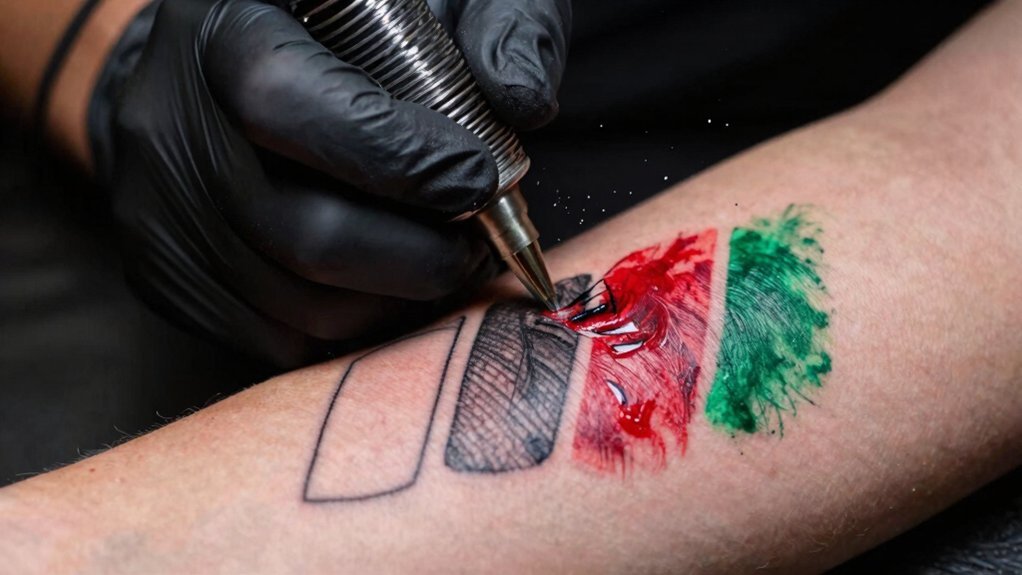
How much time your tattoo takes depends less on its physical size than on what fills that space.
You might think a tiny design means a quick session, but line work, shading, and color change everything. Solid black lines? Your artist moves fast. You’re in and out quickly. But intricate linework with varying weights slows the pace.
Shading demands more time. Your artist builds gradients, layers tones, and works methodically to avoid blotching. You sit longer as the needle sweeps back and forth.
Color adds the most time. Your artist stops to wipe, switch inks, and let one area dry before starting another. Packing vibrant, saturated hues requires multiple passes. You have asked for that watercolor effect? Prepare for extra hours. Each technique compounds, turning a small tattoo into a lengthy commitment.
Recommended Products

TATTOO AFTERCARE ESSENTIAL: Hustle Butter is the original tattoo aftercare balm for new and older tattoos. With over 10 years in the market, we are a pioneer of the tattoo aftercare category.

Nourishes Healing Ink for Vibrant Color: Tattoo Goo supports healing tattoos & maintains vibrancy on healed ink with a lightweight formula rich in olive oil, lavender oil, cocoa butter, and beeswax. It absorbs quickly, moisturizes deeply, and helps reduce dryness, itch and tightness so your tattoo looks and feels comfortable through everyday routines

Nourishes Healing Ink for Vibrant Color: Tattoo Goo supports healing tattoos & maintains vibrancy on healed ink with a lightweight formula rich in olive oil, lavender oil, cocoa butter, and beeswax. It absorbs quickly, moisturizes deeply, and helps reduce dryness, itch and tightness so your tattoo looks and feels comfortable through everyday routines
Where You Put It: How Placement Changes the Clock
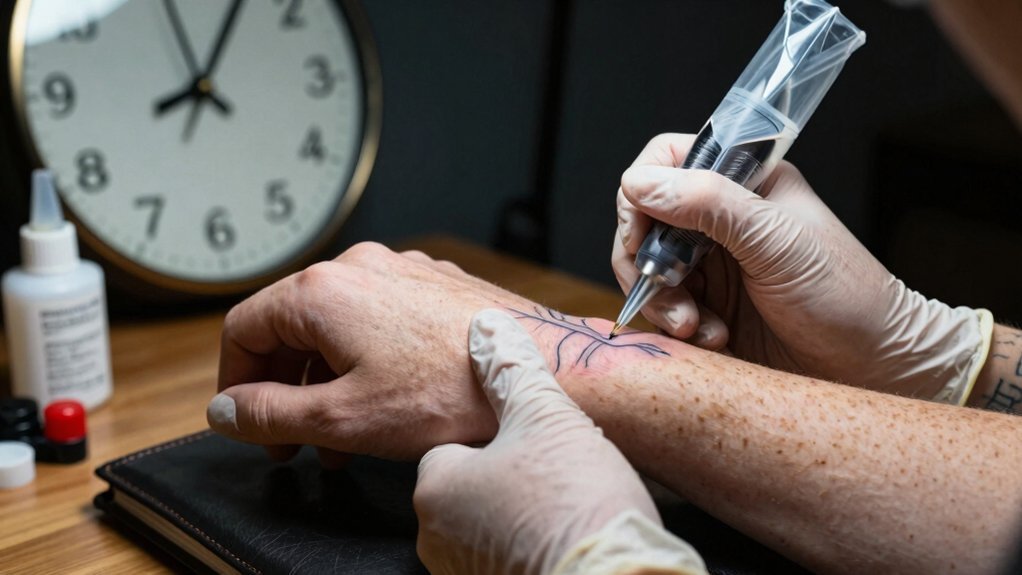
Your body isn’t a flat canvas, and your artist will tell you that some spots fight back harder than others. You’ll sit still longest when you choose ribs, feet, or inner biceps; these areas move, stretch, and sit at awkward angles that force your artist to work slower and more carefully.
You’ll watch the clock tick faster when you pick outer arms, calves, or shoulders—these stable surfaces let the needle glide without constant repositioning.
You’re also contending with skin thickness and nerve density. You’ll feel more sensation over bone and tendons, which can make you flinch and add pauses.
You’ll save time with forearms or thighs, where your artist finds steady traction and you find easier breathing. Your placement choice directly sets your timer.
Recommended Products

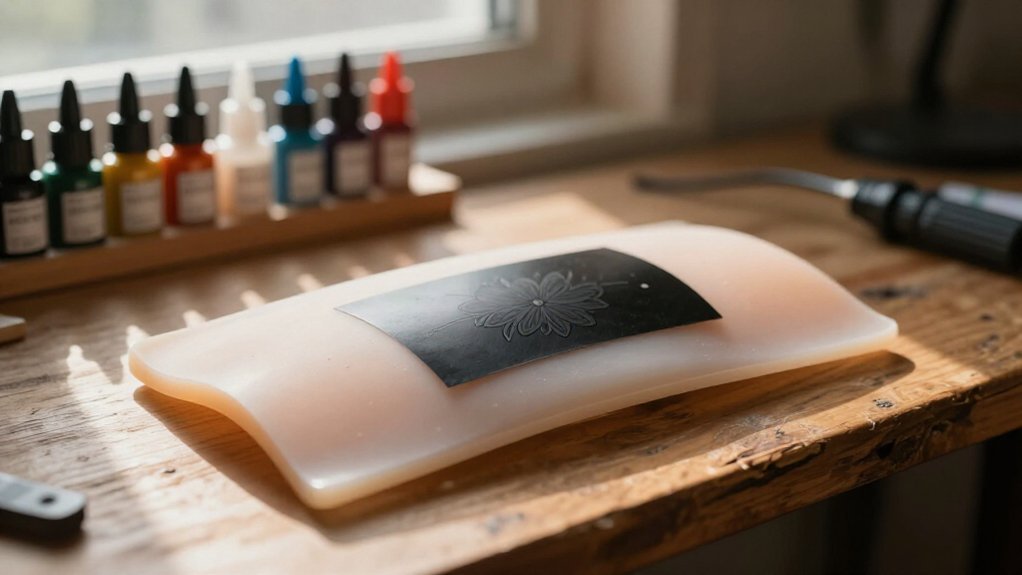
Premium Quality 1.5mm Silicone Material – Crafted from premium 1.5mm thick silicone, this tattoo skin offers a true-to-life feel with excellent durability and a smooth surface for effortless needle movement during practice.

Premium Quality 1.5mm Silicone Material – Crafted from premium 1.5mm thick silicone, this tattoo skin offers a true-to-life feel with excellent durability and a smooth surface for effortless needle movement during practice.
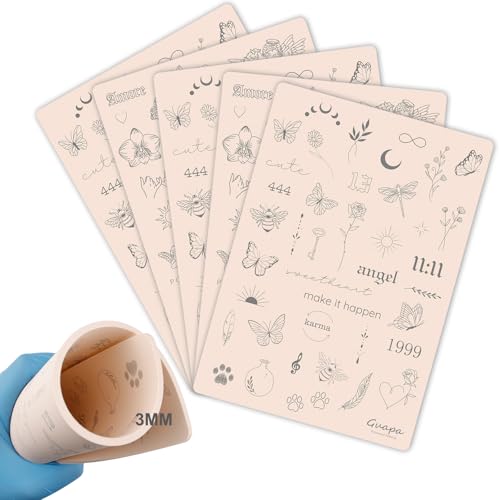
3MM Tiny Tattoo Practice skin Made from high-quality materials, it is closely mimic the texture and feel of real human skin. This gives you a realistic experience, allowing you to refine your skills before working on actual clients
Stencil and Prep: Why Your Appointment Runs Longer Than the Tattoo
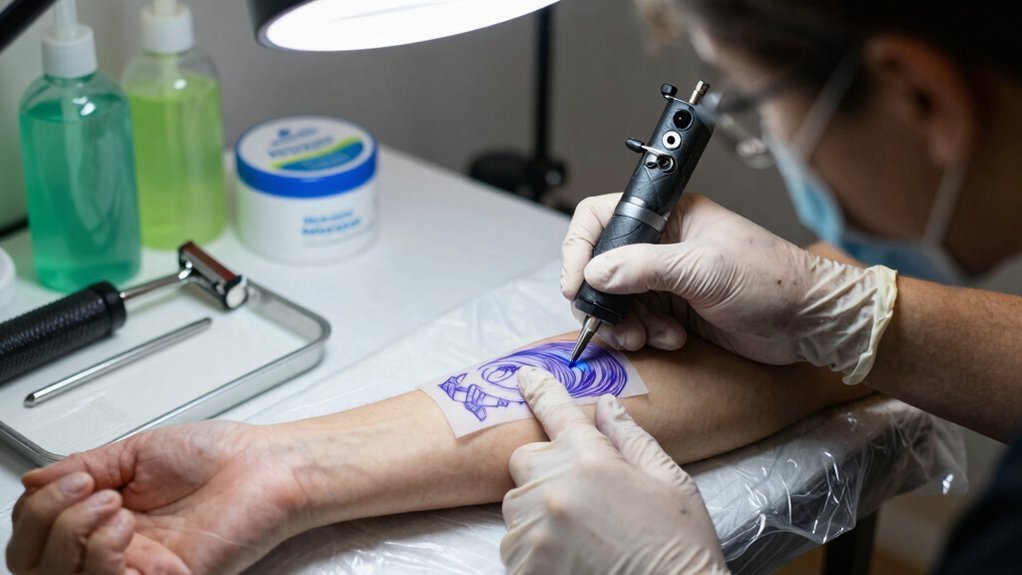
Why does a two-hour appointment yield only forty minutes of actual tattooing? You spend much of that time on preparation, not needles.
Your artist disinfects the area and shaves any hair. They apply the stencil, then you both assess placement, size, and angle. You adjust. They reapply. You approve. This back-and-forth consumes twenty to thirty minutes easily, but it prevents lifelong regret about crooked ink.
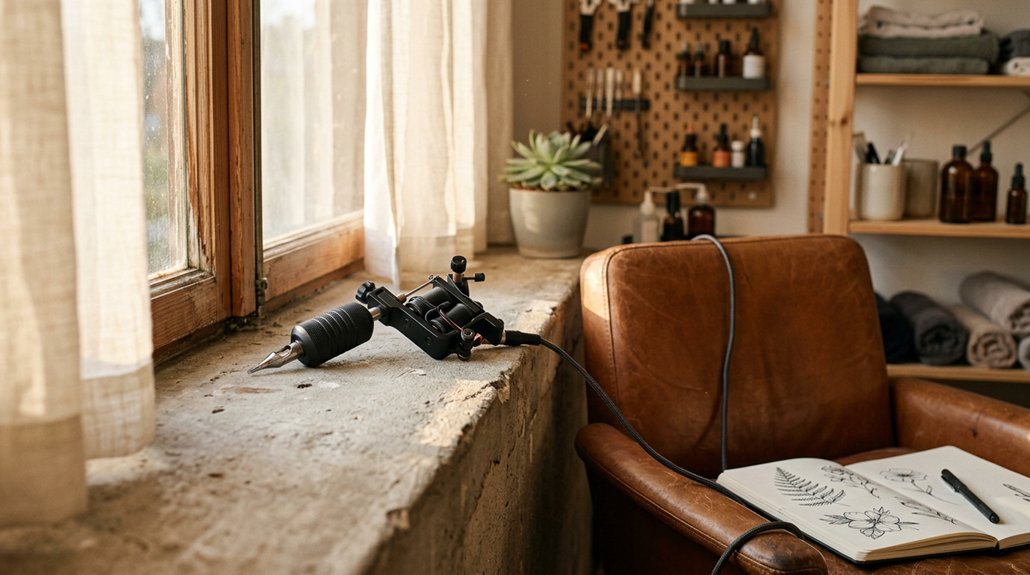
The artist then sets up their station: unwraping sterile needles, pouring inks, configuring the machine. They snap on gloves and do a final skin wipe.
You wait, but this groundwork protects your health and ensures precision. Rushed prep risks infection or poor results. That patient stencil work means you’ll wear clean lines permanently, not chase corrections later.
Recommended Products

Precision Transfers & Long Lasting: Tattoo stencil paper delivers vibrant, high-definition transfers even for intricate designs. Creates crisp, dark lines that transfer cleanly to skin (clearly on different skin tones) which are easy to follow during tattooing. The carbon layer made from high-quality dyes ensures sharp outlines without smudging or fading and maintains crisp lines visibility throughout long tattoo sessions, so you can focus on creating art instead of re-drawing lines

Precision Transfer Performance - It’s professional-grade tattoo stencil paper delivers vibrant, high-definition transfers even for intricate designs. The carbon layer ensures sharp outlines without smudging or fading, ensuring crisp lines that stay true to your original artwork.

🔍 Precision Industry-Standard Transfer - Engineered 4-ply stencil paper (8.25"x11.75") with high-density dyes delivers defined lines for intricate tattoo stencils. Compatible with major thermal printers for reliable tattoo transfer paper workflows.
When Small Tattoos Take Longer (And the Red Flags to Watch For)
Sometimes a palm-sized piece stretches well past the hour mark, and you need to know what’s normal versus what’s a warning sign.
You’re watching the clock tick past ninety minutes for a simple design. What’s happening? Your artist might wrestle with difficult skin—thick, scarred, or bleeding excessively. They’ll slow down to preserve line quality. That’s normal, and you should appreciate their care.
But you must spot real red flags. If your artist keeps stopping to check reference images they should’ve memorized, you’re paying for their poor prep. If they wipe, pause, and wipe again without making progress, they’re out of their depth. If the stencil reapplies three times, they’re struggling with basic technique.
You deserve transparency. Ask what’s causing delays. Good artists explain; evasive ones hide incompetence. Trust your instincts and speak up before you’re trapped in a chair for hours with subpar results.
Recommended Products

What You Get - The tattoo aftercare bandage totall 4.4 yard (6" x 4.4 Yard), you will get tattoo aftercare bandage, the size is 6" x 4.4 Yard. You will the tattoo supplies is best combination of with guaranteed quality. According to the size of the tattoo area, the shape can be freely cut, and it is suitable for all kinds of large-area new tattoos

Transparent Matte Film Protection - This breathable tattoo bandage is a must-have in your tattoo supplies, offering latex-free protection that supports gentle healing for new ink.

THE ORIGINAL TATTOO AFTERCARE BANDAGE – Saniderm’s Original Gloss Bandage is the tried-and-true, industry-defining tattoo aftercare bandage. Dermatologist-recommended and trusted by expert tattoo artists worldwide, this medical-grade bandage ensures your tattoo heals quickly, safely, and more vibrantly. With over a decade of experience and millions of tattoos healed, it’s the perfect way to heal your ink.
How to Prepare for Your Fastest Possible Session
The right prep work can shave precious minutes off your session. Hydrate well starting 24 hours before your appointment. Moisturize the area throughout the week, but skip lotion on tattoo day. Eat a solid meal 1-2 hours prior to keep your blood sugar stable.
Wear comfortable clothes that grant easy access to the placement spot. Bring a distraction like headphones or a charged phone. Avoid alcohol for at least 24 hours—it thins your blood and slows healing. Skip caffeine if you’re jittery.
Shave the area yourself unless your artist prefers otherwise. Arrive with reference images ready and placement decisions made. You’ve eliminated indecision that bogs down the clock.
Sleep solidly the night before. Rested skin holds ink better. You’ll sit still, stay focused, and walk out faster.
Recommended Products

Long-Lasting Relief, Maximum Comfort: This numbing cream delivers prolonged analgesic effects, quickly relieving itching, pain, burning sensations, and significantly reducing swelling. It effectively desensitizes the skin for a comfortable experience.
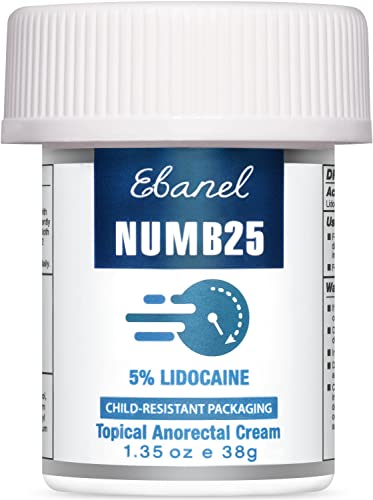
FSA HSA Eligible Over-the-Counter Medication - This topical lidocaine numb cream with Allantoin, Vitamin E, and Aloe is clinically proven to temporarily relieve pain, burning, itching, discomfort, inflammation, and soreness in local and anorectal areas

Maximum Strength Formula - Designed to provide a soothing, cooling sensation on contact for enhanced comfort.
Conclusion
You’ll wrap up most small tattoos in 30 minutes to 3 hours, depending on complexity. Simple designs fly by; detailed work takes longer. Remember, prep and bandaging eat up time too. Pick a straightforward design, choose an easy-to-reach spot, and arrive ready to go if you’re aiming for speed. Trust your artist’s timeline—they know what your skin and their craft demand. Your patience now ensures a piece you’ll love forever.
Recommended Products

COMPLETE AFTERCARE KIT FOR NEW & EXISTING TATTOOS: This Tattoo Aftercare Kit brings together 3 essentials, Antimicrobial Soap, Tattoo Balm, and Tattoo Lotion, to help cleanse, protect, and moisturize fresh ink. Useful after tattoo sessions and throughout healing, it supports vibrant color and skin comfort for dedicated ink enthusiasts and artists

Tattoo Aftercare Balm Stick: our tattoo balm is now available in a balm stick. This tattoo balm stick delivers targeted care to keep your artwork looking and feeling fresh whenever you need it most. For use on all tattoos, just not fresh ones.
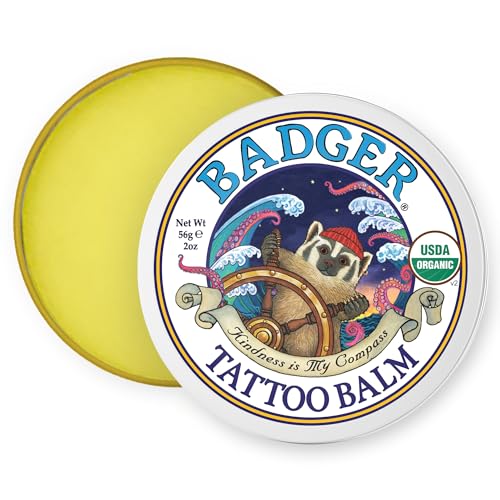
PROTECT & SOOTHE: Condition & protect your tattoos to keep ink looking bold & vibrant. Soothing, nourishing tattoo care softens fresh tattooed skin, calms redness & irritation, and promotes healing