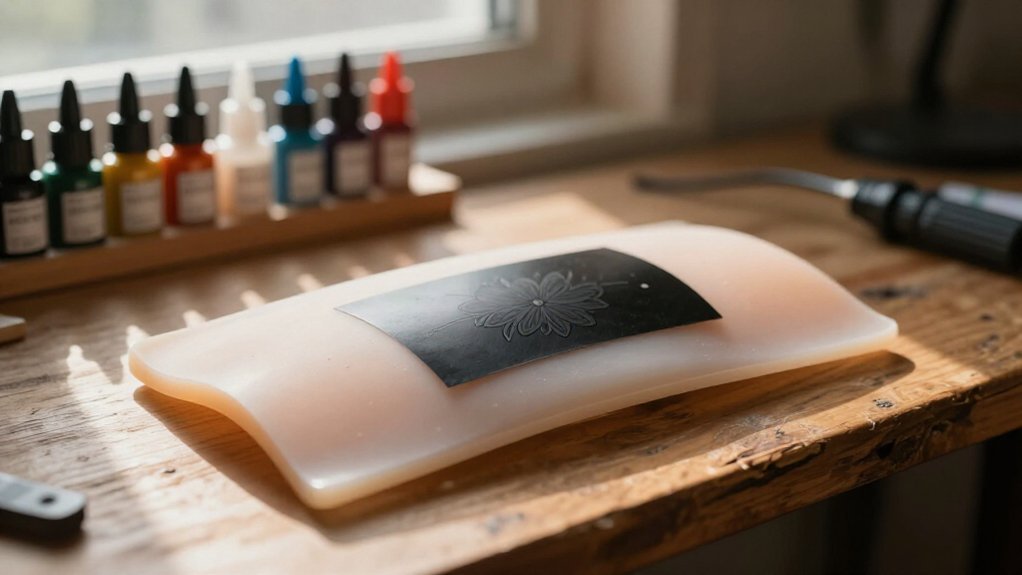

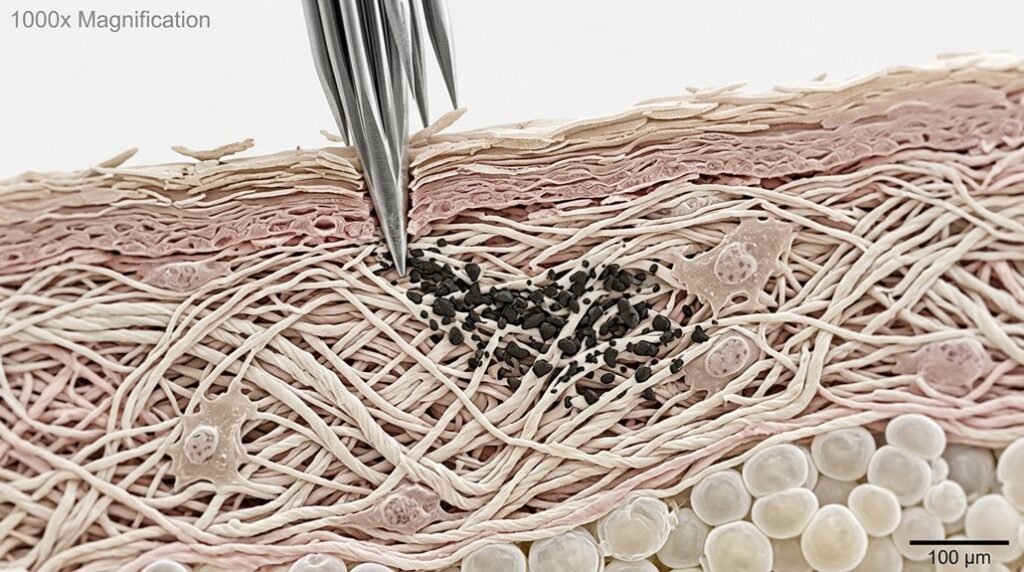
You might think tattoo ink sits on your skin’s surface, but it doesn’t. The needle must push past your epidermis and nestle into the dermis—about 1.5 to 2 millimeters down. Miss that mark, and your tattoo suffers. Go too shallow, and your art fades fast. Go too deep, and you’ll face blowouts or scarring. The question isn’t whether depth matters; it’s how artists master that precise sweet spot.
Key Takeaways
- Tattoo ink reaches 1.5–2 millimeters deep, targeting the papillary dermis layer.
- This depth sits just below the epidermis and above the fatty hypodermis.
- The dermis contains stable, long-lived cells that trap ink permanently.
- Too shallow causes rapid fading as the epidermis naturally sheds.
- Too deep triggers blowouts, where ink spreads and blurs in fatty tissue.
Recommended Products

Dragonhawk Tattoo Needles: High-quality tattoo needles, manufactured under the trusted Dragonhawk brand, are perfect for all-purpose work. With a polished, long taper design, these needles ensure reliable performance and excellent control.

Cartridge Needles Sizes: 20 pcs 1RL tattoo cartridge needles for lining. The needle edges are specially designed to catch more ink. Transparent body, high visibility. Great gifts for tattoo artist and beginners
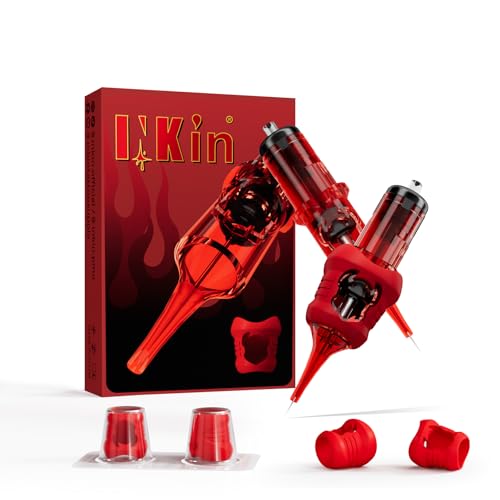
Upgraded Silicone Grip: INKin as one of the earliest brands focusing on tattoo finger ledge cartridges, upgraded design with high-grade TPE material, EL Diablo tattoo cartridges include 8 pcs optional grips, allowing tattoo artists to customize grip based on individual preferences, giving a comfortable, anti-slip grip reduces vibration and hand strain for long sessions.
Why Tattoo Ink Must Reach the Dermis to Last
Why does a tattoo fade if the ink doesn’t sink deep enough? You’re witnessing your epidermis at work. This outer layer constantly sheds and regenerates itself. When you place ink here, you’re essentially painting dead skin that’ll flake away within weeks.
You need to push deeper, into the dermis. This middle layer houses stable, long-lived cells that don’t regenerate rapidly. Your immune system responds immediately, sending macrophages to engulf the ink particles. These cells become permanently trapped in the dermis, creating your tattoo’s visible pigment. You’re essentially leveraging your body’s defense mechanism to hold the color in place.
If you don’t reach this depth, you’re wasting your effort. Too shallow, and your art disappears. You’re aiming for that sweet spot where permanence lives.
Recommended Products
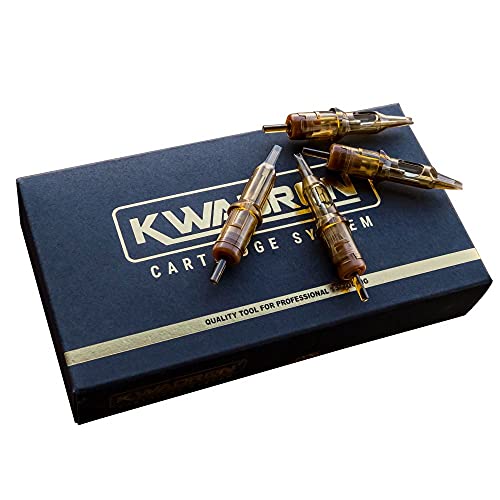
OPTIMAL PERFORMANCE: Kwadron tattoo needle cartridges is precisely made with high-quality materials for optimal performance so that you can achieve beautiful results
OPTIMAL PERFORMANCE: Kwadron tattoo needle cartridges is precisely made with high-quality materials for optimal performance so that you can achieve beautiful results
OPTIMAL PERFORMANCE: Kwadron tattoo needle cartridges is precisely made with high-quality materials for optimal performance so that you can achieve beautiful results
How Deep Tattoo Needles Actually Go
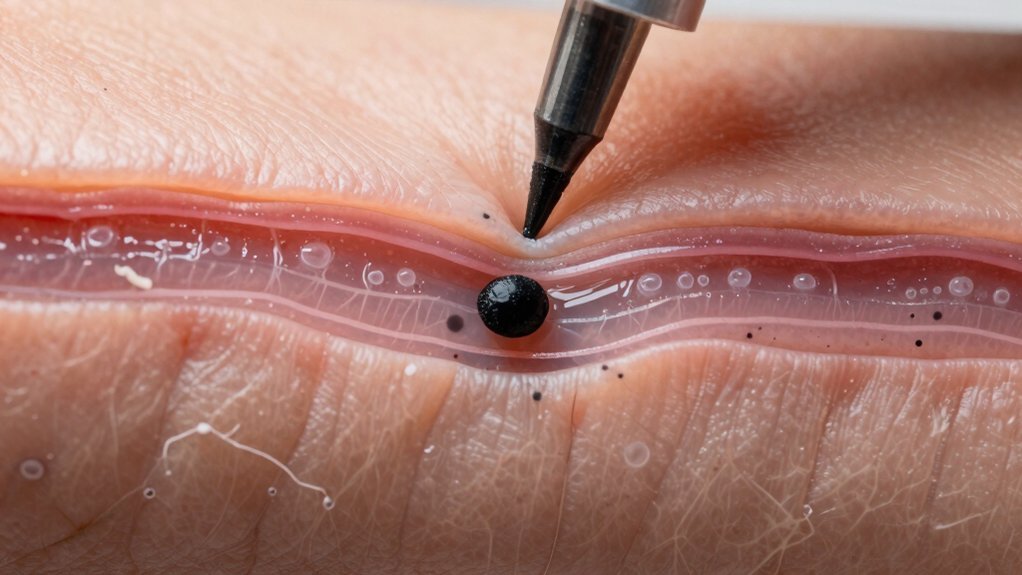
You know the dermis is your target, but how do you actually hit it? You’ll set your needle to penetrate approximately 1.5 to 2 millimeters into the skin. That’s roughly 1/16 of an inch—shallower than you’d expect. Your machine drives the needle through the epidermis, past the basement membrane, and into the papillary dermis where those stable macrophages await.
You’re not plunging blindly. You’ll stretch the skin taut and maintain a consistent 45-degree angle. Your hand speed and machine voltage work together—too fast and you’ll skate across the surface; too slow and you’ll bury ink too deep. You’ll feel the slight resistance as the needle breaches each layer. Watch your needle strike. You’ll learn to recognize that subtle pop when you’ve found your mark.
What Happens When Tattoo Needles Don’t Go Deep Enough
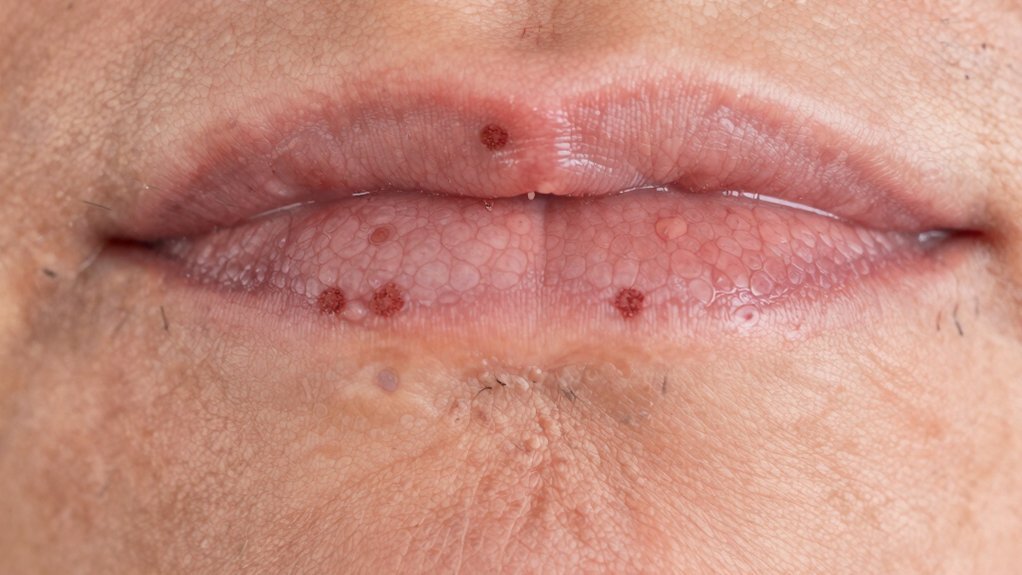
What happens when your needle barely grazes the dermis? You create a “tipping out” effect, where the ink settles in the epidermis instead of penetrating properly. Your client’s skin sheds its top layer constantly, and that ink goes with it.
You’ll watch the tattoo fade within weeks, sometimes days. The lines blur; the colors dull. Your hard work literally flakes away. You haven’t reached the stable layer where ink needs to anchor.
Your client returns disappointed, asking for touch-ups or demanding refunds. You’ve wasted their money, their time, and their trust. The skin might heal patchily, leaving a ghost image that taunts your mistake.
You need to push deeper, confidently through that epidermal threshold, landing solidly in the upper dermis where the ink stays put and your art survives.
Recommended Products

Versatile: BIOMASER tattoo needle cartridges are suitable for shading, lining, and rotary tattooing.It can not only use on body art tattoo,but also permanent makeup eyebrow,liner,lip etc.

Mast Pro purple tattoo cartridges needles have been providing with high density clear plastic body.

FINE LINE PRECISION: 0.3 mm round liner paired with 18 mm long taper tip creates crisp hair-stroke brows and sharp eyeliner; built for fine-detail tattoo work needing steady control
Why Deep Tattoo Ink Blows Out and Scars
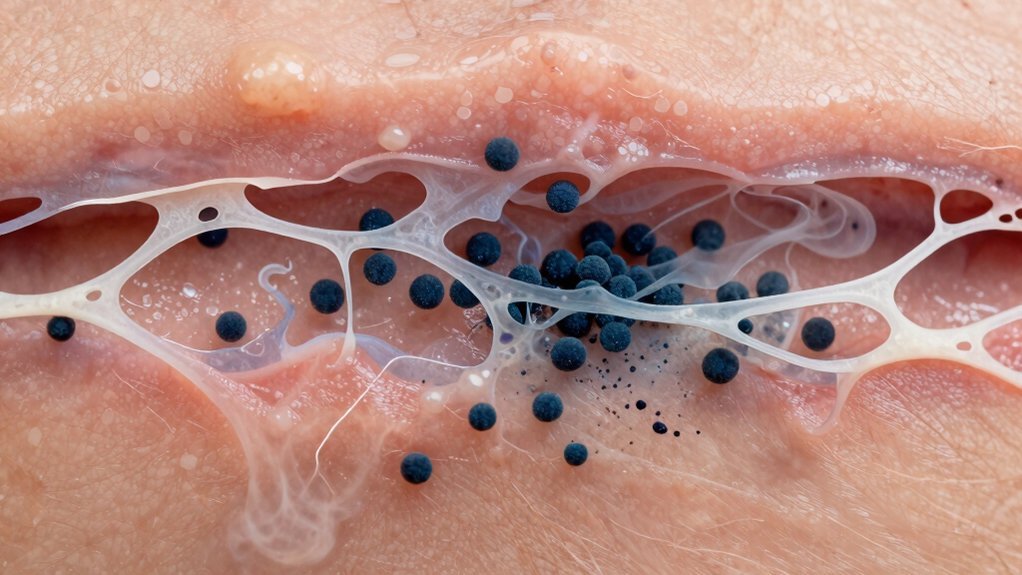
How deep is too deep? You’ll know immediately when your artist pushes past the dermis into the hypodermis, the subcutaneous fat layer beneath your skin. This fatty tissue lacks the stable structure to hold ink properly.
Your ink won’t stay sharp. Instead, it spreads through fat cells, creating that dreaded “blowout” effect where lines blur and colors feather outward like watercolor bleeding on wet paper. You’ve essentially created a permanent smudge.
Deeper punctures also traumatize tissue more severely. Your body responds with excessive collagen production, forming raised keloid scars or pitted healing that distorts your design permanently. You’ll feel the difference too—deeper placement causes sharper, prolonged pain and overworks your healing response.
The damage doesn’t mend. Unlike shallow tattoos you can often fix, blowouts and scarring from excessive depth become permanent artifacts of the mistake.
Recommended Products

TATTOO AFTERCARE ESSENTIAL: Hustle Butter is the original tattoo aftercare balm for new and older tattoos. With over 10 years in the market, we are a pioneer of the tattoo aftercare category.

COMPLETE AFTERCARE KIT FOR NEW & EXISTING TATTOOS: This Tattoo Aftercare Kit brings together 3 essentials, Antimicrobial Soap, Tattoo Balm, and Tattoo Lotion, to help cleanse, protect, and moisturize fresh ink. Useful after tattoo sessions and throughout healing, it supports vibrant color and skin comfort for dedicated ink enthusiasts and artists

TATTOO AFTERCARE OINTMENT – Made especially for aftercare of tattooed skin. Offers premium protection and the best tattoo care. Suitable for new & existing tattoos. Moisturizes dry skin and nourishes it. Makes tattoo colors look more vibrant and fresher. Helps tattoos look their best.
How Tattoo Artists Control Needle Depth by Machine
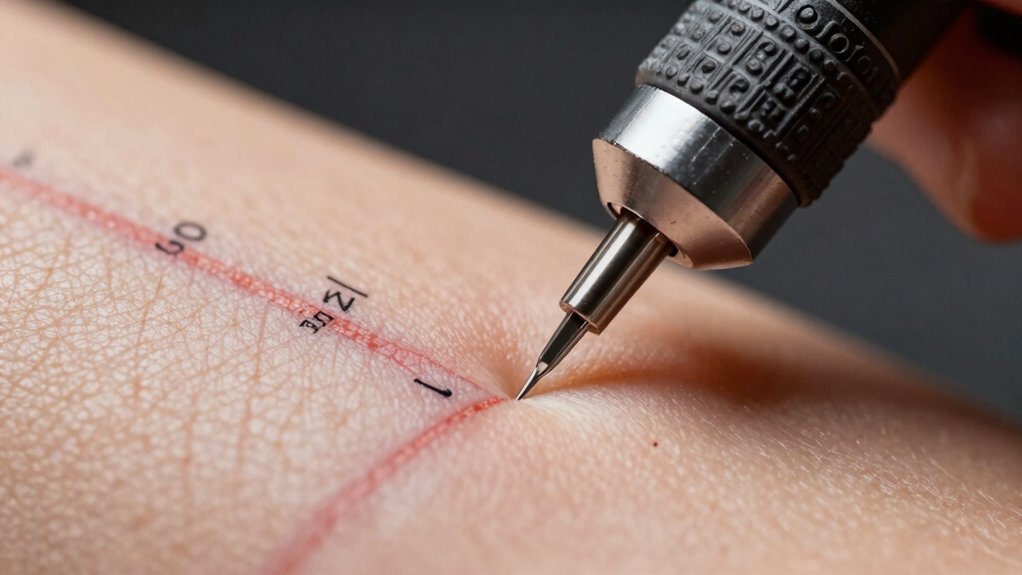
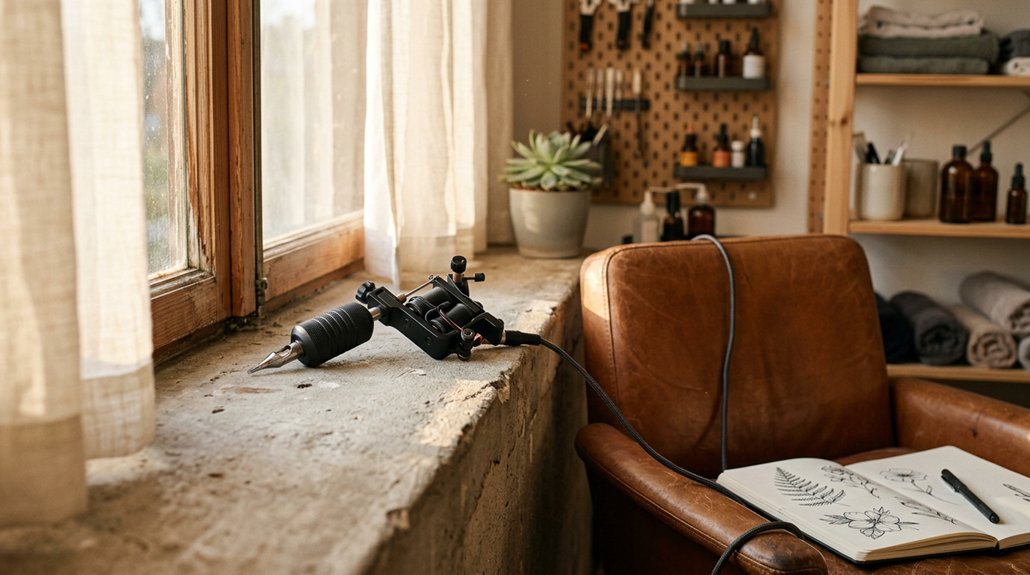
Tattoo machines aren’t mysterious—they’re precision instruments built to solve the depth problem. You control needle depth through three mechanics: needle protrusion, voltage, and hand speed.
You’ll adjust the needle tube grip to set how far the needle extends—typically 1-2 millimeters for lining, slightly less for shading. This physical limit prevents you from plunging too deep.
Your voltage setting determines needle speed and force. Higher voltage drives the needle faster and harder; you’ll lower it for delicate work requiring softer penetration.
Your hand speed completes the control. You move faster across skin when voltage runs high, slower when you need precision. You’re balancing these variables constantly, reading skin resistance and adjusting on the fly.
The machine doesn’t guess—you’re making micro-decisions every second, translating technique into perfect depth.
Recommended Products

ideal cartridge needles-Precise needle configurations, ultra-shap needles make sure no over working skin or scabbing up during healing. Designed for permanent makeup tattooing
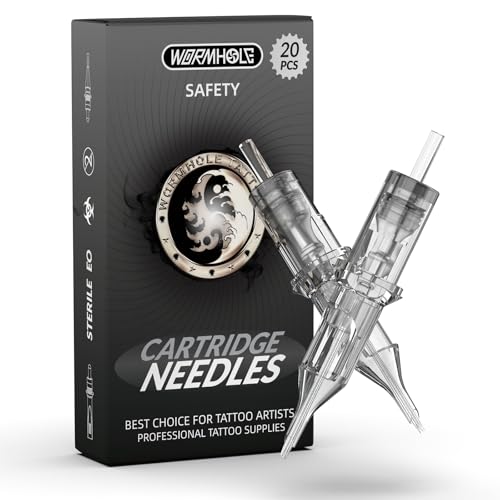
Package: 20pcs tattoo cartridge needles; Wormhole Tattoo Needles are individually packed, and for disposable use only

High-quality Material: The Dragonhawk tattoo needles and tubes are made of high-quality materials, ensuring durability and reliability. The 304 stainless steel tattoo needles are resistant to rust and corrosion, while the soft ABS black tattoo grip provides a comfortable and secure hold. The plastic tubes are clear and transparent, allowing you to see the tattoo ink and needles clearly.
How to Tell If Your Artist Is Using the Right Depth
Where should you look when you’re trying to judge if your artist knows what they’re doing? Watch their portfolio first. Examine healed tattoos for consistent color saturation and crisp lines. Faded or blurred work suggests inconsistent depth.
During your session, notice how they stretch your skin. Proper tension creates a stable surface for accurate needle penetration. You shouldn’t feel excessive scratching or see the needle dragging through flesh.
Listen to the machine’s sound. A steady buzz indicates smooth, controlled movement. Erratic noises often accompany uneven depth.
Check your skin’s reaction immediately after. Moderate redness and slight swelling are normal. Profuse bleeding or blown-out edges signal the needle went too deep.
Trust your body’s feedback too. Sharp, manageable discomfort means proper placement. Excessive pain or prolonged healing suggests your artist missed the dermis sweet spot.
Recommended Products
OPTIMAL PERFORMANCE: Kwadron tattoo needle cartridges is precisely made with high-quality materials for optimal performance so that you can achieve beautiful results
OPTIMAL PERFORMANCE: Kwadron tattoo needle cartridges is precisely made with high-quality materials for optimal performance so that you can achieve beautiful results
Why Different Body Parts Need Different Depths
Why does your shoulder hold ink perfectly while your ankle fades in months? Your skin thickness varies dramatically across your body, and your artist adjusts accordingly.
Your dermis—the ink’s permanent home—runs deeper on your back and shoulders. These areas offer plenty of space for needles to deposit pigment without hitting fat or bone. You’ll find these spots forgiving and consistent.
Contrast that with your ankles, fingers, and ribs. Here, your dermis sits thin and shallow. Your artist must work delicately, placing ink precisely without overshooting. Go too deep, and you’ll blow out lines; too shallow, and you’ll lose pigment fast.
Your knees and elbows pose opposite challenges. Thick calluses and constant movement demand deeper penetration to lock color in place.
Trust your artist’s knowledge of your anatomy. They read your body like terrain, matching depth to each unique landscape you present.
How Your Skin Type Changes the Depth Your Artist Needs
How does your skin’s unique makeup dictate how deep the needle must travel? Your skin thickness and elasticity directly determine your artist’s approach.
If you’ve got thin, delicate skin, your artist adjusts the needle depth to prevent blowouts. You’re more prone to bruising and ink spreading beneath the surface. Your artist stays shallow and works slowly.
When you’ve got thicker, denser skin, your artist pushes deeper to reach the dermis properly. Your skin demands more pressure to deposit ink that’ll stay.
Your oil production matters too. If you’re oily, your artist modifies technique; excess sebum can push ink back out. Dry skin reacts differently, sometimes absorbing ink faster.
Your age changes things as well. Older skin loses elasticity and collagen, so your artist adapts depth to compensate for thinner, more fragile tissue.
Your artist reads your skin and responds accordingly.
Recommended Products
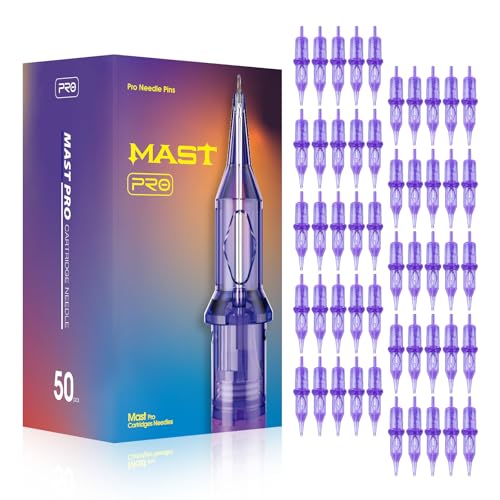
Mast Pro purple tattoo cartridges needles have been providing with high density clear plastic body.

1.PACKING:Tattoo needles are individually blister packaged,stamped with expiration date
Why Proper Depth Keeps Your Tattoo From Fading
When you’re getting tattooed, the depth your artist sets matters more than you might think—go too shallow, and your ink won’t stick around for the long haul.
Your skin sheds its outer layer constantly, taking superficial ink with it. Your artist needs to deposit pigment in the dermis, where it’s protected from this cellular turnover. The dermis provides a stable environment where collagen fibers lock the ink in place.
If the needle doesn’t reach this sweet spot, your tattoo fades fast. You’ll see patchy, blurred lines within months. Going too deep causes different problems—excessive bleeding dilutes the pigment and creates scar tissue.
You want your investment to last. Proper depth ensures your tattoo heals crisp and maintains its vibrancy for years. Trust your artist’s technique; they’ve trained to find that perfect layer where your ink settles permanently.
Recommended Products

【Enriched with Vitamins A & D】This tattoo scar gel is formulated with naturally derived vitamins A and D, plus skin-calming ingredients. It helps support your skin's natural recovery process while keeping the tattoo area moisturised.

Upgraded Design, Easy to Use --- Tattoo aftercare balm comes in a tube,this container allows you to glide on the butter easily,Rolls on smoothly and evenly on your skin,No more mess or residue on your finger,convenient to use

Soothes & Hydrates Tattooed Skin: This premium tattoo balm blends Shea, Mango, and Aloe butters to melt effortlessly into skin without clogging pores. Perfect tattoo aftercare for fresh ink to soothe and keep skin nourished.
Conclusion
You need your artist to hit that sweet spot—about 1.5 to 2 millimeters into your dermis. Too shallow and you’ll watch your ink fade away; too deep and you’ll face blowouts and scarring. Your skin type and body location matter, so trust a skilled professional who controls needle depth with precision. When they get it right, you’re left with crisp, vibrant art that lasts.