
You’re standing in front of the mirror weeks after your first laser session, wondering if that ink is actually fading or if it’s just your imagination. The truth is, tattoo removal healing isn’t measured in days—it’s a slow-motion process that’ll test your patience more than you expected. What happens beneath your skin during those six-to-eight-week gaps between treatments is stranger than most clinics let on.
Key Takeaways
- Initial healing of the treated skin takes 48 hours with redness, swelling, and small blisters forming.
- Full recovery between sessions requires six to eight weeks, sometimes extending to ten to twelve weeks.
- Complete tattoo fading spans months to years, with most needing eight to twelve treatment sessions.
- Black and dark blue inks heal fastest; bright colors, large sizes, and dense work prolong timelines.
- Proper aftercare—keeping skin clean, avoiding sun exposure, and not picking scabs—supports optimal healing.
Recommended Products

✅【GREAT MATERIAL】 - Scar repair cream contains natural Vitamin A and Vitamin D as well as potent skin-soothing herbal ingredients, which can effective prevent scarring and nourish your skin. Refine the ointment from the thyme hibiscus, celery, snokeweed, licorice, which is safe without side effects.

COMPLETE AFTERCARE KIT FOR NEW & EXISTING TATTOOS: This Tattoo Aftercare Kit brings together 3 essentials, Antimicrobial Soap, Tattoo Balm, and Tattoo Lotion, to help cleanse, protect, and moisturize fresh ink. Useful after tattoo sessions and throughout healing, it supports vibrant color and skin comfort for dedicated ink enthusiasts and artists

TATTOO AFTERCARE ESSENTIAL: Hustle Butter is the original tattoo aftercare balm for new and older tattoos. With over 10 years in the market, we are a pioneer of the tattoo aftercare category.
Tattoo Removal Healing Time: Your Complete Timeline
How quickly can you expect your skin to bounce back after laser tattoo removal? You’ll typically need six to eight weeks between sessions, but full healing spans months.
Your body’s immune system drives the entire process. You’re not just waiting for surface recovery; you’re allowing macrophages to gradually flush fragmented ink particles through your lymphatic system. This internal work continues long after your skin looks normal.
You’ll notice the tattoo fading progressively across multiple sessions. Most people require eight to twelve treatments for substantial clearance, though amateur tattoos sometimes clear faster. Dense, colorful, or deep professional work demands more patience.
Factors you’re managing include your age, skin type, tattoo location, and immune health. You’ll heal faster if you don’t smoke, stay hydrated, protect the area from sun, and follow aftercare instructions precisely. Your timeline isn’t identical to anyone else’s.
Recommended Products

CLEAN INGREDIENTS FOR NEW TATTOOS - Our Soothing Gel skips the skin-suffocators and instead focuses on lightweight botanical oils like Sweet Almond and Argan which are naturally rich in fatty acids antioxidants to help nourish and offset environmental stressors that can further aggravate your ink.

Protect Your Body Art: Moisturizing with the bonus of itch relief! Tattoo Goo's Tattoo Care Lotion soothes healing skin & keeps healed ink looking sharp for life. With olive oil & glycerin, it delivers deep, breathable hydration that won’t clog pores

Nourishes Healing Ink for Vibrant Color: Tattoo Goo supports healing tattoos & maintains vibrancy on healed ink with a lightweight formula rich in olive oil, lavender oil, cocoa butter, and beeswax. It absorbs quickly, moisturizes deeply, and helps reduce dryness, itch and tightness so your tattoo looks and feels comfortable through everyday routines
The First 48 Hours: What Happens to Your Skin
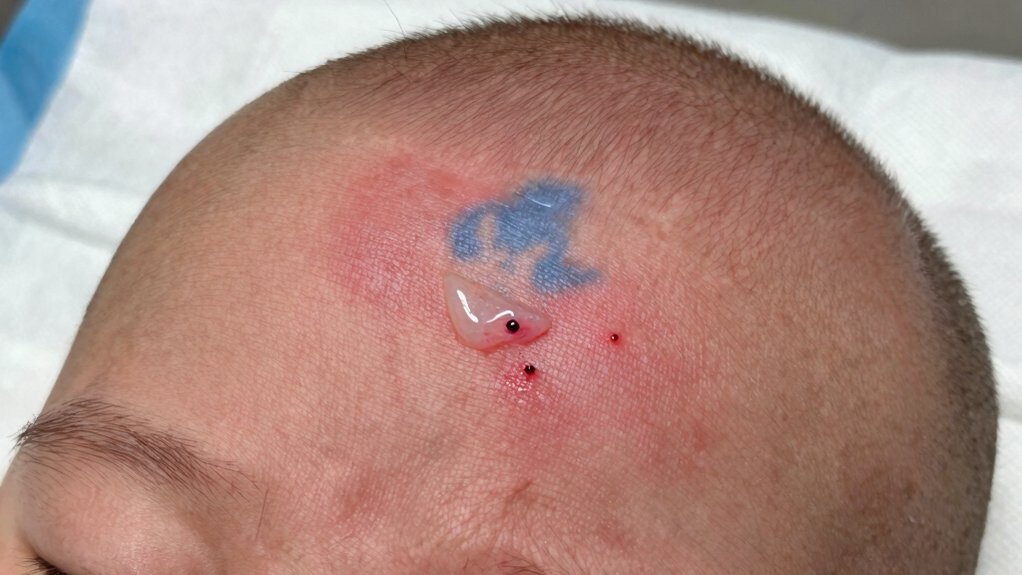
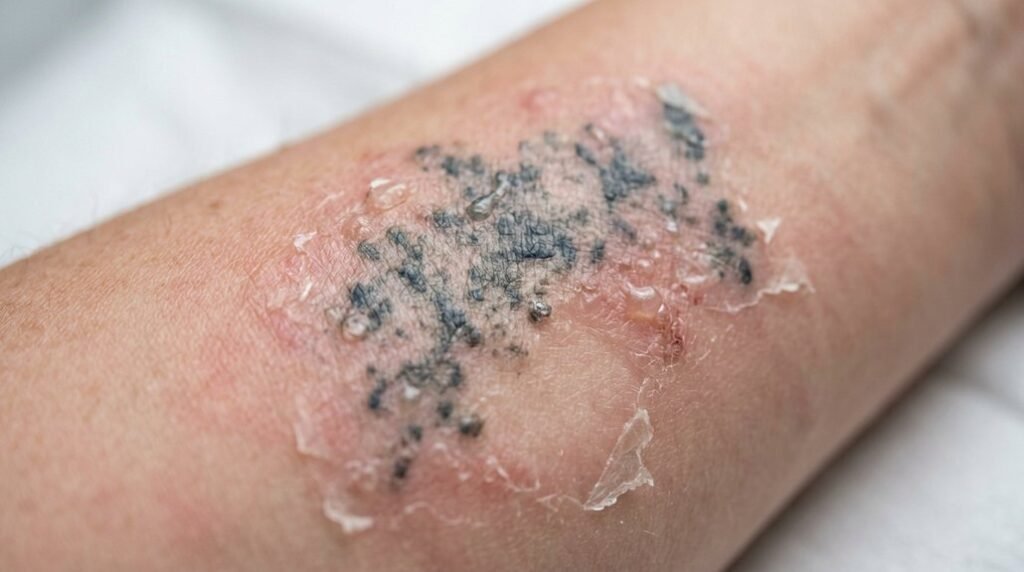
Immediately after your laser session, you’ll notice your skin’s inflammatory response kicking into high gear. The treated area reddens and swells as your immune system rushes white blood cells to break up the shattered ink. You’ll feel heat radiating from the site, similar to a sunburn, and the skin might tighten or throb.
Within hours, small blisters form as plasma and lymph fluid accumulate beneath the surface. Don’t panic; this protects underlying tissue while macrophages consume the fragmented pigment. You’ll see the tattoo fade slightly as frost lifts from the epidermis.
Keep the area dry and covered with sterile dressing. Avoid picking at scabs. Wash gently with mild soap, pat dry, apply prescribed ointment. Stay completely out of direct sunlight during this critical window.
Recommended Products

ENHANCED HEALING AND SHEILDING: For Wounds, Ulcers, and Bedsores with Vive Care Hydrocolloid Bordered Dressings. These innovative dressings create a moist environment that naturally promotes rapid healing, making them perfect for covering and protecting non-infected wounds, burns, cracked skin, ulcers, and pressure sores. With their self-adhesive convenience, these sterile dressing pads ensure effortless application and removal. Invest in Vive Care to revitalize the healing process.

PROMOTE HEALING & BRIGHTEN TATTOO COLORS: Our transparent tattoo cover will lock the moisture your wound needs to accelerate regeneration process, reduce scabbing and keep the tattoo colors vibrant; Please note: packaging may vary
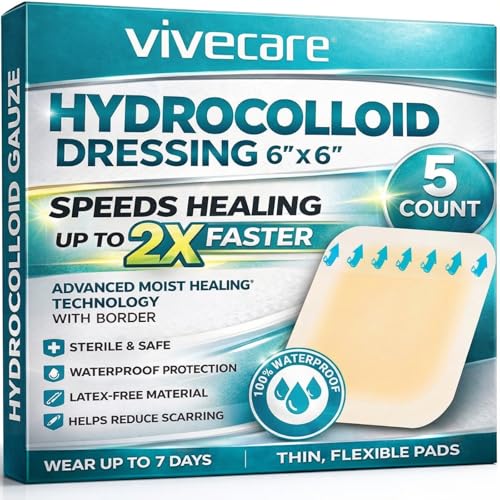
ENHANCED HEALING AND SHEILDING: For Wounds, Ulcers, and Bedsores with Vive Care Hydrocolloid Bordered Dressings. These innovative dressings create a moist environment that naturally promotes rapid healing, making them perfect for covering and protecting non-infected wounds, burns, cracked skin, ulcers, and pressure sores. With their self-adhesive convenience, these sterile dressing pads ensure effortless application and removal. Invest in Vive Care to revitalize the healing process.
How Long Between Laser Tattoo Removal Sessions?
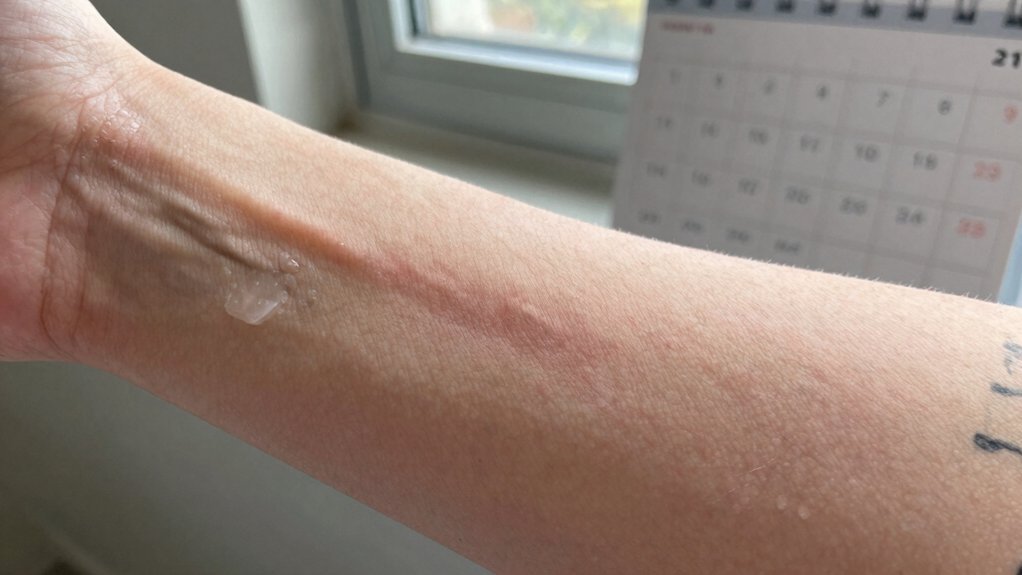
Your immune system needs adequate time to flush fragmented ink before you’re ready for the next round. Most clinics schedule sessions six to eight weeks apart, though larger or more colorful tattoos may require ten to twelve weeks between treatments.
You’ll notice your tattoo fading gradually during this interval as macrophages carry away shattered pigment particles. Rushing the process won’t speed results; it actually risks scarring and skin damage. Your technician will assess your healing progress before scheduling your next appointment.
Factors like your age, overall health, tattoo location, and ink density influence how quickly your body clears debris. Areas with stronger circulation—like your chest or upper arms—typically heal faster than your ankles or lower back. Follow your provider’s specific timeline rather than pushing for earlier sessions.
Recommended Products
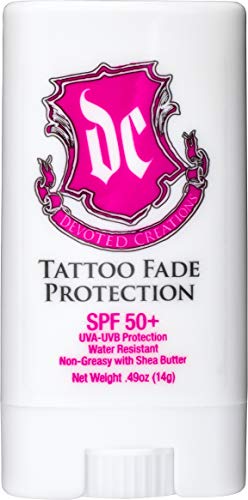
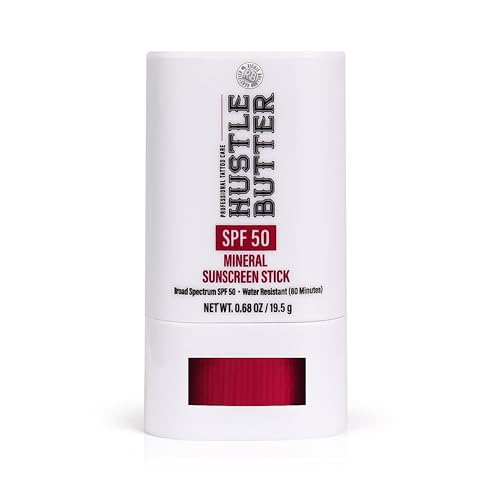
Tattoo Sun Protection, SPF 50: Our tattoo sunscreen stick provides broad-spectrum UVA/UVB coverage, preventing sun damage and fading, keeping tattoo ink vibrant and sharp.
FOR ALL SKIN TYPES, INKED OR NOT - This daily, 100% mineral sunscreen works hard to protect skin and tattoos from the damage caused by exposure to harmful UVA & UVB rays.
Months to Years: Why Complete Fading Takes So Long
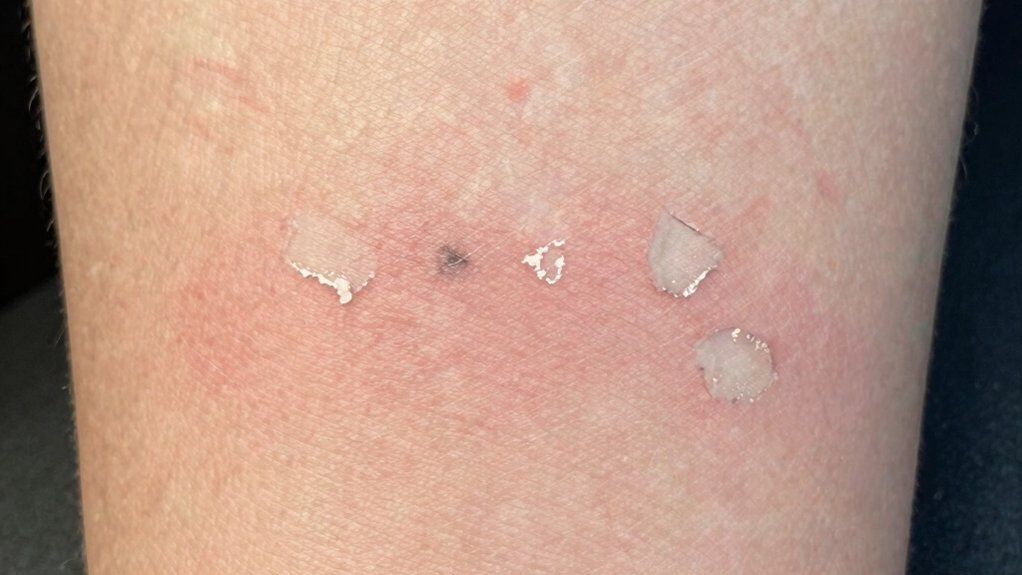
Why does complete tattoo removal span months or even years when a single session lasts mere minutes? You break ink particles during each session, but your body needs time to flush them away. Your immune system works gradually, carrying fragmented pigment through your lymphatic system over weeks.
You can’t rush biology. Sessions occur six to eight weeks apart, allowing your skin to heal fully between treatments. Multiple sessions stack up—often ten to fifteen or more for complete clearance.
You also face variables like ink depth, density, and your unique immune response. Professional tattoos penetrate deeper and require more sessions than amateur work. Your body dictates the pace, not the laser. Patience becomes essential; you’re orchestrating a biological process, not erasing instantly.
Recommended Products

Supports the Natural Fading Process for Unwanted Ink-This tattoo care spray is formulated with botanical extracts to support the skin’s natural appearance over time. Designed for daily use, it helps maintain skin health on areas with old or unwanted tattoos, providing a gentle and non-invasive approach to your personal care routine

FAST & EASY REMOVAL: Wipe away any temporary tattoo in seconds. No scrubbing, no mess, no sticky residue.

<b>SAFE</b>: Temporary Tattoos Meet Rigid Safety And NON-TOXIC Materials Standard.
Which Tattoo Colors and Sizes Fade the Slowest?
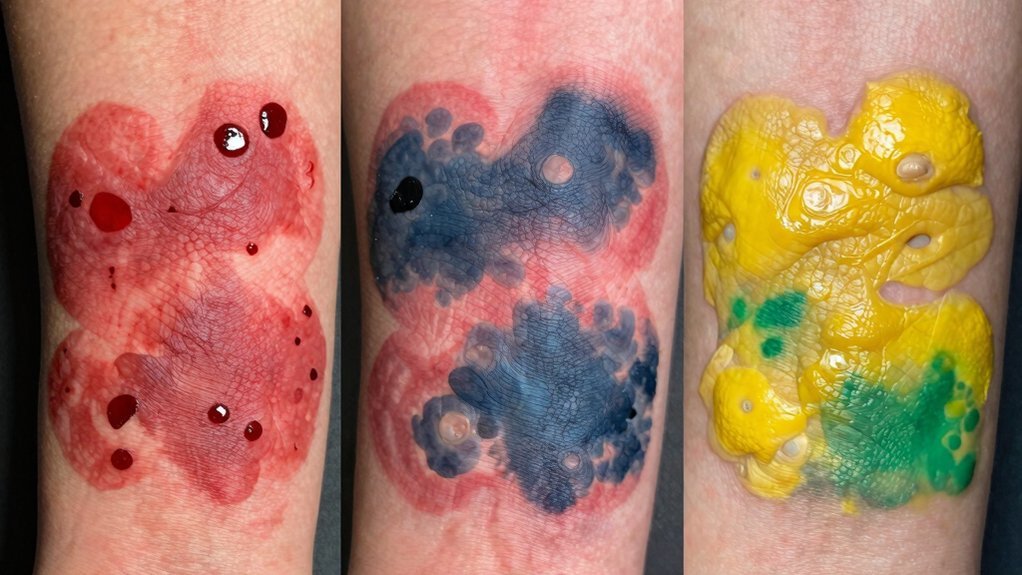
How quickly your tattoo fades depends heavily on which pigments saturate your skin and how much area they span. You’ll find that black and dark blue inks break down fastest because they absorb all laser wavelengths efficiently.
Conversely, you’ll wait longer for bright yellows, greens, and fluorescent tones to disappear—these reflect light and resist standard laser targeting. White ink poses unique challenges, as it darkens before fading and often requires specialized approaches.
Size matters equally. You’re looking at extended timelines for large-scale pieces, sleeves, and dense compositions. The ink load is simply heavier, and your lymphatic system processes fragments gradually. Small tattoos clear faster because there’s less pigment to eliminate. You’re also fighting against professional-grade inks, which penetrate deeper and contain more concentrated particles than amateur work. Expect multi-year commitments for vibrant, expansive artwork.
Recommended Products

💼【Portable Professional Care】 - 50 single-use packs (5g each!) fit in pockets, gym bags, or travel kits. Never deal with messy jars! Each sealed packet locks in freshness for on-the-spot relief after workouts, flights, or tattoo sessions. Stay prepped anywhere!
Honest, Accurate Care – This protective ointment comes in 50 hygienic single-serve packets for mess-free, on-the-go convenience. Easy to apply for tattoo protection anytime.

1. Healthy and Effective - The tattoo aftercare ointment contains natural Vitamin A and Vitamin D as well as skin-soothing plant ingredients. which can Effective Nourish Your Skin.
Signs of Normal Healing vs. When to Call Your Doctor
Once you’ve committed to the timeline and started your removal sessions, recognizing what your body is doing becomes just as important as the laser work itself. You’ll notice redness and swelling within hours, followed by blistering or scabbing within a day or two. These responses indicate your immune system is processing the ink. Mild itching and tenderness are typical as the skin repairs itself.
However, you must watch for warning signs that suggest infection or complications. Call your doctor immediately if you develop a fever, experience escalating pain after initial 48 hours, or notice thick yellow or green pus. Spreading redness, excessive warmth, or red streaks radiating from the treated area also require medical attention. Trust your instincts—if something feels wrong, seek help promptly.
Recommended Products

STICK APPLICATION, ZERO MESS: Twist up the tattoo balm stick, swipe directly over the tattoo, and blend as needed. No jar to open, no fingers scooping product, and no need to carry a separate applicator. The solid stick format is easy to keep in a bag, bathroom cabinet or travel kit, making care simple at home or on the go. It gives you controlled application exactly where you want moisture, with less mess than traditional balm jars. Great for quick touch-ups whenever tattooed skin feels like it needs extra care, at home, after work or while traveling.

Gentle, Deep Cleansing: Tattoo Goo Foaming Cleansing Soap for tattoos and piercings helps remove impurities and clean the inked or pierced areas at a deep level by removing dirt, dead skin cells, and killing germs without damaging the skin

Widely Used: Our tattoo film has grid lines on the backing paper, which can be cut into different sizes according to requirements. The size of the film is 6 inches x 8 yards, including 3 layers, namely PET backing, PU film and release paper. Soft and stretchable, which makes it fit perfectly anywhere in the body
How to Heal Faster Between Laser Sessions
What accelerates recovery between laser appointments? You control several factors that speed healing between sessions.
Keep treated skin clean and moisturized. You should wash gently with mild soap, pat dry, and apply fragrance-free moisturizer twice daily. This prevents scabbing and keeps skin supple.
Stay hydrated. You must drink plenty of water to support your immune system and cellular repair processes.
Eat nutrient-dense foods. You benefit from protein, vitamin C, and zinc, which rebuild tissue and fight inflammation.
Avoid picking at blisters or scabs. You risk infection and scarring when you interfere with natural healing.
Get adequate sleep. You heal fastest when your body rests and regenerates overnight.
Don’t smoke. You impair circulation and delay recovery significantly when you use nicotine products.
Manage stress. You slow healing when cortisol levels remain elevated.
Recommended Products

Complete Wound Care Kit – 2 Patches + Free Mini Scissors : Each pack includes two 10cm x 10cm hydrocolloid dressings and a bonus pair of mini scissors for easy customization and precise application.

PROMOTE HEALING & BRIGHTEN TATTOO COLORS: Our transparent tattoo cover will lock the moisture your wound needs to accelerate regeneration process, reduce scabbing and keep the tattoo colors vibrant; Please note: packaging may vary

Clear waterproof bandages set: you will receive 18 rolls of waterproof bandages in 3 different sizes, including 2 inch x 2.2 yards, 4inch x 2.2 yards, 6inch x 2.2 yards, which can be applied based on your actual requirements, you can also get a box for easy storage
When You Can Exercise, Swim, and Sunbathe Again
Why rush back into normal activities? You’ll need patience here. Wait 48 hours before light exercise, but skip heavy sweating for one week—it irritates healing skin. You’ll resume intense workouts when scabs fall off naturally.
Swimming demands longer patience. You’ll stay out of pools, hot tubs, and oceans for two full weeks. Chlorine and bacteria invite infection into open wounds. You’ll shower gently instead.
Sunbathing poses the biggest threat. You’ll avoid direct sunlight completely until skin heals, typically four weeks. UV rays darken treated areas permanently and cause blistering. You’ll apply SPF 50+ religiously afterward; fresh skin burns instantly.
You’ll follow these timelines strictly. Your results depend completely on respecting this recovery. Restart activities gradually, and you’ll protect both your investment and your skin’s future appearance.
Recommended Products

【Arm Sleeves Fits for All】:Our arm sleeves provide 2 sizes, you can choose according to your needs. The onesize fits for the most of people. Otherwise, we have designed larger arm sleeves for people with larger arms. The arm sleeves circle of the upper arm has been designed to be widened to 8.3 inches, and to prevent slipping off during wearing. Seamless arm sleeves offer perfect 360° fit, which surely can be stayed on your bicep, not make you itchy and leave imprints on your arms.
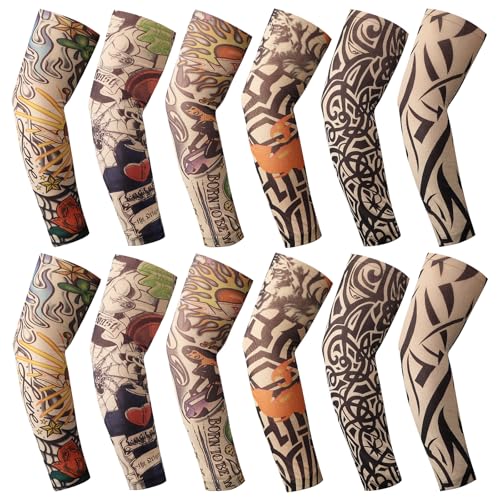
Looks Real and Seamless -- 92% nylon and 8% spandex,stretchable fabric material,These arm tattoo sleeves is easy slip on and off,you can feel comfortable and soft whenever you wear it. Reasonable price with great quality.

ULTIMATE Sun Protection: Designed with UV protective fabric to help shield your skin during outdoor activity. Ideal as sun sleeves for men and women for running, cycling, golf, and everyday use under direct sunlight.
Conclusion
You’ll see your tattoo fade gradually as your body clears the ink over the coming months. While individual sessions heal within a few weeks, complete removal requires real patience—often spanning years for dense or colorful pieces. Stick to your clinician’s aftercare routine, protect your skin from the sun, and respect those six-to-eight-week gaps between treatments. Trust the process, stay consistent, and you’ll achieve the clearest possible results without unnecessary complications.
Recommended Products

Temporary Tattoos Meet Rigid Safety And NON-TOXIC Materials Standard.

20 Count Individually Wrapped - Each wipe is single-use and sealed for better hygiene, portable and easy to carry in pockets, bags or backpacks for outdoor activities and events.

Quickly and easily remove any brand of metallic temporary tattoos with no mess