
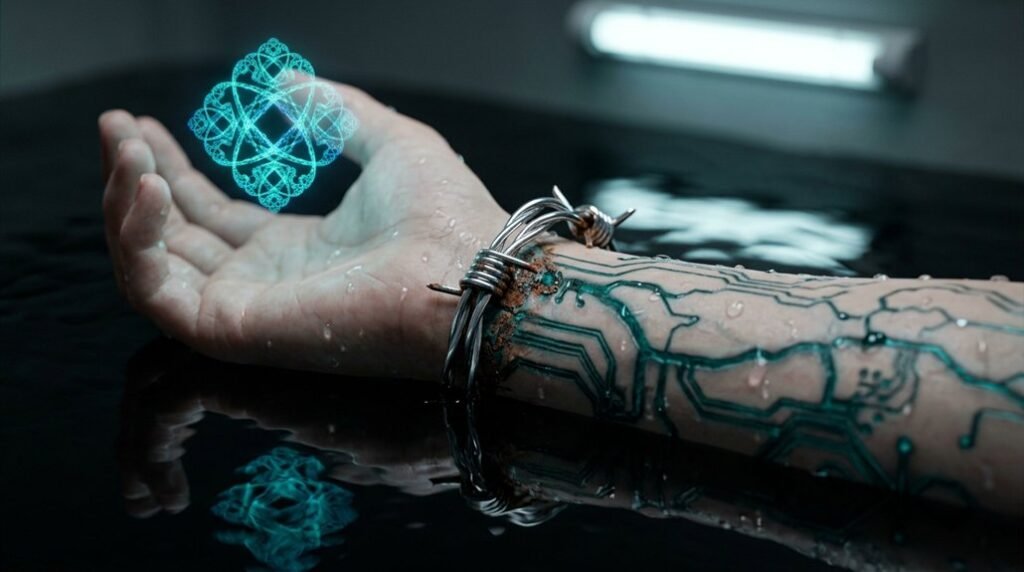
You might think sigils belong to candlelit rooms and ink-stained hands, but cybersigilism asks you to consider something stranger: magic that lives in your screen, your wallet, your smart contract. You’re not carving intention into flesh—you’re encoding it into pixels and blockchain, where belief becomes executable. The question isn’t whether it works. It’s whether you’re ready to find out what happens when your will goes viral.
Key Takeaways
- Cybersigilism merges occult sigil practices with digital aesthetics from 1990s internet culture and cyberpunk.
- It replaces traditional physical destruction with digital permanence through blockchain, code, and distributed networks.
- Symbols carry no fixed meaning; personal lexicons emerge from individual desires and private investment.
- Tattoo designs translate digital motifs into physical form through circuit lines, glitch aesthetics, and body placement.
- Practice extends beyond ink to include NFTs, generative art, and decentralized community rituals online.
Recommended Products

【Futuristic Cyberpunk Design】This design set showcases a bold circuit board pattern inspired by futuristic and cyberpunk aesthetics. The precise linework and layered geometry create a powerful half-arm statement that feels mechanical, modern, and edgy. Perfect for tech enthusiasts and sci-fi lovers, this design transforms your skin into a living blueprint of innovation.

Cyberpunk Circuit Board Design: This semi-permanent temporary tattoos pack holds one large dual microchip circuit board piece plus one small circuit line pattern with precise geometric line details. Microchip circuits symbolize technological innovation, logical thinking and futuristic vision; sleek circuit lines represent precision, efficiency and digital age aesthetic. Ideal for tech enthusiasts and anyone seeking unique futuristic statement body art.

CYBERPUNK CIRCUIT LINES: Features a striking, futuristic sci-fi circuit board design with clean geometric lines, microchip traces, and tech-inspired dot configurations. This sharp, minimalist graphic layout captures a sleek biomechanical aesthetic, perfect for men who love cyberpunk, gaming, and futuristic sci-fi culture.
Where Did Cybersigilism Start?
Where exactly does a movement like cybersigilism take root? You’ll find its origins in the tangled web of 1990s internet culture, where early digital artists and chaos magicians began experimenting with code-based intention-setting. You’re looking at a convergence point: web rings, ASCII art, and the emerging cyberpunk aesthetic colliding with occult practices that emphasized personal belief systems over traditional structures.
You can trace specific threads to bulletin board communities where practitioners shared sigils rendered in pixels rather than ink. These weren’t replacements for physical methods; they were adaptations to new environments. You’re witnessing innovation born from necessity—how do you perform focused will when your tools are screens and keyboards?
The movement solidified through decentralized networks. You’d find no single founder, no official doctrine. Instead, you’ve got scattered practitioners recognizing shared approaches across forums, early blogs, and multiplayer virtual spaces.
Recommended Products


"Gold&Silver Set with Premium Finish This collectible set includes both a gold and silver XRP coin,featuring fine engravings like“distributed,scalable,stable”for a refined,blockchain-inspired look."

How Is Cybersigilism Different From Traditional Sigils?
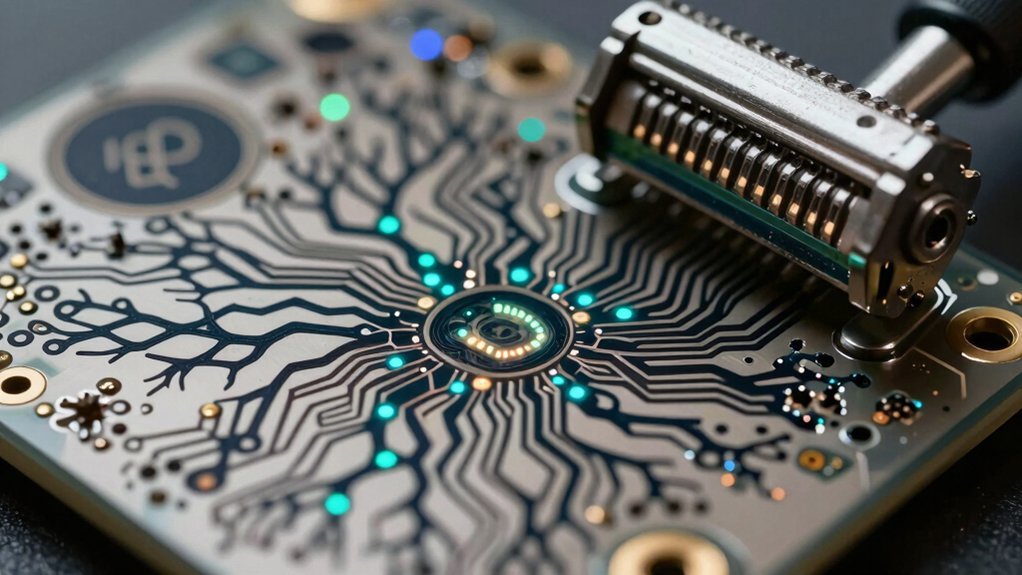
Understanding cybersigilism’s roots in 1990s digital counterculture raises an obvious question: what actually separates this practice from the ink-and-paper methods that came before it?
You create traditional sigils through analog processes—hand-drawing symbols, charging them through physical ritual, then destroying or sealing the material artifact. You’d bury, burn, or forget these marks to push desire into the subconscious.
Cybersigilism flips this entirely. You deploy code, networks, and digital scarcity instead of physical materials. You mint symbols as NFTs, embed intentions in smart contracts, or circulate glyphs through algorithmic feeds where they mutate through sharing. The “destruction” phase becomes collective witnessing; permanence replaces forgetting. Your symbols live in distributed ledgers rather than locked drawers, activated by engagement metrics and replication rather than solitary gnosis.
Recommended Products

ELEVATE YOUR SPACE WITH MYSTICAL VIBES<br/>Featuring curated themes from dark academia and gothic fantasy to bohemian goddess energy, this canvas wall art instantly transforms any bland room into a highly personalized sanctuary. Perfect for expressing your unique dark feminine or spiritual aesthetic in your bedroom, living room, dorm, or meditation space

Printed on high quality canvas and professionally framed

✅UNFRAMED PRINTS: We create all our prints in variation of standard sizes from 8x10 to 24x32 inches. For your convenience, we also offer a variety of frames so you can have them ready-to-hang.
What Do Cybersigilism Symbols Actually Mean?
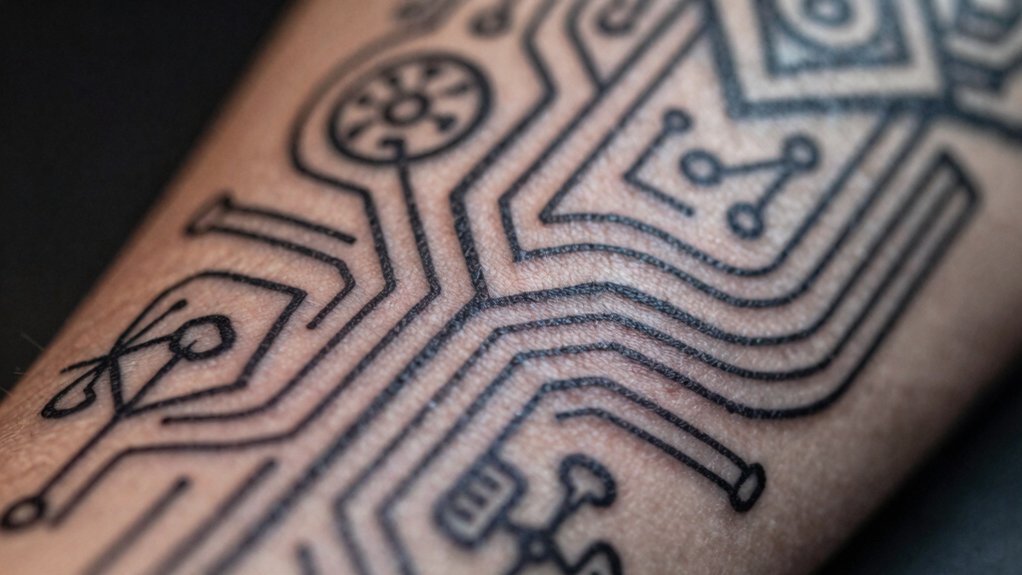
The symbols of cybersigilism carry no fixed dictionary—you’re writing your own. You decide what each mark means. You’re encoding personal desires, fears, or memories into abstract lines that speak only to you.
You might trace circuitry patterns that represent digital anxiety you feel. You’re perhaps carving jagged geometries that embody transformation you’re undergoing. These symbols don’t answer to universal catalogs—they’re activates when you invest intent.
You’re building private lexicons through repetition. You’re returning to certain shapes because they vibrate with something you can’t quite name. That’s precisely the point.
You don’t need external validation for meaning you’ve constructed. You’re trusting that your subconscious recognizes what your conscious mind designed. The symbol works because you believe it does, because you’ve fused form and function through deliberate, intimate choice.
Recommended Products

Cyberpunk Machinery tattoo sticker, as temporary tattoo, is Perfect Choice as body makeup, and also it can cover scar on body.
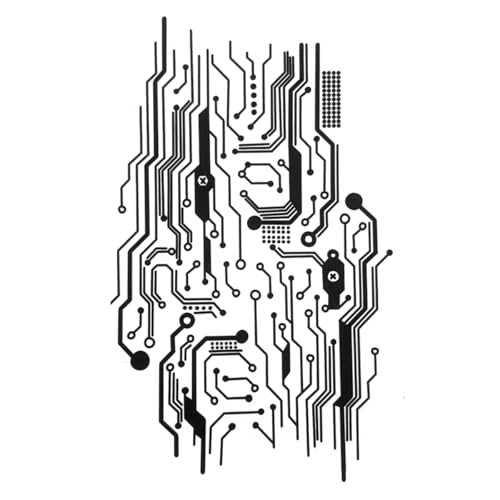
DIY circuit board tattoo sticker, a kind of temporary tattoo, is Perfect Choice as body makeup, and also it can cover scar on body.
How Does Cybersigilism Tattoo Design Work?
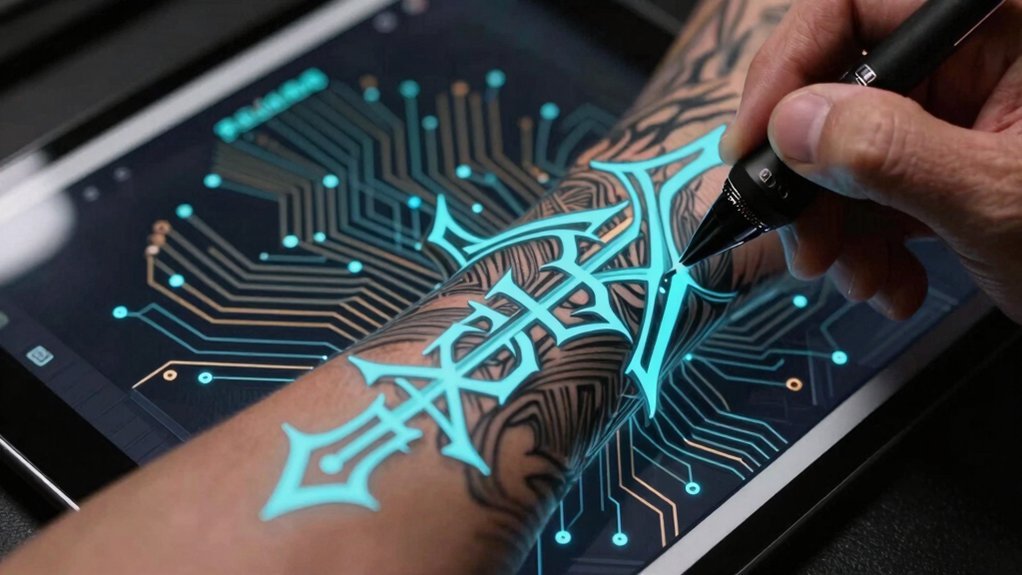
How do you translate digital sigils into permanent ink? You begin by selecting or crafting your symbol—combining circuit-inspired lines, glitch aesthetics, or archaic forms with personal meaning. You sketch iterations, refining geometry until energy radiates from the design. You consider placement as part of the working; your body becomes the medium where intention anchors.
You collaborate with artists who understand the style’s technical demands. They needle precise linework, building depth through stippling or negative space. You feel the machine’s hum as skin receives your code.
Your design transforms through sessions—healing seals the ritual. You trace the healed lines, activating meaning through touch and attention. The tattoo functions as ongoing working: you charge it through meditation, recognition, or willful focus. Your sigil breathes, permanent yet responsive, merging flesh with manifested intention.
Recommended Products

CHAINLINK Cryptocurrency circuit chain design for a crypto miner or day trader to build smart contracts in Blockchain Technology with digital asset money using Decentralized Applications DAPPS for a millionaire retirement plan to HODL LINK Token


Can Cybersigilism Work Without Being Inked?
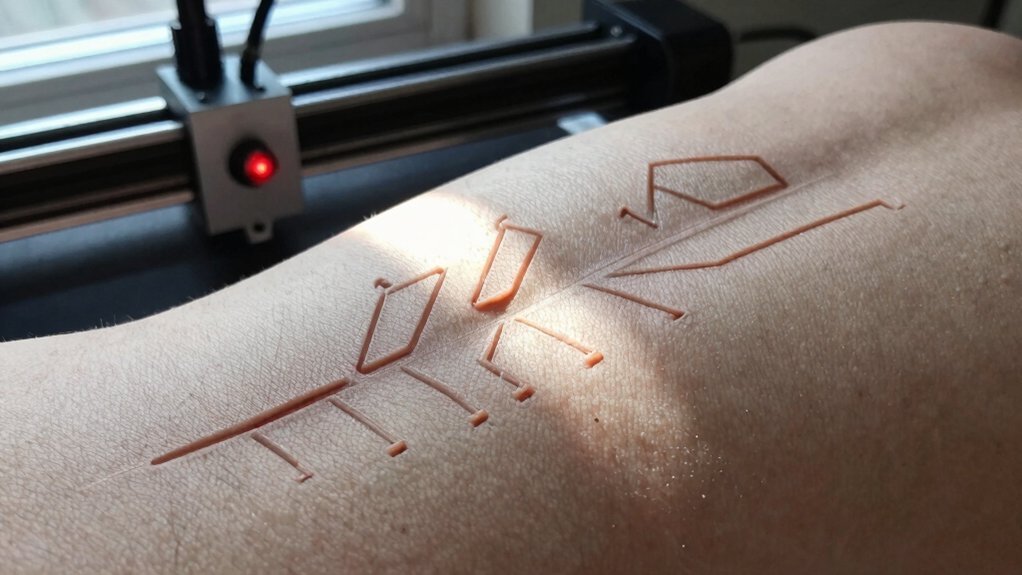
Why limit your practice to skin when the digital domain offers endless surfaces for your sigils? You can embed your intentions into NFTs, code them as generative art, or post them across social platforms where they’ll circulate and gather collective energy. The internet becomes your canvas, and shares become your ritual.
You don’t need needles to charge a symbol with purpose. You activate sigils through attention, repetition, and belief—whether that’s through a screensaver you view daily or an avatar you deploy across platforms. The decentralized nature of digital spaces even amplifies their reach, letting your intentions ripple beyond any single body.
Physical permanence isn’t the point; intentional creation is. You’re working with symbols that operate on mental and energetic planes, not merely material ones. Your practice adapts to whatever medium serves your will.
Who Practices Cybersigilism and Why?
Anyone seeking agency in chaotic systems finds their way here—you’re looking at tech workers burning out on optimization culture, artists feeding algorithms back to themselves, and witches who’ve traded candles for cron jobs. You practice this because nothing else sticks. Traditional rituals feel hollow when your entire existence runs through servers you don’t own.
You’re not rejecting spirituality; you’re demanding infrastructure you can touch. You code sigils because codebase is prayer now. You automate intentions because attention fragments across thirty-seven tabs. You need proof something worked, even if that proof arrives as error logs or serendipitous database failures.
You practice alone until you don’t. Discord servers hum with collective workings. You share JSON spells, fork each other’s rituals. You’re building religion from the parts Silicon Valley discarded.
Conclusion
You’ve traced cybersigilism’s roots from underground forums to blockchain networks, seeing how it breaks from traditional sigil craft by trading ink for pixels and privacy for collective resonance. You understand its symbols carry no universal meaning—yours emerge through personal encoding. Whether etched in skin or minted as NFTs, your active belief and attention fuel their charge. You’re joining a decentralized community reimagining magic for digital-native consciousness, where code becomes ritual and screens become sacred space.
Recommended Products

🌟 Elegant gold-plated Cardano collector coin with a 1.57” diameter and 0.12” thickness, blending modern blockchain design with a classic coin aesthetic.


XRP Cryptocurrency design. This "XRP To The Moon" apparel is perfect for those who are lovers of cryptocurrencies, blockchain, smart contract and XRP. Great to wear on daily basis or at Cryto XRP parties and events.