
You walk into a shop thinking a tiny design will cost pocket change, but the artist quotes you $80 before ink even touches skin. That sticker shock is universal, yet it barely hints at what actually drives the price. You’ll need to understand minimum fees, hourly rates, and the hidden costs that turn a “simple” tattoo into an investment—because the cheapest option often becomes the most expensive mistake you’ll ever wear.
Key Takeaways
- Small tattoos typically cost $50 to $250, with color work priced higher than black ink.
- Most shops charge minimum fees of $50 to $100 to cover fixed costs and sterilization supplies.
- Final price depends on artist skill, detail complexity, and geographic location.
- Budget extra for aftercare products and possible touch-ups within 6–12 months.
- Always prioritize safety standards and sterile equipment over bargain prices.
Recommended Products

COMPLETE AFTERCARE KIT FOR NEW & EXISTING TATTOOS: This Tattoo Aftercare Kit brings together 3 essentials, Antimicrobial Soap, Tattoo Balm, and Tattoo Lotion, to help cleanse, protect, and moisturize fresh ink. Useful after tattoo sessions and throughout healing, it supports vibrant color and skin comfort for dedicated ink enthusiasts and artists

HUSTLE BUTTER ESSENTIALS TATTOO AFTERCARE KIT: This Essential Kit includes our Hustle Butter Tattoo Balm (1 fl oz), Hustle Bubbles Foaming Soap (3.4 fl oz), and our Hustle Butter Tattoo Aftercare Wrap - Small (6 in x 2.2 yds)

Complete Tattoo Aftercare Kit – Includes 1.7oz Tattoo Balm and 2oz Tattoo Foam Soap Cleanser to support a full tattoo care routine. Clean, hydrate, and maintain the appearance of your body art.
How Much Does a Small Tattoo Actually Cost?
Wondering what you’ll actually pay for that tiny design you’ve been eyeing? You’re looking at roughly $50 to $250 for most small tattoos.
Your location直接影响s what you’ll spend. Artists in major cities charge more than those in smaller towns. You’ll also pay for the artist’s experience—veterans command higher rates than apprentices.
Most shops set a minimum fee, usually $50 to $100, even for something tiny. This covers their setup time, sterile equipment, and overhead. You’ve got to respect that baseline.
Color work costs more than black ink. Simple linework keeps your price down, while shading and detail bump it up.
Don’t forget the tip. You’ll want to add 15-20% on top.
Book consultations, ask about hourly rates, and you’ll avoid sticker shock when you’re ready to commit.
Recommended Products

Phomemo Tattoo Transfer Paper kit - Paper size: 8.27 in x 11.69 in (210 x 297 mm), Quantity: 1 Box, 100 Sheets in the box, Color: Blue. Phomemo Tattoo Transfer Paper is ideal for tattoo enthusiasts, artists and professional tattoo artists, offering reliability and consistency in tattoo stencil creation

Precision Transfers & Long Lasting: Tattoo stencil paper delivers vibrant, high-definition transfers even for intricate designs. Creates crisp, dark lines that transfer cleanly to skin (clearly on different skin tones) which are easy to follow during tattooing. The carbon layer made from high-quality dyes ensures sharp outlines without smudging or fading and maintains crisp lines visibility throughout long tattoo sessions, so you can focus on creating art instead of re-drawing lines

4-layer Design: The 4-layer design ensures a crisp, clean transfer with sharp lines and fine details. Each layer has a specific function — such as holding the stencil ink, releasing it evenly, and protecting the tattoo paper during storage — which minimizes smudging, prevents distortion, and makes application easier on different skin surfaces.
What Counts as a “Small” Tattoo?
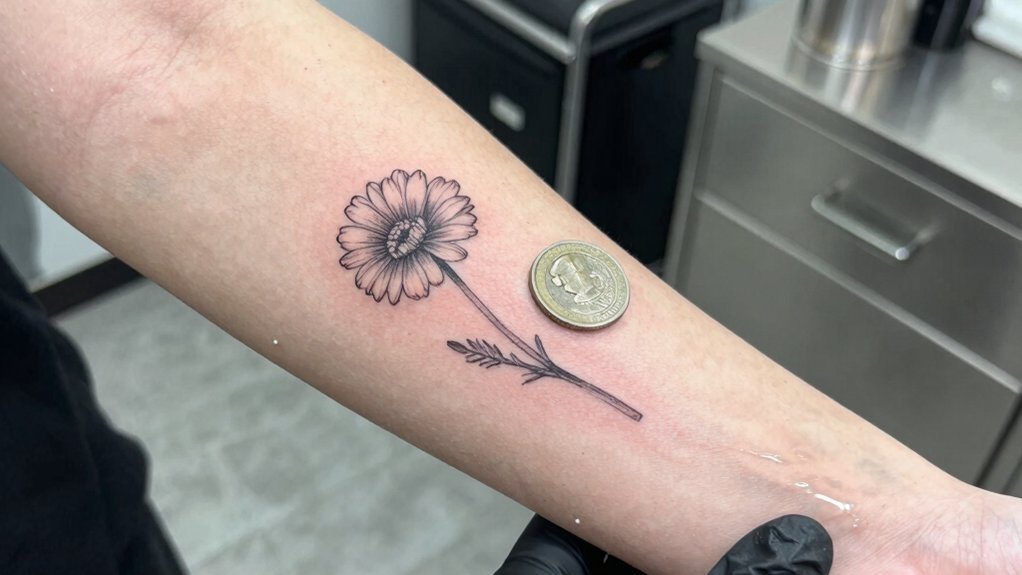
Size standards vary across shops, but you’ll generally find “small” means anything under 2-3 inches in its longest dimension. You’re looking at designs like single symbols, tiny words, minimalist shapes, or simple line art that fit comfortably on wrists, ankles, fingers, or behind ears.
You’ll notice artists categorize tattoos by time commitment, not just physical measurements. A small piece typically takes under an hour to complete. You’re paying for the artist’s setup time, sterilization, and expertise regardless of whether your tattoo takes thirty minutes or fifty-five.
Consider placement carefully when you’re planning. You’ll discover that small tattoos on bony areas or curved surfaces present unique challenges. Your artist might recommend sizing adjustments to ensure your design ages well and maintains clarity as your skin changes over time.
Recommended Products

Poseidon cartridge adopt a one-time joint design hygienic standard The material is stainless steel and easy to color,and has better ink flow

Package: 50pcs mixed tattoo cartridge needles, includes 10pcs each of 1203RL, 1205RL, 1207RL, 1209RL, 1211RL.

Mast Pro purple tattoo cartridges needles have been providing with high density clear plastic body.
Why Small Tattoos Have Minimum Prices
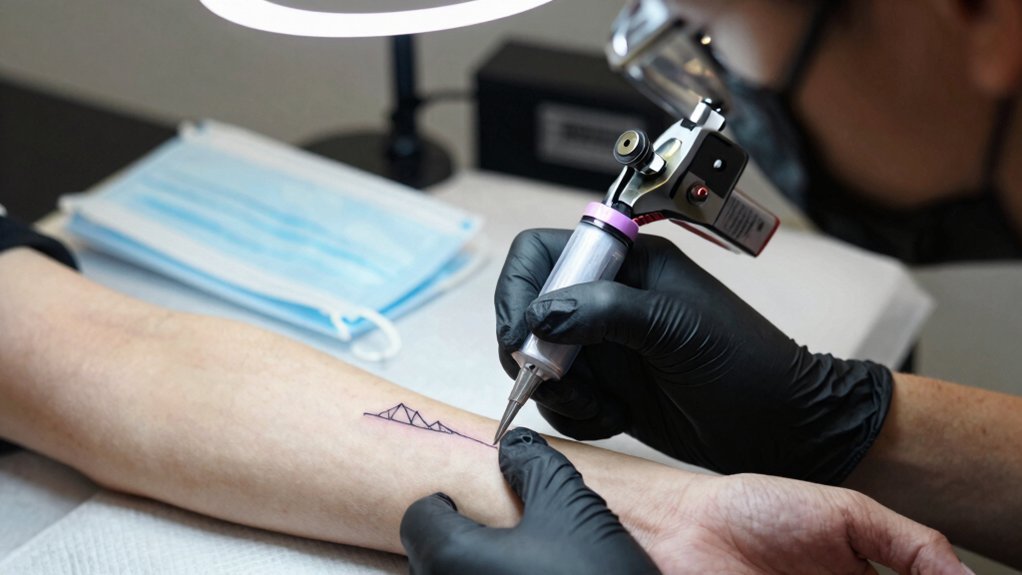
Why do artists charge $50-150 for something that takes twenty minutes? You’re not paying for minutes—you’re covering their fixed costs. Each appointment demands fresh needles, ink caps, gloves, and sterilization supplies. You’re also paying for the years they’ve spent mastering their craft.
Think about their overhead. They split revenue with the shop, pay for booth rental, insurance, and equipment maintenance. A twenty-minute tattoo still requires setup, breakdown, consultation time, and aftercare instructions. They can’t stack tiny appointments back-to-back without compromising hygiene standards.
When you book that slot, you’re blocking time they could’ve dedicated to larger pieces. The minimum ensures they don’t lose money on supplies and keeps their schedule economically viable. You’re investing in safety, professionalism, and their sustained ability to create.
Recommended Products

FSA HSA Eligible Over-the-Counter Medication - This topical lidocaine numb cream with Allantoin, Vitamin E, and Aloe is clinically proven to temporarily relieve pain, burning, itching, discomfort, inflammation, and soreness in local and anorectal areas

LIDOCAINE 5% PAIN CREAM | Experience deep pain relief with the strongest formulation of lidocaine available OTC.

Fast Acting Hemorrhoid Cream - Made with 5% Lidocaine, this topical anesthetic provides temporary relief from discomfort, itching, and burning associated with hemorrhoids and other anorectal irritation.
How Artist Skill Changes Small Tattoo Prices
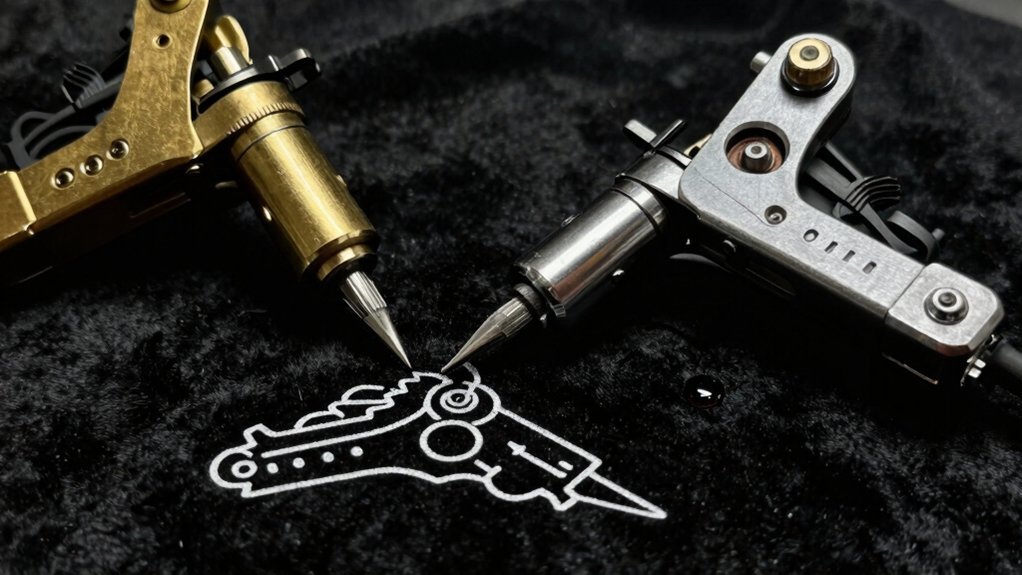
Those minimum prices only tell part of the story—who you choose changes everything. You’ll pay markedly more for an experienced artist with a strong portfolio than you’d pay for a beginner. Established artists command higher rates because they’ve perfected their technique, understand skin behavior, and deliver consistent results. You’re not just buying time; you’re buying years of developed skill.
When you choose a reputable artist, you invest in proper line work, appropriate needle depth, and clean healing. You’ll notice apprentices or less experienced artists often charge lower rates as they build clientele. Your research matters—review portfolios, check healed work photos, and expect to pay premiums for artists with specialized techniques or strong reputations. You get what you pay for, and competent application prevents costly cover-ups or removals later.
Recommended Products

🫧Package Contains - 200Pcs pink tattoo pen covers and 4Pcs tattoo grip tape. Tattoo machine covers measure 7.09" x 2.56". Tattoo grip wraps measure 2“ x 5 yards.

TATTOO SUPPLY KIT: Tattoo ink mixer machine with 100 Tattoo ink mixing sticks. Durable and long-term use. The tattoo ink mixing stick is made of high-quality materials, sticks are only one time use, clean and sanitary.

🔹DUAL DESIGN FUNCTIONALITY - This innovative tattoo cartridge needle cup holder features five precision slots and a leak-proof ink-holding base. The integrated system organizes supplies efficiently while preventing color mixing. The detachable cup holds both tattoo ink and rinse water for needle rinsing, simplifying your workflow.
Why Detailed Small Tattoos Cost More
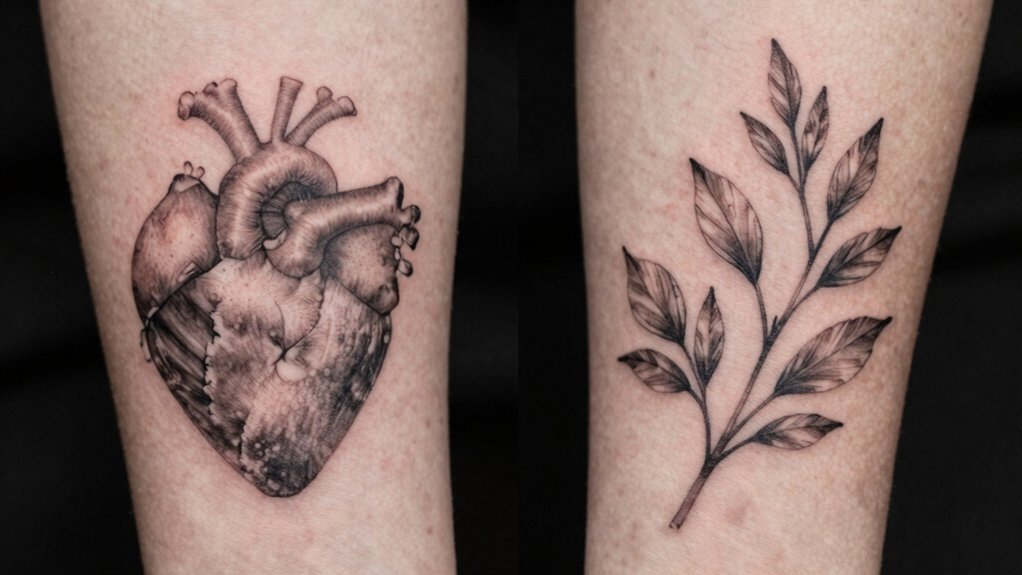
How much detail can fit into a small space? You’d be surprised, but that’s exactly why you’re paying more. Tiny tattoos demand extreme precision—you’re asking an artist to pack lines, shading, and texture into inches of skin without muddying the design.
You won’t get a discount for going small when complexity stays high. Each element shrinks, yet the technical difficulty skyrockets. You’re essentially buying hours of painstaking concentration. A single slip transforms your miniature rose into a blob.
You’re also covering the cost of specialized equipment—finer needles, stabilized work surfaces, and magnification tools keep these pieces crisp. The artist slows down dramatically, sometimes working at half their normal speed.
You should expect quotes reflecting this labor intensity. Detail doesn’t scale down neatly; you’re commissioning micro-engineering on living canvas, and that expertise commands premium pricing.
Recommended Products

Nourishes Healing Ink for Vibrant Color: Tattoo Goo supports healing tattoos & maintains vibrancy on healed ink with a lightweight formula rich in olive oil, lavender oil, cocoa butter, and beeswax. It absorbs quickly, moisturizes deeply, and helps reduce dryness, itch and tightness so your tattoo looks and feels comfortable through everyday routines

【PROFESSIONAL TATTOO AFTERCARE KIT】Complete 4-step care routine for fresh tattoos. This tattoo kit includes a Cleansing Foam (80ml) to gently wash, a Soothing Gel (60g) to cool & hydrate, a Tattoo Balm (25g) to nourish, and a Breathable Bandage (15cm*2m) to protect. Everything you need for proper tattoo aftercare in one box.

CLEAN & EFFECTIVE INGREDIENTS - This tattoo starter set is the perfect way to keep your tattoos vibrant and healthy from the day you leave the tattoo studio
Why Your Zip Code Changes Your Price
Beyond the artist’s needle and your design choice, something else pulls the strings on your final bill: where you’re standing when you book the appointment.
You pay more in Manhattan than in Memphis. Rent pushes studio overhead through the roof in coastal cities, and you’ll foot that bill. Walk into a shop in San Francisco or Brooklyn, and you’re likely dropping $150–$250 for something tiny. That same piece runs $80–$120 in smaller Midwestern or Southern markets.
Tourist hubs spike prices too—Miami Beach, Vegas Strip, Austin during SXSW. Artists know you’re visiting once; they price accordingly.
But here’s your silver lining: you aren’t chained to your neighborhood. Research studios in nearby zip codes, compare their minimums, and you’ll spot real savings without sacrificing quality. Your wallet thanks you for the extra miles.
Recommended Products

100 Sheets of 4-layer Tattoo Transfer Paper: The first layer is transfer paper (hand-painted paper); the second layer is protective paper (please discard before use); the third layer is purple carbon paper; the fourth layer is yellow backing ( Please remove the yellow backing paper before using the tattoo printer). Compared with other ordinary tattoo paper, MUNBYN tattoo transfer paper is thicker. Measures approximately A4 size
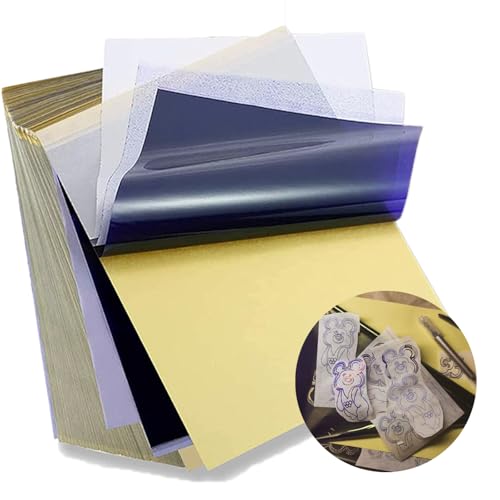
Standard size: Tattoo Transfer Paper is standard A4 paper size, each measures 8.27 in X 11.69 in. There are 4 levels in total. The thickness of the paper is very light and smooth to the touch.

4-layer Design: The 4-layer design ensures a crisp, clean transfer with sharp lines and fine details. Each layer has a specific function — such as holding the stencil ink, releasing it evenly, and protecting the tattoo paper during storage — which minimizes smudging, prevents distortion, and makes application easier on different skin surfaces.
Does Color Cost More Than Black and Gray?
Why does that vibrant sleeve catch your eye more than the muted one beside it? You’ve spotted the difference color makes, and you’ll pay for that impact. Color tattoos typically cost more than black and gray work, and you’ll understand why when you watch your artist in action.
You can’t rush color packing. Your artist layers multiple pigments, waits for skin reactions, and builds saturation slowly. You’re buying extra time—sometimes double the session length. You’re also covering more supply costs: quality inks run higher, and you’ll need more needles as colors demand fresh ones to avoid muddying.
Your design complexity drives the gap wider. You want photorealistic florals? You’ll pay significantly more than simple black linework. You choose stylized pieces with limited palettes? You’ll narrow that difference. Your artist sets rates reflecting their color expertise too—veterans charge premiums for smooth gradients you can’t achieve elsewhere.
Recommended Products
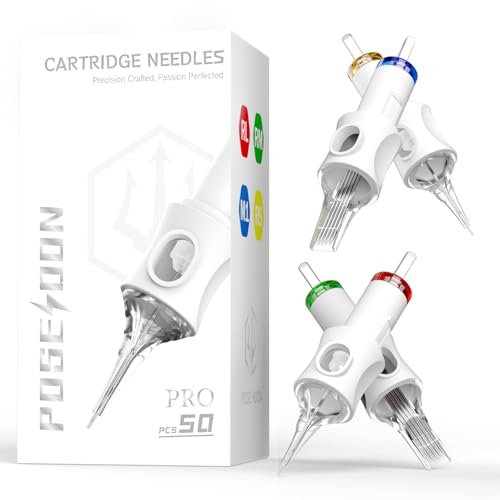
【Complete Variety Pack】50 sterile tattoo needles (10 sizes × 5 each) including 3RL, 5RL, 7RL, 9RL, 5RS, 9RS, 9RM, 11RM, 15RM, 7M1 (Note: RS-type needles correspond to Model #12; all other needles in this pack are Model #10). The spiral nozzle design holds 30% more ink than standard needles, while laser-sharpened tips ensure crisp lines and smooth shading - perfect for both studio professionals and home practice.

ANTI-REFLUX MEMBRANE DESIGN – Engineered with a high-quality elastic band and integrated plastic membrane, these 1005RL cartridges effectively prevent ink backflow. This ensures a clean workflow by keeping ink out of your rotary pen tube, reducing cross-contamination risks and making cleanup significantly faster during detailed line work.

Cartridge Needles Sizes: 20 pcs tattoo cartridge needles include 3RL 5RL 5RM 7RM, each size has 5pcs. Those tattoo needles can be used for lining and shading, which can assist you with the entire tattoo work
Extra Costs: Tips, Aftercare, and Touch-Ups
Where exactly does your budget end once the needle stops buzzing? You’ll need to factor in several expenses beyond the base price. You should tip your artist 15-20% for their service.
You’ll purchase aftercare products like fragrance-free soap and moisturizer, typically costing $10-30. You might need touch-ups within six months to a year, and some shops include these free while others charge $50-100 per session.
You should avoid sun exposure and swimming during healing, so you’ll potentially skip activities that cost money. You must follow aftercare instructions precisely; neglecting them leads to infections or faded lines, forcing you to pay for corrective work. You should budget an extra 30-50% beyond the quoted price to cover these realistic, unavoidable expenses.
Recommended Products

Long-Lasting Relief, Maximum Comfort: This numbing cream delivers prolonged analgesic effects, quickly relieving itching, pain, burning sensations, and significantly reducing swelling. It effectively desensitizes the skin for a comfortable experience.
FSA HSA Eligible Over-the-Counter Medication - This topical lidocaine numb cream with Allantoin, Vitamin E, and Aloe is clinically proven to temporarily relieve pain, burning, itching, discomfort, inflammation, and soreness in local and anorectal areas

Maximum Strength Formula - Designed to provide a soothing, cooling sensation on contact for enhanced comfort.
When a Bargain Small Tattoo Becomes a Bad Idea
Setting aside those extra costs for a moment, you’ve got a quoted price that feels almost too good—and it probably is. You walk into a shop charging half the local rate, and you’re already rationalizing the risk. But you’re gambling with permanent ink on your skin.
You check the artist’s portfolio and spot shaky lines, blown-out shading, or worse—no portfolio at all. You rationalize that it’s “just a small tattoo,” but bad work doesn’t scale with size. A crooked symbol or infected line stays with you forever.
You’re saving money now, but you’ll pay later—for cover-ups, laser removal, or medical bills from unsafe practices. You deserve sterile equipment, quality ink, and trained hands. Don’t let a bargain price override your judgment. Your skin’s worth more than a discount.
Recommended Products
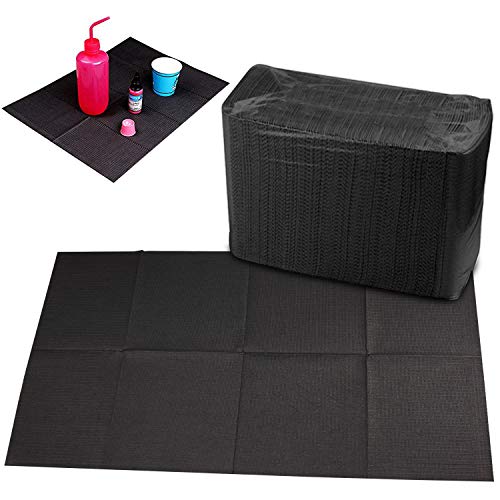
Packaged: 125 pcs Disposable Clean Pad in a bag , The ultimate Multi-Tasking tattoo tool hands-free, disposable, Time-saving.
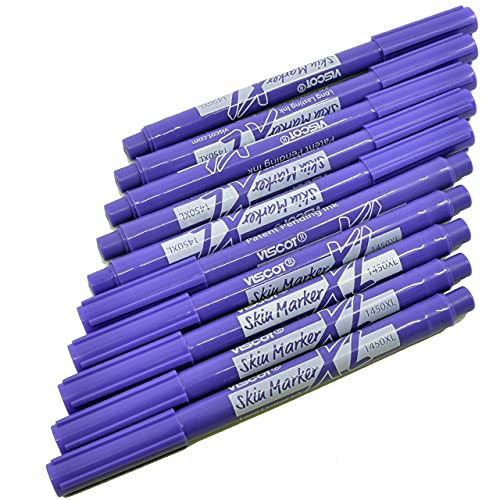
The Mini XL skin marking ink lasts 10 times longer than traditional skin markers
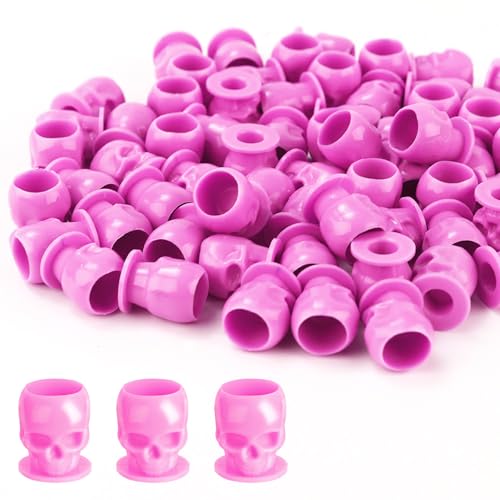
Premium Material: Tattoo ink cup is made of high-quality hard plastic, which is durable, not easy to deform, break, and leak. Avoiding ink leakage accidents during tattooing, ensuring a smooth and easy tattoo process.
How to Get an Accurate Small Tattoo Quote
Get everything in writing. Confirm your quote includes tax, tip expectations, and deposit terms. Never pay full price upfront.
Conclusion
You’ll spend $50–$250 for most small tattoos, but don’t let sticker shock catch you off guard. You’re paying for artistry, safety, and years of experience—not just ink. Always get a written quote, budget for that 15–20% tip, and remember: going cheap often means going twice. Your skin deserves better than a bargain.