
You’re probably wondering what you’ll actually pay before walking into a shop. Small tattoos might run you fifty bucks or stretch past two hundred, but that’s barely scratching the surface. The real question is whether you’re paying for someone’s Tuesday afternoon hobby or years of mastered craft—and the difference isn’t always obvious until it’s too late.
Key Takeaways
- Small tattoos (2–3 inches) cost $50–$250, while extra-large pieces like full sleeves run $2,000–$5,000+.
- Experienced artists with strong portfolios and specialized styles typically charge premium rates.
- Hourly rates range $150–$300; flat rates work better for large, detailed designs.
- Budget an extra 30% for tipping, touch-ups, and aftercare supplies.
- Prices drop outside city centers; flash sales and emerging artists offer savings.
Recommended Products

TATTOO AFTERCARE ESSENTIAL: Hustle Butter is the original tattoo aftercare balm for new and older tattoos. With over 10 years in the market, we are a pioneer of the tattoo aftercare category.

TATTOO AFTERCARE ESSENTIAL: Hustle Butter is the original tattoo aftercare balm for new and older tattoos. With over 10 years in the market, we are a pioneer of the tattoo aftercare category.
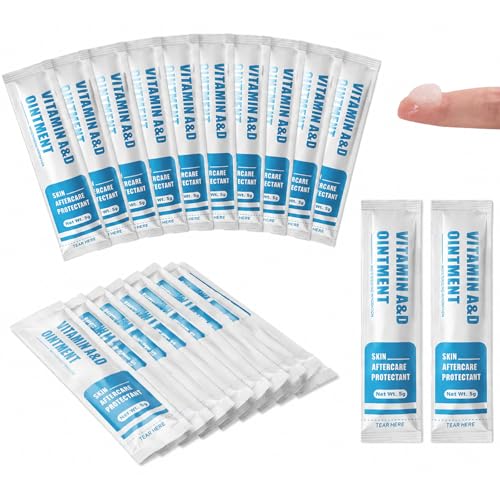
Honest, Accurate Care – This protective ointment comes in 50 hygienic single-serve packets for mess-free, on-the-go convenience. Easy to apply for tattoo protection anytime.
How Much Do Tattoos Cost? Real Price Ranges by Size
How exactly do tattoo prices scale with size? You’ll notice small tattoos, 2–3 inches, typically run $50–$250. These minimal pieces demand less time and ink, keeping your costs manageable. Medium tattoos, spanning 4–6 inches, push you into the $150–$450 range as artists invest more hours in linework and shading. When you commit to large pieces, 7–16 inches, expect $400–$1,500; you’re paying for multiple sessions and extensive detail. Extra-large tattoos covering your back, chest, or full sleeves command $2,000–$5,000 or beyond. You’ll spend 15–30+ hours in the chair across months. Remember that you’re also covering the artist’s prep time, sketches, and materials. Your body placement matters too—complex curves or sensitive spots stretch session lengths, nudging your final price upward regardless of pure dimensions.
Recommended Products
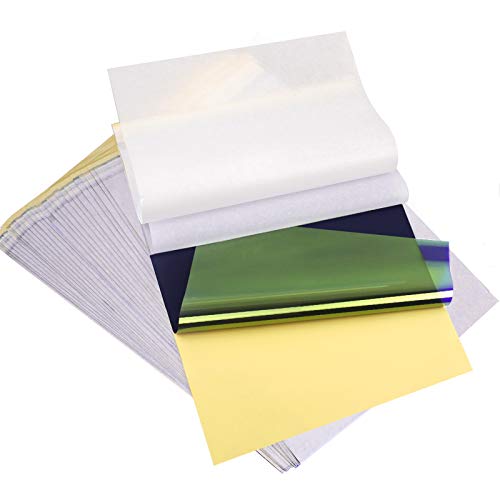
ADVANCED MATERIAL: Tattoo transfer paper is made with the high quality dyes and stencil paper. Transfer marks are very clear, clean and smooth. Tattoo transfer paper kit come with 35 sheets. Great for tattooing, trace and transfer images onto the body.<br>
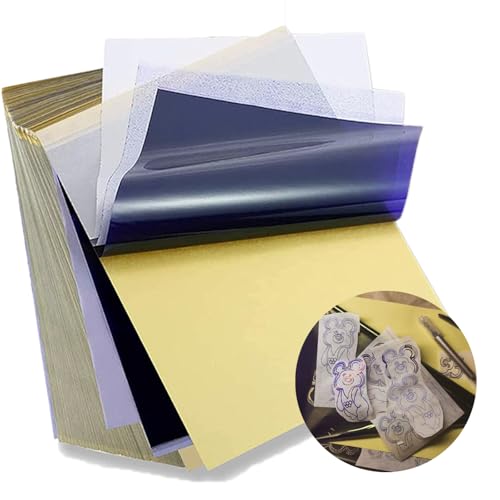
Standard size: Tattoo Transfer Paper is standard A4 paper size, each measures 8.27 in X 11.69 in. There are 4 levels in total. The thickness of the paper is very light and smooth to the touch.

Warm Tips: The tattoo transfer paper need to work with transfer medias.You will need to purchase the stencil ointment separately. Apply the design made on the master paper. Please pay attention to press the back side of the pattern to the skin for at least 3 seconds
Why Some Artists Charge More (And When It’s Worth It)
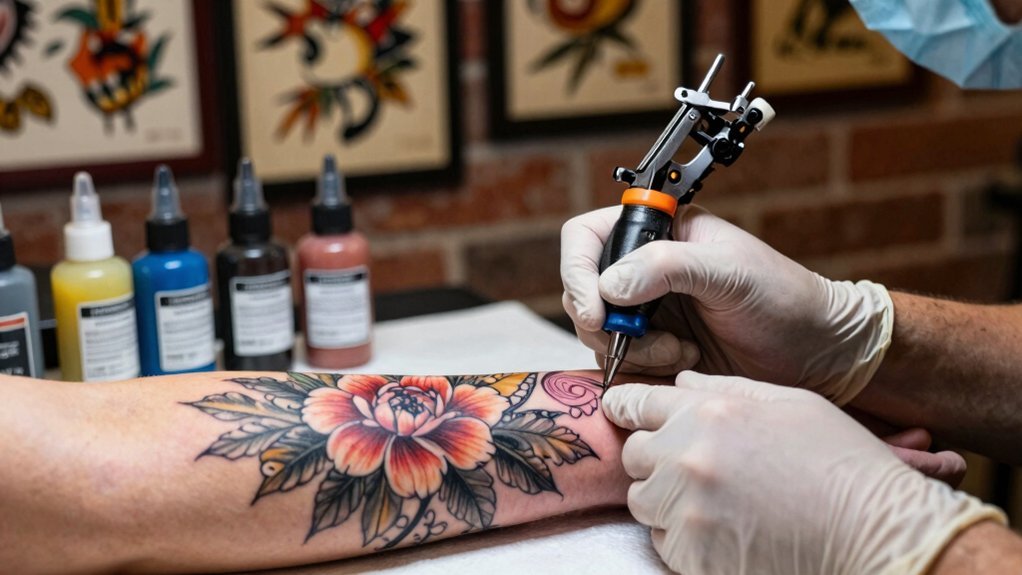
Why exactly does one artist quote $150 while another demands $500 for similar work? You’re paying for expertise, reputation, and environment. Seasoned artists with decade-long portfolios, specialized styles, or celebrity clientele command premium rates because they’ve earned them. You’re also buying cleanliness: sterile studios with hospital-grade equipment cost more to maintain. Location matters too—downtown studios in major cities pay steeper rents than suburban shops.
When should you pay more? Invest extra for cover-ups, intricate realism, or pieces you’ll wear forever. Poor work costs double to fix. Research an artist’s healed tattoos, not just fresh photos. Check reviews about longevity and professionalism. You’re not splurging—you’re protecting your skin. A skilled artist transforms your idea into art that ages beautifully.
Recommended Products

Clean, Flawless Transfers: Your artwork will look so clean once transferred to the skin with the Stencil Stuff gel! Gentle on the skin, Stencil Stuff transfer solution helps you achieve clear and sharp tattoo stencil transfers every time!

Safe and Healthy: Our tattoo transfer gel meets strict safety and non-toxic material standards, non-irritating to the skin and vegan-friendly. Maintains client comfort while achieving clear tattoo stencil transfers.

【Safe 】: Our tattoo transfer gel meets strict safety and non-toxic material standards, non-irritating to skin, vegan and skin-friendly, and allows clear, clean tattoo transfer.
Hourly vs. Flat Rate: Which Pricing Saves You Money?
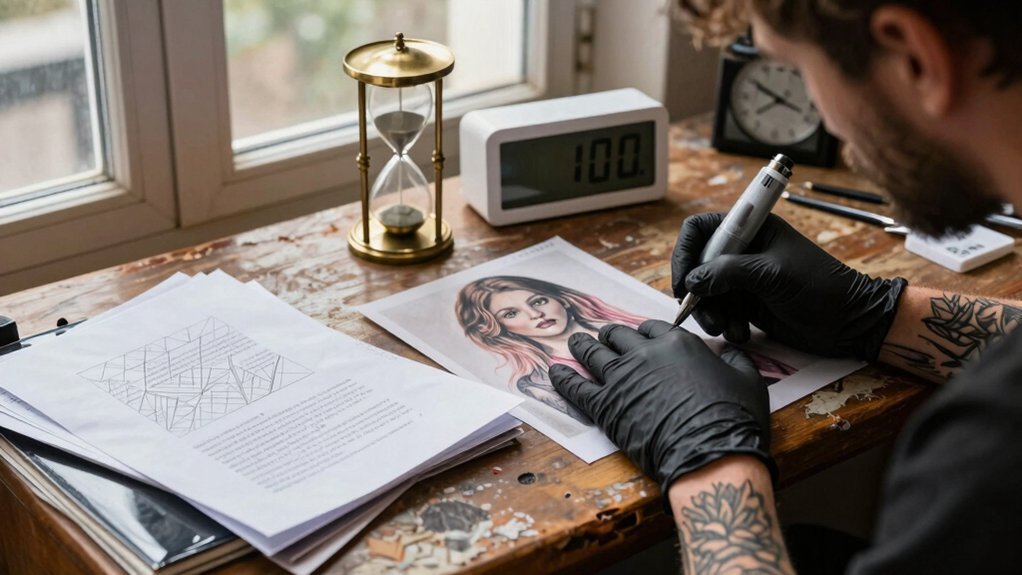
Where exactly does your money go when the timer starts—or doesn’t?
Hourly rates reward speed but punish complexity. You’ll pay $150-$300 per hour, so a four-hour sleeve session costs $600-$1,200. Fast artists save you cash; slow ones drain your wallet.
Flat rates lock in certainty. Your artist quotes $800 for that same sleeve, regardless of time. You budget precisely, but you’ll overpay if they finish early.
You choose based on predictability versus flexibility. Hourly suits small, simple pieces where artists work quickly. Flat rates protect you on large, detailed work where time balloons.
Ask your artist which structure they prefer and why. Compare their pace against their quote. You’ll spot the better deal by matching the pricing model to your specific design’s demands.
Recommended Products

📦 [10Pcs Individually Sealed] 10 sheets of premium tattoo practice skins (8"x6" / 1.0mm thick), each vacuum-sealed for hygiene. Double-sided blank fake skin maximizes usage – wipe & reuse for multiple techniques.

TATTOO PRACTICE SKIN SIZE - 5pcs 8x7.7in sheets with individual packaging—perfect for beginners’ long-term practice or studio use, keeping each sheet clean and easy to organize without dust buildup

Professional-Grade Realism:Professional Grade 1mm Fake Skin with realistic dermis texture, certified by artists for true needle feedback and ink absorption. This synthetic skin delivers an authentic tattooing experience, making it perfect for beginners to practice safely and build confidence.
Hidden Costs to Budget For: Tips, Touch-Ups, and Aftercare
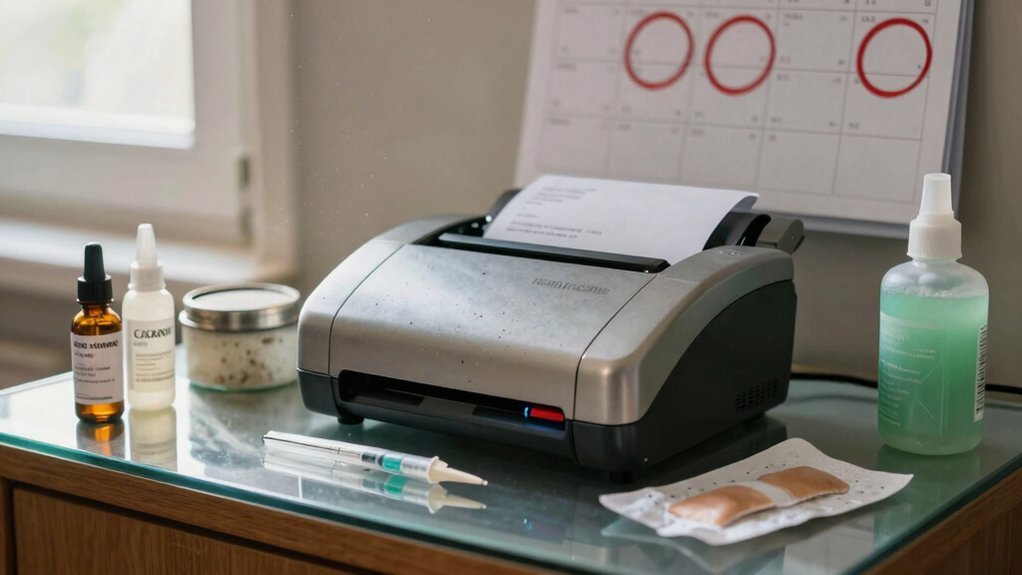
When the machine powers down, your financial obligation hasn’t ended. You’ll tip your artist—typically 15-20% of the session cost—and this adds up fast across multiple appointments.
Touch-ups represent another expense. Most shops include one free session within six months, but you’ll pay full price afterward. Colors fade, lines blur, and you’ll need maintenance every few years to keep your piece sharp.
Aftercare drains your wallet too. You’ll buy fragrance-free soap, specialized moisturizers, and sunblock to protect healing skin. Skip these, and you’ll risk infection or damage that demands costly corrections.
Budget an extra 30% beyond the quoted price. You’re covering gratuity, potential follow-up work, and supplies your skin demands. Planning ahead prevents financial surprises while your tattoo heals and matures.
Recommended Products
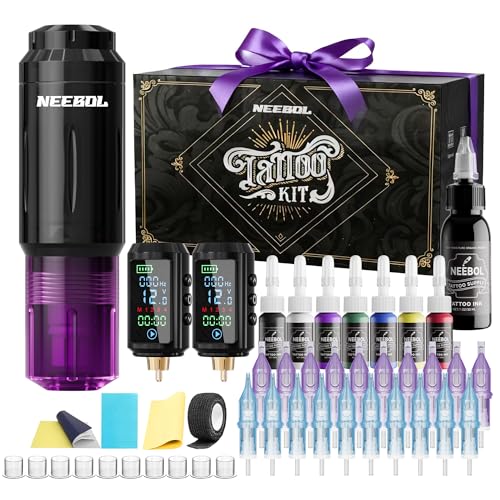
NEEBOL Tattoo Machine Kit with Complete Accessories:This tattoo machine kit includes 1 wireless tattoo gun, 2 x 1600mAh batteries, 20 needles, a large bottle off black ink, a full color ink set, and other essentials—ideal for beginners, apprentices, and professionals seeking a maquina para tatuar.

Complete Starter Tattoo Kit: Includes an aluminum alloy rotary tattoo pen, power supply, foot pedal, RCA cord, 20 cartridge needles, 8 bottles of 30ml ink, 2 transfer papers, practice skin, 40 ink caps, grip cover, gloves

Poseidon cartridge adopt a one-time joint design hygienic standard The material is stainless steel and easy to color,and has better ink flow
How Location Changes Your Tattoo Price
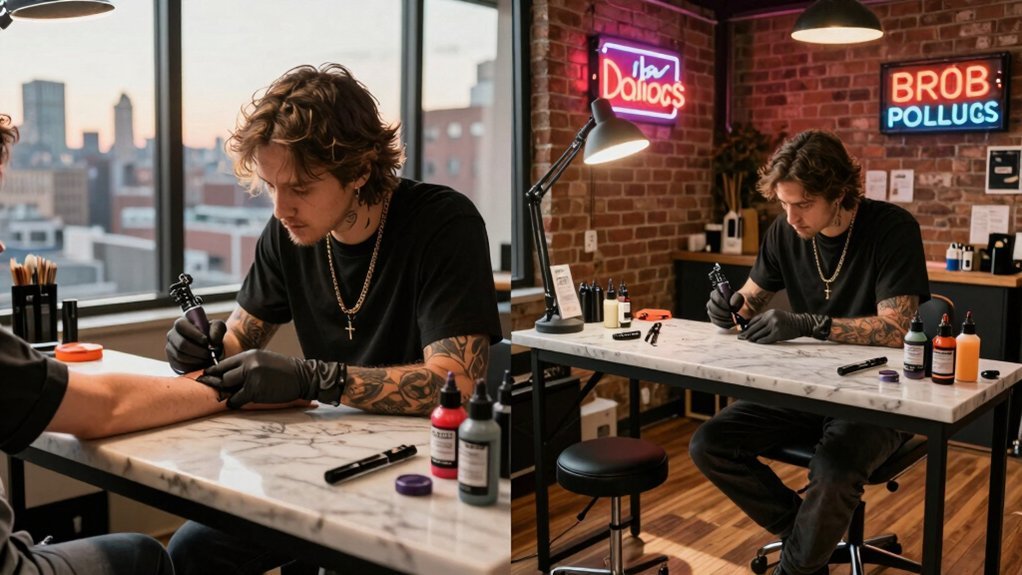
How dramatically does zip code reshape your final bill? You’d be surprised. A studio in Manhattan or San Francisco charges double—or triple—what you’d pay in a smaller Midwestern city. You’re not just buying ink; you’re covering the shop’s rent, utilities, and local taxes.
You push farther from city centers, and you’ll notice prices drop fast. A beach town tourist hotspot might inflate rates too, since artists know you’re on vacation and less price-sensitive. Even within one metro area, neighborhood reputation shifts costs. Trendy arts districts command premiums over working-class pockets.
State regulations also hit your wallet. Stricter licensing or health code requirements raise overhead, and you’ll absorb that. Before booking, you should compare rates across zip codes and weigh travel savings against convenience. Your location choice actively shapes what you最终 pay.
Recommended Products

QUICK HEALING:A&D ointment gel is rich in essential vitamins A and D,which is very important for aftercare microblading ,effectively helping to remove burns,cuts,surgical marks and the impact of marks on beauty

COMPLETE AFTERCARE KIT FOR NEW & EXISTING TATTOOS: This Tattoo Aftercare Kit brings together 3 essentials, Antimicrobial Soap, Tattoo Balm, and Tattoo Lotion, to help cleanse, protect, and moisturize fresh ink. Useful after tattoo sessions and throughout healing, it supports vibrant color and skin comfort for dedicated ink enthusiasts and artists

Upgraded Design, Easy to Use --- Tattoo aftercare balm comes in a tube,this container allows you to glide on the butter easily,Rolls on smoothly and evenly on your skin,No more mess or residue on your finger,convenient to use
How to Get Quality Work for Less
Location steers your price tag, but it doesn’t have to drain your wallet. You get quality work for less when you time your booking strategically. Many artists offer flash sales or discounted slots during slow seasons—you’ll snag rates up to thirty percent lower. You follow emerging artists on social media too; they’ve got skills but haven’t built demand yet, so they price below market. You negotiate respectfully if you’re committing to multiple sessions—artists often cut deals for guaranteed return visits. You skip the downtown flagship studios; you’ll find equally licensed shops in surrounding neighborhoods charging half the rate. You bring crisp reference images, arrive prepared, and don’t waste their chair time—artists reward low-maintenance clients. You never bargain-hunt on sterile equipment or artist credentials, but smart timing and flexibility keep your skin and savings intact.
Recommended Products

Precision Transfers & Long Lasting: Tattoo stencil paper delivers vibrant, high-definition transfers even for intricate designs. Creates crisp, dark lines that transfer cleanly to skin (clearly on different skin tones) which are easy to follow during tattooing. The carbon layer made from high-quality dyes ensures sharp outlines without smudging or fading and maintains crisp lines visibility throughout long tattoo sessions, so you can focus on creating art instead of re-drawing lines

🔍 Precision Industry-Standard Transfer - Engineered 4-ply stencil paper (8.25"x11.75") with high-density dyes delivers defined lines for intricate tattoo stencils. Compatible with major thermal printers for reliable tattoo transfer paper workflows.

Phomemo Tattoo Transfer Paper kit - Paper size: 8.27 in x 11.69 in (210 x 297 mm), Quantity: 1 Box, 100 Sheets in the box, Color: Blue. Phomemo Tattoo Transfer Paper is ideal for tattoo enthusiasts, artists and professional tattoo artists, offering reliability and consistency in tattoo stencil creation
Conclusion
You now know what drives tattoo pricing, from size and detail to artist skill and studio location. You can budget smarter by understanding hourly versus flat rates and preparing for hidden costs like tips and aftercare. Whether you’re saving up for a renowned artist or finding quality work within your means, you’re equipped to make a decision that balances cost with the lasting value of art on your skin.
Recommended Products

🛡️ SAFE AND GENTLE FORMULA - Our tattoo goo is made from skin-friendly, plant-based ingredients that are non-toxic and non-irritating, ensuring gentle use on all skin types during stencil transfer.

Precise Transfer: Using our tattoo stencil gel transfers both the pattern and lines to the skin clear and sharp, preserving every detail of your artwork. No smudging or fading for a clean, flawless transfer.

【CRYSTAL-CLEAR & PRECISE TRANSFERS】Achieve flawless, sharp stencil lines every time. Our professional-grade gel transfers your artwork onto the skin with exceptional clarity, capturing even the most intricate details. Prevents smudging or fading for a perfect outline to guide your tattoo work.