
You’ve probably wondered if slapping on numbing cream before your tattoo appointment actually makes a difference or if it’s just money down the drain. The truth sits somewhere in the middle, and where you’re getting inked matters just as much as what’s in the tube. Your artist’s opinion counts too, and you’ll want to hear what they think before you make the call.
Key Takeaways
- Numbing creams containing lidocaine effectively block pain signals for 1–3 hours after application.
- They work best on fleshier areas like thighs and arms, but fade quickly on bony spots.
- Proper application requires thick layering, plastic wrap occlusion, and 45–90 minutes of wait time.
- Effects diminish during lengthy sessions, often causing breakthrough pain before completion.
- Most tattoo artists accept numbing cream, though policies vary—always consult your artist first.
Recommended Products

FSA HSA Eligible Over-the-Counter Medication - This topical lidocaine numb cream with Allantoin, Vitamin E, and Aloe is clinically proven to temporarily relieve pain, burning, itching, discomfort, inflammation, and soreness in local and anorectal areas

Fast Acting Hemorrhoid Cream - Made with 5% Lidocaine, this topical anesthetic provides temporary relief from discomfort, itching, and burning associated with hemorrhoids and other anorectal irritation.

5% Lidocaine Cream Maximum Strength Formula: Formulated with 5% lidocaine, this topical cream provides temporary relief from localized discomfort such as itching, burning, or minor skin irritation. A powerful solution for external use when your skin needs extra care.
Do Tattoo Artists Actually Allow Numbing Cream?
Why do so many people assume numbing cream is off-limits at tattoo shops? You’ve probably heard rumors about artists rejecting clients who mention it. Some old-school tattooers spread myths that numbing agents ruin skin texture or prevent ink from settling properly. You’ve seen this attitude online in forums and social media comments.
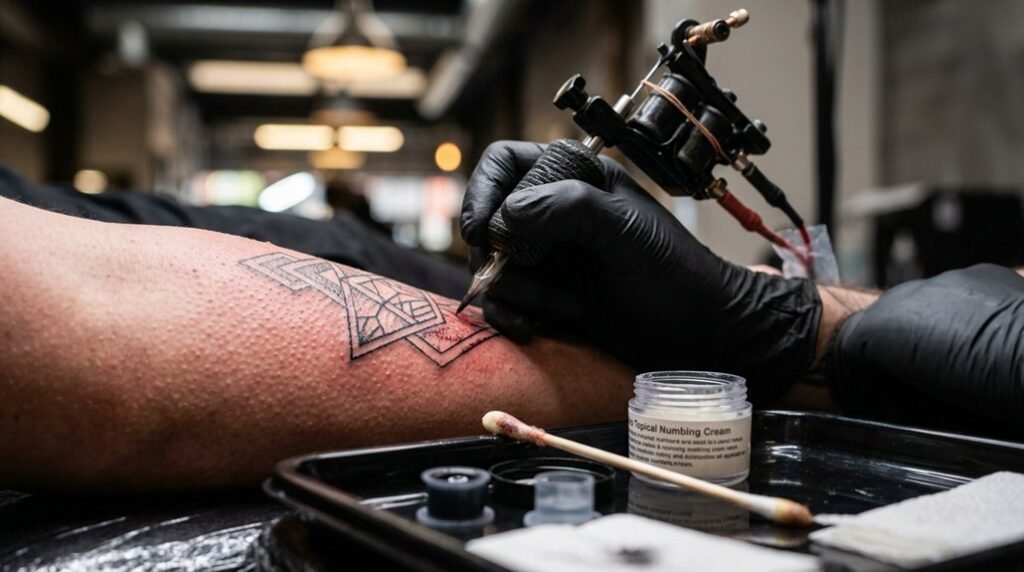
In reality, you’ll find most modern artists don’t mind numbing cream at all. They’ve watched formulations improve dramatically over the past decade. You simply need to ask your specific artist beforehand since policies vary considerably between shops. Some prefer you skip it for small pieces, while others encourage it for lengthy sessions or sensitive areas. You’re paying for the experience, so you deserve comfort during hours of needlework. Communication eliminates surprises.
Recommended Products

Long-Lasting Relief, Maximum Comfort: This numbing cream delivers prolonged analgesic effects, quickly relieving itching, pain, burning sensations, and significantly reducing swelling. It effectively desensitizes the skin for a comfortable experience.

LONG-LASTING COMFORT: This cream is designed to provide lasting comfort and a soothing sensation, helping you feel more comfortable during use.for local and anorectal areas

MAX STRENGTH: Our Numbing cream delivers Deep temporary numbing effect for Topical Numbing
How Tattoo Numbing Cream Works (And How Long It Lasts)
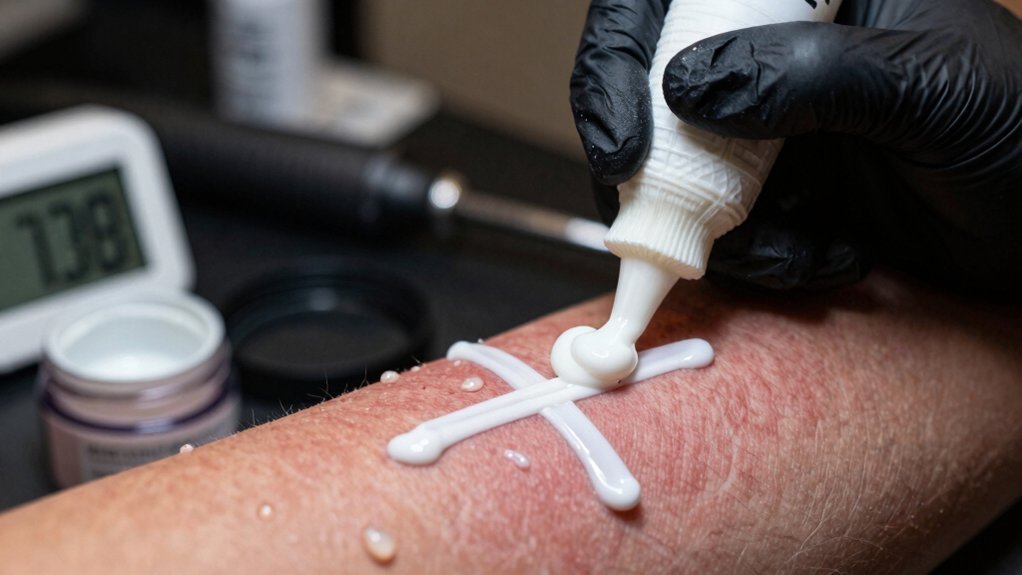
Most tattoo artists who accept numbing cream don’t explain the mechanics behind it, so you’re left wondering what you’re actually putting on your skin. You’re actually applying a topical anesthetic that blocks sodium channels in your nerve endings. Lidocaine, the active ingredient, stops your nerves from sending pain signals to your brain. You feel this effect within 20 to 30 minutes after application.
Your numbed skin typically stays desensitized for 1 to 3 hours, depending on the cream’s concentration and your individual metabolism. You might notice the sensation returning gradually as blood flow increases during the tattooing process. Some creams contain epinephrine, which constricts your blood vessels and extends the numbing effect. You should know that deeper tattoo work can outlast the cream’s effectiveness, so you may feel breakthrough pain on longer sessions.
Recommended Products
Long-Lasting Relief, Maximum Comfort: This numbing cream delivers prolonged analgesic effects, quickly relieving itching, pain, burning sensations, and significantly reducing swelling. It effectively desensitizes the skin for a comfortable experience.
Long-Lasting Relief, Maximum Comfort: This numbing cream delivers prolonged analgesic effects, quickly relieving itching, pain, burning sensations, and significantly reducing swelling. It effectively desensitizes the skin for a comfortable experience.

FROM THE LEADER IN TATTOO AFTERCARE: For years now, Mad Rabbit has consistently ranked among the most popular and highest-rated tattoo products on the market. We’ve created a top-of-the-line Tattoo Glide to help professional tattoo artists do their best work.
How to Apply Numbing Cream Before Your Session
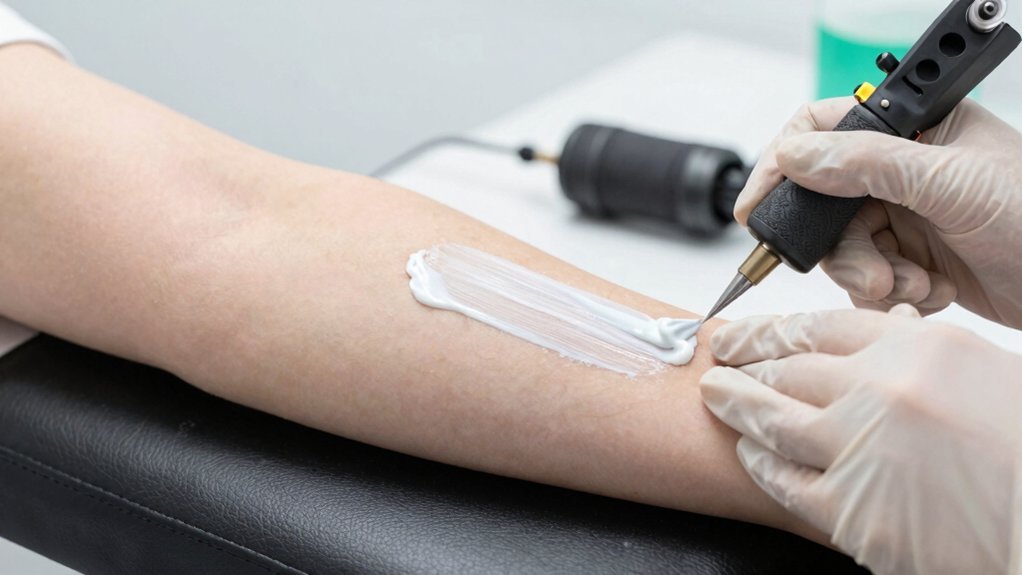
Applying numbing cream correctly determines whether you’ll actually feel its effects during your tattoo session.
You’ll start by washing the target area with soap and water, then patting it completely dry.
Apply a thick layer of cream—don’t rub it in like lotion. You’ll want the surface looking white and pasty.
Cover the area with plastic wrap, sealing the edges to trap heat and moisture.
This occlusion pushes the active ingredients deeper into your skin.
Leave it wrapped for 45–90 minutes depending on the product’s instructions.
Don’t exceed recommended times—you’ll risk skin irritation or overly rubbery tissue that complicates tattooing.
Remove the wrap, wipe off excess cream thoroughly, and head to your appointment.
Timing matters: apply too early and you’ll numb nothing.
Recommended Products

LONG-LASTING COMFORT: This cream is designed to provide lasting comfort and a soothing sensation, helping you feel more comfortable during use. FAST ACTION: We made with...
Where Numbing Cream Works Best: and Where It Fails
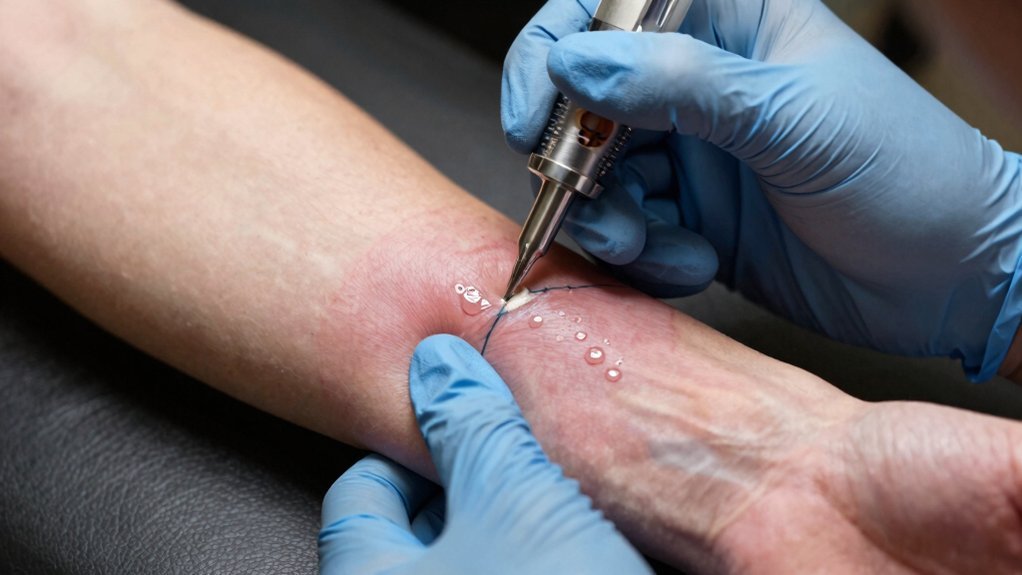
Where exactly does numbing cream deliver relief—and where does it fall flat?
You’ll feel numbing cream work best on fleshier, less sensitive areas. Your outer arm, thigh, calf, and upper back respond well—the skin’s thicker there, and nerve endings sit deeper. The cream penetrates effectively, and you’re less likely to feel the needle’s sting.
But you’ll struggle with bony spots. Your ribs, spine, ankle, wrist, and collarbone offer little cushioning. The needle rumbles against bone, creating vibration pain no topical anesthetic fully blocks. You’ll also find numbing fades fastest where artists stretch skin repeatedly—think elbows and knees. Artist technique matters too; heavy-handed shading over one spot burns through your numbness quicker than fine-line work. Plan accordingly, and don’t expect miracles everywhere.
Recommended Products

【MAXIMUM STRENGTH 5% LIDOCAINE】 Formulated with 5% Lidocaine, the highest strength available over the counter, this topical anorectal cream helps provide temporary relief of local and anorectal itching and discomfort associated with anorectal irritation.

FSA HSA Eligible Over-the-Counter Medication - This topical lidocaine numb cream + spray set with Allantoin, Vitamin E, and Aloe is clinically proven to temporarily relieve pain, burning, itching, discomfort, swelling, inflammation, and soreness in local and anorectal areas
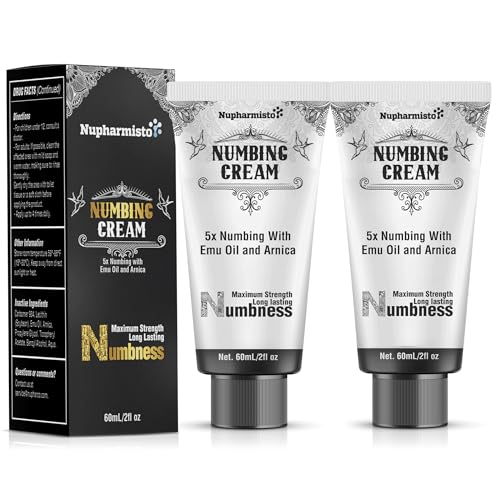
LONG-LASTING COMFORT: This cream is designed to provide lasting comfort and a soothing sensation, helping you feel more comfortable during use.for local and anorectal areas
The Best Numbing Creams for Your Specific Tattoo
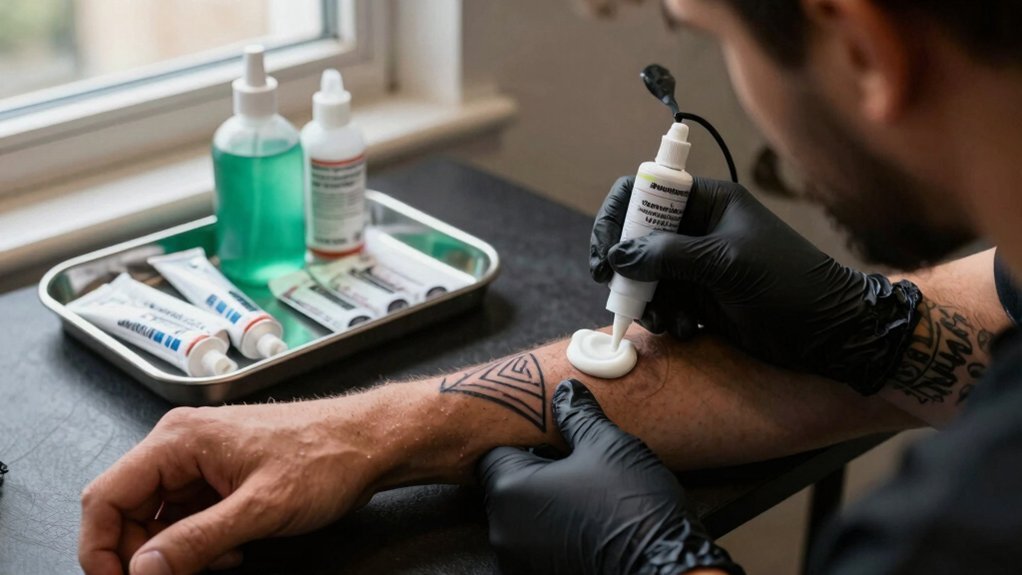
Which numbing cream actually deserves space in your tattoo bag depends on more than brand hype—you’ll need to match ingredients to your session length, skin sensitivity, and pain tolerance.
For short sessions under two hours, you’ll get solid results from 4% lidocaine creams. Apply them thickly and cover with plastic wrap for 45 minutes beforehand. They’re affordable and won’t over-numb you.
Planning a multi-hour back piece or sleeve? You’ll want a 5% lidocaine formula with added epinephrine—it constricts blood vessels and extends numbness deep into the session.
If you’ve got sensitive skin, you’ll fare better with benzocaine-free options. Test any cream on a small patch 24 hours before your appointment. Your artist can then verify the skin texture hasn’t changed dramatically before starting the needlework.
Recommended Products
EXTRA LASTING RELIEF: This numbing cream is provide long-lasting numbing, and temporarily relieve itching, soreness, burning, and reduce swelling caused by hemorrhoids and other minor anorectal irritations, allowing you to feel more comfortable

Maximum Strength 5% Lidocaine for Fast Relief - For the temporary relief of local discomfort associated with anorectal disorders. For the temporary relief of pain, soreness and burning.

FSA HSA Eligible Over-the-Counter Medication - This topical lidocaine numb cream with Allantoin, Vitamin E, and Aloe is clinically proven to temporarily relieve pain, burning, itching, discomfort, inflammation, and soreness in local and anorectal areas
Tattoo Numbing Cream Side Effects to Watch For
You’ll sometimes feel a tingle or mild burn as the numbing cream kicks in—that’s normal. But you need to recognise when things go wrong. Stop using the cream immediately if you notice severe burning, blistering, or hives spreading across your skin. You’re likely experiencing an allergic reaction, and you’ll risk permanent damage if you push through.
You’ll also want to watch for excessive redness, swelling, or a rash developing hours later. These symptoms indicate your skin’s rejecting the active ingredients, usually lidocaine or prilocaine. If you apply too much or cover too large an area, you’ll absorb more than your body can handle, leading to dizziness, irregular heartbeat, or difficulty breathing.
Never use numbing cream on broken skin. You’ll increase absorption dangerously and invite infection into your fresh tattoo.
Recommended Products
![[1000 Feet Per Roll] 60mm Premium Numbing Preservative Film by Ink Permanent Plastic Wrap for Tattoos, Microblading, Lip Tattoo, Eyebrow Lamination & Lash Lift – 42 or 60 mm width 300 Meters](https://m.media-amazon.com/images/I/411aFCuIArL._SL500_.jpg)
AWESOME HELPER – Ink Permanent numbing film is designed to seal after anesthetic application, increasing product effectiveness and assuring customer satisfaction.

Soothing Comfort Cream: Gentle cream designed to calm temporary discomfort like itching or irritation, suitable for daily use and sensitive skin.
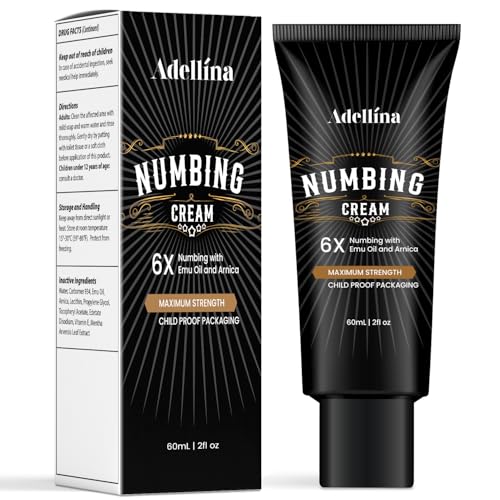
Maximum Strength Formula X5 Numbing- Designed to provide a soothing, cooling sensation on contact for enhanced comfort.
Getting Through Tattoos Without Numbing Cream
How do you sit through the needle without chemical help? You breathe. You focus on steady, deep inhales and slow exhales when the pain spikes. You bring headphones and blast music that grounds you. You pick a spot on the wall and stare. You chat with your artist if talking distracts you, or you zone out completely if silence works better.
You break the session into chunks. You tell yourself “just ten more minutes” repeatedly. You eat a solid meal beforehand so your blood sugar stays stable. You avoid alcohol, which thins your blood and heightens sensitivity.
You remember why you’re there. You chose this design, this moment, this permanent mark. The discomfort becomes part of the story you’ll tell. You endure, and you wear the result with pride.
Recommended Products
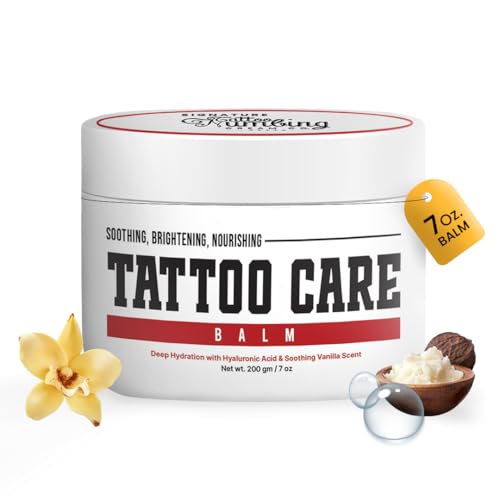
GENTLE FORMULA: Signature Offers gentle formulas for both your before and after tattoo care.

QUICK HEALING:A&D ointment gel is rich in essential vitamins A and D,which is very important for aftercare microblading ,effectively helping to remove burns,cuts,surgical marks and the impact of marks on beauty

✅ FRESH TATTOOS - Alpha Butter is specially formulated to help your skin recover faster after a new tatoo. This special blent of ingredients will get you from fresh ink to finished piece in record time.
When Numbing Cream Is Worth the Price
Why drop extra cash on numbing cream when grit gets you through? You’ll find the investment pays off in specific scenarios.
You’re tackling a multi-hour session on your ribs, spine, or kneecap—areas where pain derails focus and stillness.
You’re getting extensive linework or solid black fills that demand hours of needle contact without breaks.
You’ve got a low pain threshold, anxiety about the process, or a medical condition that amplifies sensitivity.
You’re completing a large piece across multiple sessions and need consistency in your tolerance.
You want to preserve your energy for the artwork itself, not waste it battling your nervous system.
In these moments, numbing cream transforms endurance from a struggle into a manageable experience.
Your Tattoo Checklist: Numbing Cream or Not?
Numbing cream isn’t a universal fix—it’s a tool that fits some situations better than others. You need to weigh your pain tolerance, tattoo placement, and session length before deciding.
Ask yourself these questions. You’re getting work done on your ribs, spine, or feet? You’ll likely benefit from numbing cream. You can’t sit still when discomfort spikes? Cream helps you stay put. Your artist schedules a multi-hour session? Numbing agents buy you endurance.
However, you skip it if your artist advises against it for your specific design. You avoid it if you’ve had allergic reactions to topical anesthetics. You reconsider if you’re getting a small, quick piece—why add complexity?
Ultimately, you discuss options with your tattooer. They’ll guide your choice based on technique and skin type. Trust their expertise alongside your comfort needs.
Recommended Products

Numbing Effect Lasts Up to 8 Hours: Our tattoo numbing cream before tattoo is specially formulated to provide up to 8 hours of pain relief, itching, soreness, and burning...
Conclusion
You’ll find numbing cream eases some sessions greatly, but it won’t eliminate all sensation. Test your skin 24 hours ahead, apply properly, and chat with your artist about timing and placement. Fleshier spots respond better than bony areas, and results vary by metabolism. Whether you choose numbing cream or tough it out naturally, proper preparation ensures you’ll sit comfortably and walk away with art you love.