
You need to cover a tattoo for a job interview, wedding, or family gathering, but you’re not sure where to start. The wrong product won’t last through the day, and thick layers can crack or sweat off at the worst moment. There’s a method that professionals use to make ink disappear completely. You’ll need more than your everyday concealer to pull it off.
Key Takeaways
- Assess your tattoo’s size, ink colors, location, and skin type before choosing products and techniques.
- Gather heavy-duty concealer, color correctors, setting powder, spray, primer, and dense brushes for full coverage.
- Cleanse skin with oil-free cleanser, dry thoroughly, and apply lightweight primer without moisturizers underneath.
- Neutralize dark ink with orange or peach corrector, red ink with green, then layer thin concealer coats outward.
- Set with translucent powder pressed firmly, bake briefly, mist with setting spray, and pack touch-up supplies for mobility.
Recommended Products

Provides Extreme Coverage - Achieve the flawless skin you’ve always dreamed of with this full-coverage liquid foundation. Our foundation makeup conceals dark under-eyes, skin discolorations, pimples, acne scars, surgical bruising, and even tattoos!
Provides Extreme Coverage - Achieve the flawless skin you’ve always dreamed of with this full-coverage liquid foundation. Our foundation makeup conceals dark under-eyes, skin discolorations, pimples, acne scars, surgical bruising, and even tattoos!
Assess Your Tattoo: Size, Colors, and Location
Why start with guesswork when a quick evaluation sets you up for success? Grab a mirror and study your tattoo’s dimensions. You’ll measure precisely—small spots demand less product than full sleeves demand.
Now examine the ink colors saturating your skin. Black lines cover differently than vibrant reds, deep blues, or yellows. You’ll notice lighter pigments peek through makeup more stubbornly than darker ones.
Check where the tattoo sits on your body. You’ll find joints and curved areas shift product throughout your day. Flat surfaces like shoulders stay simpler. Oily zones require different prep than dry patches.
You’re mapping your specific challenges before buying anything. This assessment determines your technique, layering strategy, and setting method. You’ll save frustration by knowing exactly what you’re working with from the start.
Recommended Products

ORANGE COLOR CORRECTOR: Camouflages spots and darkness found under the eyes in tan to rich skin tones.

Lightweight, creamy texture

PEACH COLOR CORRECTOR: Camouflages spots and darkness found under the eyes in fair to medium skin tones.
Gather the Right Cover-Up Products for Your Needs
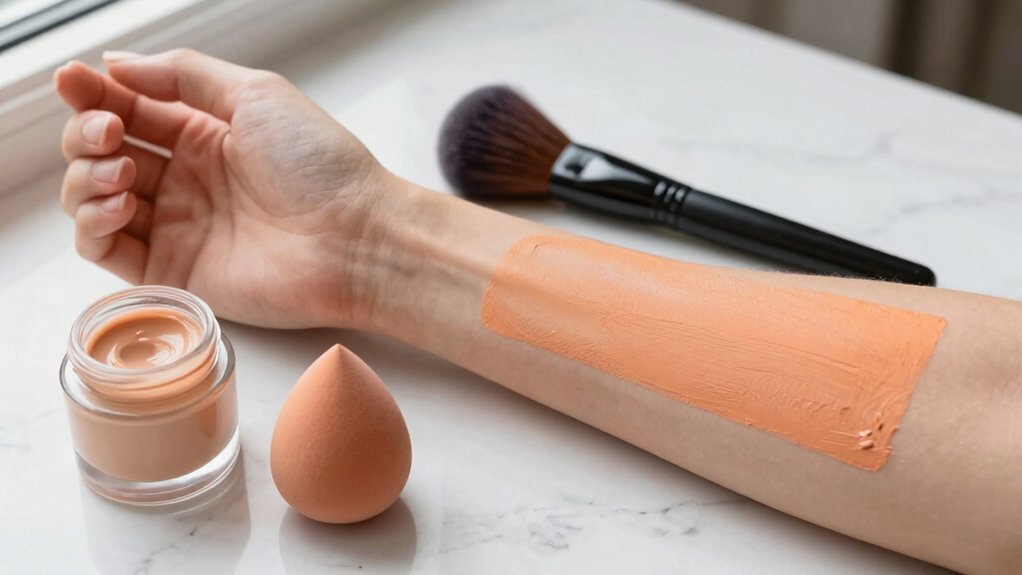
What exactly belongs in your kit depends on the blueprint you’ve already mapped. You’ll need a heavy-duty concealer or tattoo-specific cover product—standard foundations won’t cut through dense ink. Grab a color corrector too; orange or peach tones neutralize dark blues and blacks, while green cancels red. Match your skin tone precisely, and don’t skimp on quality.
You’ll also want a setting powder and makeup fixative spray to lock everything in place. Brushes matter: use dense, flat brushes for application and a sponge for seamless blending. Don’t forget primer—it creates a smooth canvas and extends wear time. If your tattoo sits on a body part that bends or rubs, consider a waterproof, transfer-resistant formula. Test products beforehand; you’ll avoid disasters when it counts.
Recommended Products

Erborian CC Red Correct: CC Red Correct is a versatile, illuminating formula that contains green pigments to automatically help correct the appearance of redness. Encapsulated pigments help to conceal other imperfections and upon application, this color-correcting formula adjusts to your skin tone to enhance your natural complexion. 0.5 oz.

Anti-Redness BB Cream ultra-light lotion delivers 4 beautifying actions in 1: neutralizes the look of redness, corrects skin color for an even complexion, hydrates for all day moisture and hides imperfections
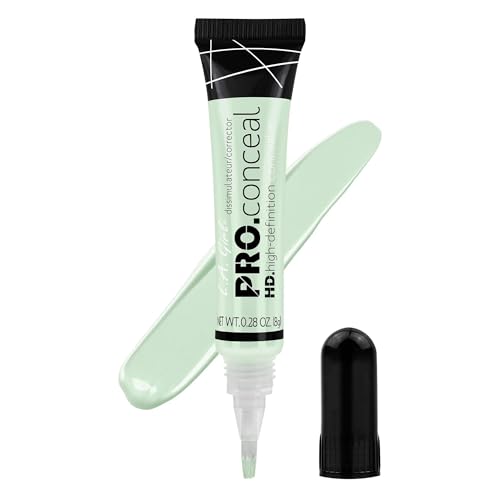
PRO-LEVEL PERFORMANCE: Experience professional-grade, creamy coverage that effortlessly corrects, conceals, contours, and highlights with a long-lasting, crease-resistant finish for flawless, all-day wear.
Prep Skin for Maximum Makeup Adhesion
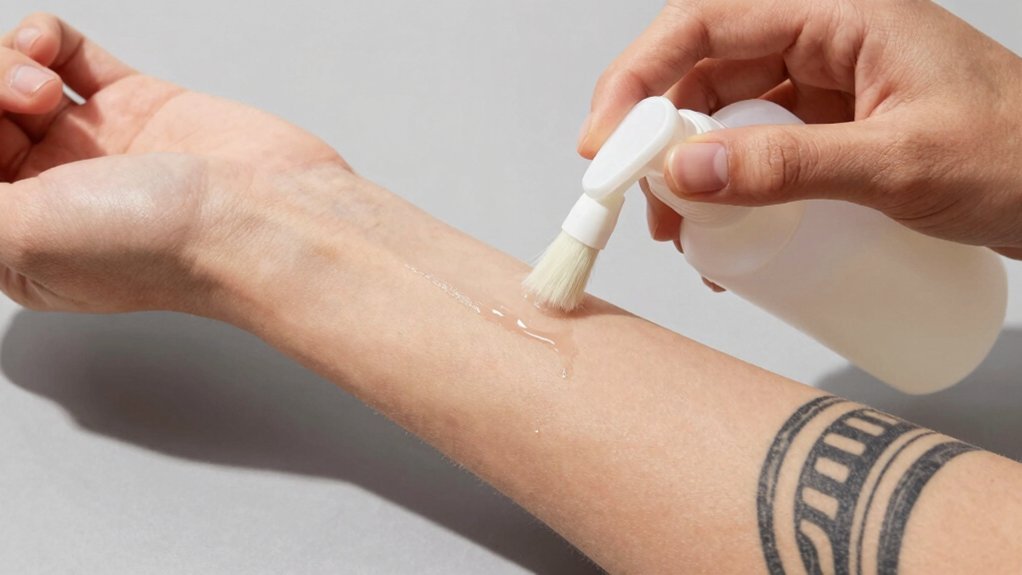
Where should you start before brushing on any pigment? Cleanse the tattooed area thoroughly with a gentle, oil-free cleanser. Remove all dirt, oil, and residue that could repel your makeup. Pat the skin completely dry with a clean towel—moisture creates slip, and you need grip.
Next, you’ll apply a lightweight, water-based primer. Skip heavy silicones; they pill under layers. Smooth it across the tattoo in thin, even strokes and let it set for sixty seconds. This creates a tacky base that locks pigment to skin.
If the area’s hairy, you’ll shave carefully beforehand. Stubble catches product and creates texture. Finally, avoid moisturizers right before application—they soften the hold. You’re building a foundation that lasts, not pampering skin. Dry, primed, ready: that’s your canvas.
Recommended Products
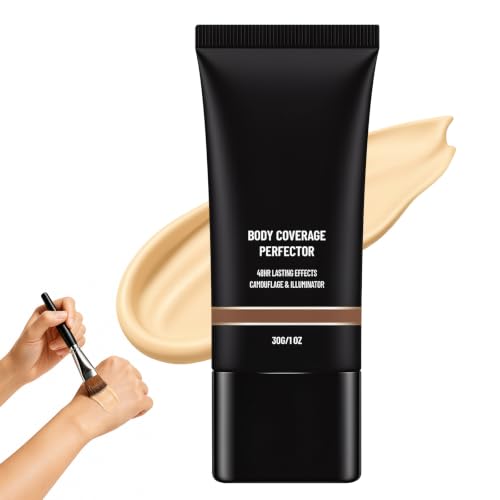
Flawless Coverage for Every Occasion:Provides smooth, natural-looking coverage for tattoos, scars, stretch marks, bruises, veins, and dark spots. Effortlessly creates an even skin tone so you can feel confident in sleeveless tops, shorts, or dresses

BUILD IDEAL COVERAGE: FV matte foundation with medium to full coverage effectively evens out skin tone, covers blemishes and other imperfections on the skin. The liquid waterproof foundation, with a smooth formula, feels weightless and looks flawless, without worrying about caking.

LONG-LASTING MAKEUP SETTING: This lightweight makeup setting spray helps set foundation, concealer, blush and powder for a fresh, natural-looking finish throughout your daily routine.
Counter Dark or Colorful Ink With Color Correction
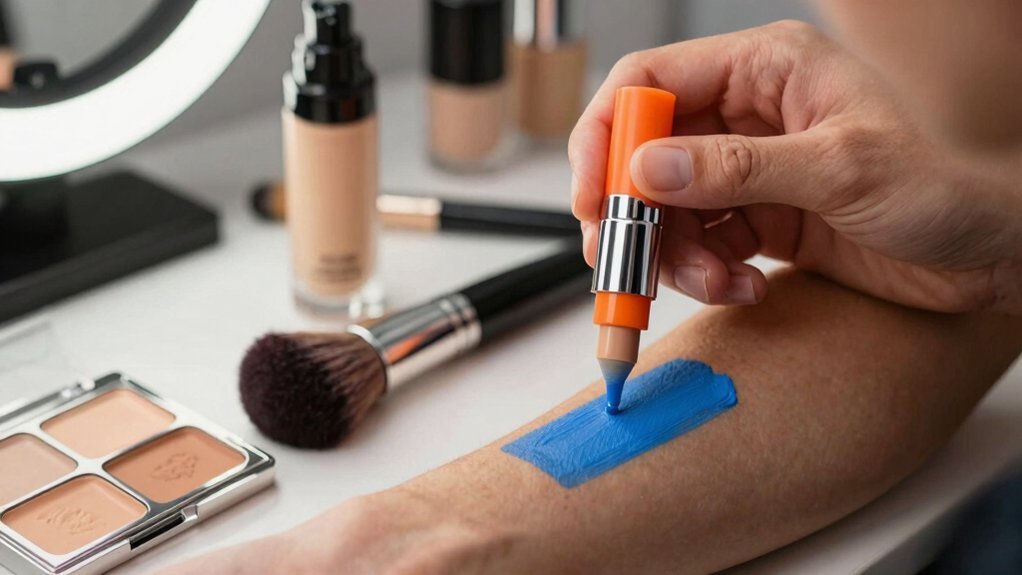
How do you neutralize a black dragon or a crimson rose before layering on concealer? You reach for color-correcting theory. Remember the color wheel: opposites cancel each other out.
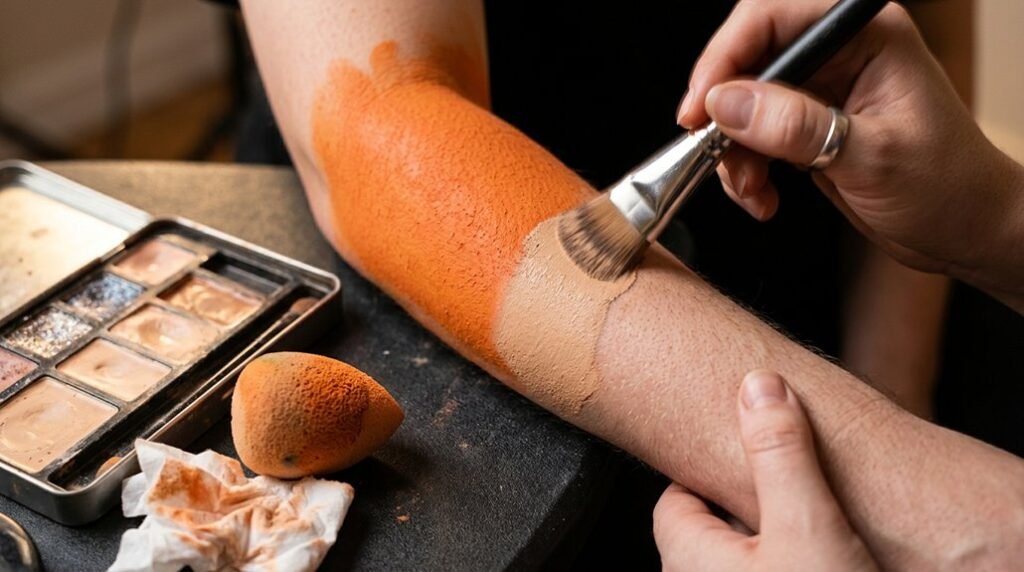
Dark black ink—whether it’s tribal bands or bold lettering—pulls orange. You’ll dab orange or peach corrector directly onto the darkest areas, working it into the skin with a small brush. The warmth immediately lifts those inky depths toward neutral territory.
Vibrant colors demand their own opponents. You pat green corrector over crimson roses, cherry blossoms, or any stubborn red ink. Blue tattoos surrender to peach or salmon tones.
Don’t over-apply. You’re aiming for balance, not a rainbow. Press the corrector thin and even, allowing it to dry slightly. This creates your neutral canvas—nothing more, nothing less.
Recommended Products

Matte Setting Spray: For a matte makeup look that stays put, use our lightweight setting spray to reduce shine and leave a fresh, just applied look all day; Works with all makeup including foundation, eyeshadow, and powder

MAJOR MAKEUP GRIP: The shockingly fine mist sets your makeup for long-lasting wear while leaving the skin with a hydrated-looking, dewy finish

[UNBEATABLE MAKEUP FIXATION] Keep long lasting makeup flawless with lightweight non-greasy mist that prevents smudging and preserves a radiant finish from foundation to lipstick and blush.
Layer Concealer for Complete Tattoo Coverage
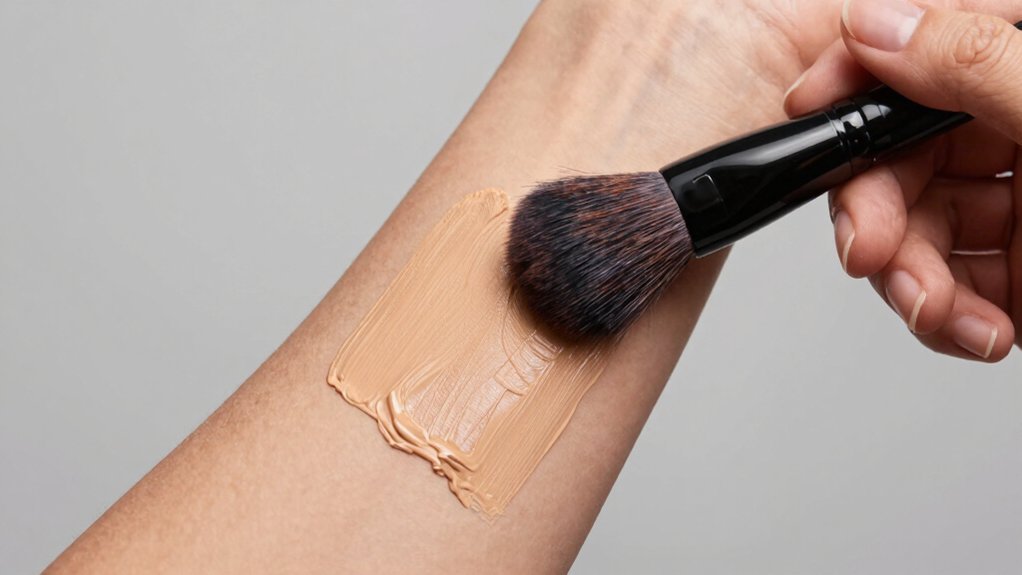
Why stop at color correction when you haven’t sealed the deal? Grab a full-coverage concealer that matches your skin tone exactly. Dot it directly over the corrected area using a small, flat brush. Pat—don’t rub—to build opacity without disturbing the color-correcting layer beneath. You’ll need two to three thin layers rather than one thick blob, which cracks and creases.
Blend the edges outward until they melt seamlessly into your natural skin. Let each layer set for thirty seconds before adding the next. If the tattoo peeks through, add another pinpoint layer only where needed. Check your work under natural light; shadows reveal missed spots you didn’t catch in bathroom lighting. The goal isn’t cakey perfection—it’s erased ink nobody questions.
Recommended Products
Provides Extreme Coverage - Achieve the flawless skin you’ve always dreamed of with this full-coverage liquid foundation. Our foundation makeup conceals dark under-eyes, skin discolorations, pimples, acne scars, surgical bruising, and even tattoos!

WATERPROOF & SWEATPROOF TATTOO CAMOUFLAGE: Transfer-resistant full coverage cream stays locked on during swimming, gym workouts, weddings and all-day events without smudging or fading.
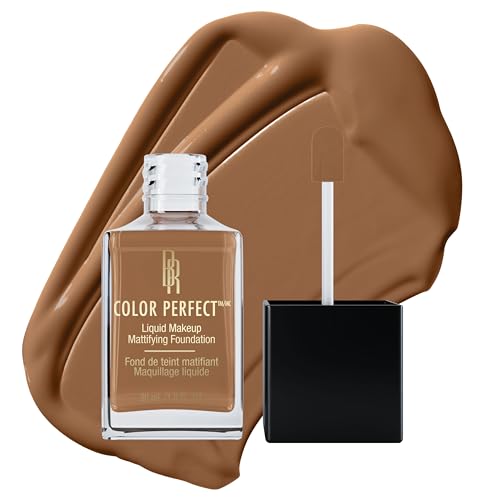
SERVING FACE: Black Radiance Color Perfect Liquid Make-Up offers an oil-free, full coverage foundation for any look. Specially formulated to enhance natural skin tone, never red, ashy or shiny.
Set Your Cover-Up for All-Day Wear
What’s the point of flawless coverage if it slides off by noon? You need to lock everything in place. Start with a translucent setting powder. Press it into the concealer with a velour puff—don’t sweep. Baking works wonders here. Let the powder sit for three to five minutes, then dust off the excess.
Follow with a setting spray. Hold it eight to ten inches from your skin and mist in an X pattern. This melts the powder into a skin-like finish and adds durability.
Pack blotting papers and a small powder compact for touch-ups. Dab—don’t rub—any oily spots that emerge. Your tattoo stays hidden through heat, humidity, and long hours. You’ve invested time in coverage; now you’re protecting that investment all day.
Recommended Products

Creamy Concealer: Our creamy crease-resistant formula is infused with hyaluronic acid for the smoothest glide ever. Never dry & never draggy. With a buildable medium-coverage concealer formula with 12-hour hydration for a natural skin-like finish.

GC990-Orange Corrector: Neutralizes dark spots for medium/deep skin tones.
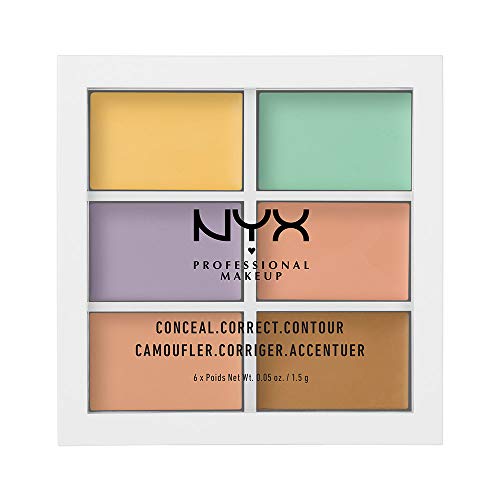
Ultimate Color Correcting Concealer Palette: This palette features 6 color correcting concealers expertly chosen to work together to conceal problem areas
Adapt Your Technique for Hands, Neck, and Joints
When covering tattoos on hands, necks, or joints, standard techniques fail fast. These areas bend, twist, and rub constantly, so you’ll need to adapt your approach.
Start with a thin, flexible concealer layer—thick makeup cracks when skin moves. You’ll build coverage gradually rather than packing it on. On knuckles and finger joints, press product into creases with a damp sponge; don’t swipe across.
Set these areas with translucent powder immediately, then add a flexible setting spray. You won’t bake here—heat creates settling lines.
For the neck, blend downward into the collarbone so there’s no visible edge. Match to your chest tone, not your face.
On all mobile areas, you’ll carry blotting papers. Oil breaks down coverage fastest where skin moves most.
Recommended Products

Color Correct In A Click: Instant Eraser Color Corrector Concealer visibly correct redness, discoloration, dark spots, dark undereye circles, dullness and more. Our color correcting concealer lasts up to 16 hours

Erborian CC Red Correct: CC Red Correct is a versatile, illuminating formula that contains green pigments to automatically help correct the appearance of redness. Encapsulated pigments help to conceal other imperfections and upon application, this color-correcting formula adjusts to your skin tone to enhance your natural complexion. 1.5 oz.
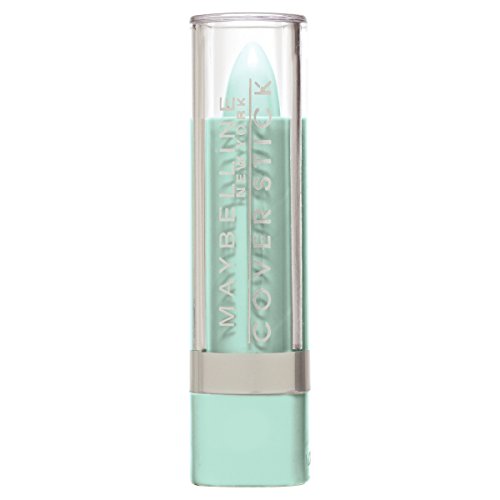
Conceals imperfections
Handle Midday Touch-Ups Without Starting Over
How do you salvage fading coverage without stripping everything back to bare skin? You’ll spot-treat instead. Pack a small bag with your original concealer, a travel brush, and blotting papers.
First, you’ll blot away oil and sweat gently—don’t rub. You’ll identify where coverage has worn thin, usually at edges or high-friction spots. You’ll tap a thin layer of concealer only onto those areas, feathering outward with your brush to blend with existing makeup. You’ll set immediately with powder to lock everything together.
You’ll avoid adding heavy layers; buildup draws attention. If color has shifted slightly, you’ll adjust with a tiny dot of corrector before concealer.
You’ll check your work in natural light. In two minutes, you’ll restore seamless coverage and continue your day confidently.
Recommended Products

CONCEAL & PERFECT: CMC Matte foundation is perfectly formulated to impart an oil-free, naturally flawless, seamless for makeup, with an ultra-lightweight texture that diffuses the look of pores while making your makeup look flawless.

BUILDABLE FULL COVERAGE - Buildable coverage from medium to full helps conceal blemishes, redness, and uneven skin tone with a smooth, natural-looking finish that never feels heavy or cakey.

Complete Coverage Camouflage: This tattoo cover makeup effectively conceals tattoos, scars, birthmarks, and skin discoloration with its highly pigmented, buildable formula that creates a flawless finish
Remove Cover-Up Safely and Restore Your Skin
The day won’t end until you’ve lifted every last layer off your skin without stripping it raw. You’ll reach for an oil-based makeup remover, not harsh rubbing alcohol. Massage it gently across the covered area, letting the oils break down the heavy pigment and setting spray. You’ll feel the product dissolve rather than drag.
You’ll rinse with lukewarm water, then cleanse with a mild, non-foaming face wash. You’re removing residue, not scrubbing tile grout. You’ll pat—never rub—your skin dry with a soft towel.
You’ll follow immediately with a fragrance-free moisturizer. Your skin’s barrier has worked overtime under those layers. You’ll give it peptides or ceramides overnight. You’ll skip exfoliants for twenty-four hours. You’ve covered the tattoo; now you’ll uncover healthy skin underneath.
Recommended Products
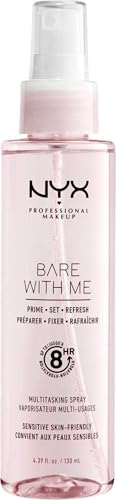
Prime, Set and Refresh: Infused with aloe and cucumber extracts, this sensitive skin friendly makeup setting spray, primer and face mist has your complexion covered; Use it at any stage of your makeup routine or alone to refresh your skin

MAKE YOUR MAKEUP LAST ALL DAY: Mehron’s Barrier Spray is a professional setting spray that seals your makeup for extreme long-lasting wear while preventing transfer, fading, or smudging. Locks in your makeup for all day wear.

18 HOUR HOLD: Say goodbye to midday touch-ups! This spray keeps your makeup looking fresh and flawless for a full 18 hours, so you can focus on living your day without worrying about your look.
Conclusion
You’ve got all the tools you need to hide any tattoo—big, small, colorful, or dark. With the right prep, color correction, and layering, your ink disappears completely. Set it properly and you’re set for hours. Whether it’s your neck, hand, or a bendy elbow, just adapt your technique and touch up as needed. When the day’s done, remove gently and let your skin breathe.