
You’ve just finished your laser tattoo removal session, and now your skin needs careful attention to heal properly. The next two days are critical, but what you do over the following weeks matters just as much. Get the aftercare wrong, and you risk infection, scarring, or diminished results. Here’s what your daily routine should look like.
Key Takeaways
- Apply ice packs wrapped in cloth for ten-minute intervals to reduce swelling immediately after treatment.
- Clean the area gently with mild, fragrance-free soap and lukewarm water twice daily.
- Apply a thin layer of provider-recommended ointment and cover with sterile, non-stick gauze.
- Avoid sun exposure for two weeks, then use SPF 50+ sunscreen religiously when outdoors.
- Monitor for infection signs like increased redness, warmth, pus, or fever, and contact your provider promptly.
Recommended Products

SUPERIOR PROTECTION & HEALING - Our transparent film dressing (4" x 4.7" after paper rim removal) acts as a reliable barrier against dirt, bacteria, and water. Creates a clean, breathable environment to support faster recovery for wounds, abrasions, IV sites, and post-surgical areas.

✡Various Purpose - Care for all types of wounds; Waterproof cover; Fixed dressing; Tattoo aftercare. It can help lock in the color, protect your tattooed skin, and reduce scabbing when you wash or moisturize your tattoo, quickly form a protective film then accelerate your recovery

Widely Used: Our tattoo film has grid lines on the backing paper, which can be cut into different sizes according to requirements. The size of the film is 6 inches x 8 yards, including 3 layers, namely PET backing, PU film and release paper. Soft and stretchable, which makes it fit perfectly anywhere in the body
Your First 48 Hours: Immediate Tattoo Removal Aftercare
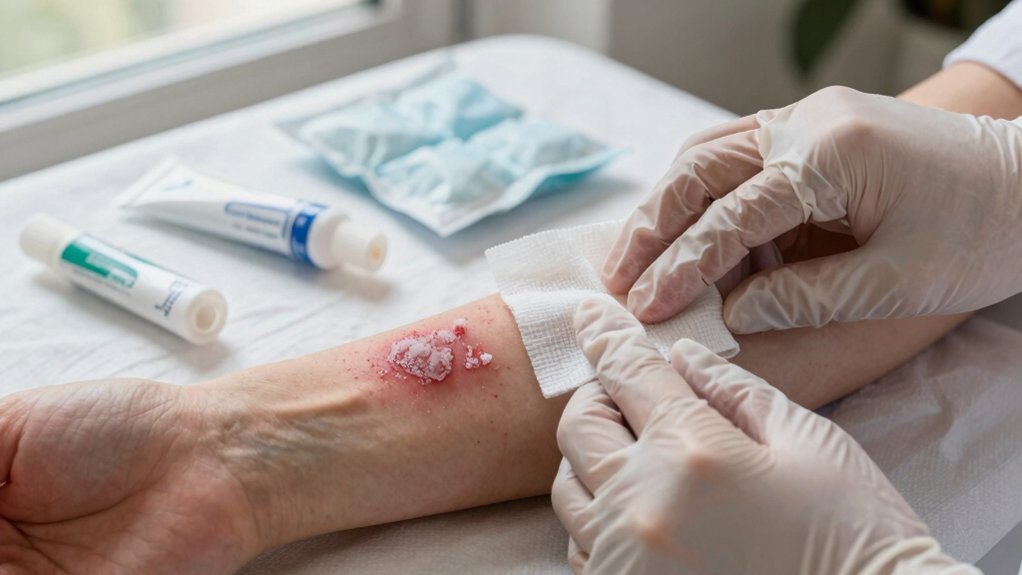
Where do you start when your laser session ends? You’ll begin with immediate cooling. Apply ice packs wrapped in clean cloth for ten-minute intervals. This reduces swelling and soothes the treated area. Don’t touch the skin directly with ice.
You’ll clean the area gently using mild, fragrance-free soap and lukewarm water. Pat dry—don’t rub. Apply a thin layer of antibiotic ointment your provider recommends. Cover with sterile, non-stick gauze. Secure it loosely.
You’ll keep the area elevated when possible, especially for limbs. This minimizes fluid buildup. Avoid tight clothing that creates friction against the site.
You’ll skip strenuous activity, hot showers, and swimming. Heat and sweat irritate freshly treated skin. Change your dressing daily or if it becomes wet. Watch for unusual redness, pus, or fever. Contact your provider immediately if these appear.
Recommended Products

GENTLY CLEANSES NEW TATTOOS - Use Repair Tattoo Wash during the healing process to keep your fresh tattoo ink clean or as a perfect prep wash before and after tattooing.

Gentle, Deep Cleansing: Tattoo Goo Foaming Cleansing Soap for tattoos and piercings helps remove impurities and clean the inked or pierced areas at a deep level by removing dirt, dead skin cells, and killing germs without damaging the skin

RICH LATHER, GENTLE FEEL: This unscented body wash is made with over 70% certified organic oils and a Baby Unscented castile formula that rinses clean, leaves skin feeling fresh, and fits daily family bathing, face washing, and hand care
How Laser Removal Creates a Controlled Wound
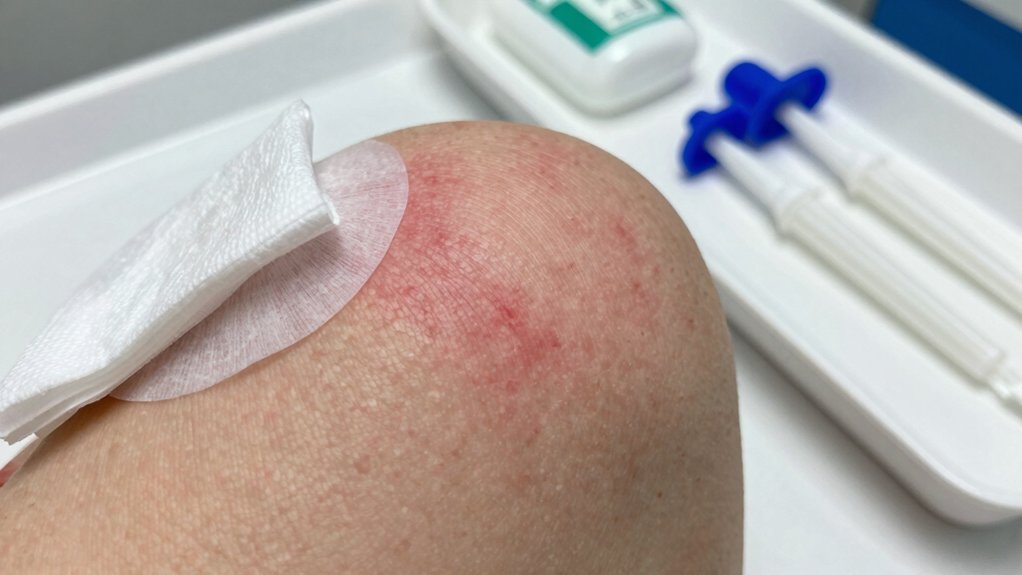
How does a laser actually eliminate ink you thought was permanent?
Your laser technician targets the tattoo with concentrated light energy that penetrates your skin and shatters ink particles into smaller fragments.
Your immune system recognizes these fragments as foreign invaders, and your lymphatic system gradually flushes them away.
This process doesn’t happen instantly—you’re witnessing a biological collaboration between technology and your body’s natural defenses.
However, this targeted destruction creates a controlled wound.
You’re intentionally damaging your skin’s upper layers to reach the ink trapped in your dermis.
Your body responds with inflammation, increased blood flow, and the mobilization of white blood cells.
You’re triggering your healing mechanisms, and this deliberate injury requires your careful attention.
Understanding this wound dynamic helps you appreciate why your aftercare directly impacts your results.
Recommended Products

PAIN-: Experience the comfort and ease of our non stick pads for wounds, designed by MED PRIDE for pain- removal and switching. Ideal for individuals dealing with wounds, these wound pads minimize discomfort during dressing changes, promoting faster healing and recovery.

Wound dressings for light bleeding, large surface cuts, scrapes, burns or post-surgical wounds
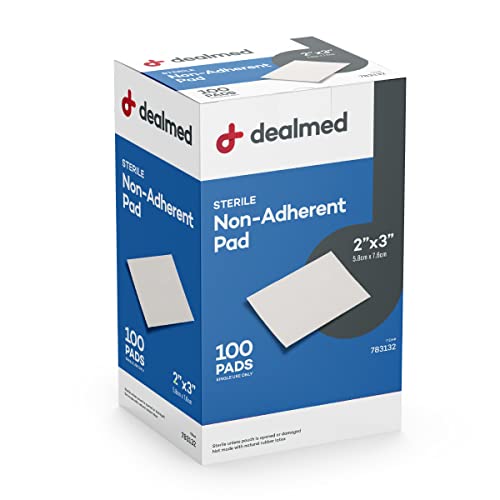
Dealmed Sterile Non-Adherent 2" x 3" Gauze Pads | Non-Adhesive Wound Dressing, Highly Absorbent & Non-Stick, Painless Removal-Switch, Individually Wrapped for Extra Protection (2" x 3" Box of 100)
Normal Healing Stages: When Blisters and Scabs Are Okay
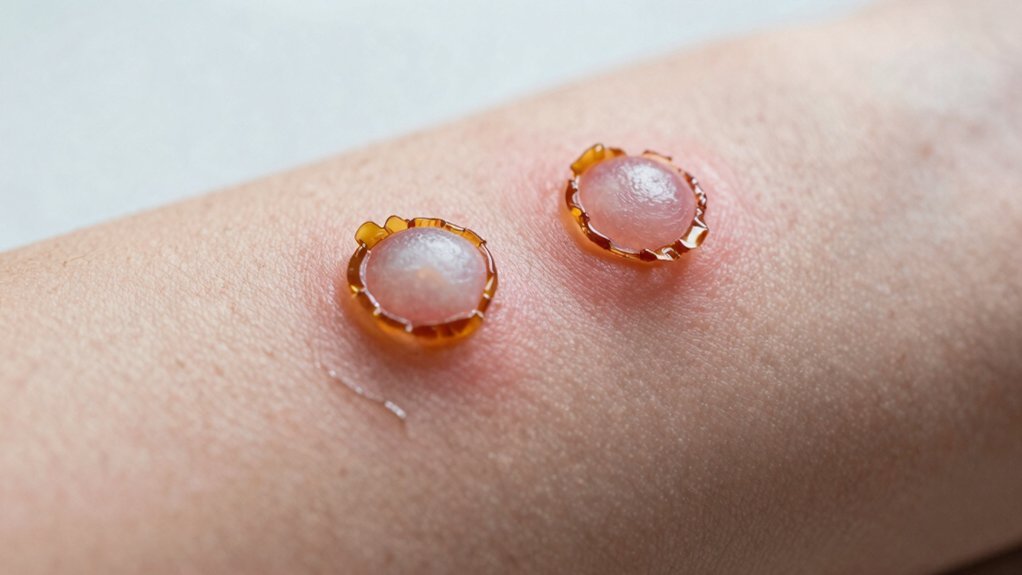
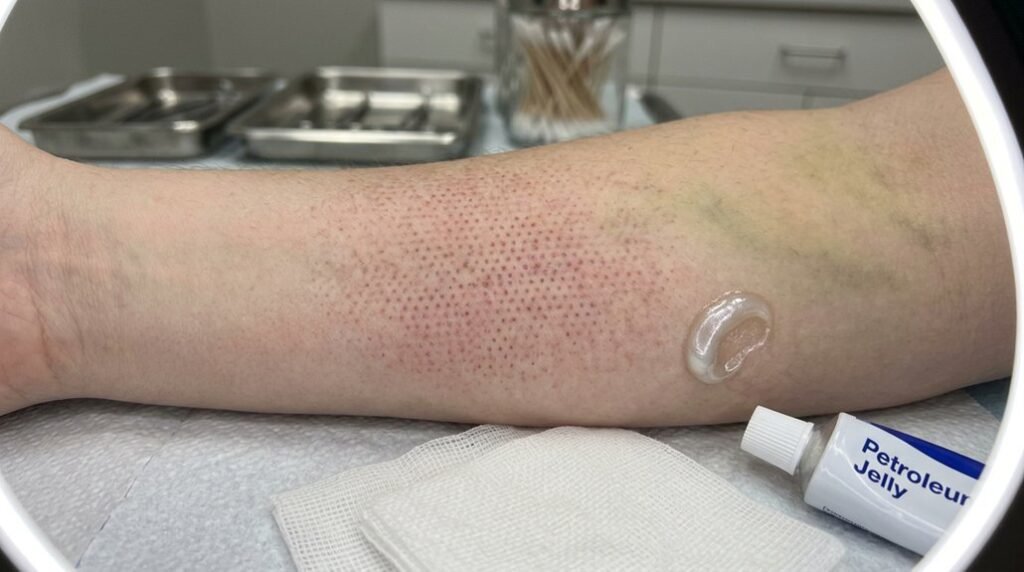
Why exactly does your skin react so dramatically after laser treatment? You’re witnessing your body’s defense system spring into action. The laser shattered tattoo pigment into tiny fragments, and now your immune system rushes to clear that debris. Blisters form within hours or days—that’s lymph fluid gathering to protect the wounded area. You’ll notice your skin reddens, swells, and feels warm. These responses signal healthy inflammation working for you.
Scabs develop as plasma dries over the treated zone. You’re building a natural barrier against bacteria. Don’t disrupt this process. Blisters typically deflate within three to five days. Scabs persist longer, often one to two weeks. You may observe pinpoint bleeding immediately after your session—that’s also normal.
Your body knows what it’s doing. Trust these stages; they indicate successful treatment and proper healing progression.
Recommended Products
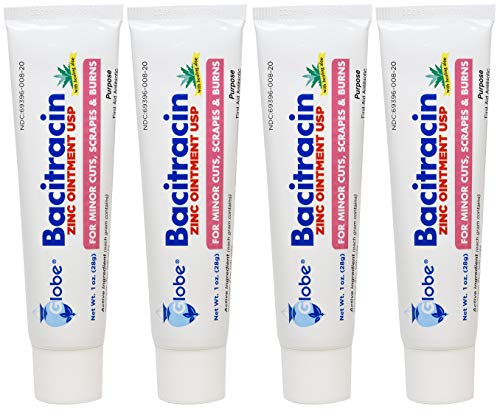
HEALING ACTION: We use specially formulated Bacitracin Zinc 500 with healing ALOE to promote fast effective healing for minor cuts, scrapes, and burns. This easy topical ointment promotes clean healthy repair for skin damage.

The Bacitracin Zinc Ointment USP from FifthPulse is a first aid antibiotic ointment that helps to soothe and heal minor wounds and burns.

【Enriched with Vitamins A & D】This tattoo scar gel is formulated with naturally derived vitamins A and D, plus skin-calming ingredients. It helps support your skin's natural recovery process while keeping the tattoo area moisturised.
Your Daily Aftercare Routine for Faster Healing
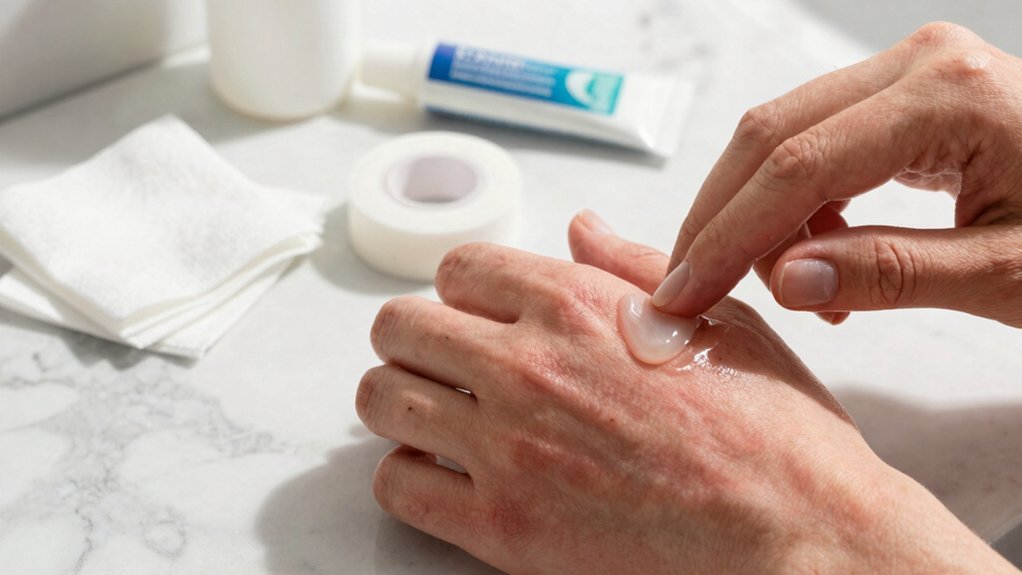
Your body has already launched its defense against the shattered pigment, but your daily actions determine how quickly you recover.
Wash the area gently twice daily with mild, fragrance-free soap and lukewarm water.
Pat dry—never rub—with a clean towel.
Apply a thin layer of healing ointment your provider recommends; reapply whenever the skin feels tight.
Keep the area slightly moist, not soggy.
Avoid picking scabs or popping blisters.
Sleep on clean sheets and wear loose, breathable clothing over the site.
Skip workouts, hot yoga, and swimming until skin closes.
Drink plenty of water and eat protein-rich foods to fuel cell repair.
Ice briefly for discomfort if needed, but wrap ice packs to prevent direct contact.
Check the area daily for warning signs of infection.
Consistency accelerates your results.
Recommended Products
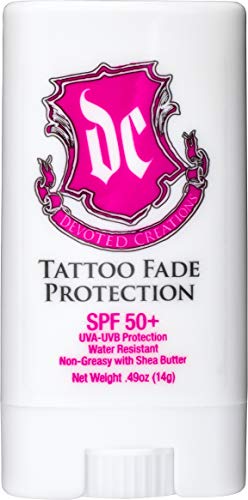
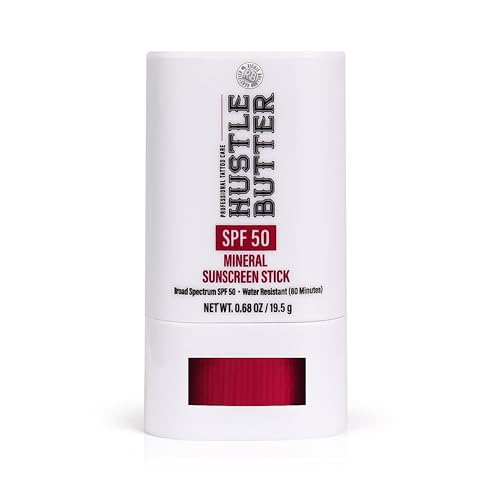
Tattoo Sun Protection, SPF 50: Our tattoo sunscreen stick provides broad-spectrum UVA/UVB coverage, preventing sun damage and fading, keeping tattoo ink vibrant and sharp.

BLOCKS 98% OF UV RAYS: These UPF 50+ sun sleeves shield your arms on a long bike ride, a round of golf, or a full day on the job, ditching the greasy reapply-every-hour sunscreen routine.
Sun Protection for Tattoo Removal: Preventing Permanent Damage
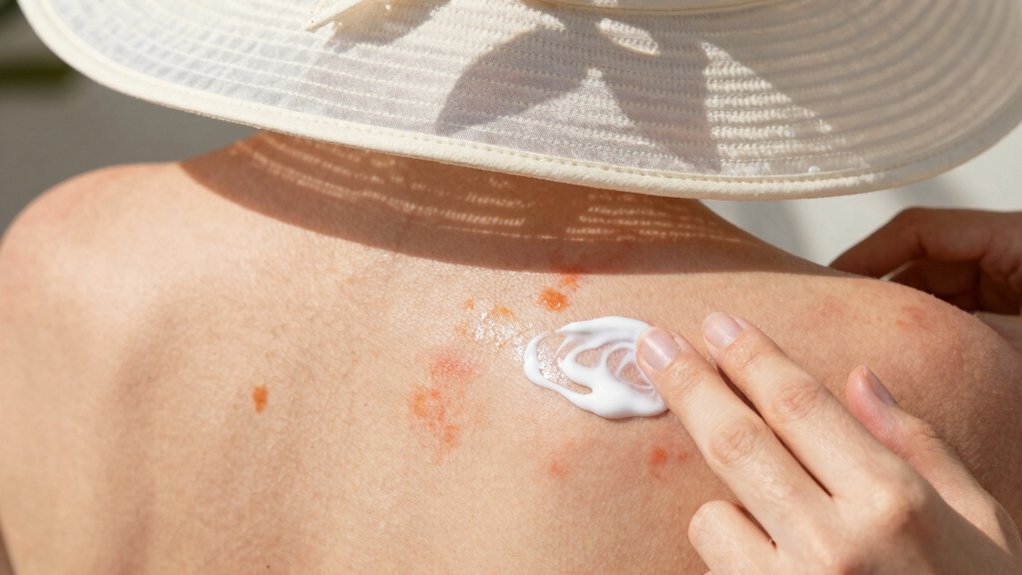
Where sunlight once made your ink pop, it now threatens lasting harm to healing skin. After laser tattoo removal, you’re dealing with compromised tissue that UV rays can permanently discolor or scar.
You’ll protect yourself by avoiding direct sun exposure completely during the first two weeks. When you do venture outside, you’re applying broad-spectrum SPF 50 or higher to the treated area, reapplying every two hours. You’re wearing UPF-rated clothing over the site whenever possible.
Don’t skip protection on cloudy days; UV penetrates clouds and damages vulnerable skin. You’re also steering clear of tanning beds entirely—they’re concentrated harm.
If blisters form, you’re keeping them shielded from all light until they resolve. Your diligence now prevents hyperpigmentation and textural changes that no later treatment can fully reverse. You’re safeguarding your skin’s future appearance.
Recommended Products

THE ORIGINAL TATTOO AFTERCARE BANDAGE – Saniderm’s Original Gloss Bandage is the tried-and-true, industry-defining tattoo aftercare bandage. Dermatologist-recommended and trusted by expert tattoo artists worldwide, this medical-grade bandage ensures your tattoo heals quickly, safely, and more vibrantly. With over a decade of experience and millions of tattoos healed, it’s the perfect way to heal your ink.

Transparent Matte Film Protection - This breathable tattoo bandage is a must-have in your tattoo supplies, offering latex-free protection that supports gentle healing for new ink.

THE ORIGINAL TATTOO AFTERCARE BANDAGE – Saniderm’s Original Gloss Bandage is the tried-and-true, industry-defining tattoo aftercare bandage. Dermatologist-recommended and trusted by expert tattoo artists worldwide, this medical-grade bandage ensures your tattoo heals quickly, safely, and more vibrantly. With over a decade of experience and millions of tattoos healed, it’s the perfect way to heal your ink.
Anti-Inflammatory Eating to Support Wound Healing
How does your body rebuild itself after laser tattoo removal? You fuel the process through anti-inflammatory eating. Your immune system clears ink particles while your skin repairs itself, and the right foods accelerate this work.
You’ll want to pile your plate with omega-3-rich salmon, walnuts, and flaxseeds. They actively calm inflammation at the cellular level. You should also eat leafy greens and colorful berries packed with antioxidants that neutralize free radicals generated during laser treatment. Turmeric and ginger add potent anti-inflammatory compounds to your meals.
You must avoid processed sugars, refined carbohydrates, and excessive alcohol. These trigger inflammatory responses that slow your healing timeline. Instead, you prioritize lean proteins like chicken and legumes, which supply amino acids for tissue reconstruction.
You hydrate consistently too. Water transports nutrients and flushes cellular waste. Your dietary choices actively shape your recovery speed.
Recommended Products

PERFECT FOR THE TATTOO ARTIST AND COLLECTOR – Whoever you are, you want to make your tattoo aftercare experience convenient and effortless. This soap ensures the tattoo always leaves the shop or house sanitized and moisturized.

GREAT FOR NEW TATTOOS - H2Ocean Blue Green Foam Soap cleanses skin on and around new tattoos and the addition of aloe vera aids the healing process.

Dial Antibacterial & Sensitive Liquid Hand Soap kills more than 99.9% of bacteria encountered in household settings
Infection Warning Signs to Watch For
What should you watch for while your skin heals? Monitor your treated area closely for early infection indicators. You’ll notice increasing redness, warmth, or swelling that worsens after day three rather than improving. Watch for yellow or green pus oozing from the site, accompanied by a foul odor. Track any fever spikes or chills, as these signal your body’s systemic response to bacteria. Observe whether red streaks radiate outward from the wound, indicating lymphatic involvement. Note escalating pain that doesn’t respond to basic care.
If you spot thick scabs that darken rapidly, or if skin becomes hot to touch, contact your provider immediately. Don’t wait for symptoms to resolve on their own; infections progress quickly and require antibiotic intervention to prevent scarring or complications.
Recommended Products

Rayon-Polyester Blend: These 2x2 small gauze pads are made from 70% Rayon – 30% polyester non-woven blend, ensuring enhanced softness, breathability and comfort.

CONVENIENCE: Experience the ultimate convenience with our 2x2 gauze pads, individually packed for easy access and guaranteed sterility. Each gaze pad is designed to maintain the cleanliness of your wound care supplies, reducing infection risk and promoting faster healing.
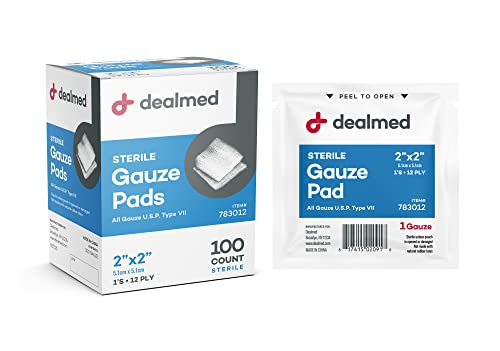
Dealmed Sterile Gauze Pad Wound Dressing: The Dealmed Sterile Gauze Pads are designed with high grade USP Type VII cotton that withstands both wet-to-moist and wet-to-dry dressing. They are well suited for any small wounds, cuts, abrasions, ulcers, and more. Depending on wound size, the gauze pads can be easily cut to the prefct size that is needed.
When to Schedule Your Next Tattoo Removal Session
Why rush your next appointment when your skin hasn’t finished healing? You must wait until your skin fully recovers before scheduling your next session. Most technicians recommend spacing treatments six to eight weeks apart, though larger or more complex tattoos may require ten to twelve weeks.
You should monitor your healing progress closely. Wait until blistering subsides, scabs fall off naturally, and redness fades completely. Your technician will assess your skin’s readiness during a brief consultation. They’ll evaluate how well the pigment broke down and whether your immune system has cleared enough ink to justify another treatment.
Rushing increases your risk of scarring, hypopigmentation, and permanent skin damage. Patience yields better results. Trust your provider’s timeline, and resist the urge to accelerate your removal process for faster completion.
Recommended Products

QUICK HEALING:A&D ointment gel is rich in essential vitamins A and D,which is very important for aftercare microblading ,effectively helping to remove burns,cuts,surgical marks and the impact of marks on beauty

MAXIMUM STRENGTH ANTIBIOTIC OINTMENT – Provides 24-hour protection for minor cuts, scrapes, and burns. Formulated with fast-acting lidocaine to numb pain quickly and bacitracin zinc to help ward off skin infection. Ideal for emergency use and first aid wound care supplies.

Nourishes Healing Ink for Vibrant Color: Tattoo Goo supports healing tattoos & maintains vibrancy on healed ink with a lightweight formula rich in olive oil, lavender oil, cocoa butter, and beeswax. It absorbs quickly, moisturizes deeply, and helps reduce dryness, itch and tightness so your tattoo looks and feels comfortable through everyday routines
Protecting Your Results: Aftercare Between Sessions and Beyond
Where exactly does your responsibility end after you leave the clinic? It doesn’t. You maintain control over your results through consistent daily habits.
Protect your treated skin from sun exposure; UV rays darken residual ink and compromise fading. Apply broad-spectrum SPF 50+ religiously, even on cloudy days. You avoid tanning beds entirely—they reverse your progress.
You keep the area moisturized with fragrance-free lotion, preventing dryness and itching without scratching. You skip harsh exfoliants and let your skin heal naturally between sessions.
Hydration speeds cellular turnover, so you drink water abundantly. You maintain a healthy lifestyle—smoking slows lymphatic clearance, slowing visible results.
Each session builds on previous care. You protect your investment through disciplined aftercare, ensuring optimal fading. Your commitment determines the timeline and final outcome.
Recommended Products

POWERFUL MINERAL SUNSCREEN - Protect sensitive skin from the sun’s harmful rays with Blue Lizard Sensitive Mineral SPF 50 Sunscreen Lotion it contains no harsh chemical active ingredients that might irritate sensitive skin.

Tattoo-Safe Mineral Formula: Our tattoo sunscreen lotion uses non-nano zinc oxide, a physical barrier that sits on the skin to block UVA/UVB rays without penetrating or irritating tattoos. This helps prevent fading, discoloration, or damage to tattoo ink caused by sun exposure.

ZINC OXIDE-ONLY SUNSCREEN - Protect sensitive skin with Blue Lizard Sensitive Mineral Sunscreen Stick SPF 50. Formulated with Zinc Oxide, it contains no harsh chemical active ingredients that might irritate sensitive skin.
Conclusion
You’ll heal best when you commit to your daily routine: gentle cleansing, keeping the area moisturized, and protecting it from sun damage. Don’t rush between sessions—your skin needs time to recover fully. Watch for warning signs like spreading redness or fever, and contact your provider if you’re concerned. With proper aftercare, you’re giving yourself the best chance for clean, complete removal. Trust the process, follow your provider’s guidance, and stay patient with your results.