
You’re about to make a permanent decision, and the difference between a tattoo you’ll love and one you’ll regret starts long before the needle touches your skin. Most first-timers focus on the design, but that’s only the beginning. What you don’t know about artist selection, placement, and healing could cost you far more than money.
Key Takeaways
- Research artists thoroughly by reviewing healed work, certifications, and sterilization practices before booking.
- Select stable body placement like upper arms or thighs to ensure tattoo longevity and minimize fading.
- Budget appropriately for quality work and prepare mentally for pain levels varying by location.
- Eat well, stay hydrated, and bring snacks to maintain energy throughout your tattoo session.
- Follow aftercare instructions carefully: keep the bandage on initially, wash gently, and avoid soaking the area.
Recommended Products

GENTLY CLEANSES NEW TATTOOS - Use Repair Tattoo Wash during the healing process to keep your fresh tattoo ink clean or as a perfect prep wash before and after tattooing.

Gentle, Deep Cleansing: Tattoo Goo Foaming Cleansing Soap for tattoos and piercings helps remove impurities and clean the inked or pierced areas at a deep level by removing dirt, dead skin cells, and killing germs without damaging the skin

ESSENTIAL AFTERCARE FOR TATTOOS & PIERCINGS: After Inked Aftercare Foam Cleanser is designed to gently cleanse and remove dirt from tattoos, piercings, and body modifications. It provides an effective yet soothing clean without causing skin irritation or dryness.
Is a First Tattoo Right for You? Cost, Pain, and Commitment
Why consider a tattoo now? You’ve likely thought about designs, placements, or meanings that resonate with you. Before you commit, you’ll weigh three factors carefully.
Cost demands your attention first. Quality work isn’t cheap, and you’ll pay anywhere from $50 for small pieces to hundreds for complex designs. You get what you pay for, so don’t bargain hunt with your skin.
Pain varies wildly depending on location. Ribcage and bone hurt more; fleshy areas hurt less. You’ll tolerate it differently than others do, so prepare mentally.
Commitment matters most. This stays forever. You’ll live with this choice through job changes, relationships, and aging skin. Ask yourself: does this design still excite you? Will it in twenty years? You’re not just buying art—you’re becoming it.
Recommended Products
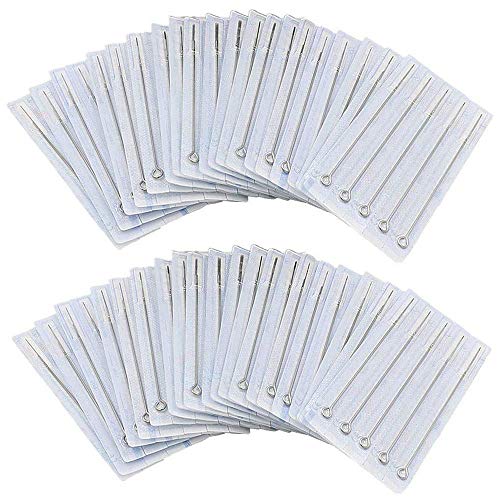

JimKing Tattoo needles and tips are packaged in a disposable sterilization box to prevent secondary infections.
Vet Your First Tattoo Artist Before Booking
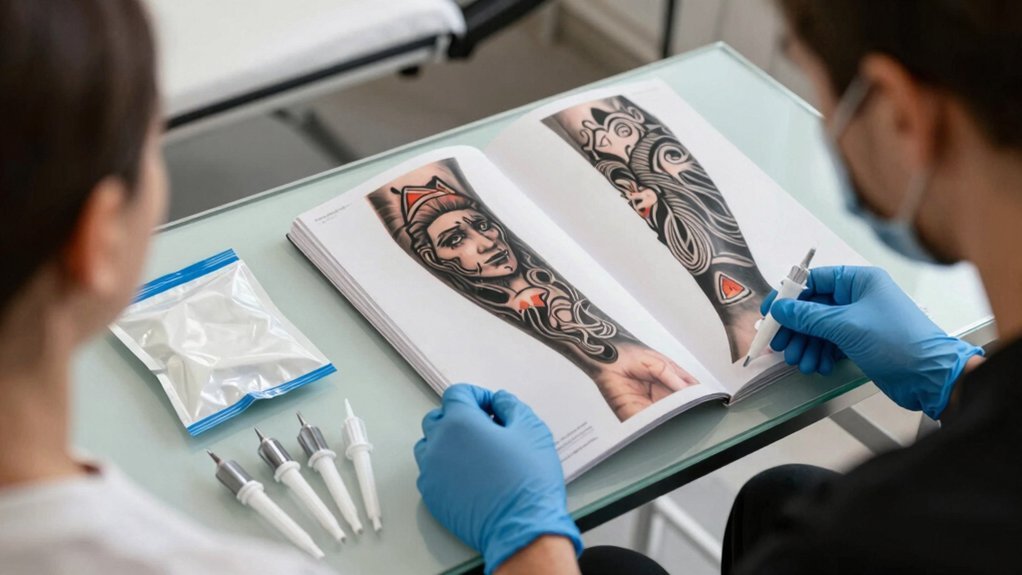
Where do you begin when every artist promises exceptional work? You start by digging deeper than Instagram highlights. You scour healed tattoo photos, not fresh ones, because time reveals true skill. You read recent reviews across multiple platforms, watching for patterns in client experiences. You verify health department certifications and inspect studio cleanliness during consultations. You ask artists directly about their sterilization protocols and ink sourcing. You request to see their portfolio’s weakest pieces—every artist has them, and transparency builds trust. You discuss their experience with your specific style, not just their overall reputation. You trust your gut when interactions feel rushed or dismissive. You compare pricing, but you don’t bargain hunt. You remember that great artists book out months ahead, and you don’t let impatience override diligence.
Recommended Products
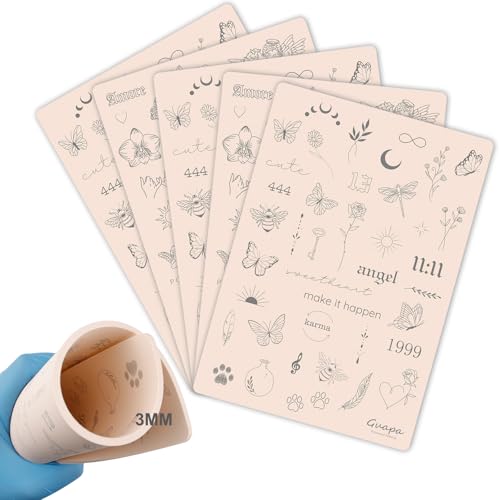
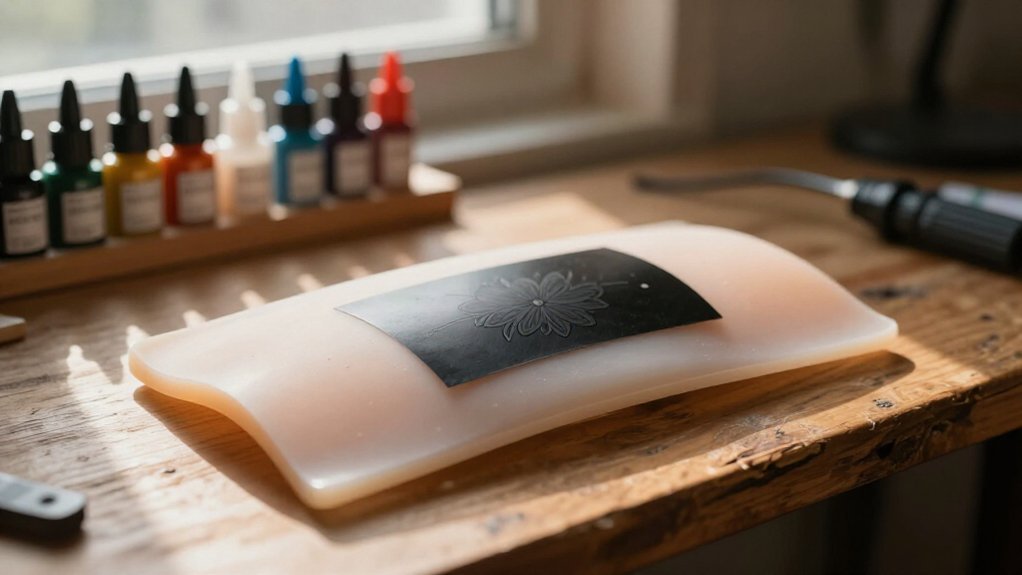
3MM Tiny Tattoo Practice skin Made from high-quality materials, it is closely mimic the texture and feel of real human skin. This gives you a realistic experience, allowing you to refine your skills before working on actual clients

Premium Quality 1.5mm Silicone Material – Crafted from premium 1.5mm thick silicone, this tattoo skin offers a true-to-life feel with excellent durability and a smooth surface for effortless needle movement during practice.

Premium Quality 1.5mm Silicone Material – Crafted from premium 1.5mm thick silicone, this tattoo skin offers a true-to-life feel with excellent durability and a smooth surface for effortless needle movement during practice.
Pick Placement and Design That Won’t Blur or Fade
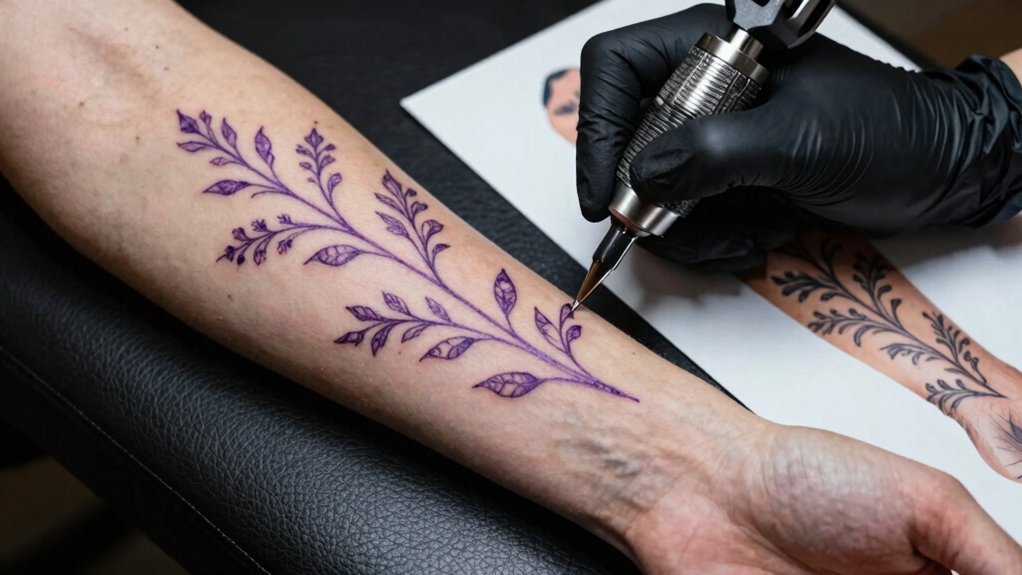
How soon will your bold new ink turn into a smudged memory? It depends on where you place it and what you choose.
Avoid areas that stretch constantly—hands, feet, elbows, and knees blur fastest because skin there regenerates aggressively. You’ll want stable zones: your upper arm, outer thigh, back, or chest. These spots endure less friction and sun exposure.
Keep lines bold and details minimal; intricate designs collapse into gray blobs over time. Black ink outlasts colors, especially pastels. If you crave vibrant hues, anchor them with strong black outlines.
You’ll also need to commit to SPF 50+ for life. UV rays fade ink relentlessly, so cover up or slather sunscreen on exposed pieces.
Choose wisely now, and your art stays crisp for decades.
Recommended Products

✡Various Purpose - Care for all types of wounds; Waterproof cover; Fixed dressing; Tattoo aftercare. It can help lock in the color, protect your tattooed skin, and reduce scabbing when you wash or moisturize your tattoo, quickly form a protective film then accelerate your recovery

After tattoo care:Helps safeguard new tattoos or retouched areas, supporting a cleaner, smoother healing process. It can help lock the color, protect your tattooed skin, reduce scab when you wash or moisturize your tattoo, quickly form a protective film, and then accelerate your recovery.

Widely Used: Our tattoo film has grid lines on the backing paper, which can be cut into different sizes according to requirements. The size of the film is 6 inches x 8 yards, including 3 layers, namely PET backing, PU film and release paper. Soft and stretchable, which makes it fit perfectly anywhere in the body
What to Expect During the Session (Timing, Sensation, and Tipping)
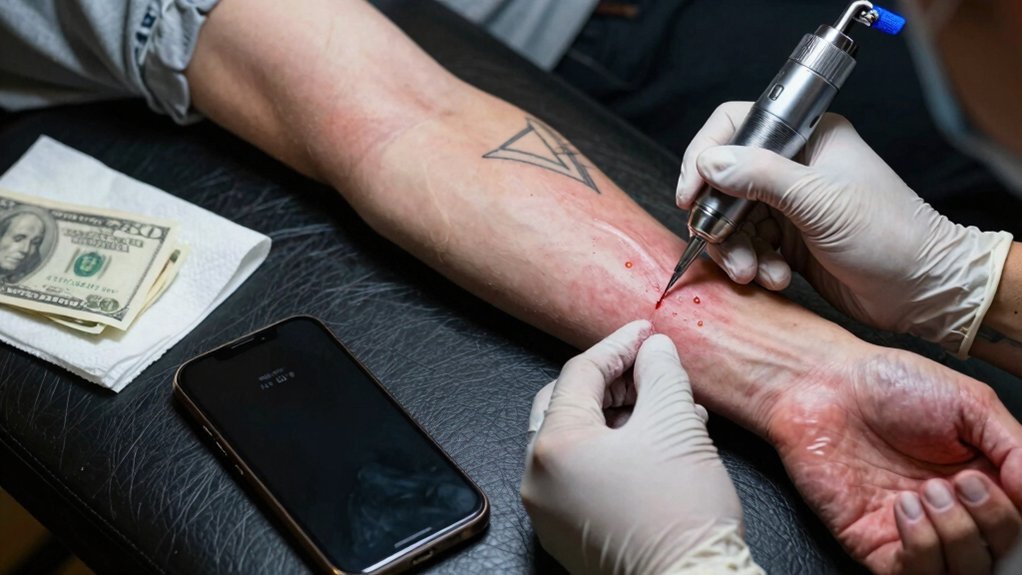
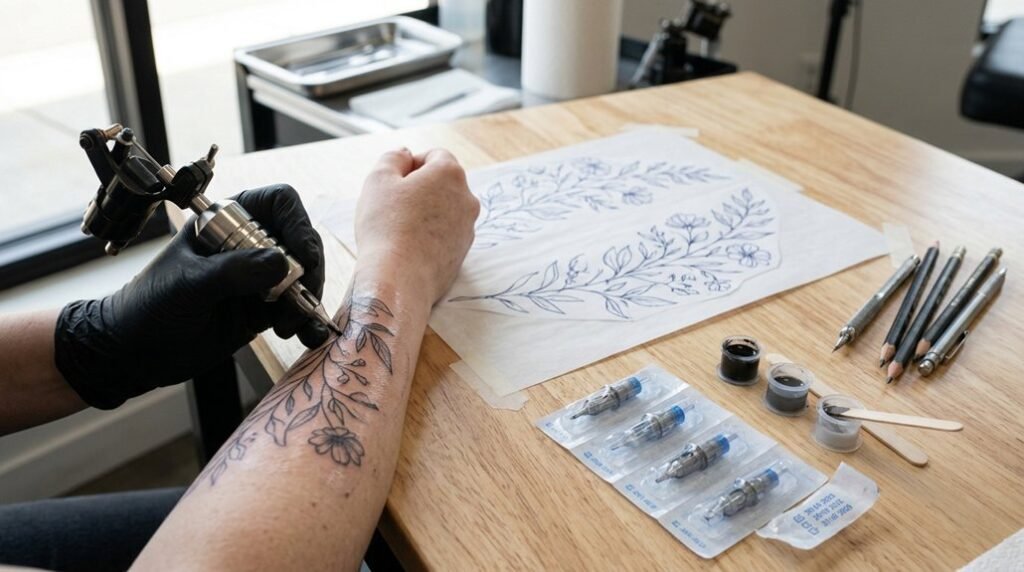
What’ll actually happen once the needle buzzes to life? You’ll feel a scratchy, burning vibration. Some areas hurt more than others—ribs, feet, and inner arms sting sharper than outer arms or calves. Breathe through it. Your artist will wipe and stretch your skin repeatedly. Sessions stretch from one hour to eight, depending on size and complexity. Bring snacks and water. You’ll need breaks.
Time drags at first, then you settle. Adrenaline helps. Don’t flinch; sudden moves cause mistakes. Trust your artist’s guidance on positioning.
When you finish, you’ll tip. Twenty percent remains standard for good work. Hand it in cash, directly. Your artist earns commission splits, so gratuity matters. You’ll leave sore, bandaged, and already planning your next piece.
Recommended Products

Package includes 3 pairs of tattoo cover sleeves, black, grey, nude color. Tattoo cover sleeves are available in a variety of colors and quantities, which can be used and replaced in your daily life.

👍【Premium-Quality Tattoo Cover Up Patch】The tattoo cover up sleeves are crafted with elastic spandex and nylon fabrics, very soft and comfortable, dry and breathable. Has strong sweat absorption ability, the nice flexibility will not tighten your arm, let you wear comfortably.

NO SLIP GRIPPER -- No Tags -- No Chafe Seams -- Our flat lock seam is so comfortable you might even forget your wearing one of our tattoo cover ups.
Shower, Moisturize, and Protect: Your First 48 Hours of Healing
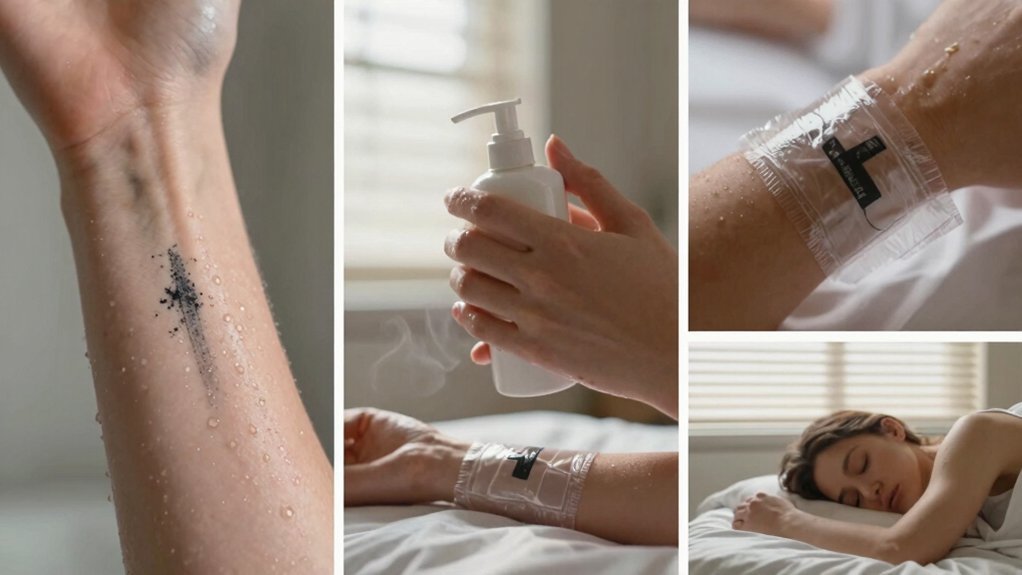
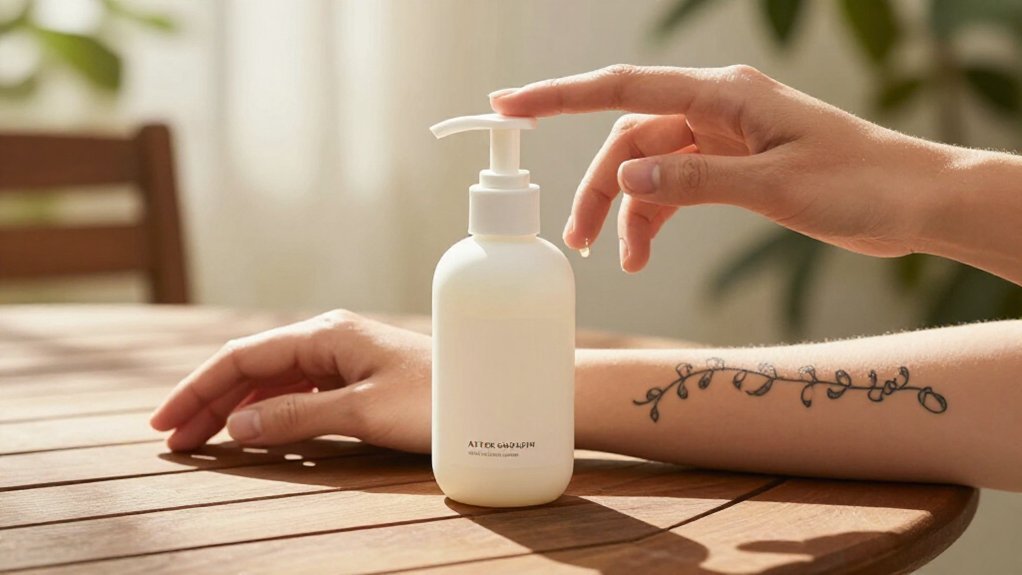
So you’ve made it through the needle—now the real work begins. You’ll keep that bandage on for two to six hours, then wash your hands and gently cleanse the tattoo with unscented soap. Pat it dry—don’t rub.
Apply a thin layer of fragrance-free moisturizer or your artist’s recommended ointment. You’ll repeat this washing and moisturizing ritual two to three times daily. Don’t soak your new ink—no baths, pools, or hot tubs. You’ll take quick, lukewarm showers instead.
Wear loose clothing that won’t stick or rub against your fresh tattoo. You’ll sleep on clean sheets and avoid direct sunlight. Don’t scratch or pick at scabs. You’ll trust the process, keep it clean, and let your body heal. Your artist gave you instructions—follow them.
Recommended Products

GREAT FOR NEW TATTOOS - H2Ocean Blue Green Foam Soap cleanses skin on and around new tattoos and the addition of aloe vera aids the healing process.

CLEAN SCENTED - Our body wash is made with clean, nourishing plant oils designed to moisturize and gently cleanse your skin. Enjoy the sweet aroma of coconut with a warm vanilla undertone to help you revitalize and reset.

COMPLETE AFTERCARE KIT FOR NEW & EXISTING TATTOOS: This Tattoo Aftercare Kit brings together 3 essentials, Antimicrobial Soap, Tattoo Balm, and Tattoo Lotion, to help cleanse, protect, and moisturize fresh ink. Useful after tattoo sessions and throughout healing, it supports vibrant color and skin comfort for dedicated ink enthusiasts and artists
Conclusion
Your first tattoo journey rewards preparation, not shortcuts. You’ve budgeted wisely, vetted your artist thoroughly, and chosen placement that’ll age gracefully. During the session, you’ll breathe through the sensation and tip generously. Then you’ll follow aftercare religiously. Trust the process, respect the permanence, and you’ll carry meaningful art that lasts decades. Now book that consultation—you’re ready.
Recommended Products

ANTI-REFLUX MEMBRANE DESIGN – Engineered with a high-quality elastic band and integrated plastic membrane, these 1005RL cartridges effectively prevent ink backflow. This ensures a clean workflow by keeping ink out of your rotary pen tube, reducing cross-contamination risks and making cleanup significantly faster during detailed line work.

Complete Packaging: 50pcs mixed size tattoo cartridge needles set, includes 5pcs each of 1205RL 1207RL 1209RL 1205RS 1207RS 1209RS 1207RM 1207M1 1215M1 1215RM. The unique design of the needle can store more ink, and the sharp needle thread better completes tattoo activities, suitable for both professional tattoo artists and beginners.

Cartridge Needles Sizes: 20 pcs tattoo cartridge needles include 3RL 5RL 5RM 7RM, each size has 5pcs. Those tattoo needles can be used for lining and shading, which can assist you with the entire tattoo work