
You’re standing at the threshold of something permanent, and the rush to decide can feel overwhelming. But rushing is where mistakes hide—faded lines, misplaced symbols, years of cover-up regret. The difference between a tattoo you’ll love and one you’ll laser away starts with patience. There’s a method to choosing wisely, and it begins before you ever step into a shop. You’ll want to know what comes next.
Key Takeaways
- Spend months collecting meaningful images and symbols rather than following temporary trends.
- Choose fleshy areas like outer arms or thighs to reduce pain and preserve sharp lines long-term.
- Research artists through healed photos, in-person shop visits, and trusted friend recommendations.
- Budget for hourly rates, deposits, 20% tips, and aftercare supplies to avoid future costly fixes.
- Follow all aftercare instructions carefully using only unscented soap and fragrance-free lotion.
Recommended Products

Gentle, Deep Cleansing: Tattoo Goo Foaming Cleansing Soap for tattoos and piercings helps remove impurities and clean the inked or pierced areas at a deep level by removing dirt, dead skin cells, and killing germs without damaging the skin

GENTLY CLEANSES NEW TATTOOS - Use Repair Tattoo Wash during the healing process to keep your fresh tattoo ink clean or as a perfect prep wash before and after tattooing.

COMPLETE AFTERCARE KIT FOR NEW & EXISTING TATTOOS: This Tattoo Aftercare Kit brings together 3 essentials, Antimicrobial Soap, Tattoo Balm, and Tattoo Lotion, to help cleanse, protect, and moisturize fresh ink. Useful after tattoo sessions and throughout healing, it supports vibrant color and skin comfort for dedicated ink enthusiasts and artists
Choose Your First Tattoo Design (Without Regretting It Later)
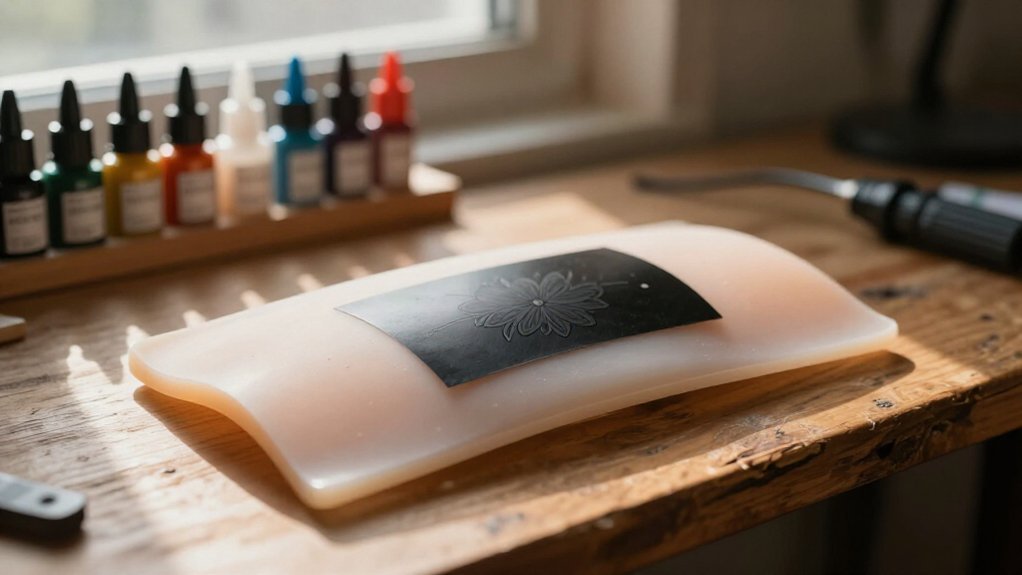
How do you pick art you’ll still respect years from now? You look inward first. You ask what genuinely moves you beyond trends or peer pressure. You collect images, words, and symbols over months, not days. You test concepts by living with them—sketch them, tape prints to your mirror, see if they grow on you or fade.
You avoid copying celebrity designs. You work with artists who’ll refine your vision, not just stencil it. You consider scale and detail; tiny lines blur, bold shapes age better.
You sleep on every decision. If you still crave it after six months, you’re onto something real. Trust that patience now saves you from costly cover-ups later. Your future self deserves that respect.
Recommended Products

16-fluid ounce bottle of Lubriderm Fragrance Free Daily Moisture Lotion + Pro-Ceramide, Shea Butter and Glycerin to help restore skin's moisture barrier for healthier-looking skin

Protect Your Body Art: Moisturizing with the bonus of itch relief! Tattoo Goo's Tattoo Care Lotion soothes healing skin & keeps healed ink looking sharp for life. With olive oil & glycerin, it delivers deep, breathable hydration that won’t clog pores

24-hour results: Clinically proven to help moisturize dry skin for 24 hours** with Pro-Ceramide and glycerin, this hydrating lotion helps strengthen your skin’s natural moisture barrier for healthier-looking, hydrated skin
Pick the Right Placement: Pain, Visibility, and Aging
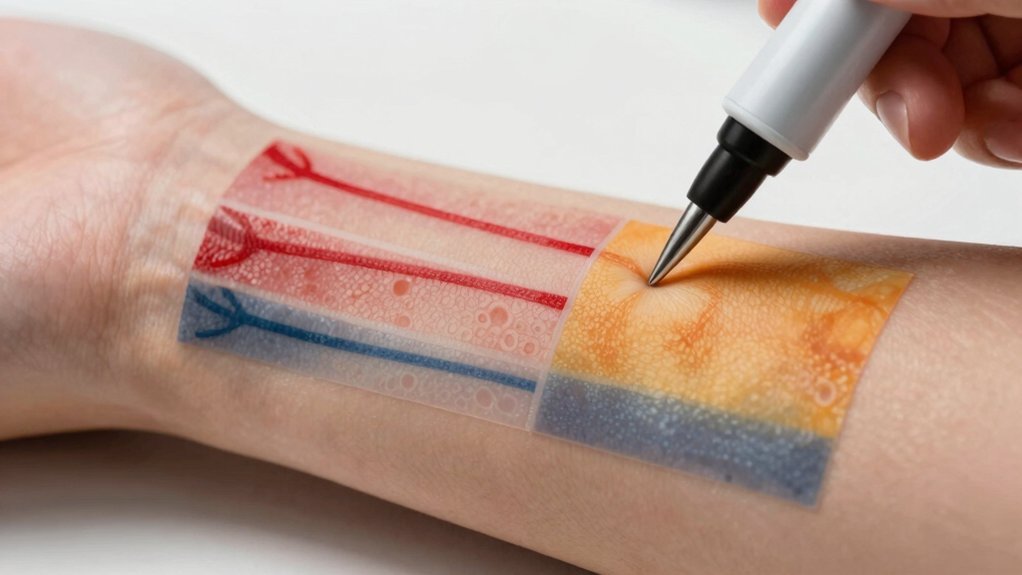
Where you place your tattoo determines how much it’ll hurt, who sees it, and how it’ll age. You’ll feel more pain over bone and nerve clusters—ribs, ankles, and collarbones sting sharply. Fleshier spots like the outer arm or thigh dull the sensation considerably.
Think hard about visibility. You’ve got to contemplate your career, your family, and your comfort with strangers asking questions. A forearm piece announces itself daily; a back or hip tattoo stays private unless you reveal it.
Aging matters too. Skin stretches, sags, and wrinkles—places like the stomach, upper arms, and chest transform more dramatically over decades. You’ll preserve sharper lines longer on stable areas like the outer shoulder or calf. Weigh all three factors together before you commit.
Recommended Products

Long-Lasting Relief, Maximum Comfort: This numbing cream delivers prolonged analgesic effects, quickly relieving itching, pain, burning sensations, and significantly reducing swelling. It effectively desensitizes the skin for a comfortable experience.
Long-Lasting Relief, Maximum Comfort: This numbing cream delivers prolonged analgesic effects, quickly relieving itching, pain, burning sensations, and significantly reducing swelling. It effectively desensitizes the skin for a comfortable experience.
Long-Lasting Relief, Maximum Comfort: This numbing cream delivers prolonged analgesic effects, quickly relieving itching, pain, burning sensations, and significantly reducing swelling. It effectively desensitizes the skin for a comfortable experience.
Find a Reputable Tattoo Artist Near You
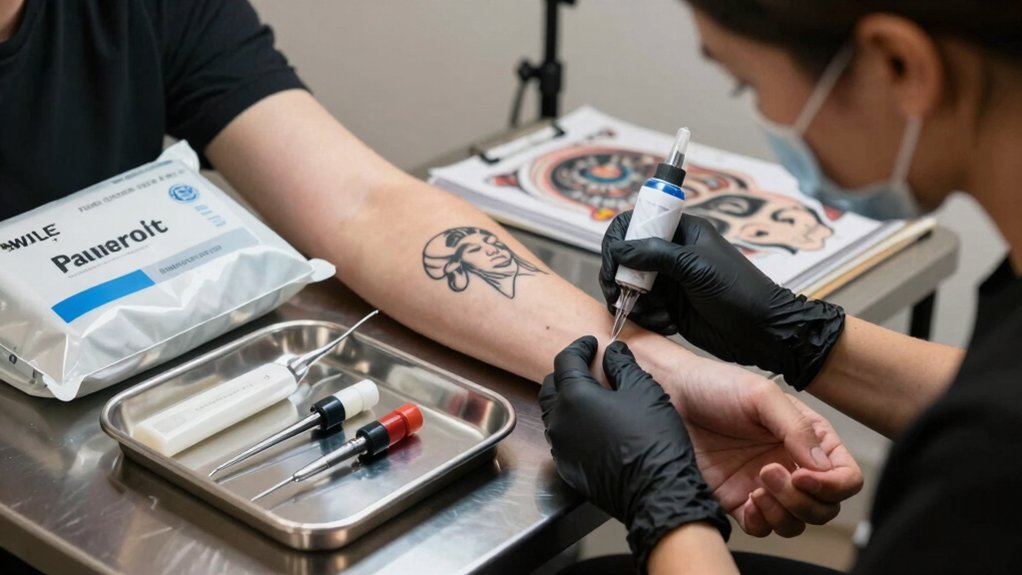
Once you’ve settled on a design and placement, you’ll need to track down an artist who can actually execute it well. Start by scrolling through Instagram and searching location tags for your city. You’ll spot styles that resonate with you—note those artists. Check their healed tattoo photos, not just fresh work. Ask friends with quality ink for recommendations.
You’ll want to visit shops in person before booking. Notice whether the space looks clean, organized, and professional. Ask about their sterilization practices and licensing. Most reputable artists maintain portfolios and welcome consultations. You’ll discuss your idea, size, and placement during this meeting.
Trust your gut—if someone rushes you, dismisses your concerns, or pressures you into deciding, keep looking. You’ll invest significant money and permanence here, so don’t settle for convenience over quality.
Recommended Products

🐤【24 Sheets Temporary Tattoos For Men Women Kids】Brand FANRUI Distinctive Design Black Realistic Temporary Tattoos For Women Men Adults Lady Lovers Female Child DIY 3D Custom Tattoo Cover Up Makeup Tips Styling Tools.

Material and Size: crafted from fabric, these tattoo sleeves a skin-friendly experience for all users; Designed for men, the arm sleeve tattoo fits snugly at 18.11 inches/46 cm, plus size is suitable for those with wide arms, while one size is for regular arms, comfortable fit that feels natural on your skin

American Made Quality - Proudly made in the USA with premium craftsmanship delivering high-quality protection and durability. Black full arm sleeves in Extra Large/2XL size for reliable coverage.
What Happens During Your First Tattoo Session
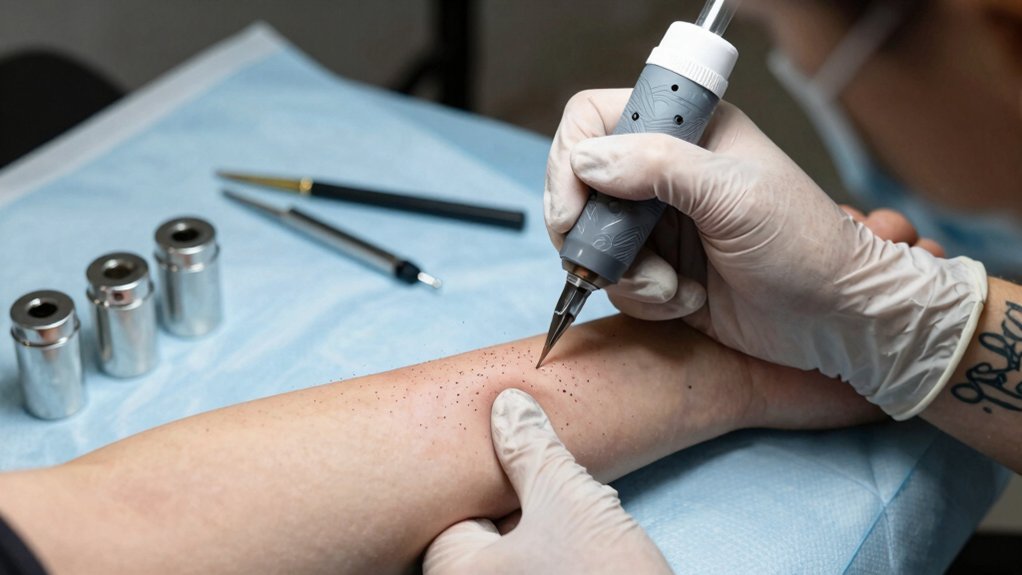
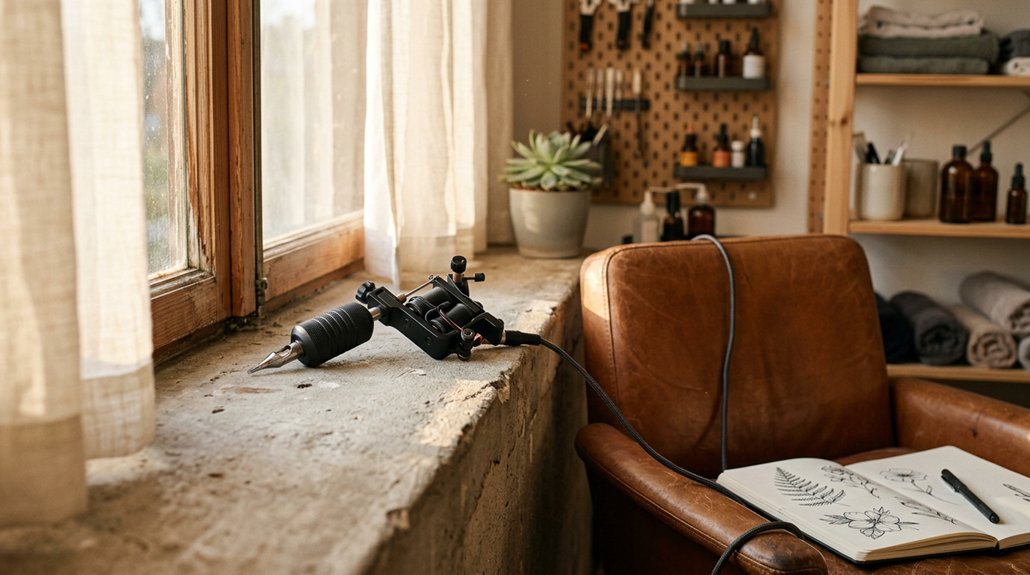
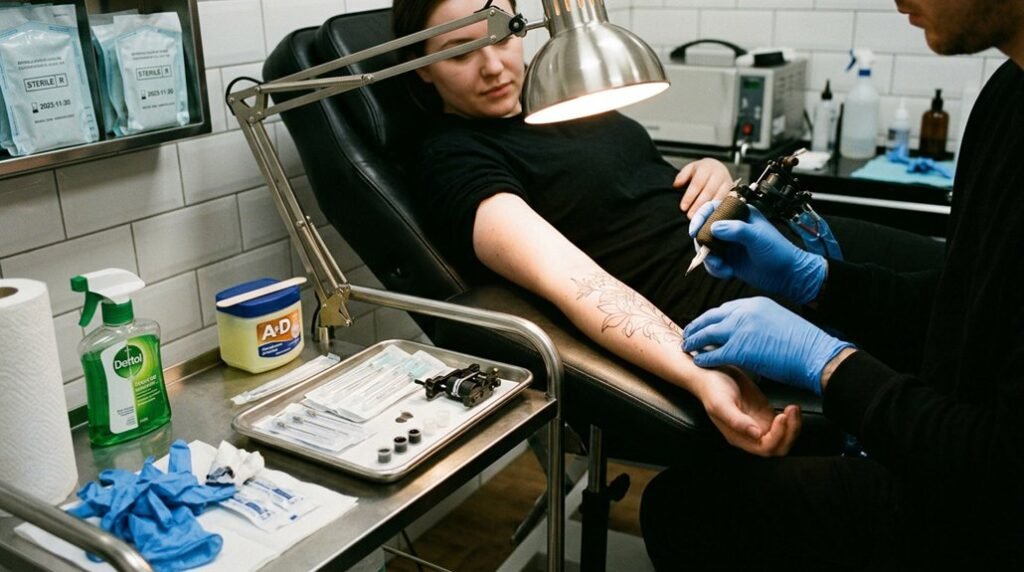
When you finally sit in the chair, you’ll start by signing consent forms and reviewing the design one last time. The artist’ll stencil the outline onto your skin, letting you approve the placement before they begin. They’ll prep their station, set up fresh needles, and squeeze ink into disposable caps.
You’ll feel the needle’s rhythm as it punctures your skin—rapid, mechanical, and surprisingly concentrated. The sensation ranges from scratching to burning depending on location. Breathe steadily. Bring snacks for longer sessions. Your artist’ll wipe away excess ink and blood periodically, showing you progress. They’ll pause for breaks when you need them.
After they finish, they’ll wrap your fresh tattoo in protective film. They’ll explain aftercare instructions: wash gently, moisturize sparingly, and keep it clean. You’ll leave with adhesive bandaging and a healing timeline. Listen carefully—proper care determines how your ink ages.
Recommended Products

Phomemo Tattoo Transfer Paper kit - Paper size: 8.27 in x 11.69 in (210 x 297 mm), Quantity: 1 Box, 100 Sheets in the box, Color: Blue. Phomemo Tattoo Transfer Paper is ideal for tattoo enthusiasts, artists and professional tattoo artists, offering reliability and consistency in tattoo stencil creation

Precision Transfers & Long Lasting: Tattoo stencil paper delivers vibrant, high-definition transfers even for intricate designs. Creates crisp, dark lines that transfer cleanly to skin (clearly on different skin tones) which are easy to follow during tattooing. The carbon layer made from high-quality dyes ensures sharp outlines without smudging or fading and maintains crisp lines visibility throughout long tattoo sessions, so you can focus on creating art instead of re-drawing lines
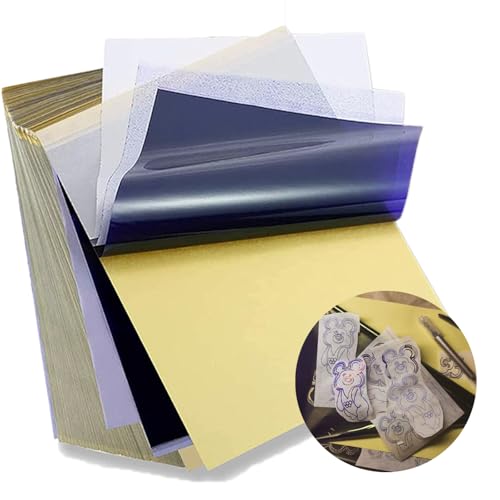
Standard size: Tattoo Transfer Paper is standard A4 paper size, each measures 8.27 in X 11.69 in. There are 4 levels in total. The thickness of the paper is very light and smooth to the touch.
What Your First Tattoo Costs (and Why You Should Tip)
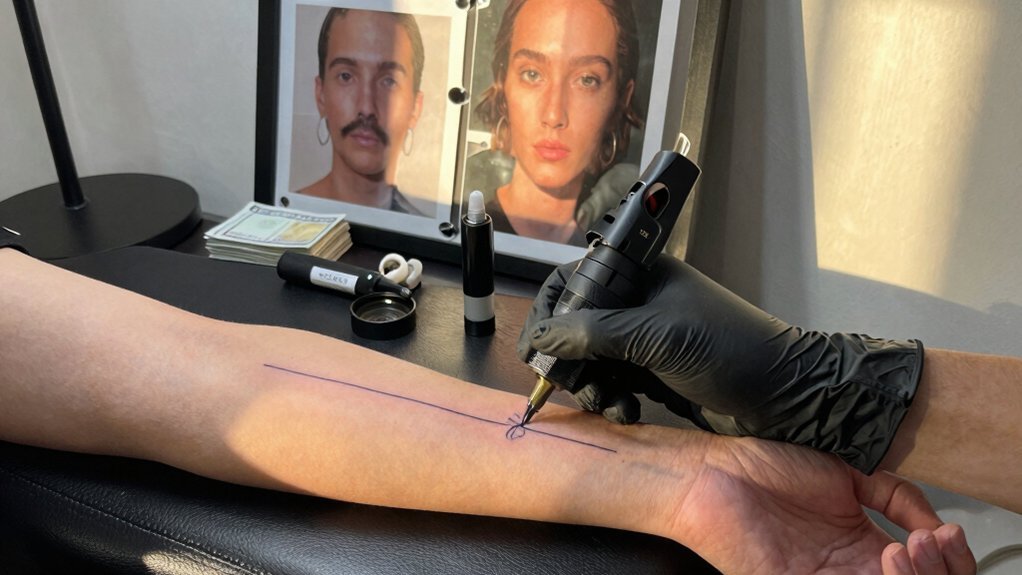
You’ve survived the needle and made it home with fresh ink—now comes the part nobody finds quite as exciting.
Most shops charge hourly, typically $100-$250, though small pieces might carry flat rates. Size, detail, and artist reputation drive your final bill. You’ll also encounter deposits—usually $50-$100—that apply toward your total.
Don’t forget to tip. Your artist earns commission splits with the shop, not the full price. Twenty percent remains standard for solid work; bump it higher for exceptional service or free touch-ups. Cash works best.
Factor in aftercare supplies too—unscented soap and fragrance-free lotion add $15-$30. Budget generously. Skimping on quality or gratitude costs more long-term through fixes you’d rather avoid.
Recommended Products

Foaming Tattoo Soap: Great for in-process and post-tattoo and piercing care. Keeps new tattoos & piercings clean during the healing process.

GREAT FOR NEW TATTOOS - H2Ocean Blue Green Foam Soap cleanses skin on and around new tattoos and the addition of aloe vera aids the healing process.

GREAT FOR NEW TATTOOS - H2Ocean Blue Green Foam Soap cleanses skin on and around new tattoos and the addition of aloe vera aids the healing process.
Does Your First Tattoo Hurt? Pain Levels by Body Part
How much does a tattoo actually hurt? You’ll feel it, but it’s manageable. Most people describe the sensation as scratching, burning, or vibrating—uncomfortable, not unbearable.
Your body part choice determines your experience. You’ll find fleshy areas like your outer arm, thigh, or calf easiest. These spots carry extra padding, so needles don’t hit bone or nerves directly.
You’ll brace yourself more on bony zones. Your ribs, spine, ankle, and collarbone amplify every vibration. You feel needles against bone directly.
You’ll discover sensitive spots test your limits. Your inner arm, wrist, foot, and sternum host dense nerve clusters. You might flinch here.
You’ll handle the pain better if you eat beforehand, stay hydrated, and avoid alcohol. You control your breathing, and you push through. The result lasts forever; the discomfort doesn’t.
Recommended Products
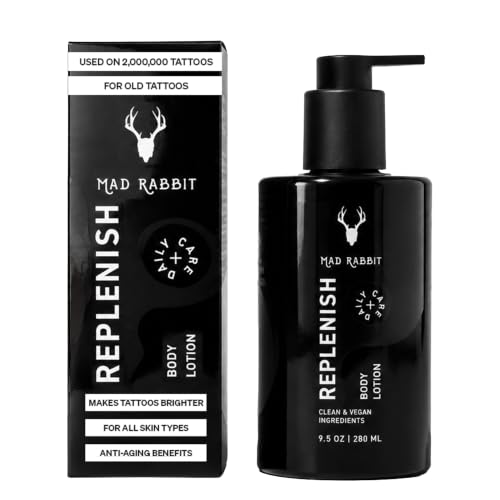
INFUSED WITH CLEAN, EFFECTIVE INGREDIENTS - The clean ingredients like Glycerin & Shea Butter provide lightweight nourishment and bounce to skin without ever feeling heavy or greasy on the surface. Anti-aging powerhouse vitamin A promotes visible firmness to skin, offsetting the appearance of fine lines and wrinkles.

INFUSED WITH CLEAN, EFFECTIVE INGREDIENTS - The clean ingredients like Glycerin & Shea Butter provide lightweight nourishment and bounce to skin without ever feeling heavy or greasy on the surface. Anti-aging powerhouse vitamin A promotes visible firmness to skin, offsetting the appearance of fine lines and wrinkles.

Daily Moisturizing Body Lotion: Aveeno Moisturizer for normal to dry skin to moisturize for a full 48 hours; soothing prebiotic-oat-formulated body lotion is fast absorbing, leaving dry skin nourished & hydrated; 18 Fl Oz
Care for Your First Tattoo: A Step-by-Step Healing Guide
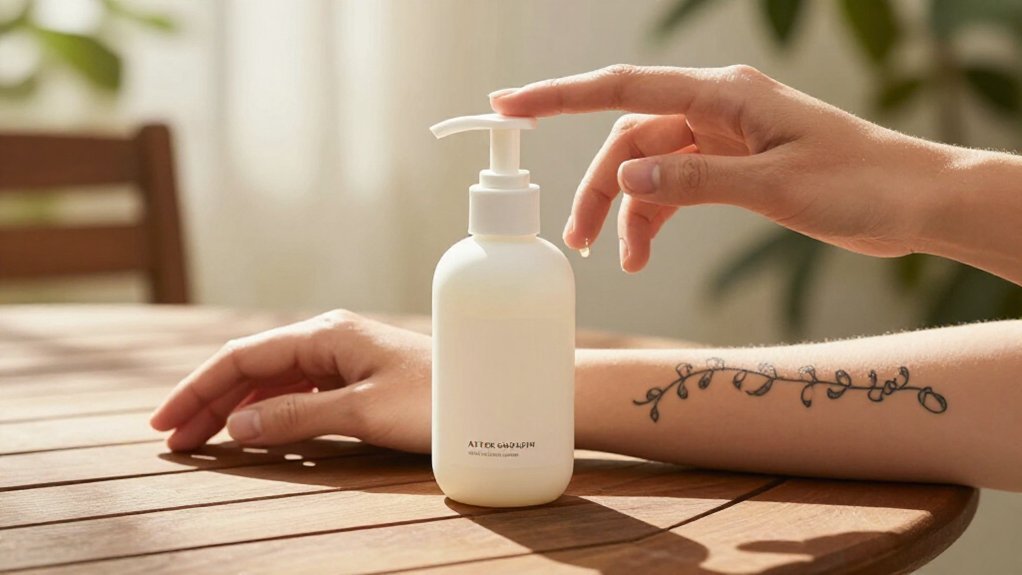
What happens after the needle stops? Your artist will bandage the fresh ink. Remove that covering after two to six hours. Wash your hands, then gently cleanse the tattoo with unscented soap and lukewarm water. Pat the area dry with a clean paper towel—don’t rub. Apply a thin layer of fragrance-free moisturizer or the ointment your artist recommended. Repeat this washing and moisturizing routine two to three times daily for the first two weeks. Avoid submerging your tattoo in water—no baths, pools, or hot tubs. Keep it out of direct sunlight and away from tight clothing that might stick to the healing skin. Resist scratching when it starts to peel; let the flakes fall naturally. Your tattoo heals fully within four to six weeks.
Recommended Products

Numbing Effect Lasts Up to 8 Hours: Our tattoo numbing cream before tattoo is specially formulated to provide up to 8 hours of pain relief, itching, soreness, and burning while reducing tattoo swelling. With our cream, you can complete your tattoo session in one step, without the need to pause or slow down. it is numbing cream for tattoos extra strength.

TATTOO AFTERCARE ESSENTIAL: Hustle Butter is the original tattoo aftercare balm for new and older tattoos. With over 10 years in the market, we are a pioneer of the tattoo aftercare category.

FROM THE LEADER IN TATTOO AFTERCARE: For years now, Mad Rabbit has consistently ranked among the most popular and highest-rated tattoo products on the market. We’ve created a top-of-the-line Tattoo Glide to help professional tattoo artists do their best work.
Warning Signs: When Your First Tattoo Needs Help
Aftercare keeps most tattoos on track, but sometimes your healing skin sends signals that something’s gone wrong. You need to recognize these warning signs before small problems become serious infections.
Watch for redness that spreads beyond the tattooed area after day three. You should feel concerned if you notice thick yellow or green discharge, foul odors, or skin that feels hot to the touch. Fever, chills, or red streaks radiating from your tattoo demand immediate medical attention.
Don’t ignore severe swelling that doesn’t improve, or pain that intensifies instead of fading. You must act quickly if blisters form or scabs crack and bleed excessively.
Contact your artist first for guidance, but head straight to urgent care if symptoms escalate. Your health matters more than preserving the artwork. Trust your instincts when your body speaks.
Recommended Products

UNISEX AND ONE SIZE FITS MOST. Fit comfortably on arms and legs.

✔[LONG WILD FLOWER TEMPORARY TATTOO] Briyhose Black Long Wild Flower Temporary Tattoos Can Cover Your Body Parts Large. It Contains 10 Sheets 9.06 * 2.36 Inch (23 * 6cm) Realistic Black Plant Floral Fake Tattoo Stickers For Adults Girl Women Tatto Kit. You Can Share It With Your Family And Friends.
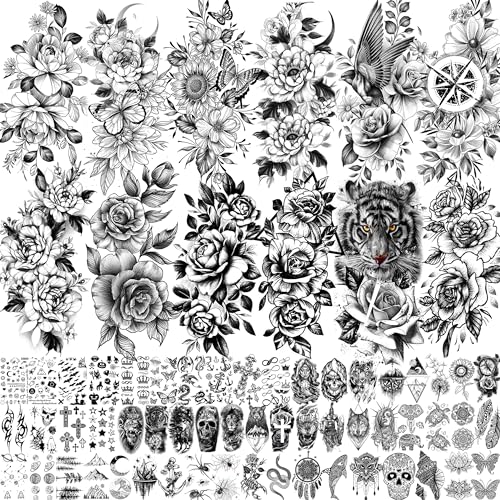
🌟67 Sheets Flower Temporary Tattoos For Women Variety Designs -- JOEHAPY Brand Fake Tattoos Temporary For Adults Girls Teens Kids. One Package Includes 12 Sheets 19x9CM 7.4"x3.5" HOT Custom Floral Rose Temporary Tatoos Paper and 55 Sheets 10.5x6CM 4.1"x2.3" Small Temporary Tattoos For Kids Decal Tattos Sets Kits Halloween Makeup Kit.
Conclusion
You’ve got the knowledge—now trust yourself. Take six months to sit with your design, research artists through healed work, and budget for quality. Your first tattoo marks you permanently, so choose meaning over trends, speak up during the session, and follow aftercare religiously. Pain fades, but this art stays. Make it count.
Recommended Products

4-layer Design: The 4-layer design ensures a crisp, clean transfer with sharp lines and fine details. Each layer has a specific function — such as holding the stencil ink, releasing it evenly, and protecting the tattoo paper during storage — which minimizes smudging, prevents distortion, and makes application easier on different skin surfaces.

Warm Tips: The tattoo transfer paper need to work with transfer medias.You will need to purchase the stencil ointment separately. Apply the design made on the master paper. Please pay attention to press the back side of the pattern to the skin for at least 3 seconds

4-layer Design: The 4-layer design ensures a crisp, clean transfer with sharp lines and fine details. Each layer has a specific function — such as holding the stencil ink, releasing it evenly, and protecting the tattoo paper during storage — which minimizes smudging, prevents distortion, and makes application easier on different skin surfaces.