
You’ve survived something that changed you, and now you’re considering marking that transformation on your skin. But choosing a resilience tattoo isn’t as simple as picking a pretty design from a flash sheet. The symbol you select will travel with you through job interviews, relationships, and moments when you need to remember your own strength. What you etch matters more than most people realize.
Key Takeaways
- Common resilience symbols include semicolons, phoenixes, lotus flowers, koi fish, and ouroboros representing survival and transformation.
- Semicolon tattoos specifically signify choosing to continue one’s story rather than ending it.
- Placement affects meaning, with visible locations inviting public sharing and hidden spots preserving private reflection.
- Symbol selection should align with personal narrative, such as roots for hidden strength or cycles of rebirth for ongoing recovery.
- The tattoo healing process itself mirrors resilience, requiring patience through non-linear recovery to final vibrant result.
Recommended Products

Self-Love Symbol Dual Design: This semi-permanent tattoo pack has two unique sheets with tiny mini graphics: semicolons, crown heart hands, floral blooms, arrow accents and positive affirmation "I am enough". Semicolons stand for mental strength & survival, crown hearts represent self-worth, quotes deliver positive affirmation. The small, minimalist design makes it perfect for subtle placements on fingers, wrists, or arms.

Generous Quantity: 5 sheets x 5 = 25 temporary tattoos

Generous Dimensions: Measures 8.75 inches by 2.5 inches, providing excellent visibility for your meaningful message
Why Resilience Tattoos Carry More Weight Than Other Ink
Resilience carries its own gravity. When you choose this ink, you’re etching survival itself into your skin. You don’t pick it lightly.
Other tattoos decorate; resilience ink testifies. You carry proof of battles fought, storms weathered, bones reset stronger. Each line weights heavier than trend or tribute because you know the cost of earning it.
You’re marking transformation, not mere preference. You feel the difference when strangers ask—you’re sharing vulnerability made visible, not casual aesthetics. This art anchors memory to muscle, reminding you daily: you’ve bent without breaking.
You wear your healing process where others can’t look away. That exposure demands courage. While floral sleeves or geometric patterns please the eye, your resilience tattoo commands recognition. You’ve survived something. Your skin won’t let you forget.
Recommended Products
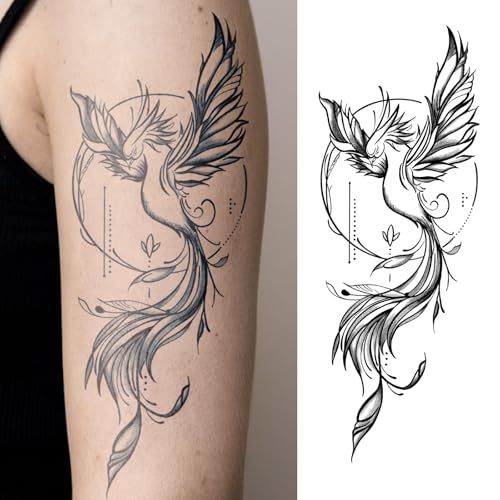
MYTHICAL PHOENIX ART: Features a breathtaking rising phoenix soaring gracefully amid minimalist circular lines and delicate linear accents. This powerful legendary bird motif is crafted using a digital hand-drawn fine line tattoo ensures crisp lines and flawless gradient shading to perfectly capture its sweeping wings, detailed layered feathers, and long, flowing tail plumage with artistic precision.

【Realistic Semi-Permanent Look】Boldink temporary tattoos are designed to look more like real tattoos than traditional temporary tattoo stickers. They are waterproof, smudge-resistant, and non-shiny for a natural-looking finish. The tattoo will appear silver at first and gradually darken into a rich, realistic color within 48 hours. For best results, avoid contact with bare skin, especially the face, and cover the tattoo with clothing while sleeping to prevent transfer.

Dopetattoo Waterproof High-Quality Easy-Use Long-Lasting Temporary Tattoos.You can take it to the beach, swimming pool, bath and any other water activities. Without excessive friction. It will last 3-5 days.
Phoenixes and Forgotten Ancient Symbols of Resilience
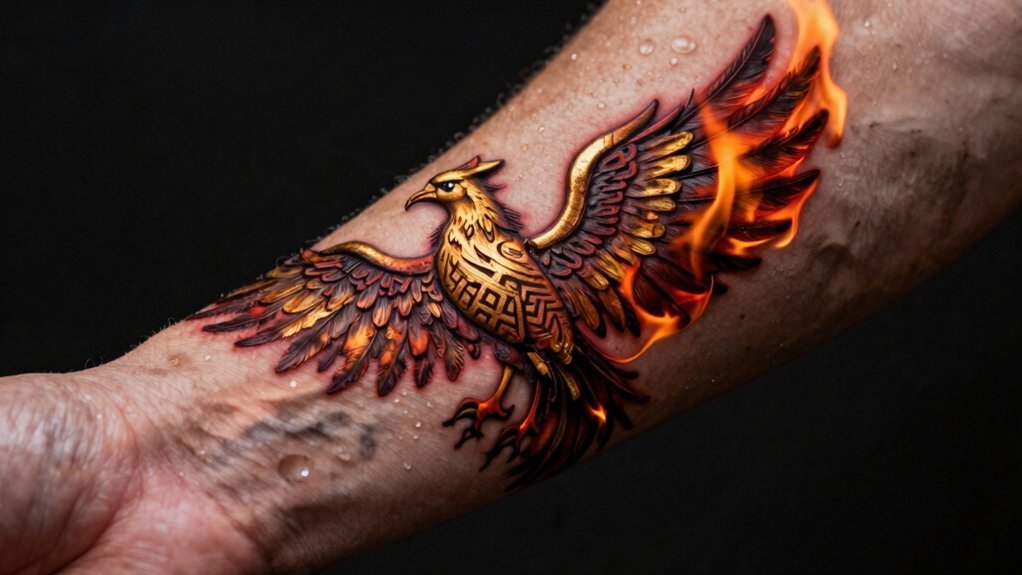
The phoenix dominates every bookstore and Pinterest board, wings spread in predictable rebirth. You’ve seen it a thousand times—flames consuming feathers, ashes birthing wings. It’s beautiful. It’s safe. But you crave something deeper than the mainstream.
Dig past the popular iconography and you’ll unearth symbols buried by time. The ouroboros coils infinitely, devouring itself to remake itself—you’ve survived cycles others haven’t witnessed. The lotus pushes through mud you know intimately. The acorn contains oak strength you’d forgotten you possess.
Ancient Norse ravens carried memory through darkness you’d rather not name. Celtic triskeles spun through seasons you’ve weathered. These aren’t trendy. They’re yours. When you ink them, you reclaim resilience history tried to erase. You choose symbols that whisper your specific survival, not everyone’s.
Recommended Products

Innovative Skin-Sync Technology: We don't just sit on the skin; we interact with it. By reacting organically with naturally occurring proteins in your skin's outermost layer (stratum corneum), our plant-based formula magically transforms from a transparent guide into a rich, ultra-realistic navy-black. It looks exactly like a healed, permanent tattoo—without the needles or depth.

【Spiritual Lotus design】This design blends lotus flowers with OM symbols to express harmony, mindfulness, and inner strength. The fine-line approach keeps the artwork calm and refined, making it ideal for hands and arms. A quiet spiritual style with timeless symbolism.

[Semi-Permanent, Realistic Tattoos] INKARTLINK semi-permanent tattoos are lifelike, durable, waterproof, and sweat-resistant, lasting 7–14 days and gradually fading as the skin’s outer layer sheds. They’re perfect for everyday wear, events, or themed occasions. From the beach to the office, they stay vibrant, allowing you to effortlessly showcase your body art in any setting.
How the Semicolon Became a Resilience Tattoo Movement
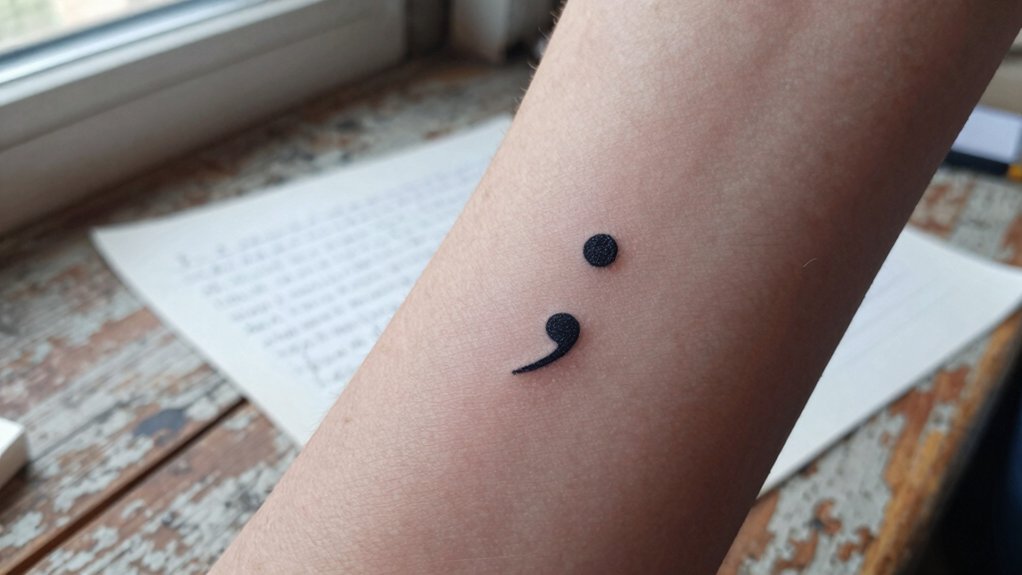
Momentum built quietly at first—a single mark between words where most saw only grammar. You watched it spread across wrists and ankles, transforming punctuation into defiance. Project Semicolon launched in 2013, and you recognized its power immediately: the author chooses to continue the sentence rather than end it. You inked the symbol yourself perhaps, or you watched friends reclaim their narratives through its curves. You understand that resilience lives in small decisions, in pauses that refuse to become periods.
The movement grew because you needed language for survival that textbooks never taught. You see these tattoos everywhere now—coffee shops, subway cars, checkout lines—each one whispering “I’m still here.” You don’t need elaborate designs when meaning runs this deep.
Recommended Products

【Develops Fully in 48H】Your tattoo will initially appear silver before naturally darkening to a rich finish within 48 hours. For optimal results, avoid contact with bare skin (particularly the face) and cover the area with clothing during sleep to prevent transfer.

TEMPORARY TATTOOS FISH - 6 sheets extra large temporary tattoos which are measured dimension 5.5'' x 7.8''. Your friends will be surprised you took a such big tattoo! Great fun for parties, special events also for testing how would a real tattoo look like.

Minimalist Koi Fish Design: This pack includes two identical sheets with paired brush-texture koi fish forming yin-yang layout. In many cultures, the koi symbolizes perseverance, luck, and resilience against life’s challenges; sketch ink brush strokes create soft flowing minimalist oriental style. Compact curved shape fits collarbone, shoulder, wrist and rib areas. Ideal for aquatic line art lovers seeking elegant balanced small body adornments.
Japanese Resilience Symbols: Koi, Lotus, and Stones That Bend
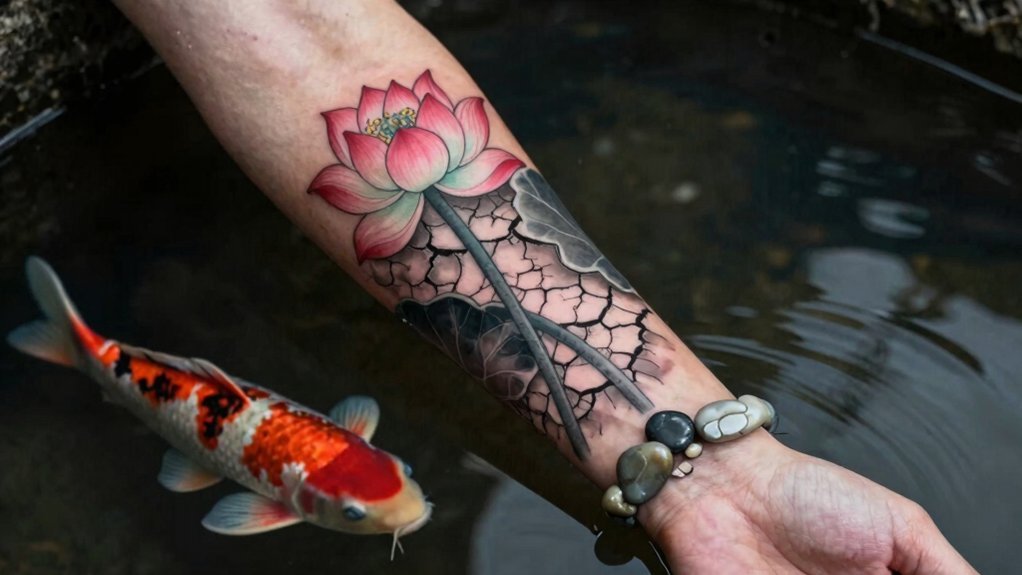
Where do you turn when you need symbols forged through centuries of struggle? You look east, toward Japan’s visual language of endurance.
You encounter the koi first. You’re watching a fish that swims upstream, that battles waterfalls until it transforms. You ink this on your skin when you’ve fought against currents that would’ve swept others away.
You find the lotus next. You’re seeing a flower that pushes through mud and murk to bloom unstained. You choose this when you’ve risen from conditions that should’ve drowned you.
You discover the “suiseki” stone aesthetic too. You’re appreciating rocks shaped by relentless water, never breaking, only bending into unexpected beauty. You wear this when persistent pressures have sculpted rather than shattered you.
You’re connecting to a tradition that doesn’t deny suffering—it transforms it.
Recommended Products
Waterproof Design: These temporary tattoos are waterproof and can withstand water exposure while maintaining their vibrant appearance

Generous Quantity: 5 sheets x 8 = 40 temporary tattoos

【Package Included】Our tattoo sticker includes 6 sheets and each sheet measures 18 cm x 11 cm (7.08 inch x 4.33 inch).
Matching Your Specific Struggle to the Right Symbol
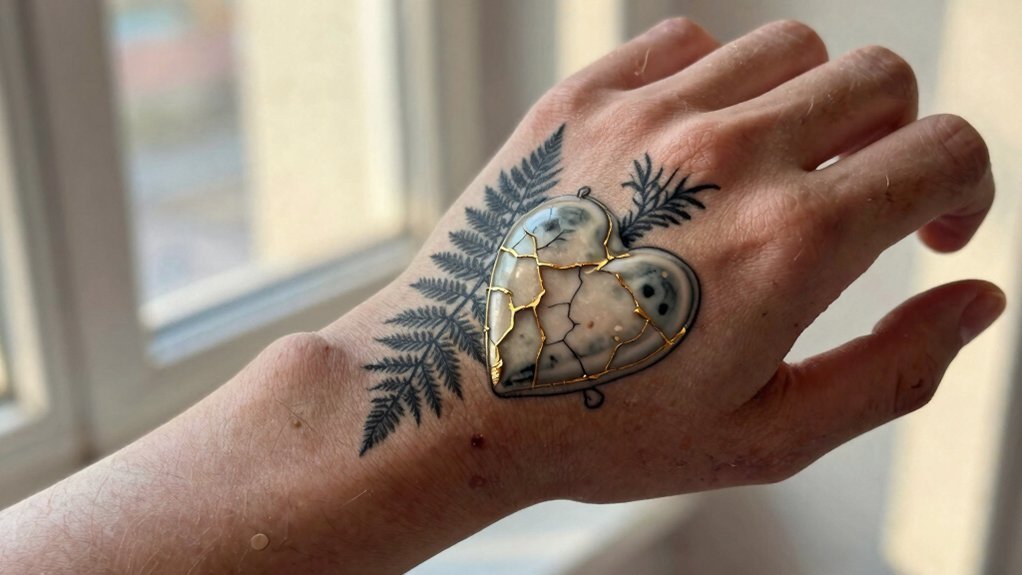
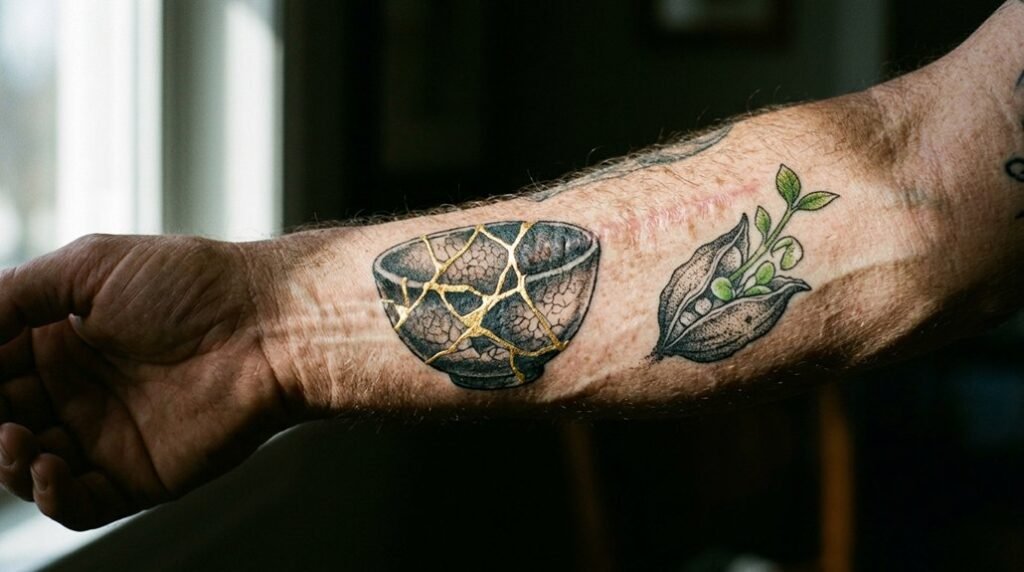
How do you know which mark belongs on your skin? You dig into your story. You survived betrayal; a broken sword mended with gold speaks your truth. You battled illness; the lotus rising from murky water mirrors your climb.
You match the symbol’s journey to yours. A phoenix rising matches those who’ve crashed and rebuilt. Semicolons suit warriors who chose continuation over endings. You research roots—Korean minari weed, Filipino bamboo bending in storms—until something clicks.
You ask: what broke me, and what kept me standing? Your symbol should whisper that answer. Don’t chase trends. You carry this forever. Pick the image that makes your chest tighten with recognition. That’s your resilience made visible.
Recommended Products

【Develops Fully in 48H】Your tattoo will initially appear silver before naturally darkening to a rich finish within 48 hours. For optimal results, avoid contact with bare skin (particularly the face) and cover the area with clothing during sleep to prevent transfer.

【Develops Fully in 48H】Your unique design Large Bohemian Phoenix Lotus semi permanent tattoo for men women will initially appear silver before naturally darkening to a rich finish within 48 hours. For optimal results, avoid contact with bare skin (particularly the face) and cover the area with clothing during sleep to prevent transfer. Geometric Arrow temporary tattoos, phoenix temporary tattoos fake tattoos, realistic back chest arms calf semi permanent tattoo for men women

CELESTIAL PHOENIX ART: Features an elegant, rising firebird with expansive outspread wings, stylized tail feathers, and a minimalist north star surrounded by delicate stardust particles. This mystical design is crafted using a digital hand-drawn fine line tattoo ensures crisp lines, wind-swept curves with exquisite clarity.
Hidden or Visible: Sizing Your Resilience Tattoo
Why let the world see your battle scars, or don’t you owe yourself a private victory? You decide who witnesses your resilience. A tiny semicolon behind your ear keeps your survival story intimate. You touch it when doubt creeps in. Nobody knows but you.
Or you stretch a phoenix across your forearm. Strangers ask about it. You explain. Each retelling reinforces your strength.
Size shapes visibility. You choose a delicate wrist band for subtle daily reminders. You commission bold shoulder work that demands attention.
Consider your profession, your comfort with questions, your need for external validation versus internal knowing. There’s no universal answer. You’re honoring your journey, not performing it. Whether you hide your ink under professional sleeves or display it proudly, you’re claiming your narrative. You survived. You mark that truth your way.
Recommended Products

Semi Permanent Tattoo Stickers: High-quality temporary tattoos that last 7-14 days, gradually fading as your skin naturally exfoliates. Made with skin-safe, plant-based inks that meet international safety standards.

【Style and Elements】 30 sheets of Yoga style temporary tattoos in different size including lotus, OM, Sanskrit, Tibetan, lycoris, mandala, flower, elephant, moon, peacock feather, meditation, fearless, golden sun and more.

❀FLOWER TEMPORARY TATTOO SET FOR WOMEN ADULTS KIDS❀Contains 50 sheets flower and butterfly temporary tattoo transfer stickers, 6cm*6cm,a variety of flash festive tattoos to express your personality with the appearance of real tattoos. Include flowers, rose, butterfly, leaf, Enough let you shimmer anywhere, like arms, wrists, fingers, ankle, neck, shoulder, feet, legs and even your hair!
Placement Strategies That Amplify Personal Meaning
What part of your body holds the memory of what you’ve overcome? You choose placement with intention, mapping resilience onto your physical form.
You position tattoos near scars you’ve earned, transforming marks of pain into artwork that claims your narrative. You place symbols over your heart when emotions anchor your strength. You ink your forearms when you want daily visibility, a constant reminder of your capacity to endure.
You consider movement—how your skin stretches and contracts. You place phrases along your ribs, expanding with breath. You wrap designs around limbs that carried you forward.
You align imagery with chakra points or personal symbolism. You mirror placement on both sides when balance matters. You hide work where only you see it, or display it openly.
Your body becomes terrain you’ve deliberately charted.
Recommended Products

✔[FISH TEMPORARY TATTOO] Briyhose Realistic Fish Tattoos Temporary Can Cover Your Body Parts Large. It Contains 8 Sheets 8.27 * 5.83 Inch (21 * 14.8cm) Half Sleeve Fish Fake Tattoo Stickers For Adults Men Women Tatto Kit. You Can Share It With Your Family And Friends.
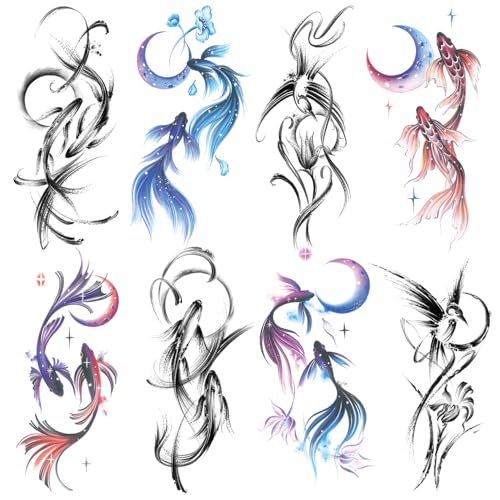
【UNIQUE AMAZING DESIGNS】Each Size is about 11.4 x 21 cm / 4.48 x 8.26 inch. Contains 8 sheets temporary tattoo paper stickers which are printed with non-toxic ink.

【PACKAGE】Contains 2 Sheets temporary tattoo paper stickers which are printed with non-toxic ink, each sheet measuring 190 x 90 mm / 7.48 x 3.54 inch in size.
What the Healing Process Teaches About Recovery
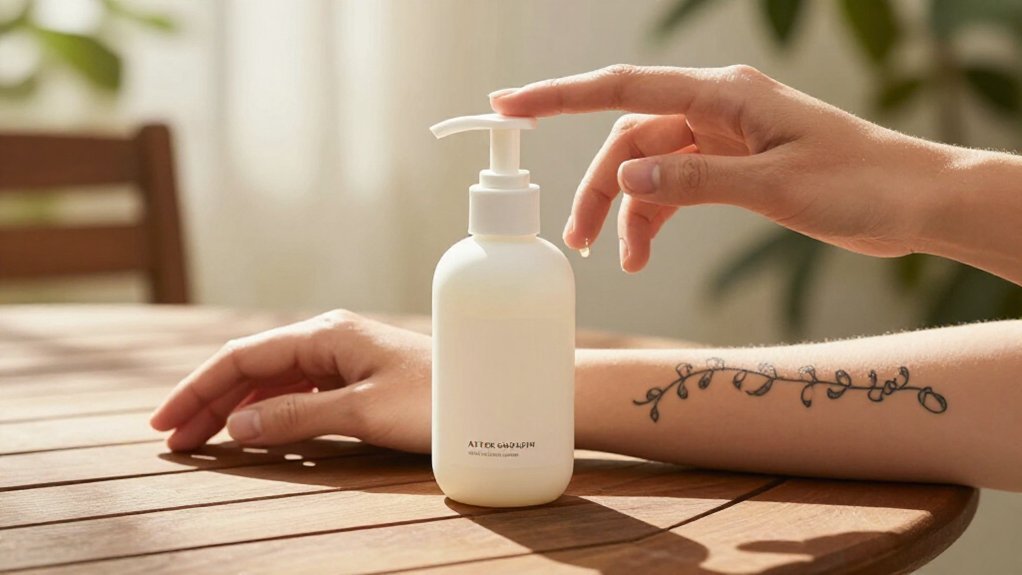
The ink settles beneath your skin, and you wait. You wash the area gently, apply ointment, and resist scratching during the relentless itch phase. You’re learning patience you didn’t possess before.
The scabbing forms. You watch flakes of dried plasma and ink fall away, fearing you’ve ruined the design. But underneath, something permanent remains. This mirrors your own healing—you shed layers you thought defined you.
You discover that recovery isn’t linear. Some days the tattoo looks vibrant; other days it appears dull or irritated. You trust the process anyway. You keep moisturizing. You avoid sun exposure. You protect what still hurts.
Eventually, the skin settles. The colors brighten. You realize resilience isn’t the absence of damage—it’s how you tend to what’s tender until strength emerges.
Recommended Products

FUN TATTOOS - Enjoy this fun sheet of temporary tattoos that can be applied on skin or used as a waterslide decal on a variety of surfaces. Temporary tattoos are great for...
When Strangers Ask About Your Resilience Tattoo
Eventually, your resilience tattoo shifts from private symbol to public invitation. Strangers notice. They ask what it means.
You decide how much to share. Some days you offer simple answers: “It’s personal” or “It represents strength.” Other days you surprise yourself with honesty, telling cashiers or seatmates about the低谷 you’ve climbed through.
These exchanges teach you how visible healing becomes. You carry your survival story on skin now, not just in memory. The questions force you to articulate what resilience means to you, sharpening your understanding.
You’ll develop scripts. You’ll recognize when someone’s asking from genuine curiosity versus mere conversation. You choose transparency or privacy each time. Either way, the tattoo keeps working—reminding you, connecting you, marking how far you’ve traveled when you forget yourself.
How to Brief Your Artist on Your Story
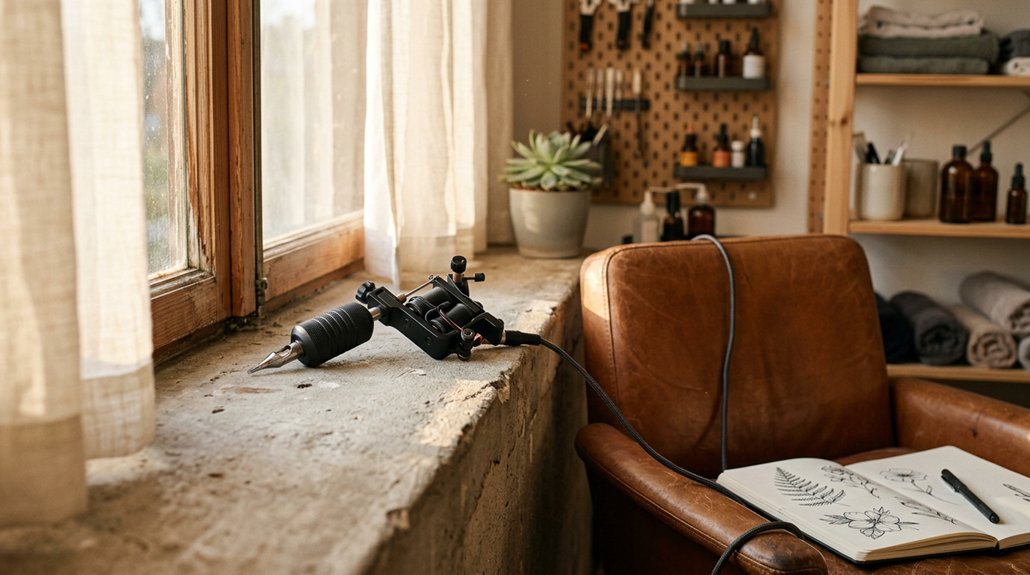
Why leave your artist guessing when you can shape the symbol yourself? You bring your story; they bring their craft. Start by writing down what resilience means to you—specific moments, not vague concepts. You share this raw material, then trust their visual translation.
Bring reference images, but explain why they resonate. You describe the feeling, not just the object. You ask questions: How do you interpret this? Where do you see movement? You listen to their suggestions about placement and scale.
You establish boundaries clearly—what’s essential, what’s flexible. You schedule a consultation before committing to the needle. You review their sketch openly, requesting adjustments without hesitation.
This collaboration transforms your private survival into public art. You walk away with skin that speaks your truth precisely because you spoke it first.
Conclusion
You carry your story forward every time you choose to heal. Your resilience tattoo isn’t just ink—it’s proof you’re still writing the next chapter. Trust your symbol, trust your artist, and trust the process. The pain fades; the meaning deepens. When someone asks, you’ll decide how much truth to share. Either way, you’ve already done the bravest part: you survived, and you chose to keep going.