
Your tattoo sits at different depths in your skin, and that’s exactly why the wrong product at the wrong time causes trouble. Most people reach for coconut oil too early, trapping bacteria under a thick, non-sterile barrier when your ink needs to breathe.
Wait until healing finishes completely: no scabs, no peeling, no soreness, no shine.
Then, a thin layer of clean, fractionated coconut oil can work as a moisturizer.
Before that point, stick to your artist’s recommended aftercare.
You’ll want to know the specific signs that mean you’re switching too soon.
Is Coconut Oil Safe for Your New Tattoo?
Why is coconut oil so popular for skincare? You see it everywhere, and you might wonder if it’ll work for your new ink. Here’s what you need to know about using coconut oil on a Fresh Tattoo.
Coconut oil dominates skincare shelves, but should it touch your fresh tattoo? Here’s what every new ink owner needs to consider.
1. Wait Until You’re Fully Healed
You shouldn’t apply coconut oil while your tattoo is healing. Your artist will likely recommend a specialized aftercare cream instead. Heavy oils trap sweat and dirt, and they slow down clean healing when your skin is still open, peeling, or scabbing.
2. Watch for These Risks
- Allergic reactions (do a patch test on your inner forearm first)
- Hypopigmentation, which lightens skin pigment
- Clogged pores or small bumps, especially if you’re acne-prone
3. Use It Correctly Later
Once healed, you can apply a very thin layer. Wash it off at least twice daily if buildup occurs.
Recommended Products

100% PURE & NATURAL FRACTIONATED COCONUT OIL: A versatile carrier oil used for aromatherapy, essential oils mixing, massage, for dogs and pets, and as a hair and skin moisturizer. It is Fragrance Free, Hexane-Free, Preservative Free, Chemical Free, and 100% Vegan.

100% PURE & NATURAL FRACTIONATED COCONUT OIL: A versatile carrier oil used for aromatherapy, essential oils mixing, massage, for dogs and pets, and as a hair and skin moisturizer. It is Fragrance Free, Hexane-Free, Preservative Free, Chemical Free, and 100% Vegan.

USDA ORGANIC FRACTIONATED COCONUT OIL: Ultra-pure organic MCT oil that hydrates and nourishes skin, hair, face, body, and scalp. A clean, hexane-free carrier oil ideal for essential oils, massage, aromatherapy, and daily moisturizing rituals.
Coconut Oil vs. Petroleum: What’s Better for Healing?
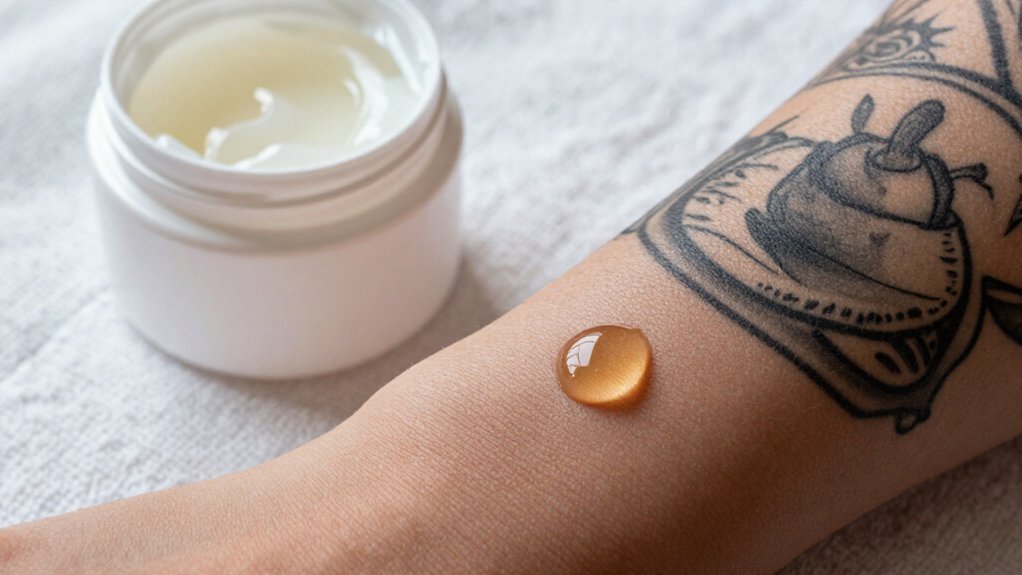
You want to know how coconut oil stacks up against petroleum when it comes to shielding your new ink and letting your skin breathe. Petroleum creates a tighter, more reliable barrier against moisture loss and outside irritants, while coconut oil’s lighter film offers less protection during the weeping phase.
When breathability matters most, petroleum’s occlusive nature can feel stifling, yet coconut oil’s “greaser” texture risks trapping sweat and bacteria against healing skin.
Recommended Products

FROM THE LEADER IN TATTOO AFTERCARE: For years now, Mad Rabbit has consistently ranked among the most popular and highest-rated tattoo products on the market. We’ve created a top-of-the-line Tattoo Glide to help professional tattoo artists do their best work.

Nourishes Healing Ink for Vibrant Color: Tattoo Goo supports healing tattoos & maintains vibrancy on healed ink with a lightweight formula rich in olive oil, lavender oil, cocoa butter, and beeswax. It absorbs quickly, moisturizes deeply, and helps reduce dryness, itch and tightness so your tattoo looks and feels comfortable through everyday routines

Nourishes Healing Ink for Vibrant Color: Tattoo Goo supports healing tattoos & maintains vibrancy on healed ink with a lightweight formula rich in olive oil, lavender oil, cocoa butter, and beeswax. It absorbs quickly, moisturizes deeply, and helps reduce dryness, itch and tightness so your tattoo looks and feels comfortable through everyday routines
Shielding Efficiency Compared
Although both coconut oil and petroleum-based ointments create a protective barrier over skin, they serve very different roles in tattoo healing. Petroleum products excel at shielding fresh, weeping tattoos from bacteria and environmental contaminants. You should avoid coconut oil during these early stages because its thick, occlusive nature traps sweat and dirt against vulnerable skin.
When you use oil after healing begins, apply only a very thin layer. Over-application risks clogged pores and greasy buildup that compromises the barrier’s effectiveness.
Your tattoo artist’s recommended ointment provides reliable early protection you can trust. If you prefer coconut oil later, patch test first. Watch for excessive shine; it signals you’re using too much. Reduce the amount immediately if irritation appears, keeping that protective layer functional but breathable.
Breathability During Recovery
Balancing protection with airflow is essential when you’re choosing what goes on healing skin. Both Coconut oil and petroleum-based products create occlusive barriers, which can block your skin from breathing if applied too heavily.
Aftercare Best Practices for Breathability:
- Apply only a very thin layer of any moisturizer, regardless of type.
- Watch for shininess. This signals excess product reducing airflow and increasing irritation.
- Switch to lighter, artist-recommended balms during active healing.
Coconut oil traps sweat and dirt more readily than professional alternatives. It is not sterile, so contamination risks rise with heavy application. This can clog pores and cause bumpy reactions.
Reserve Coconut oil for fully healed tattoos only, meaning no weeping, scabbing, peeling, soreness, or swelling remains. Fresh wounds need studio-specific products, not occlusive oils that compromise recovery.
Pick the Cleanest Coconut Oil for Your New Ink
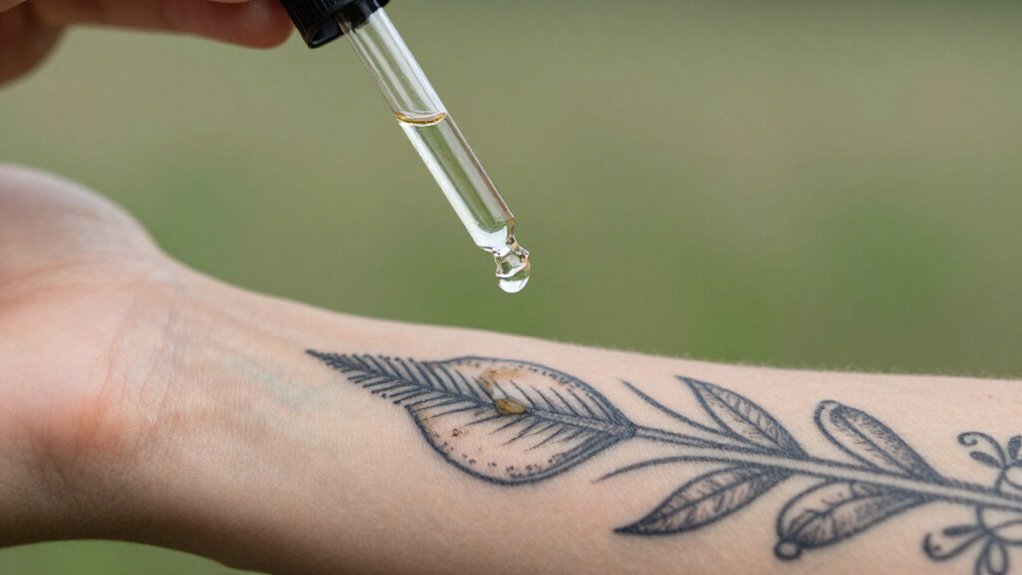
You’ll want to find cold-pressed, unrefined coconut oil with absolutely no added chemicals, fragrances, or preservatives that could irritate your healing tattoo. Check the purity label carefully, and look for terms like “virgin” or “extra virgin” to ensure you’re getting the simplest, most natural product available.
Selecting coconut oil with minimal ingredients reduces your risk of allergic reactions and gives your new ink the cleanest possible environment to heal properly.
Recommended Products

STICK APPLICATION, ZERO MESS: Twist up the tattoo balm stick, swipe directly over the tattoo, and blend as needed. No jar to open, no fingers scooping product, and no need to carry a separate applicator. The solid stick format is easy to keep in a bag, bathroom cabinet or travel kit, making care simple at home or on the go. It gives you controlled application exactly where you want moisture, with less mess than traditional balm jars. Great for quick touch-ups whenever tattooed skin feels like it needs extra care, at home, after work or while traveling.

FRAGRANCE FREE TATTOO AFTERCARE FOR SENSITIVE SKIN - The same #1 artist recommended Hustle Butter formula, now with no added fragrance, dyes, or parabens. The unscented tattoo lotion of choice for sensitive or easily irritated skin.

Protect Your Body Art: Moisturizing with the bonus of itch relief! Tattoo Goo's Tattoo Care Lotion soothes healing skin & keeps healed ink looking sharp for life. With olive oil & glycerin, it delivers deep, breathable hydration that won’t clog pores
Avoid Added Chemicals
When you’re choosing coconut oil for your tattoo, purity matters more than price or packaging. You want to avoid added chemicals that can trigger irritation, infection, or ink damage during healing. Fragrances, dyes, and preservatives have no place on fresh skin.
Choose Single-Ingredient Products
Pick pure, cold-pressed, unrefined coconut oil with nothing else listed. Read every label twice. Skip “coconut oil” blends that hide extras between the parentheses. You’re aiming for minimal, ingredient-pure protection.
Test Before You Commit
Even natural components, like lauric acid, can cause mild reactions. Do a patch test on your inner forearm, cover it, and wait 24 hours. Watch for redness, itching, or bumps.
Follow Your Artist’s Instructions
Don’t experiment with coconut oil on brand-new ink unless your artist specifically approves. They know your skin, your design, and their preferred aftercare protocol. Respect their guidance, and you’ll protect your investment.
Check Purity Labels
Since your tattoo is healing, you have a single job: find coconut oil that contains exactly one ingredient.
Read the Label Carefully
You need pure, cold-pressed, unrefined coconut oil. Check that the label lists only coconut oil, nothing else. Avoid “coconut blends” with hidden additives.
Why Purity Matters for Your Brand-New Tattoo
Your fresh ink needs gentle care. Added fragrances or essential oils can trigger irritation, redness, or delayed healing. Single-ingredient oil minimizes risk for all skin types, including sensitive ones.
Watch for These Red Flags
Products labeled “coconut” but containing palm oil or fillers. “Extra virgin” claims without ingredient verification. Jars handled repeatedly without clean tools.
Patch Test First
Apply a small amount inside your forearm, cover with a bandage, and wait 24 hours. Some people react to lauric acid, a natural compound in coconut oil. If you see redness or itching, choose a different moisturizer.
Select Simple Ingredients
Once you’ve verified the label lists only coconut oil, you’re ready to select the specific type that works best for healing skin.
1. Pick Cold-Pressed, Unrefined Oil
Choose pure, “cold-pressed”/unrefined extra-virgin coconut oil. Avoid added fragrances or other ingredients, as these can irritate healing skin and trigger reactions.
2. Wait for Full Healing
Only use coconut oil for tattoo aftercare after your tattoo is fully healed. Skip it during peeling, scabbing, weeping, or shiny/irritated phases. Thick oil can trap sweat and dirt.
3. Patch Test First
Apply a small amount to your inner forearm, cover for 24 hours, and stop if redness or itching occurs.
4. Apply Thin Layers
Use very small amounts. Over-application clogs pores and causes bumps.
5. Know When to Stop
Avoid coconut oil if you have coconut or palm-tree sensitivity. Seek guidance if irritation persists.
Apply Coconut Oil Thinly to Avoid Trapped Bacteria
Apply coconut oil thinly, and you’ll avoid trapping bacteria against your healing tattoo. When using coconut oil on your TATTOO, you must use a small amount of coconut oil, creating only a light sheen. Massage it thoroughly until absorbed, since excess oil clogs pores and causes bumps.
Wait until your tattoo has fully healed, meaning no weeping, scabbing, or peeling remains. Thin application matters most once your skin is no longer an open wound. If your tattoo looks overly shiny or feels irritated, you’re using too much.
Keep your hands clean before touching the oil or your skin. Minimize contact with jar surfaces, since non-sterile residues increase irritation risk even with thin application. Proper technique prevents complications, so monitor your tattoo’s appearance and adjust accordingly.
Recommended Products

COMPLETE AFTERCARE KIT FOR NEW & EXISTING TATTOOS: This Tattoo Aftercare Kit brings together 3 essentials, Antimicrobial Soap, Tattoo Balm, and Tattoo Lotion, to help cleanse, protect, and moisturize fresh ink. Useful after tattoo sessions and throughout healing, it supports vibrant color and skin comfort for dedicated ink enthusiasts and artists

GENTLY CLEANSES NEW TATTOOS - Use Repair Tattoo Wash during the healing process to keep your fresh tattoo ink clean or as a perfect prep wash before and after tattooing.

Complete Tattoo Aftercare Kit – Includes 1.7oz Tattoo Balm and 2oz Tattoo Foam Soap Cleanser to support a full tattoo care routine. Clean, hydrate, and maintain the appearance of your body art.
Warning Signs: Infection, Allergy, or Stalled Healing
You need to track three specific problems when using coconut oil on your healing tattoo: infection, allergy, and stalled progress. You’ll spot infection through spreading redness, escalating pain, heat, or pus; you’ll notice allergy through itching, hives, or rash shortly after application; you’ll recognize stalled healing through persistent soreness, breakdown, or symptoms that worsen rather than improve.
If any of these appear, you’ll stop using the oil immediately and contact your artist or a dermatologist for guidance.
Recommended Products

Coconut Vanilla Hand & Body Lotion for Dry, Sensitive Skin: Rich daily moisturizer for dry skin, sensitive skin, eczema-prone skin, rough hands, elbows, knees, arms, legs, and body. This creamy coconut vanilla lotion leaves skin feeling soft, smooth, hydrated, and comfortable without a greasy after-feel
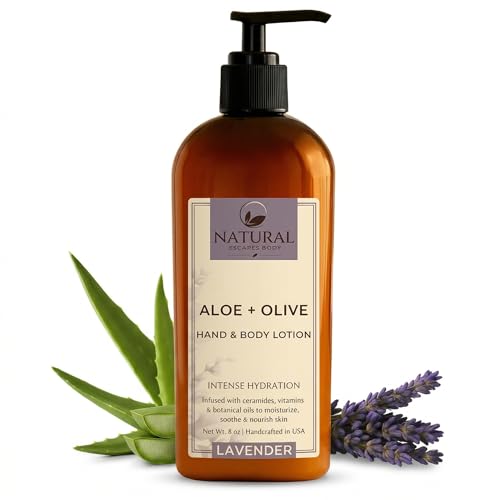
LAVENDER HAND & BODY LOTION FOR DRY SKIN - Deeply hydrating daily moisturizer for dry, sensitive, mature, crepey, flaky and eczema-prone skin. Rich yet non-greasy all-over moisture leaves skin soft, smooth and supple.

NATURAL BANDAGES: These strips are perfect for those who like to keep it simple. PATCH Natural is designed with bamboo to help repair minor cuts & abrasions, naturally. Free from known irritants, toxins and plastic.
Recognizing Infection Symptoms
Delaying care can permanently damage your artwork and health. Contact your clinician or tattoo artist promptly if you spot infection indicators.
Check for spreading warmth or escalating pain. Monitor swelling that extends past the tattoo border. Watch for pus or fluid-filled blisters, not clear plasma. Note any fever or streaking red lines.
You can protect your healing process by acting quickly on these warning signs.
Identifying Allergic Reactions
How can you tell if coconut oil agrees with your tattoo?
1) Recognizing Allergic or Irritant Reactions
Watch your tattooed area closely after each application. You may develop an itchy rash, new redness, or small bumps. These allergic or irritant reactions signal your skin rejects the oil. Stop using it immediately if symptoms appear.
2) Telling Irritation from Infection
If your tattoo looks angrier after moisturizing, too much oil or a reaction may be the cause. Use less, or discontinue entirely. Infection differs: expect increasing pain, hot skin, swelling, or pus.
3) Doing a Patch Test
Apply a small amount to your forearm, cover it, and wait 24 hours. This prevents surprises on fresh ink.
Detecting Poor Healing
Although coconut oil can support healing, you’ll need to stay alert for signs that something’s gone wrong while your tattoo is still healing.
Watch for infection signs**, including increasing redness, warmth, swelling, worsening pain, pus, or foul discharge. Contact a clinician promptly** if these appear.
Check for allergy reactions too. If coconut oil causes irritation, like an itchy rash or new swelling, stop using it immediately. Patch test first on your inner forearm, and wait 24 hours.
Be cautious with timing and moisture. Mild peeling peaks around days 4–10, and a milky look in week 2 is normal. However, worsening symptoms signal stalled healing.
Reassess your routine if the skin becomes overly greasy or bumpy. Use less oil, or stop entirely, and follow your artist’s guidance.
Does Coconut Oil Speed Up Healing: or Slow It?
You might hope coconut oil will speed up your tattoo’s healing, but evidence doesn’t support this claim. When your tattoo heals, moisturization matters more than miracle ingredients. A healing tattoo needs breathability, not barriers.
1. Why Coconut Oil Won’t Accelerate Healing
Use Coconut Oil with realistic expectations. Lauric acid offers antimicrobial potential, yet no studies prove it shortens healing time. Surface healing takes 2 to 4 weeks. Deeper layers need months regardless of what you apply.
2. How It Can Actually Slow Things Down
Thick, early application traps sweat and dirt against vulnerable skin. This greasy layer clogs pores, triggers breakouts, and increases irritation. Fresh, open skin absorbs products differently, so you risk more harm than help.
3. The Safer Approach
Wait until peeling, scabbing, and weeping stop completely. Apply only a thin layer to fully healed skin, and stop if you notice redness, rash, or pimples.
Recommended Products

LIGHTWEIGHT FRACTIONATED COCONUT OIL – A smooth, odorless oil that remains liquid at room temperature and absorbs easily without leaving a heavy or greasy residue.

USDA ORGANIC FRACTIONATED COCONUT OIL: Ultra-pure organic MCT oil that hydrates and nourishes skin, hair, face, body, and scalp. A clean, hexane-free carrier oil ideal for essential oils, massage, aromatherapy, and daily moisturizing rituals.

🥥 100% Pure & Cold-Pressed: No fillers or additives—just clean, natural carrier oil.
When to Switch From Coconut Oil to Lighter Moisturizers
Once your tattoo closes completely, you’re ready to make the change from coconut oil to something lighter.
Once your tattoo fully seals, trade heavy coconut oil for a lighter moisturizer that won’t suffocate healed skin.
You should switch only when your tattoo is fully healed: no peeling, no scabs, no shine, and no soreness. Until then, keep using coconut oil or follow your artist’s recommended product. During tattoo healing, don’t switch just because skin feels dry.
The typical deep-healing window spans three to four weeks. After this point, lighter moisturizers reduce residue buildup while keeping skin comfortable. If you notice shine or greasiness, you’re likely applying too much coconut oil. Use a thinner layer, or switch to a non-greasy option to prevent clogged pores.
Watch for these warning signs that demand an immediate switch:
- Small bumps or pimples appearing around the tattoo
- Increasing redness, rash, or irritation
- Worsening discomfort instead of improvement
- Pores that look clogged or skin that feels suffocated
Recommended Products
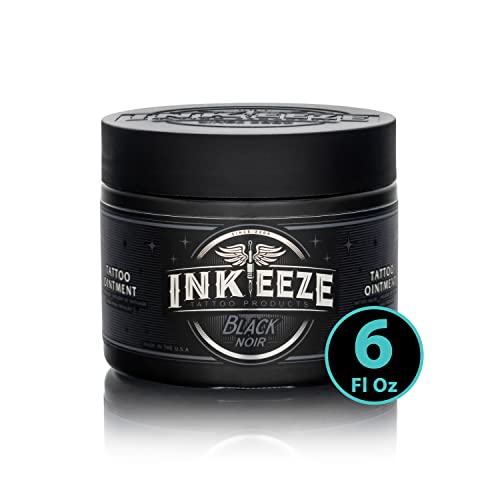
TATTOO OINTMENT- Inkeeze Black Tattoo Ointment is a Non-Petroleum based ointment infused with essential oils. The formula was specifically developed by tattooers and skin care specialists for use as a lubricant during the tattoo process and collectors to use as an aftercare. A little goes a long way

SOOTHES & MOISTURIZES NEW TATTOOS: Deeply hydrating tattoo aftercare balm that supports the skin’s natural recovery process, helps reduce dryness and itchiness, and keeps fresh ink feeling comfortable.
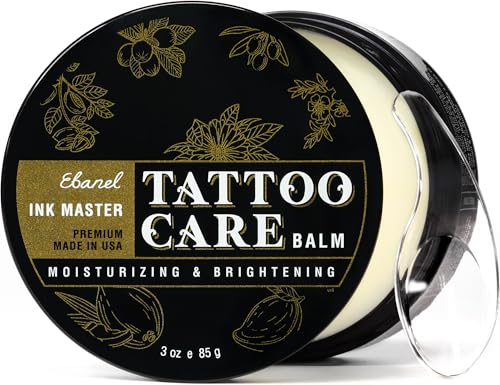
Premium All-Stage Tattoo Aftercare Balm - Enriched with antioxidant-rich, fatty acid-rich, and vitamin-rich natural butters, essential oils, and botanicals, this nourishing tattoo butter balm forms a breathable, protective barrier to deeply moisturize the skin and support its natural healing process. Use before, during, and after tattoo sessions to help preserve tattoo stencil clarity, maintain hydration, and protect fresh tattoo ink, without clogging pores or leaving greasy residue
Switch to These Moisturizers If Coconut Oil Fails
If coconut oil’s causing trouble, you’ll want to switch fast before irritation worsens.
Switch to These Moisturizers If Coconut Oil Fails
- Tattoo-Specific Balms
- Ask your tattoo artist for a fragrance-free aftercare cream.
- These are designed to soothe irritation healing skin without clogging pores.
- Light, Non-Greasy Options
- Choose thin moisturizers, and apply only a small amount.
- Too much product traps sweat and dirt, which worsens irritation healing skin.
- Shea Butter-Based Alternatives
- Use these only after your tattoo stops weeping and peeling.
- Apply lightly to maintain moisture without overwhelming sensitive areas.
- Minimal-Ingredient Formulas
- For acne-prone skin, avoid heavy oils that leave thick films.
- Pick products labeled for wound-healing comfort, with few ingredients.
Consult your tattoo artist if reactions persist, or seek medical care for spreading redness, warmth, or pus.
Recommended Products

PROTECT & HEAL - H2Ocean Aquatat seals the skin in a moisturizing barrier to protect from irritants while still allowing the skin to breathe. Aquatat will also heal topical wounds on skin such as tattoos, rashes, cuts and scrapes while minimizing scabbing.
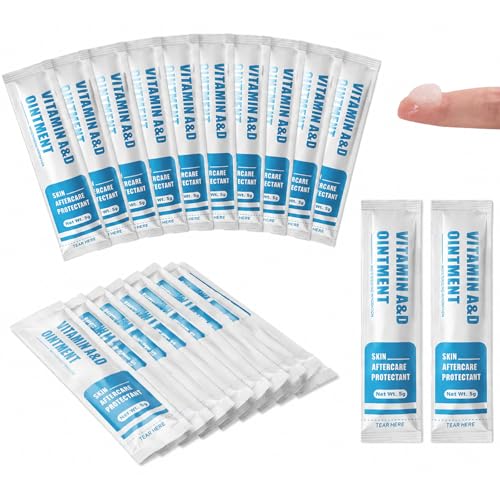
Honest, Accurate Care – This protective ointment comes in 50 hygienic single-serve packets for mess-free, on-the-go convenience. Easy to apply for tattoo protection anytime.

Upgraded Design, Easy to Use --- Tattoo aftercare balm comes in a tube,this container allows you to glide on the butter easily,Rolls on smoothly and evenly on your skin,No more mess or residue on your finger,convenient to use
Hot Weather? Cold? How Climate Changes Your Routine
Whether you’re dealing with summer humidity or winter dryness, climate doesn’t just affect how coconut oil feels on your skin, it changes how you should apply it during tattoo healing.
In hot weather, coconut oil melts thinner and spreads faster. You only need a tiny dab. A small amount of coconut oil goes much further when it’s warm, so resist the urge to overapply, because trapped sweat and dirt can irritate healing skin.
A tiny dab goes further in summer heat—don’t overapply or trap sweat against healing skin.
In cold months, coconut oil stays solid longer. Rub it between your fingers first, then spread a thin, even layer to avoid buildup.
Check your tattoo day by day. If you notice peeling, scabbing, or weeping, stop using coconut oil and switch to your artist’s recommended aftercare product.
Use half your usual amount in summer heat to prevent greasy buildup. Warm coconut oil between your palms before applying in winter. Skip coconut oil entirely during active peeling or weeping. Always avoid sun exposure, regardless of temperature or moisturizer choice.
Recommended Products

TATTOO AFTERCARE LOTION: After Inked Tattoo Lotion brings hydration and nourishment to your tattooed skin. Formulated with grape seed oil, which helps maintain vibrant ink...
What Tattoo Artists Use During Sessions (and Why It Matters)
Your aftercare routine at home is only part of the story, because what happens on the artist’s table also shapes how your skin responds. Fresh ink behaves like an open wound, so artists choose simple, sterile products during sessions.
Many tattooers avoid heavy, fragranced lotions. Some use cold-pressed, unrefined coconut oil in very small amounts as a slick lubricant while treating skin. Coconut oil can help reduce glove slip from thicker barriers, but it isn’t dedicated aftercare.
Product choices during sessions support clean, controlled skin contact. Aftercare timing comes separately.
If you have allergy uncertainty, such as nut or coconut sensitivity, artists will choose safer alternatives like Vaseline. This prevents reactions while keeping your session safe. What artists apply matters for your healing outcome.
Recommended Products