
You skip a rinse, and bacteria move in. You miss a dressing change, and your wound stays wet, warm, and open to infection.
In the first 48 hours, your skin is most vulnerable.
Days 4 through 21 bring rapid new growth that demands protection.
Small lapses trigger inflammation, slow healing, and raise scarring risk.
Watch for spreading redness, warmth, worsening pain, fever, or foul yellow-green drainage.
The good news: most problems are preventable with a simple routine you’ll want to see before your next step.
Start Here: Your 3-Day Post-Procedure Aftercare Routine
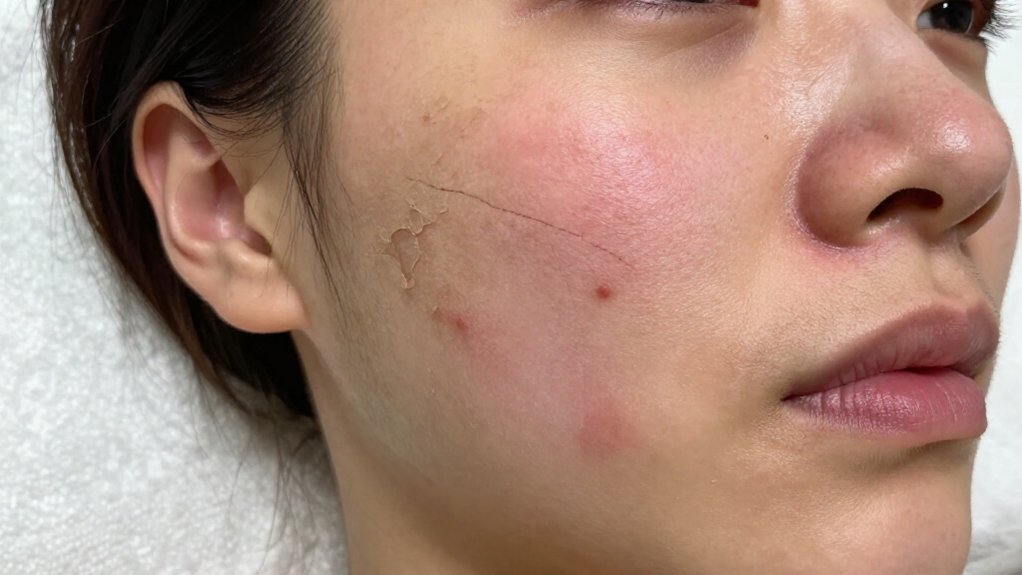
Because your skin is most vulnerable right after a procedure, you’ll need to keep the treated area clean and protected for the first 3 days.
1. Clean gently, but don’t soak
Starting the day after, you wash the wound with fragrance-free soap and water every morning. Pat it dry, don’t rub. If your doctor or nurse said the skin is broken, you skip full immersion. Keep it dry and covered until it’s watertight.
Gently cleanse with fragrance-free soap each morning, pat dry, and avoid soaking until your skin is fully healed.
2. Moisturize for better wound healing
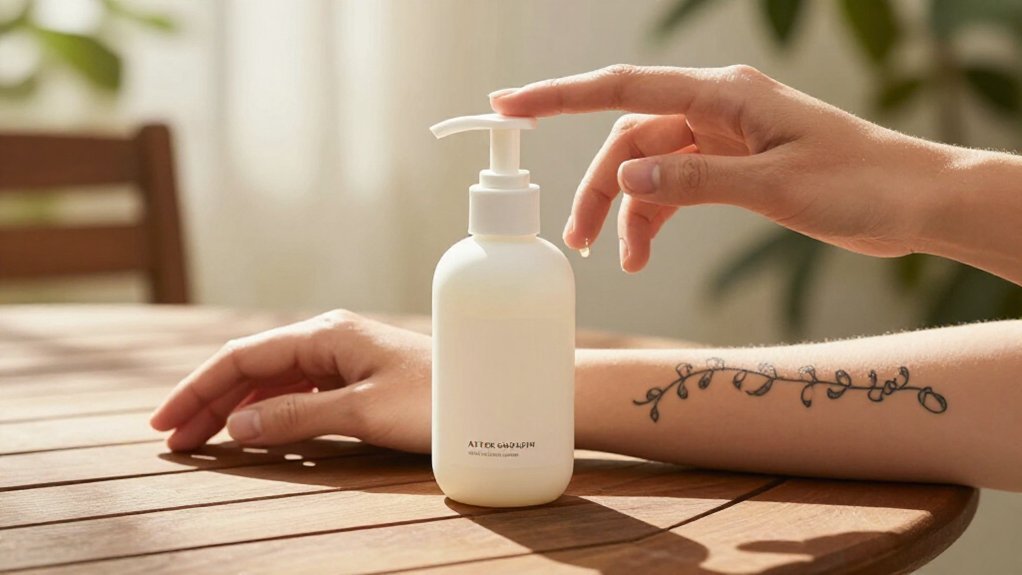
You apply a thin layer of Vaseline or Aquaphor once daily for about 2 weeks. This reduces crusting and supports healing.
3. Leave blisters alone
Don’t pick or puncture anything. Use a Band-Aid only if drainage occurs.
4. Watch for warning signs
During these first 72 hours, you monitor for spreading redness, increasing warmth, hardness, fever over 100.4°F, or bad-smelling yellow-green drainage. Contact your clinician promptly if these appear.
Recommended Products

GENTLE WOUND CLEANSING: Safe, effective saline wound wash designed to cleanse superficial abrasions and minor cuts. Helps remove dirt and debris without harsh additives for everyday first aid care.

Sterile & Individual: Each of the 20 individually packaged Saline Solution units remains sterile after opening, ensuring every use is fresh and uncontaminated
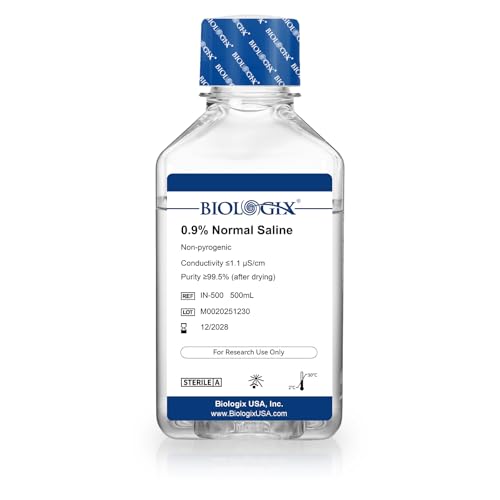
0.1 Micron Filtered Saline Solution:0.9% sodium chloride solution sterilized through 0.1μm filtration for laboratory research, sample preparation, and scientific applications requiring reliable sterile saline solution
How Skipping Steps Slows Wound Healing (and Makes Scars Worse)
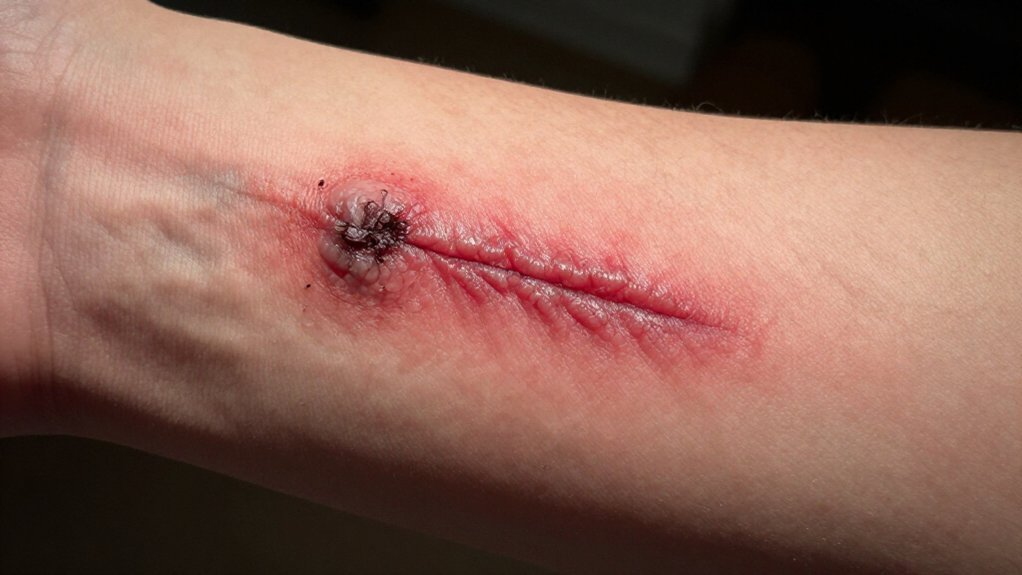
If you skip even one step in your aftercare routine, you’re giving bacteria an open door, and that single mistake can cost you weeks of healing time.
Keeping the wound protected starts with sterile saline rinses in the first 48 hours, followed by timely dressing changes every 1–2 days. Skipping these lets bacteria invade, which increases inflammation and stalls the days 4–21 phase where new skin forms rapidly.
You must avoid picking, rubbing, or stretching the skin around the site. These actions disrupt the fragile early skin-joining process and risk dehiscence, forcing your body to restart the healing process and worsening eventual scarring.
Poor moisture balance and sun exposure during remodeling also make scars thicker, redder, and more persistent.
If you notice symptoms like expanding redness or unusual drainage, contact your healthcare provider promptly. Early intervention prevents abnormal scar remodeling.
Recommended Products

Gentle, Deep Cleansing: Tattoo Goo Foaming Cleansing Soap for tattoos and piercings helps remove impurities and clean the inked or pierced areas at a deep level by removing dirt, dead skin cells, and killing germs without damaging the skin
Perfect for Sensitive Skin: Fragrance free soap gently cleanses and moisturizes skin, leaving skin clean, calm and comfortable

LARGE AND INDIVIDUALLY WRAPPED: Each sterile 5" x 7" BZK wipe is generously sized and individually wrapped in a 2.2" x 2" pouch to maintain freshness and hygiene. Perfect for thorough cleansing without compromising cleanliness or convenience.
Is It Infected? Warning Signs Doctors Want You to Catch Early
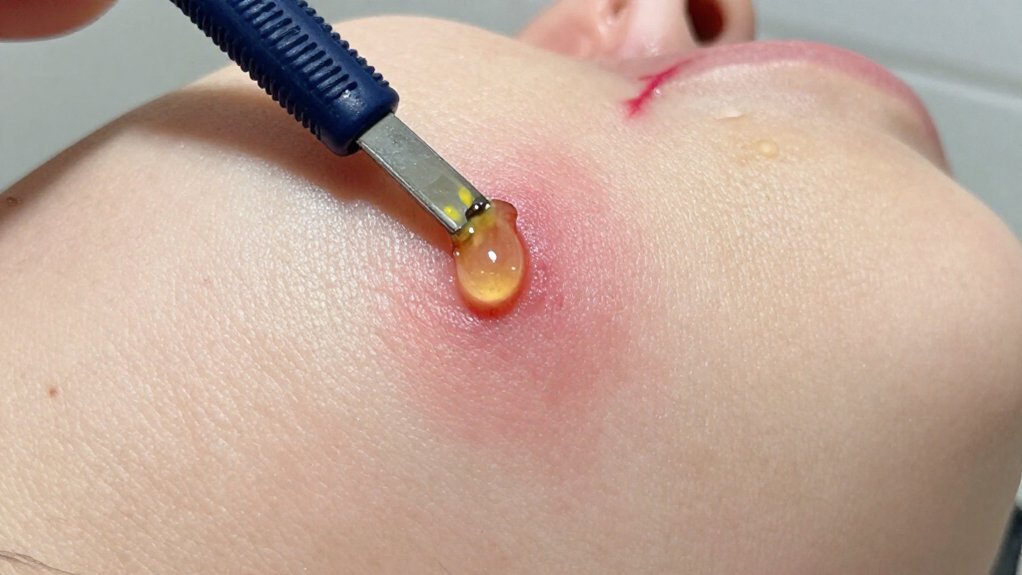
While your skin works to repair itself, bacteria can slip into the treated area and trigger an infection, so knowing what to watch for gives you control over your recovery.
1. Early Signs to Watch
Ask yourself: is it infected? Look for increasing redness, warmth, or swelling. Yellow or green drainage, bad odor, and fever over 100.4°F mean your skin care routine needs urgent backup. In the first two weeks after skin cancer removal, worsening tenderness with spreading redness suggests trouble, not normal healing.
2. When Healing Goes Wrong
Watch for skin cancers treatment sites that feel hot or hard. Pain should fade as new tissue forms, not intensify.
If bleeding won’t stop after 15 minutes of firm pressure, you’ll need prompt help.
3. Red Flags
Contact your clinician immediately if redness or swelling creeps into untreated surrounding areas. Healing occurs best when you catch infection early.
Recommended Products

Protects and locks in moisture to help dry skin heal.
PROTECTS AGAINST DIAPER RASH: Vaseline Petroleum Jelly Baby is a gentle and pure skin care moisturizer that helps treat and prevent chafed skin from diaper rash

HELPS TREAT & PREVENT DIAPER RASH: Helps seal out wetness from your baby’s delicate skin and helps treat and prevent diaper rash. This soothing, hypoallergenic formula also protects chafed skin due to diaper rash.
Blisters and Crusts: Leave Them Alone or Treat Them?
Once you’ve ruled out infection, you’ll face a new question: what to do with the blisters and crusts that form after treatment. You’ll want to protect the blisters and tissue beneath, since that fluid shields raw skin while it repairs.
Once infection is ruled out, protect blisters and crusts—the fluid beneath shields raw skin as it heals.
Avoid picking at blisters, even if they drain clear fluid. Apply petroleum jelly daily for about 2 weeks to soften crusts. Wash the skin around treated areas gently with fragrance-free soap starting tomorrow. Leave sites uncovered unless drainage needs a light bandage.
Crusts are normal, and they’ll release naturally with moisture. If a blister breaks, keep it clean and protected, but don’t rub aggressively. Watch for spreading redness, warmth, bad smell, or fever. These mean you need medical help.
Let your skin heal at its own pace
Recommended Products

PAIN-: Experience the comfort and ease of our non stick pads for wounds, designed by MED PRIDE for pain- removal and switching. Ideal for individuals dealing with wounds, these wound pads minimize discomfort during dressing changes, promoting faster healing and recovery.
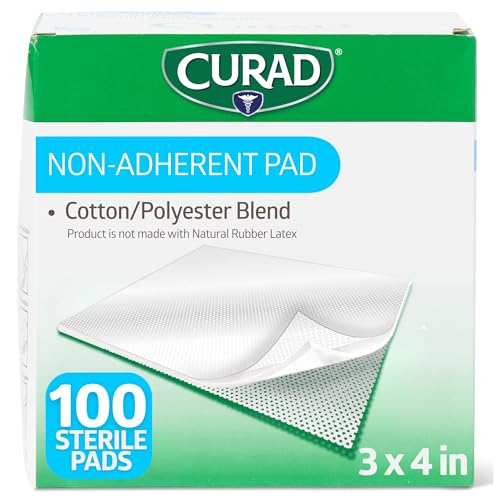
Top layer is made of soft, perforated film that allows air to circulate

When Can You Shower, Exercise, and Wear Makeup Again?
Because your skin’s barrier is temporarily compromised after removal, you’ll need to adjust your daily routine for a short time.
1. Showering
If your skin is broken after removal, keep it out of water for about 3 days. Then shower gently and pat dry. If it isn’t broken, you can wash as usual, but avoid very hot water and scented, harsh products.
2. Exercise
It’s best to avoid sweating on any open or broken skin for about 3 days. This keeps the wound clean and protected from moisture and irritation.
3. Makeup
Don’t apply makeup every day until the area is fully closed and dry. Resume only after it’s safe, often 2 to 3 days after drying, to reduce contamination risk.
4. With Stitches
If you have stitches after Plastic surgery, keep the area out of immersion water for up to 21 days. Follow your clinician’s guidance before returning fully to normal activities.
Stay hydrated to support your skin and tissue as they heal. Do not rush. If you resume too early, you increase infection risk, delayed healing, and scarring. Wait until your skin is closed, dry, and non-tender.
Recommended Products

Breathable & Comfortable: Transparent film dressings are highly breathable, allowing the skin to breathe freely and helping to promote natural wound healing. High ductility, can be used for flexible connectors. Pre-cut transparent design, easy to use, easy to observe the wound site or equipment conditions.

SUPERIOR PROTECTION & HEALING - Our transparent film dressing (4" x 4.7" after paper rim removal) acts as a reliable barrier against dirt, bacteria, and water. Creates a clean, breathable environment to support faster recovery for wounds, abrasions, IV sites, and post-surgical areas.
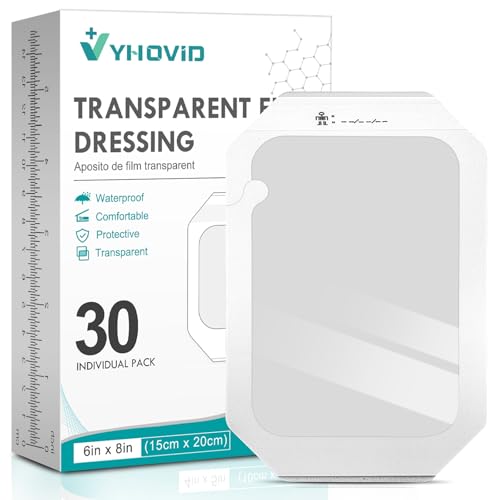
Breathable & Comfortable: Transparent film dressing are highly breathable, allowing the skin to breathe freely and helping to promote natural wound healing. High ductility, can be used for flexible connectors. Pre-cut transparent design, easy to use, easy to observe the wound site or equipment conditions.