
You might assume tattoo inks undergo strict safety testing before they reach your skin, but that’s not how FDA oversight works. Tattoo inks are classified as cosmetics, not drugs, so manufacturers don’t need premarket approval or clinical trials.
The FDA only steps in after problems surface, relying on voluntary reports of infections, allergic reactions, or contaminated products. This reactive approach leaves significant gaps in consumer protection.
New 2024 draft guidance aims to tighten microbial standards, but understanding your current risks, and knowing how to respond when issues arise, matters more than ever.
Why the FDA Treats Tattoo Ink as Cosmetics
Because tattoo inks are applied to your skin to change how you look, the FDA classifies them as cosmetics under the Federal Food, Drug, and Cosmetic Act. This classification shapes how you’re protected.
What This Means for You
As a cosmetic, tattoo ink escapes the premarket approval that drugs require. The FDA has received reports of adverse reactions through voluntary adverse-reaction reporting, which drives most regulatory oversight. You’re relying on others to speak up when problems arise.
Key Limitations You Should Know
: Color additives in inks aren’t pre-approved for tattoo use
: Contaminated tattoo inks have triggered recalls when reported
: State and local rules cover hygiene, not ink formulas
This reactive system means you’re entering the studio with less federal safety verification than you might expect.
Recommended Products

MADE IN THE USA SINCE 1990 — For over 30 years Dynamic Color has produced professional tattoo ink in the United States, an established American brand artists built their work on long before most imported labels existed.

MADE IN THE USA SINCE 1990 — For over 30 years Dynamic Color has produced professional tattoo ink in the United States, an established American brand artists built their work on long before most imported labels existed.

100% new brand and high quality. Favored among professional tattoo technicians.
The Testing Gap: No Pre-Market Safety Requirements
You rely on a passive system where problems surface only after adverse reactions occur. Contaminated inks have repeatedly slipped through, with microbial contamination found in sealed bottles during routine sampling. Between 2003 and 2024, 18 products were voluntarily recalled after illnesses emerged.
The FDA issued guidance for preventing contamination during preparation and holding, but this remains voluntary, not mandatory batch testing. You bear the uncertainty until harm appears.
Recommended Products

MADE IN THE USA SINCE 1990 — For over 30 years Dynamic Color has produced professional tattoo ink in the United States, an established American brand artists built their work on long before most imported labels existed.

MADE IN THE USA SINCE 1990 — For over 30 years Dynamic Color has produced professional tattoo supplies in the United States, an established American brand artists built their work on long before most imported labels existed.

【Good Quality Material】These tattoo ink caps are made of good quality plastic, waterproof and durable, it can be disposable used or reusable. These tattoo ink cups can be stored for a long time and will not expire. The clear cups make it easy to observe the tattoo ink.
Documented Health Risks in Contaminated Tattoo Inks
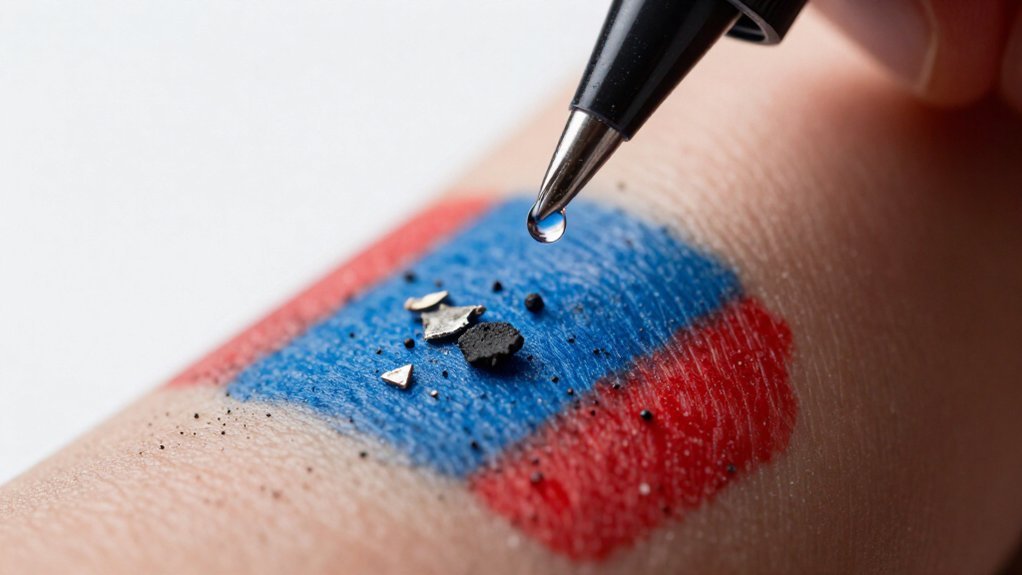
When you sit in the tattoo chair, you’re trusting that the ink entering your skin is safe, but documented cases show that trust isn’t always warranted.
1. What You’re Actually Facing
Contaminated inks pose real health risks you can’t ignore. The Food and Drug Administration (FDA) has found microbial contamination, meaning bacteria and other germs, even in sealed tattoo ink bottles. You can’t rely on “sterile” labeling alone.
2. The Numbers Matter
Between 2003 and 2024, the FDA tracked 18 voluntary recalls of tattoo ink for contamination. These aren’t rare events.
Skin infections and more severe infections have followed tattooing, sometimes requiring multiple antibiotics, hospitalization, or surgery.
3. Your Role in Safety
You should report adverse reactions to the FDA. The agency issues alerts when testing confirms problems, but you must stay informed.
Watch for adverse reactions like prolonged redness, swelling, or pain, and act quickly to protect your health.
Recommended Products

100% authentic makeup tattoo ink from Charme Princesse, new pigment for microblading, permanent makeup and tattoo

MADE IN SPAIN, REACH COMPLIANT — Dynamic Color Platinum is produced in the European Union and formulated to meet REACH requirements for tattoo inks, so it fits studios that require REACH-compliant pigments.

MADE IN SPAIN, REACH COMPLIANT — Dynamic Color Platinum is produced in the European Union and formulated to meet REACH requirements for tattoo inks, so it fits studios that require REACH-compliant pigments.
When the FDA Finally Acts: Recalls and Alerts
Although the FDA doesn’t approve tattoo inks before they hit the market, the agency does step in when contamination surfaces. You should know that FDA issues safety alerts and recalls to protect you from harm.
How the FDA Responds
Between 2003 and 2024, you’ll find 18 voluntary recalls due to microbial contamination, including one from August 2024. The FDA found contamination even in sealed tattoo ink bottles, prompting swift action.
Between 2003 and 2024, 18 tattoo ink recalls occurred due to microbial contamination—even sealed bottles weren’t safe.
In May 2019, you saw the agency issue a safety alert advising consumers and tattoo artists to avoid specific contaminated inks. This was followed by warning letters in September 2019.
The FDA tracks your adverse reactions and evaluates new reports. When you report problems, you help trigger investigations that may lead to additional recalls and market withdrawals of dangerous products.
Recommended Products

MADE IN THE USA SINCE 1990 — For over 30 years Dynamic Color has produced professional tattoo ink in the United States, an established American brand artists built their work on long before most imported labels existed.
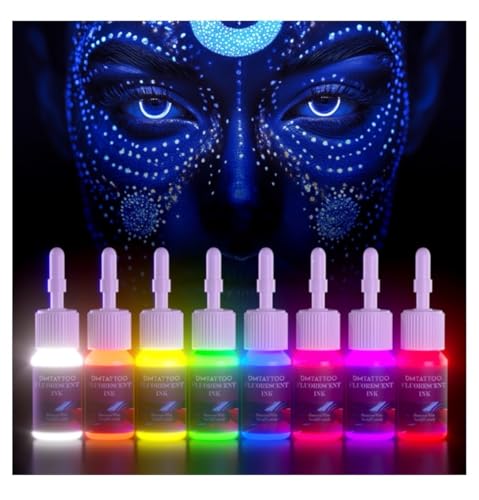
PROFESSIONAL QUALITY: Each bottle of permanent tattoo ink in this colorful pack of tattoo accessories is made of high pigment content that will safely dye and tint your skin pigment the way you want. The ink will only last if the tattoo is done correctly with a needle that properly and safely penetrates the dermis layer of the skin.

MADE IN THE USA SINCE 1990 — For over 30 years Dynamic Color has produced professional tattoo ink in the United States, an established American brand artists built their work on long before most imported labels existed.
What the FDA’s New 2024 Rules Mean for You
Because the FDA issued new draft guidance in October 2024, you’re now seeing stronger pressure on manufacturers to keep tattoo inks free from harmful microbes. The 2024 FDA guidance targets insanitary conditions during production and storage, pushing companies toward testing inks for microbial contamination before release.
What Changes for You
No pre-market FDA approval exists, but industry faces stricter expectations. Recalls (tattoo inks) continue: 18 occurred between 2003 and 2024, with the most recent in August 2024.
Your Role in Tattoo Ink Safety Regulations
You help protect others when you report adverse reactions. The FDA uses consumer reports to spot contamination trends and trigger action. Consumers and healthcare providers both contribute to this safety net.
If you experience problems, report a cosmetic product complaint through FDA channels. Your input directly shapes enforcement priorities and future protections.
Recommended Products

MADE IN THE USA SINCE 1990 — For over 30 years Dynamic Color has produced professional tattoo ink in the United States, an established American brand artists built their work on long before most imported labels existed.

MADE IN THE USA SINCE 1990 — For over 30 years Dynamic Color has produced professional tattoo ink in the United States, an established American brand artists built their work on long before most imported labels existed.

MADE IN THE USA SINCE 1990 — For over 30 years Dynamic Color has produced professional tattoo ink in the United States, an established American brand artists built their work on long before most imported labels existed.
How to Report Bad Reactions to the FDA
You already play a part in tattoo ink safety by staying informed, and you can take direct action when something goes wrong. When you report adverse reactions, you help the FDA track contaminated tattoo inks and protect others.
Staying informed is your first step in tattoo ink safety—reporting adverse reactions helps the FDA protect others from contaminated products.
Steps to Report
Use the FDA’s “How to Report a Cosmetic Product Related Complaint” form online; describe what happened and when symptoms started. Include your tattoo ink brand color/shade, lot or batch number, and studio/artist information if you have them.
Note that injection into the skin carries risks, so document any unusual reactions like rashes, bumps, or scarring. For infection tattoo symptoms, such as spreading redness, warmth, or fever, prioritize seeking medical care first, then report the outcome.
Report tattoo removal problems through the same pathway to complete the safety picture.
Recommended Products

100% brand new and high quality

🦋Note:Please shake the ink before use.

100% new brand and high quality. Favored among professional tattoo technicians.