
You’ve just left the studio with fresh ink, and now you’re wondering when you can hit the gym again. The answer isn’t as simple as you’d hope—it depends on placement, size, and how your body heals. Get it wrong, and you risk infection, fading, or permanent damage to your artwork. Here’s what you need to know before you lace up those sneakers.
Key Takeaways
- Wait at least 48 hours before light exercise; intense workouts need 1–2 weeks minimum.
- Avoid swimming pools, saunas, and direct sun exposure entirely during healing.
- Resume exercise only when peeling stops, skin feels smooth, and no redness remains.
- Modify movements that stretch, rub, or press against the tattooed area.
- Choose low-sweat options like walking or Pilates; clean the tattoo immediately after.
Recommended Products

Protective Tattoo Aftercare Film – Lightweight tattoo cover film designed to help keep new tattoos protected from everyday contact, friction, dirt, and external elements while maintaining a clean, discreet appearance under clothing.

COMPLETE AFTERCARE KIT FOR NEW & EXISTING TATTOOS: This Tattoo Aftercare Kit brings together 3 essentials, Antimicrobial Soap, Tattoo Balm, and Tattoo Lotion, to help cleanse, protect, and moisturize fresh ink. Useful after tattoo sessions and throughout healing, it supports vibrant color and skin comfort for dedicated ink enthusiasts and artists

WHAT IS PAMIOU TATTOO AFTERCARE FILM? - The second skin tattoo cover is design of three-layer: Composed of PU film, PE protective layer and the release paper. It can be used to lock the tattoo ink, protect your tattooed skin.
When Can You Safely Work Out After Getting a Tattoo?
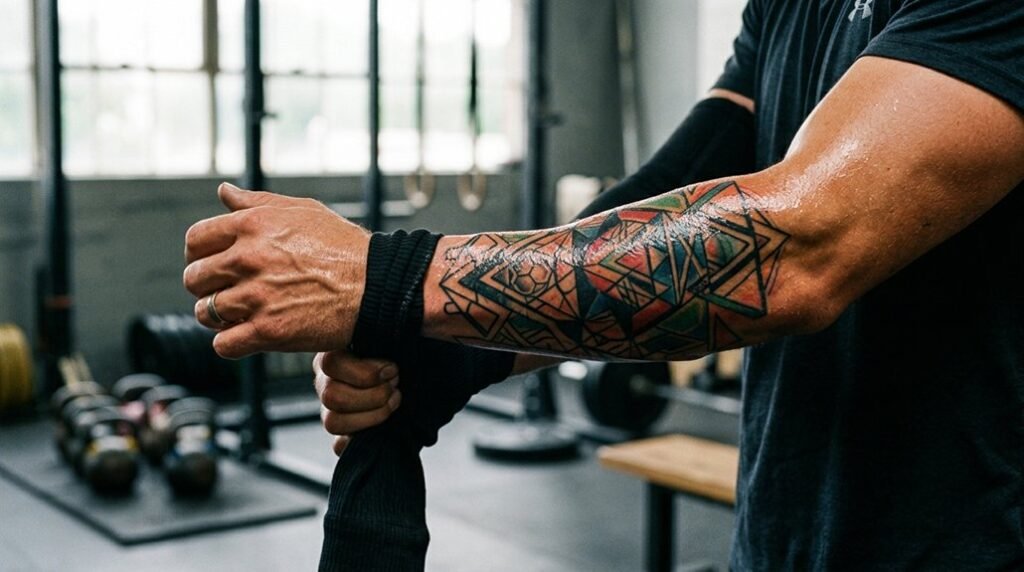
While you might feel eager to hit the gym, you’ll need to wait at least 48 hours before doing any light exercise—and longer for intense workouts. Your fresh tattoo creates an open wound that requires time to seal and begin healing. During these first two days, your skin forms a protective barrier, and you’ll notice plasma, ink, and blood oozing from the site. Disrupting this process invites infection and damages your artwork.
After 48 hours, you can attempt light cardio that doesn’t stretch or rub the tattooed area. You’ll want to avoid direct sun exposure, swimming pools, and saunas entirely. Heavy lifting, contact sports, and high-intensity training demand you wait one to two weeks minimum. Sweat introduces bacteria, and friction from clothing or equipment tears healing tissue. Listen to your artist’s specific guidance based on your tattoo’s size and location.
Recommended Products

Foaming Tattoo Soap: Great for in-process and post-tattoo and piercing care. Keeps new tattoos & piercings clean during the healing process.

GENTLY CLEANSES NEW TATTOOS - Use Repair Tattoo Wash during the healing process to keep your fresh tattoo ink clean or as a perfect prep wash before and after tattooing.

ESSENTIAL AFTERCARE FOR TATTOOS & PIERCINGS: After Inked Aftercare Foam Cleanser is designed to gently cleanse and remove dirt from tattoos, piercings, and body modifications. It provides an effective yet soothing clean without causing skin irritation or dryness.
How to Tell Your Tattoo Is Ready for Exercise
Since you’ve waited the recommended period, you’ll need to check for specific healing signs before resuming your routine. You’ll know your tattoo’s ready when the peeling stops completely and the surface feels smooth, not raised or scabby. The skin shouldn’t feel tender when you touch it lightly, and any redness or inflammation must have faded entirely. You shouldn’t see any open areas, oozing, or shiny, raw-looking patches.
Run your clean fingers across the design—if you feel no texture differences between the tattooed and surrounding skin, you’ve likely healed sufficiently. The color should appear settled rather than dull or cloudy. You’ll also notice your tattoo doesn’t feel tight or itchy anymore. If you’ve reached this stage without complications, you’ve earned the green light to ease back into physical activity.
Recommended Products

Transparent Matte Film Protection - This breathable tattoo bandage is a must-have in your tattoo supplies, offering latex-free protection that supports gentle healing for new ink.

THE ORIGINAL TATTOO AFTERCARE BANDAGE – Saniderm’s Original Gloss Bandage is the tried-and-true, industry-defining tattoo aftercare bandage. Dermatologist-recommended and trusted by expert tattoo artists worldwide, this medical-grade bandage ensures your tattoo heals quickly, safely, and more vibrantly. With over a decade of experience and millions of tattoos healed, it’s the perfect way to heal your ink.

TATTOO BANDAGE SHIELD - The Derm Shield matte adhesive bandage roll measures 8 inches x 2 yards. It can be cut and trimmed to fit any size tattoo.
Workout Movements That Damage Healing Tattoos
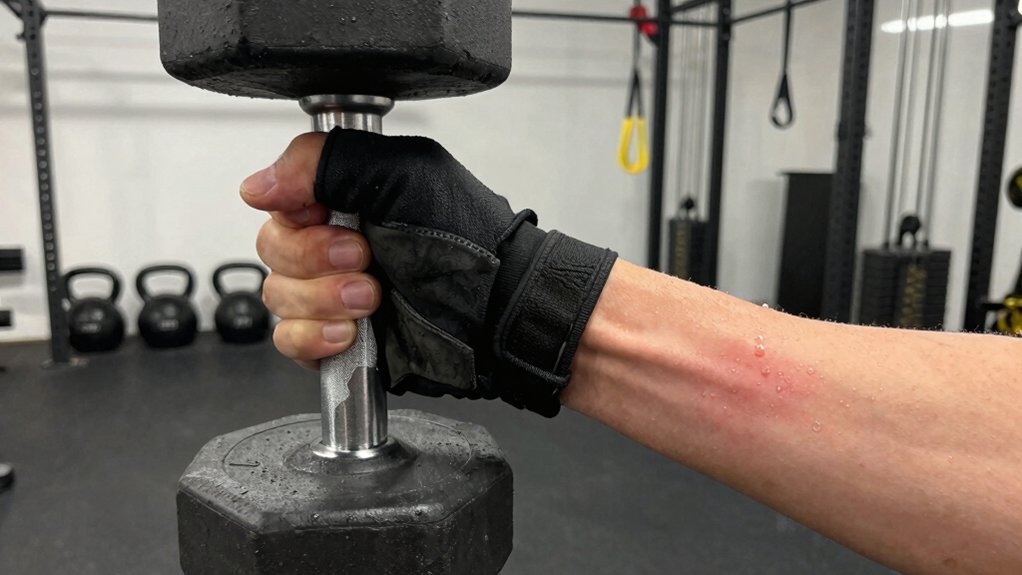
Where exactly you place pressure during exercise matters tremendously when your tattoo’s still healing, and certain movements create friction, stretching, or direct contact that’ll compromise your fresh ink.
Bench pressing presses barbells against chest tattoos.
Squats with loaded bars grind against upper back pieces.
Deadlifts rub thighs and shins raw.
Yoga planks and push-ups stretch shoulder and arm tattoos while pressing them into mats.
Rowing machines drag against calf and thigh ink.
Spin bikes chafe inner thighs and hips.
Boxing gloves abrade hand and wrist tattoos with every impact.
Swimming strokes pull and twist back and shoulder pieces through repetitive motion.
You must modify these movements or skip them entirely until your skin fully heals.
Recommended Products
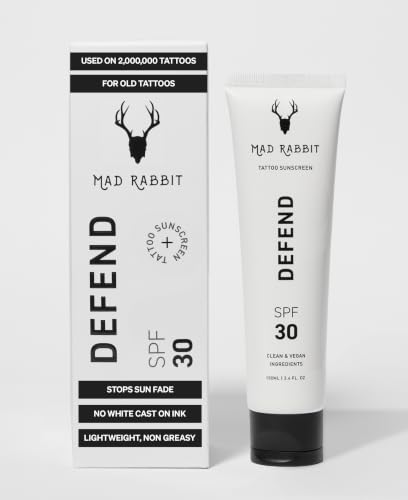
FOR ALL SKIN TYPES, INKED OR NOT - This daily, 100% mineral sunscreen works hard to protect skin and tattoos from the damage caused by exposure to harmful UVA & UVB rays.

Tattoo-Safe Mineral Formula: Our tattoo sunscreen lotion uses non-nano zinc oxide, a physical barrier that sits on the skin to block UVA/UVB rays without penetrating or irritating tattoos. This helps prevent fading, discoloration, or damage to tattoo ink caused by sun exposure.
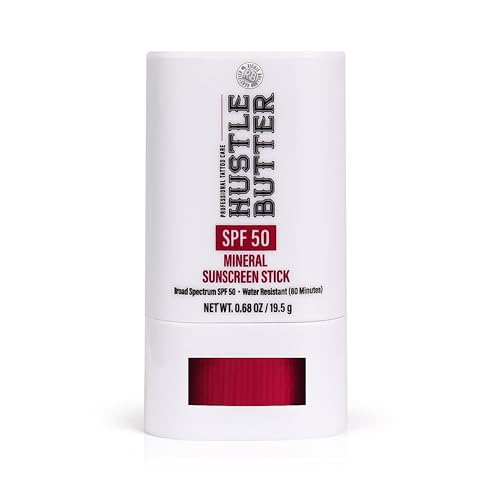
Tattoo Sun Protection, SPF 50: Our tattoo sunscreen stick provides broad-spectrum UVA/UVB coverage, preventing sun damage and fading, keeping tattoo ink vibrant and sharp.
Why Gym Germs and Sweat Slow Tattoo Healing
How exactly does your gym routine threaten that fresh ink? Your fresh tattoo creates an open wound, and gyms harbor bacteria that swarm shared equipment. When you grab dumbbells or lie on benches, you’re inviting staphylococcus and other pathogens into your healing skin. You’re risking infection that damages ink and delays healing substantially.
Sweat compounds the problem. You’re producing salt and moisture that irritates your wound rather than nurturing it. Excess moisture softens your scabbing, causing premature peeling and patchy color loss. You’re essentially working against your artist’s careful application.
Your immune system divides its attention between muscle recovery and skin repair, slowing both processes. You’re prolonging inflammation when you should prioritize healing. Skip the gym briefly; you’ll protect your investment and your health.
Recommended Products

Dry Hands and Cuticles: Frequent exposure to water, hand soap, hand sanitizer or extreme weather conditions can cause dry, cracked heels, hands, and cuticles. Use A plus D First Aid Healing Ointment, an effective moisturizer, to help protect and relieve dry and cracked skin

PROTECT & HEAL - H2Ocean Aquatat seals the skin in a moisturizing barrier to protect from irritants while still allowing the skin to breathe. Aquatat will also heal topical wounds on skin such as tattoos, rashes, cuts and scrapes while minimizing scabbing.

POWERFUL, EFFECTIVE PROTECTION & HEALING: Terrasil Wound Care is uniquely formulated to provide a powerful barrier against infection, killing 99.99% of bacteria. Soothing formula covers and protects damaged skin and supports fast healing of wounds, ulcers, bedsores and pressure sores. Most customers experience noticeable relief in 2-3 days depending on the severity of the skin condition. Gentle enough for sensitive skin on both adults and kids.
Low-Sweat Workouts That Won’t Ruin Your New Ink
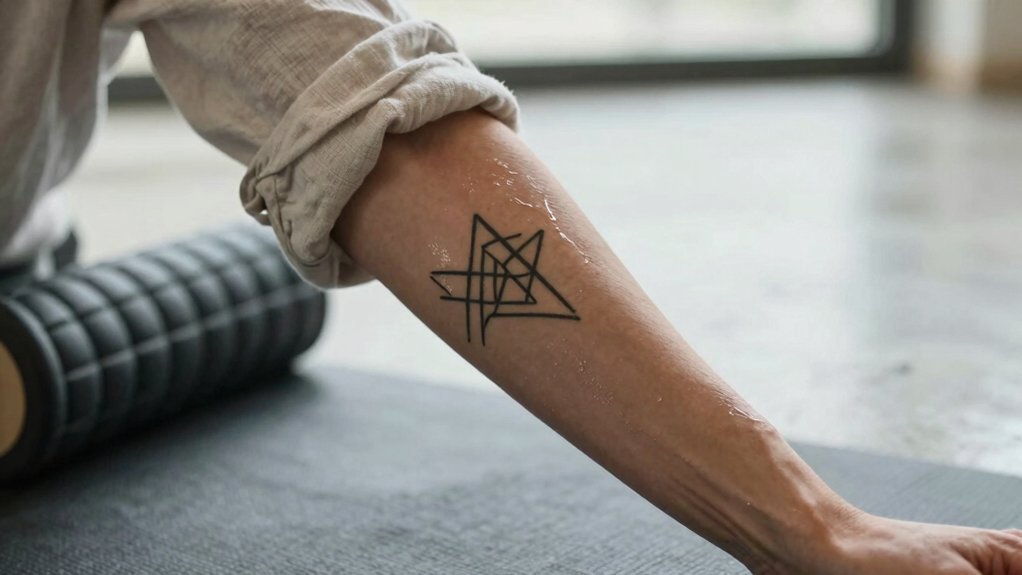
What can you do when restlessness hits but your tattoo’s still fresh? You choose low-sweat options that keep you moving without soaking your new ink.
You try gentle yoga flows in a cool room, holding poses without generating heat. You practice Pilates, focusing on controlled movements and deep breathing rather than intensity. You walk outdoors during cooler hours, keeping your pace moderate and your tattoo covered with loose, breathable clothing. You perform light resistance band exercises, working single muscle groups without raising your body temperature markedly.
You avoid hot environments, tight workout clothes over the tattooed area, and any movement that makes you drip sweat. You keep sessions short—twenty to thirty minutes maximum—and clean the area immediately afterward with fragrance-free soap. You listen to your artist’s aftercare instructions above all else.
Recommended Products

FLEX VS ORIGINAL BANDAGES – Saniderm’s all-new Flex tattoo aftercare bandages are engineered with a 50% thinner profile than our original gloss bandages while retaining their same trusted adhesive and durability. Ultraflexible and perfect for high-movement areas, Flex delivers exceptional tattoo healing with no compromise on comfort. A matte, non-reflective finish ensures a smooth feel, eliminates glare on new tattoos, and delivers a refined, premium user experience.
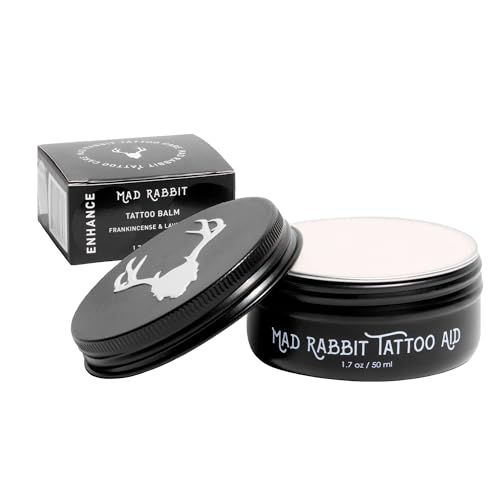
ENHANCE & MAINTAIN YOUR INK - This ultra-nourishing balm instantly enhances ink vibrancy as it forms a protective barrier on skin to help moisturize and soothe skin.

Nourishes Healing Ink for Vibrant Color: Tattoo Goo supports healing tattoos & maintains vibrancy on healed ink with a lightweight formula rich in olive oil, lavender oil, cocoa butter, and beeswax. It absorbs quickly, moisturizes deeply, and helps reduce dryness, itch and tightness so your tattoo looks and feels comfortable through everyday routines
Conclusion
You’ll keep your tattoo vibrant by waiting at least 48 hours before light exercise and longer for intense sessions. Start with low-sweat activities like walking or gentle yoga once there’s no oozing, scabbing, or tenderness. Skip heavy lifting, high-impact moves, and gym environments that expose healing skin to germs and friction. Always follow your artist’s aftercare instructions, stay out of pools and saunas, and you’ll protect your new ink while easing back into your routine safely.
Recommended Products

Gentle, Deep Cleansing: Tattoo Goo Foaming Cleansing Soap for tattoos and piercings helps remove impurities and clean the inked or pierced areas at a deep level by removing dirt, dead skin cells, and killing germs without damaging the skin

PERFECT FOR THE TATTOO ARTIST AND COLLECTOR – Whoever you are, you want to make your tattoo aftercare experience convenient and effortless. This soap ensures the tattoo always leaves the shop or house sanitized and moisturized.

PERFECT FOR THE TATTOO ARTIST AND COLLECTOR – Whoever you are, you want to make your tattoo aftercare experience convenient and effortless. This soap ensures the tattoo always leaves the shop or house sanitized and moisturized.