
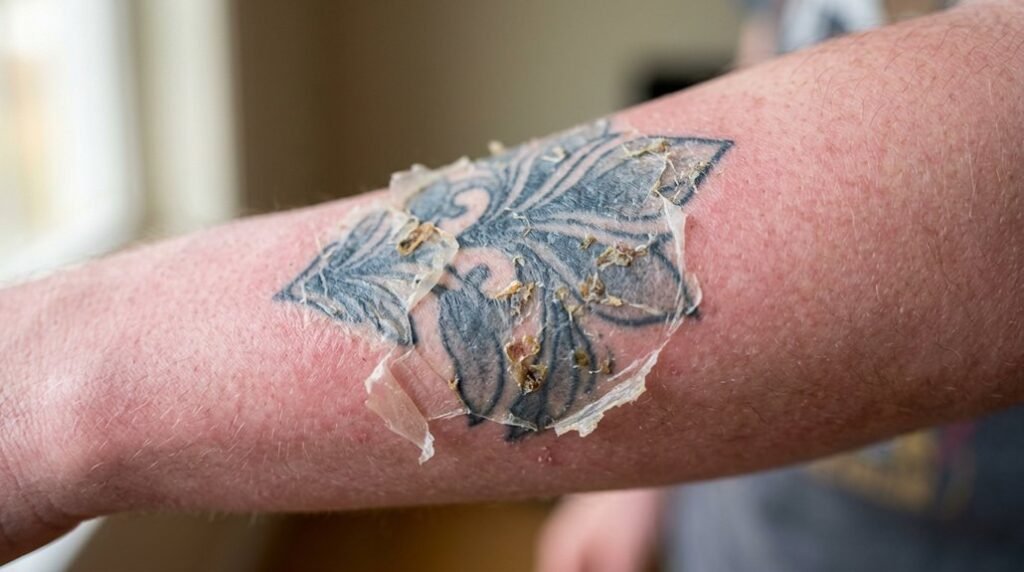
You glance in the mirror and your fresh tattoo looks washed out, almost ghostly, and panic sets in. That vibrant ink you left the shop with seems to have vanished beneath a dull, filmy layer. Before you assume the worst, you should know this is nearly universal—but not all fading is harmless.
Key Takeaways
- Dead skin, plasma, and dried fluids form a translucent film that masks ink vibrancy temporarily.
- Immune response pushes ink particles upward, creating a washed-out appearance during early healing.
- Colors typically return within two to six weeks as new skin regenerates and settles completely.
- Proper aftercare prevents dullness: moisturize lightly, avoid picking, and keep the area clean.
- Consult a professional if you see thick bleeding scabs, pus, or worsening pain after week one.
Recommended Products

TATTOO AFTERCARE LOTION: After Inked Tattoo Lotion brings hydration and nourishment to your tattooed skin. Formulated with grape seed oil, which helps maintain vibrant ink colors while pacifying the skin and promoting moisture retention.

Protect Your Body Art: Moisturizing with the bonus of itch relief! Tattoo Goo's Tattoo Care Lotion soothes healing skin & keeps healed ink looking sharp for life. With olive oil & glycerin, it delivers deep, breathable hydration that won’t clog pores

COMPLETE AFTERCARE KIT FOR NEW & EXISTING TATTOOS: This Tattoo Aftercare Kit brings together 3 essentials, Antimicrobial Soap, Tattoo Balm, and Tattoo Lotion, to help cleanse, protect, and moisturize fresh ink. Useful after tattoo sessions and throughout healing, it supports vibrant color and skin comfort for dedicated ink enthusiasts and artists
Why Your Tattoo Looks Faded During Healing (It’s Normal)
Why does your fresh ink suddenly look dull and lifeless? You’re witnessing a completely normal part of healing. Your tattoo isn’t actually fading—it’s hiding beneath a layer of dead skin and plasma that forms during the initial recovery phase.
Your immune system kicks into high gear immediately after the needle stops. White blood cells rush to the wound, creating inflammation and pushing plasma to the surface. This fluid mixes with ink particles and dries into a translucent film. You’re seeing your tattoo through this cloudy window, which mutes the colors beneath.
Meanwhile, your skin regenerates from the bottom up. New cells migrate upward, carrying trapped ink with them. You’re observing this biological process in real time. The vibrant pigments remain locked in your dermis; they’re simply masked by temporary surface changes.
Recommended Products

PROTECT & HEAL - H2Ocean Aquatat seals the skin in a moisturizing barrier to protect from irritants while still allowing the skin to breathe. Aquatat will also heal topical wounds on skin such as tattoos, rashes, cuts and scrapes while minimizing scabbing.

FRAGRANCE FREE TATTOO AFTERCARE FOR SENSITIVE SKIN - The same #1 artist recommended Hustle Butter formula, now with no added fragrance, dyes, or parabens. The unscented tattoo lotion of choice for sensitive or easily irritated skin.

GENTLY CLEANSES NEW TATTOOS - Use Repair Tattoo Wash during the healing process to keep your fresh tattoo ink clean or as a perfect prep wash before and after tattooing.
How Long Until Your Tattoo Looks Vibrant Again?
When exactly will your bold colors return? You’ll see major improvement within two to four weeks after the peeling stops. During this period, your tattoo transition from dull and flaky to significantly brighter as the dead skin sheds completely.
By week six, your ink usually reaches full vibrancy. The healing process follows a predictable timeline: days one through three bring redness and swelling, days four through fourteen show peeling and fading, and weeks three through six reveal your tattoo’s true colors emerging.
You can speed this along by keeping your tattoo moisturized, avoiding sun exposure, and resisting the urge to pick at scabs. Everyone heals differently though—larger pieces or color-heavy designs may take eight weeks to fully settle. Trust the process and let your skin do its work.
Recommended Products

☑Natural Safe Organic Ingredients: Tattoo Aftercare Butter is composed of Shea Butter, Jojoba, Macadamia Ternifolia Seed Oil and Vitamin E Complex. Our all-natural butter is also petroleum-free and paraben-free. After use, it can make the tattooed skin heal faster and moisturize the skin. Makes your skin smooth and the tattoo color bright.

Upgraded Design, Easy to Use --- Tattoo aftercare balm comes in a tube,this container allows you to glide on the butter easily,Rolls on smoothly and evenly on your skin,No more mess or residue on your finger,convenient to use
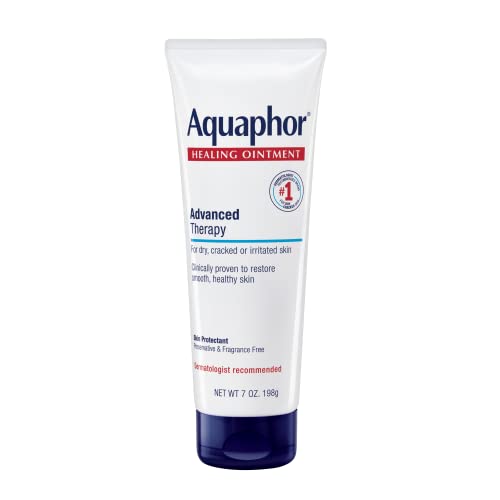
Net Weight and Dimensions: Each tube holds 7 oz. (198 g) of ointment, and measures approximately 19.9 x 5.7 x 5.2 cm; ideal for portability and easy storage
Is Your Tattoo Healing or Damaged? 3 Signs to Check
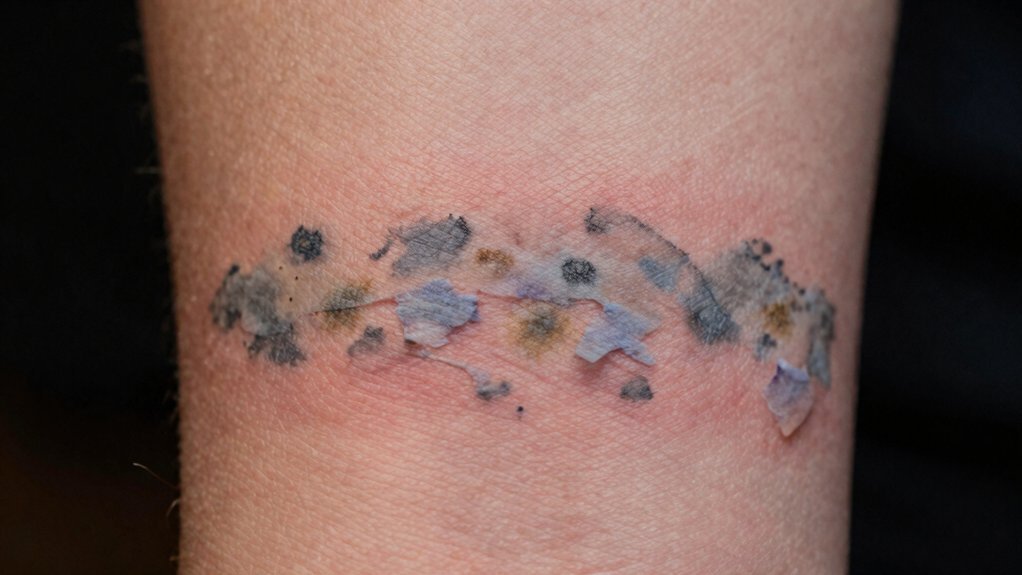
Knowing your tattoo’s healing timeline helps you spot when something’s off track. Look for these three warning signs that distinguish normal healing from actual damage.
First, examine the scabbing. You’ll notice thin, flaky layers peeling away during proper healing. Thick, raised scabs that bleed or crack signal you’ve likely picked at the area or snagged clothing on fresh ink.
Second, check the drainage. Clear plasma or modest ink runoff means your skin’s repairing itself. Green or yellow pus, accompanied by swelling or heat, indicates infection demanding immediate attention.
Third, assess the pain timeline. Discomfort peaks during days two through four, then steadily decreases. Persistent sharp pain beyond week one, or pain that suddenly intensifies, suggests complications rather than recovery.
Trust your instincts—when in doubt, contact your artist or a medical professional.
Recommended Products

Breathable & Comfortable: Transparent film dressings are highly breathable, allowing the skin to breathe freely and helping to promote natural wound healing. High ductility, can be used for flexible connectors. Pre-cut transparent design, easy to use, easy to observe the wound site or equipment conditions.

Widely Used: Our tattoo film has grid lines on the backing paper, which can be cut into different sizes according to requirements. The size of the film is 6 inches x 8 yards, including 3 layers, namely PET backing, PU film and release paper. Soft and stretchable, which makes it fit perfectly anywhere in the body

THE ORIGINAL TATTOO AFTERCARE BANDAGE – Saniderm’s Original Gloss Bandage is the tried-and-true, industry-defining tattoo aftercare bandage. Dermatologist-recommended and trusted by expert tattoo artists worldwide, this medical-grade bandage ensures your tattoo heals quickly, safely, and more vibrantly. With over a decade of experience and millions of tattoos healed, it’s the perfect way to heal your ink.
Aftercare Mistakes That Make Tattoos Look Duller
How you care for fresh ink directly determines how vibrant it stays. You compromise colors when you skip moisturizing, letting skin crack and scab excessively. You’re trapping bacteria when you slather on too much ointment, suffocating the tattoo and causing ink to leach out. You’re inviting infection when you touch unwashed hands to healing wounds, pushing pigment away.
You fade artwork faster by picking at peeling skin, ripping out ink with every flake you remove. You’re slowing healing when you submerge fresh tattoos in baths or pools, softening scabs prematurely. You damage color by exfoliating too early or using harsh soaps, stripping away settling pigment. You’re working against your artist when you ignore aftercare instructions, assuming you know better. These mistakes don’t just delay healing; they permanently dull what should stay bright.
Recommended Products

Nourishes Healing Ink for Vibrant Color: Tattoo Goo supports healing tattoos & maintains vibrancy on healed ink with a lightweight formula rich in olive oil, lavender oil, cocoa butter, and beeswax. It absorbs quickly, moisturizes deeply, and helps reduce dryness, itch and tightness so your tattoo looks and feels comfortable through everyday routines

REALISTIC FLAT NIPPLE & AREOLA TEMPORARY TATTOOS – TataTattoos are designed with incredible attention to detail, replicating the natural look of nipple and areola images. Perfect for women seeking a realistic, flat, 3D appearance after mastectomy, or for those considering permanent nipple tattoos for breast cancer recovery

【PROFESSIONAL TATTOO AFTERCARE KIT】Complete 4-step care routine for fresh tattoos. This tattoo kit includes a Cleansing Foam (80ml) to gently wash, a Soothing Gel (60g) to cool & hydrate, a Tattoo Balm (25g) to nourish, and a Breathable Bandage (15cm*2m) to protect. Everything you need for proper tattoo aftercare in one box.
How to Protect Your Color While Your Tattoo Heals
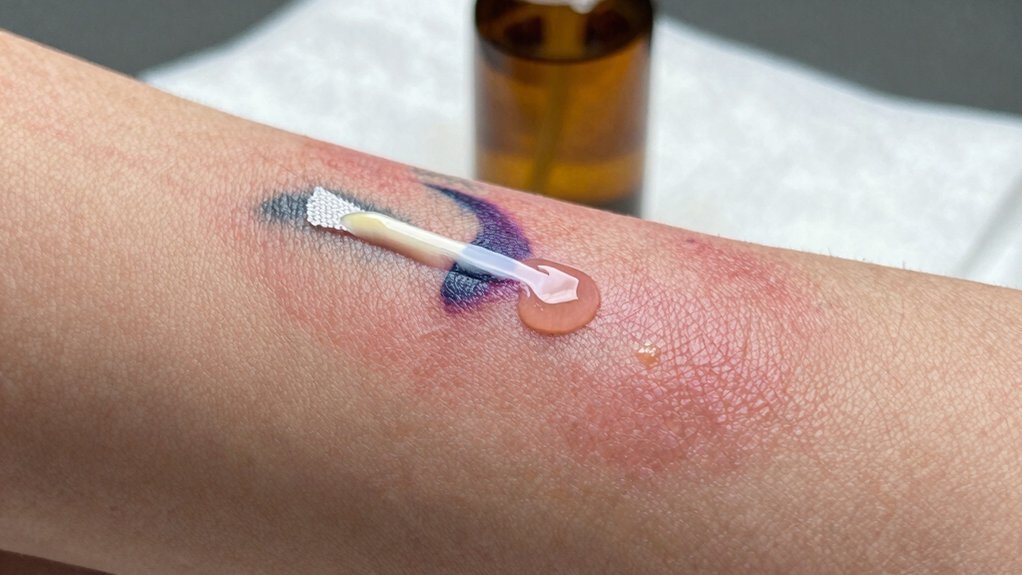
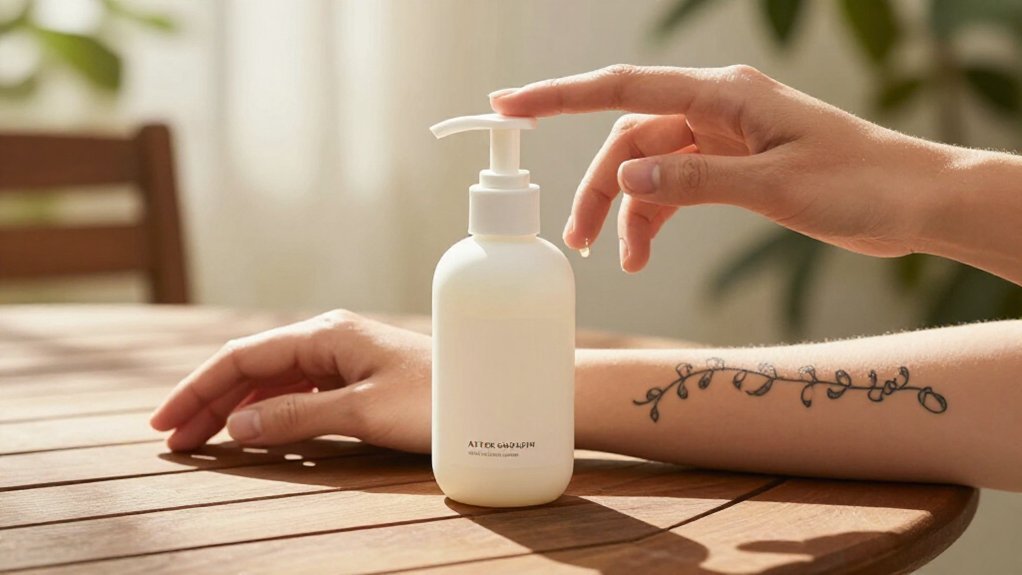
You’ve seen what not to do—now let’s focus on what actually works. Apply a thin layer of fragrance-free, alcohol-free moisturizer twice daily—don’t smother your tattoo. Wash gently with unscented soap, pat dry with a clean towel, and never pick scabs or scratch. Keep your fresh ink out of direct sunlight completely; UV rays destroy pigment fast. Wear loose, breathable clothing over the area—tight fabrics rub and trap moisture. Sleep on clean sheets and avoid soaking in baths, pools, or oceans until fully healed. Stay hydrated and eat nutritiously; your skin heals from the inside out. Follow your artist’s specific aftercare instructions precisely. Protecting your color demands consistency, not complexity. Handle your healing tattoo with clean hands and patience.
Recommended Products

Tattoo Aftercare Daily Lotion: gives your tattoos the everyday care they deserve to keep your artwork looking fresh. Formulated to provide deep hydration and leave skin feeling soft and smooth. Rejuvenates your artwork and moisturizes skin.

Gentle, Deep Cleansing: Tattoo Goo Foaming Cleansing Soap for tattoos and piercings helps remove impurities and clean the inked or pierced areas at a deep level by removing dirt, dead skin cells, and killing germs without damaging the skin

Tattoo Aftercare Lotion with Rapid Absorption: Our tattoo lotion aftercare is specifically formulated for quick absorption, promoting non-greasy application while aiding swift tattoo healing. This advanced formula ensures your skin receives optimal care during the critical post-tattoo period.
When to Call Your Artist About Tattoo Fading
When exactly should you reach out to your artist about fading? Contact them immediately if you notice patchy ink loss after your tattoo stops peeling or if large sections appear washed out rather than simply muted from healing. Call when scabs pull off color entirely or when you suspect an infection’s destroying your pigment. Don’t wait if your tattoo’s older than four weeks and still looks substantially duller than day one.
You’ve followed aftercare perfectly, yet your tattoo’s losing definition—that warrants a conversation. Most artists offer free touch-ups, but timing matters. Reaching out early lets them assess whether you’re experiencing normal healing or actual pigment loss requiring intervention. They’ll distinguish between surface opacity and true fading, then schedule your session accordingly. Trust your instincts; you know your tattoo best.
Recommended Products
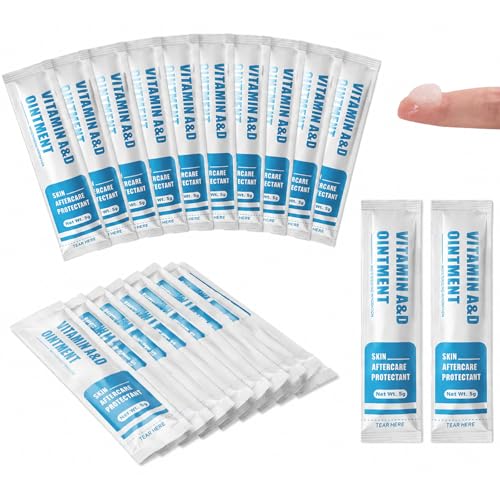
Honest, Accurate Care – This protective ointment comes in 50 hygienic single-serve packets for mess-free, on-the-go convenience. Easy to apply for tattoo protection anytime.

TATTOO AFTERCARE OINTMENT – Made especially for aftercare of tattooed skin. Offers premium protection and the best tattoo care. Suitable for new & existing tattoos. Moisturizes dry skin and nourishes it. Makes tattoo colors look more vibrant and fresher. Helps tattoos look their best.

PROTECTS NEW INK – Our tattoo after care balm reduces redness and itching after the tattoo session. The tattoo aftercare cream protects new ink from infection and irritation to ensure a speedy recovery process and a healthy looking tattoo.
What Your Fully Healed Tattoo Should Look Like
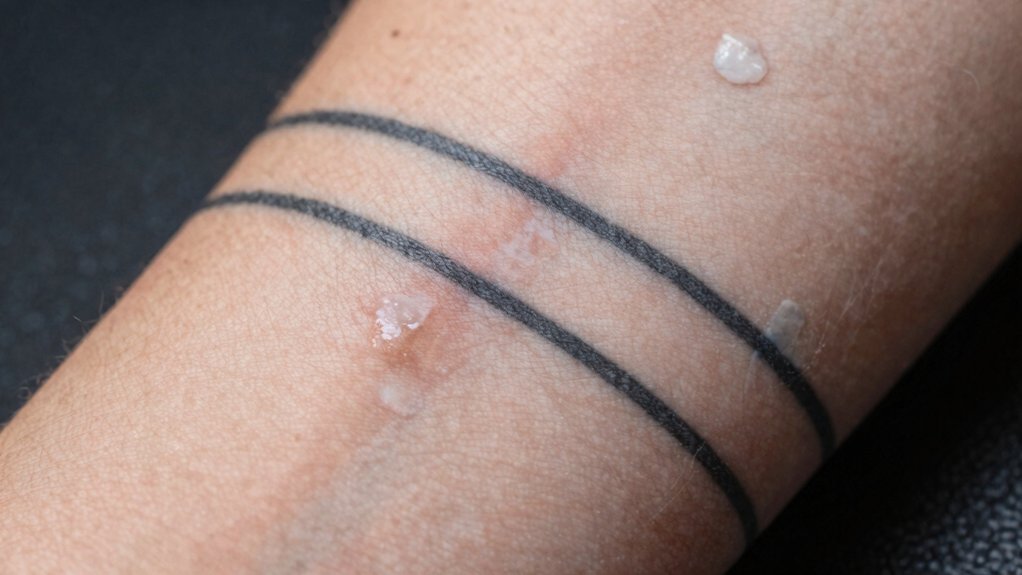
Clarity emerges once healing completes—your tattoo’s ink will settle into skin that appears smooth and uniform, with colors holding steady saturation rather than the muted tones of fresh work.
You’ll notice your healed tattoo lacks the initial gloss or sheen that dominated the first weeks. The surface feels flat against your fingers, not raised or textured. Blacks read as deep, solid tones without grayness. Colors pop with consistent intensity throughout the design, from center to edge. Skin texture blends normally with surrounding areas—no shiny patches, no dull spots.
Compare your result to your artist’s healed portfolio photos. You should see crisp lines, balanced shading, and pigment that resists the washout you feared during healing. Your tattoo won’t match the fresh, wet look of day one, but it carries lasting vibrancy beneath healthy, settled skin.
Recommended Products
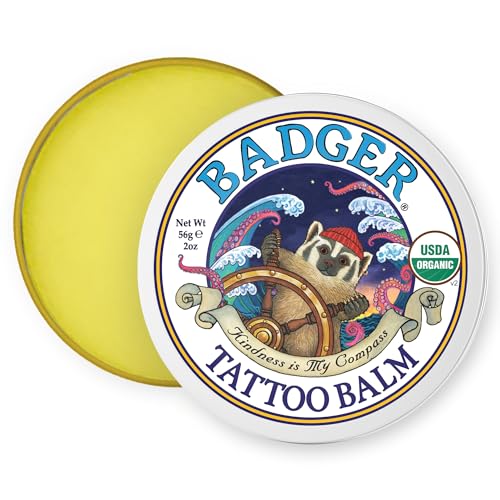
PROTECT & SOOTHE: Condition & protect your tattoos to keep ink looking bold & vibrant. Soothing, nourishing tattoo care softens fresh tattooed skin, calms redness &...
Conclusion
Your tattoo looks faded because healing skin masks the ink with a temporary film. You’ll see vibrancy return as your skin regenerates—usually within 2–4 weeks. Skip picking, follow aftercare instructions, and shield it from sun. If healing takes longer or you notice scarring or infection, contact your artist. Trust the process: your fully healed tattoo will settle into its permanent, vivid color.
Recommended Products

THE ORIGINAL TATTOO AFTERCARE BANDAGE – Saniderm’s Original Gloss Bandage is the tried-and-true, industry-defining tattoo aftercare bandage. Dermatologist-recommended and trusted by expert tattoo artists worldwide, this medical-grade bandage ensures your tattoo heals quickly, safely, and more vibrantly. With over a decade of experience and millions of tattoos healed, it’s the perfect way to heal your ink.

THE ORIGINAL TATTOO AFTERCARE BANDAGE – Saniderm’s Original Gloss Bandage is the tried-and-true, industry-defining tattoo aftercare bandage. Dermatologist-recommended and trusted by expert tattoo artists worldwide, this medical-grade bandage ensures your tattoo heals quickly, safely, and more vibrantly. With over a decade of experience and millions of tattoos healed, it’s the perfect way to heal your ink.

After tattoo care:Helps safeguard new tattoos or retouched areas, supporting a cleaner, smoother healing process. It can help lock the color, protect your tattooed skin, reduce scab when you wash or moisturize your tattoo, quickly form a protective film, and then accelerate your recovery.