
You’ve just left the studio with fresh ink, and your gym bag is already calling your name. But hitting the weights too soon could sabotage your new artwork before it even settles. The real question isn’t whether you can wait—it’s whether you understand what’s actually happening beneath that bandage.
Key Takeaways
- Wait at least 48 hours before any exercise to allow initial barrier formation.
- Larger or saturated tattoos often require longer rest periods than two days.
- Avoid workouts that stretch, compress, or cause friction on fresh ink.
- Choose low-intensity activities like walking that don’t disturb the tattooed area.
- Stop exercising if you notice increasing pain, redness, swelling, or bleeding.
Recommended Products

✡Various Purpose - Care for all types of wounds; Waterproof cover; Fixed dressing; Tattoo aftercare. It can help lock in the color, protect your tattooed skin, and reduce scabbing when you wash or moisturize your tattoo, quickly form a protective film then accelerate your recovery

Transparent Matte Film Protection - This breathable tattoo bandage is a must-have in your tattoo supplies, offering latex-free protection that supports gentle healing for new ink.
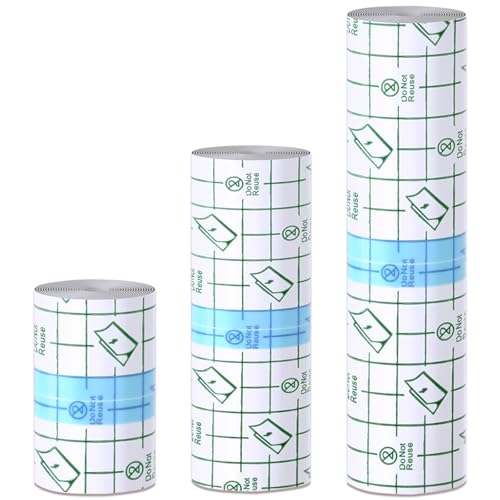
Triple-Size Value Pack for Every Tattoo Style - Get 3 full rolls of premium second skin tattoo cover (2" x 2.2 Yd, 4" x 2.2 Yd, 6" x 2.2 Yd) - sized for wrist art, back pieces, or sleeve designs. The tattoo aftercare bandage can be cut freely to match any ink!
How Does Tattoo Placement Affect Your Exercise Wait Time?
Where you get inked directly shapes how long you’ll wait before hitting the gym. You can’t treat a shoulder piece like a foot tattoo—they heal differently, and your workout routine feels those differences.
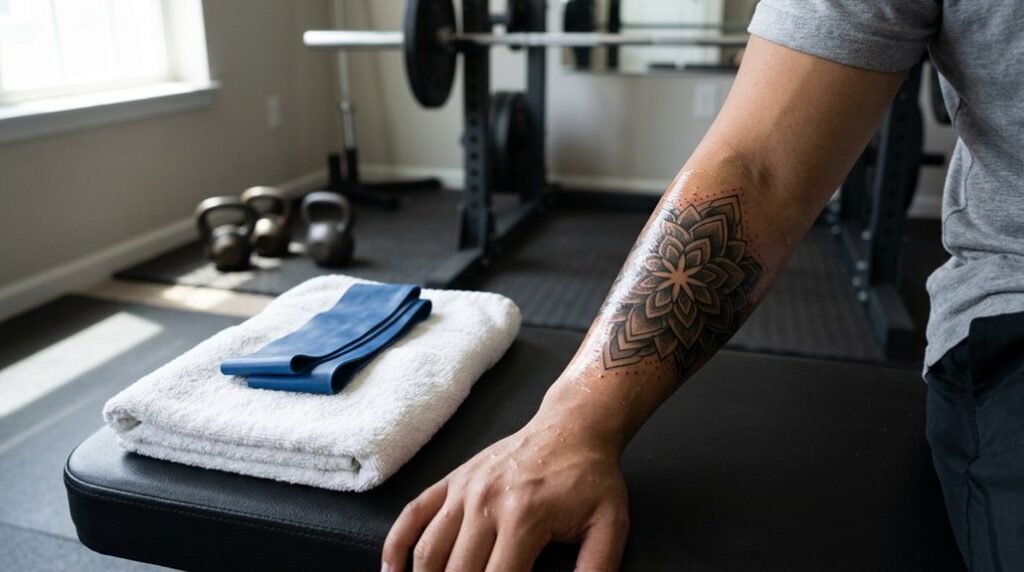
You move your arms constantly, so upper body ink catches friction from clothing and equipment. You’d avoid benches, barbells, and backpacks pressing fresh lines. Lower body work challenges you differently: squats and deadlifts stretch thigh skin repeatedly, cracking scabs you need intact.
You face unique hurdles with joint tattoos. Elbows and knees bend hundreds of times daily, so you’re fighting motion itself during healing. You can’t immobilize these spots, but you can modify movements.
You heal faster where skin stays relatively still. Back pieces avoid direct pressure if you’re careful. Rib tattoos torture you with every breath and twist, demanding complete exercise breaks.
You must map your gym plan around your new art’s location.
Recommended Products

Self Adhesive Bandage: Package includes 16 rolls of black self adhesive bandage wrap. Each roll measures 2 inch wide and 5 yards long after stretching. It easily adheres to itself but will not stick to other surfaces such as skin or hair, making it easy to pull off and change bandages

BLUE BARRIER FILM: Barrier film is essentially a medical-grade plastic wrap with a self-adhesive backing. We have made our barrier film roll dispenser easy to use by cutting it into 4” by 6” sheets that can be cut or molded into different shapes and sizes to fit the instruments or equipment they protect—water syringe handle covers, hose covers, pen sheaths, etc.

Tattoo Supplies Kit: Our product includes individually packaged 200 tattoo pen sets and 6 rolls of tattoo grip tape. The tattoo pen sleeves measure 2.36 * 6.7 inches and each roll of tattoo grip tape measures 2 inches * 5 yards (5 cm * 4.5m)
How Long Should You Wait Before Working Out After a Tattoo?
Placement sets your challenges, but timing determines your risk. You should wait at least 48 hours before attempting any workout. This window lets your tattoo form its initial protective barrier. After two days, you haven’t earned full clearance—you’ve simply reached the earliest possible threshold.
Your artist’s aftercare instructions override general timelines. Some tattoos demand longer waits based on size, color saturation, or skin trauma. You’ll know you’re pushing too soon if you feel burning, see plasma oozing, or notice the wrap sticking to fresh ink.
Small, simple pieces might tolerate light movement after 48 hours. Large or detailed work needs 5-7 days of complete rest. You’re not being cautious—you’re protecting your investment. Rushing back creates infection pathways and guarantees touch-ups. Your patience now preserves your art permanently.
Recommended Products
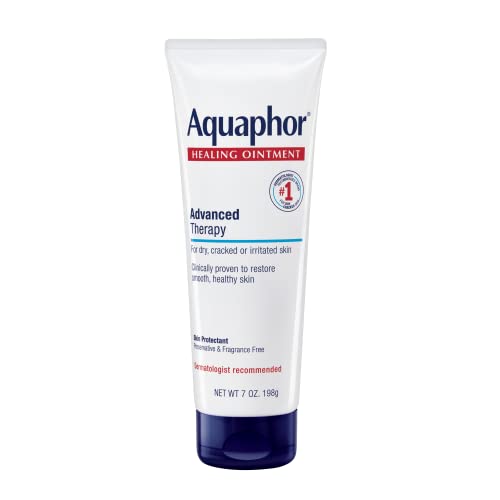
Net Weight and Dimensions: Each tube holds 7 oz. (198 g) of ointment, and measures approximately 19.9 x 5.7 x 5.2 cm; ideal for portability and easy storage

2 ounces of Aveeno Skin Relief Healing Ointment with a Triple Oat, shea butter, and glycerin formula helps repair and protect dry skin. Designed for use on the body, face, hands, and lips, it provides lasting moisture with a non-greasy feel

PROTECT & HEAL - H2Ocean Aquatat seals the skin in a moisturizing barrier to protect from irritants while still allowing the skin to breathe. Aquatat will also heal topical wounds on skin such as tattoos, rashes, cuts and scrapes while minimizing scabbing.
Which Workouts Are Safe Right After Getting a Tattoo?
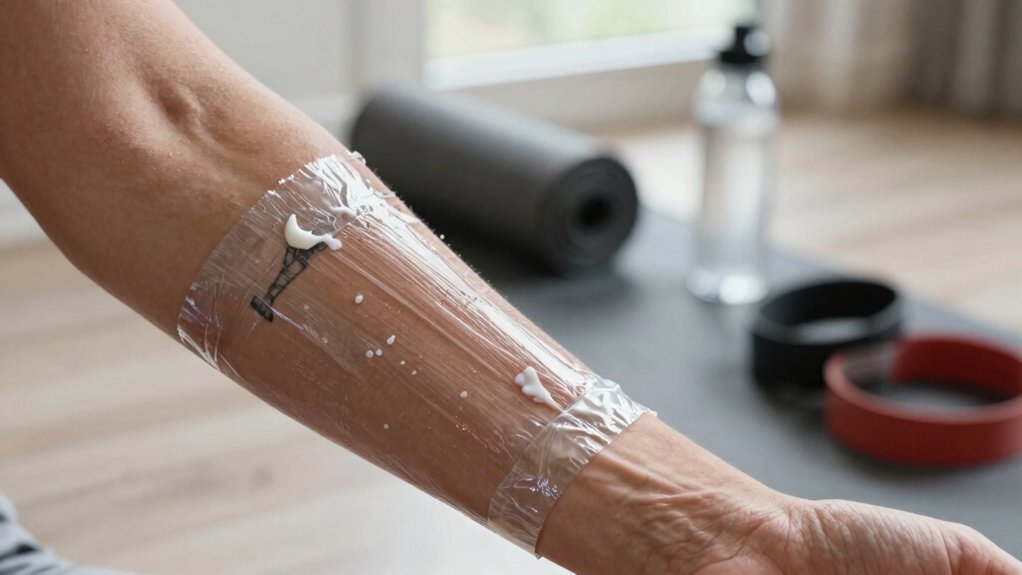
Most workouts carry hidden risks for fresh ink, even the ones that feel harmless. You’ll want to skip anything that stretches your skin, creates friction, or induces heavy sweating. That eliminates most options immediately.
Stick to lower-body exercises that don’t involve your fresh tattoo. If your ink sits on your arm, you’re doing squats, lunges, and calf raises. If it’s on your leg, you’re performing seated dumbbell presses and bicep curls. You’re avoiding any movement that flexes the tattooed area directly.
You’re also keeping intensity low. No HIIT, no heavy compound lifts, nothing that spikes your heart rate and opens your pores. Walking works fine. Gentle cycling on a stationary bike stays safe if your legs remain unmarked. You’re essentially training around your tattoo, not through it.
Recommended Products

American Made Quality - Proudly made in the USA with premium craftsmanship delivering high-quality protection and durability. Light full arm sleeves in MediuMLarge size for reliable coverage.

SOFT AND STRECHABLE: The tattoo arm sleeves made of 92% nylon and 8% spandex soft fabric material, stretchable to fit your arm. Help to protect your arm from the strong direct sunlight.

Made in USA - Built to Last - Saving You Money
What Are the Warning Signs Your Tattoo Can’t Handle Exercise Yet?
How do you know when your body’s telling you to stop? Your tattoo speaks through pain, redness, and heat. If you notice increasing soreness rather than steady improvement, you’re pushing too hard. Watch for swelling that returns or worsens after activity—that’s inflammation begging for rest.
Fresh plasma or ink seeping through your bandage signals you’ve broken the healing barrier. Don’t ignore fever or red streaks radiating from the design; these scream infection. When skin feels hot to your touch or throbs with your heartbeat, you’ve overstressed the tissue.
Scabbing that cracks or bleeds during movement means you’re compromising the artwork. Your body pulls blood toward damaged areas during exercise, intensifying these warnings. Listen immediately. Pushing through risks permanent damage, scarring, and color loss you’ll regret.
Recommended Products

Dream Athlete Partner: Tanks to high compression tech, our workout shirts perform great on stabilizing and protecting muscles, so you can push your limits to go harder and faster for longer while minimizing the risk of injury

Compression shirts for men, tight fitted like second skin, improve your workout performance

American Made Quality - Proudly made in the USA with premium craftsmanship delivering high-quality protection and durability. Suntan full arm sleeves in MediuMLarge size for reliable coverage.
How Can You Modify Workouts While Your Tattoo Heals?
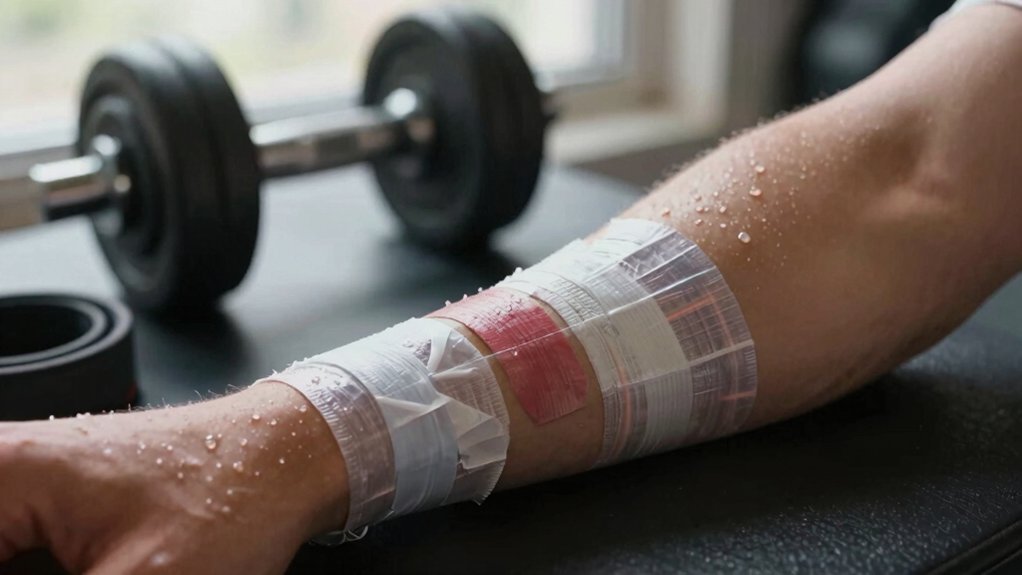
Since you don’t want to lose momentum entirely, you’ll need to get strategic about how you move while your skin repairs itself. Switch to lower-intensity activities that minimize sweat and friction against your fresh ink. You’ll trade running for walking, heavy lifting for bodyweight exercises, and hot yoga for gentle stretching.
Keep your tattooed skin completely covered with clean, breathable fabric during any movement. You’ll avoid exercises that stretch or compress the tattooed area directly—no push-ups if you’ve got fresh ink on your chest, no squats if your thigh’s healing. Position equipment carefully so nothing rubs against you.
You’ll also shorten your sessions and stay in cooler environments. Skip the sauna, steam room, and outdoor workouts in direct sun. Shower immediately after finishing, using fragrance-free soap, then pat dry and reapply your artist’s recommended ointment.
Recommended Products

THE ORIGINAL TATTOO AFTERCARE BANDAGE – Saniderm’s Original Gloss Bandage is the tried-and-true, industry-defining tattoo aftercare bandage. Dermatologist-recommended and trusted by expert tattoo artists worldwide, this medical-grade bandage ensures your tattoo heals quickly, safely, and more vibrantly. With over a decade of experience and millions of tattoos healed, it’s the perfect way to heal your ink.

What You Get - The tattoo aftercare bandage totall 4.4 yard (6" x 4.4 Yard), you will get tattoo aftercare bandage, the size is 6" x 4.4 Yard. You will the tattoo supplies is best combination of with guaranteed quality. According to the size of the tattoo area, the shape can be freely cut, and it is suitable for all kinds of large-area new tattoos

THE ORIGINAL TATTOO AFTERCARE BANDAGE – Saniderm’s Original Gloss Bandage is the tried-and-true, industry-defining tattoo aftercare bandage. Dermatologist-recommended and trusted by expert tattoo artists worldwide, this medical-grade bandage ensures your tattoo heals quickly, safely, and more vibrantly. With over a decade of experience and millions of tattoos healed, it’s the perfect way to heal your ink.
What Should You Do If Your Workout Irritates a New Tattoo?
Sometimes you’ll notice redness, stinging, or weeping during or after exercise—that’s your signal to stop immediately. Rinse the area with lukewarm water and mild, fragrance-free soap. Pat it dry gently with a clean towel—don’t rub.
Apply a thin layer of your artist-recommended ointment or moisturizer. Let the tattoo breathe; skip tight clothing that’ll stick or chafe. Skip your next workout to let your skin recover—pushing through risks infection and damage to the ink.
If irritation persists, swells, or oozes pus, contact your tattoo artist or a healthcare provider. They’ll assess whether you’ve developed an infection or allergic reaction. Keep the area clean and avoid further friction until you’ve healed completely. Your tattoo’s longevity matters more than one gym session.
Recommended Products
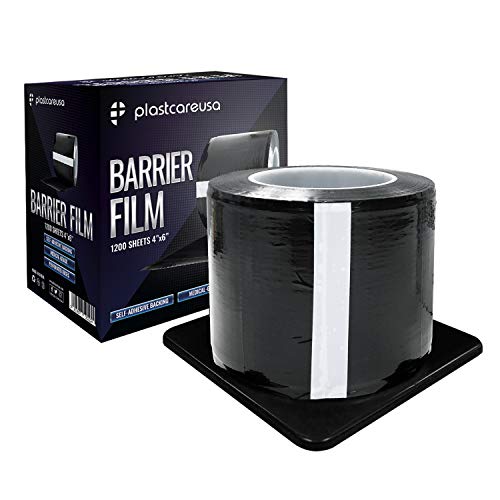
BLACK BARRIER FILM: Barrier film is essentially a medical-grade plastic wrap with a self-adhesive backing. We have made our barrier film roll dispenser easy to use by cutting it into 4” by 6” sheets that can be cut or molded into different shapes and sizes to fit the instruments or equipment they protect—water syringe handle covers, hose covers, pen sheaths, etc.
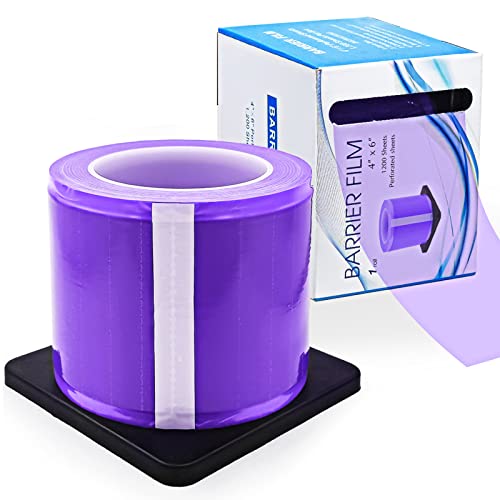
Pre-perforated Design: Adhesive barrier film is divided into 1200 sheets measuring 4" x 6" sizes, each sheet is perforated so it is particularly easy to tear, and you can easily cover items of any length.
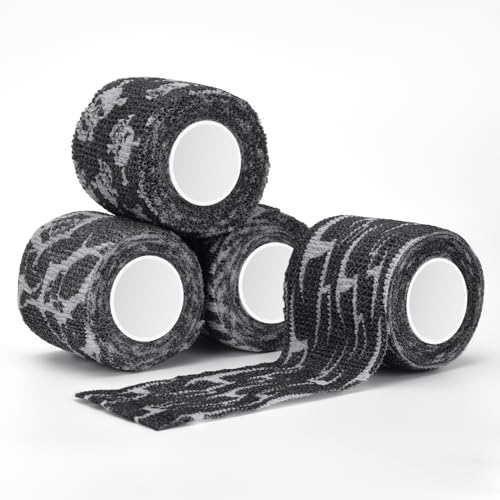
The elastic self-adhesive bandage can be used to wrap the handle of the tattoo pen, which can absorb sweat and prevent the tattoo color from staining the machine.
Conclusion
You’ll typically wait 48 hours before exercising, though larger tattoos need more time. Avoid stretching or pressing the ink, especially on arms and joints. Stick to low-intensity workouts with minimal friction. Watch for worsening redness, swelling, or pain—these mean you should stop. Modify movements to protect healing skin, and always follow your artist’s specific aftercare instructions over general guidelines. Prioritize healing now so you can train harder later.
Recommended Products

ONE ESSENTIAL SOLUTION: Aquaphor is one essential solution for many skin care needs; use on dry, cracked skin, as a lip moisturizer, facial moisturizer, body moisturizer, hydrating mask, minor wound care and much more

FRAGRANCE FREE TATTOO AFTERCARE FOR SENSITIVE SKIN - The same #1 artist recommended Hustle Butter formula, now with no added fragrance, dyes, or parabens. The unscented tattoo lotion of choice for sensitive or easily irritated skin.

COMPLETE AFTERCARE KIT FOR NEW & EXISTING TATTOOS: This Tattoo Aftercare Kit brings together 3 essentials, Antimicrobial Soap, Tattoo Balm, and Tattoo Lotion, to help cleanse, protect, and moisturize fresh ink. Useful after tattoo sessions and throughout healing, it supports vibrant color and skin comfort for dedicated ink enthusiasts and artists