
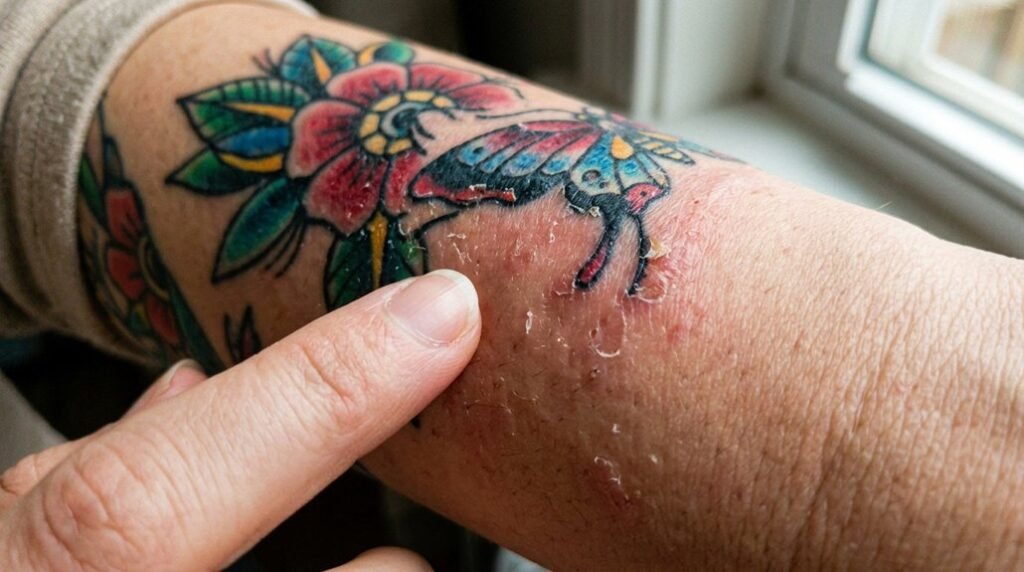
You wake up and feel that familiar urge beneath your bandage. Your new tattoo itches, and you’re wondering if that’s normal or a warning sign. The truth is, itching happens to nearly everyone, but the causes range from harmless healing to problems that need attention. You’ll want to know which one you’re facing.
Key Takeaways
- Normal healing causes mild itching as skin repairs, typically peaking between days 3–7 before subsiding naturally.
- Inflammation and histamine release from needle trauma, plus tightening scabs and dry peeling skin, drive irritation.
- Allergic reactions show raised redness spreading beyond borders, pus blisters, burning, or hardening—requiring medical attention.
- Old tattoos may itch due to weather changes, new products, weight fluctuations, sun damage, or medication sensitivities.
- Relief options include cold compresses, fragrance-free moisturizers, avoiding scratching, and OTC antihistamines after consulting your artist.
Recommended Products

16-fluid ounce bottle of Lubriderm Fragrance Free Daily Moisture Lotion + Pro-Ceramide, Shea Butter and Glycerin to help restore skin's moisture barrier for healthier-looking skin
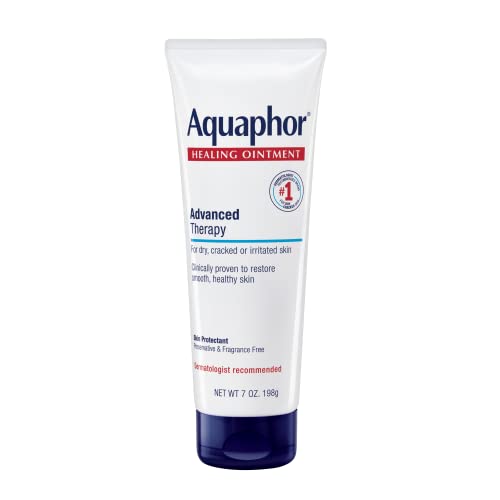
Net Weight and Dimensions: Each tube holds 7 oz. (198 g) of ointment, and measures approximately 19.9 x 5.7 x 5.2 cm; ideal for portability and easy storage
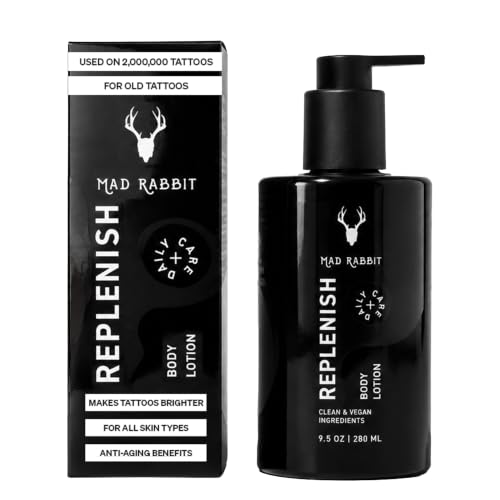
INFUSED WITH CLEAN, EFFECTIVE INGREDIENTS - The clean ingredients like Glycerin & Shea Butter provide lightweight nourishment and bounce to skin without ever feeling heavy or greasy on the surface. Anti-aging powerhouse vitamin A promotes visible firmness to skin, offsetting the appearance of fine lines and wrinkles.
Is Your Itchy Tattoo Normal or an Allergic Reaction?
Why exactly is your tattoo driving you crazy with itchiness? You need to determine whether you’re experiencing normal healing or an allergic reaction before you take action.
Normal itching occurs as your skin repairs itself. You’ll notice mild itchiness accompanied by thin scabbing and light peeling. This discomfort typically peaks during days three through seven, then gradually subsides. Your tattoo remains vibrant, and you won’t see excessive swelling.
Allergic reactions tell a different story. You might develop raised, persistent redness spreading beyond the tattoo’s borders. Watch for pus-filled blisters, intense burning, or skin hardening. These symptoms could indicate your immune system’s fighting ink particles—particularly reds, yellows, or specific brands. Fever accompanying these signs demands immediate medical attention.
Don’t guess. Monitor your symptoms closely. Normal healing resolves within weeks; allergic reactions worsen without intervention.
Recommended Products

Tattoo Salve is a potent herbal healing ointment balm that helps new tattoos heal faster, provides itch relief, protects the skin and moisturizes older ink.

40 COUNT BULK VALUE PACK - Get the best value with 40 lip-shaped ice packs in one set. Perfect for med spas, beauty studios, and professionals who need reliable cold therapy for multiple clients

❄ Instant Cooling Itch Relief for New Tattoos - Say goodbye to tattoo itch! Our tattoo soothing gel delivers fast, calming comfort with a gentle cooling effect. Helps reduce redness and discomfort while supporting the natural recovery process: focus on loving your new art, not the urge to scratch.
Why New Tattoos Itch (And What Happens If You Scratch)
Once you’ve ruled out an allergic reaction, you’re left with a simpler question: what’s making your healing tattoo itch in the first place?
Your skin interprets the tattoo needle as trauma, triggering inflammation and sending histamines to the area. This immune response causes redness, swelling, and—yes—itching.
As your tattoo heals, it forms scabs and dry skin that pull and tighten, creating another source of irritation.
You’ll also notice itching when your skin starts peeling and flaking during the later healing stages.
Here’s what happens if you scratch: you risk pulling out ink, creating patchy spots, and introducing bacteria that lead to infection.
You could also reopen the wound, extending healing time and potentially causing scars. Resist the urge—pat gently or tap the area instead.
Recommended Products

Protect Your Body Art: Moisturizing with the bonus of itch relief! Tattoo Goo's Tattoo Care Lotion soothes healing skin & keeps healed ink looking sharp for life. With olive oil & glycerin, it delivers deep, breathable hydration that won’t clog pores

TATTOO AFTERCARE ESSENTIAL: Hustle Butter is the original tattoo aftercare balm for new and older tattoos. With over 10 years in the market, we are a pioneer of the tattoo aftercare category.

CLEAN INGREDIENTS FOR NEW TATTOOS - Our Soothing Gel skips the skin-suffocators and instead focuses on lightweight botanical oils like Sweet Almond and Argan which are naturally rich in fatty acids antioxidants to help nourish and offset environmental stressors that can further aggravate your ink.
When Does Tattoo Itching Peak During Healing?
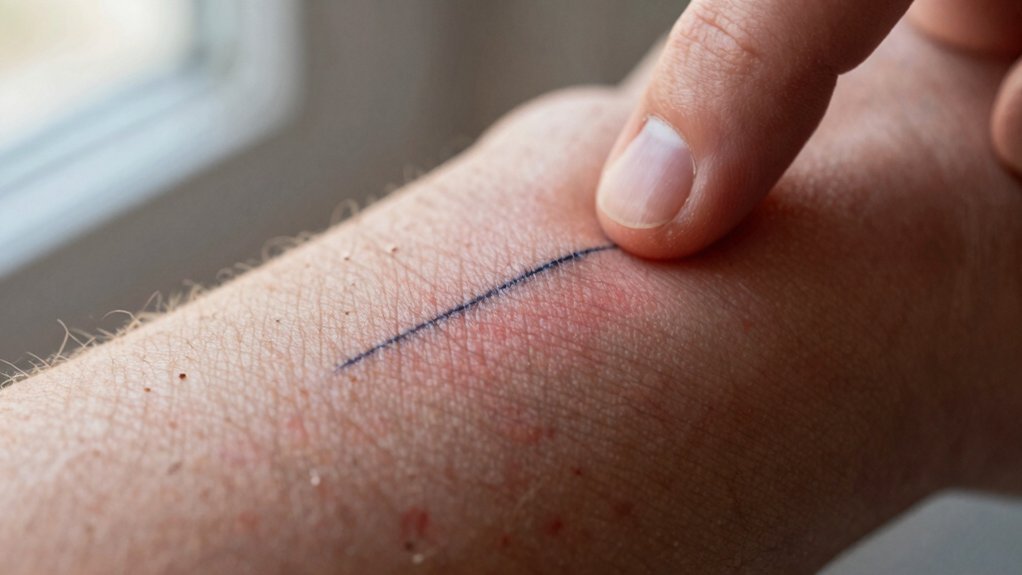
When exactly does that maddening itch hit its worst point? You feel it most intensely during days three through seven of healing.
Your skin forms scabs and begins peeling, triggering nerve endings as damaged tissue regenerates. The inflammatory response peaks now, flooding the area with histamine and drawing blood to rebuild the dermis.
You notice the itch worsens each morning when you remove your bandage or when clothing rubs against the healing surface. Nighttime brings its own torture as warmth under blankets amplifies the sensation.
Recommended Products

INFUSED WITH CLEAN, EFFECTIVE INGREDIENTS - The clean ingredients like Glycerin & Shea Butter provide lightweight nourishment and bounce to skin without ever feeling heavy or greasy on the surface. Anti-aging powerhouse vitamin A promotes visible firmness to skin, offsetting the appearance of fine lines and wrinkles.

24-hour results: Clinically proven to help moisturize dry skin for 24 hours** with Pro-Ceramide and glycerin, this hydrating lotion helps strengthen your skin’s natural moisture barrier for healthier-looking, hydrated skin

TATTOO AFTERCARE LOTION: After Inked Tattoo Lotion brings hydration and nourishment to your tattooed skin. Formulated with grape seed oil, which helps maintain vibrant ink colors while pacifying the skin and promoting moisture retention.
Why Is My Old Tattoo Itching Suddenly?
How frustrating must it be when a tattoo you’ve had for months or years suddenly starts demanding your attention with an insistent itch? You’re dealing with a fully healed tattoo that should’ve settled long ago.
Several culprits trigger this surprise irritation. Weather changes dry out your skin, and that inked area feels it first. You’ve switched soaps or lotions, and your tattoo protests the new formula. You’ve gained or lost weight, stretching or compressing the skin beneath your art. You’ve spent extended time in the sun without protection, causing subtle damage you can’t yet see. You’ve started taking new medications that affect your skin’s sensitivity.
Inspect the area carefully. Look for rash, scaling, or color changes. Resist scratching, which damages skin and risks infection. Apply fragrance-free moisturizer. If itching persists beyond a week or spreads, consult a dermatologist.
Do Eczema or Psoriasis Make Tattoos Itch?
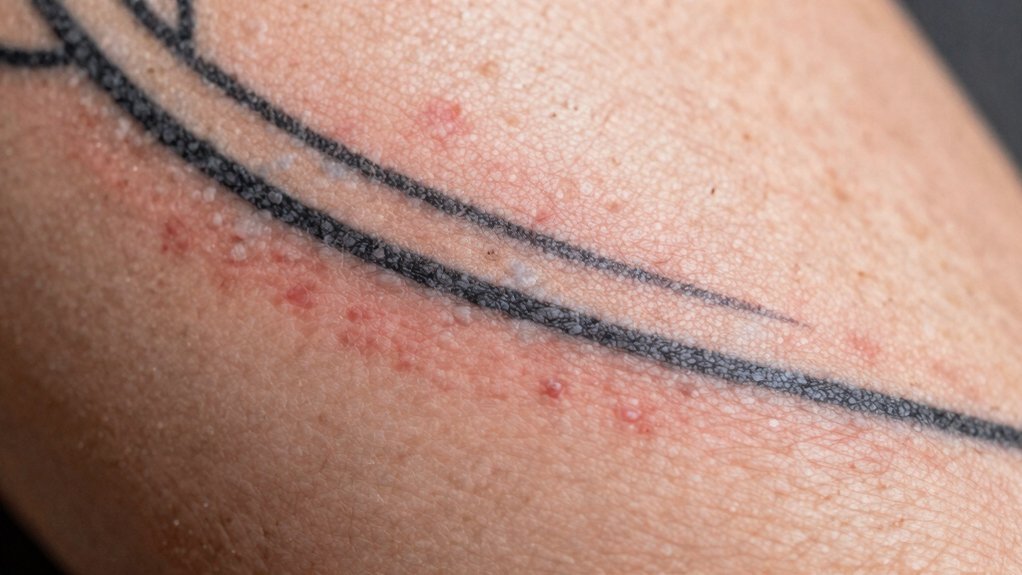
Perhaps you’ve noticed your tattoo seems angrier than usual, and you’re wondering if a skin condition might be the culprit.
You’re right to suspect eczema or psoriasis. These conditions trigger inflammation that doesn’t respect your tattoo’s boundaries. Eczema weakens your skin barrier, letting irritants penetrate and spark intense itching across your inked areas. Psoriasis accelerates skin cell turnover, creating scaly patches that crack and burn on top of your design.
Your tattoo ink sits in the dermis, but these conditions disrupt the entire skin ecosystem. When you scratch, you’re damaging both the artwork and your skin’s integrity. Flare-ups often concentrate on tattooed skin because the trauma of tattooing already stressed those cells.
Manage these conditions with dermatologist-prescribed treatments. Moisturize aggressively, identify your triggers, and never pick at scaly patches. Your tattoo and your skin demand equal attention.
Recommended Products

COMPLETE AFTERCARE KIT FOR NEW & EXISTING TATTOOS: This Tattoo Aftercare Kit brings together 3 essentials, Antimicrobial Soap, Tattoo Balm, and Tattoo Lotion, to help cleanse, protect, and moisturize fresh ink. Useful after tattoo sessions and throughout healing, it supports vibrant color and skin comfort for dedicated ink enthusiasts and artists

FRAGRANCE FREE TATTOO AFTERCARE FOR SENSITIVE SKIN - The same #1 artist recommended Hustle Butter formula, now with no added fragrance, dyes, or parabens. The unscented tattoo lotion of choice for sensitive or easily irritated skin.

Gentle, Deep Cleansing: Tattoo Goo Foaming Cleansing Soap for tattoos and piercings helps remove impurities and clean the inked or pierced areas at a deep level by removing dirt, dead skin cells, and killing germs without damaging the skin
How Do You Stop Tattoo Itching Fast?
What gives you the fastest relief when your tattoo feels like it’s crawling? You slap a cold compress on it. The cold constricts blood vessels and numbs nerve endings, killing the itch within minutes. Wrap ice in a cloth—never apply directly—and hold it against your skin for ten minutes.
You can also try a thin layer of fragrance-free moisturizer if the skin feels tight. Petroleum jelly works in a pinch, but don’t suffocate a fresh tattoo.
Resist scratching. You dig at the skin, you risk infection and damage to the ink. Tap the area gently or slap it instead.
If you’re desperate, an over-the-counter antihistamine blocks histamine release. Check with your artist first—they know your healing stage better than anyone.
Recommended Products

Deep Hydrating Body Lotion: This 48 hour cocoa butter moisturizing body lotion is fragrance free and provides deep, soothing hydration for all skin types, from normal to dry to eczema prone skin

Hydrates and relieves dry, sensitive skin
When Should You See a Doctor for an Itchy Tattoo?
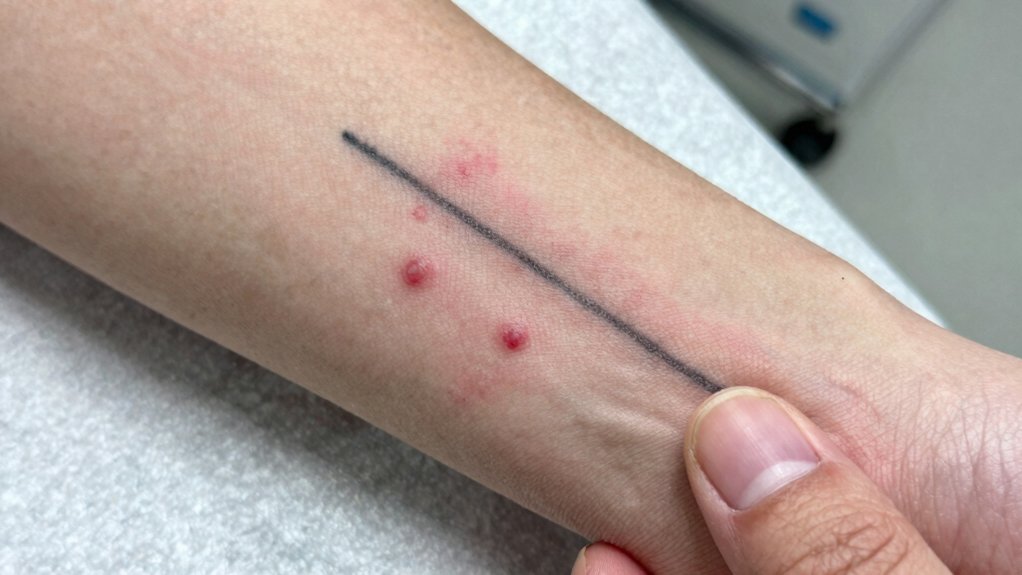
Most tattoo itching resolves on its own within days or weeks, but some symptoms signal trouble you shouldn’t ignore. Seek medical attention if you notice spreading redness, warmth, or pus at the tattoo site. These indicate infection requiring antibiotics. Intense swelling, fever, or red streaks extending from the tattoo also demand prompt care.
Watch for severe allergic reactions. Difficulty breathing, facial swelling, or hives warrant immediate emergency treatment. You might’ve developed an allergy to tattoo ink, particularly red or yellow pigments.
Don’t dismiss symptoms persisting beyond a month or recurring months after healing. Chronic itching, raised bumps, or skin thickening suggests granulomas or other complications. A dermatologist can prescribe topical steroids or recommend laser removal for problematic ink.
Protect your health. When uncertain, call your doctor. Early intervention prevents lasting skin damage and preserves your tattoo’s appearance.
Conclusion
Your tattoo itches because healing skin is inflamed and tightening, but you’ve got options. Don’t scratch—press or pat instead. Cool it down, moisturize with fragrance-free lotion, and ride out days 3–7 when itching peaks. Watch for warning signs like spreading redness or pus. Most itch fades with patience; serious symptoms mean you need a doctor. Trust the process, protect your art, and you’ll get through it.
Recommended Products

Transparent Matte Film Protection - This breathable tattoo bandage is a must-have in your tattoo supplies, offering latex-free protection that supports gentle healing for new ink.

HUSTLE BUTTER ESSENTIALS TATTOO AFTERCARE KIT: This Essential Kit includes our Hustle Butter Tattoo Balm (1 fl oz), Hustle Bubbles Foaming Soap (3.4 fl oz), and our Hustle Butter Tattoo Aftercare Wrap - Small (6 in x 2.2 yds)

Nourishes Healing Ink for Vibrant Color: Tattoo Goo supports healing tattoos & maintains vibrancy on healed ink with a lightweight formula rich in olive oil, lavender oil, cocoa butter, and beeswax. It absorbs quickly, moisturizes deeply, and helps reduce dryness, itch and tightness so your tattoo looks and feels comfortable through everyday routines