
You’ve finally gotten that tattoo you’ve been planning, but the real test begins now. What you do in the coming weeks will determine whether your ink heals crisp and vibrant or ends up faded and damaged. Many people unknowingly sabotage their new artwork with simple daily habits they never considered risky.
Key Takeaways
- Do not remove the bandage early; keep it on for the artist-specified timeframe to prevent contamination and ink loss.
- Avoid soaking the tattoo in baths, pools, hot tubs, or natural bodies of water until fully healed.
- Skip intense workouts and excessive sweating for the first two weeks to protect the healing wound.
- Stay out of direct sun and tanning beds during healing; UV rays damage skin and fade ink.
- Do not use petroleum-based ointments, scented products, or apply sunscreen before the initial healing period ends.
Recommended Products

Gentle, Deep Cleansing: Tattoo Goo Foaming Cleansing Soap for tattoos and piercings helps remove impurities and clean the inked or pierced areas at a deep level by removing dirt, dead skin cells, and killing germs without damaging the skin

GENTLY CLEANSES NEW TATTOOS - Use Repair Tattoo Wash during the healing process to keep your fresh tattoo ink clean or as a perfect prep wash before and after tattooing.

Foaming Tattoo Soap: Great for in-process and post-tattoo and piercing care. Keeps new tattoos & piercings clean during the healing process.
Don’t Remove the Bandage Too Early in Your Tattoo Healing
Although you’re probably eager to see your new ink, you’ll need to keep that bandage in place for the timeframe your artist specified—typically two to six hours, though some tattoos may require overnight coverage. You’re protecting an open wound from bacteria, dirt, and fabric friction that could cause infection or damage the design.
When you remove the bandage too soon, you’re exposing vulnerable skin to environmental contaminants. You’re also risking plasma and ink leakage that creates scabbing and compromises color saturation. Your artist applied that covering for good reason—they understand how your specific placement and size affect healing requirements.
You might feel tempted to peek, but you’re undermining the process. Premature removal forces you to rebandage unnecessarily, which disturbs the wound bed. You’re essentially restarting the clock on protection your skin desperately needs during these critical first hours.
Recommended Products

Material: Made of high quality porous non-woven, which is soft and safe for your skin with function of ventilation.

FLEX VS ORIGINAL BANDAGES – Saniderm’s all-new Flex tattoo aftercare bandages are engineered with a 50% thinner profile than our original gloss bandages while retaining their same trusted adhesive and durability. Ultraflexible and perfect for high-movement areas, Flex delivers exceptional tattoo healing with no compromise on comfort. A matte, non-reflective finish ensures a smooth feel, eliminates glare on new tattoos, and delivers a refined, premium user experience.

THE ORIGINAL TATTOO AFTERCARE BANDAGE – Saniderm’s Original Gloss Bandage is the tried-and-true, industry-defining tattoo aftercare bandage. Dermatologist-recommended and trusted by expert tattoo artists worldwide, this medical-grade bandage ensures your tattoo heals quickly, safely, and more vibrantly. With over a decade of experience and millions of tattoos healed, it’s the perfect way to heal your ink.
Don’t Skip the Cleansing Routine Before Rebandaging
Once you remove that initial bandage, you’re not done—you’ve got work to do before you cover your tattoo again. You’ve got to cleanse that fresh ink properly. Wash your hands thoroughly first. Then gently rinse the tattoo with lukewarm water and fragrance-free, antibacterial soap. Don’t scrub; you’ll damage the skin. Pat the area dry with a clean paper towel—never rub. Apply a thin layer of recommended ointment. Now you’re ready to rebandage with sterile, breathable material.
Skipping this routine traps bacteria, plasma, and excess ink against your wound. You’re inviting infection, irritation, and patchy healing. Your tattoo deserves better than that. Take those extra five minutes. Cleanse carefully every time you change the bandage during those critical first days. Your future self—and your artwork—will thank you.
Recommended Products

Protect Your Body Art: Moisturizing with the bonus of itch relief! Tattoo Goo's Tattoo Care Lotion soothes healing skin & keeps healed ink looking sharp for life. With olive oil & glycerin, it delivers deep, breathable hydration that won’t clog pores

FROM THE LEADER IN TATTOO AFTERCARE: For years now, Mad Rabbit has consistently ranked among the most popular and highest-rated tattoo products on the market. We’ve created a top-of-the-line Tattoo Glide to help professional tattoo artists do their best work.

TATTOO OINTMENT- INK-EEZE Pink Tattoo Ointment is a NON-Petroleum based ointment infused with essential oils. The formula was specifically developed by tattooers and skin care specialists for use as a lubricant during the tattoo process and collectors to use as an aftercare. A little goes a long way
Don’t Let Sweat Sabotage Your Healing Tattoo
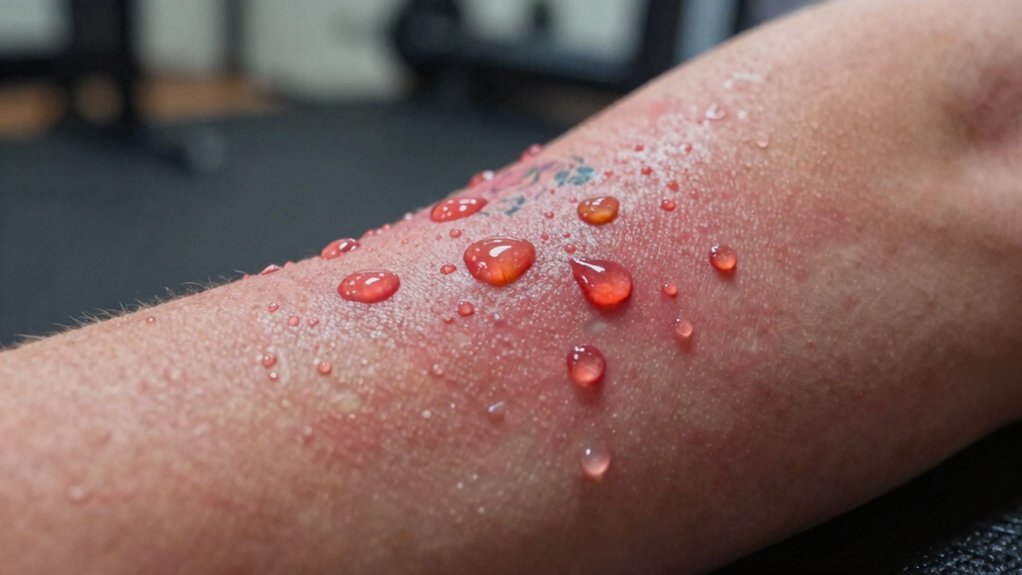
Why risk ruining fresh ink when a little planning keeps sweat from wreaking havoc? You create a breeding ground for bacteria when moisture traps against your healing skin, and salt stings raw flesh while drawing out pigment.
Skip intense workouts for the first two weeks. You don’t need HIIT sessions while your tattoo closes; lighter activities preserve your art better than dripping through a gym session. Choose breathable, loose fabrics that wick rather than trap—cotton beats polyester here.
If you must commute in heat, keep the area shaded and ventilated. Pat sweat away gently; never rub. Rinse promptly with mild, fragrance-free soap when you get home, then apply your approved aftercare ointment.
Your tattoo settles in best when you control moisture. Stay dry, stay patient, and you’ll keep lines sharp.
Recommended Products

Transparent Matte Film Protection - This breathable tattoo bandage is a must-have in your tattoo supplies, offering latex-free protection that supports gentle healing for new ink.

RELIABLE PROTECTION: Hion transparent adhesive bandage shields your skin from dust, dirt, germs and bacteria, as well as friction or scrubbing. It is good to protect minor burns, scrapes, cuts, blisters, abrasions and new tattoo in healing. The transparent film dressing allows you to observe healing progress of your wound without having to peel it off.

PROMOTE HEALING & BRIGHTEN TATTOO COLORS: Our transparent tattoo cover will lock the moisture your wound needs to accelerate regeneration process, reduce scabbing and keep the tattoo colors vibrant; Please note: packaging may vary
Don’t Soak Your Tattoo in Baths, Pools, or Hot Tubs
How quickly can a relaxing soak turn into a damaged disaster? You’ll find out if you submerge your fresh tattoo. Waterlogged skin opens the floodgates for bacteria, infection, and ink loss. You didn’t endure needles just to watch color swirl down the drain.
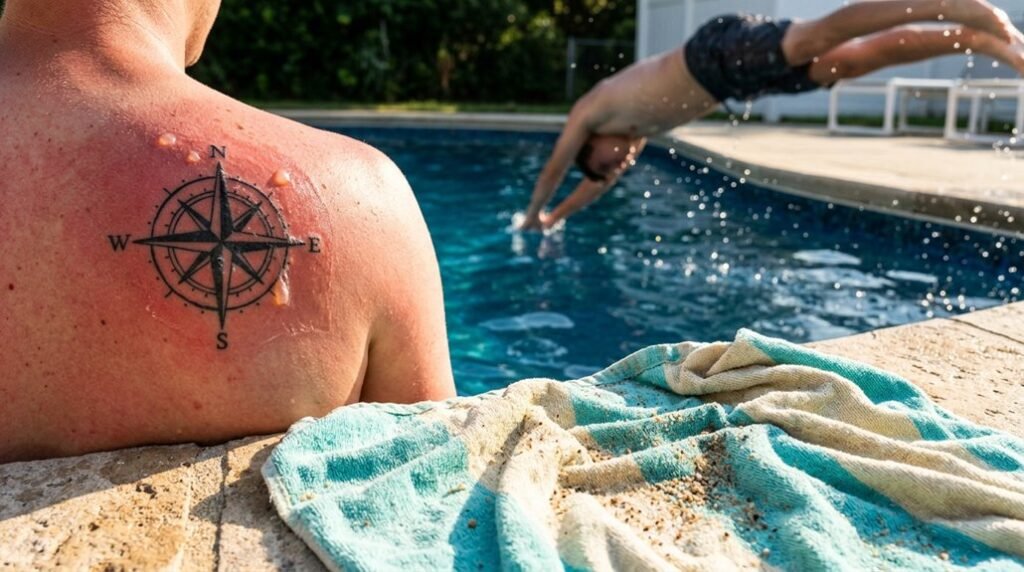
Skip baths entirely. You’re showering only, keeping water contact brief and indirect. Pools present chlorine attacks that burn healing tissue and strip moisture. Lakes and oceans harbor microorganisms eager to colonize your open wound. Hot tubs combine heat, chemicals, and bacterial breeding grounds into one dangerous cocktail.
Wait until your artist confirms complete healing—typically two to four weeks. Then you can soak freely. Until then, you’re protecting your investment through dry discipline. Your future self will thank you when vibrant lines remain sharp and colors stay true.
Recommended Products

COMPLETE AFTERCARE KIT FOR NEW & EXISTING TATTOOS: This Tattoo Aftercare Kit brings together 3 essentials, Antimicrobial Soap, Tattoo Balm, and Tattoo Lotion, to help cleanse, protect, and moisturize fresh ink. Useful after tattoo sessions and throughout healing, it supports vibrant color and skin comfort for dedicated ink enthusiasts and artists

GREAT FOR NEW TATTOOS - H2Ocean Blue Green Foam Soap cleanses skin on and around new tattoos and the addition of aloe vera aids the healing process.

Foaming Tattoo Soap: Great for in-process and post-tattoo and piercing care. Keeps new tattoos & piercings clean during the healing process.
Don’t Sun Your Healing Tattoo or Use Tanning Beds
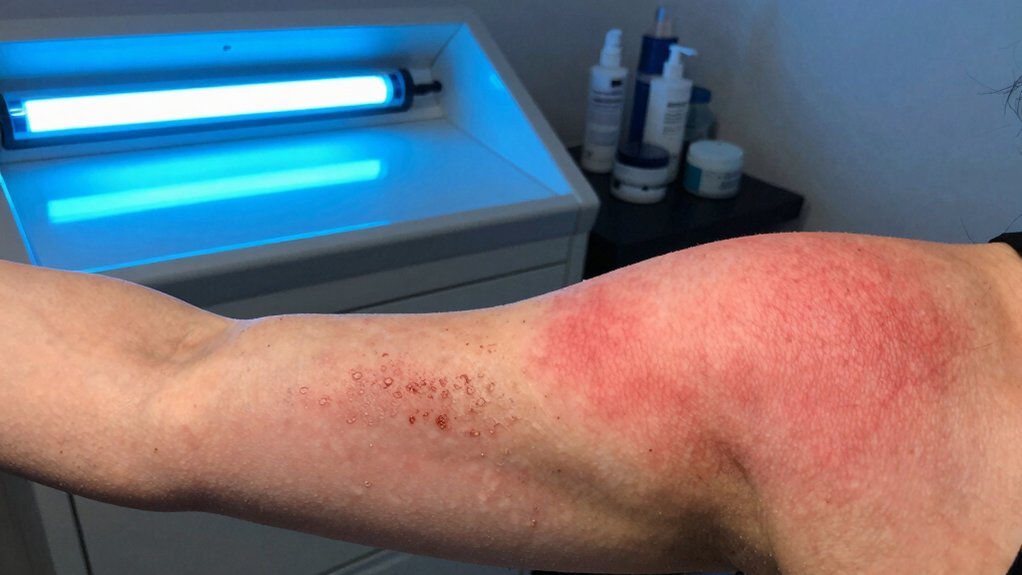
You’re guarding your tattoo from water, but sunlight poses an equally serious threat. UV rays penetrate healing skin and break down ink particles before they’ve settled. You’ll cause premature fading, blurring, and distorted colors that no touch-up can fully repair.
Skip tanning beds entirely during healing. They concentrate UV exposure and cook your vulnerable skin. You’re essentially baking raw pigment before it anchors properly.
Keep your tattoo covered with loose, breathable clothing when outdoors. Don’t rely on sunscreen until your artist gives approval—chemicals irritate open wounds. You’re waiting typically two to four weeks before any SPF touches the area.
Once healed, you’ll apply broad-spectrum sunscreen religiously. Your tattoo represents permanent investment; you’re protecting it from the sun’s relentless degradation for decades ahead.
Recommended Products

ESSENTIAL AFTERCARE FOR TATTOOS & PIERCINGS: After Inked Aftercare Foam Cleanser is designed to gently cleanse and remove dirt from tattoos, piercings, and body modifications. It provides an effective yet soothing clean without causing skin irritation or dryness.

Complete Tattoo Aftercare Kit – Includes 1.7oz Tattoo Balm and 2oz Tattoo Foam Soap Cleanser to support a full tattoo care routine. Clean, hydrate, and maintain the appearance of your body art.

GREAT FOR NEW TATTOOS - H2Ocean Blue Green Foam Soap cleanses skin on and around new tattoos and the addition of aloe vera aids the healing process.
Don’t Slather on Vaseline or Petroleum-Based Ointments
The thick, greasy barrier of petroleum jelly traps more than it protects. You’re suffocating your fresh tattoo when you slather it on, blocking oxygen flow and locking in bacteria. Your skin can’t breathe underneath that heavy film.
You’ll create a breeding ground for infection. The ointment clogs pores and prevents your wound from forming the dry surface it needs to heal properly. You’re also trapping plasma, ink, and lymph fluid against your skin, which causes bubbling, fading, and patchy results.
Skip the petroleum-based products entirely. Instead, you’re using a thin layer of fragrance-free, water-based moisturizer or a specialized tattoo aftercare lotion. You’re letting your tattoo receive air while keeping it hydrated. You’re reading your artist’s specific instructions and following them precisely. Less truly is more when you’re healing fresh ink.
Recommended Products

Widely Used: Our tattoo film has grid lines on the backing paper, which can be cut into different sizes according to requirements. The size of the film is 6 inches x 8 yards, including 3 layers, namely PET backing, PU film and release paper. Soft and stretchable, which makes it fit perfectly anywhere in the body

FLEX VS ORIGINAL BANDAGES – Saniderm’s all-new Flex tattoo aftercare bandages are engineered with a 50% thinner profile than our original gloss bandages while retaining their same trusted adhesive and durability. Ultraflexible and perfect for high-movement areas, Flex delivers exceptional tattoo healing with no compromise on comfort. A matte, non-reflective finish ensures a smooth feel, eliminates glare on new tattoos, and delivers a refined, premium user experience.

THE ORIGINAL TATTOO AFTERCARE BANDAGE – Saniderm’s Original Gloss Bandage is the tried-and-true, industry-defining tattoo aftercare bandage. Dermatologist-recommended and trusted by expert tattoo artists worldwide, this medical-grade bandage ensures your tattoo heals quickly, safely, and more vibrantly. With over a decade of experience and millions of tattoos healed, it’s the perfect way to heal your ink.
Don’t Scratch, Pick, or Peel Your Healing Skin
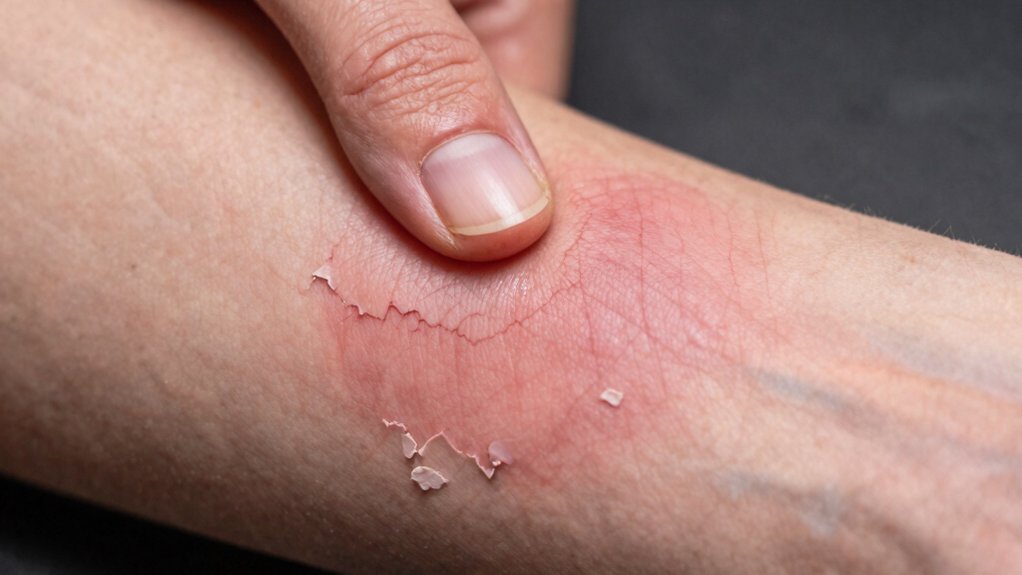
An itch will test your willpower like nothing else during healing. You’ll feel that maddening tingle, and you’ll want to dig your nails right in. Don’t. You must resist.
When you scratch, you tear the delicate scabs forming over your fresh ink. You pull pigment out with every scrape. You open pathways for bacteria. You risk infection, scarring, and patchy, faded lines where your artist worked carefully.
Picking flakes feels satisfying, but you’re stealing color that hasn’t settled. You’re creating scars that’ll outlast the tattoo itself. You’re undoing hours of needlework.
Instead, you slap the area lightly. You apply a thin layer of recommended moisturizer. You distract yourself. You let the skin shed naturally. Your patience preserves the art. Your restraint rewards you with vibrant, lasting results.
Recommended Products
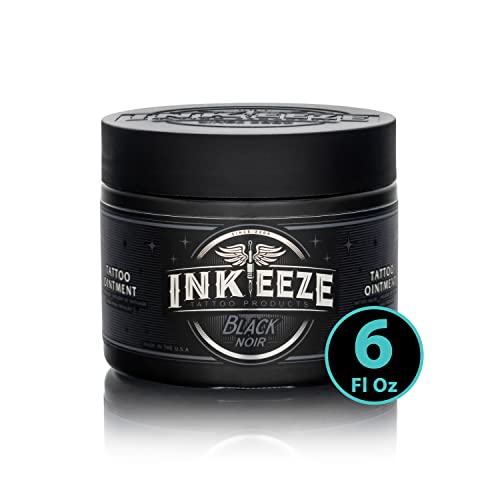
TATTOO OINTMENT- Inkeeze Black Tattoo Ointment is a Non-Petroleum based ointment infused with essential oils. The formula was specifically developed by tattooers and skin care specialists for use as a lubricant during the tattoo process and collectors to use as an aftercare. A little goes a long way

PROTECT & HEAL - H2Ocean Aquatat seals the skin in a moisturizing barrier to protect from irritants while still allowing the skin to breathe. Aquatat will also heal topical wounds on skin such as tattoos, rashes, cuts and scrapes while minimizing scabbing.

TATTOO AFTERCARE LOTION: After Inked Tattoo Lotion brings hydration and nourishment to your tattooed skin. Formulated with grape seed oil, which helps maintain vibrant ink colors while pacifying the skin and promoting moisture retention.
Don’t Press Your Healing Tattoo Into the Pillow While Sleeping
Your willpower faces another test after dark. You’ll want to press your fresh tattoo against cool pillowcases, but don’t. You’d crush the healing skin against fabric for hours, risking ink loss, scabbing, and infection.
You must train yourself to sleep differently. Tattooed your arm? You’ll sleep on your opposite side. Back piece? You’ll stay on your stomach. You’ll use travel pillows, rolled towels, or specialized cushions to create gaps that keep pressure off the artwork.
Your tattoo releases plasma and ink during those first nights. You’re staining sheets, yes, but you’re also creating a sticky bond between wound and fabric. When you wake, you’ll tear away healing tissue. You’ll stick to breathable bedding and protect the work you’ve invested in.
Recommended Products

✡Various Purpose - Care for all types of wounds; Waterproof cover; Fixed dressing; Tattoo aftercare. It can help lock in the color, protect your tattooed skin, and reduce scabbing when you wash or moisturize your tattoo, quickly form a protective film then accelerate your recovery

SUPERIOR PROTECTION & HEALING - Our transparent film dressing (4" x 4.7" after paper rim removal) acts as a reliable barrier against dirt, bacteria, and water. Creates a clean, breathable environment to support faster recovery for wounds, abrasions, IV sites, and post-surgical areas.
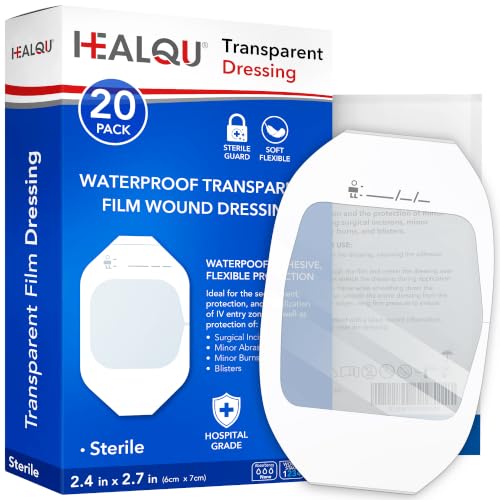
SUPERIOR PROTECTION & HEALING - Our transparent film dressing [2.3" × 2.7" (5.8 cm × 6.9 cm) after paper rim removal] acts as a reliable barrier against dirt, bacteria, and water. Creates a clean, breathable environment to support faster recovery for wounds, abrasions, IV sites, and post-surgical areas.
Conclusion
You’ve got this—healing your tattoo right is simpler than it seems. Stick to gentle cleansing, skip the soaks and sun, and keep those hands off the scabs. Ditch petroleum products for fragrance-free moisturizers, sleep carefully, and let your skin breathe. Follow these don’ts, and you’ll protect your ink for years to come. Your future self—and your tattoo—will thank you.
Recommended Products

PERFECT FOR THE TATTOO ARTIST AND COLLECTOR – Whoever you are, you want to make your tattoo aftercare experience convenient and effortless. This soap ensures the tattoo always leaves the shop or house sanitized and moisturized.

PERFECT FOR THE TATTOO ARTIST AND COLLECTOR – Whoever you are, you want to make your tattoo aftercare experience convenient and effortless. This soap ensures the tattoo always leaves the shop or house sanitized and moisturized.

HUSTLE BUTTER ESSENTIALS TATTOO AFTERCARE KIT: This Essential Kit includes our Hustle Butter Tattoo Balm (1 fl oz), Hustle Bubbles Foaming Soap (3.4 fl oz), and our Hustle Butter Tattoo Aftercare Wrap - Small (6 in x 2.2 yds)