
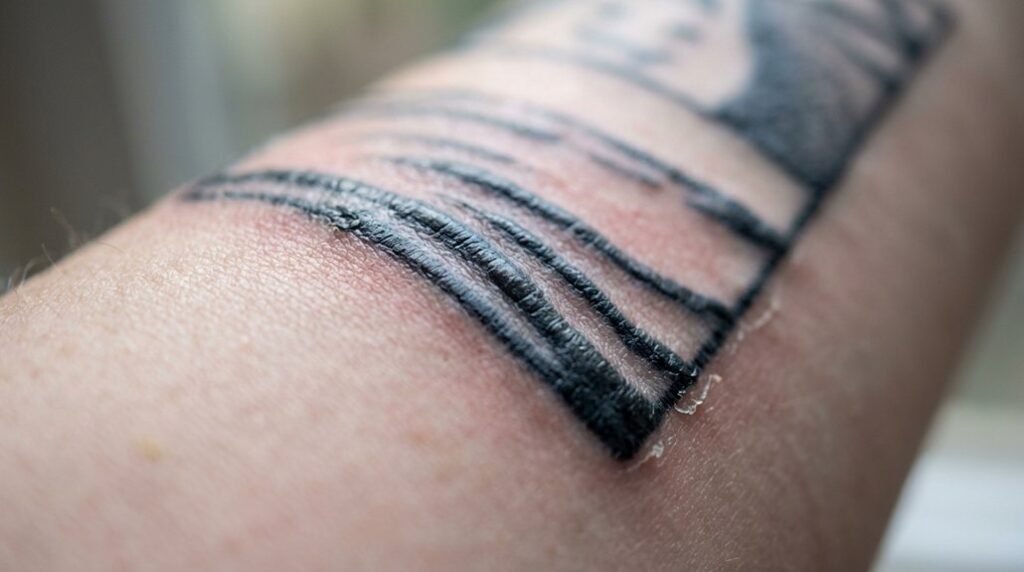
You’ve just peeled back the wrap on your new ink, and the lines feel puffed like braille beneath your fingertips. That raised texture might alarm you, but it’s not always cause for panic. Sometimes it’s simply your body doing its job, and other times it signals something that needs attention. The difference matters more than you’d expect, and knowing what to watch for can save both your skin and your artwork.
Key Takeaways
- Fresh tattoos raise naturally from needle trauma and immune response, peaking around days two to four.
- Infection signs include spreading redness, hot skin, foul discharge, fever, or red streaks requiring immediate care.
- Red ink allergies or overworked skin can cause persistent raised texture lasting weeks or months.
- Hypertrophic scarring creates raised lines within tattoo boundaries; silicone sheets and massage help flatten them.
- Proper aftercare with fragrance-free moisturizers and sun avoidance supports smoother healing and prevents complications.
Recommended Products

Protect Your Body Art: Moisturizing with the bonus of itch relief! Tattoo Goo's Tattoo Care Lotion soothes healing skin & keeps healed ink looking sharp for life. With olive oil & glycerin, it delivers deep, breathable hydration that won’t clog pores

TATTOO AFTERCARE ESSENTIAL: Hustle Butter is the original tattoo aftercare balm for new and older tattoos. With over 10 years in the market, we are a pioneer of the tattoo aftercare category.

Nourishes Healing Ink for Vibrant Color: Tattoo Goo supports healing tattoos & maintains vibrancy on healed ink with a lightweight formula rich in olive oil, lavender oil, cocoa butter, and beeswax. It absorbs quickly, moisturizes deeply, and helps reduce dryness, itch and tightness so your tattoo looks and feels comfortable through everyday routines
Is a Raised Tattoo Normal in the First Week?
How soon should you worry when your fresh ink sits slightly above the skin? You shouldn’t panic immediately. Your tattoo sits raised because the needle created thousands of tiny wounds. Your immune system responds—you’ll notice swelling, redness, and that lifted appearance within hours.
During the first week, you’re watching the healing process unfold. The skin repairs itself, and inflammation peaks around days two through four. You’ll feel the texture change when you run your finger across it. This reaction means your body works correctly.
You can expect the raised sensation to fade gradually. Most tattoos flatten noticeably by day seven, though healing varies by size and placement. Thick lines and shaded areas often stay raised longer than fine details. Keep the area clean, moisturized, and protected from friction while you wait.
Recommended Products

Gentle, Deep Cleansing: Tattoo Goo Foaming Cleansing Soap for tattoos and piercings helps remove impurities and clean the inked or pierced areas at a deep level by removing dirt, dead skin cells, and killing germs without damaging the skin

GENTLY CLEANSES NEW TATTOOS - Use Repair Tattoo Wash during the healing process to keep your fresh tattoo ink clean or as a perfect prep wash before and after tattooing.

Foaming Tattoo Soap: Great for in-process and post-tattoo and piercing care. Keeps new tattoos & piercings clean during the healing process.
Is It Swelling or Infection? Raised Tattoo Warning Signs
Normal swelling fades, but infection builds. You need to spot the difference fast.
Swelling peaks within 48 hours, then steadily drops. Your skin feels warm and tight, not blazing hot. The redness stays near the tattoo and slowly retreats outward.
Infection tells a darker story. You watch the redness spread beyond your tattoo’s edges day after day. The area throbs with persistent pain that painkillers barely touch. Yellow or green pus oozes from the lines, and you catch a foul smell. Red streaks track up your limb. You develop fever, chills, or swollen lymph nodes.
Trust your instincts. If something feels wrong after day three, you’re probably right. Don’t wait for dramatic symptoms. Early action saves your skin and your tattoo. Monitor closely, act decisively.
Recommended Products

[ Advanced Silicone Scar Treatment for All Scar Types ] Silicone Scar Sheets and Silicone Scar Tape designed to treat and improve the appearance of surgical, hypertrophic, keloid, C-section, burn, acne, and injury scars. Providing a comprehensive solution for scar reduction.
Silicone Scar Sheets for Scars: Designed for the treatment and prevention of scars including hypertrophic and keloid scars from surgery, injuries, burns, cuts, and more. These silicone scar sheets help visibly improve both new and old scars.

Clinically Shown in just 4 Weeks: Improves the appearance of old and new scars, including hypertrophic and keloid scars from minor injuries, burns, and surgeries; Helps reduce redness, discomfort, while improving scar flexibility
When to Call Your Artist About a Raised Tattoo
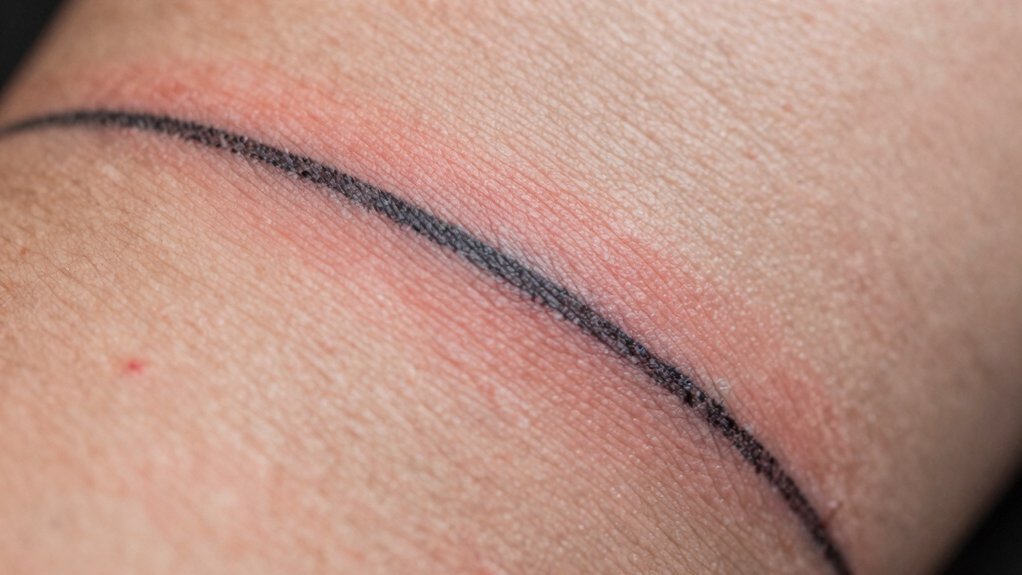
Sometimes you can’t tell if you’re overreacting or if your tattoo actually needs professional eyes on it. Call your artist when raised areas persist beyond two weeks, spread beyond the tattooed lines, or develop unusual colors like purple or deep red streaks. You’re right to reach out if the raised skin feels hot, hard, or produces yellow-green discharge.
Your artist knows their work and can distinguish normal healing from complications requiring medical attention. They’ll assess whether you’ve developed an allergy to the ink, experienced overworked skin, or need adjusted aftercare. Don’t wait for severe pain or fever to develop. You’re not bothering them—artists prefer early contact over delayed problems that damage their artwork.
Document changes with photos before calling so you can show exactly what developed and when.
Recommended Products

Silicone Scar Sheets for Scars: Designed for the treatment and prevention of scars including hypertrophic and keloid scars from surgery, injuries, burns, cuts, and more. These silicone scar sheets help visibly improve both new and old scars.

Scar-Smoothing Silicone - Scar Gel Cream designed for surgical, C-section, acne, injury, and raised or bumpy scars. Combines medical-grade silicone with a Tri-Roller tip to support scar massage and help improve the appearance of scars over time.

💼【Portable Professional Care】 - 50 single-use packs (5g each!) fit in pockets, gym bags, or travel kits. Never deal with messy jars! Each sealed packet locks in freshness for on-the-spot relief after workouts, flights, or tattoo sessions. Stay prepped anywhere!
Why Raised Tattoos Swell: Your Body’s Healing Response
Why does your fresh ink sit slightly proud of the surrounding skin?
Your immune system recognizes the tattooing process as trauma and springs into action. White blood cells rush to the wound site, triggering inflammation that causes fluid buildup beneath the surface. This swelling pushes the tattooed area upward, creating that raised effect you feel.
Your body doesn’t distinguish between accidental cuts and intentional ink deposits—it responds the same way. Blood vessels dilate to deliver nutrients and oxygen. Plasma leaks into surrounding tissues. Platelets cluster to form protective scabs. All this activity occupies space and creates temporary elevation.
The swelling typically peaks within 48 hours and subsides as healing progresses. You’ll notice the raised sensation fading as your skin completes its repair cycle and the excess fluid gradually reabsorbs.
Recommended Products

COMPLETE AFTERCARE KIT FOR NEW & EXISTING TATTOOS: This Tattoo Aftercare Kit brings together 3 essentials, Antimicrobial Soap, Tattoo Balm, and Tattoo Lotion, to help cleanse, protect, and moisturize fresh ink. Useful after tattoo sessions and throughout healing, it supports vibrant color and skin comfort for dedicated ink enthusiasts and artists

Tattoo Feather Flag Kit: this kit includes 2 tattoo feather flags, 12 ground stakes and 2 portable bags, saving you the stress of purchasing different components separately, so you have everything you need for your ideal display

100 Pack Professional Tattoo Aftercare Cards Includes 100 high-quality tattoo aftercare cards in a 2 x 3.5 inch business card size. Perfect for tattoo artists, studios, and piercers to give clients clear post-tattoo care instructions.
Red Ink Allergies: When Your Raised Tattoo Itches
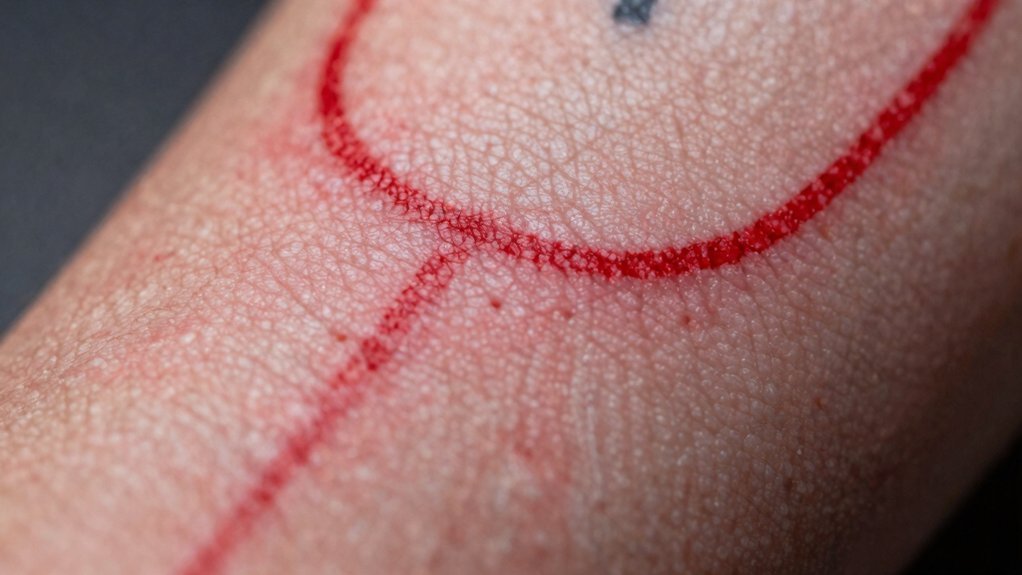
While most swelling settles within days, persistent elevation accompanied by itching points to something beyond routine healing. You’ve likely encountered a red ink allergy, one of the most common pigment reactions in tattooing. Your immune system identifies certain red dye components—particularly mercury sulfide or newer organic alternatives—as threats, triggering localized inflammation.
You’ll notice raised, itchy patches specifically where red ink sits beneath your skin. The reaction often emerges weeks or even years after getting tattooed, catching you off guard. Scratching worsens the condition, potentially causing infection or permanent damage.
You can’t simply wait this out. Contact your tattoo artist and a dermatologist promptly. They’ll assess whether you’re experiencing a true allergy or irritation. Treatment typically involves topical corticosteroids, and in severe cases, laser removal becomes necessary to eliminate the offending pigment entirely.
Recommended Products

STICK APPLICATION, ZERO MESS: Twist up the tattoo balm stick, swipe directly over the tattoo, and blend as needed. No jar to open, no fingers scooping product, and no need to carry a separate applicator. The solid stick format is easy to keep in a bag, bathroom cabinet or travel kit, making care simple at home or on the go. It gives you controlled application exactly where you want moisture, with less mess than traditional balm jars. Great for quick touch-ups whenever tattooed skin feels like it needs extra care, at home, after work or while traveling.

Upgraded Design, Easy to Use --- Tattoo aftercare balm comes in a tube,this container allows you to glide on the butter easily,Rolls on smoothly and evenly on your skin,No more mess or residue on your finger,convenient to use

Tattoo Aftercare Balm Stick: our tattoo balm is now available in a balm stick. This tattoo balm stick delivers targeted care to keep your artwork looking and feeling fresh whenever you need it most. For use on all tattoos, just not fresh ones.
Overworked Skin: Why Tattoos Stay Raised Too Long
Perhaps you’ve noticed your tattoo remains raised long after the initial healing phase, with no itching or color-specific patterns to suggest an allergy. You’ve likely experienced overworked skin, a condition where the artist has traumatized the dermis through excessive passes or heavy-handed technique.
When you sit for long sessions, your skin endures repeated needle punctures that damage tissue beyond normal limits. Your body responds with prolonged inflammation, keeping the area swollen and raised for weeks or months. You’ll notice this manifests as a uniform elevation across the entire design rather than isolated bumps.
You can’t speed up healing, but you can support recovery. Keep the area moisturized, avoid sun exposure, and don’t pick at scabs. Your tattoo will eventually flatten as the skin regenerates, though this process takes patience.
Recommended Products

TIP-TO-TOE CARE: Baby Dove Fragrance Free Moisture Hypoallergenic Baby Wash gently cleanses baby's hair and skin during bath time; suitable for sensitive skin and gentle enough for newborn care.

PERFECT FOR THE TATTOO ARTIST AND COLLECTOR – Whoever you are, you want to make your tattoo aftercare experience convenient and effortless. This soap ensures the tattoo always leaves the shop or house sanitized and moisturized.

GREAT FOR NEW TATTOOS - H2Ocean Blue Green Foam Soap cleanses skin on and around new tattoos and the addition of aloe vera aids the healing process.
When Raised Tattoo Lines Don’t Flatten: Hypertrophic Scarring
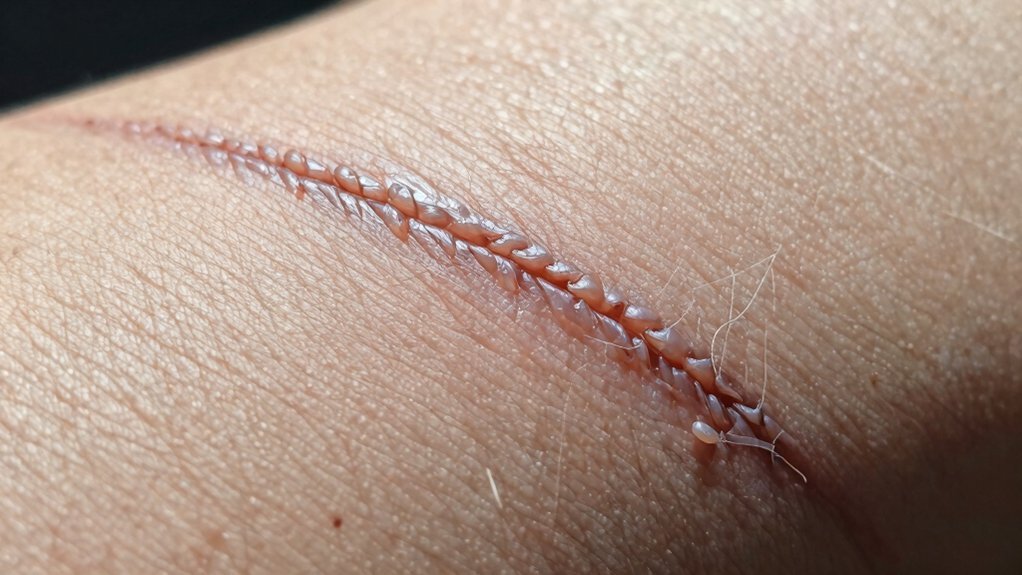
Sometimes raised lines persist long after your skin should have settled, signaling something more permanent than overworked tissue. You’ve developed hypertrophic scarring—excess collagen that builds up within the tattoo’s boundaries but doesn’t spread beyond them. Your body overreacted to the trauma, creating thick, raised tissue that feels firm to the touch.
You’ll notice this scarring stays confined to the inked lines themselves, unlike keloids which grow outward. The color might look slightly different too—more pink or red than surrounding healed skin.
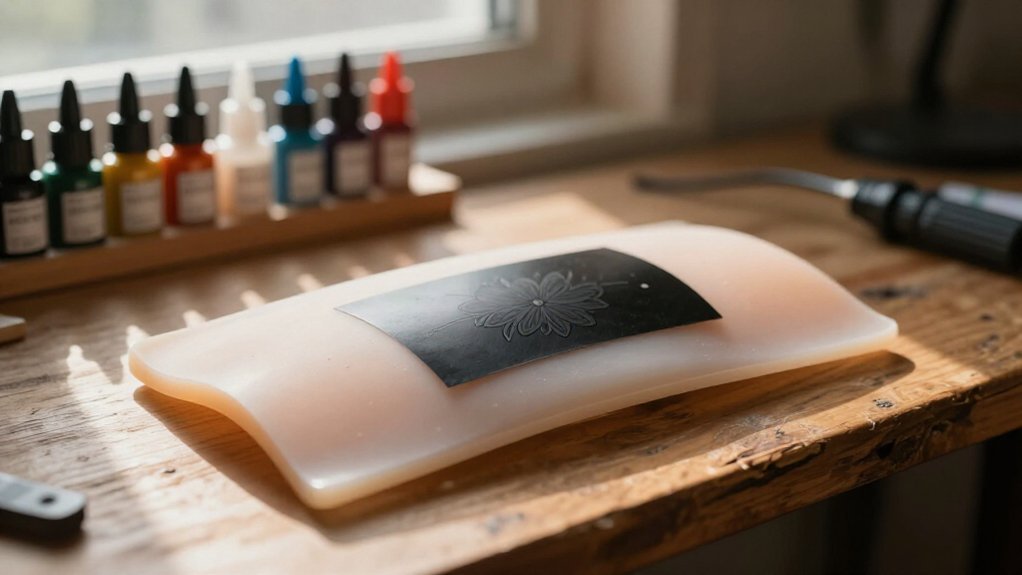
You can’t fully reverse this, but you can improve it. Massage the area daily with firm pressure to break down collagen bundles. Silicone sheets or gel help flatten raised tissue over months. For stubborn cases, you should consult a dermatologist about steroid injections or laser treatments.
Recommended Products

EFFECTIVE SCAR TREATMENT: A scar repair patch helps soften and reduce the formation of new scars, flatten and fade old scars; ideal for C-section scars, acne scars, hypertrophic scars, keloid scars, surgical and operation scars, scars after knee replacement surgery, injury, burns, stretch marks, tummy tuck, scrapes and cuts scars; Can also be used for blister prevention on heels

Silicone Scar Sheets: The solution for all types of scars. These non-surgical scar strips are intended for the treatment and prevention of scars including hypertrophic or keloid scars resulting from injuries, burns, surgeries, acne, cuts and more

Advanced Silicone Scar Sheets: Our silicone scar sheets are made from soft, breathable, and flexible silicone, non-irritating and suitable for long-term use. Expertly designed to help improve the appearance of scars, offering a comprehensive solution for scar care.
Safe Products for Raised Tattoos (And What to Skip)
What exactly deserves a spot in your aftercare routine? You want fragrance-free, hypoallergenic moisturizers. Reach for products with aloe vera, shea butter, or panthenol. These soothe irritation without clogging pores. You should apply a thin layer twice daily.
Skip petroleum jelly. It traps heat and bacteria, worsening raised lines. Avoid alcohol-based toners, scented lotions, and exfoliants. These dry out skin and intensify inflammation. You also need to ditch antibiotic ointments unless prescribed; they cause allergic reactions and delay healing.
Consider silicone gel sheets for persistent elevation. They flatten hypertrophic scars by regulating collagen production. You can also try chamomile compresses to reduce swelling naturally.
Read every label. If you spot “fragrance,” “parfum,” or harsh acids, you put it back. Your raised tattoo heals only when you protect it smartly.
Recommended Products

QUICK HEALING:A&D ointment gel is rich in essential vitamins A and D,which is very important for aftercare microblading ,effectively helping to remove burns,cuts,surgical marks and the impact of marks on beauty

THE ORIGINAL SCAR TAPE: Trusted silicone scar sheets for old and new scars, including surgical scars, C section recovery scars, hypertrophic, and keloid scars. Also doubles as forehead wrinkle patches or overnight face tape to help smooth the appearance of fine lines and wrinkles.
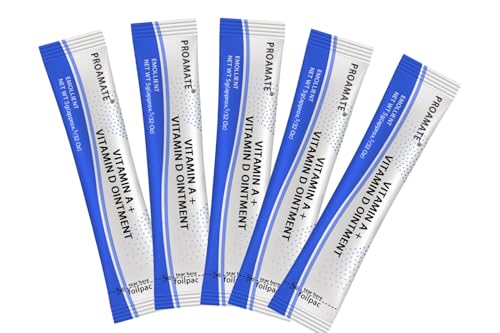
Natural ingredients -This Tattoo Scar Repair Gel is rich in natural vitamins A and D and skin soothing ingredients, can prevent scars and nourish your skin.With natural ingredients, safe, non - toxic and harmless. It has extremely efficient skincare, with a very safe and vegan formulation.
How Long Until Your Raised Tattoo Finally Settles?
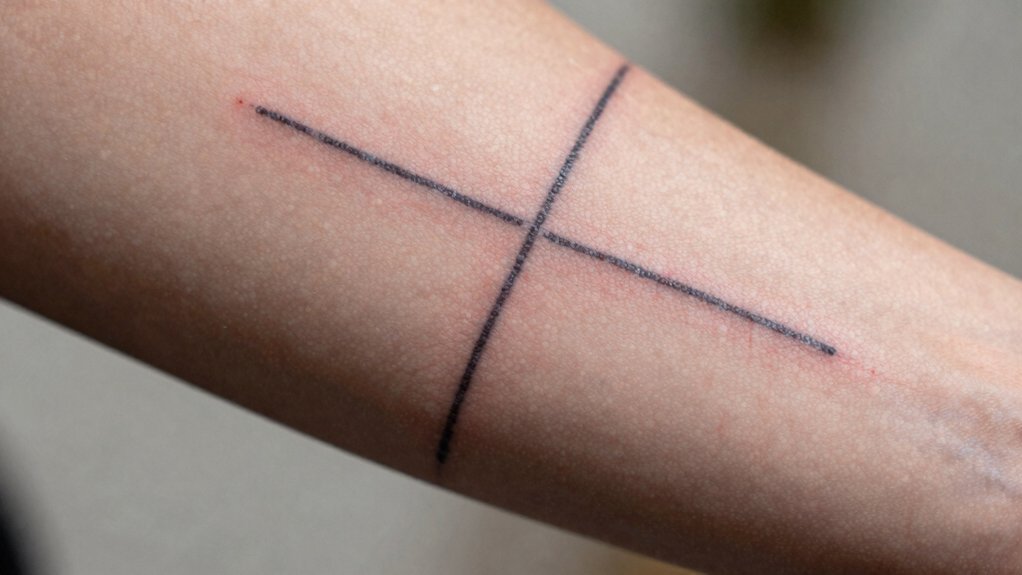
How long you’ll wait depends on why your tattoo raised in the first place. Normal healing typically resolves within two to four weeks as your skin finishes its natural regeneration cycle. You’ll notice the raised texture gradually flattening during this window.
If you’re dealing with an allergic reaction to ink, settlement could take several months, sometimes requiring removal for complete relief.
Infection-related swelling demands immediate treatment, and you’ll see improvement only after antibiotics eliminate the underlying problem.
Scarring presents the most stubborn scenario. Raised scar tissue from overworked skin or poor aftercare may never fully settle, though silicone sheets and professional treatments can minimize texture over six months to a year.
You’ll know healing completes when the raised surface feels smooth, shows no redness, and stops fluctuating with temperature changes or physical activity.
Recommended Products

Classic Tattoo Parlor Vibes: This black-and-white sign with bold text adds an edgy yet fun way to direct party guests to your temporary tattoo station.

Dragonhawk Traditional Pro Complete Tattoo Kit: Features two cast iron tattoo machines with full set to make tattooing quick and easy. The lining & shading machines help make it easy to get right tattoo style. You can play and adjust any parts with Dragonhawk pro coils machines. The tattoo machines has a powerful, long-lasting coils. The needles are also stainless steel to provide outstanding cutting performance.

Generous Quantity: 5 sheets x 5 = 25 temporary tattoos
How to Prevent Raised Tattoo Texture in Future Ink
Once your current tattoo settles, you’ll want to stack the odds for smoother results next time. Research artists thoroughly and check their healed work portfolios. You’ll avoid issues by choosing someone who employs proper needle depth and technique.
Don’t bargain hunt—cheap tattoos often mean rushed, heavy-handed application. You’ll also want to skip tattoos during allergy flare-ups or skin conditions. Request a patch test if you’ve reacted to ink before.
Stay hydrated and moisturize your skin for weeks before your appointment. Healthy skin accepts ink more evenly. You’ll reject stencils that trap bacteria and insist on single-use needles.
Follow aftercare instructions exactly. You’ll resist scratching, keep the area clean, and avoid sun exposure during healing. These habits minimize inflammation and prevent raised texture from developing.
Conclusion
You’ll notice your fresh tattoo stays raised as your body heals those thousands of tiny punctures—swelling and inflammation are completely normal, especially during the first 48 hours. Most tattoos flatten within 2–4 weeks, though texture can linger longer. Stick to gentle fragrance-free moisturizers, avoid irritants, and don’t panic if red ink itches more. Call your artist if elevation persists beyond two weeks or worsens. With proper aftercare, you’ll keep future ink smoother from the start.