
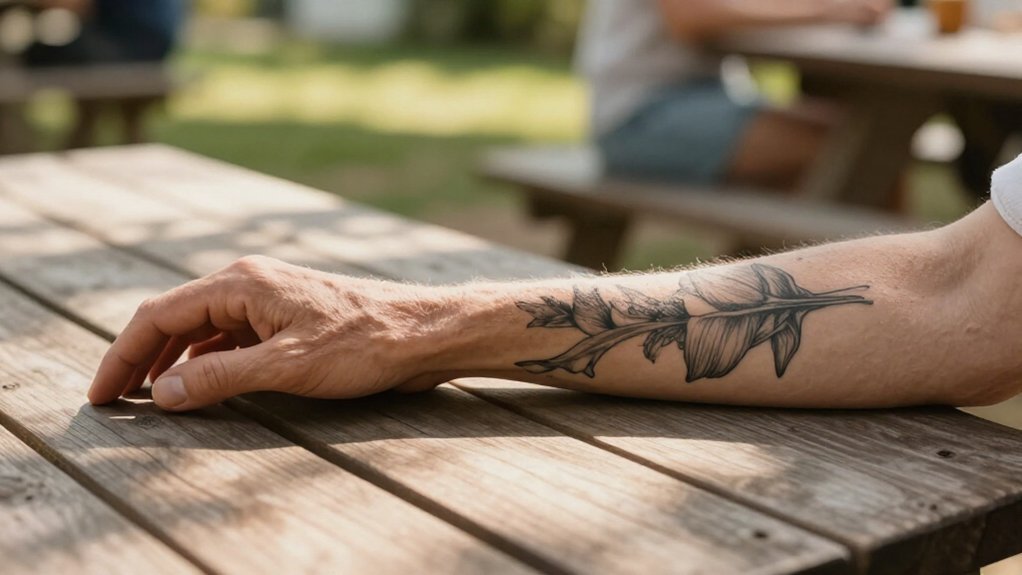
Nearly half of all tattoos show noticeable fading within ten years, but you have more control than you think.
Your immune system never stops attacking ink particles, while sunlight and skin aging quietly accelerate the breakdown.
The good news: simple, consistent habits can dramatically slow this process.
Here’s what actually happens beneath your skin, and how to protect your investment.
Why Tattoos Fade: Skin Biology and the Immune Response
Although tattoos are designed to be permanent, your body begins working against that permanence the moment the needle stops. Your immune system recognizes ink as foreign, sending macrophages to engulf and break down the ink particles. These cells attempt removal through phagocytosis, but most particles prove too large to eliminate completely.
During tattoo healing, some macrophages carry smaller ink fragments away from the dermis. This gradual transport, combined with ongoing skin regeneration, slowly disperses pigment throughout surrounding tissue. Epidermal shedding and dermal remodeling further shift color placement, blurring sharp lines over years.
UV rays accelerate this process by damaging collagen and triggering additional immune responses. Smaller ink particles fade faster, since they’re easier to break down and transport. Your tattoo doesn’t disappear, but its intensity diminishes as biology persists.
Recommended Products

Tattoo-Safe Mineral Formula: Our tattoo sunscreen lotion uses non-nano zinc oxide, a physical barrier that sits on the skin to block UVA/UVB rays without penetrating or irritating tattoos. This helps prevent fading, discoloration, or damage to tattoo ink caused by sun exposure.
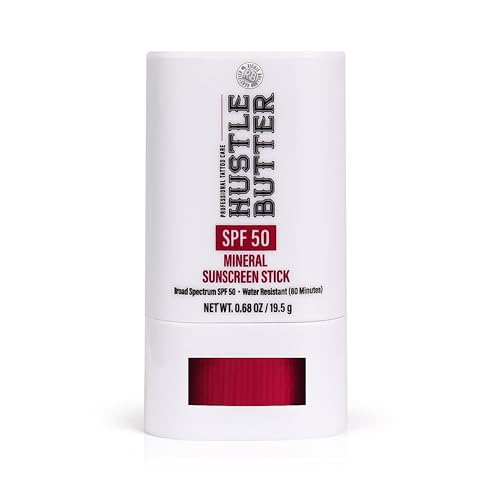
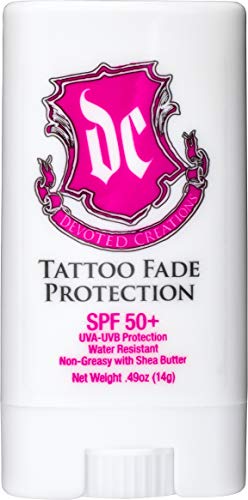
Tattoo Sun Protection, SPF 50: Our tattoo sunscreen stick provides broad-spectrum UVA/UVB coverage, preventing sun damage and fading, keeping tattoo ink vibrant and sharp.
Where Tattoos Fade Fastest: Friction, Sun, and High-Risk Placements
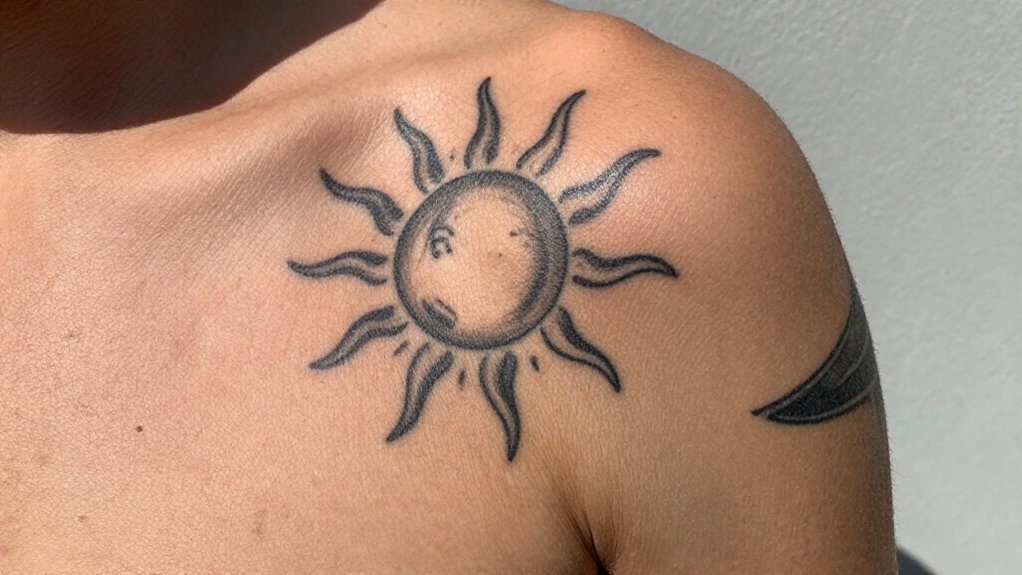
Your tattoo’s location determines how quickly it loses its sharpness, and some spots on your body face much harsher conditions than others. High-friction areas of the body, like your hands, fingers, feet, elbows, and inner thighs, accelerate tattoo fading through constant rubbing and micro-damage that breaks up ink particles.
Hand tattoos fade especially fast because they combine friction with UV exposure. Your palms, fingers, and tops of hands endure daily wear while soaking up sunlight, creating a double threat to pigment stability.
During the healing process, sweat-prone zones such as your armpits, lower back, chest, and hands require extra care. Heavy sweating within the first 48 hours can interfere with how ink settles while your body immune response works to trap pigment.
Stretch-prone areas, including your stomach, hips, and biceps, also risk blurring as skin shifts and remodels over time.
Recommended Products
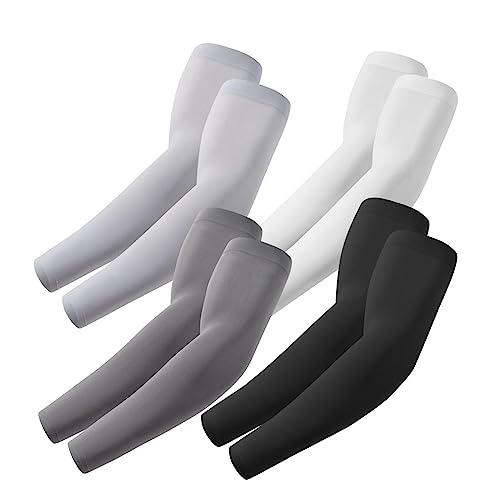
Roxun cooling arm sleeves provide a seamless, snug fit, thanks to the durable blend of 90% nylon and 10% spandex. Forget about constant adjustments or circulation issues

Roxun cooling arm sleeves provide a seamless, snug fit, thanks to the durable blend of 90% nylon and 10% spandex. Forget about constant adjustments or circulation issues

【UV Protection & Cooling Comfort】UPF 50+ blocks 98% UVA/UVB — ideal sun sleeves for gardening/driving. Lightweight fabric wicks sweat, stays fresh as cooling arm sleeves
UV Radiation: How Sunlight Breaks Down Tattoo Ink
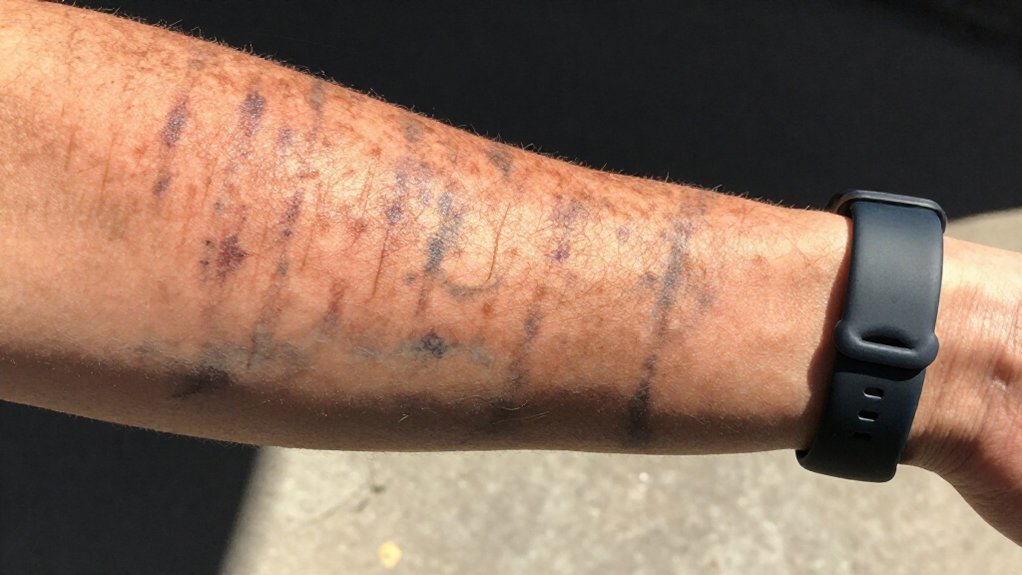
You need to understand how UV rays reach your tattoo ink, and what happens when they do. UVA radiation penetrates deep into your dermis, where it fractures pigment molecules and weakens chemical bonds that hold color in place.
You can slow this damage with consistent SPF application, protective clothing, and shade-seeking behavior during peak sun hours.
Recommended Products

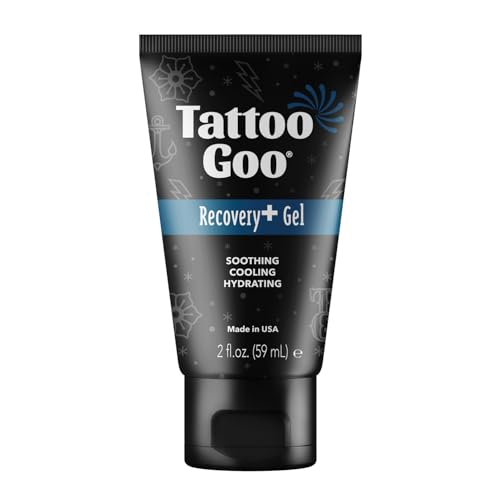
Protect Your Body Art: Moisturizing with the bonus of itch relief! Tattoo Goo's Tattoo Care Lotion soothes healing skin & keeps healed ink looking sharp for life. With olive oil & glycerin, it delivers deep, breathable hydration that won’t clog pores

Nourishes Healing Ink for Vibrant Color: Tattoo Goo supports healing tattoos & maintains vibrancy on healed ink with a lightweight formula rich in olive oil, lavender oil, cocoa butter, and beeswax. It absorbs quickly, moisturizes deeply, and helps reduce dryness, itch and tightness so your tattoo looks and feels comfortable through everyday routines

TATTOO AFTERCARE OINTMENT – Made especially for aftercare of tattooed skin. Offers premium protection and the best tattoo care. Suitable for new & existing tattoos. Moisturizes dry skin and nourishes it. Makes tattoo colors look more vibrant and fresher. Helps tattoos look their best.
UV Ray Penetration
Because sunlight reaches your skin every day, it’s quietly working against your tattoo’s vibrancy. UV radiation penetrates your epidermis and reaches the dermis, where your ink particles rest. This UV damage breaks down tattoo pigment over time, causing your tattoo from the sun to lose its sharpness and saturation.
UVA rays penetrate deepest, accelerating this fading process continuously. Lighter colors, like yellow and green, fade faster than black ink because they’re more vulnerable to this breakdown. The damage is cumulative, so your tattoo weakens even after healing.
You can’t avoid sunlight entirely, but you can control your exposure. Apply sunscreen with SPF 30 or higher to block harmful rays. This simple step protects your investment and keeps your artwork vivid longer.
Ink Chemical Breakdown
While UV rays reach your skin’s surface, they’re also triggering chemical reactions deep in your dermis where ink particles sit. This process, called ink chemical breakdown, happens when UV radiation fractures the chemical bonds holding pigment together.
1. How UV Damages Your Ink
UVA rays penetrate deeply into skin, causing skin aging effects that degrade tattoo ink gradually, even without burning. You won’t feel this damage happening, but your ink can fade as particles fragment and lose color intensity.
2. Which Colors Fade Fastest
When you’re exposed to the sun, lighter pigments break down quicker than black ink. Yellows, oranges, and reds are especially vulnerable to UV damage because their chemical structures are less stable.
3. What You Notice
The longer your tattoo stays unprotected, the more contrast drops as ink scatters. Your once-bold lines soften, and vibrancy diminishes through cumulative chemical degradation.
Prevention Strategies
UV radiation keeps attacking your ink whether you’re at the beach or walking to work, but you’re not stuck watching your tattoo fade. You can take control of one of the primary factors that cause tattoos fade by managing sun exposure.
UV radiation breaks down pigment particles in your skin, especially UVA rays that penetrate deep into the dermis where your ink lives. Lighter colors like red, yellow, and green fade fastest, though black ink isn’t immune either.
Protect Your Investment
- Apply sunscreen (SPF 30 minimum) daily to exposed tattoos
- Reapply every two hours during continuous sun exposure
- Cover fresh tattoos completely during the healing window
Solid tattoo care starts with following your artist’s aftercare instructions, then continues with lifelong UV protection. You’ve already committed to the art; commit to the maintenance.
Fine Lines vs. Bold Work: Which Tattoo Styles Fade Fastest
You’ll notice your fine-line tattoos losing clarity sooner than bolder pieces, since those delicate strokes hold less ink and can’t withstand UV damage as effectively. Bold traditional and blackwork styles reward you with longer-lasting results, because dense pigment deposits resist breakdown and mask the gradual fading process.
When you’re choosing your next design, you’ll want to weigh these durability differences against your aesthetic preferences.
Recommended Products
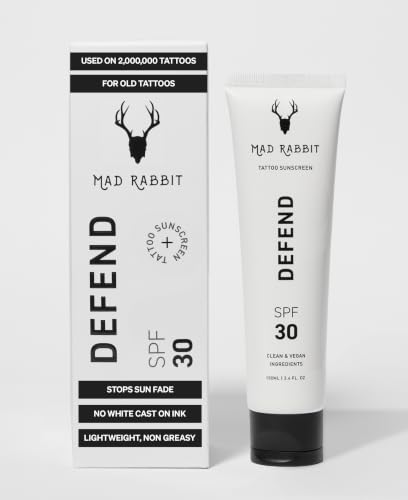
FOR ALL SKIN TYPES, INKED OR NOT - This daily, 100% mineral sunscreen works hard to protect skin and tattoos from the damage caused by exposure to harmful UVA & UVB rays.
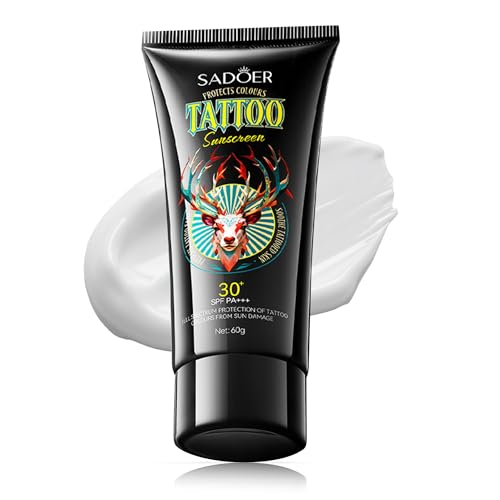
ULTIMATE SUN PROTECTION FOR TATTOOS & SKIN: Our advanced SPF 30+ formula delivers broad-spectrum UVA/UVB protection while locking in tattoo vibrancy. Suitable for all skin types – inked or uninked – its compact size fits your pocket easily, making it perfect for daily on-the-go protection.

TRAVEL READY - Meets TSA Carry-On regulations due to its small package size. This sunscreen stick easily fits in your pocket for on the go use.
Fine Line Vulnerability
Because fine line tattoos use thinner strokes with less pigment, they’re more vulnerable to fading than bold traditional or blackwork styles. You face increased fine line vulnerability from sun exposure, since UV rays break down those delicate ink deposits faster. Environmental factors like friction and sweat also accelerate fading, especially on high-contact zones.
Your aftercare choices during the healing phase directly impact long-term results. You must protect the tattooed area from direct sunlight, moisture buildup, and abrasive clothing. Skip swimming and harsh soaps that strip healing skin.
Once healed, you’ll notice fine lines soften gradually. Pastel shading diminishes quickest, as colored pigments lack UV stability. You should plan for touch-ups every few years to restore crisp edges, particularly on hands, feet, and joints where wear concentrates.
Bold Work Longevity
Bold work typically holds its ground longer than delicate alternatives, and you can expect this resilience to show in daily wear. Your tattoo with thick lines and solid fills deposits more pigment into deeper layers of skin, giving UV rays and natural turnover less chance to steal detail.
You gain real protection from black ink’s density, which resists breakdown better than lighter pigments. Your immune system still targets the foreign particles, but heavier loads slow visible fading.
You must protect your investment during healing. Following proper aftercare keeps pigment locked where it belongs, preventing premature softening even in bold pieces.
You risk faster fading if ink sits too shallow, so choose experienced artists. Your bold work rewards you with decades of clarity when you combine smart design, proper depth, and consistent sun protection.
How Deep Ink Placement and Pigment Quality Resist Fading
When you understand how tattoo ink settles into your skin, you can better protect your investment and keep your artwork looking sharp for years. Proper depth matters, because your ink application targets the dermis, the middle layer where dense tissue anchors pigment securely.
Depth in the dermis prevents quick shedding that shallow placements suffer from. Poor ink application into upper layers of skin causes tattoos to fade faster from natural turnover. Deep, incorrect placement distorts lines and creates blurry, scarred results over time.
Pigment quality determines brightness retention, with premium inks outlasting cheap alternatives. Rays from the sun break down color pigments faster than stable, carbon-based blacks.
You should choose experienced artists who understand ideal depth. You will see traditional bold styles last longer due to thicker deposits. You cannot control all fading, but you can minimize it through smart decisions about placement and pigment selection.
Recommended Products

TATTOO AFTERCARE ESSENTIAL: Hustle Butter is the original tattoo aftercare balm for new and older tattoos. With over 10 years in the market, we are a pioneer of the tattoo aftercare category.

TATTOO AFTERCARE ESSENTIAL: Hustle Butter is the original tattoo aftercare balm for new and older tattoos. With over 10 years in the market, we are a pioneer of the tattoo aftercare category.
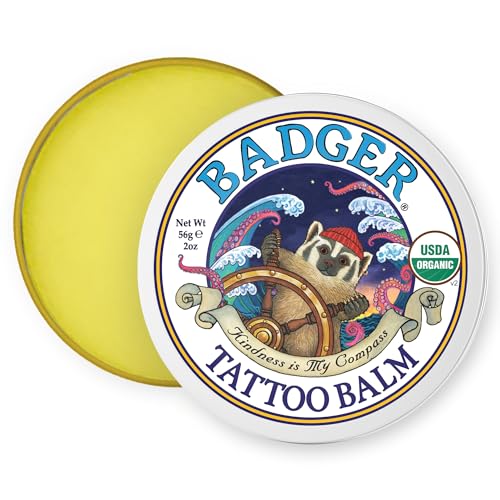
PROTECT & SOOTHE: Condition & protect your tattoos to keep ink looking bold & vibrant. Soothing, nourishing tattoo care softens fresh tattooed skin, calms redness & irritation, and promotes healing
Healing Mistakes That Lock In Early Tattoo Fading
You can ruin your fresh tattoo before it even heals, and two of the worst mistakes happen right in your own hands. When you pick or scratch at scabs, you’re not just itching; you’re physically ripping ink out of your skin and creating patchy, faded spots that won’t fix themselves.
You’re also sabotaging your tattoo when you slather on too much moisturizer, because soggy scabs can’t protect the ink properly and you’ll end up with uneven color that looks prematurely aged.
Recommended Products

Broad Spectrum Protection: SPF 33 mineral sunscreen with non-nano zinc oxide sits on top of the skin to create a shield against sun exposue at the source - defending tattoos from sun exposure and fading, and keeping your ink brighter and more vibrant over time.

SURFERS CHOICE – When applied to dry skin, Surfers Choice Sunscreen shields your skin from harmful UV rays and provides over 80 minutes of sweat and water resistant protection.

TATTOO SUNSCREEN- The world's first sunscreen specially formulated for tattoo protection. We've been up countless nights developing Ink Shield's special INK-BARRIER technology to protect your tattoos during the day. Ink Shield goes on clear. Your tattoos continue looking pristine
Scab Picking Consequences
To protect your tattoo, follow these guidelines:
- Resist scratching or peeling, even when scabs itch or loosen
- Wash gently with fragrance-free soap, then pat dry without rubbing
- Allow the milky top layer to shed naturally over weeks
- Keep the area lightly moisturized, not saturated
- Accept that flaking is normal; forcing it creates permanent damage
Premature fading from scab picking becomes locked in, compounding uneven pigment retention rather than resolving with time.
Moisturizer Overuse Damage
Scab picking isn’t the only way to disrupt healing. Over-moisturizing during the healing period traps excess moisture against fresh tattoos, creating soggy scabs that loosen ink before skin cells stabilize it.
You might think more product equals better care, but thick, frequent layers keep the wound too wet. This encourages irregular scabbing and irritation, which increases fading of tattoos through premature ink loss during sloughing.
Proper care means thin applications. After unwrapping at 24 hours, wash gently and apply just enough moisturizer to prevent dryness. If your tattoo stays shiny, you’re using too much.
Excessive buildup masks normal skin turnover, contributing to patchy, locked-in dullness as renewal continues. What looks temporarily faded at 2 to 4 weeks can become uneven permanently when you over-moisturize early on. Keep it light, let it breathe.
How Skin Aging Leads to Tattoo Fading Over Time
Although your tattoo sits in the dermis, the deeper layer beneath the surface, your skin never stops changing. You can’t stop skin aging, but you can understand how it affects the longevity of a tattoo. The epidermis, the top layer of skin, constantly renews itself. This shedding gradually alters how much pigment you see.
As you age, collagen and elastin break down in the dermis. This changes the structure where artists place ink into the dermis. The ink particles disperse, making lines look lighter or blurred. UV exposure accelerates these cellular changes, breaking down pigment molecules even deep in your skin. Your tattoo will fade over time because of these unavoidable skin changes.
Several factors determine how quickly you see these effects:
- Your skin’s natural turnover rate, which varies by individual
- The density and depth of the original ink placement
- Genetic differences in dermal structure and elasticity
- How ink redistributes during long-term healing
- Variations in how your immune system processes foreign pigment
Recommended Products
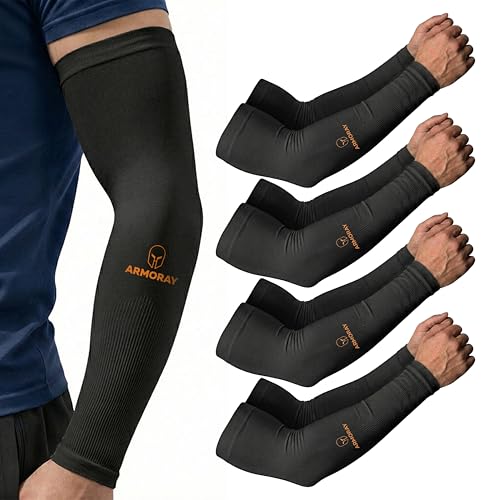
ULTIMATE Sun Protection: Designed with UV protective fabric to help shield your skin during outdoor activity. Ideal as sun sleeves for men and women for running, cycling, golf, and everyday use under direct sunlight.

Ultimate Protection: Our sun protection sleeves block over 98% of harmful sun rays, offering superior protection against sunburn and skin damage. Ideal for any outdoor activity.

ULTIMATE UV PROTECTION: With UPF 50 protection, Achiou uv arm sleeves for men sun protection block more than 98% of harmful UVA and UVB rays. So, you won’t get sunburn while you’re outdoors
Moisturizing, Sunscreen, and Smoking: Daily Choices That Speed or Slow Fading
While you can’t stop your skin from aging, you can control daily habits that either protect your tattoo or accelerate its fading.
You can’t stop skin from aging, but you can control the habits that protect your tattoo or speed its fade.
1. Moisturizing slows the fading process. You keep your skin and tattoo hydrated, which prevents dryness and flaking that make ink look dull. You moisturize consistently with tattoo-friendly lotion, not excessively, to avoid problems during healing.
2. Sunscreen is critical. UV exposure is one major reason tattoos fade faster. You apply broad-spectrum SPF 30+ to exposed tattoos, preserving color clarity for years.
3. Smoking speeds fading. You accelerate skin aging through collagen breakdown and reduced circulation, making tattoos less vibrant and ink less effective.
You focus daily habit math on exposed, high-friction areas. You combine sunscreen and moisturizing there, where sun and wear work together. You skip these steps, and you watch your tattoo fade faster than necessary.
Recommended Products
Protect your Body Art: Getting inked takes a toll on your skin. What you lose in moisture, we give right back. Our formula mimics your skin’s natural hydration so it absorbs fast, works harder, and helps your skin recover faster

SUPERPOWERED TATTOO AFTERCARE – Ointment made especially for aftercare of tattooed skin. Offers premium protection and the best tattoo care. Suitable for new & existing tattoos. Deeply moisturizes dry skin and nourishes it – excelent for dry skin. Protects tattoos against fading and cracking. Makes tattoo colors look more vibrant and fresher. Helps tattoos look their best.

Tattoo Aftercare Lotion with Rapid Absorption: Our tattoo lotion aftercare is specifically formulated for quick absorption, promoting non-greasy application while aiding swift tattoo healing. This advanced formula ensures your skin receives optimal care during the critical post-tattoo period.
When to Touch Up a Fading Tattoo
Once your tattoo finishes peeling, you’ll notice it looks duller than expected, but this isn’t true fading, it’s just your skin still healing beneath the surface. You must wait for healed tattoos before judging true color loss, since premature touch-ups disrupt settling pigment.
When to touch up a fading tattoo depends on visible changes, not calendar dates. Areas prone to fading, like hands and feet, need closer monitoring.
Wait 2 to 4 weeks minimum before evaluating real vibrancy. Schedule touch-ups only after your artist confirms complete healing. Watch for line thinning or orange/yellow color loss first. Expect years between sessions if you protect tattooed skin from sun. Understand that rushing causes skin to become uneven.
It’s important to protect your investment. Proper aftercare and sun avoidance greatly extend the life of your ink, delaying costly revisions.
Recommended Products

FITS ALL SKIN TYPES, - TATTOO SUNSCREEN, 100% NATURAL sunscreen works hard to protect skin and tattoos from the damage caused by exposure to harmful UVA & UVB rays.

1 Pair Arm Sleeve - Outdoor Sun Protectors Arm Sleeves - Tattoos Sleeves For Men and for Woman with Innovative Cooling Technology.

Light Skin Tone Fingerless Gloves (conceal a hand tattoo) - Try a pair!
Can You Prevent Tattoo Fading? Realistic Expectations and Best Practices
You can’t stop tattoo fading completely, but you can slow it down noticeably with consistent protection and care.
1. Prioritize UV Protection
UV protection matters most. Orange and yellow inks fade fastest, so apply SPF 30+ sunscreen aftercare daily. This blocks the rays that break down pigment molecules.
Sunscreen isn’t optional—it’s your tattoo’s best defense against the UV rays that destroy pigment fastest.
2. Master the Healing Process
Follow your artist’s instructions closely. Keep the wrap on about 24 hours, wash gently with antibacterial soap, pat dry, and moisturize lightly. Too much lotion creates soggy scabs and causes ink loss.
3. Reduce Mechanical Stress
Friction sweat areas, like hands, feet, armpits, and elbows, fade faster. Minimize rubbing and wear loose clothing over fresh tattoos.
4. Accept Biological Limits
You can’t override skin immune response or skin renewal. Macrophages gradually absorb ink, and natural turnover continues. Plan for touch-ups, especially with fine lines or watercolor styles.
Recommended Products

COMPLETE AFTERCARE KIT FOR NEW & EXISTING TATTOOS: This Tattoo Aftercare Kit brings together 3 essentials, Antimicrobial Soap, Tattoo Balm, and Tattoo Lotion, to help cleanse, protect, and moisturize fresh ink. Useful after tattoo sessions and throughout healing, it supports vibrant color and skin comfort for dedicated ink enthusiasts and artists

CLEAN INGREDIENTS FOR NEW TATTOOS - Our Soothing Gel skips the skin-suffocators and instead focuses on lightweight botanical oils like Sweet Almond and Argan which are naturally rich in fatty acids antioxidants to help nourish and offset environmental stressors that can further aggravate your ink.

FRAGRANCE FREE TATTOO AFTERCARE FOR SENSITIVE SKIN - The same #1 artist recommended Hustle Butter formula, now with no added fragrance, dyes, or parabens. The unscented tattoo lotion of choice for sensitive or easily irritated skin.