
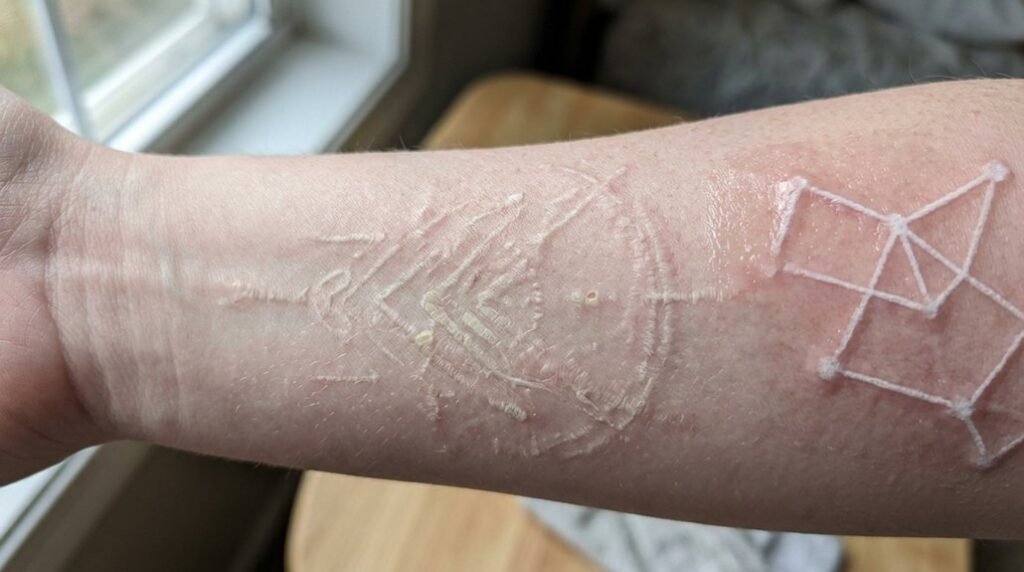
You’re thinking about a white ink tattoo, but you can’t shake the question: will it actually stick around? The short answer is no—not forever, and often not for long. Most white ink begins fading within months, and you’ll likely need touch-ups within a year. But before you decide it’s not worth it, you should know exactly why this happens, which skin tones see better results, and how much maintenance you’ll really need.
Key Takeaways
- White ink tattoos typically last only two to five years before significant fading or yellowing occurs.
- White pigment lacks density and sits shallower in the skin, causing faster fading than black or colored inks.
- UV exposure and aggressive immune system response break down white particles more quickly than darker pigments.
- Visibility varies significantly by skin tone, appearing vivid on fair skin but often invisible on darker complexions.
- Strict sun protection and proper aftercare help, but touch-ups are typically needed within six to twelve months.
Recommended Products

MADE IN THE USA SINCE 1990 — For over 30 years Dynamic Color has produced professional tattoo ink in the United States, an established American brand artists built their work on long before most imported labels existed.
🤍Professional-Grade Tattoo Ink: This tattoo ink is designed for professional tattoo artists and studio use, suitable for highlighting, mixing, and detail work in tattoo designs.

MADE IN THE USA SINCE 1990 — For over 30 years Dynamic Color has produced professional tattoo ink in the United States, an established American brand artists built their work on long before most imported labels existed.
How Long Do White Ink Tattoos Actually Last?
How quickly do white ink tattoos fade? You’ll notice visible changes within months, not years. Most pieces require touch-ups within six to twelve months to maintain their appearance.
You can expect white ink to last two to five years before significant deterioration occurs. However, you’re looking at a drastically shortened lifespan compared to black or color work. After three years, many white tattoos become nearly invisible or turn into yellowish, raised scars.
Your individual results vary dramatically based on placement. Areas with frequent movement or sun exposure fade fastest. You’ll watch hand and foot tattoos disappear within months. Even with perfect aftercare, white ink simply doesn’t anchor deeply into your skin.
You must commit to maintenance. Without touch-ups, you’ll lose your investment entirely. Consider this timeline carefully before choosing white ink.
Recommended Products

Premium Tattoo White Ink – Allegory White is a smooth, consistent blend of liquid dispersed pigment. Many of the most popular tattoo artists around the globe uses Allegory White Ink for mixing, shading, and highlighting work.

Premium Tattoo White Ink – Allegory White is a smooth, consistent blend of liquid dispersed pigment. Many of the most popular tattoo artists around the globe uses Allegory White Ink for mixing, shading, and highlighting work.

MADE IN THE USA SINCE 1990 — For over 30 years Dynamic Color has produced professional tattoo ink in the United States, an established American brand artists built their work on long before most imported labels existed.
Why Does White Ink Fade Faster Than Black or Color?
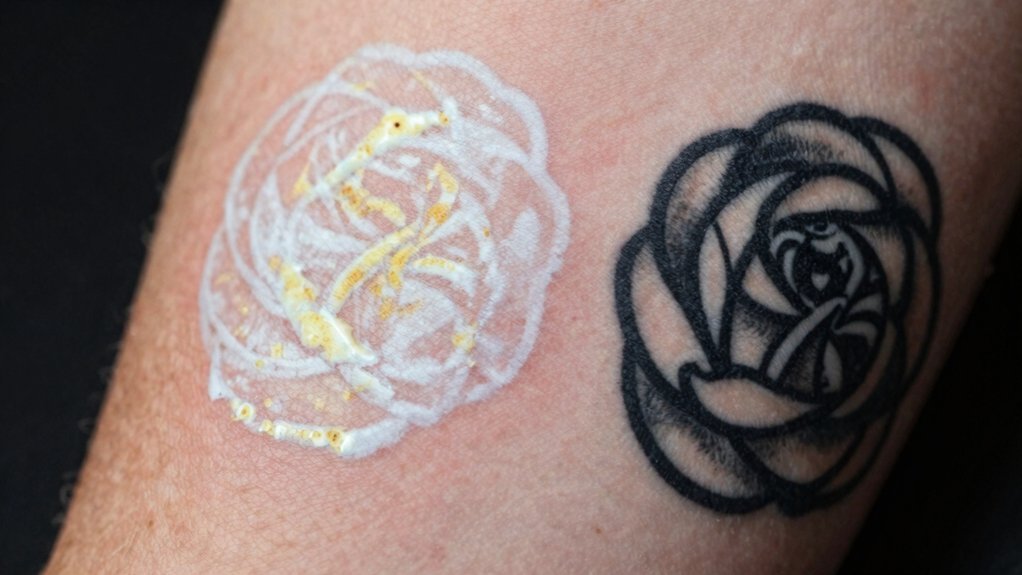
Why does white ink betray you faster than its darker counterparts? You must understand that white pigment lacks the density and opacity of black or color inks. When you inject white ink into your skin, you’re essentially depositing titanium dioxide particles that scatter light rather than absorb it. Your immune system recognizes these lighter particles more easily and attacks them aggressively.
White ink sits higher in your dermis because artists can’t overwork it without causing damage, leaving it more exposed to UV rays and cellular turnover. You also heal white tattoos differently; the surrounding skin darkens as it tans or ages, creating contrast that makes the white appear faded or patchy.
Darker inks absorb more wavelengths,.anchor deeper, and your body struggles less to contain them.
Recommended Products

Long-Lasting Relief, Maximum Comfort: This numbing cream delivers prolonged analgesic effects, quickly relieving itching, pain, burning sensations, and significantly reducing swelling. It effectively desensitizes the skin for a comfortable experience.
🌿【Clean & Skin-Friendly Formula】 - Aloe-infused gel works on all skin areas (arms/back/face/legs). No ethanol or common irritants, lightweight for smooth application.

ENHANCE & MAINTAIN YOUR INK - This ultra-nourishing balm instantly enhances ink vibrancy as it forms a protective barrier on skin to help moisturize and soothe skin.
Why Does White Ink Turn Yellow or Disappear?
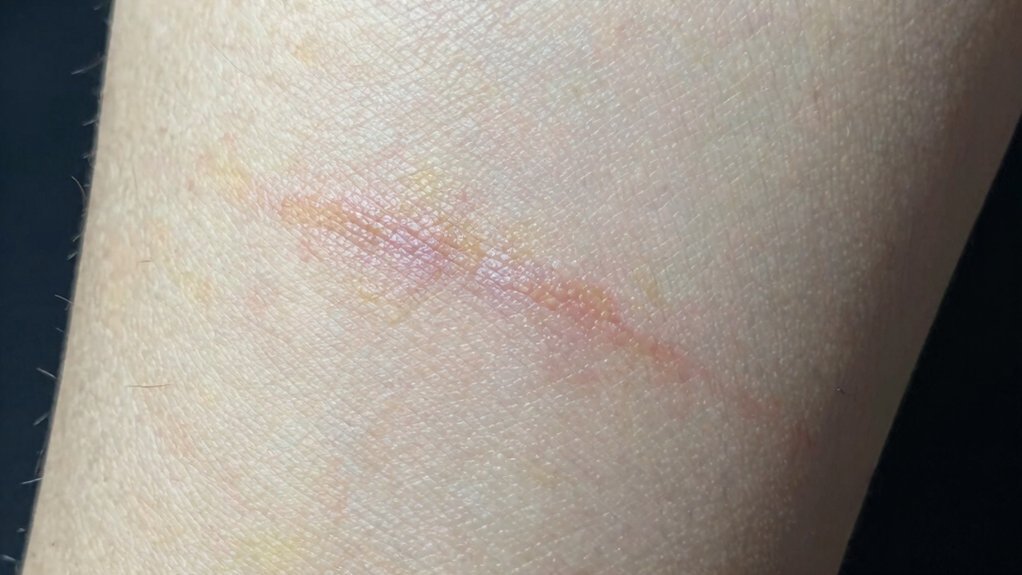
Beyond the initial fading, you’re facing two more insidious problems with white ink: the yellowing and the vanishing act entirely.
When you heal, your skin produces melanin and sheds dead cells. This natural process traps pigment beneath new layers, but white ink contains zinc oxide or titanium dioxide—compounds that oxidize and break down under UV exposure. You’re essentially watching your tattoo rust from light contact.
Your immune system also attacks white pigment more aggressively than darker inks. Macrophages engulf those pale particles, carrying them toward your lymph nodes. Over months, you’re losing ink to your own body’s defense mechanisms.
Additionally, white sits shallow in the dermis. Artists can’t pack it deeply without blowouts, so you’re left with vulnerable, surface-level pigment that disperses faster. Without contrast against darker skin, you’re watching it vanish completely.
Recommended Products

TATTOO AFTERCARE ESSENTIAL: Hustle Butter is the original tattoo aftercare balm for new and older tattoos. With over 10 years in the market, we are a pioneer of the tattoo aftercare category.

COMPLETE AFTERCARE KIT FOR NEW & EXISTING TATTOOS: This Tattoo Aftercare Kit brings together 3 essentials, Antimicrobial Soap, Tattoo Balm, and Tattoo Lotion, to help cleanse, protect, and moisturize fresh ink. Useful after tattoo sessions and throughout healing, it supports vibrant color and skin comfort for dedicated ink enthusiasts and artists

Protect Your Body Art: Moisturizing with the bonus of itch relief! Tattoo Goo's Tattoo Care Lotion soothes healing skin & keeps healed ink looking sharp for life. With olive oil & glycerin, it delivers deep, breathable hydration that won’t clog pores
Which Skin Tones See the Best White Ink Results?
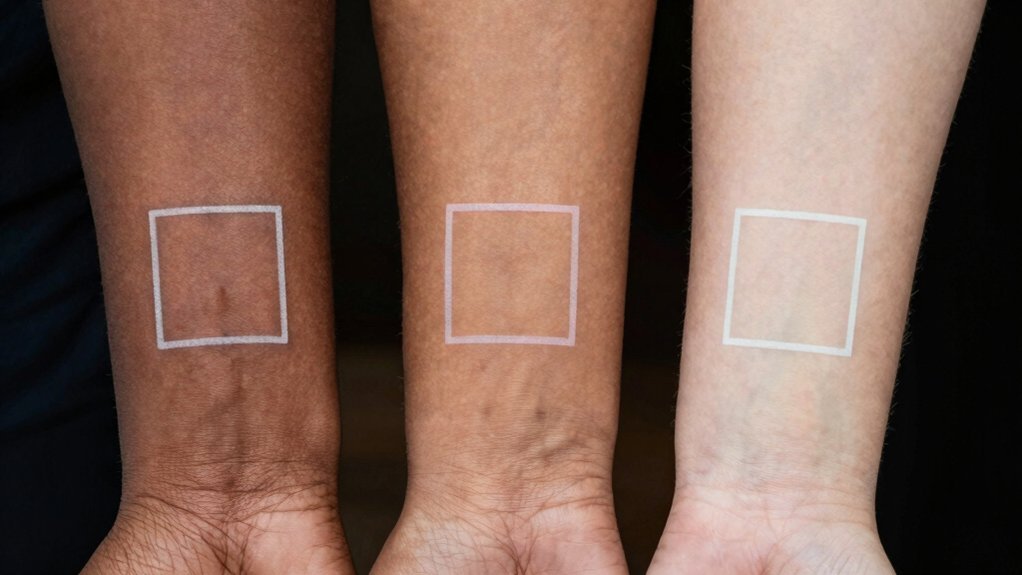
Where you sit on the Fitzpatrick scale determines whether your white ink tattoo shines or disappears into your skin. If you have Type I or II skin—fair tones that burn easily—you’ll see the most dramatic results. The white pigment creates stark contrast against your natural complexion, making the design pop immediately after healing.
If you fall into Types III through VI, your melanin competes with the ink. On medium skin tones, white ink often appears more subtle, like a raised scar or faint ivory shadow. On darker skin, you risk near-invisibility; the white simply can’t overpower your natural pigmentation.
You’ll achieve better visibility on any skin tone if your artist packs the ink densely and places it at the correct depth. However, fair-skinned individuals start with an uncontested advantage.
Recommended Products
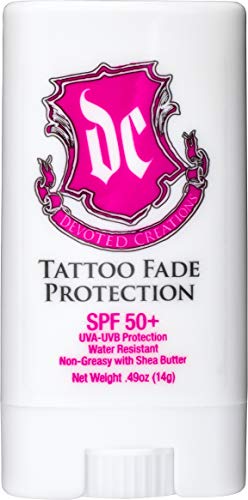

Tattoo-Safe Mineral Formula: Our tattoo sunscreen lotion uses non-nano zinc oxide, a physical barrier that sits on the skin to block UVA/UVB rays without penetrating or irritating tattoos. This helps prevent fading, discoloration, or damage to tattoo ink caused by sun exposure.

POWERFUL MINERAL SUNSCREEN - Protect sensitive skin from the sun’s harmful rays with Blue Lizard Sensitive Mineral SPF 50 Sunscreen Lotion it contains no harsh chemical active ingredients that might irritate sensitive skin.
Which Aftercare Habits Actually Keep White Ink Visible?
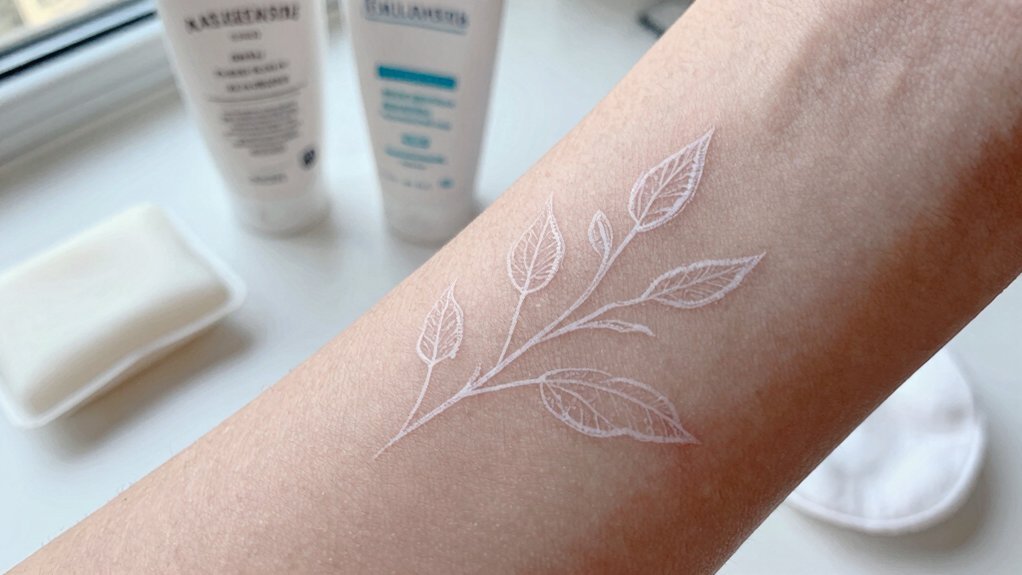
Your artist can place white ink perfectly, but without disciplined aftercare, it’ll fade faster than dark pigments. You must protect your healing tattoo from sun exposure completely; UV rays break down white ink rapidly. You’ll apply a thin layer of fragrance-free moisturizer several times daily, keeping the skin hydrated without suffocating the design. You shouldn’t pick at scabs or scratch healing skin, as this pulls pigment out unevenly. You’ll clean the area gently with mild soap, patting dry rather than rubbing. You must avoid submerging your tattoo in water during healing—no baths, pools, or hot tubs. You’ll sleep in clean, loose clothing that won’t stick to fresh ink. Once healed, you’ll apply SPF 50+ sunscreen religiously whenever your tattoo sees daylight. These habits preserve white ink’s visibility.
Recommended Products
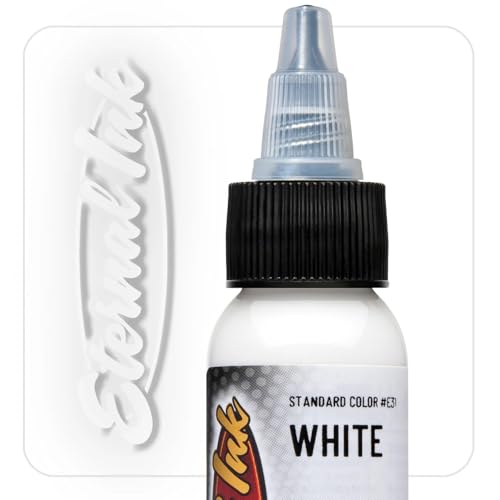
PREMIUM USA-MADE FORMULA – Eternal Ink is proudly made in the USA in a certified, state-of-the-art facility. Every batch is sterilized and tested to meet the highest industry safety and quality standards.

Professional-Grade Pigment – High-quality tattoo ink designed for consistent performance and vibrant results.

🌟 Trusted Brand: Celebrating over 15 years as a leading tattoo ink brand known for vibrant colors and reliability.
How Often Will You Need White Ink Touch-Ups?
How quickly you’ll return to the chair depends on placement, your skin type, and how well you’ve protected your tattoo from the sun. Areas that experience frequent friction, like hands or feet, demand touch-ups every one to two years. Protected spots on your torso or upper arms stretch that timeline to three or four years.
Your skin type plays a major role. Oily or darker skin causes white ink to fade faster, sometimes requiring annual refreshment. Dry, fair skin holds pigment longer.
Sun exposure accelerates fading dramatically. Without diligent SPF application, you’ll schedule appointments sooner than you’d prefer.
You should expect at least one touch-up within five years. Many artists include this in your initial cost, so ask upfront. Budget for maintenance; white ink isn’t a one-and-done investment.
Recommended Products

White House Professional Tattoo Ink - The perfect, all around white. Consistent texture with maximum opacity. Great for mixing or use in solid blocks of color. Every style of...
Can You Fix a Faded White Ink Tattoo?
What happens when your white ink has lost its punch? You’ve got options, but you need to act fast before the pigment fades completely into your skin tone.
You can fix a faded white ink tattoo through touch-ups. Your artist will re-trace the original design, packing fresh white ink into the lines. This typically revives the piece dramatically. However, you can’t fix white ink that’s healed poorly or migrated beneath your skin—the damage has already settled.
You’ll also struggle if your skin has tanned or darkened significantly; fresh white ink simply won’t show up as vibrantly on darker complexions. In these cases, your artist might suggest switching to black ink or adding a black outline to create contrast.
Schedule your touch-up within one to two years for best results. Waiting longer means more visibility loss and trickier repair work.
Recommended Products
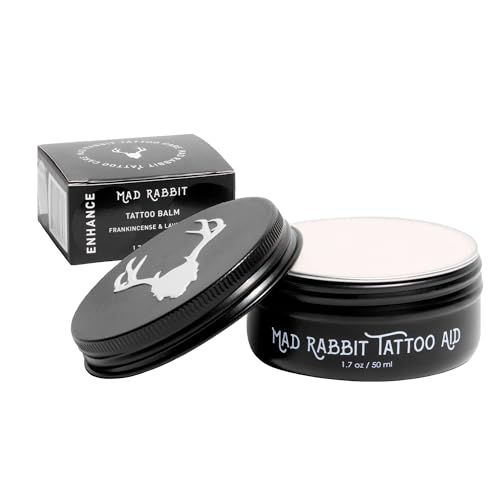
ENHANCE & MAINTAIN YOUR INK - This ultra-nourishing balm instantly enhances ink vibrancy as it forms a protective barrier on skin to help moisturize and soothe skin.

1.100% new brand and high quality. Color stability, pure color, durable and safe,with a formula containing a high concentration of pigment, long duration, make your tattoos have a great texture.
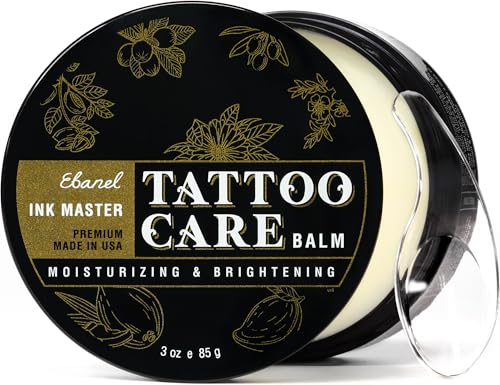
Premium All-Stage Tattoo Aftercare Balm - Enriched with antioxidant-rich, fatty acid-rich, and vitamin-rich natural butters, essential oils, and botanicals, this nourishing tattoo butter balm forms a breathable, protective barrier to deeply moisturize the skin and support its natural healing process. Use before, during, and after tattoo sessions to help preserve tattoo stencil clarity, maintain hydration, and protect fresh tattoo ink, without clogging pores or leaving greasy residue
Not Sold on White Ink? UV, Scarification, and Blackwork Compared
So white ink isn’t quite hitting the mark—where else can you turn for that same subtle, unconventional look?
You might explore UV tattoos. They glow under blacklight and stay nearly invisible in daylight. However, you’ll face similar longevity issues; the phosphorescent pigments fade and can yellow over time. You’ve also got scarification, which creates raised white lines through controlled cutting or branding. It heals as permanent scar tissue—no ink required—but you’re committing to actual wounds and unpredictable healing.
Blackwork offers another path. You flip the script: dense black ink surrounds negative space, letting your natural skin tone create the design. It’s bold, lasts, and reverses the usual light-on-dark dynamic. Each option trades one compromise for another. You choose your risk—fading, scarring, or coverage—and commit accordingly.
Recommended Products

Tattoo Aftercare Balm Stick: our tattoo balm is now available in a balm stick. This tattoo balm stick delivers targeted care to keep your artwork looking and feeling fresh whenever you need it most. For use on all tattoos, just not fresh ones.

Upgraded Design, Easy to Use --- Tattoo aftercare balm comes in a tube,this container allows you to glide on the butter easily,Rolls on smoothly and evenly on your skin,No more mess or residue on your finger,convenient to use

THE ORIGINAL TATTOO AFTERCARE BANDAGE – Saniderm’s Original Gloss Bandage is the tried-and-true, industry-defining tattoo aftercare bandage. Dermatologist-recommended and trusted by expert tattoo artists worldwide, this medical-grade bandage ensures your tattoo heals quickly, safely, and more vibrantly. With over a decade of experience and millions of tattoos healed, it’s the perfect way to heal your ink.
Conclusion
White ink tattoos fade faster than you might expect, lasting two to five years before turning yellow or nearly invisible. You’ll need touch-ups within six to twelve months and regular maintenance after that. Sun protection and proper aftercare help, but they won’t stop the inevitable fading. If you want longevity, consider UV ink, scarification, or bold blackwork instead. Ultimately, you are choosing a temporary look that demands commitment and budget for upkeep.
Recommended Products

ZINC OXIDE-ONLY SUNSCREEN - Protect sensitive skin with Blue Lizard Sensitive Mineral Sunscreen Stick SPF 50. Formulated with Zinc Oxide, it contains no harsh chemical active ingredients that might irritate sensitive skin.
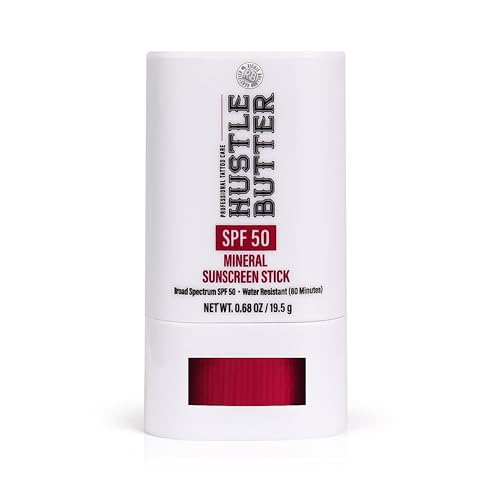
Tattoo Sun Protection, SPF 50: Our tattoo sunscreen stick provides broad-spectrum UVA/UVB coverage, preventing sun damage and fading, keeping tattoo ink vibrant and sharp.

Highly effective instant UVA / UVB protection for tattooed skin with colour protection technology.