
You’re standing in the shop waiting room, cream in hand, wondering if this tube will actually spare you the needle’s bite. Most numbing creams contain lidocaine, a local anesthetic that blocks nerve signals in your skin. It works, but not like magic.
You’ll feel less pain, not zero pain, and the relief fades as hours pass.
The real question isn’t whether it works, it’s whether you know how to use it right.
Does Tattoo Numbing Cream Actually Work?
How exactly does tattoo numbing cream reduce pain, and what should you realistically expect?
Tattoo numbing cream works by blocking nerve signals in your skin’s outer layer. Most products use lidocaine, a topical anesthetic that stops pain messages from reaching your brain. U.S. OTC creams typically contain 4-5% lidocaine.
You’ll need to apply tattoo numbing cream 30-60 minutes before your session, often 60-90 minutes for full effect. It can reduce the pain noticeably, but you won’t feel nothing. Pressure, vibration, and the machine’s mechanical impact still register.
Results vary by body placement. Thinner skin numbs more effectively. Thicker areas resist penetration. Your individual response matters too.
The numbness typically lasts 1-2 hours, sometimes longer with proper formulas and occlusion. For extended sessions, expect the effect to fade, and pain may increase noticeably mid-tattoo.
Recommended Products

5% Lidocaine Cream Maximum Strength Formula: Formulated with 5% lidocaine, this topical cream provides temporary relief from localized discomfort such as itching, burning, or minor skin irritation. A powerful solution for external use when your skin needs extra care.

Maximum Strength 5% Lidocaine for Fast Relief - For the temporary relief of local discomfort associated with anorectal disorders. For the temporary relief of pain, soreness and burning.

For the temporary relief of local discomfort and itching associated with hemorrhoids and anorectal disorders.
How Long Does Numbing Cream Last?
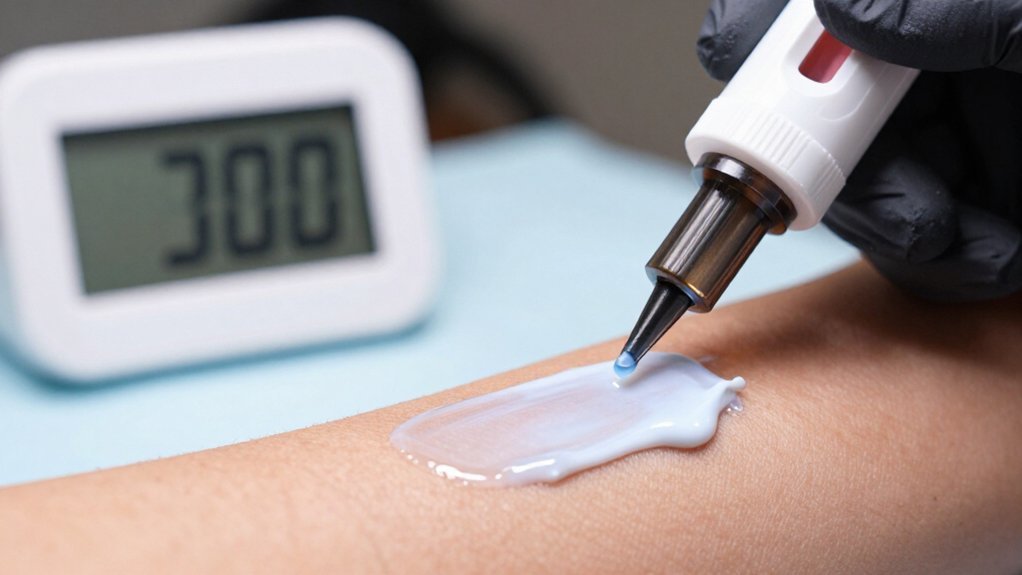
After you apply tattoo numbing cream, you’ll typically wait 30 to 60 minutes before it takes effect, though 60 to 90 minutes often delivers the best results.
Plan to apply tattoo numbing cream 30 to 60 minutes before your session starts, though waiting 60 to 90 minutes typically yields optimal numbing results.
Once your tattoo begins, you’ll feel the numbing effect for roughly 1 to 2 hours. Some local anesthetic formulas stretch closer to 3 hours, occasionally reaching 4, but this varies by product and application method. Tattoo numbing creams don’t maintain uniform strength; the sensation often fades mid-session, so you’ll notice pressure and discomfort returning as absorption completes.
Your results depend on specific factors:
- Skin thickness: Ribs and arms absorb faster than thicker areas.
- Skin type: Oily skin shortens duration; drier skin extends it.
- Layer thickness: Thin application weakens the effectiveness.
Timing matters greatly, so coordinate application carefully with your artist’s schedule.
Recommended Products

Fast-acting 4% Lidocaine delivers targeted numbing relief right where you need it most

Long-Lasting Relief, Maximum Comfort: This numbing cream delivers prolonged analgesic effects, quickly relieving itching, pain, burning sensations, and significantly reducing swelling. It effectively desensitizes the skin for a comfortable experience.

TARGETED 2% LIDOCAINE RELIEF - Get temporary pain and itching relief from minor skin irritation with sterile lidocaine gel 2%. Made for minor burns, sunburn, cuts and scrapes, and insect bites, this otc lidocaine jelly helps numb surface discomfort while keeping care simple, clear, and easy to understand for home, travel, or first aid use.
Why Your Numbing Cream Didn’t Work
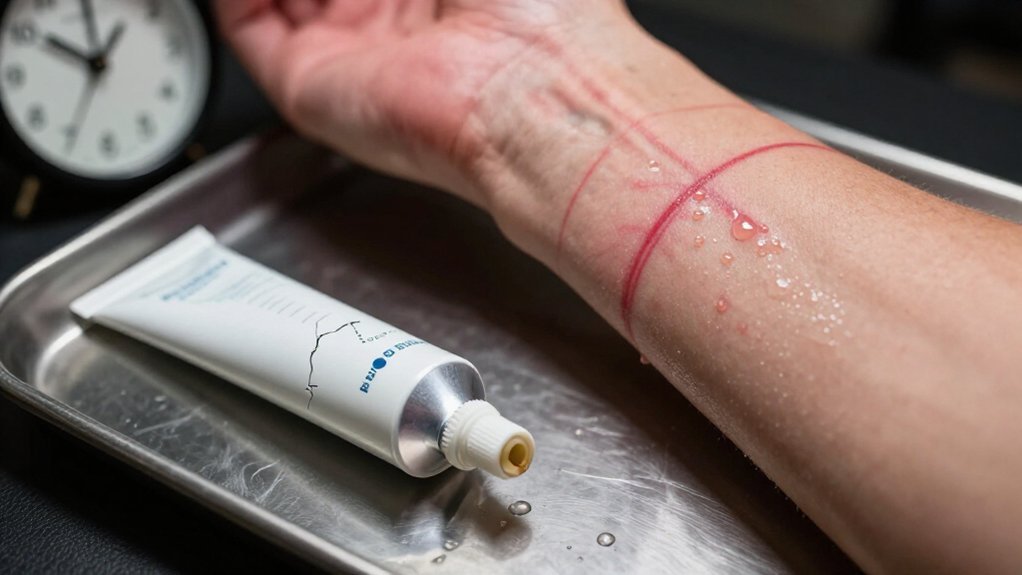
If you applied your numbing cream and still felt every needle, you’re not alone, and the failure usually comes down to fixable missteps rather than a faulty product.
1. Wrong timing sabotages results. You likely didn’t wait long enough. Most creams need 60–90 minutes to fully absorb, then require wiping right before tattooing. Start too early, and the effect weakens.
2. You skimped on application. A thin layer won’t cut it. You need a thick coating, often covered with plastic wrap, to reduce pain effectively for 1–2 hours.
3. Your body placement fought back. Ribs, elbows, and knees absorb lidocaine poorly, so numbing cream works unevenly there.
4. You expected too much. Numbing spray and creams dull surface pain, not pressure or vibration. When numbness fades mid-session, you’ll still feel the machine.
5. Your skin rejected the formula. Rashes or sketchy products cause uneven results, even with proper lidocaine levels.
Recommended Products

FSA HSA Eligible Over-the-Counter Medication - This topical lidocaine numb cream with Allantoin, Vitamin E, and Aloe is clinically proven to temporarily relieve pain, burning, itching, discomfort, inflammation, and soreness in local and anorectal areas

LIDOCAINE 5% PAIN CREAM | Experience deep pain relief with the strongest formulation of lidocaine available OTC.
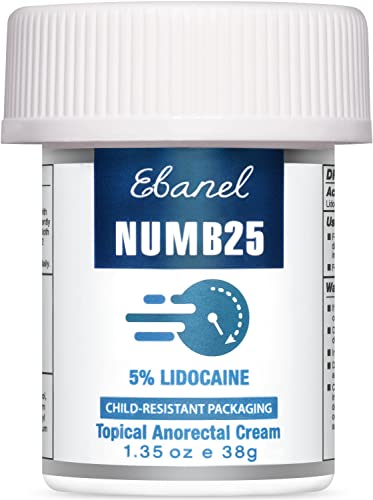
FSA HSA Eligible Over-the-Counter Medication - This topical lidocaine numb cream with Allantoin, Vitamin E, and Aloe is clinically proven to temporarily relieve pain, burning, itching, discomfort, inflammation, and soreness in local and anorectal areas
Tattoo Numbing Cream Side Effects Artists Worry About
You might not realize that numbing creams can alter your skin’s texture, making it harder or rubbery, which affects how ink settles into the tissue. These products also create a surface barrier that interferes with needle penetration and consistent ink absorption, leading to patchy or uneven results.
When you understand these risks, you can weigh whether temporary comfort is worth potential compromises to your tattoo’s quality and longevity.
Recommended Products

Fast-Absorbing & Gentle Cleansing: Formulated with 4% Lidocaine, this topical anesthetic foaming soap provides temporary relief from minor skin discomfort and irritation while gently cleansing the skin.

Hemorrhoid Symptom Relief – Temporarily relieves pain, burning, and discomfort caused by hemorrhoids and other minor anorectal irritations.

Fast-Acting Relief: Formulated with 4% Lidocaine, this topical anesthetic foaming soap provides temporary relief from minor skin discomfort and irritation
Skin Texture Changes
Although numbing creams can make your tattoo session more comfortable, they also change how your skin behaves while the artist works. Tattoo numbing products alter your skin’s surface chemistry, and you’ll notice the difference once the tattoo needle meets the treated area.
What You Might Feel
- Your skin turns rubbery or firm, like pressing into a cold eraser instead of warm flesh.
- The area grows spongy or swollen, similar to a damp sponge that bounces back too slowly.
- Patches harden unevenly, creating a bumpy landscape the needle must navigate.
Numbing agents like lidocaine cause these shifts through vasoconstriction, which tightens blood vessels and redirects flow. Your artist may struggle to gauge proper needle depth when your skin texture changes mid-session.
Some studios decline tattoo numbing creams entirely because unpredictable skin consistency risks uneven lines and shading.
Ink Absorption Issues
When you apply numbing cream before your session, you’re not just dulling pain. You’re changing how your skin receives ink.
1. How Cream Alters Ink Uptake
Tattoo numbing cream forms a temporary barrier on your skin surface. This barrier affects how smoothly needles penetrate and how consistently pigment settles. Many formulas are lidocaine-based, typically around 4% concentration. These products create an altered skin environment that may reduce or unevenly change how you take ink, even when pain relief feels complete.
2. Blood Flow Concerns
Some creams contain vasoconstrictive additives like epinephrine. These ingredients tighten tissue and restrict blood flow. Artists worry this changes skin texture during your session and potentially impacts tattoo saturation.
3. Patchy Results Risk
Numbing effects vary across your skin, depending on thickness, oiliness, and application time. This unevenness increases patchy pigment depth risk once effects fade mid-session.
Artists may decline cream due to past reports of “color falling out” or irritated skin, both worsening absorption and healing.
Numbing Barrier Effects
Beneath the surface of pain relief, numbing cream creates a physical barrier that artists must work around. You apply tattoo numbing creams before the tattooing process begins, but you don’t always see what’s happening underneath.
The barrier changes how your skin behaves:
- The surface feels slick or waxy, forcing the tattoo machine to work harder against resistance
- Tissue may swell or harden, creating uneven terrain that distorts needle depth
- Numbness fades mid-session, so sensation returns unpredictably during later passes
You might notice pigment settling differently where the cream sat thickest. Some formulations with lidocaine or benzocaine irritate skin, causing texture changes that complicate aftercare. Artists worry because inconsistent effectiveness makes results harder to predict, even when you want relief. The barrier helps briefly, then complicates what follows.
Should You Use Numbing Cream?
Whether you’re dreading your first tattoo or planning a marathon session on sensitive skin, numbing cream is a tool worth understanding before you commit.
1. Weigh the pros and cons carefully.
Using a tattoo numbing product can cut pain *substantially*, but it rarely eliminates all sensation. You’ll still feel pressure, vibration, and skin stretching. The effect peaks in the first 1–2 hours, then fades, so timing matters.
2. Know your body and the risks.
Results vary by skin thickness: thin areas absorb faster, while thicker spots like elbows or knees prove less effective. Many creams contain lidocaine, sometimes with benzocaine or prilocaine. Always patch-test first, because allergic reactions do happen.
3. Consult your artist first.
Some tattoo artists reject numbing products entirely. They worry about skin irritation, or how surface barriers affect needle penetration and ink settlement. Ask before you apply anything.
Recommended Products
![[1000 Feet Per Roll] 60mm Premium Numbing Preservative Film by Ink Permanent Plastic Wrap for Tattoos, Microblading, Lip Tattoo, Eyebrow Lamination & Lash Lift – 42 or 60 mm width 300 Meters](https://m.media-amazon.com/images/I/411aFCuIArL._SL500_.jpg)
AWESOME HELPER – Ink Permanent numbing film is designed to seal after anesthetic application, increasing product effectiveness and assuring customer satisfaction.

Professional Eyebrow Tattoo Plastic Wrap: This eyebrow tattoo saran wrap set comes in good toughness, it helps increase the effectiveness of the numbing cream, and the side openings design make it easier to take the cling film out.

Premium Eyebrow Tattoo Film: With good toughness and stability, the eyebrow tattoo plastic wrap is great for increasing the effectiveness of the numbing cream, it's easy to cut out the plastic film and get the flat effect
What to Use Instead of Numbing Cream
If numbing cream isn’t the right fit for your session, you’ve got several practical alternatives that artists and clients rely on to manage discomfort without the risks of topical anesthetics.
Pros and Cons of Skipping Traditional Numbing
A cream is a topical product, but it isn’t your only option. Consider these approaches:
- Bactine or similar sprays take the edge off without full numbness, letting you stay aware of pressure and vibration.
- Strategic session planning means taking breaks, working in shorter segments, and tackling sensitive placements slowly.
- Artist-approved aftercare soothes skin without anesthetics that might cause reactions or ink issues.
Pain management doesn’t require lidocaine. Follow your artist’s guidance, since many studios restrict benzocaine or prilocaine due to unpredictable skin responses during tattooing.
Recommended Products

Fast Acting Hemorrhoid Cream - Made with 5% Lidocaine, this topical anesthetic provides temporary relief from discomfort, itching, and burning associated with hemorrhoids and other anorectal irritation.
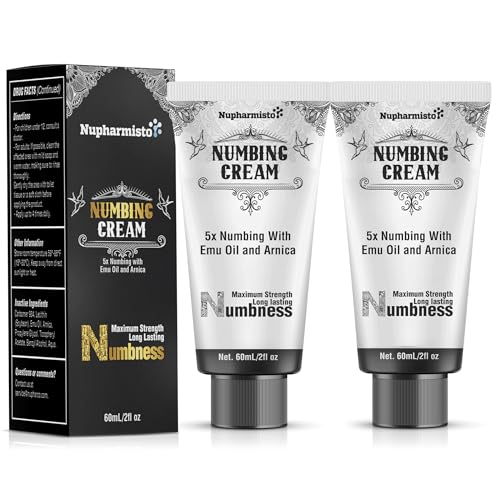
LONG-LASTING COMFORT: This cream is designed to provide lasting comfort and a soothing sensation, helping you feel more comfortable during use.for local and anorectal areas

EXTRA LASTING RELIEF: This numbing cream is provide long-lasting numbing, and temporarily relieve itching, soreness, burning, and reduce swelling caused by hemorrhoids and other minor anorectal irritations, allowing you to feel more comfortable