
You probably assume laser removal hurts worse than the needle, but most people find the opposite true. Sessions last only minutes, not hours, and the pain fades fast.
Still, seven factors can flip that experience. You need to know what controls your comfort before you book.
Does Tattoo Removal Hurt More Than Getting Tattooed?
How does laser tattoo removal actually feel compared to getting inked in the first place? You’ll find laser tattoo removal hurt less than the hours-long needle work of getting tattooed. The sessions run just 3 to 5 minutes, using short, high-intensity pulses instead of continuous abrasion.
1. What You’ll Actually Feel
Most people describe tattoo removal pain as quick stinging, like a rubber band snapping against your skin, followed by sunburn-like discomfort that fades within hours. Your pain tolerance matters, but placement affects intensity more. You’ll feel sharper sensations over bony areas: knees, elbows, ankles, ribs, hands, and feet. Meatier spots, calves, thighs, and biceps, register milder discomfort.
2. Managing the Sensation
You can reduce discomfort significantly. Apply numbing creams 30 to 60 minutes before your appointment. Request cooling air during treatment. Use an ice pack immediately after. These options make removal more comfortable than the raw, unnumbed process of getting inked originally.
Recommended Products

Long-Lasting Relief, Maximum Comfort: This numbing cream delivers prolonged analgesic effects, quickly relieving itching, pain, burning sensations, and significantly reducing swelling. It effectively desensitizes the skin for a comfortable experience.

LIDOCAINE 5% PAIN CREAM | Experience deep pain relief with the strongest formulation of lidocaine available OTC.
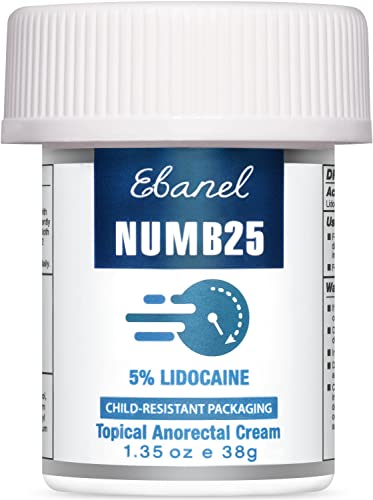
FSA HSA Eligible Over-the-Counter Medication - This topical lidocaine numb cream with Allantoin, Vitamin E, and Aloe is clinically proven to temporarily relieve pain, burning, itching, discomfort, inflammation, and soreness in local and anorectal areas
What Laser Tattoo Removal Actually Feels Like
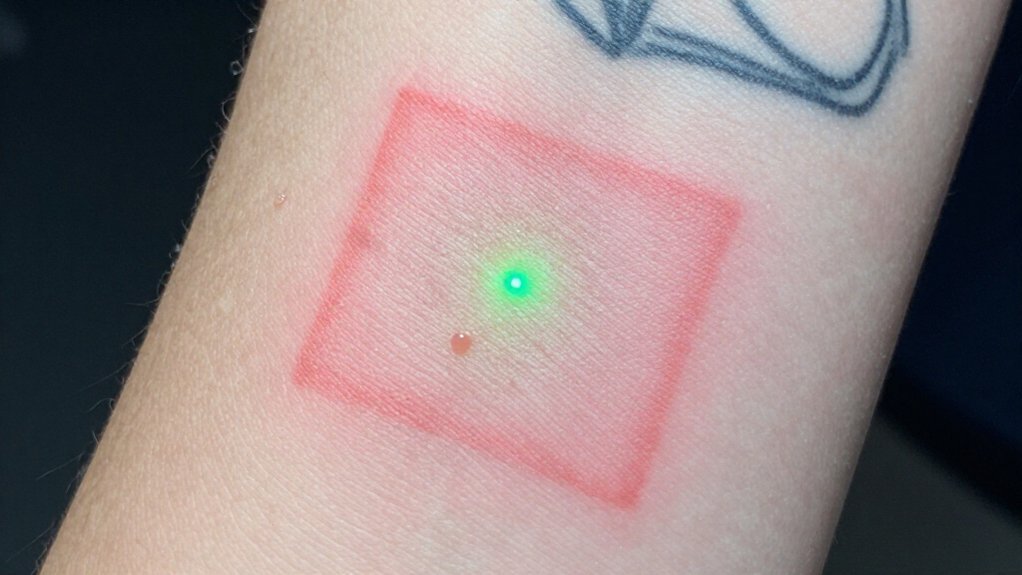
During your laser tattoo removal session, you’ll experience brief, sharp sensations rather than prolonged discomfort. Most people describe the pain of tattoo removal as a quick rubber band snap against your skin, or a mild bee sting that fades fast. The laser pulses rapidly heat and fragment ink particles, which creates this intermittent sting without cutting your skin.
Laser tattoo removal feels like a quick rubber band snap—brief, sharp, and over in microseconds, with no cutting of your skin.
What You’ll Actually Feel
- A stinging snap with each pulse, lasting only microseconds
- Warmth and mild sunburn-like tenderness after
- Possible “frosting” (white, chalky appearance) immediately post-treatment
Managing the Sensation
You can numb the area with topical anesthetic before your appointment. The removal process typically takes 3–5 minutes for targeted spots, so discomfort ends quickly. Most clients find laser removal far more tolerable than getting tattooed, with pain settling within hours.
Recommended Products
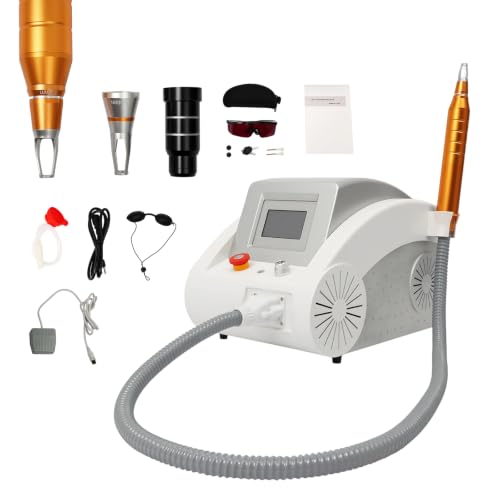
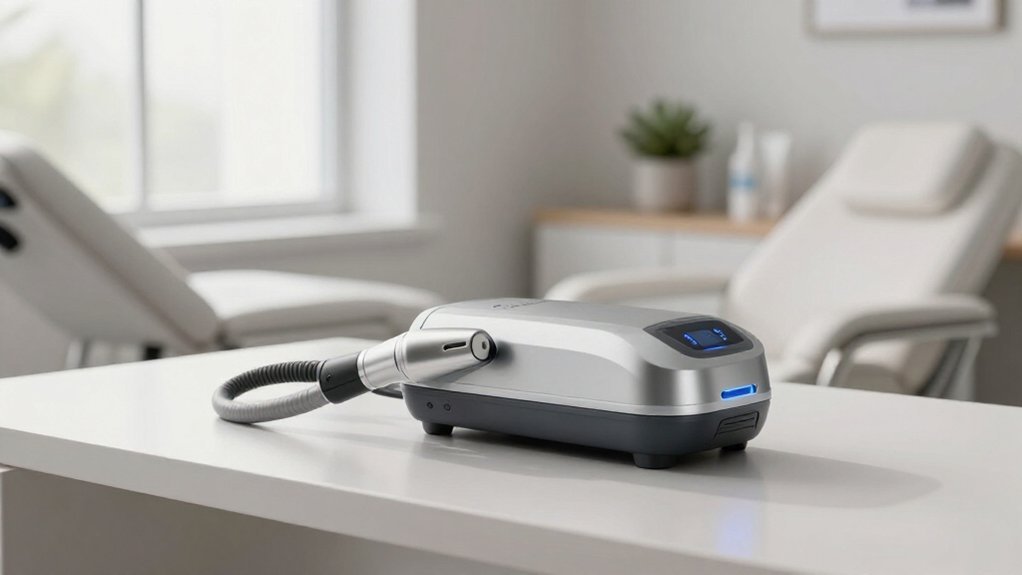
Tattoo Remover Machine: The product is made of premium ABS, which brings it an elegant white color appearance and makes it not only wear-resistant and corrosion-resistant but also makes it easy to clean and maintain so that it can be used for a long time and still look as good as new.
Gentle Formula: Moisturizing cooling gel selected mild ingredients, suitable for all men and women, applying without any greasy feeling, it is the perfect choice for your pursuit of beautiful skin

ENDLESS TATTOO POSSIBILITIES: Easily design your own temporary tattoos by printing unique images with an inkjet tattoo paper. Whether for fun, events, or promotional use, personalize tattoos to match any occasion, providing endless creative possibilities
Where Tattoo Removal Hurts Most (and Least)
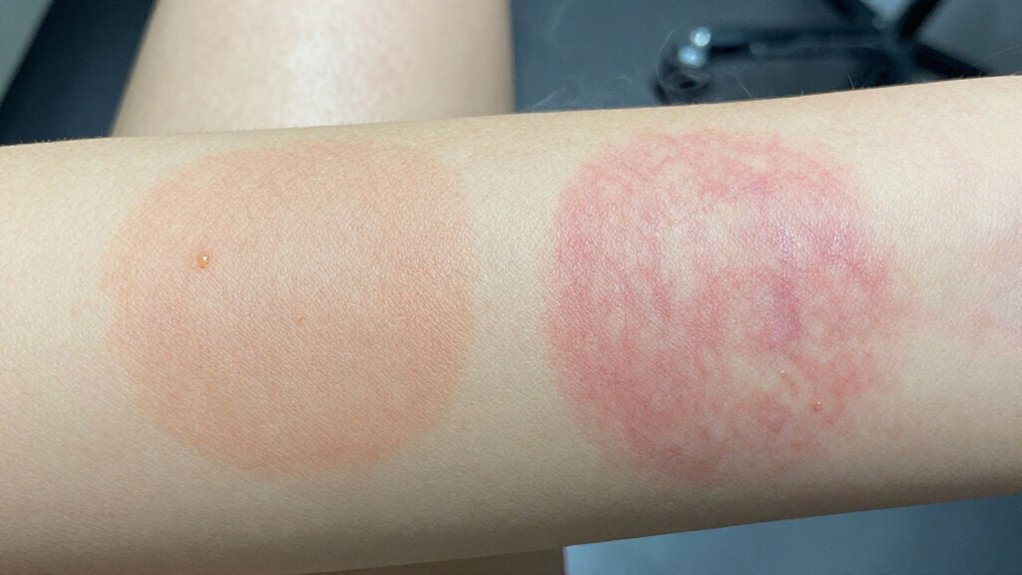
You’ll feel the most sting where your skin is thinnest and nerves cluster closest to the surface, like your ribs, fingers, ankles, and anywhere bone sits right beneath. Your meatier spots: thighs, biceps, shoulders, and calves, usually buffer the laser’s snap much better.
Knowing your specific placement helps you prep mentally, since even the tough spots only hurt for minutes per session.
Recommended Products

COMPLETE AFTERCARE KIT FOR NEW & EXISTING TATTOOS: This Tattoo Aftercare Kit brings together 3 essentials, Antimicrobial Soap, Tattoo Balm, and Tattoo Lotion, to help cleanse, protect, and moisturize fresh ink. Useful after tattoo sessions and throughout healing, it supports vibrant color and skin comfort for dedicated ink enthusiasts and artists

100 Pack Professional Tattoo Aftercare Cards Includes 100 high-quality tattoo aftercare cards in a 2 x 3.5 inch business card size. Perfect for tattoo artists, studios, and piercers to give clients clear post-tattoo care instructions.

Nourishes Healing Ink for Vibrant Color: Tattoo Goo supports healing tattoos & maintains vibrancy on healed ink with a lightweight formula rich in olive oil, lavender oil, cocoa butter, and beeswax. It absorbs quickly, moisturizes deeply, and helps reduce dryness, itch and tightness so your tattoo looks and feels comfortable through everyday routines
Least Painful Areas
While pain tolerance varies from person to person, you’ll generally find tattoo removal most tolerable on areas with ample muscle and fat padding. Tattoo removal pain levels drop considerably in less painful, meatier areas where you have natural cushioning. You should expect discomfort to stay minimal on your thighs, calves, biceps, and shoulders.
1. Why location matters
Your location of the tattoo directly shapes your experience. Areas with a lot of nerve endings, like fingers or ribs, amplify sensation. In contrast, fleshier zones dull the laser’s impact, so you feel only brief heat.
2. Best spots for removal
- Front and outer thighs
- Upper arms and biceps
- Calves
These regions protect nerves with muscle and fat layers. You will still feel quick snaps, but they’re brief and manageable. Schedule sessions confidently when your ink sits in these padded zones.
Most Painful Areas
Brace yourself for sharper sensations when your tattoo sits near bone, joints, or nerve clusters. Tattoo removal pain intensifies in these spots, because laser pulses sting more where skin lacks cushioning.
Most Painful Areas to Target
You’ll feel heightened discomfort in regions with thin skin and a lot of nerve endings. These areas include:
- Knees, elbows, and ankles
- Fingers and feet
- Ribs and sternum
- Armpits and head
The laser generates sharper heat sensations when bone lies close beneath the surface. Areas that tend to suffer more also include wrists and other highly sensitive zones.
Why Location Changes Everything
Your pain experience depends heavily on body placement. Thinner skin equals less protection from each laser pulse. While everyone’s tolerance varies, you can expect noticeable differences between bonier regions and padded, muscular zones.
Why Some Tattoos Hurt More to Remove
You’ll notice that not all tattoos fight back equally during removal. Ink color, body placement, and how long you’ve had the tattoo all shape what you feel when the laser starts working. Understanding these three factors helps you prepare for the specific challenges your particular tattoo might present.
Recommended Products

Visible Results in Just 3 Weeks: Our IPL hair removal device features the latest IPL technology to deliver visible hair reduction in just 3 weeks. With consistent use three times per week, it helps slow down hair regrowth and reveals smoother skin over time. A perfect holiday gift choice for women and men to enjoy salon-quality hair removal at home

AT-HOME IPL HAIR REMOVAL: Braun IPL hair removal is an at home laser hair removal alternative for women and men, with permanent visible hair reduction and up to 2 years free from hair*

Protect Your Body Art: Moisturizing with the bonus of itch relief! Tattoo Goo's Tattoo Care Lotion soothes healing skin & keeps healed ink looking sharp for life. With olive oil & glycerin, it delivers deep, breathable hydration that won’t clog pores
Ink Color Difficulty
Ink color plays a bigger role in removal difficulty than most people expect. You’ll notice lighter colors, like light blue, yellow, and green, fight the laser harder than darker shades. These pigments don’t absorb light as easily, so your practitioner must crank up the energy or schedule extra sessions.
Why Some Colors Resist Removal
- Light blue and similar pale shades need more treatments because they reflect rather than absorb laser wavelengths
- Dark blue and black inks soak up energy faster, breaking into smaller particles your body can flush out
- Areas with a lot of dense pigment create more stubborn fragments, even with ideal settings
Your skin type and the colors used determine how aggressively the laser works. Thinner skin over bony areas feels sharper sensations regardless of ink shade. Trust your technician to adjust wavelengths, but prepare for longer timelines with lighter colors.
Body Location Sensitivity
Your ink colors aren’t the only factor that shapes your experience. Body location sensitivity plays a major role in determining your level of pain during removal.
1. Understand Your Body’s Pain Map
Different parts of the body respond differently to laser treatment. You will feel more discomfort in areas where your skin sits close to bone, or where nerve endings cluster densely.
2. Identify Your High-Risk Zones
You should expect heightened sensitivity in these locations:
- Wrists, ankles, elbows, and knees
- Ribs and sternum
- Armpits and inner biceps
- Fingertips and feet
These less padded areas contain thin skin and abundant nerve receptors, making each pulse feel sharper.
3. Locate Your Buffer Zones
You will likely tolerate treatment better on meatier regions. Your thighs, calves, shoulders, and upper arms provide natural cushioning that reduces painful sensations.
4. Prepare Accordingly
Knowing your skin history helps you set realistic expectations. You can request numbing options for sensitive spots, or schedule shorter sessions when treating vulnerable areas.
Tattoo Age Impact
Because a tattoo doesn’t sit frozen in your skin over time, its age becomes a hidden variable in your removal process. Older tattoos often need more sessions because ink particles break down naturally over years, making them harder to fragment.
What Age Changes
- Ink density fades, leaving less pigment for lasers to target
- Light colors (greens, yellows, light blues) stay stubborn regardless of age
- Sun exposure alters how your provider adjusts settings
Your pain level stays fairly consistent. You’re still getting that brief, sting-like sensation within a few hours of each appointment, and each session covers your area in just a few minutes.
Tattoo age mainly affects your total timeline, not per-pulse discomfort. Depending on the tattoo’s condition, you may face more appointments with the same manageable sensation throughout.
Why Short Sessions Still Feel Intense
Although a laser session lasts only three to five minutes, the intensity can catch you off guard. You’re receiving this for informational purposes, so know this: per session, you face high-intensity pulses that sting like rubber bands snapping against your skin.
This pain spikes in thin-skin areas: ribs, ankles, wrists, where nerves sit close to bone. Without local anesthetic, you’ll feel every burst. Your personal pain threshold matters, but anxiety amplifies everything. Practice deep breathing before you start.
Each pulse breaks down pigment rapidly, and moment-to-moment discomfort adds up fast. You’re not imagining it; short sessions feel brutal because your stress response kicks in immediately. Numbing helps, but if you skip it, those three minutes stretch endlessly.
Recommended Products
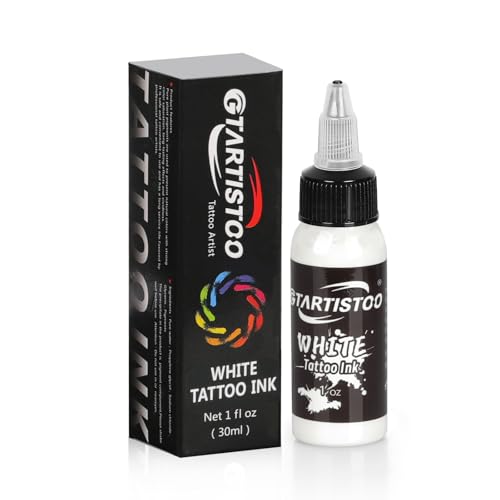
🤍Professional-Grade Tattoo Ink: This tattoo ink is designed for professional tattoo artists and studio use, suitable for highlighting, mixing, and detail work in tattoo designs.

FAST & EASY REMOVAL: Wipe away any temporary tattoo in seconds. No scrubbing, no mess, no sticky residue.

Element White is a clean opaque white with a high pigment load that lays down opaque and heals bright clean consistent coverage that holds its tone long after the session
How to Make Tattoo Removal Less Painful
A few proven strategies can keep discomfort manageable during laser tattoo removal.
Managing discomfort during laser tattoo removal is easier than you might think with the right preparation.
1. Prepare Before You Go
Make sure you apply topical numbing cream, commonly lidocaine, 30–60 minutes before your session. Confirm timing with your provider. Take acetaminophen (Tylenol) about an hour prior. Avoid ibuprofen or aspirin, since NSAIDs increase bleeding risk.
2. During Treatment
Ask them to use cooling air devices during the procedure. Request breaks if body parts feel too sensitive. Try listening to music to stay relaxed.
3. Follow Tattoo Removal Aftercare Tips
Use cold compresses wrapped in cloth for 10–15 minutes. Apply gentle aloe, avoid sun exposure, and never pick blisters.
If you’re concerned about the pain, remember: Laser sessions last only 3–5 minutes, and removal usually hurts less than getting the tattoo.
Recommended Products
Long-Lasting Relief, Maximum Comfort: This numbing cream delivers prolonged analgesic effects, quickly relieving itching, pain, burning sensations, and significantly reducing swelling. It effectively desensitizes the skin for a comfortable experience.

Soothing Comfort Cream: Gentle cream designed to calm temporary discomfort like itching or irritation, suitable for daily use and sensitive skin.
Long-Lasting Relief, Maximum Comfort: This numbing cream delivers prolonged analgesic effects, quickly relieving itching, pain, burning sensations, and significantly reducing swelling. It effectively desensitizes the skin for a comfortable experience.
When Tattoo Removal Pain Isn’t Normal
Some discomfort is part of the laser tattoo removal experience, but sharp, lingering pain signals something’s wrong. You should expect a brief rubber-band snap sensation and mild sunburn-like sting that fades within hours. Tattoo removal uses precise energy, not brute force, so tell your technician immediately if you’re shaking, sweating, or crying during the session. They can adjust settings or add stronger numbing options like injectable lidocaine for sensitive areas.
Normal healing brings redness, swelling, blistering, and scabbing for 24–72 hours. Symptoms beyond this window need review. Watch for warning signs: fever, chills, or pus indicating infection; spreading redness or foul odor from the treated area; severe swelling suggesting your body is struggling; or signs of allergic reaction to numbing cream.
Avoid ibuprofen and aspirin before sessions, since they thin the blood and increase bleeding risk. Getting a tattoo removed shouldn’t incapacitate you. Persistent, escalating pain demands urgent medical attention, not just more pain relief.
Recommended Products

Bulk 50-Pack for Efficiency and Convenience: Save time while ensuring your clients have all the pico laser post care information they need. Our 50-Pack ensures you have an ample supply of pico laser aftercare cards on hand, ready to provide personalized pico laser care for every client.
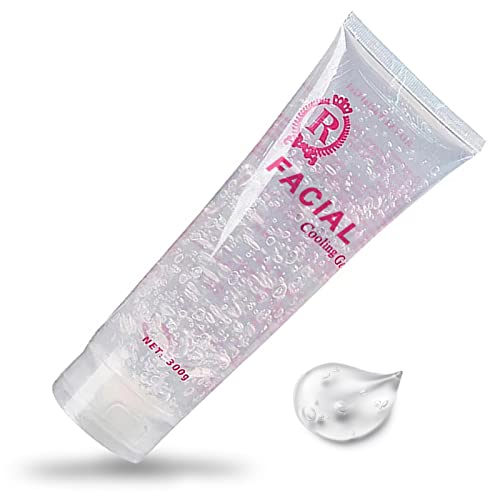
⭐The cooling gel is designed to help cool and hydrating the skin, which will keep your skin in a comfortable state when you use the hair removal device or other beauty devices.
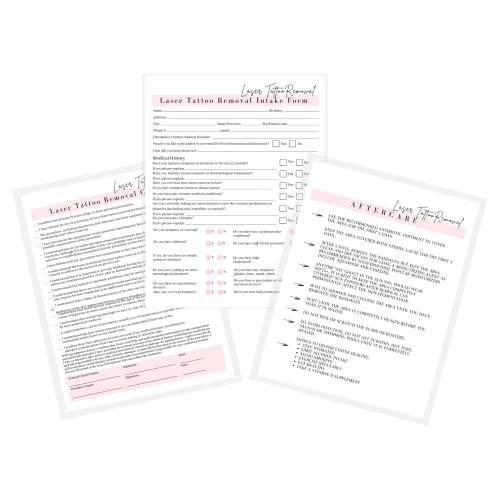
75 TOTAL PAGES consisting of 25 consent forms, 25 client intake forms, 25 aftercare pages.