
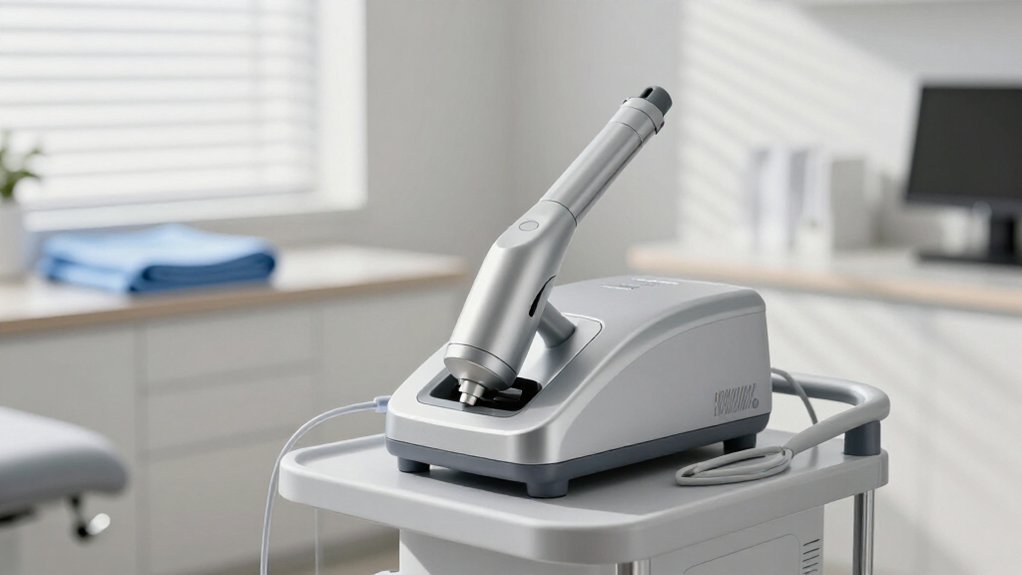
You might be surprised to learn that laser tattoo removal can, in fact, leave scars, though the risk drops sharply when you choose a trained professional and follow proper protocols.
The real danger lies in aggressive settings, rushed sessions, and poor aftercare, not the laser itself.
What you do before, during, and after treatment determines whether your skin heals cleanly or carries permanent marks.
Can Laser Tattoo Removal Actually Scar You?
Yes, laser tattoo removal can scar you, though it doesn’t happen frequently when you’re working with a trained professional who understands your specific situation.
1. How Laser Tattoo Removal Can Cause Scars
You’ll face higher scarring risk if your technician uses overly aggressive laser energy or fails to tailor settings to your skin type and ink depth. When you schedule sessions too close together, your skin won’t heal fully between treatments, and this increases your chance of permanent marks. Improper aftercare, especially picking scabs or scratching blisters, can leave lasting scars even though the laser targets ink selectively.
2. Who Faces Higher Risk
You’ll need to disclose your history before starting. People prone to keloids or hypertrophic scars, and those with darker skin, face greater risk of both scars and pigment changes.
Recommended Products

COMPLETE AFTERCARE KIT FOR NEW & EXISTING TATTOOS: This Tattoo Aftercare Kit brings together 3 essentials, Antimicrobial Soap, Tattoo Balm, and Tattoo Lotion, to help cleanse, protect, and moisturize fresh ink. Useful after tattoo sessions and throughout healing, it supports vibrant color and skin comfort for dedicated ink enthusiasts and artists

Protect Your Body Art: Moisturizing with the bonus of itch relief! Tattoo Goo's Tattoo Care Lotion soothes healing skin & keeps healed ink looking sharp for life. With olive oil & glycerin, it delivers deep, breathable hydration that won’t clog pores

TATTOO AFTERCARE ESSENTIAL: Hustle Butter is the original tattoo aftercare balm for new and older tattoos. With over 10 years in the market, we are a pioneer of the tattoo aftercare category.
What Causes Scars to Form?
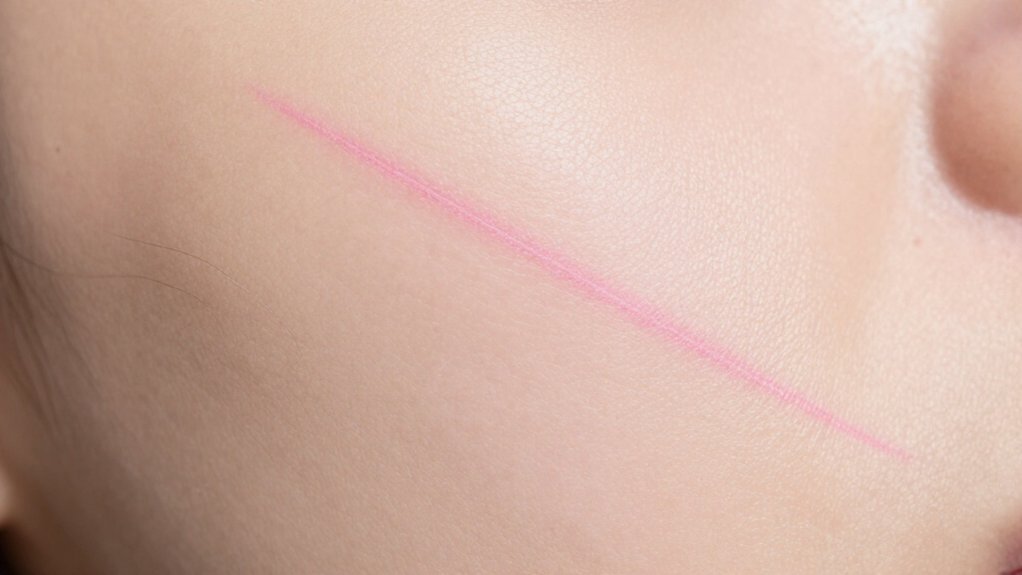
Understanding why scars form helps you prevent them during tattoo removal.
1. Aggressive Laser Settings
When your technician uses energy that’s too high, the laser damages deeper tissue instead of breaking up ink. This harms your skin’s foundation and triggers abnormal healing.
2. Insufficient Healing Time
You need adequate recovery between each tattoo removal session. Rushing the process disrupts your skin’s repair cycle, increasing scarring risk.
3. Poor Aftercare
Sun exposure, scratching, or picking at scabs worsens inflammation. These side effects extend damage and create permanent marks.
4. Uneven Ink Response
When pigment absorbs laser energy unevenly, some areas overheat. This causes longer-lasting skin changes, appearing as thickened or textured patches.
You control many of these factors. Choose experienced providers, follow aftercare instructions precisely, and protect healing skin between appointments.
Recommended Products

SILICONE SHEET SCAR TREATMENT: This clinically-tested silicone scar gel is designed to treat and prevent scars. It helps reduce stretch marks caused by pregnancy and weight gain, as well as new and old scars from C-sections, surgeries, injuries, burns and acne.

Silicone Gel Scar Treatment for All Types of Scars: This silicone gel is designed for the treatment and prevention of scars including hypertrophic and keloid scars from injuries, burns, C-sections, surgeries, and more — effective for both new and old scars.

[ Advanced Silicone Scar Treatment for All Scar Types ] Silicone Scar Sheets and Silicone Scar Tape designed to treat and improve the appearance of surgical, hypertrophic, keloid, C-section, burn, acne, and injury scars. Providing a comprehensive solution for scar reduction.
Who’s Most Likely to Scar?
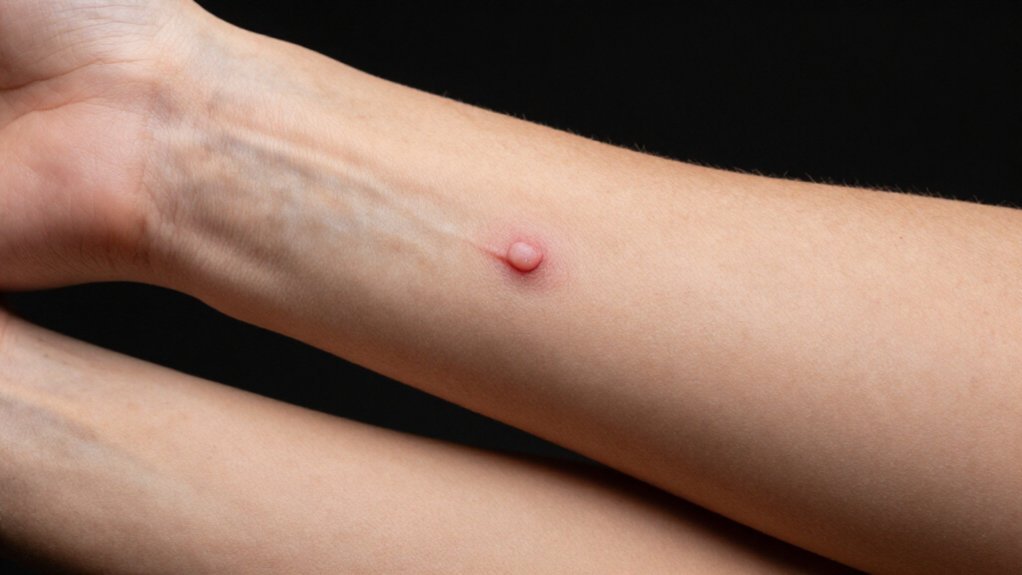
Not everyone heals from laser tattoo removal the same way, and your personal risk factors matter more than you might expect.
Healing from laser tattoo removal varies by individual—your personal risk factors matter more than you might expect.
Your skin type and history shape how you recover. You face higher risk if you’ve developed keloids or hypertrophic scars before, because your skin overreacts during healing. Darker skin tones carry additional concerns, where pigment changes become more likely if melanin absorbs excess laser energy.
Three factors increase your chance of scarring most notably:
- Picking at scabs or blisters, which damages healing tissue and raises uneven scar formation
- Rushing treatments, when aggressive settings or insufficient recovery time prevents full skin restoration
- Underlying health conditions, such as diabetes or autoimmune disorders, that slow your body’s natural repair process
Understanding these risks helps you discuss realistic outcomes with your provider before starting tattoo removal.
Recommended Products
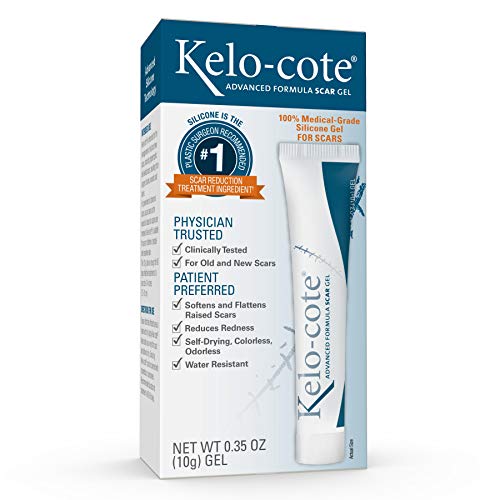
WORKS ON OLD and NEW SCARS: Kelo-cote is a clinically-tested silicone scar gel that reduces the appearance of scars resulting from surgery, injury, burns, acne, insect bites, cuts and scrapes. Reduces redness, softens and flattens raised scars

THE ORIGINAL SCAR TAPE: Trusted silicone scar sheets for old and new scars, including surgical scars, C section recovery scars, hypertrophic, and keloid scars. Also doubles as forehead wrinkle patches or overnight face tape to help smooth the appearance of fine lines and wrinkles.

Clinically Shown in just 4 Weeks: Improves the appearance of old and new scars, including hypertrophic and keloid scars from minor injuries, burns, and surgeries; Helps reduce redness, discomfort, while improving scar flexibility
How to Prevent Scars at Every Stage
Although you can’t eliminate every risk, you can take control of your healing by following proper prevention protocols at each stage of tattoo removal.
1. Pre-Care
Don’t smoke; success after 10 treatments can drop by 70% with smoking. Avoid injected lidocaine, and use external cooling like ice packs or Zimmer Cryo to reduce scar risk.
2. Immediate Post-Care (24–48 Hours)
Pat the area dry with a paper towel; don’t rub. Avoid friction and exercise that causes bumping. Don’t pick scabs or pop blisters.
3. Healing Period
Contact your specialist if blisters exceed dime size. Protect skin with SPF 30+ sunscreen containing zinc or titanium dioxide.
4. Between Sessions
Wait at least 6 weeks; rushing increases scarring.
5. Provider Selection
Choose a qualified technician who sets appropriate laser parameters for your skin and tattoo. Overly aggressive settings commonly cause scarring.
Follow aftercare diligently to prevent scars.
Recommended Products

Wavelength: 200nm-2000nm, broad spectrum protection, block UV, Blue, Red and Infrared Laser Light

Wavelength: 200nm-2000nm,for intense pulsed light protection (Compatible with 405nm,450nm,650nm,694nm,laser beauty treatment etc.),Block UV,Blue,Red and infrared pulsed laser light.OD4+,visible light transmission:15%,both protection and clear
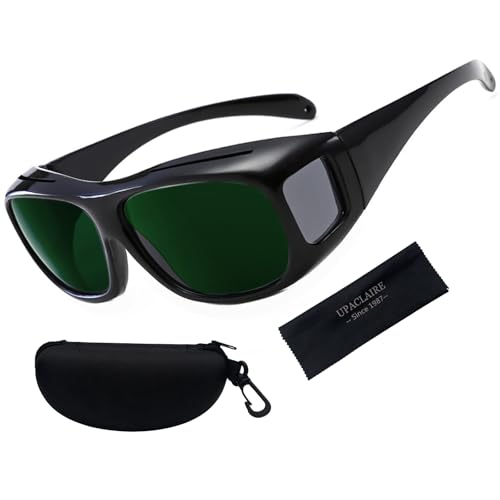
1. Function: Protective wavelength range 200nm-2000nm, optical density: OD5+, visible light transmittance: 0.1%, visible light transmittance: <20%