
You invest time, money, and pain into a tattoo, but your body starts working against it the moment the needle stops. Within months, your immune system sends cells to break down the ink; within years, the crisp lines you loved begin to blur and shift in ways you might not expect. The real question isn’t whether your tattoo will last—it’s whether you’ll recognize it when you’re older.
Key Takeaways
- Tattoos typically last a lifetime but begin softening and fading within ten years.
- Colors shift over decades as reds rust and blues turn murky.
- High-friction areas like hands, feet, and lips fade significantly faster.
- UV radiation accelerates breakdown; daily SPF 50+ is essential protection.
- Touch-ups every five to ten years restore clarity and vibrancy.
Recommended Products
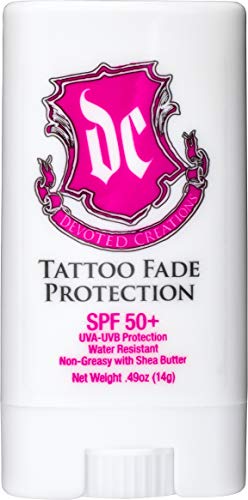
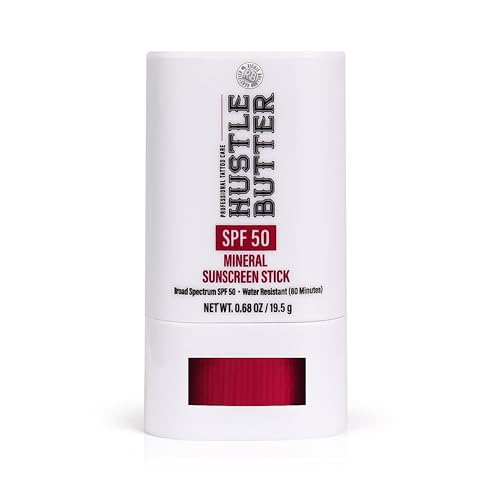
Tattoo Sun Protection, SPF 50: Our tattoo sunscreen stick provides broad-spectrum UVA/UVB coverage, preventing sun damage and fading, keeping tattoo ink vibrant and sharp.

UV Protection: Provides UPF 50+ sun protection, shielding more than 98% of harmful UVA & UVB rays. Perfect for football, basketball, tennis, volleyball, golf, and other outdoor activities.
Tattoo Lifespan: What 10, 20, and 30 Years Actually Look Like
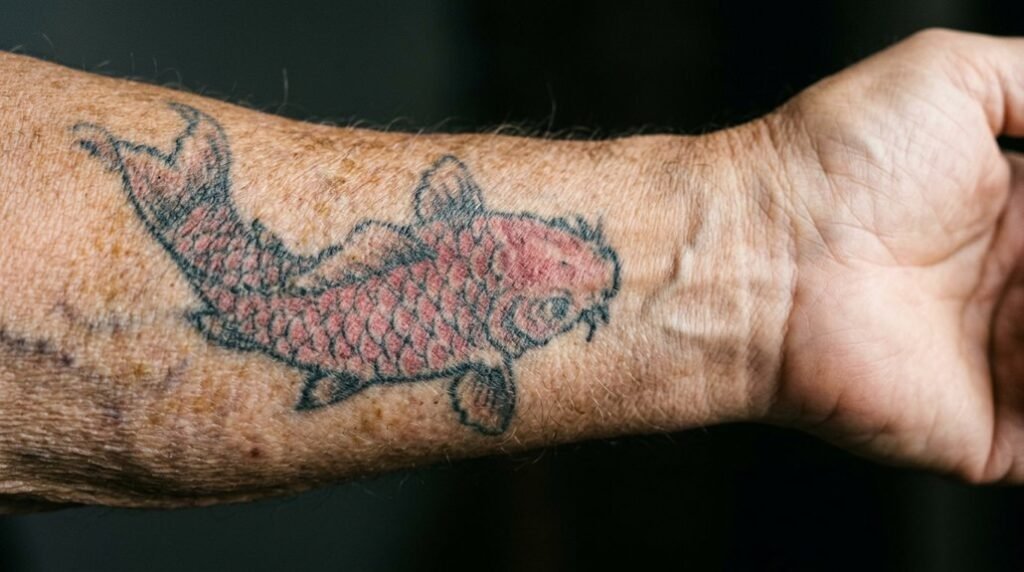
How does a tattoo actually age? You’ll notice the changes gradually. At ten years, your crisp black lines soften slightly, edges blur a millimeter or two, and colors dim like sun-faded fabric. Your once-vibrant reds settle into rust; blues turn murky. You’re not alarmed—you expected this.
By twenty years, the blur accelerates. Details merge; fine lines become thick strokes. Your tattoo doesn’t pop from the skin anymore—it sinks in, becoming part of you rather than sitting atop you. Skin texture changes, and your ink moves with it.
At thirty years, you’re looking at something else entirely. What was precise now resembles watercolor left in rain. But you’re seeing a document, not a defect. Your tattoo’s aged with you, and you’ve aged with it.
Recommended Products

TATTOO AFTERCARE ESSENTIAL: Hustle Butter is the original tattoo aftercare balm for new and older tattoos. With over 10 years in the market, we are a pioneer of the tattoo aftercare category.
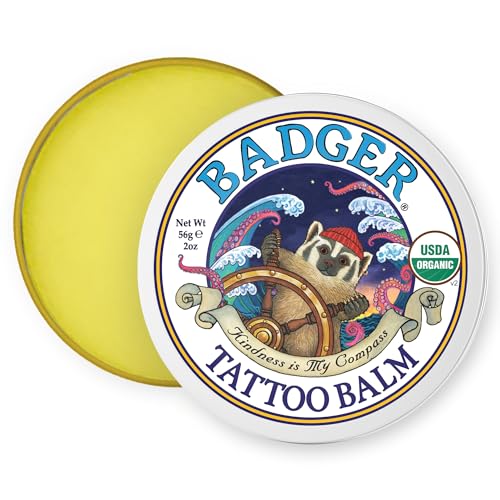
PROTECT & SOOTHE: Condition & protect your tattoos to keep ink looking bold & vibrant. Soothing, nourishing tattoo care softens fresh tattooed skin, calms redness & irritation, and promotes healing

TATTOO AFTERCARE ESSENTIAL: Hustle Butter is the original tattoo aftercare balm for new and older tattoos. With over 10 years in the market, we are a pioneer of the tattoo aftercare category.
How Your Immune System Slowly Eats Your Ink
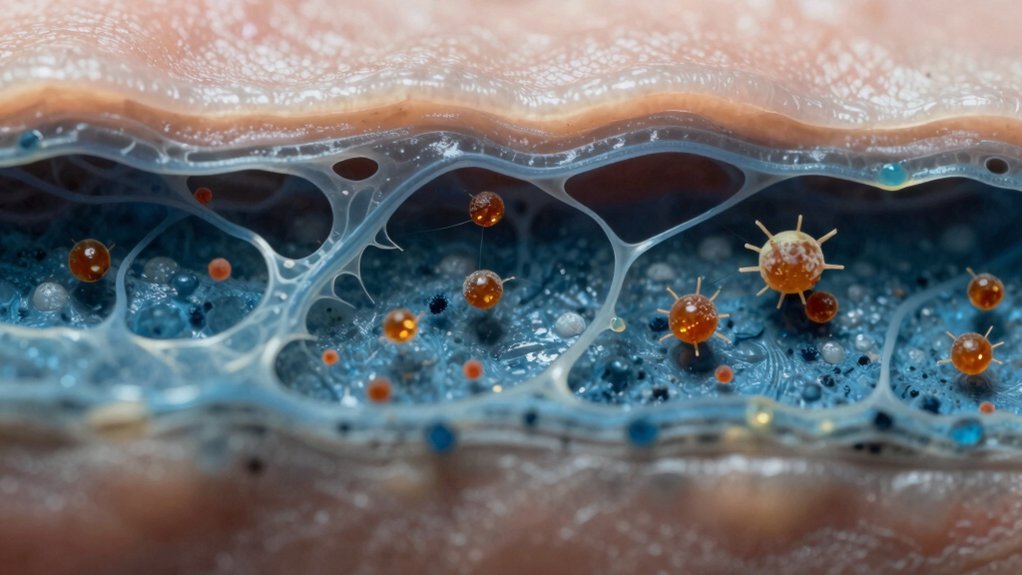
Your body never forgets a foreign invader, and it treats tattoo pigment exactly that way. The moment ink enters your skin, your immune system identifies those particles as threats. Macrophages swarm the wound, engulfing pigment in an attempt to destroy it.
You can’t stop this process. These cells consume the ink, but most pigment granules prove too large to digest completely. Trapped prisoners, they sit in your dermis indefinitely—this permanence defines your tattoo.
Yet victory isn’t absolute. Over decades, macrophages slowly ferry smaller particles toward your lymph nodes. Sunlight accelerates this breakdown, shattering ink into digestible fragments. You’re literally leaking your tattoo into your bloodstream.
Your immune system never quits. It chips away relentlessly, fading edges and softening blacks into blues and greens. That vibrant sleeve? You’re watching your own cells consume it, year after patient year.
Recommended Products
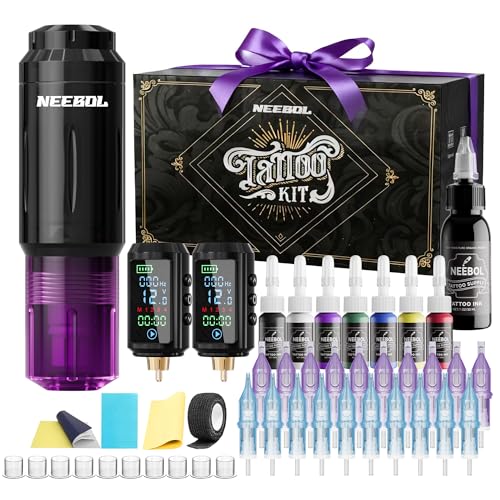
NEEBOL Tattoo Machine Kit with Complete Accessories:This tattoo machine kit includes 1 wireless tattoo gun, 2 x 1600mAh batteries, 20 needles, a large bottle off black ink, a full color ink set, and other essentials—ideal for beginners, apprentices, and professionals seeking a maquina para tatuar.

WIRELESS FREEDOM WITH DUAL POWER OPTIONS: Enjoy true cordless flexibility with two interchangeable 2000mAh batteries. Each battery delivers up to 7 hours of runtime, providing extended working sessions without frequent charging. When battery power runs low, simply switch to the included RCA adapter and continue working in wired mode. The built-in LED display keeps voltage and battery status visible at all times.

Complete Starter Tattoo Kit: Includes an aluminum alloy rotary tattoo pen, power supply, foot pedal, RCA cord, 20 cartridge needles, 8 bottles of 30ml ink, 2 transfer papers, practice skin, 40 ink caps, grip cover, gloves
Where Tattoos Fade Fastest (and Where They Don’t)
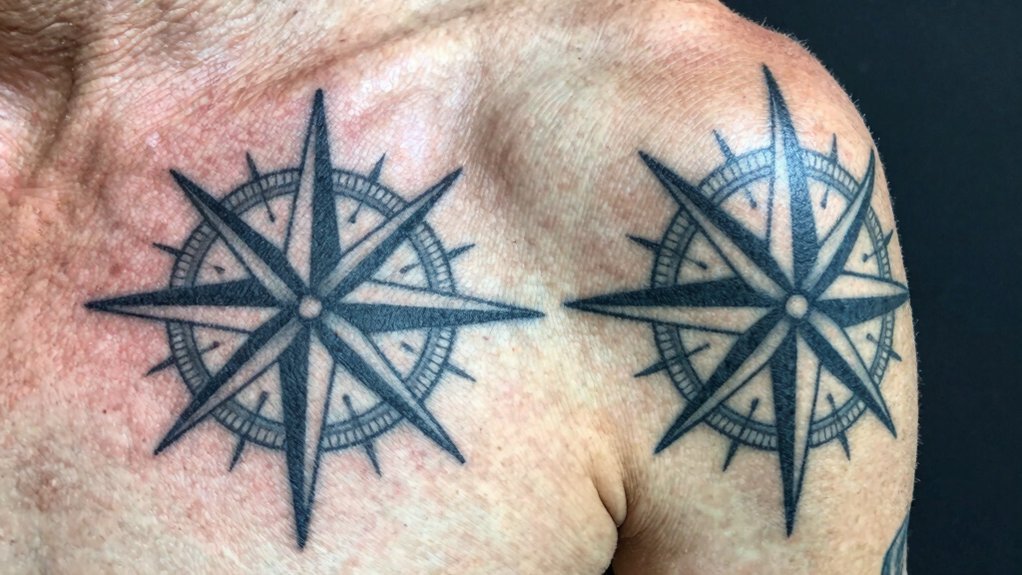
Immune cells attack ink everywhere, but they don’t win at the same speed across your body. You’ll watch your hands, feet, and fingers surrender fastest. These spots endure constant friction, washing, and regeneration, so your design blurs within years.
Your lips and tongue fade even quicker—moisture and cell turnover devour ink there. Your armpits and inner thighs suffer similar fates from rubbing and sweating.
You’ll preserve ink longer on your upper back, chest, and outer upper arms. These areas avoid daily abrasion and boast thicker skin with slower cell replacement.
Your calves and outer thighs also resist fading well.
Where skin stretches most—your belly, breasts, or joints—you’ll see distortion precede fading. Weight fluctuations accelerate this damage. You’ve chosen a battleground; your placement determines how long you’ll carry your art clearly.
Recommended Products

VERSATILE TATTOO INK COLOR SET: Our vinrant tattoo ink color set features four shades of gray tattoo ink—Light, Light Medium, Medium Dark, and Dark. Ideal for blending and mixing, this professional tattoo ink simplifies your color palette, saving time for artists.

VERSATILE TATTOO INK COLOR SET: Our vinrant tattoo ink color set features four shades of gray tattoo ink—Light, Light Medium, Medium Dark, and Dark. Ideal for blending and mixing, this professional tattoo ink simplifies your color palette, saving time for artists.
🖤Professional-Grade Tattoo Ink: This tattoo ink is designed for professional tattoo artists and studio use, suitable for bold outlines, shading, and solid black work in daily tattoo applications.
Sun Protection That Actually Saves Your Tattoo
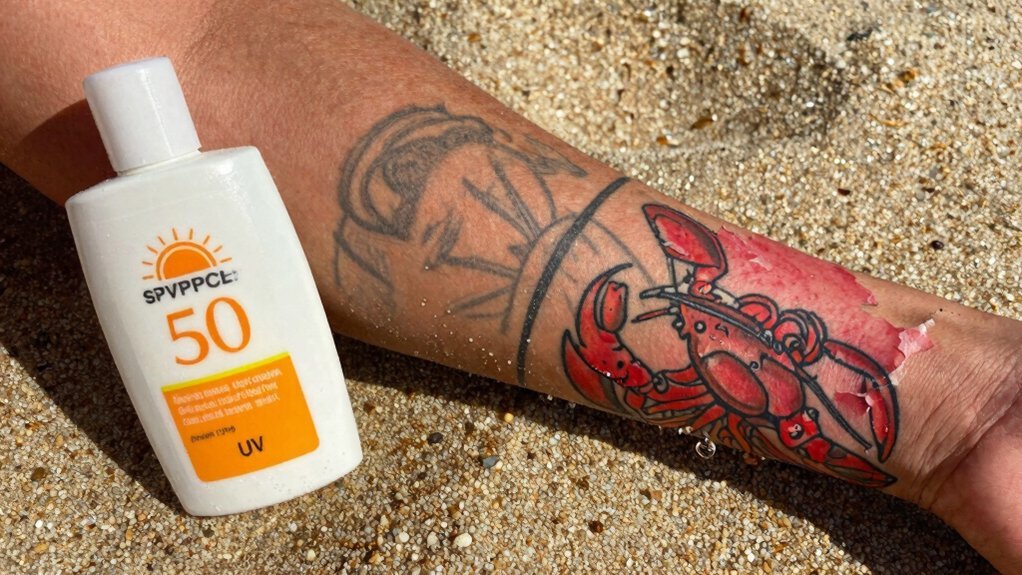
Since UV radiation shatters ink particles faster than your immune system ever could, you’ll need more than casual sunscreen to defend your tattoo.
Apply SPF 50 or higher daily, even through windows. Reapply every two hours when you’re outdoors. Don’t skimp—most people use half the recommended amount. For fresh tattoos, you’ll keep them completely covered; UV exposure during healing causes permanent damage.
Seek physical blockers containing zinc oxide or titanium dioxide. These reflect rays rather than absorbing them. Chemical sunscreens break down faster and can irritate healing skin.
Wear UPF-rated clothing over larger pieces. A lightweight long-sleeve shirt blocks more effectively than any lotion. Hats shield neck and chest work.
Your tattoo represents an investment. Protect it aggressively, and you’ll preserve those lines and colors for decades rather than years.
Recommended Products

PRINTS THAT STAY NEW-LIKE – Smudge-proof archival ink captures baby's footprints and handprints beautifully. Perfect for scrapbooks, baby books, photo albums, postcards, and framed wall keepsakes

MADE IN THE USA SINCE 1990 — For over 30 years Dynamic Color has produced professional tattoo ink in the United States, an established American brand artists built their work on long before most imported labels existed.

MADE IN THE USA SINCE 1990 — For over 30 years Dynamic Color has produced professional tattoo ink in the United States, an established American brand artists built their work on long before most imported labels existed.
Why Oily Skin and Aging Change Your Tattoo
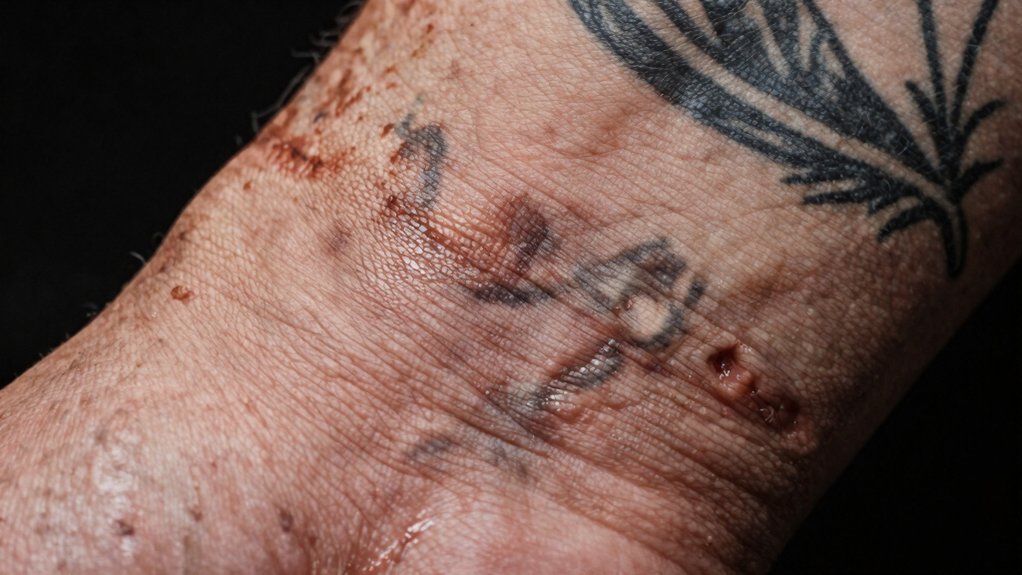
How does your tattoo look ten years from now?
You’ll notice differences if you’ve got oily skin. Your sebaceous glands keep pumping out sebum, and that excess oil actually breaks down tattoo ink faster than you’d expect. The pigment spreads beneath your skin’s surface, creating blurred edges where crisp lines once lived. You’re fighting a constant battle against your own biology.
Then there’s aging. Your skin loses elasticity and collagen as you age. It thins. It sags. The canvas changes, so the art changes with it. Your tattoo stretches, wrinkles, and shifts position. What sits flat against firm skin becomes distorted on looser tissue. You can’t stop time, and you can’t fully prevent these changes. Your body evolves, and your tattoo evolves right alongside it.
Recommended Products
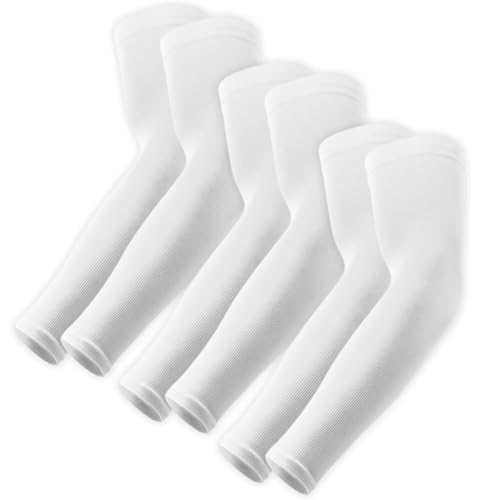
BLOCKS 98% OF UV RAYS: These UPF 50+ sun sleeves shield your arms on a long bike ride, a round of golf, or a full day on the job, ditching the greasy reapply-every-hour sunscreen routine.

Tattoo-Safe Mineral Formula: Our tattoo sunscreen lotion uses non-nano zinc oxide, a physical barrier that sits on the skin to block UVA/UVB rays without penetrating or irritating tattoos. This helps prevent fading, discoloration, or damage to tattoo ink caused by sun exposure.

POWERFUL MINERAL SUNSCREEN - Protect sensitive skin from the sun’s harmful rays with Blue Lizard Sensitive Mineral SPF 50 Sunscreen Lotion it contains no harsh chemical active ingredients that might irritate sensitive skin.
How to Make Your Tattoo Last Decades Longer
Your tattoo will change—there’s no stopping that. But you’ll slow the fading dramatically when you commit to daily SPF 50 on inked skin. Sun exposure breaks down pigment fastest, so you’ll reapply every two hours outdoors. You’ll also moisturize daily with fragrance-free lotion, keeping skin supple so lines stay crisp.
You’ll choose your placement wisely, avoiding spots where skin stretches or rubs constantly. You’ll skip tanning beds entirely and cover tattoos during peak sun hours. You’ll stay hydrated and maintain stable weight, preventing skin distortion.
You’ll follow your artist’s aftercare instructions precisely during healing—that foundation determines long-term vibrancy. You’ll shower instead of soaking in baths or pools with fresh ink. These habits compound over years, preserving your tattoo’s integrity without professional intervention.
Recommended Products
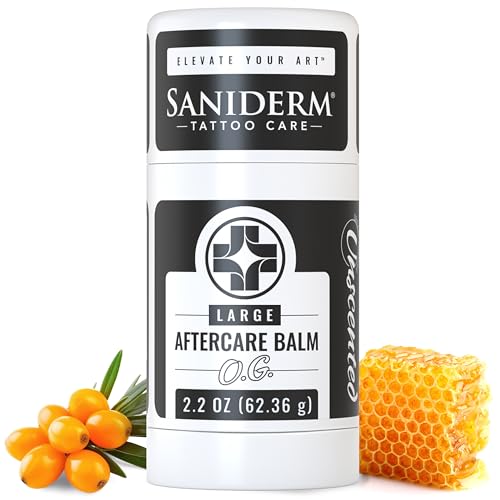
NATURAL AND UNSCENTED FORMULA – Saniderm’s Original Tattoo Aftercare Balm is made using natural ingredients like beeswax, shea nut butter, and sea buckthorn oil. Unlike other common ointments and tattoo balms, Saniderm’s fragrance-free Tattoo Aftercare Balm is also petroleum-free so it won’t suffocate the skin while your tattoo heals.

Upgraded Design, Easy to Use --- Tattoo aftercare balm comes in a tube,this container allows you to glide on the butter easily,Rolls on smoothly and evenly on your skin,No more mess or residue on your finger,convenient to use

☑Natural Safe Organic Ingredients: Tattoo Aftercare Butter is composed of Shea Butter, Jojoba, Macadamia Ternifolia Seed Oil and Vitamin E Complex. Our all-natural butter is also petroleum-free and paraben-free. After use, it can make the tattooed skin heal faster and moisturize the skin. Makes your skin smooth and the tattoo color bright.
When to Get Your Tattoo Touched Up
Eventually, you’ll notice your tattoo losing its edge—lines softening, colors dimming, or patches where ink simply didn’t hold. That’s your signal to book a touch-up.
Most artists recommend waiting at least one month after healing for immediate corrections, but you’ll typically seek maintenance touch-ups every five to ten years. Sun exposure, skin type, and placement all accelerate fading. Areas you wash frequently—hands, feet, inner lips—demand earlier attention.
Don’t delay once you spot significant deterioration. Fresh skin holds ink better than heavily worked-over tissue. You’ll save money and pain by acting promptly.
Schedule with your original artist when possible; they’ll match their style precisely. Bring reference photos of your tattoo when it was fresh. You’ll discuss what’s fixable versus what needs complete reworking.
Aftercare remains identical to your first session.
Recommended Products

NEEBOL Tattoo Machine Kit with Complete Accessories:This tattoo machine kit includes 1 wireless tattoo gun, 2 x 1600mAh batteries, 20 needles, a large bottle off black ink, a full color ink set, and other essentials—ideal for beginners, apprentices, and professionals seeking a maquina para tatuar.

This tattoo kit have two Dragonhawk tattoo machines for lining & shading and friendly beginner start tattooing life, Cast iron tattoo machine 10 wrap coils. Made of superior composite material, the spring is high-elastic and anti-fatigue for long-time working, made of copper coils.

【TATTOO KIT PACKAGE】:TATTOO KIT PACKAGE: The POSEIDON Tattoo pen kit includes 1 x Tattoo Pen, 2 x Battery, 20 x Tattoo Cartridges Needles, 1 x Self Cohesive Tattoo Grip Cover, 1 x TYPE-C Charging Cable, 40 x Ink Caps, 1 x Practice Skin, 2 x Transfer Paper, 10 x 5ml Tattoo Ink, 1x 30ml Black Tattoo Ink, 1 x Tattoo Gloves, and 4 x Table Mat, 1 x Tattoo Sticker. The complete tattoo kit is a good choice for beginners, starters, and apprentices.
Conclusion
Your tattoo’s future depends on choices you make today. You’ll watch crisp lines soften over decades, but sun protection and smart placement slow the fade. Your immune system never stops working on that ink, yet proper care buys you years of clarity. When colors dull and details blur, touch-ups restore what time has taken. Treat your skin well, and you’ll carry vibrant art for a lifetime.
Recommended Products
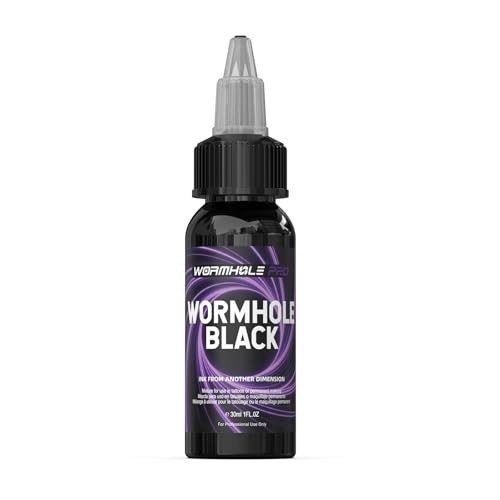
Vibrant, Long-lasting Color: WORMHOLE PRO black tattoo ink boasts pure color and exceptional longevity, delivering a deep, rich effect reminiscent of the night sky; Whether outlining contours or filling in shadows, our black tattoo ink delivers exceptional visual impact, ensuring that tattoo artworks retain their vibrant colors over time

100% new brand and high quality. Favored among professional tattoo technicians.

【Breathe Easy, Stay Cool】: Lightweight and soft-to-touch. Crafted from premium, ultra-breathable fabric that keeps you cool dry and comfy