
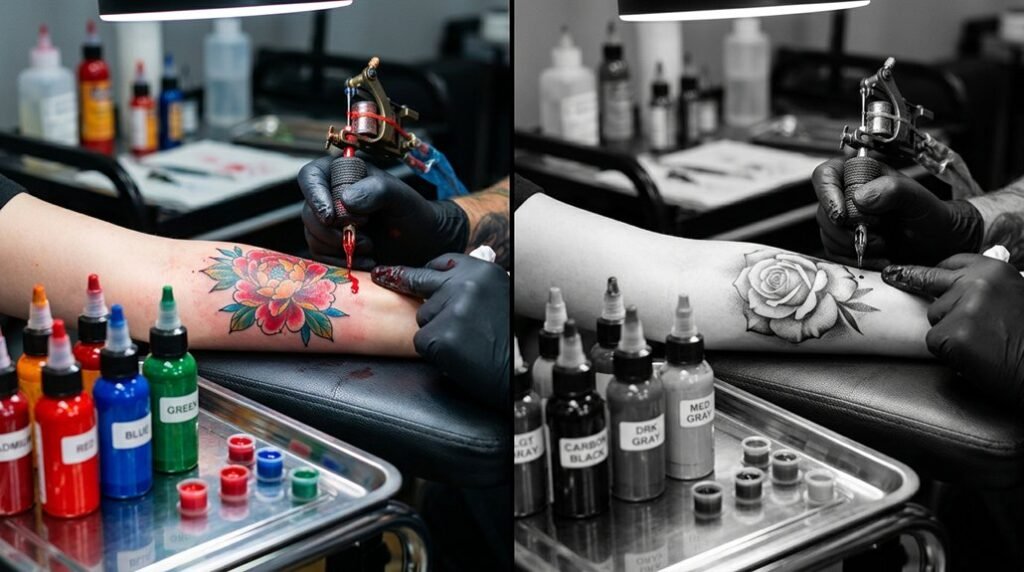
You’re standing at the crossroads of a decision that’ll stay etched on your skin for decades. Color promises vibrancy and personality, yet demands more from your wallet and your time. Black and grey offer timeless restraint with less maintenance, but might lack the punch you envision. Before you book that appointment, there’s a essential factor most people overlook—one that could determine how your tattoo looks in ten years. You’ll want to weigh this carefully.
Key Takeaways
- Color tattoos fade faster and require more touch-ups, while black and grey age gracefully with minimal maintenance.
- Black and grey excels in realism and emotional depth; color delivers bold, graphic visual impact.
- Color work demands longer sessions, more needle passes, and extended healing compared to black and grey.
- Skin tone significantly impacts color visibility, with darker skin requiring deeper pigments for lasting results.
- Color tattoos cost more upfront and ongoing due to extra ink, time, and frequent maintenance needs.
Recommended Products

Professional 2-in-1 Bundle:Get 4oz Dynamic Black Tattoo Ink+ 4oz Tattoo Ink Mixing Solution. Streamline your workflow with this essential artist combo for precise ink application.
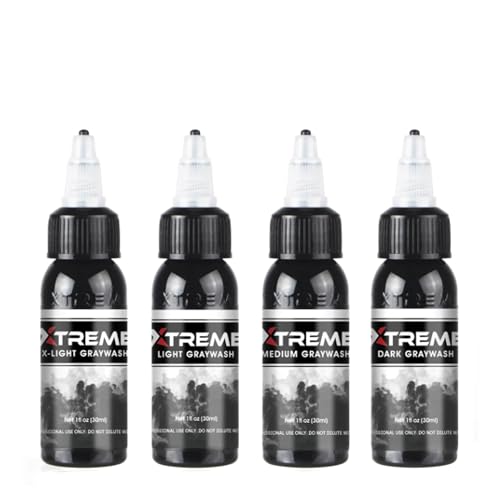
Capture Depth and Dimension: Xtreme's Graywash Set lets you create captivating depth and dimension in your tattoo designs, with four shades - Extra Light, Light, Medium, and Dark Graywash - providing the perfect palette for shading, transitioning, and highlighting.

How Color and Black and Grey Tattoos Compare
Where do you start when choosing between color and black and grey tattoos? You begin by understanding how they’ll age on your skin. You’ll notice color tattoos demand more commitment—they’ll fade faster and require touch-ups to stay vibrant. You’ll spend more time in the chair and pay more for the extra ink and detail work.
Black and grey pieces won’t grab attention as dramatically, but they’ll hold their lines longer and age more gracefully on you.
You should consider your pain tolerance too—you’ll sit through longer sessions for color work. You’ll also think about your skin tone; color pops differently depending on yours.
Ultimately, you’re weighing immediate visual impact against longevity, and there’s no universal answer—your priorities and lifestyle shape what’s right for you.
Recommended Products

【tattoo ink sets professional Rich Color】This set contains 14 colors of tattoo ink, each bottle of tattoo ink capacity of 30ml. Meet your use needs

MADE IN THE USA SINCE 1990 — For over 30 years Dynamic Color has produced professional tattoo ink in the United States, an established American brand artists built their work on long before most imported labels existed.

100% authentic makeup tattoo ink from Charme Princesse, new pigment for microblading, permanent makeup and tattoo
Choose the Right Style for Your Design
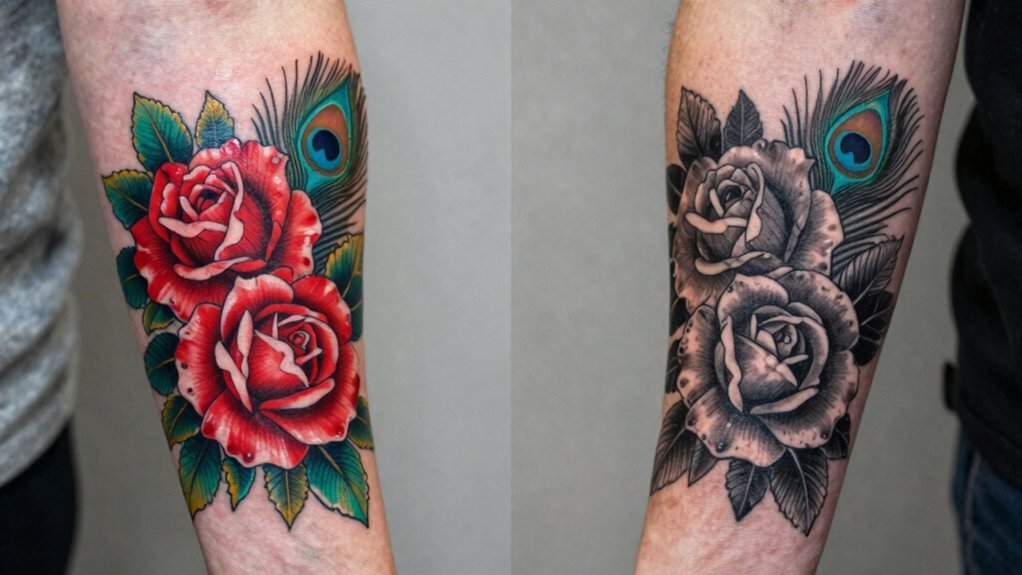
How do you match your design to the right style? You start by examining your subject matter. Bold, graphic designs with pop culture references or nature scenes pop with color. You choose black and grey when your design relies on shading, realism, or emotional weight. Portraits, memorial pieces, and fine-line work thrive without color.
You consider your skin tone too. Darker skin carries bold colors differently than lighter tones, though skilled artists adapt both styles.
You think about placement. Large back pieces accommodate complex color work; smaller spots suit black and grey simplicity.
You ask yourself what feeling you want. Color shouts; black and grey whispers.
You consult your artist, showing reference images. They’ll guide you toward what suits your vision, body, and lifestyle best.
Recommended Products

TATTOO AFTERCARE ESSENTIAL: Hustle Butter is the original tattoo aftercare balm for new and older tattoos. With over 10 years in the market, we are a pioneer of the tattoo aftercare category.

ENHANCE & MAINTAIN YOUR INK - This ultra-nourishing balm instantly enhances ink vibrancy as it forms a protective barrier on skin to help moisturize and soothe skin.
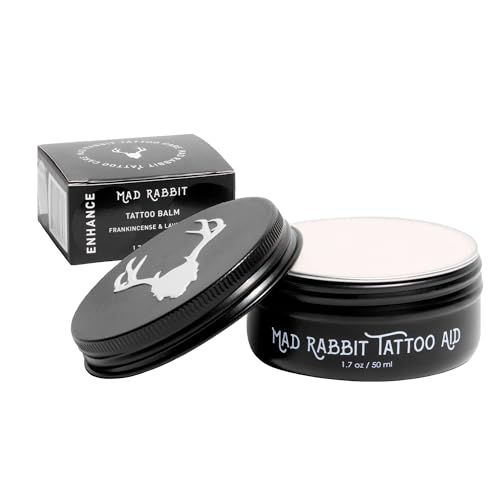
ENHANCE & MAINTAIN YOUR INK - This ultra-nourishing balm instantly enhances ink vibrancy as it forms a protective barrier on skin to help moisturize and soothe skin.
Compare How Each Style Ages Over Time
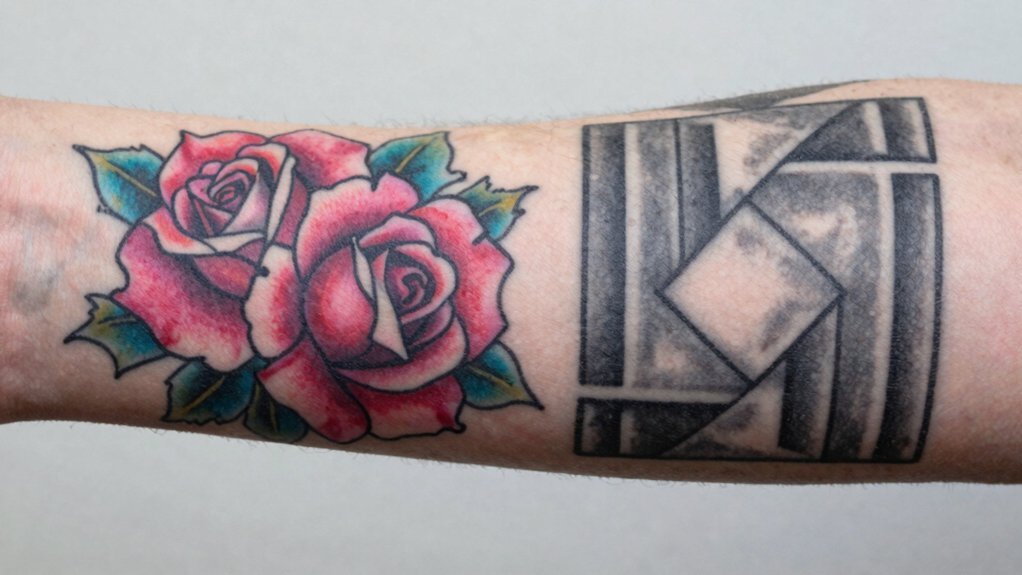
Your choice between color and black and grey shapes more than your initial look—it determines how your tattoo holds up through the years.
Black and grey tattoos age gracefully. The single pigment fades evenly, maintaining contrast and readability. You notice softer edges and muted tones, but the core design stays intact. Touch-ups refresh these pieces with minimal effort.
Color tattoos demand more attention. Vibrant reds, yellows, and blues fade faster, sometimes shifting to muddy browns or greens. Lighter pigments disappear entirely, leaving patchy gaps. You commit to stricter sun protection and more frequent maintenance to preserve the original brilliance.
Your skin type, sun exposure, and ink quality all influence longevity. Neither style stays perfect forever, but you weigh whether you prefer predictable fading or vibrant hues that require vigilant care.
Recommended Products

STICK APPLICATION, ZERO MESS: Twist up the tattoo balm stick, swipe directly over the tattoo, and blend as needed. No jar to open, no fingers scooping product, and no need to carry a separate applicator. The solid stick format is easy to keep in a bag, bathroom cabinet or travel kit, making care simple at home or on the go. It gives you controlled application exactly where you want moisture, with less mess than traditional balm jars. Great for quick touch-ups whenever tattooed skin feels like it needs extra care, at home, after work or while traveling.
Net Weight and Dimensions: Each tube holds 7 oz. (198 g) of ointment, and measures approximately 19.9 x 5.7 x 5.2 cm; ideal for portability and easy storage

COMPLETE AFTERCARE KIT FOR NEW & EXISTING TATTOOS: This Tattoo Aftercare Kit brings together 3 essentials, Antimicrobial Soap, Tattoo Balm, and Tattoo Lotion, to help cleanse, protect, and moisturize fresh ink. Useful after tattoo sessions and throughout healing, it supports vibrant color and skin comfort for dedicated ink enthusiasts and artists
Prepare for Different Pain Levels and Session Lengths
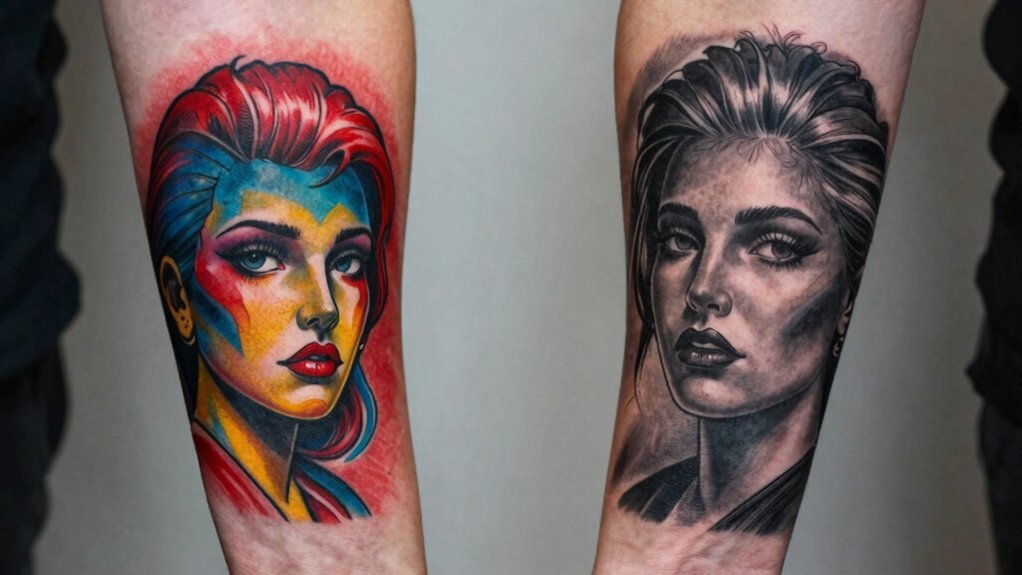
Since pain tolerance varies, you’ll want to factor in how color and black and grey work differently against your skin. Color tattoos demand more needle passes to saturate pigments, which extends your time under the needle and intensifies discomfort. You’ll sit through multiple sessions for large color pieces, as skin trauma limits how much artists pack in one sitting.
Black and grey tattoos move faster. Artists work with single-needle gradients and fewer ink changes, shaving hours off your appointment. You’ll feel the sting concentrated in shorter bursts rather than prolonged drilling.
Healing differs too. Color packing creates more inflammation, so you’ll manage swelling and tenderness longer. Black and grey settles quicker, letting you resume normal routines sooner.
Budget extra time and aftercare energy for color work. Choose black and grey if you prioritize efficiency and reduced session counts.
Recommended Products
Grey wash tattoo ink set includes three pre measured shades light medium and dark so you can shade full value ranges without stopping to guess at mixing solution ratios especially during a tattoo when your gray washers get diluted from continuous dipping in ink cap


Seamless dark tone shading element tattoo supplys greywash tattoo ink gives a balanced dark gray color ideal for smooth shading in portraits realism and script tattooing
Match Your Skin Tone to the Right Style
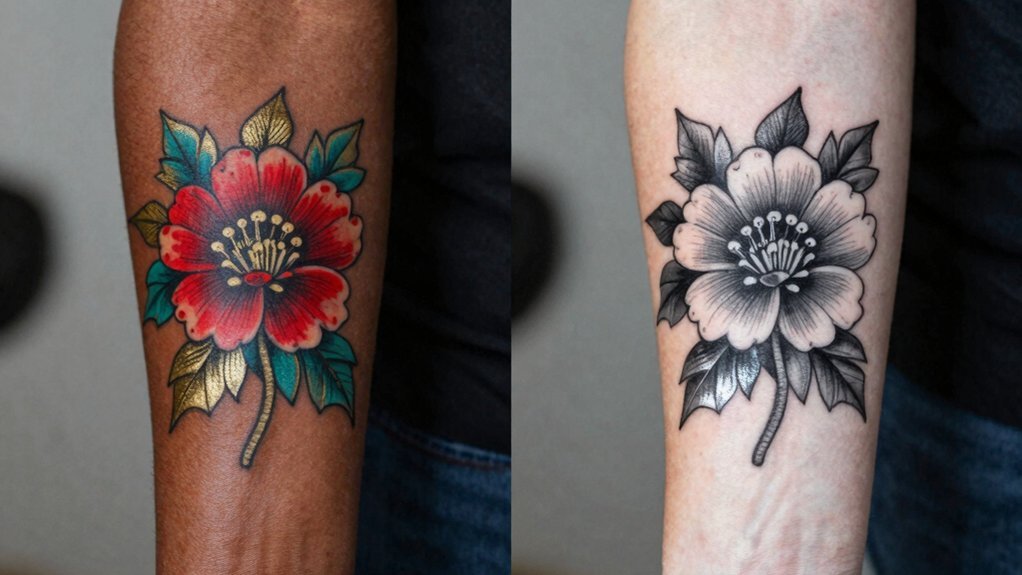
Where do you fall on the skin tone spectrum? Your complexion directly determines which style pops.
If you’ve got fair or light skin, you’re in luck. Color tattoos show up brilliantly on you—reds, blues, and yellows stay true and vibrant for years. Black and grey also work beautifully, creating striking contrast.
Medium and olive skin tones face trickier decisions. You’ll find that bolder colors perform better than pastels, which can muddy quickly. Black and grey offer safer, consistently sharp results.
Darker skin demands careful planning. Deep purples, crimsons, and blacks anchor pieces effectively, while lighter colors risk fading into invisibility. Skilled artists use bold saturation and strategic highlighting rather than subtle shading.
You must consult artists experienced with your specific tone. They’ll steer you toward pigments that heal true and age gracefully on your particular canvas.
Recommended Products

GRAY WASH TATTOO INK SET FOR SMOOTH TRANSITIONS: Achieve flawless shading and smooth transitions with this gray wash tattoo ink set. Designed to create subtle gradients, this tattoo grey wash set eliminates the need for mixing inks yourself.

MADE IN THE USA SINCE 1990 — For over 30 years Dynamic Color has produced professional tattoo ink in the United States, an established American brand artists built their work on long before most imported labels existed.

MADE IN THE USA SINCE 1990 — For over 30 years Dynamic Color has produced professional tattoo ink in the United States, an established American brand artists built their work on long before most imported labels existed.
Budget for Color’s Higher Costs and Touch-Ups
Skin tone considerations shape what’ll look best on you, but they won’t dictate what you’ll pay at the shop. Color tattoos drain your wallet faster than black and grey. You’ll fork over more cash upfront because color demands extra ink, specialized pigments, and longer session times. Your artist’ll work harder blending and layering those vibrant hues.
Don’t stop counting after the initial appointment. Color fades quicker, especially yellows, pinks, and light blues. You’ll schedule touch-ups every few years to keep that saturation popping. Sun exposure accelerates this fading, so you’ll invest in quality sunscreen too.
Black and grey ages gracefully with minimal maintenance. If you’re stretching dollars, you’ll appreciate how those tones hold their value over decades. Weigh these ongoing costs before you commit to that full-color sleeve.
Recommended Products

MADE IN THE USA SINCE 1990 — For over 30 years Dynamic Color has produced professional tattoo ink in the United States, an established American brand artists built their work on long before most imported labels existed.

MADE IN THE USA SINCE 1990 — For over 30 years Dynamic Color has produced professional tattoo ink in the United States, an established American brand artists built their work on long before most imported labels existed.

🎃【Tattoo Ink 16 Colors Set】: Tattoo ink Set featuring 16 rich and vivid colors, brings a splendid creative experience to your tattoo artistry. Colors include true black, bright red, snow white opaque etc.
Conclusion
You’ll choose between color and black and grey based on what matters most to you. Want bold impact and don’t mind maintenance? Go color. Prefer longevity and timeless subtlety? Pick black and grey. Consider your design, skin tone, pain tolerance, and budget—then commit fully. Either way, proper aftercare and sun protection keep your tattoo looking its best for years to come.
Recommended Products

Nourishes Healing Ink for Vibrant Color: Tattoo Goo supports healing tattoos & maintains vibrancy on healed ink with a lightweight formula rich in olive oil, lavender oil, cocoa butter, and beeswax. It absorbs quickly, moisturizes deeply, and helps reduce dryness, itch and tightness so your tattoo looks and feels comfortable through everyday routines

Nourishes Healing Ink for Vibrant Color: Tattoo Goo supports healing tattoos & maintains vibrancy on healed ink with a lightweight formula rich in olive oil, lavender oil, cocoa butter, and beeswax. It absorbs quickly, moisturizes deeply, and helps reduce dryness, itch and tightness so your tattoo looks and feels comfortable through everyday routines
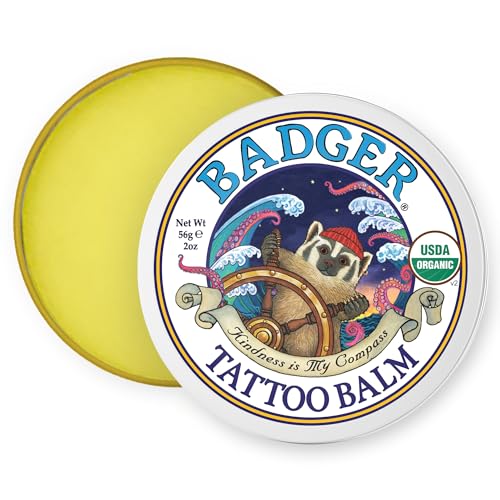
PROTECT & SOOTHE: Condition & protect your tattoos to keep ink looking bold & vibrant. Soothing, nourishing tattoo care softens fresh tattooed skin, calms redness & irritation, and promotes healing