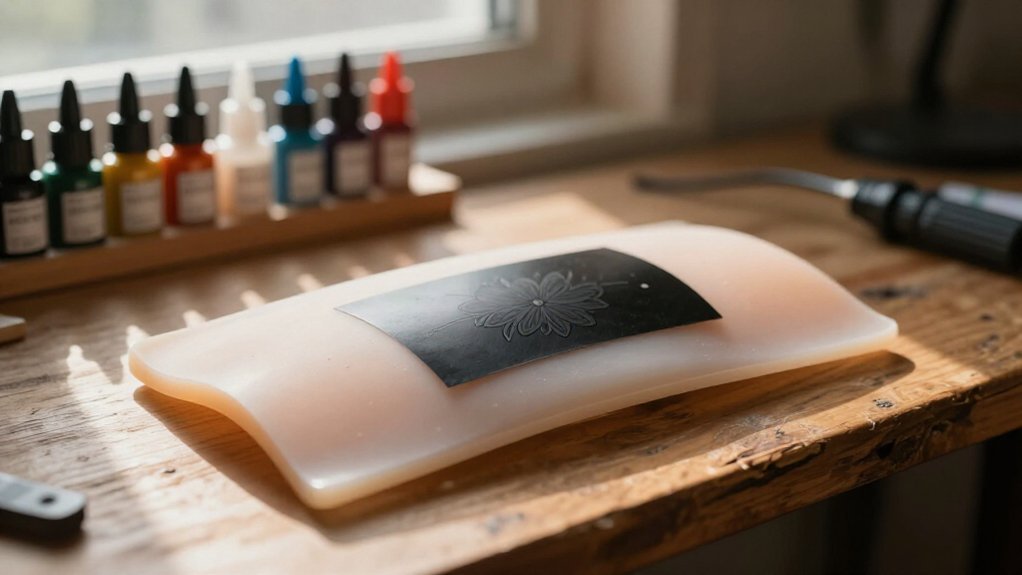

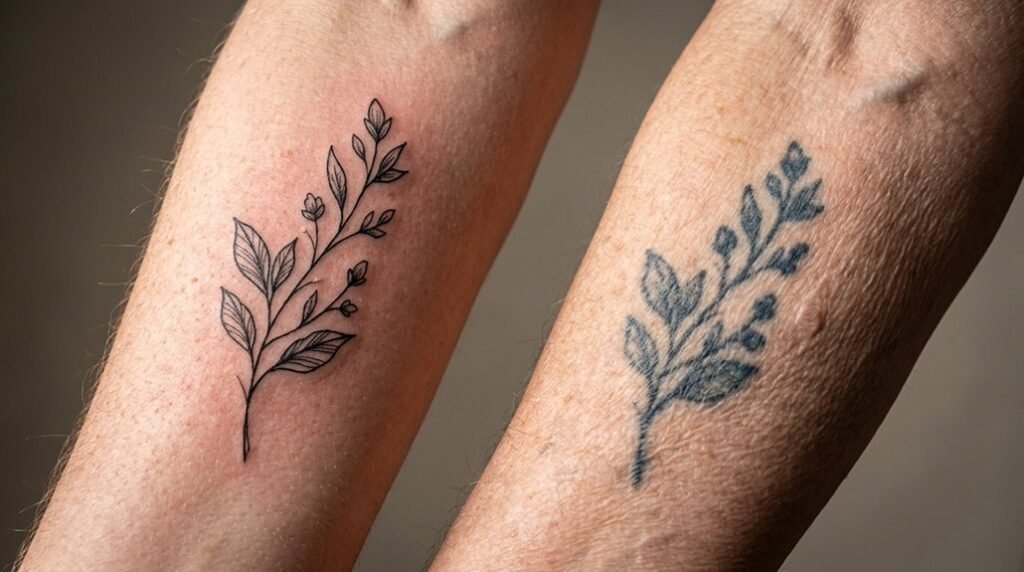
You’ve probably seen the delicate Instagram photos—wispy florals, whisper-thin lettering, barely-there illustrations—and wondered if they’ll still look crisp in a few years. The short answer: sometimes, but not always. Your skin, the artist’s hand, and where you place the tattoo all play a role in how well those fine lines hold up over time. Before you book that appointment, there’s more you should know about what actually happens beneath the surface.
Key Takeaways
- Fine line tattoos begin softening within months and show visible changes in one to three years.
- High-friction areas like hands, fingers, and feet fade significantly faster than protected body locations.
- Touch-ups are typically needed within two to five years to maintain original clarity and detail.
- After ten years, shading flattens to gray and fine details merge into softer, more iconic forms.
- Sunscreen, moisturizing, and proper aftercare slow aging, but cannot prevent eventual blur and fade.
Recommended Products

TATTOO AFTERCARE ESSENTIAL: Hustle Butter is the original tattoo aftercare balm for new and older tattoos. With over 10 years in the market, we are a pioneer of the tattoo aftercare category.

✅【GREAT MATERIAL】 - Scar repair cream contains natural Vitamin A and Vitamin D as well as potent skin-soothing herbal ingredients, which can effective prevent scarring and nourish your skin. Refine the ointment from the thyme hibiscus, celery, snokeweed, licorice, which is safe without side effects.

Nourishes Healing Ink for Vibrant Color: Tattoo Goo supports healing tattoos & maintains vibrancy on healed ink with a lightweight formula rich in olive oil, lavender oil, cocoa butter, and beeswax. It absorbs quickly, moisturizes deeply, and helps reduce dryness, itch and tightness so your tattoo looks and feels comfortable through everyday routines
How Long Fine Line Tattoos Actually Last
How quickly do fine line tattoos actually fade? You’ll notice softening within months, not years. Those delicate needles deposit less ink, so your skin metabolizes pigment faster than bold traditional work. You’re looking at visible changes in one to three years—sometimes sooner on high-friction areas like hands or feet.
Your aftercare choices accelerate or slow this process. You skip sunscreen? Expect faster breakdown. You moisturize and protect? You’ll buy time, not permanence.
Placement matters immensely. Your rib tattoo holds better than finger ink. Your artist’s skill determines initial saturation, but no technique outlasts biology.
Touch-ups become part of your commitment. Plan for them. Most artists anticipate you’ll return within two to five years to restore definition. You’re not choosing forever; you’re choosing refined aesthetics with maintenance built in.
Recommended Products
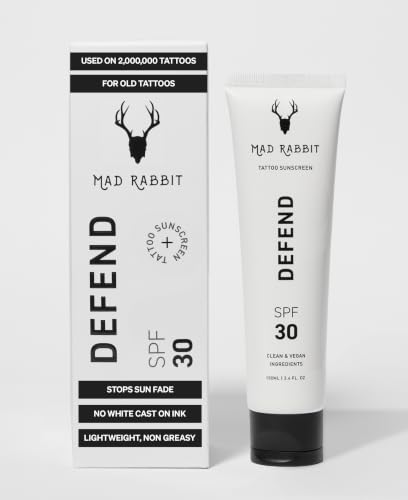
FOR ALL SKIN TYPES, INKED OR NOT - This daily, 100% mineral sunscreen works hard to protect skin and tattoos from the damage caused by exposure to harmful UVA & UVB rays.
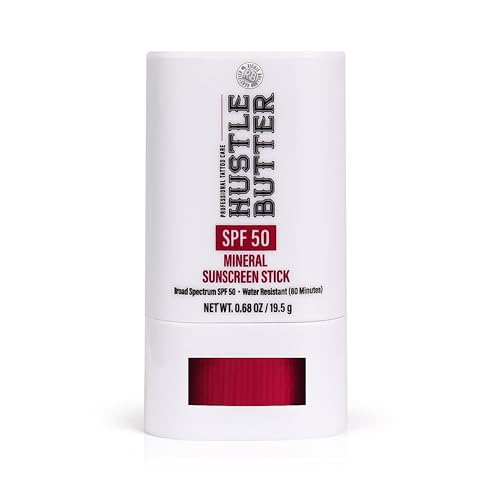
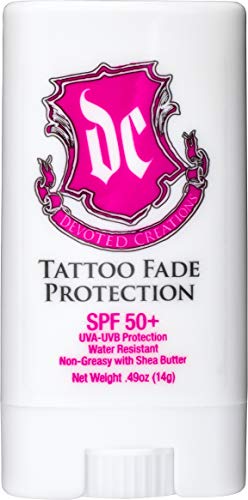
Tattoo Sun Protection, SPF 50: Our tattoo sunscreen stick provides broad-spectrum UVA/UVB coverage, preventing sun damage and fading, keeping tattoo ink vibrant and sharp.
How Fine Line Tattoos Look After 5–15 Years
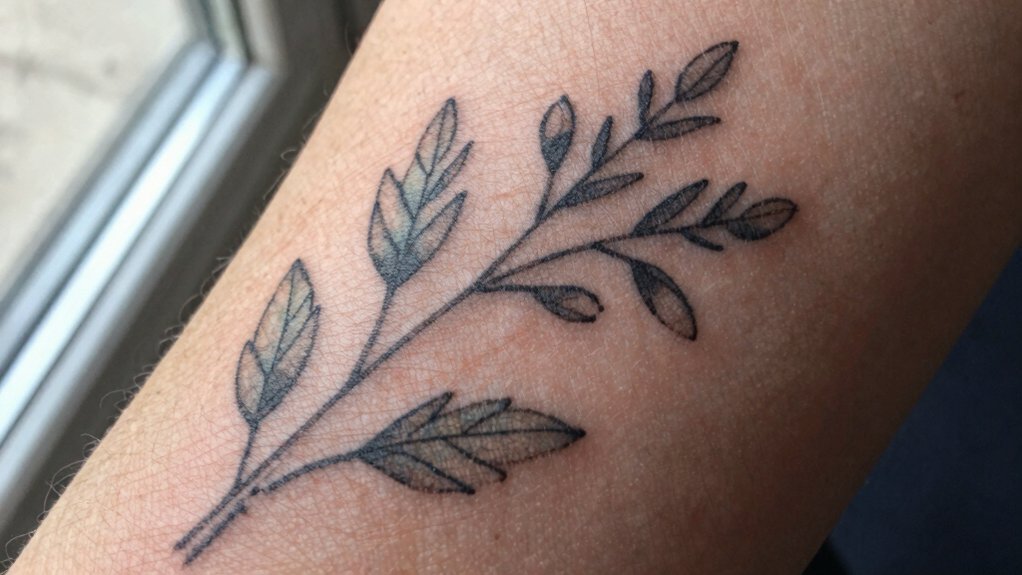
After five years, your fine line tattoo has settled into a softer version of itself—lines that once cut sharp now blur at the edges, details merge, and contrast drops considerably. You’ve watched this transformation unfold gradually; what once demanded attention now whispers.
By the ten-year mark, your tattoo’s changed more dramatically. Delicate shading has flattened into uniform gray. Individual needles’ work has become indistinguishable. You’ve noticed tiny gaps where ink dispersed beneath your skin. Your once-intricate piece reads simpler, more iconic than detailed.
At fifteen years, you’re seeing the real test. Some lines hold; others surrender entirely. You’ve learned placement matters—sun-exposed areas surrender faster. You’ve considered touch-ups, weighing fresh ink against altered skin texture. Your tattoo tells two stories now: original intent, plus years you’ve carried it.
Recommended Products

Protect Your Body Art: Moisturizing with the bonus of itch relief! Tattoo Goo's Tattoo Care Lotion soothes healing skin & keeps healed ink looking sharp for life. With olive oil & glycerin, it delivers deep, breathable hydration that won’t clog pores

16-fluid ounce bottle of Lubriderm Fragrance Free Daily Moisture Lotion + Pro-Ceramide, Shea Butter and Glycerin to help restore skin's moisture barrier for healthier-looking skin

Deep Healing & Repair – Accelerates tattoo recovery by hydrating and soothing skin, reducing redness, itching, and irritation after tattooing.
Where Fine Lines Fade Fastest on Your Body
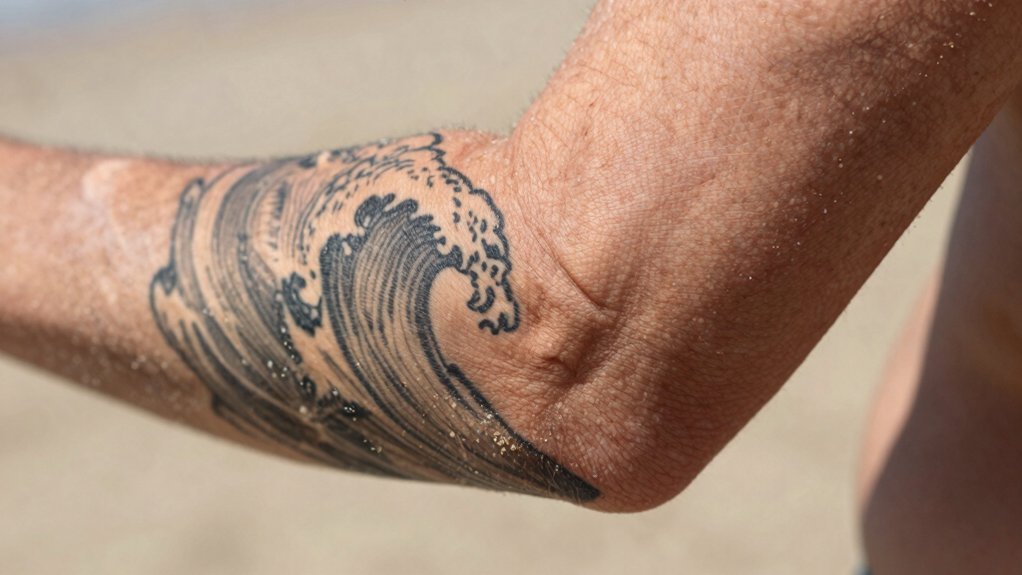
Your fine line tattoo won’t fade evenly across your body—certain locations accelerate aging dramatically. You’ll notice the fastest deterioration on your hands, fingers, and feet. These areas endure constant friction from daily tasks, washing, and sun exposure without protection. Your palms and soles shed skin rapidly, pushing ink out faster than anywhere else.
You’ll also see quicker fading where skin stretches and moves frequently. Your wrists, elbows, knees, and ankles bend thousands of times daily, breaking down delicate lines. Your inner lip and tongue tattoos fade within months from saliva and cellular turnover.
You can’t fully prevent this, but you’ll extend your tattoo’s life by avoiding these high-risk spots. Choose your upper arm, thigh, or back instead. These stable, protected areas preserve fine lines significantly longer, giving your artwork the best chance to endure.
Recommended Products

Package: 50pcs mixed tattoo cartridge needles, includes 10pcs each of 1203RL, 1205RL, 1207RL, 1209RL, 1211RL.

Poseidon cartridge adopt a one-time joint design hygienic standard The material is stainless steel and easy to color,and has better ink flow

Complete Packaging: 50pcs mixed size tattoo cartridge needles set, includes 5pcs each of 1205RL 1207RL 1209RL 1205RS 1207RS 1209RS 1207RM 1207M1 1215M1 1215RM. The unique design of the needle can store more ink, and the sharp needle thread better completes tattoo activities, suitable for both professional tattoo artists and beginners.
Why Needle Depth and Ink Density Make or Break Fine Lines
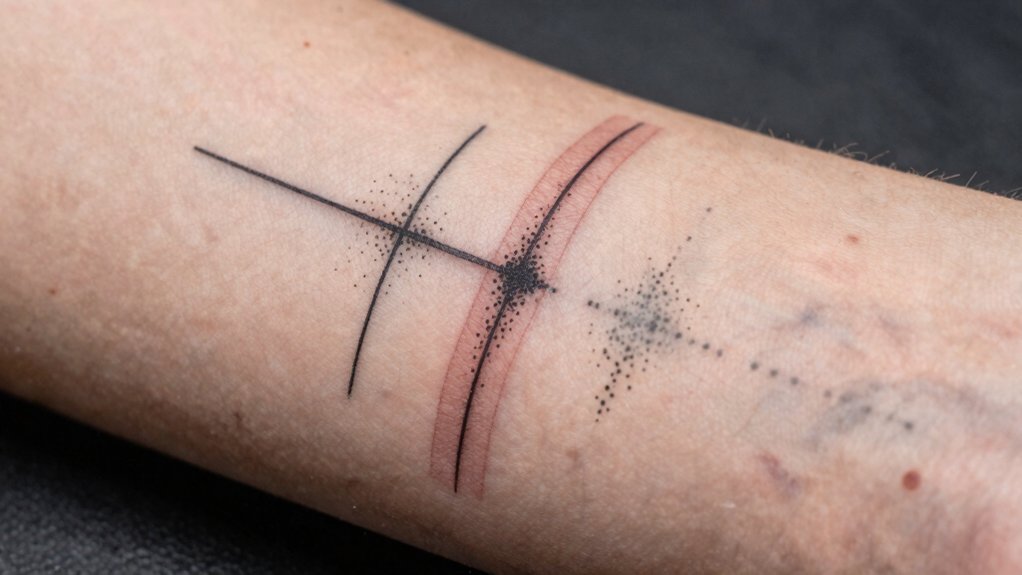
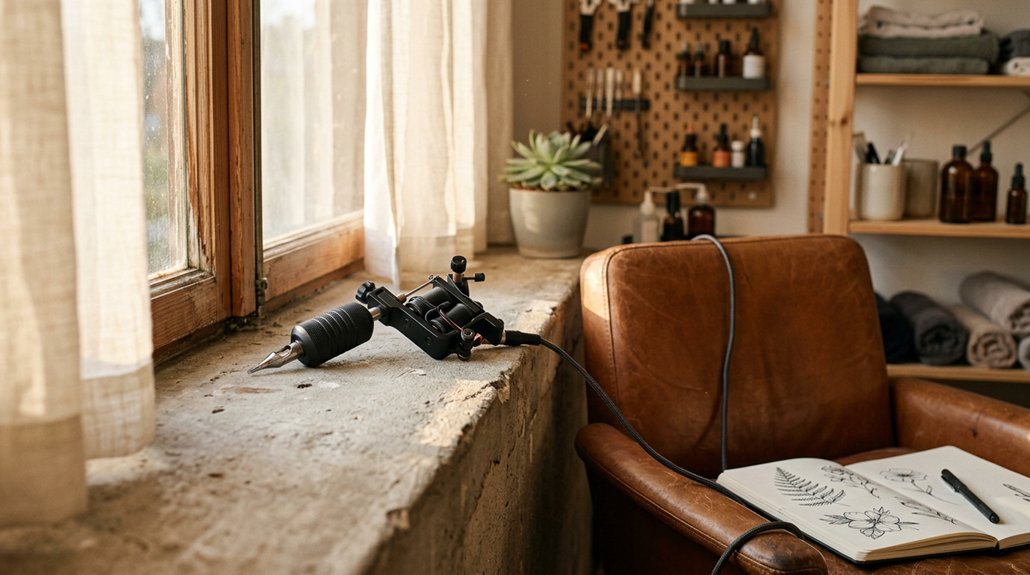
Placement determines how long your fine line tattoo survives, but it won’t matter if your artist doesn’t nail the technical execution. You need to understand how needle depth controls your results. When an artist pushes too shallow, you’re left with ink that sloughs off during healing. They go too deep, and your lines blow out into blurry shadows. You’ve got to find someone who knows the sweet spot in the dermis.
Ink density matters just as much. Your artist must pack enough pigment to saturate the line without overworking your skin. They’ll build density through precise passes, not heavy-handed trauma. You can’t fix poor saturation later. Thin lines leave zero margin for error, so you should verify your artist’s portfolio shows consistent, crisp healed work before you commit.
Recommended Products

Work for both hands - Huion Artist Glove with two fingers; The package includes one unit of glove which can be used on both hand, free size; 20cm in length, 8cm in width.

Note: The 2 finger artist glove CAN'T avoid the palm being sensed by your device, it only as a buffer between hand and device so that your hand can slide easier. Please close the built-in palm detect function before you start drawing if your device have.

Complete Starter Tattoo Kit: Includes an aluminum alloy rotary tattoo pen, power supply, foot pedal, RCA cord, 20 cartridge needles, 8 bottles of 30ml ink, 2 transfer papers, practice skin, 40 ink caps, grip cover, gloves
How to Care for New Fine Lines in the First Month
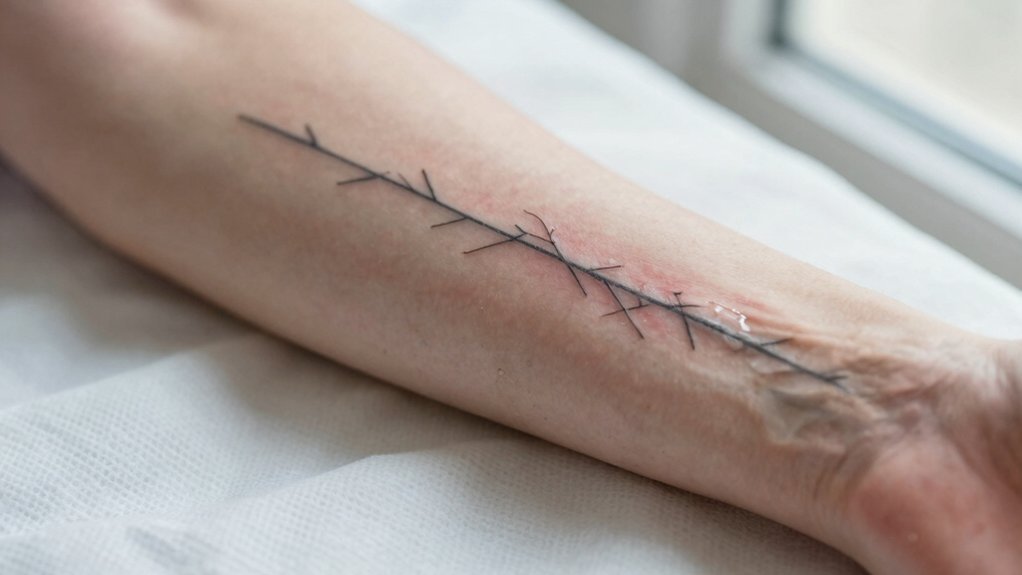
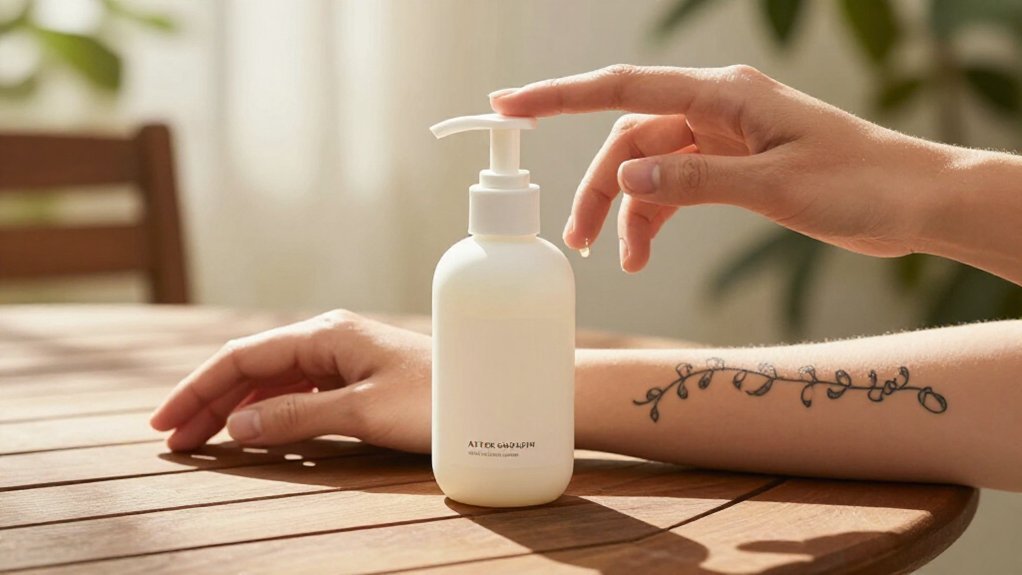
Where do you start when your fresh fine line tattoo needs protection? You begin immediately after your artist peels off that final bandage. You wash your hands, then gently cleanse the area with fragrance-free soap and lukewarm water. You pat it dry—never rub.
You apply a thin layer of your artist’s recommended aftercare ointment twice daily. You resist picking scabs or scratching itchiness; you’re protecting fragile lines that haven’t settled. You wear loose clothing over the spot and keep it out of direct sunlight, chlorine pools, and soaking baths.
You moisturize as healing progresses, switching to unscented lotion. You sleep on clean sheets and avoid gym equipment touching fresh ink. You monitor for infection signs—spreading redness, warmth, pus—and contact your artist or doctor promptly. Your careful attention now determines how crisply these delicate lines endure.
Recommended Products

COMPLETE AFTERCARE KIT FOR NEW & EXISTING TATTOOS: This Tattoo Aftercare Kit brings together 3 essentials, Antimicrobial Soap, Tattoo Balm, and Tattoo Lotion, to help cleanse, protect, and moisturize fresh ink. Useful after tattoo sessions and throughout healing, it supports vibrant color and skin comfort for dedicated ink enthusiasts and artists
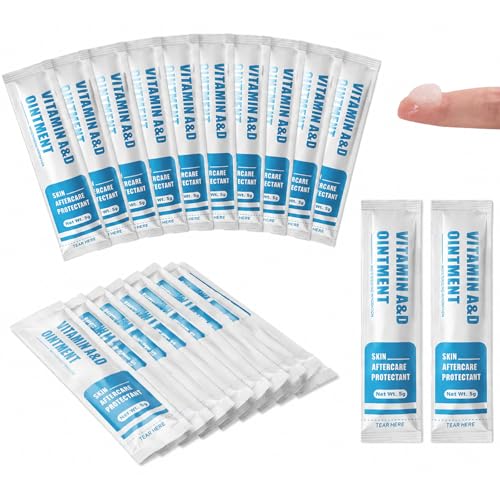
Honest, Accurate Care – This protective ointment comes in 50 hygienic single-serve packets for mess-free, on-the-go convenience. Easy to apply for tattoo protection anytime.

1. Healthy and Effective - The tattoo aftercare ointment contains natural Vitamin A and Vitamin D as well as skin-soothing plant ingredients. which can Effective Nourish Your Skin.
How Aging Skin Affects Fine Line Tattoos Long-Term
How drastically will time reshape the delicate artwork you’ve so carefully preserved?
As you age, your skin loses collagen and elasticity. The dermis thins, and sun exposure accelerates this breakdown. Fine lines blur because there’s less structural support holding pigment in place. You’ll notice edges softening, details merging, and contrast diminishing.
Your tattoo doesn’t simply fade—it migrates. Pigment particles drift as skin cells turn over more slowly and repair mechanisms weaken. Where bold lines might hold their ground, your fine lines surrender faster to these changes.
You can’t stop this process, but you influence its pace. Moisturizing helps, and sunscreen matters enormously. Still, accept that your tattoo will evolve. The question isn’t whether aging affects your ink—it’s how gracefully you’ll watch transformation unfold.
Recommended Products

Water Resistant: Coppertone Sport SPF 100 sunscreen lotion is water resistant (80 minutes), and stays on strong when you sweat
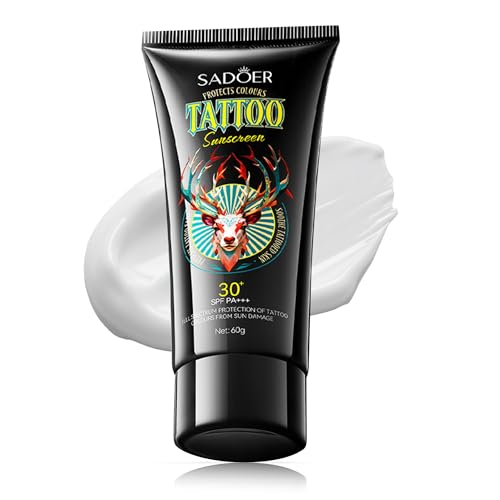
ULTIMATE SUN PROTECTION FOR TATTOOS & SKIN: Our advanced SPF 30+ formula delivers broad-spectrum UVA/UVB protection while locking in tattoo vibrancy. Suitable for all skin types – inked or uninked – its compact size fits your pocket easily, making it perfect for daily on-the-go protection.

Broad Spectrum Protection: SPF 33 mineral sunscreen with non-nano zinc oxide sits on top of the skin to create a shield against sun exposue at the source - defending tattoos from sun exposure and fading, and keeping your ink brighter and more vibrant over time.
Why Bold Lines Outlast Fine Lines: Most of the Time
Why do bold lines cling on while your fine lines drift away? Bold lines pack more pigment density into your skin. When your immune system attacks the ink over time, thick reservoirs of color remain visible longer. Fine lines deposit minimal pigment, so your body clears them faster.
Bold lines also withstand skin changes better. As you age and your skin loses elasticity, thick borders maintain their shape while delicate details blur and spread. The wider surface area resists the migration that distorts finer work.
Sun exposure hits fine lines harder too. UV rays break down ink particles, and sparse pigment offers little buffer. Bold lines absorb damage without disappearing.
Your aftercare matters, but physics favors width. Bold lines simply give your skin more to hold onto through decades of renewal and wear.
Recommended Products

TATTOO AFTERCARE LOTION: After Inked Tattoo Lotion brings hydration and nourishment to your tattooed skin. Formulated with grape seed oil, which helps maintain vibrant ink colors while pacifying the skin and promoting moisture retention.

Tattoo Aftercare Lotion with Rapid Absorption: Our tattoo lotion aftercare is specifically formulated for quick absorption, promoting non-greasy application while aiding swift tattoo healing. This advanced formula ensures your skin receives optimal care during the critical post-tattoo period.

24-hour results: Clinically proven to help moisturize dry skin for 24 hours** with Pro-Ceramide and glycerin, this hydrating lotion helps strengthen your skin’s natural moisture barrier for healthier-looking, hydrated skin
How to Find a Fine Line Artist Who Delivers
What separates a fine line tattoo that holds its ground from one that disappears within months? The artist’s skill. You’ll need to dig deep before booking.
Start by examining healed photos, not fresh work. Request to see pieces that are six months to a year old. If the artist hesitates, walk away.
Check their portfolio for consistent line weight and saturation. Look for crisp edges without blowouts. You should also read reviews mentioning longevity, not just aesthetics.
Ask directly about their needle groupings and machine setup. Experienced artists won’t mind explaining their technique.
Book a consultation and gauge their confidence. Do they discuss aftercare thoroughly? Do they warn you about placement risks?
Trust your instincts. A skilled fine line specialist proves their worth through transparency and proven results.
Recommended Products

Mast Pro purple tattoo cartridges needles have been providing with high density clear plastic body.
Mast Pro purple tattoo cartridges needles have been providing with high density clear plastic body.
Mast Pro purple tattoo cartridges needles have been providing with high density clear plastic body.
Conclusion
Fine line tattoos can last if you’re smart about placement, artist selection, and aftercare. You’ll see softening within months, but proper technique and sun protection buy you years. High-friction areas accelerate fading, while bold lines generally outlast delicate work. Commit to touch-ups every few years and choose an experienced artist. Your skin biology ultimately decides, but informed choices maximize longevity.
Recommended Products

TATTOO-GRADE NITRILE GLOVES – Saniderm's premium, medical-grade nitrile gloves are crafted specifically for tattoo artists. These gloves offer superior durability and resistance against tattoo studio hazards, ensuring hands remain clean and tattoos stay cleaner.
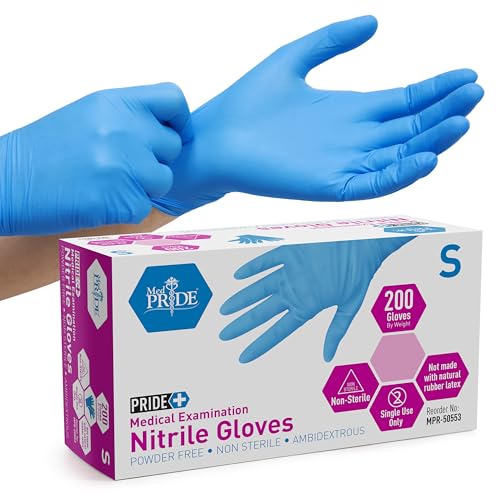
HEAVY DUTY STRENGTH: Created with medical grade synthetic rubber, the Medpride disposable gloves offer higher puncture resistance, are highly stretchable and mighty durable as they feature a beaded handcuff design.
Note: The 2 finger artist glove CAN'T avoid the palm being sensed by your device, it only as a buffer between hand and device so that your hand can slide easier. Please close the built-in palm detect function before you start drawing if your device have