
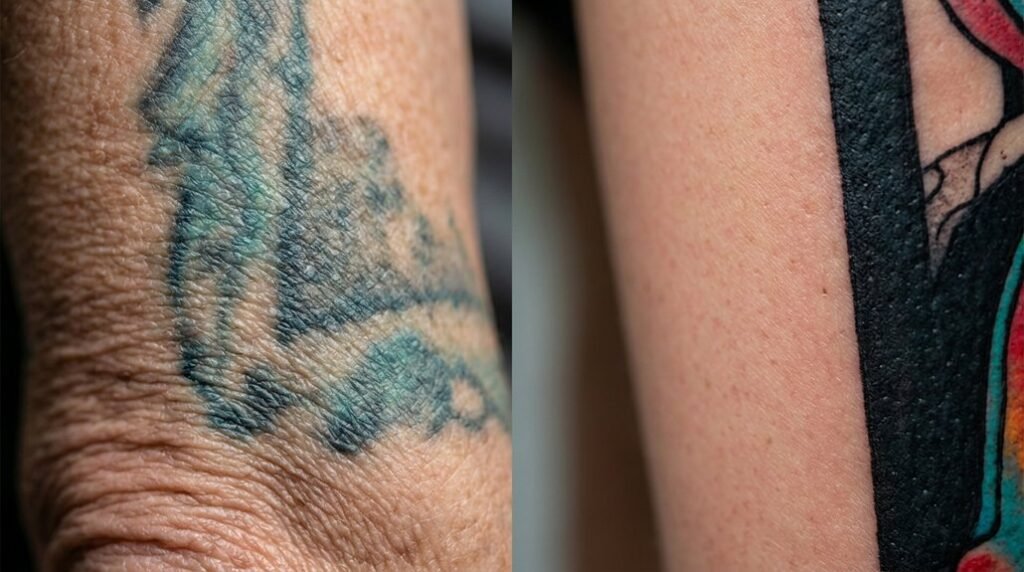
You might think your tattoo is permanent, but your body has other plans. From the moment the needle stops, your immune system begins breaking down those ink particles, while sunlight, aging skin, and daily friction quietly work against you. Some tattoos fade faster than others, and the reasons aren’t always obvious. Before you commit to your next piece, you’ll want to understand exactly what’s working against your ink—and whether you can stop it.
Key Takeaways
- Ink sits in the dermis, where immune cells gradually digest and disperse pigment particles over time.
- UV radiation breaks down tattoo ink through photodegradation, with darker colors fading faster than lighter ones.
- Body placement affects fading speed, with high-friction areas like hands, feet, and joints losing pigment quickest.
- Low-quality ink and poor aftercare during healing accelerate patchiness, blurring, and premature color loss.
- Natural aging causes collagen breakdown and skin stretching that distorts and diffuses tattoo pigment further.
Recommended Products

Tattoo-Safe Mineral Formula: Our tattoo sunscreen lotion uses non-nano zinc oxide, a physical barrier that sits on the skin to block UVA/UVB rays without penetrating or irritating tattoos. This helps prevent fading, discoloration, or damage to tattoo ink caused by sun exposure.
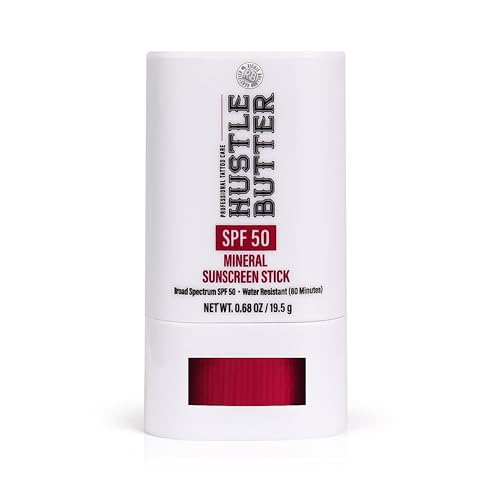
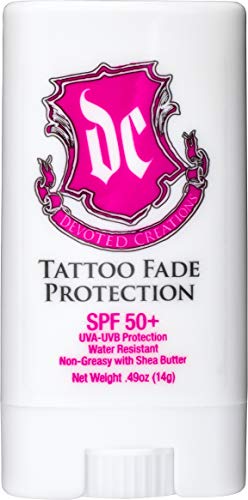
Tattoo Sun Protection, SPF 50: Our tattoo sunscreen stick provides broad-spectrum UVA/UVB coverage, preventing sun damage and fading, keeping tattoo ink vibrant and sharp.
How Tattoos Work: and Why They Eventually Fade
Ever wonder why that fresh ink sits permanently in your skin? You push pigment beneath your epidermis, where it lodges in your dermis—that middle layer stable enough to hold color. Your immune system spots these particles as intruders. White blood cells engulf them, but you picked particles too large to digest. They remain trapped, visible through your translucent upper skin.
But you don’t get truly permanent art. Over decades, your body slowly wins its partial victory. Macrophages chip away at particle edges. Some ink migrates deeper or drifts toward lymph nodes. Your dermis reorganizes with age, scattering pigment more diffusely. You also shed and regenerate millions of skin cells yearly, gradually drawing color upward where it fades or flakes away. Your tattoo doesn’t vanish—it simply disperses.
Recommended Products

ZINC OXIDE-ONLY SUNSCREEN - Protect sensitive skin with Blue Lizard Sensitive Mineral Sunscreen Stick SPF 50. Formulated with Zinc Oxide, it contains no harsh chemical active ingredients that might irritate sensitive skin.

ZINC SUNSCREEN STICK YOU CAN SEE WORKING: Light Skin Tone SPF 50+ mineral sunscreen creates a visible physical barrier on your face so you know exactly where protection is applied; zinc oxide and titanium dioxide sit on the skin surface reflecting UV rays instead of absorbing into skin like chemical sunscreens

Vibrant Colored Sun Protection: Stand out while staying protected with Zinka's bold-colored zinc oxide nosecoat—ideal for surfers, snowboarders, and outdoor enthusiasts needing visible, targeted UVA/UVB defense.
Why Sunlight Destroys Tattoo Ink (and How Much Protection You Actually Need)
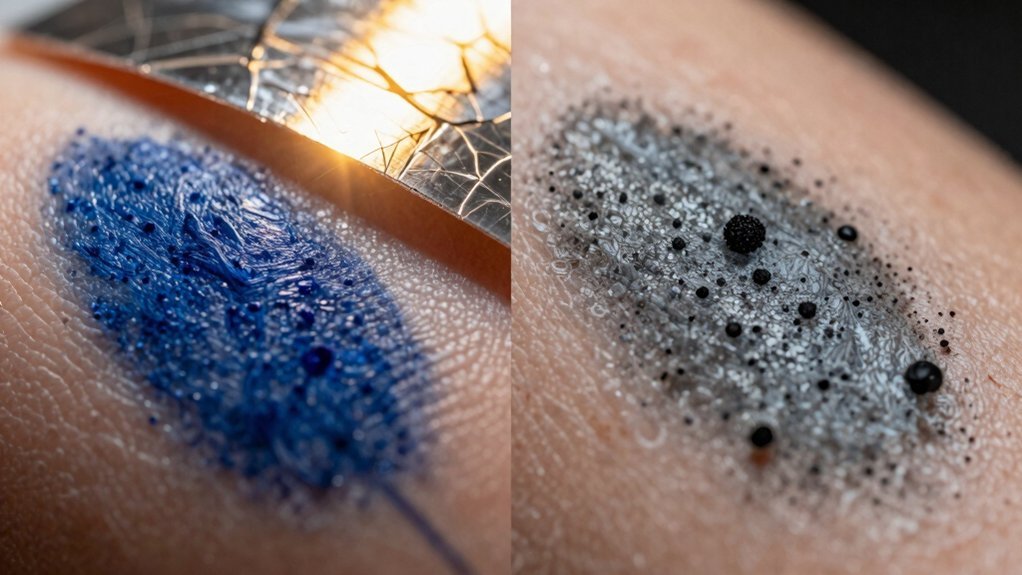
Your tattoo faces another threat beyond your body’s slow siege: the sun. UV radiation breaks down tattoo ink particles through photodegradation, shattering the pigments your immune system then carries away. Darker inks absorb more light and fade faster, while lighter colors simply vanish under persistent exposure.
You don’t need to hide indoors forever. Apply SPF 30 or higher daily, even through windows and clouds. Reapply every two hours when you’re outside. Physical sunscreens with zinc oxide create a reflective barrier that outperforms chemical alternatives for ink protection. Clothing blocks UV rays completely—long sleeves beat any lotion.
Your fresh tattoo demands absolute avoidance during healing, but protection remains critical for years afterward. You’ve invested in permanent art; don’t let daily sun exposure steal it.
Recommended Products

COMPLETE AFTERCARE KIT FOR NEW & EXISTING TATTOOS: This Tattoo Aftercare Kit brings together 3 essentials, Antimicrobial Soap, Tattoo Balm, and Tattoo Lotion, to help cleanse, protect, and moisturize fresh ink. Useful after tattoo sessions and throughout healing, it supports vibrant color and skin comfort for dedicated ink enthusiasts and artists
Net Weight and Dimensions: Each tube holds 7 oz. (198 g) of ointment, and measures approximately 19.9 x 5.7 x 5.2 cm; ideal for portability and easy storage

PROTECT & HEAL - H2Ocean Aquatat seals the skin in a moisturizing barrier to protect from irritants while still allowing the skin to breathe. Aquatat will also heal topical wounds on skin such as tattoos, rashes, cuts and scrapes while minimizing scabbing.
The Body Parts Where Tattoos Fade Fastest
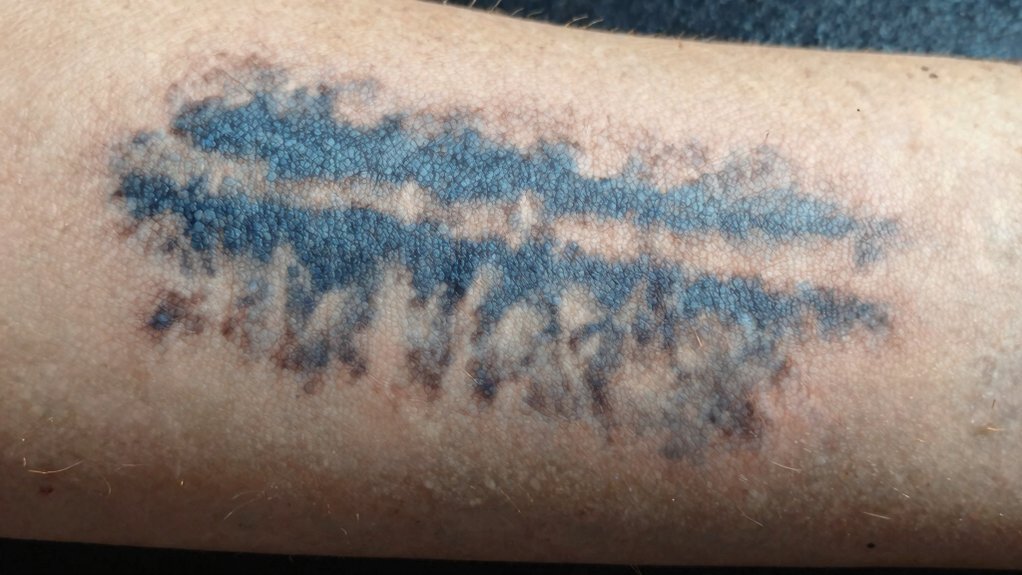
Where do tattoos surrender first? Your hands and feet wave the white flag fastest. You’re constantly washing, scrubbing, and exposing these areas to friction. Your fingers bend thousands of times daily, cracking and reshaping the ink beneath. Your feet pound pavement, trap moisture in socks, and shed skin cells rapidly.
Your elbows and knees don’t fare much better. You’re leaning, kneeling, and flexing these joints constantly. The skin stretches and compresses, breaking apart pigment particles over time.
Your armpits and inner thighs suffer too. You’re creating friction with every step and arm swing. Sweat and chafing accelerate the breakdown.
Your lips and mouth area? You’re eating, drinking, talking, and regenerating mucosal tissue constantly. That cellular turnover devours ink quickly.
Choose placement wisely. You’ll watch some tattoos age gracefully while others blur into shadows within years.
Recommended Products
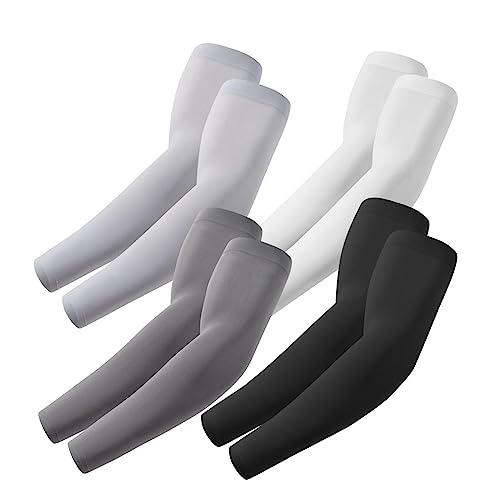
Roxun cooling arm sleeves provide a seamless, snug fit, thanks to the durable blend of 90% nylon and 10% spandex. Forget about constant adjustments or circulation issues

【UV Protection & Cooling Comfort】UPF 50+ blocks 98% UVA/UVB — ideal sun sleeves for gardening/driving. Lightweight fabric wicks sweat, stays fresh as cooling arm sleeves

ULTIMATE UV PROTECTION: With UPF 50 protection, Achiou uv arm sleeves for men sun protection block more than 98% of harmful UVA and UVB rays. So, you won’t get sunburn while you’re outdoors
How Cheap Ink Costs You Later
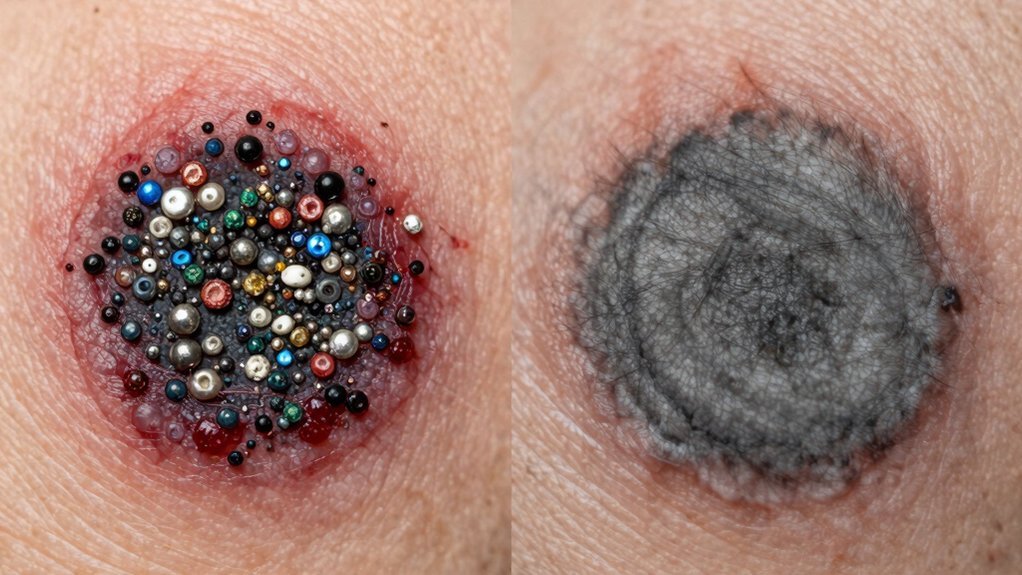
Because you’re staring at a bargain price tag, you mightn’t realize you’re buying future regrets. Cheap ink lacks the pigment concentration and quality binders that professional-grade formulas contain. Manufacturers cut costs with diluted pigments, questionable carriers, and inconsistent particle sizes. Your skin pays the price.
When an artist injects inferior ink, your immune system attacks and disperses those unstable particles faster. The colors bleed, blur, or vanish within months instead of years. Blues turn muddy. Reds fade to pink ghosts. Blacks soften to uneven grays. You notice patchy spots where the ink never settled properly.
You then face expensive cover-ups, laser removal sessions, or complete reworks. Skilled artists charge more because they’re using trusted, sterile, proven inks. You’re not just paying for their time—you’re investing in permanence. Save the bargain hunting for groceries, not your skin.
Recommended Products

💕【16 Sheets Mixed Style】--VANTATY 3D Rose Flowers Temporary Tattoos For Women Men Adults Body Art Stickers Look Real! Watercolor Rose Peony Lotus Floral Temporary Tattoos For Hands Fingers, Realistic Goldfish Lace Cat Butterfly Feather Jewelry Necklace Pendant Tattoos For Foot Feet Legs Temp Tatoos Decals.【Click Our Store/brand Name To See More Fashion Designs】

💕【20 Sheets Mixed Style】--VANTATY Lovely Cute Black Temporary Tattoos For Women Men Adults Body Art Stickers Look Real! Tiny Infinity Geometric Arrow Smile Face Flowers Crescent Moon Sun Stars Temporary Tattoos For Hands Fingers, Realistic Small Butterfly Love Heart Mountain Birds Feather Snake Cat Dog Tattoos For Ear Neck Arm Hands Temp Tatoos Decals.【Click Our Store/brand Name To See More Fashion Designs】

Protect Your Body Art: Moisturizing with the bonus of itch relief! Tattoo Goo's Tattoo Care Lotion soothes healing skin & keeps healed ink looking sharp for life. With olive oil & glycerin, it delivers deep, breathable hydration that won’t clog pores
How Aftercare Mistakes Accelerate Fading
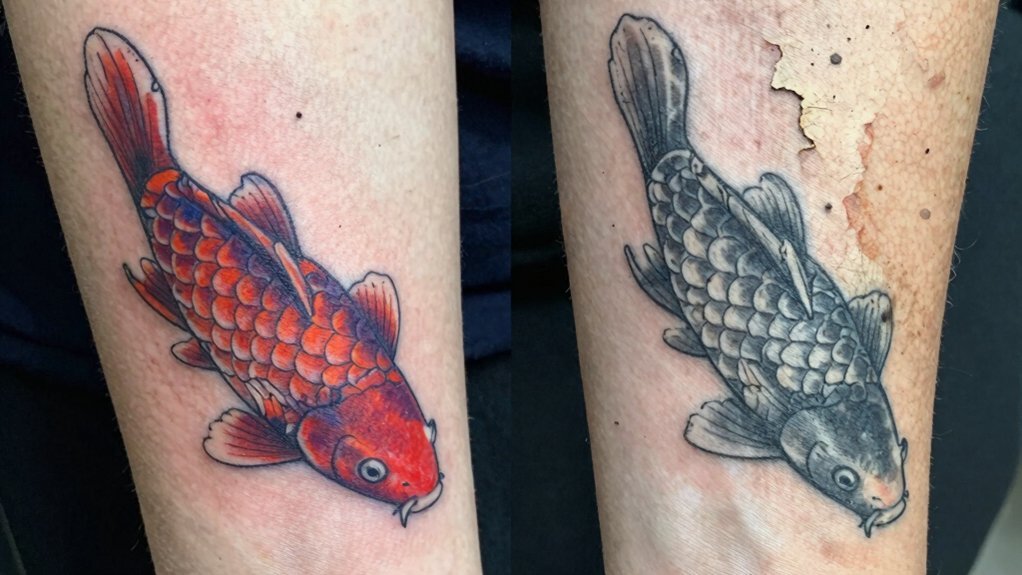
How quickly can a fresh tattoo lose its punch? You’ve got about two weeks to get it right, and you’re already making mistakes.
You skip the moisturizer. You scratch when it itches. You submerge it in bathwater or let your gym buddy’s sweat pool against the fresh ink. You’re peeling scabs because they annoy you. Each mistake pulls pigment out before it’s locked in.
You think you’re helping by over-washing with harsh soap. You’re not. You’re stripping protective plasma and forcing deeper layers to crust too early. You sunbathe because you’ve got a beach trip planned—you’re literally baking the ink out.
You ignore your artist’s instructions because you’ve “read online” that dry healing works faster. It doesn’t. It leaves you patchy, gray, and back in the chair for expensive fixes you could’ve avoided.
Recommended Products

BLOCKS 98% OF UV RAYS: These UPF 50+ sun sleeves shield your arms on a long bike ride, a round of golf, or a full day on the job, ditching the greasy reapply-every-hour sunscreen routine.

POWERFUL MINERAL SUNSCREEN - Protect sensitive skin from the sun’s harmful rays with Blue Lizard Sensitive Mineral SPF 50 Sunscreen Lotion it contains no harsh chemical active ingredients that might irritate sensitive skin.

POWERFUL MINERAL SUNSCREEN - Protect sensitive skin from the sun’s harmful rays with Blue Lizard Sensitive Mineral SPF 50 Sunscreen Lotion it contains no harsh chemical active ingredients that might irritate sensitive skin.
How Tattoos Change as You Get Older
Even if you nail the aftercare, time still wins. Your skin doesn’t stay the same forever, and neither does your ink.
As you age, your skin loses elasticity and thins out. Collagen breaks down, and that once-tight canvas stretches, sags, and wrinkles. Your tattoo distorts right along with it—lines blur, details soften, and bold colors mute into pastels. What sat sharp on your twenty-year-old arm looks fuzzy on your sixty-year-old skin.
Sun exposure accelerates this, but aging itself drives the change. Your immune system keeps attacking that foreign pigment, and decades of cellular turnover slowly diffuses the ink. You can’t stop biology. You can only watch your tattoo settle into your skin’s history, becoming a faded map of who you’ve been.
Recommended Products

CLASSIC WHITE ZINC FOR MAXIMUM VISIBLE COVERAGE: White SPF 50+ mineral sunscreen creates the iconic zinc look on nose, cheeks, and lips so you never miss a spot; zinc oxide and titanium dioxide sit on the skin surface forming a physical UV shield you can actually see working in real time

FOUR BRIGHT COLORS KIDS WANT TO WEAR: Pink, Blue, Green, and Yellow zinc sticks turn sun protection from a battle into a game; each 12g stick is SPF 50+ mineral sunscreen with zinc oxide and titanium dioxide that physically blocks UV by sitting on the skin surface

HIGH SPF 50+: Provides powerful SPF 50+ broad-spectrum protection against UVA and UVB rays, ensuring maximum safety from the sun. Don't risk sunburn with our Zinc Powered Sunblock Stick.
Can a Faded Tattoo Be Fixed? Your 3 Options
Your tattoo’s faded, but you aren’t stuck with it. You’ve got three solid paths forward.
First, you can get a touch-up. Your original artist—or a skilled new one—re-inks the design, restoring its original vibrancy. This works best for tattoos that’ve simply lost color over time.
Second, you can choose a cover-up. An experienced artist transforms your faded piece into something fresh, using strategic new ink to mask the old. You’ll need flexibility with the new design, though.
Third, you can explore laser removal. Multiple sessions break down the remaining pigment, lightening the tattoo considerably or removing it entirely. This costs more and takes longer, but it gives you a clean slate.
Each option demands research. Check portfolios, read reviews, and consult professionals before you commit. Your skin—and your satisfaction—deserve that care.
Recommended Products

STICK APPLICATION, ZERO MESS: Twist up the tattoo balm stick, swipe directly over the tattoo, and blend as needed. No jar to open, no fingers scooping product, and no need to carry a separate applicator. The solid stick format is easy to keep in a bag, bathroom cabinet or travel kit, making care simple at home or on the go. It gives you controlled application exactly where you want moisture, with less mess than traditional balm jars. Great for quick touch-ups whenever tattooed skin feels like it needs extra care, at home, after work or while traveling.
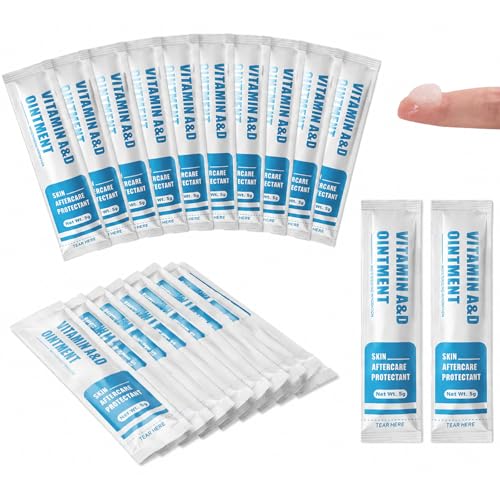
Honest, Accurate Care – This protective ointment comes in 50 hygienic single-serve packets for mess-free, on-the-go convenience. Easy to apply for tattoo protection anytime.

Upgraded Design, Easy to Use --- Tattoo aftercare balm comes in a tube,this container allows you to glide on the butter easily,Rolls on smoothly and evenly on your skin,No more mess or residue on your finger,convenient to use
How to Slow Tattoo Fading: A Prevention Checklist
What steps can you take to keep ink sharp for decades? You protect fresh ink diligently. You’ll keep new tattoos bandaged initially, then wash gently with fragrance-free soap. You’ll apply thin layers of recommended ointment, avoiding suffocating thick coats. You’ll resist scratching during healing, picking scabs that lift pigment.
After healing, you’ll moisturize daily with quality lotion. You’ll slather SPF 30 or higher on exposed tattoos, reapplying every two hours outdoors. You’ll seek shade during peak sun hours, knowing UV rays break ink fastest.
You’ll maintain stable weight when possible, preventing skin stretching that distorts lines. You’ll stay hydrated, supporting skin elasticity. You’ll choose clothing that shields ink during prolonged sun exposure.
You’ll examine fading annually, touching up before deterioration accelerates. You’ll prioritize prevention over costly corrections later.
Recommended Products

Ultimate Protection: Our sun protection sleeves block over 98% of harmful sun rays, offering superior protection against sunburn and skin damage. Ideal for any outdoor activity.
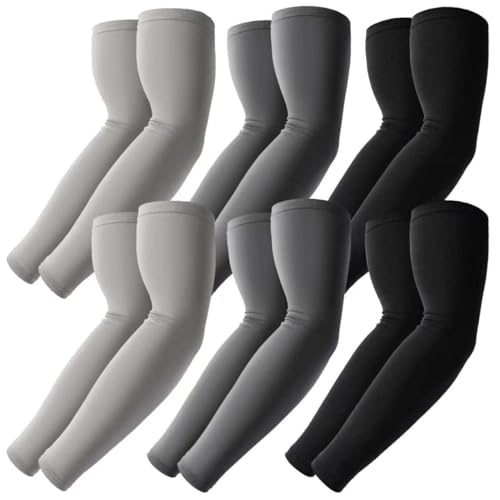
【Many Features】Our arm sleeves for men women are added with anti-UV ingredients, which can truly block ultraviolet rays and prevent skin sunburn and aging. In addition to UPF50+, our compression sleeves also have high elasticity, anti-pilling, covering tattoos, non-fading, moisture-wicking, non-slip, chemical-free,etc. We carefully polish the quality of the compression arm sleeves for men women to create unique BHYTAKI arm sleeves, so that you can use them with peace of mind and satisfaction.
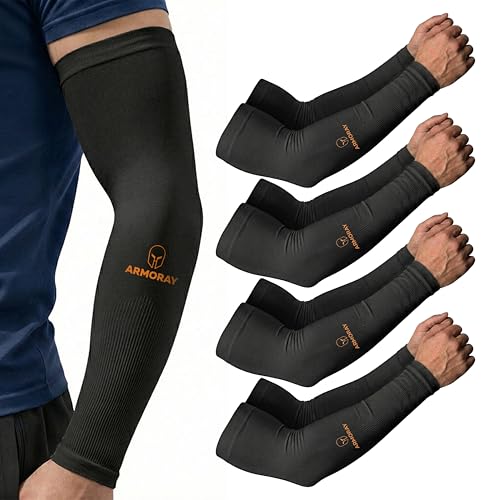
ULTIMATE Sun Protection: Designed with UV protective fabric to help shield your skin during outdoor activity. Ideal as sun sleeves for men and women for running, cycling, golf, and everyday use under direct sunlight.
What to Ask Your Artist Before Your Next Session
Prevention only goes so far when the ink itself isn’t built to last. You need to vet your artist’s materials before you commit.
Ask what brand of ink they use. You want names with solid reputations, not mystery bottles. Question their pigment sources—do they use organic or inorganic compounds? Inorganic iron oxides typically resist UV breakdown better.
Inquire about their needle depth technique. They should explain how they balance saturation without overworking your skin. Overpacking damages tissue; underpacking leaves patchy color.
Request to see healed photos of their work from one, five, even ten years back. Fresh tattoos lie. Faded ones tell the truth.
Don’t feel awkward pressing for specifics. You’re wearing this forever. A professional welcomes educated clients who care about longevity.
Recommended Products

★HIGH QUALITY MATERIAL: The tattoo foot pedal is made of Stainless Steel 360 design, Heavy Duty Quality Equipment meant to last!

Nourishes Healing Ink for Vibrant Color: Tattoo Goo supports healing tattoos & maintains vibrancy on healed ink with a lightweight formula rich in olive oil, lavender oil, cocoa butter, and beeswax. It absorbs quickly, moisturizes deeply, and helps reduce dryness, itch and tightness so your tattoo looks and feels comfortable through everyday routines

Nourishes Healing Ink for Vibrant Color: Tattoo Goo supports healing tattoos & maintains vibrancy on healed ink with a lightweight formula rich in olive oil, lavender oil, cocoa butter, and beeswax. It absorbs quickly, moisturizes deeply, and helps reduce dryness, itch and tightness so your tattoo looks and feels comfortable through everyday routines
Conclusion
You can’t stop your tattoo from fading entirely, but you’re in control of how fast it happens. Protect it from the sun, invest in quality ink, and follow proper aftercare. Choose placement wisely and touch up when needed. Your tattoo’s longevity depends on the choices you make today.