
You might assume tattoo allergies show up immediately, but your body can surprise you. Reactions can emerge days after your session—or years later, long after you’ve forgotten the needle. Some colors pose higher risks than others, and even “safe” options aren’t guaranteed. The real question isn’t whether you can react, but whether you’d recognize the signs before they escalate.
Key Takeaways
- Yes, tattoo ink allergies occur when the immune system rejects pigment particles as foreign invaders.
- Red ink causes the most reactions, though yellow, blue, and green pigments also commonly trigger allergies.
- Symptoms include intense spreading redness, raised bumps, relentless itching, blisters, and heat beyond normal tattoo warmth.
- Reactions can appear within hours, weeks into healing, or even years after getting tattooed with no predictable pattern.
- Seek immediate medical care for difficulty breathing, facial swelling, hives beyond the tattoo, or rapidly worsening symptoms.
Recommended Products

Protect Your Body Art: Moisturizing with the bonus of itch relief! Tattoo Goo's Tattoo Care Lotion soothes healing skin & keeps healed ink looking sharp for life. With olive oil & glycerin, it delivers deep, breathable hydration that won’t clog pores

Nourishes Healing Ink for Vibrant Color: Tattoo Goo supports healing tattoos & maintains vibrancy on healed ink with a lightweight formula rich in olive oil, lavender oil, cocoa butter, and beeswax. It absorbs quickly, moisturizes deeply, and helps reduce dryness, itch and tightness so your tattoo looks and feels comfortable through everyday routines
Protect your Body Art: Getting inked takes a toll on your skin. What you lose in moisture, we give right back. Our formula mimics your skin’s natural hydration so it absorbs fast, works harder, and helps your skin recover faster
Is Your Tattoo Having an Allergic Reaction? Key Signs to Watch For
How do you know if your tattoo is healing normally or fighting back against the ink? You’ll notice clear differences if you’re paying attention. Normal healing brings mild redness, slight swelling, and manageable itching that fades within days. An allergic reaction pushes harder.
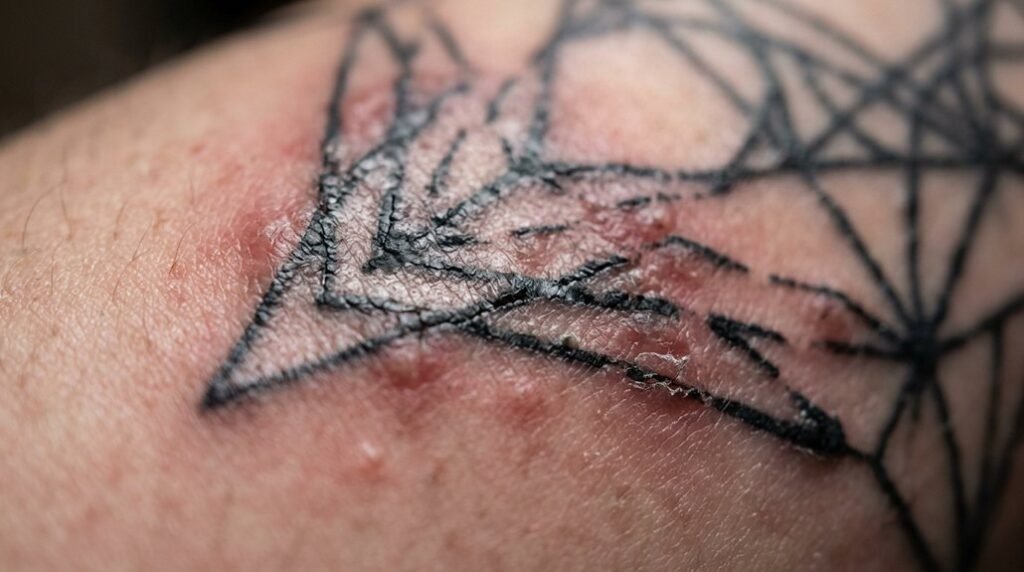
You’ll see intense, spreading redness that won’t retreat. Your skin develops raised bumps or thick, leathery patches right over the design. The itching transforms into something relentless—you’re scratching until you break skin. Fluid-filled blisters may surface, sometimes oozing clear or yellow discharge. Your tattooed area feels hot to touch, far beyond typical warmth.
Watch for color-specific trouble. Red and yellow inks trigger reactions most frequently. If symptoms worsen after two weeks or antibiotics fail to help, your immune system’s likely rejecting pigment particles. Don’t wait—contact your artist and dermatologist immediately when these signs emerge.
Recommended Products

The only Derm gel that goes on wet then dries in minutes forming a protective skin over your fresh tattoo its loaded with natural healing ingredients, its painless and washes off under warm water

TATTOO AFTERCARE LOTION: After Inked Tattoo Lotion brings hydration and nourishment to your tattooed skin. Formulated with grape seed oil, which helps maintain vibrant ink colors while pacifying the skin and promoting moisture retention.

TATTOO OINTMENT- INK-EEZE Pink Tattoo Ointment is a NON-Petroleum based ointment infused with essential oils. The formula was specifically developed by tattooers and skin care specialists for use as a lubricant during the tattoo process and collectors to use as an aftercare. A little goes a long way
How Soon Can Tattoo Allergies Appear? (Days, Months, or Years Later)
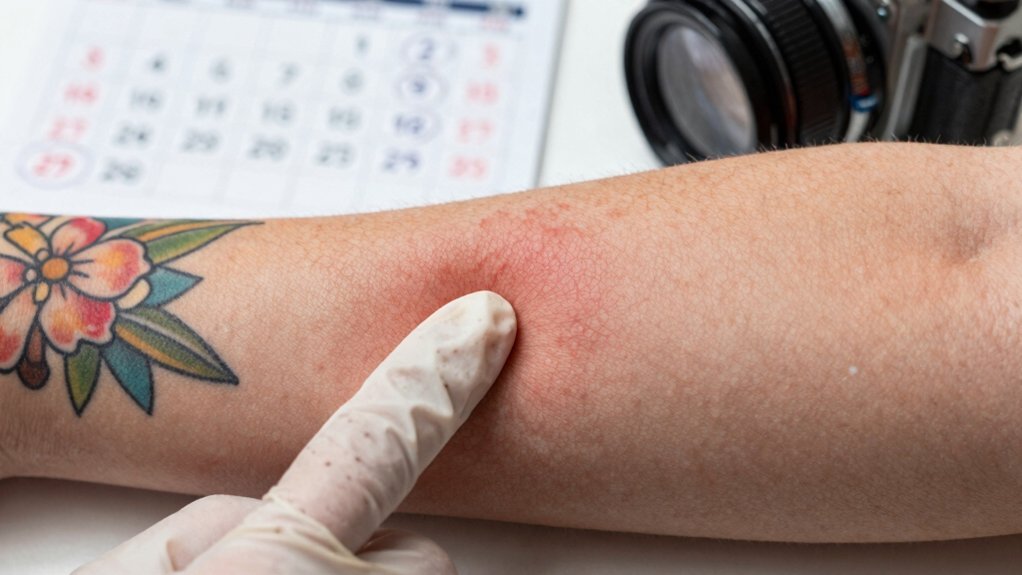
You’ve spotted the warning signs, but timing matters just as much as symptoms. Tattoo allergies don’t follow a predictable schedule. You might react within hours or days of getting inked, as your immune system immediately identifies the pigment as foreign. Sometimes you’ll develop sensitivity weeks later during the healing process when your skin barrier remains compromised.
Months or even years can pass before problems surface. You’ve had that sleeve for a decade, then suddenly itches and swells. This delayed reaction happens because your immune system gradually builds intolerance, or repeated sun exposure degrades the ink particles, triggering new responses. Previous tattoos might never bother you, yet your latest piece sparks inflammation immediately. There’s no reliable pattern—you can’t predict when your body will rebel against the pigment it once accepted.
Recommended Products

MADE IN THE USA SINCE 1990 — For over 30 years Dynamic Color has produced professional tattoo ink in the United States, an established American brand artists built their work on long before most imported labels existed.

❤️Professional-Grade Tattoo Ink: This tattoo ink is designed for professional tattoo artists and studio use, suitable for color filling, accents, and detailed tattoo elements.

Bold vivid red color with a high pigment load for consistent saturation on human skin
Which Tattoo Ink Colors Cause the Most Allergic Reactions?
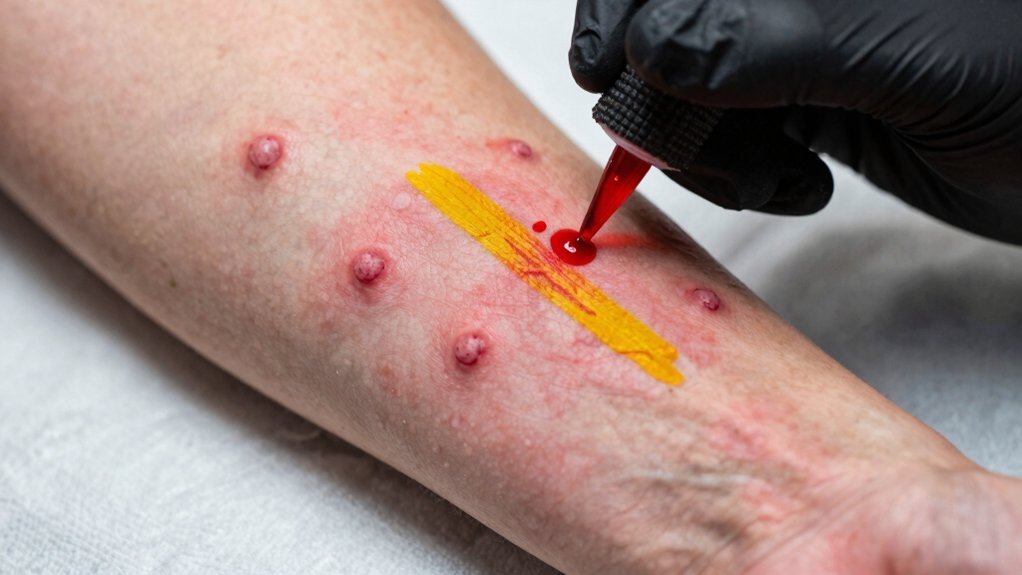
What ink sits in your skin matters more than you might think. Not all tattoo pigments carry equal risk, and you’ll find certain colors provoke your immune system more aggressively than others.
Red ink leads the pack in allergic reactions, though you’ll also encounter problems with yellow, blue, and green pigments. Black ink tends to be the safest choice since it’s often carbon-based rather than derived from heavy metals or organic compounds.
You’ll notice brighter, more vibrant colors usually contain more problematic ingredients—cadmium in yellows, chromium in greens, cobalt in blues. These metal salts can trigger your body to reject the foreign material. White ink presents issues too, frequently containing zinc oxide or titanium dioxide that irritate sensitive skin.
Before committing, you’ll want to ask your artist about specific brands and their ingredient lists.
Recommended Products

COMPLETE AFTERCARE KIT FOR NEW & EXISTING TATTOOS: This Tattoo Aftercare Kit brings together 3 essentials, Antimicrobial Soap, Tattoo Balm, and Tattoo Lotion, to help cleanse, protect, and moisturize fresh ink. Useful after tattoo sessions and throughout healing, it supports vibrant color and skin comfort for dedicated ink enthusiasts and artists
Honest, Accurate Care – This protective ointment comes in 50 hygienic single-serve packets for mess-free, on-the-go convenience. Easy to apply for tattoo protection anytime.

STICK APPLICATION, ZERO MESS: Twist up the tattoo balm stick, swipe directly over the tattoo, and blend as needed. No jar to open, no fingers scooping product, and no need to carry a separate applicator. The solid stick format is easy to keep in a bag, bathroom cabinet or travel kit, making care simple at home or on the go. It gives you controlled application exactly where you want moisture, with less mess than traditional balm jars. Great for quick touch-ups whenever tattooed skin feels like it needs extra care, at home, after work or while traveling.
Why Red Ink Triggers More Allergies Than Other Colors
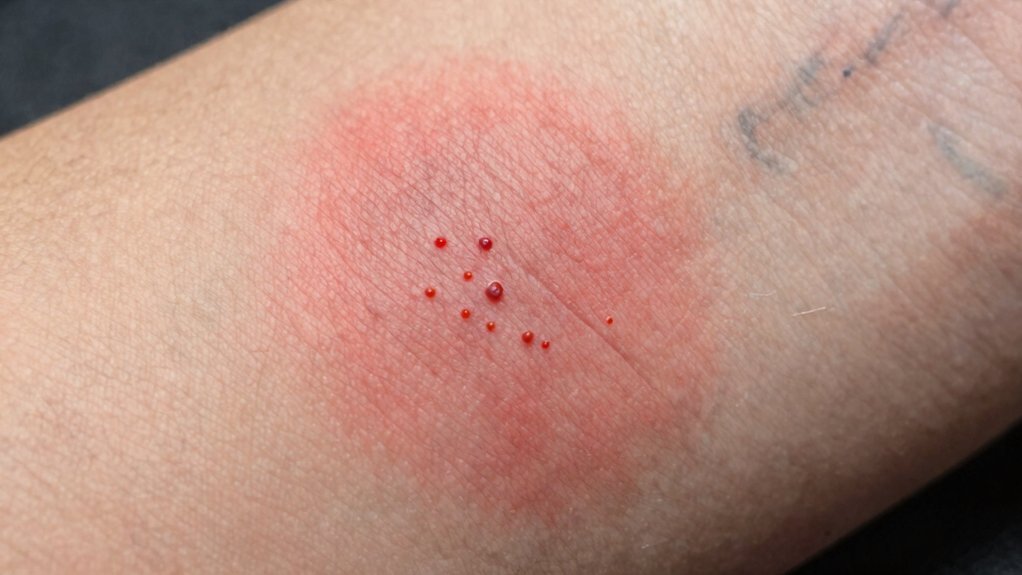
Why does red ink cause so much trouble? You’ll find red pigments contain specific compounds that your immune system frequently rejects. Mercuric sulfide, also called cinnabar, traditionally creates that bold crimson shade, and it’s notorious for provoking reactions. You’ve probably noticed your tattoo artist warning about red sections more than others.
When you choose red ink, you’re selecting pigments with larger molecular structures that your body struggles to break down. These particles linger, keeping your immune system on high alert. You’re also encountering organic alternatives like naphthol reds, which trigger responses in sensitive individuals too.
Your skin essentially treats these red pigments as persistent intruders. You’ll experience more itching, swelling, and prolonged healing with red tattoos compared to black or blue ones. Consider patch testing red ink before committing to large colored areas.
Recommended Products

🦋Note:Please shake the ink before use.

100% brand new and high quality
What’s Actually in Tattoo Ink? The Ingredients Behind Reactions
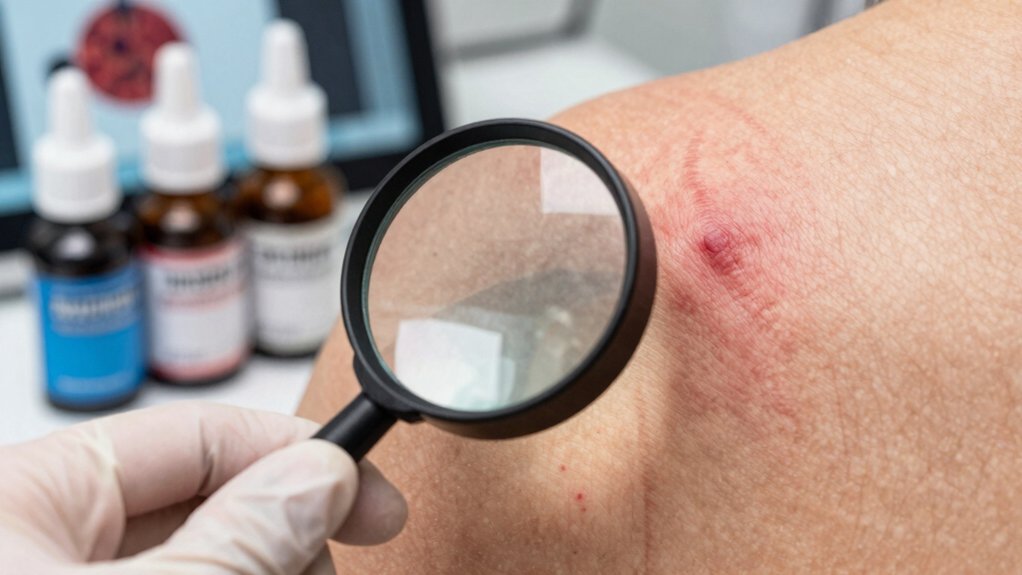
How exactly does that bottle of ink transform into permanent skin art—and why does your body sometimes fight back?
You’re injecting a cocktail of pigments and carriers deep into your dermis. Those pigments aren’t pure color—they’re metal salts, carbon, or organic compounds suspended in liquid. Your carrier solution typically contains glycerin, witch hazel, distilled water, and sometimes alcohol or propylene glycol. It’s these additives that often spark trouble.
You might react to mercury in red inks, cobalt in blues, or chromium in greens. Even “organic” vegan inks aren’t automatically safer—they’re just carbon-based rather than mineral-derived. Your immune system doesn’t distinguish artistic intent from foreign invasion. It sees particles trapped in skin and attacks, creating swelling, itching, or raised scars. You’re essentially wearing your allergen permanently.
Recommended Products

Tattoo Aftercare Lotion with Rapid Absorption: Our tattoo lotion aftercare is specifically formulated for quick absorption, promoting non-greasy application while aiding swift tattoo healing. This advanced formula ensures your skin receives optimal care during the critical post-tattoo period.

AFTERCARE CREAM FOR NEW TATTOOS - A specialist cream for use immediately after tattooing to soothe freshly tattooed skin and help reduce redness.
GENTLE FORMULA: Signature Offers gentle formulas for both your before and after tattoo care.
How Common Are Tattoo Ink Allergies: and Who’s Most at Risk?
Knowing what’s in your ink doesn’t tell you whether you’ll actually react to it. Tattoo ink allergies remain relatively rare, affecting roughly 1-5% of tattooed individuals, though exact numbers stay elusive since many reactions go unreported or misdiagnosed as infections.
You’re more vulnerable if you’ve got existing skin conditions like eczema or psoriasis, or if you’ve shown sensitivity to metals, particularly nickel or cobalt. Red and yellow inks trigger most reactions, but any color can provoke your immune system. Previous tattoos without issues don’t guarantee future safety—your body changes, and different formulations carry different risks.
You can’t predict your reaction beforehand. Patch tests exist but prove unreliable for tattoo inks specifically. Your best protection involves researching your artist’s ink brands, discussing your medical history openly, and starting with small test areas when possible.
Recommended Products

TATTOO OINTMENT act as a healing agent after you have received a tattoo. This healing ointment safeguards your skin and also protects the tattoo from rubbing on your clothes and getting irritated.

TATTOO OINTMENT act as a healing agent after you have received a tattoo. This healing ointment safeguards your skin and also protects the tattoo from rubbing on your clothes and getting irritated.

AWARD-WINNING INGREDIENTS. Our Daily Moisturizer is specially formulated with the award-winning Liftonin-Expert, an intelligent collagen booster that increases the look and intensity of ink while nourishing and protecting skin.
How Doctors Test for and Treat Tattoo Ink Allergies
When symptoms flare after getting inked, you’ll need medical help to confirm what’s happening beneath your skin.
Your doctor will examine the reaction and ask about your tattoo’s timeline. They’ll likely perform a patch test, applying small amounts of suspect ink ingredients to your skin to identify specific triggers. Sometimes they’ll take a small skin biopsy to rule out infection or other conditions.
Treatment depends on severity. For mild reactions, you’ll receive topical corticosteroids to reduce inflammation. Moderate cases require oral antihistamines or stronger prescription steroids. If blisters appear or the reaction spreads, you’ll need immediate intervention to prevent scarring.
Severe allergies demand complete ink removal. You’ll undergo laser treatments, though this risks releasing more allergens. Antibiotics prevent secondary infections from open wounds. Your doctor monitors healing closely, adjusting approach as your skin responds.
Recommended Products

MADE IN THE USA SINCE 1990 — For over 30 years Dynamic Color has produced professional tattoo ink in the United States, an established American brand artists built their work on long before most imported labels existed.

PREMIUM USA-MADE FORMULA – Eternal Ink is proudly made in the USA in a certified, state-of-the-art facility. Every batch is sterilized and tested to meet the highest industry safety and quality standards.

Note:Please shake the ink before use.
Can You Get Tested for Ink Allergies Before Getting Tattooed?
Fortunately, you can take steps to protect yourself before the needle touches your skin. You can request a patch test from a dermatologist, who’ll apply small amounts of tattoo ink to your skin and monitor for reactions over several days. You’ll identify specific color sensitivities this way, though testing isn’t foolproof since inks vary by manufacturer and batch.
You should ask your tattoo artist about ingredient lists for their inks. Reputable artists disclose this information and can recommend hypoallergenic alternatives. You might also consider getting a tiny dot tattooed in an inconspicuous area first, waiting weeks to observe how your body responds.
However, you won’t find standardized allergy panels for tattoo inks. The FDA doesn’t regulate tattoo ink ingredients closely, so complete safety guarantees don’t exist. Research your artist’s reputation and ink sources thoroughly.
Recommended Products

PROTECT & HEAL - H2Ocean Aquatat seals the skin in a moisturizing barrier to protect from irritants while still allowing the skin to breathe. Aquatat will also heal topical wounds on skin such as tattoos, rashes, cuts and scrapes while minimizing scabbing.

Nourishes Healing Ink for Vibrant Color: Tattoo Goo supports healing tattoos & maintains vibrancy on healed ink with a lightweight formula rich in olive oil, lavender oil, cocoa butter, and beeswax. It absorbs quickly, moisturizes deeply, and helps reduce dryness, itch and tightness so your tattoo looks and feels comfortable through everyday routines

TATTOO SALVE AFTERCARE – The Recovery Aftercare Tattoo Salve will soothe, moisturize and protect your tattoo and skin. This ointment comes in a convenient .75 ounce tin that easy to take with you on the go.
When to See a Doctor vs. Treat a Mild Reaction at Home
While most reactions resolve on their own, you’ll need to judge severity carefully. You can treat mild symptoms at home. Apply cool compresses to reduce itching and swelling. You’ll want to keep the area clean with gentle, fragrance-free soap. Avoid scratching, which worsens irritation. Over-the-counter antihistamines help control itchiness.
You’ll need medical attention for severe reactions. Seek immediate care if you notice spreading redness, pus, fever, or rapidly worsening symptoms. Don’t wait if you experience difficulty breathing, facial swelling, or hives beyond the tattoo site—these signal anaphylaxis. You should also see a doctor if symptoms persist beyond two weeks or interfere with daily activities.
Trust your instincts. When you’re uncertain about severity, consulting a healthcare provider protects your health better than hoping symptoms fade.
Recommended Products

100% new brand and high quality. Favored among professional tattoo technicians.
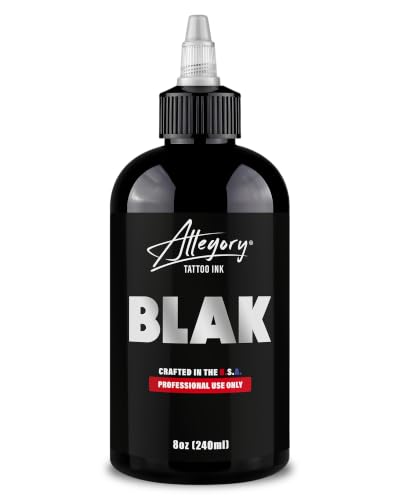
Premium Tattoo Black Ink – Allegory BLAK is a smooth, consistent blend of liquid dispersed pigment. Many of the most popular tattoo artists around the globe uses Allegory BLAK Ink for precise lining and shading. Allegory BLAK is the stepping-stone to the future of tattooing.
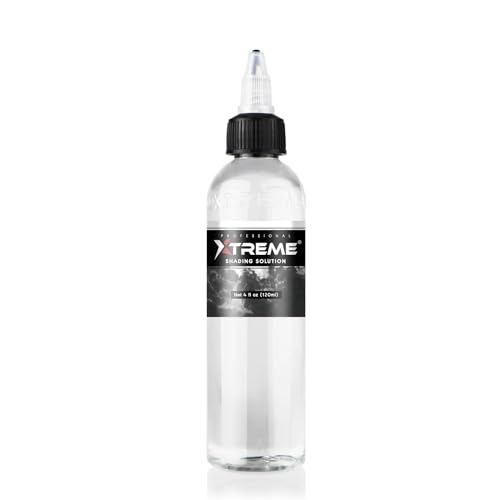
Elevate Your Shading Game: Xtreme Shading Solution takes your shading technique to the next level, delivering impeccable results for tattoo artists of all levels.
Conclusion
You can absolutely be allergic to tattoo ink, and reactions might surprise you by showing up immediately or years later. Watch for redness, itching, swelling, or blisters, especially with red, yellow, blue, or green inks. Don’t ignore worsening symptoms—see a doctor if they spread or intensify. While mild reactions sometimes resolve at home, persistent issues need professional care. Consider patch testing beforehand if you’re concerned about sensitivities.