
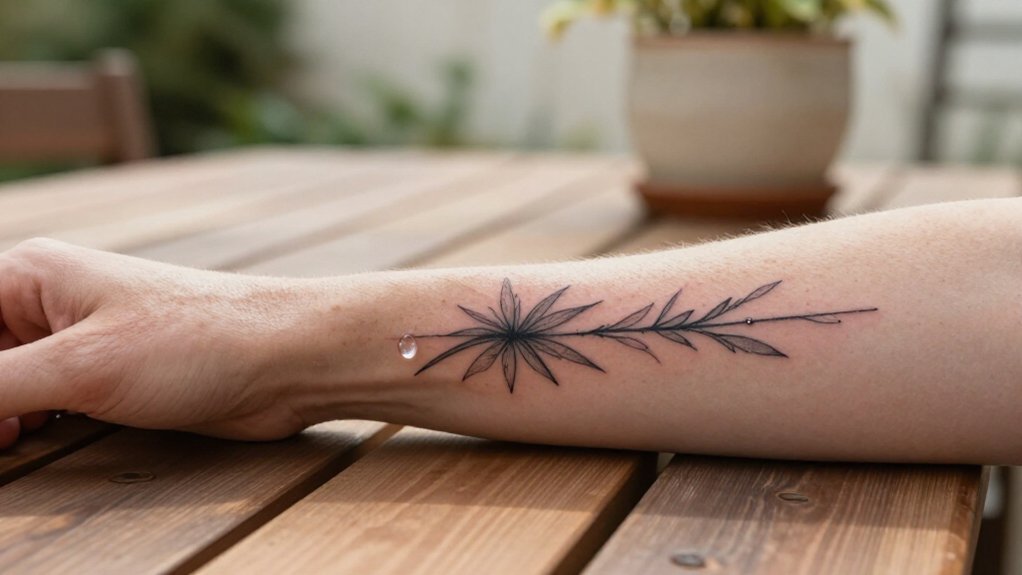
You trace the fresh ink on your skin, watching colors settle beneath a thin film of plasma, but beneath that surface something else might be stirring.
Infection hides where you cannot see it growing, and you need to recognize the warning before it spreads.
This guide will show you exactly what to watch for, so you can act fast and protect your art.
Is My Tattoo Infected? 5 Warning Signs to Check Now
Although getting a tattoo is exciting, you’re probably wondering if that redness and soreness are normal or something more serious. You need to recognize five key signs of an infection before complications develop.
1. Redness spreading. You should expect some redness initially, but if it’s expanding beyond your tattoo design after the first week, that’s concerning.
2. Red streaks radiating outward. You might notice lines traveling away from the site with increasing warmth. This indicates a spreading skin infection.
3. Worsening pain. You shouldn’t feel increasing discomfort after 1 to 2 weeks. Pain that intensifies instead of easing signals trouble.
4. Unusual discharge. You’re looking for thick yellow or green pus, or foul odors, not just clear early fluid.
5. Systemic symptoms. You’re experiencing fever, chills, or feeling feverish. Seek care urgently, as infection can spread beyond your tattoo.
Recommended Products

Retro Metal Tin Sign: This metal sign blends retro design with fun and art, featuring bright colors and eye-catching slogans, easily adapting to various decorating styles

Classic Tattoo Parlor Vibes: This black-and-white sign with bold text adds an edgy yet fun way to direct party guests to your temporary tattoo station.

Tattoo Feather Flag Kit: this kit includes 2 tattoo feather flags, 12 ground stakes and 2 portable bags, saving you the stress of purchasing different components separately, so you have everything you need for your ideal display
What an Infected Tattoo Looks Like: Visual Clues
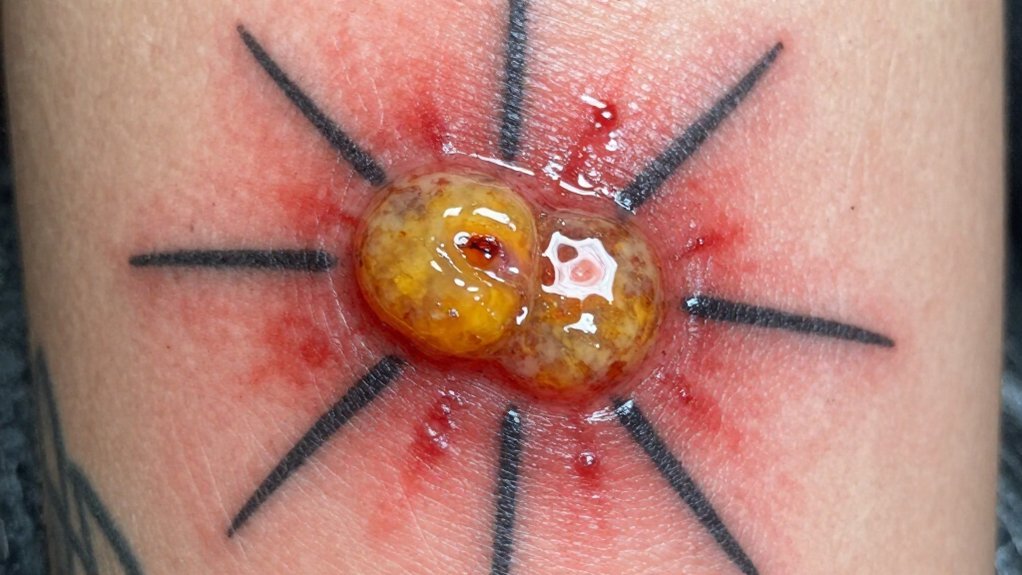
You need to know what you’re actually seeing, so let’s break down the visual progression from early warning signs to advanced symptoms, and how to tell them apart from normal healing.
You’ll learn to spot spreading redness, raised bumps, and warning streaks before they escalate, while understanding when thick discharge or worsening heat crosses the line into infection. By comparing these clues side-by-side with typical healing stages, you’ll gain the confidence to act quickly and appropriately.
Recommended Products

TATTOO AFTERCARE ESSENTIAL: Hustle Butter is the original tattoo aftercare balm for new and older tattoos. With over 10 years in the market, we are a pioneer of the tattoo aftercare category.

Protect Your Body Art: Moisturizing with the bonus of itch relief! Tattoo Goo's Tattoo Care Lotion soothes healing skin & keeps healed ink looking sharp for life. With olive oil & glycerin, it delivers deep, breathable hydration that won’t clog pores

Nourishes Healing Ink for Vibrant Color: Tattoo Goo supports healing tattoos & maintains vibrancy on healed ink with a lightweight formula rich in olive oil, lavender oil, cocoa butter, and beeswax. It absorbs quickly, moisturizes deeply, and helps reduce dryness, itch and tightness so your tattoo looks and feels comfortable through everyday routines
Early Warning Signs
Infected tattoos often reveal themselves through clear visual changes you can spot during daily checks.
1. Spreading Redness and Bumps
You should watch for signs of infection that appear around the tattooed area. Look for new redness or bumps spreading beyond the design’s edges. Normal healing stays limited to the tattoo itself.
2. Warmth and Swelling
Your skin will show swelling and redness that worsens, not improves. You will feel warmer skin at the site, and throbbing pain that intensifies beyond normal tenderness.
3. Fluid-Filled Warning Signs
Pustules or nodules, especially with thick, cloudy yellow or green discharge, indicate trouble. Clear plasma is normal; colored pus is not.
4. Radiating Red Streaks
Red streaks moving outward from your tattoo mean infection may be spreading through surrounding tissue. You should see a doctor immediately if you notice these streaks.
Advanced Visual Symptoms
The visual progression of infection follows patterns you can learn to recognize quickly.
1. Watch for spreading redness
You should check if redness expands beyond your tattoo’s edges. An infected tattoo will show spreading redness that grows larger daily, not smaller.
2. Look for red streaks
You may notice red streaks radiating outward from the tattoo. These streaks suggest bacteria traveling through your lymphatic system.
3. Identify raised bumps and pustules
You’ll want to examine the skin for unusual raised bumps or pustules, especially if they’re new or worsening after day three.
4. Check for pus or discharge
Thick yellow or green pus or discharge, particularly with odor, confirms tattoo infection rather than normal healing fluid.
5. Monitor deep swelling
You can watch for large, inflamed nodules that feel harder than typical healing tissue around your tattoo.
Distinguishing Normal Healing
Although your fresh tattoo will look and feel uncomfortable during healing, you can learn to spot the difference between normal recovery and warning signs.
1. Early Normal Healing (Days 1–3)
During normal healing, you’ll notice mild redness and swelling around the edges. Plasma weeping creates a thin, clear “glaze” on the surface. This differs from thick discharge.
2. Peeling Phase (Days 3–7)
You’ll experience normal peeling with dry, tight skin and small flakes. Itching may increase, but pain should not steadily worsen.
3. Infection Red Flags
Watch for redness spreading beyond your tattoo or red streaks radiating outward. Pus discharge, especially thick yellow or green fluid, signals trouble. A foul odor also indicates infection, not normal oozing.
4. Week 2+ Changes
A milky, cloudy appearance can be normal as new skin forms, but rapidly worsening swelling or expanding redness needs attention.
How Infection Feels: Pain, Heat, and Other Sensations
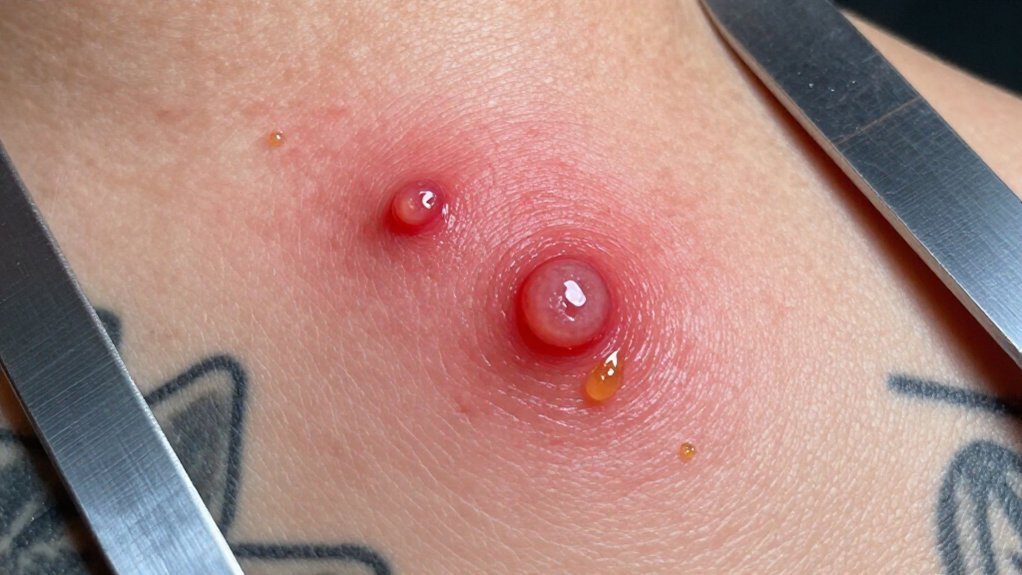
Since you’ve just gotten inked, you’ll want to know what feelings are normal and which ones signal trouble.
1. Heat and Pain Patterns
A tattoo infection feels hot to the touch, with increasing warmth that doesn’t fade. You’ll notice worsening pain instead of the mild, sunburn-like tenderness that should improve after a few days. Pain that intensifies after the first week signals your body is fighting something beyond normal irritation.
2. Visual and Sensory Clues
Watch for spreading redness combined with heat, especially when redness expands past your design’s edges. This pairing suggests infection rather than healing.
3. Whole-Body Warning Signs
Infected tattoos trigger systemic reactions. You’ll experience feverish chills, sweating, and general fatigue, which never accompany normal healing.
4. Itch Intensity
Normal itching increases slightly then resolves. When itchiness escalates alongside pain and heat, you’re likely dealing with infection, not routine peeling.
Recommended Products

Bold vivid red color with a high pigment load for consistent saturation on human skin

Note:Please shake the ink before use.

Temporary Tattoo Kit: There are five red temporary tattoo ink. Also coming with 64 pcs patterns of adhensive stencils for enjoying DIY body marker conveniently
From Mild to Severe: How Symptoms Progress
While you monitor your healing tattoo, you’ll want to recognize how symptoms evolve from normal recovery to concerning infection.
Infections can happen even when you’re careful, so track these progression stages:
- Early warning (days 3–7): You’ll notice new or spreading redness beyond your tattoo’s edges, a sign that infection may be starting.
- Advancing symptoms (after day 7): You’ll feel pain getting worse, not better, with swelling and heat that expand across the entire area.
- Severe progression: You’ll see thick yellow or green pus, foul discharge, or red streaks radiating outward, plus you may begin to feel ill with fever or chills.
Getting a tattoo means committing to this monitoring. Watch for these signs, and act quickly when you spot them.
Recommended Products

MADE IN THE USA SINCE 1990 — For over 30 years Dynamic Color has produced professional tattoo ink in the United States, an established American brand artists built their work on long before most imported labels existed.

MADE IN THE USA SINCE 1990 — For over 30 years Dynamic Color has produced professional tattoo ink in the United States, an established American brand artists built their work on long before most imported labels existed.

54 vibrant colors for your choice: Elevate your art with this tattoo ink-where quality, compassion, and creativity come together in every drop.
When to Seek Emergency Care
Monitoring early symptoms helps you catch problems before they spiral. Some warning signs require immediate action through emergency services or the ER.
Call emergency services or go to the ER if you experience:
- Fever, chills, or feeling very ill: Severe tattoo infections can rapidly lead to sepsis, a life-threatening condition.
- Red streaks spreading outward from your tattoo: These indicate lymphangitis, a deeper bacterial infection spreading through your body.
- Spreading swelling, worsening warmth, or throbbing pain: Fast-enlarging swelling signals infection beyond the skin surface.
- Trouble breathing, facial or tongue swelling, or fainting: These suggest a serious allergic reaction requiring immediate intervention.
- Heavy pus discharge or foul-smelling drainage: This points to a possible abscess needing urgent drainage and treatment.
- Whole-body symptoms: Persistent vomiting, confusion, or rapid heartbeat mean infection has reached your organs.
Don’t wait when these appear. Your quick response prevents serious complications.
Recommended Products

Generous Quantity: 5 sheets x 5 = 25 temporary tattoos

Fun and Cute Pink Tattoo Station Sign This temporary tattoo station sign features a charming pink and white design with clear tattoo application instructions, making it a fun addition to any event. Perfect for adding a playful vibe to your tattoo station!

2-Pack 7 x 10 Inch Signs: Includes two aluminum Not Responsible for Accidents or Injuries signs with one-sided print; compact size is simple to place for compact placement
Why Tattoo Infections Happen: Causes and Risk Factors
Understanding why infections develop helps you prevent them before they start. Tattoo infections can happen days, weeks, or even months after your session. This is because needle trauma creates openings for microbes to enter healing skin.
Three main risk factors increase your chances:
- Contaminated ink or nonsterile water: The FDA doesn’t regulate tattoo inks as sterile, so “sterile” labels don’t guarantee safety. Some artists dilute ink with nonsterile water, introducing bacteria like *Staphylococcus aureus* or nontuberculous mycobacteria.
- Poor studio practices: You’re at higher risk when artists don’t use sterile equipment, fail to wear gloves, or reuse needles without proper handling.
- Personal vulnerabilities: Your immune system strength matters. Diabetes, skin conditions, or a weakened immune system make you more susceptible. Note that some reactions mimic infection but are actually an allergic reaction to ink pigments.
Recommended Products
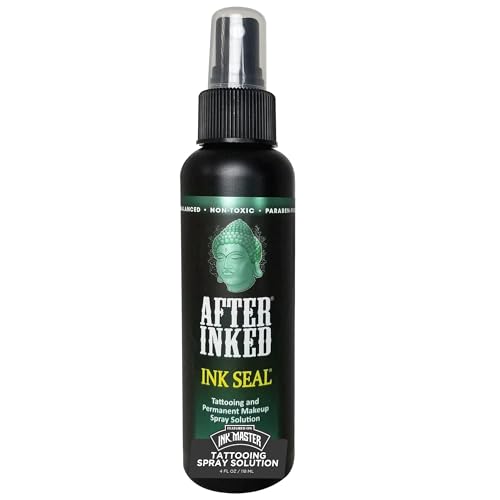
BENEFICIAL CLEANSER: After Inked Ink Seal Spray is a credible and gentle solution for cleaning tattoos and permanent makeup. This formula helps maintain ink clarity, foster hydration, and promotes faster recoup, making it an essential part of the tattooing procedure.

Tattoo Cream provides excellent smoothness when tattooing, can help moisturize and then heal the skin.

Treatment Options: At-Home Care and When to See a Doctor
At the first sign of trouble, you’ll need to decide whether you’re dealing with normal healing or something that needs medical attention.
At the first sign of trouble, distinguishing normal healing from complications could mean the difference between simple care and urgent medical intervention.
At-Home Care for Mild Issues
For minor irritation or small bumps, gently clean your skin with mild soap and water. Pat the area dry, and apply a thin layer of antibacterial ointment. Rest the tattoo, and avoid picking or scratching unexpected skin reactions.
When to Seek Medical Help
If you suspect infections with spreading redness, red streaks, hot pain, or thick pus, don’t wait. Care of your tattoo now requires professional intervention. Clinicians treat an infected tattoo with wound cultures, possible abscess drainage, and oral antibiotics for several days or weeks.
Emergency Signs: Go to Urgent Care Immediately
Seek urgent care for fever, chills, rapid swelling, or feeling systemically unwell. Severe infections can progress to sepsis without prompt treatment.
How to Prevent Infection During Healing
Since you’re caring for an open wound, your approach to aftercare will directly determine whether your tattoo heals cleanly or develops complications. Keep your tattoo clean by washing your hands first, then gently cleaning the area with mild fragrance-free soap before patting it dry with a clean, dry washcloth or paper towel.
Follow these essential steps after getting tattooed:
- Remove the bandage within 3-5 hours, then apply a thin layer of ointment, not lotion, dabbing off excess so your skin isn’t overly trapped in moisture.
- Avoid petroleum-based products like Vaseline or Neosporin, and don’t scratch peeling skin, since trapping moisture and bacteria or damaging scabs raises infection risk.
- Wear loose, breathable clothing to prevent rubbing and irritation that slows healing.
If you begin to feel uncertain caring for your tattoo, contact your artist for guidance.
Recommended Products

Canary Yellow Professional Tattoo Ink - Super bright, pure yellow with high opacity. Great for every skin tone, blending with other colors to change the value. Many of the most popular tattoo artists around the globe turn to World Famous' bold, beautiful tattoo ink, tattoo supplies & tattoo kits to deliver a flawless work of art.

Vibrant Color: Achieve stunning, bright designs with our Golden Yellow Tattoo Ink, specially formulated for long-lasting and eye-catching results.

MADE IN THE USA SINCE 1990 — For over 30 years Dynamic Color has produced professional tattoo ink in the United States, an established American brand artists built their work on long before most imported labels existed.