
You probably don’t realize that your immune system has been slowly breaking down tattoo ink since the day you got it. That natural process, called phagocytosis, is actually your first built-in lightening method, and understanding how it works will change how you approach your cover-up.
But waiting isn’t always practical, and that’s where four additional, proven strategies come into play. Each method carries specific risks, timelines, and costs, and choosing wrong could leave you with scarred skin or a cover-up that still shows through.
Here’s what you need to know before making your next move.
Consult a Cover-Up Artist Before Lightening Your Tattoo
Before you commit to any lightening method, you should sit down with a cover-up specialist who can evaluate what you’re working with.
Consult a cover-up specialist before attempting any lightening method—they’ll assess your tattoo’s condition and determine the safest path forward.
They’ll examine your old tattoo’s age, size, saturation, and ink colors during your consultation. Your skin type affects how pigment responds, so they’ll assess this too.
1. Why Professional Assessment Matters
A cover-up specialist estimates whether partial fading suffices or if laser removal becomes necessary. Highly saturated dark ink often requires professional intervention, not DIY attempts that scar or fail.
2. Planning Your Cover Up Tattoo
Your artist determines realistic lightening targets. This prevents color contamination, where fresh and old inks mix into muddy results. They’ll advise whether full or partial fading works best.
3. Aligning Expectations
The consultation clarifies the process timeline, typically spacing laser sessions six weeks apart. Your cover-up design then works around what remains visible, avoiding forced dark, heavy artwork.
Recommended Products

Clean, Flawless Transfers: Your artwork will look so clean once transferred to the skin with the Stencil Stuff gel! Gentle on the skin, Stencil Stuff transfer solution helps you achieve clear and sharp tattoo stencil transfers every time!
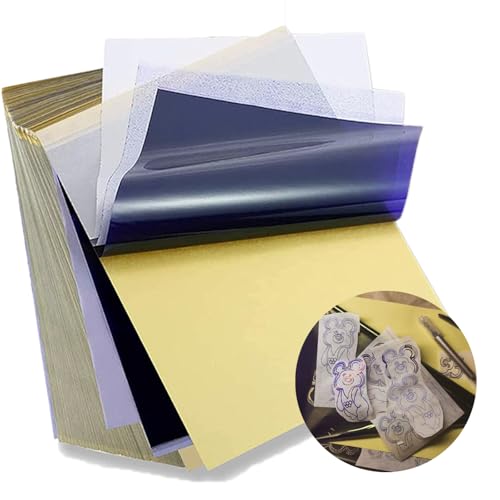
Standard size: Tattoo Transfer Paper is standard A4 paper size, each measures 8.27 in X 11.69 in. There are 4 levels in total. The thickness of the paper is very light and smooth to the touch.

Safe and Healthy: Our tattoo transfer gel meets strict safety and non-toxic material standards, non-irritating to the skin and vegan-friendly. Maintains client comfort while achieving clear tattoo stencil transfers.
Let Your Tattoo Fade Naturally or Start Laser Lightening
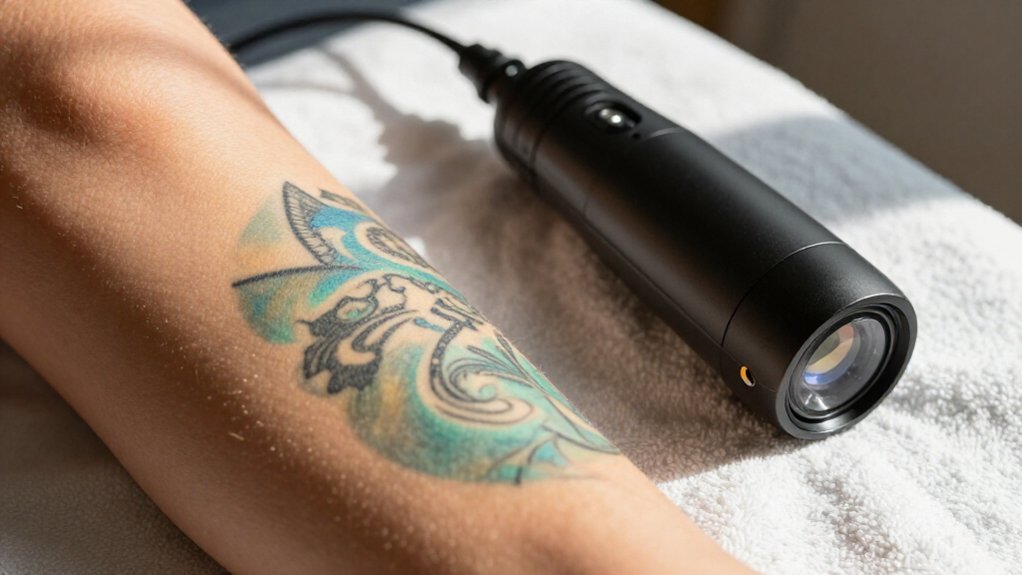
Once you’ve met with your cover-up artist, you’ll need to decide how to approach lightening your existing tattoo.
Recommended Products

TATTOO COVER UP: Specially designed patch to conceal tattoos discreetly, ideal for tattoo enthusiasts seeking temporary coverage.

Breathable & Thin for All‑Day Comfort: Our tattoo cover up patch is ultra‑thin and breathable — you can still feel your skin breathing. Say goodbye to stuffiness and airtightness. Lightweight and comfortable enough to wear all day without irritation.

TATTOO COVER UP: Specially designed patch to conceal tattoos discreetly, ideal for tattoo enthusiasts seeking temporary coverage.
1. Let Nature Take Its Course First
Fading a tattoo happens gradually as your body breaks down old ink over months or years. You’ll get a lighter canvas for cover ups without intervention, but results vary by your skin type and ink density.
Make sure your unwanted tattoo is fully healed before planning the next steps; healing affects how pigments settle.
Recommended Products

Wavelength: 200nm-2000nm, broad spectrum protection, block UV, Blue, Red and Infrared Laser Light

Wavelength: 200nm-2000nm,for intense pulsed light protection (Compatible with 405nm,450nm,650nm,694nm,laser beauty treatment etc.),Block UV,Blue,Red and infrared pulsed laser light.OD4+,visible light transmission:15%,both protection and clear

Special designed for 532nm 1064nm laser OD6(0.000001)
2. Speed Things Up with Laser Lightening
Lightening is the process of controlled pigment reduction, and laser removal offers the most reliable method. Selective photothermolysis breaks down ink so your immune system clears it.
Cover-up-focused fading often needs fewer sessions, about 3–4, versus 12–15 for complete removal. You’ll wait at least 6 weeks between appointments.
Ask your artist about partial tattoo lightening. You can modify specific areas while keeping others intact, giving your new design maximum flexibility.
Recommended Products

Bulk 50-Pack for Efficiency and Convenience: Save time while ensuring your clients have all the pico laser post care information they need. Our 50-Pack ensures you have an...
Book Professional Laser Sessions to Lighten Your Tattoo Safely
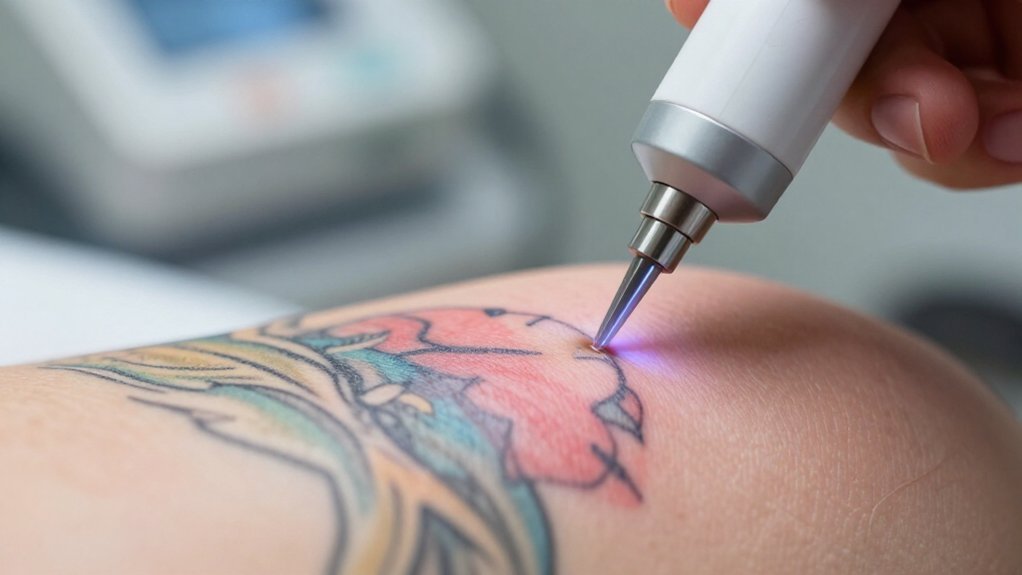
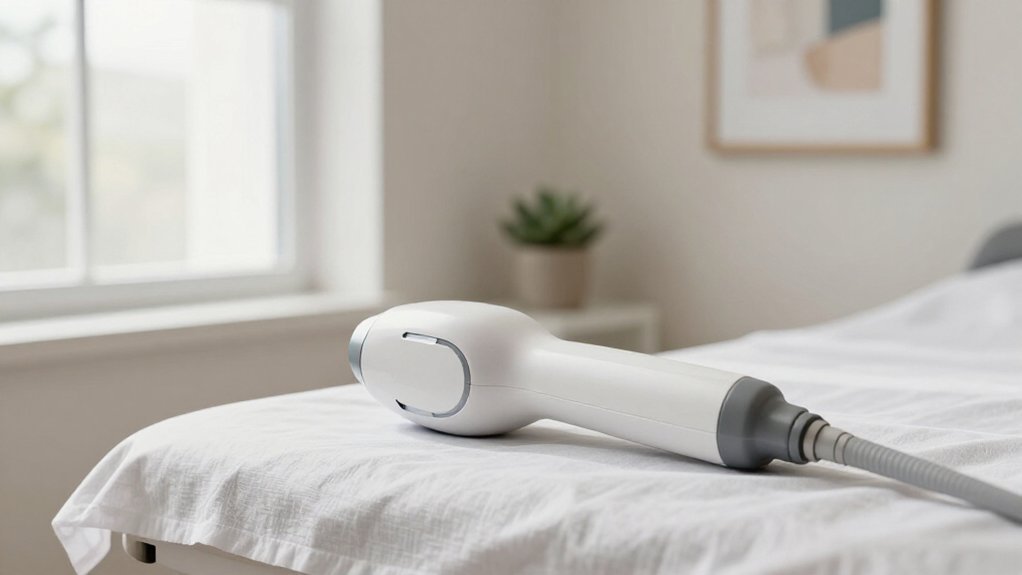
Because your cover-up will only look as clean as the canvas beneath it, you’ll want to invest in professional laser lightening rather than risky DIY methods. Professional tattoo removal uses selective photothermolysis, a process where laser energy breaks pigment into tiny particles your immune system clears naturally.
You’ll typically need 3 to 4 sessions for moderate lightening, spaced six weeks apart for best fading. Complete tattoo removal often requires 12 to 15 sessions. Systems like PicoWay target dense pigments effectively, reducing risks when you follow aftercare instructions.
Schedule a consultation with a certified laser technician. They’ll assess your existing tattoo’s colors, depth, and your skin type to customize the removal process. Never attempt hydrogen peroxide or home remedies; these damage skin without delivering reliable lightening. Trust the professionals, and you’ll give your tattoo artist the blank slate they need.
Recommended Products

TATTOO AFTERCARE ESSENTIAL: Hustle Butter is the original tattoo aftercare balm for new and older tattoos. With over 10 years in the market, we are a pioneer of the tattoo aftercare category.

Protect Your Body Art: Moisturizing with the bonus of itch relief! Tattoo Goo's Tattoo Care Lotion soothes healing skin & keeps healed ink looking sharp for life. With olive oil & glycerin, it delivers deep, breathable hydration that won’t clog pores

☑Natural Safe Organic Ingredients: Tattoo Aftercare Butter is composed of Shea Butter, Jojoba, Macadamia Ternifolia Seed Oil and Vitamin E Complex. Our all-natural butter is also petroleum-free and paraben-free. After use, it can make the tattooed skin heal faster and moisturize the skin. Makes your skin smooth and the tattoo color bright.
Why DIY Tattoo Lightening Methods Damage Your Skin
If you’re considering lemon juice, hydrogen peroxide, or salt scrubs to fade your tattoo, understand that these DIY methods pose serious risks to your skin.
DIY tattoo fading methods like lemon juice, hydrogen peroxide, and salt scrubs carry serious risks for your skin health.
- Chemical burns and raw texture: Lemon juice and hydrogen peroxide literally burn your skin, leaving you with redness, open wounds, and a raw texture that demands recovery time.
- Patchy fading and scarring: Without controlled depth, you create uneven results; abrasions from salt scrubs damage tissue, causing scarring that destroys your canvas for cover-up work.
- Hyperpigmentation and immune response: Your immune system reacts to inflammation, triggering irregular skin tone and dark spots that complicate how new ink will appear.
- Unpredictable outcomes: DIY tattoo lightening lacks professional precision, producing results you cannot control, reverse, or easily correct before your next tattoo.
Recommended Products

Warm Tips: The tattoo transfer paper need to work with transfer medias.You will need to purchase the stencil ointment separately. Apply the design made on the master paper. Please pay attention to press the back side of the pattern to the skin for at least 3 seconds

Phomemo Tattoo Transfer Paper kit - Paper size: 8.27 in x 11.69 in (210 x 297 mm), Quantity: 1 Box, 100 Sheets in the box, Color: Blue. Phomemo Tattoo Transfer Paper is ideal for tattoo enthusiasts, artists and professional tattoo artists, offering reliability and consistency in tattoo stencil creation
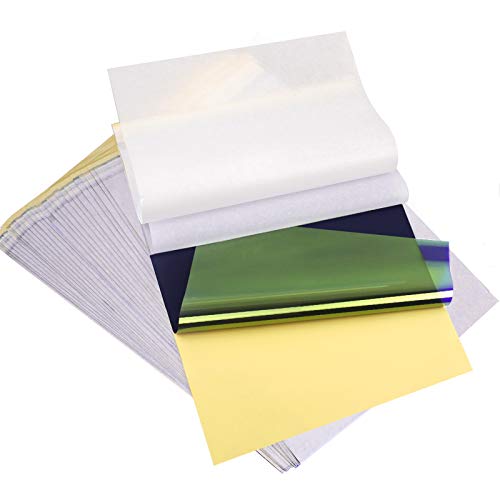
ADVANCED MATERIAL: Tattoo transfer paper is made with the high quality dyes and stencil paper. Transfer marks are very clear, clean and smooth. Tattoo transfer paper kit come with 35 sheets. Great for tattooing, trace and transfer images onto the body.<br>
Time Your Lightening Right for a Smooth Cover-Up
While you’re anxious to see your new tattoo design take shape, patience between laser sessions protects your results and your skin. Plan your lightening so your old tattoo heals completely from each removal session, typically spaced at least 6 weeks apart, before you begin designing your cover.
1. Aim for strategic fade levels
You’ll want only the fade level you need for your cover. Lighter tattoos, often after 3–4 laser sessions, give more predictable masking than heavily saturated, dark fresh ink. Your artist will be able to work more freely when the fading process has softened your current tattoo sufficiently.
2. Consult a professional
A specialist times your sessions based on your tattoo’s size, color, and ink concentration. Dark, fully saturated areas need additional sessions to prevent bleed-through.
3. Protect your window
Coordinate timing with sun avoidance and proper aftercare. Pigment darkening or healing complications narrow your window for a clean cover.
4. Don’t rush the finish
Give your skin several weeks to recover between final lightening and your cover appointment. This reduces uneven pigment response and patchy coverage, ensuring fading your tattoo creates the smooth canvas you need.
Recommended Products

Waterproof and Sweatproof Formula: This long-lasting formula is waterproof and sweatproof, stays put all day without fading or smudging for daily, work, events, swimming, and outdoor use

Wider & Longer Size: The tattoo cover up tape measures 3.9" x 16.4ft (10cm x 5m), perfect for covering large tattoos. Can be cut into smaller sizes or shapes for smaller tattoos
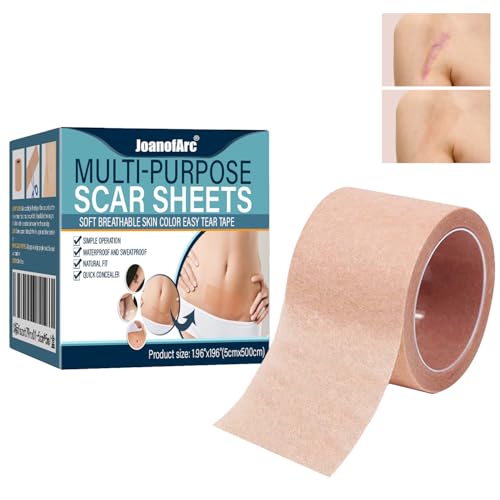
Tattoo Cover Up Patch: Tattoo Cover Up Tape Easy to use and cover your tattoo in an instant