
Your tattoo once held vivid color and sharp lines, but time has dulled its impact. You might think fading is permanent, yet simple steps can restore much of that original vibrancy.
These seven practical methods will guide you through revival, from daily care to bigger decisions.
Confirm Healing Before You Try to Revive Old Ink
Before you attempt to revive old ink, you must confirm the tattoo has fully healed, since rushing into brightening treatments can damage skin that’s still repairing. Most new ink needs two weeks to one month, depending on size, color density, detail, and placement.
If scabbing, peeling, heat, redness, or irritation persists, don’t exfoliate yet. Disturbing the healing process traps dead skin cells, blocks new skin formation, and worsens texture.
Follow Tattoo Aftercare strictly during this window. Adjust routines only for healing needs, not revival goals. Proper aftercare, including sun protection, prevents premature fade. Ink can fade faster when you interrupt repair.
Unsure after a touch-up? Ask your artist. Only proceed with revival steps once time has passed and the tattoo is fully healed.
Recommended Products

TATTOO AFTERCARE ESSENTIAL: Hustle Butter is the original tattoo aftercare balm for new and older tattoos. With over 10 years in the market, we are a pioneer of the tattoo aftercare category.
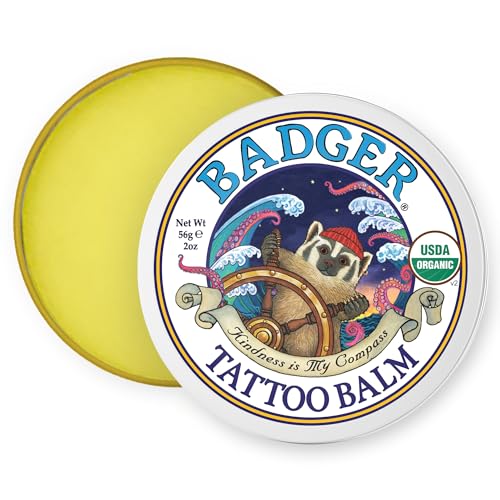
PROTECT & SOOTHE: Condition & protect your tattoos to keep ink looking bold & vibrant. Soothing, nourishing tattoo care softens fresh tattooed skin, calms redness & irritation, and promotes healing

Nourishes Healing Ink for Vibrant Color: Tattoo Goo supports healing tattoos & maintains vibrancy on healed ink with a lightweight formula rich in olive oil, lavender oil, cocoa butter, and beeswax. It absorbs quickly, moisturizes deeply, and helps reduce dryness, itch and tightness so your tattoo looks and feels comfortable through everyday routines
Moisturize Twice Daily to Restore Color and Elasticity
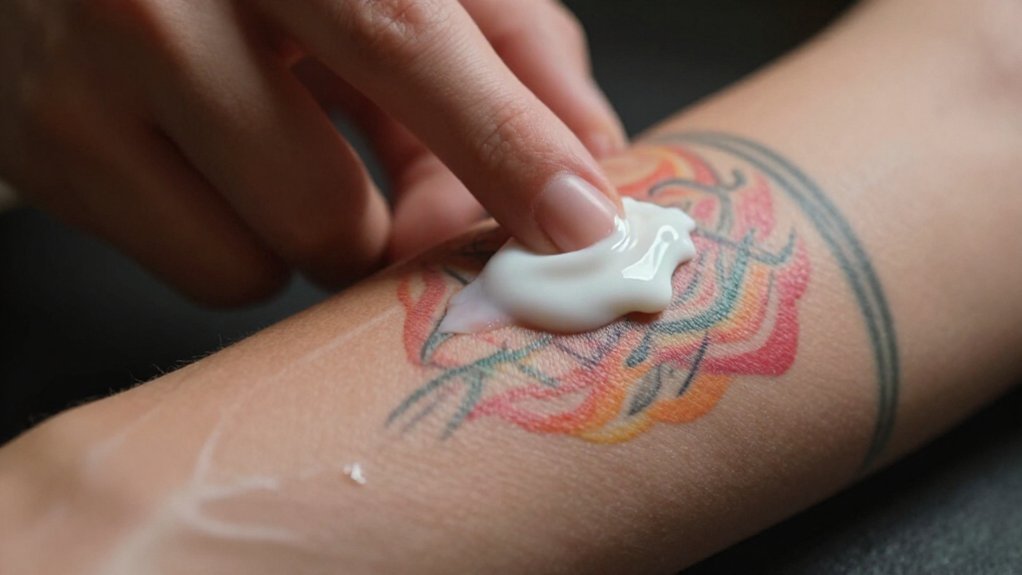
Revitalize faded ink by locking moisture into your skin every morning and night. You moisturize twice daily to restore elasticity and prevent that dry, ashy look that dulls older art.
Why This Matters for Your Old Tattoo
Tattooed skin is different from untouched areas. It needs consistent care to stay supple. Proper hydration keeps pigment looking saturated rather than washed out.
How to Build Your Routine
Apply tattoo balm right after showering, then again before bed. Choose products with shea butter, cocoa butter, or glycerin. Avoid harsh ingredients that strip natural oils.
This tattoo skincare habit supports healthy skin long-term. When you keep your tattoo looking nourished, you keep tattoos bright without expensive touch-ups. If itching or flaking appears, add extra applications as needed.
Recommended Products

ESSENTIAL AFTERCARE FOR TATTOOS & PIERCINGS: After Inked Aftercare Foam Cleanser is designed to gently cleanse and remove dirt from tattoos, piercings, and body modifications. It provides an effective yet soothing clean without causing skin irritation or dryness.

Gentle, Deep Cleansing: Tattoo Goo Foaming Cleansing Soap for tattoos and piercings helps remove impurities and clean the inked or pierced areas at a deep level by removing dirt, dead skin cells, and killing germs without damaging the skin

Foaming Tattoo Soap: Great for in-process and post-tattoo and piercing care. Keeps new tattoos & piercings clean during the healing process.
Exfoliate Weekly to Brighten Dull Tattooed Skin
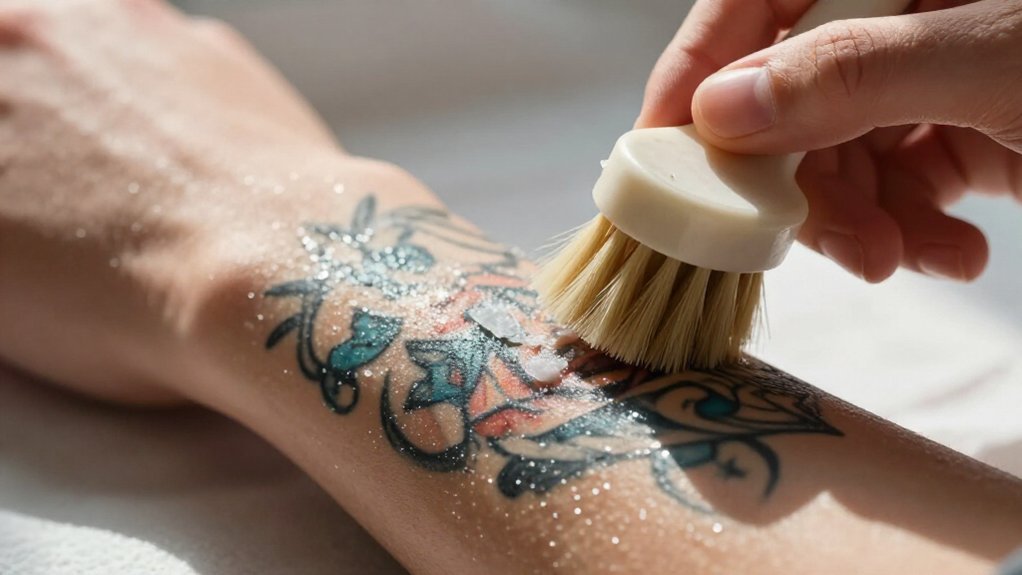
Once your tattoo has fully healed, you’ll want to clear away the dead skin cells that accumulate on the surface, since that buildup can leave older ink looking flat and lackluster.
Exfoliate about twice weekly using gentle methods only, because healing tattoos need proper care, not harsh scrubbing. You can choose physical scrubs, like soft bamboo-based products, or mild chemical exfoliants; both work to remove dead cells without damaging deeper ink layers.
Overdoing it causes redness, flaking, and inflammation, which makes tattoos look dull instead of vibrant. Always moisturize after you exfoliate, so fresh skin holds conditioning better and you make tattoos look brighter.
Dry skin and sun exposure worsen the problem, so keep skin clean and cared for. Adjust your tattoo care routine based on sensitivity, staying between 1 and 8 sessions monthly.
Recommended Products

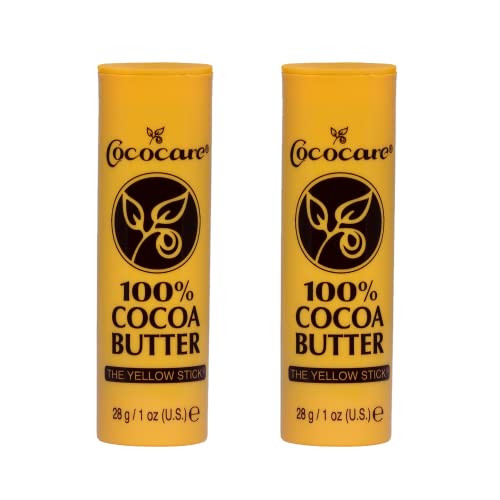
Daily Skin Therapy: This fast absorbing unique solid balm provides deep hydration to heal and soften extremely dry skin while providing 48 hour moisture; Ideal for all skin types, normal to dry to eczema prone skin

Raw Shea Solid Body Butter Balm: Sustainably sourced raw, natural Shea Butter Body Balm melts right into a radiance boosting, non greasy oil on contact, instantly softening even the driest skin such as elbows and feet
Wash Gently With Antibacterial Soap Every Day
Daily cleansing builds on your weekly exfoliation by keeping surface grime from dulling your ink between deeper treatments.
1. How Often Should You Wash
You should wash your tattoo at least once daily, and you must follow proper aftercare instructions even after your tattoo is completely healed. Daily washing removes sweat, salt, and oil that muddy colors and make tattoos look aged.
2. Technique
Use lukewarm water and a gentle antibacterial soap designed for sensitive skin. Lightly cleanse without scrubbing, as harsh friction inflames skin and prevents healthy skin renewal. If you cannot shower, cleanse the area in a bathroom sink with plenty of water and antibacterial soap.
3. Drying
Pat the area dry with a clean towel to avoid irritation and scaly texture.
Build this into your daily skincare routine, and your ink will look much brighter. Keep protecting from UV rays separately.
Recommended Products

TATTOO EXFOLIATING SCRUB ALTERNATIVE — The superior evolution of the messy tattoo scrub. Unlike traditional scrubs in a tube that leave a heavy, oily residue on your skin, this cold-process exfoliating bar rinses completely clean. Delivers physical exfoliation in a solid, long-lasting bar format without the mess or the plastic tube.

GENTLE TATTOO EXFOLIATION. Purpose-built tattoo exfoliation removes impurities, product buildup and dead skin to reveal brighter tattoos and a luminous, ultra-refined complexion.
Apply SPF 50+ to Stop Further Fading
You need to shield your tattoo from the sun, because UV exposure causes most fading and dullness over time. Apply broad-spectrum SPF 50+ daily, even for brief outdoor trips, and reapply when you sweat or swim.
Start this protection once your tattoo heals. Sun during healing damages the skin and reduces long-term clarity.
Recommended Products
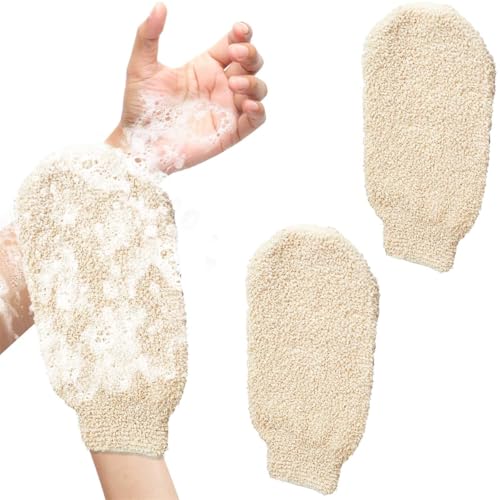
FUNCTION - There are 2pcs bathing gloves, with strong decontamination ability can easily remove dirt on the skin and cuticle, will not hurt the skin.
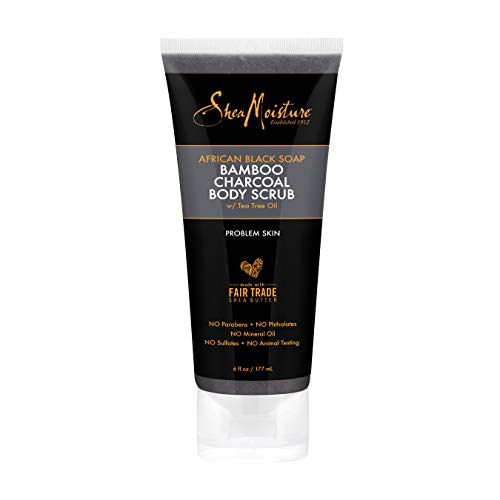
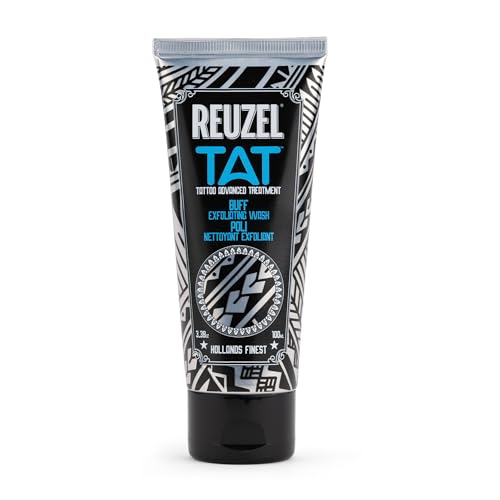
GENTLE TATTOO CLEANSER SCRUB: Buff Exfoliating Wash gently removes old skin cells and reveals vibrant color and definition on your tattoo without causing damage.
Sun Protection Necessity
Against further fading, your strongest defense is a broad-spectrum sunscreen used every single day. You need proper tattoo aftercare that includes sun protection, starting once healing completes. UV exposure relentlessly degrades ink pigments, causing tattoo fading that dulls even the boldest designs.
You should apply SPF 30 minimum, though SPF 50+ works harder for outdoor lifestyles. Choose non-nano mineral sunscreen for safer, more effective coverage. This prevents sun damage that breaks down skin structure and blurs line work.
To keep your ink looking fresh and stay vibrant, you must prioritize care of your skin through consistent protection. Reapply every two hours during direct exposure, and layer with clothing when possible.
- You watch your colors drain away, helpless, without daily defense
- You feel the sting of regret when crisp lines blur to gray
- You invested hours of pain, now seeing it wash out
- You shield what matters, preserving your story
- You reclaim control, keeping your art alive
SPF Application Guidelines
Broad-spectrum SPF 50+ isn’t just better cover; it’s your most reliable tool to halt further ink degradation. You apply this protection every morning, before going outside, to shield your proper tattoo from UV damage that dulls color and texture.
Start keeping your tattoo safe as soon as healing completes. Sun damaged skin accelerates how fast your tattoo ages, turning vibrant lines into faded, darker scaly skin over time. You’re preventing skin cancer while stopping your tattoo from fading further.
Reapply every two hours outdoors, and after swimming or sweating. Use non-mineral formulas that won’t clog pores. This routine won’t directly brighten your tattoo, but it preserves existing pigment so restoration treatments work better. Pair SPF 50+ with shade and clothing for maximum defense.
Eat Well and Hydrate to Rebuild Skin From Within
Because your skin constantly renews itself, what you eat and drink directly shapes how your older tattoos appear on the surface.
Nourish for Brighter Colors
You rebuild your moisture barrier from within by choosing nutrient-dense foods. Keep your skin healthy, and you’ll help tattoos stay visible longer. Your overall health determines how your body art ages.
Load up on colorful fruits and vegetables for antioxidants that protect skin cells. Choose quality protein to repair tissue and maintain elasticity. Add omega-3 fats to reduce inflammation and support suppleness.
Drink water throughout the day so your older tattoo doesn’t look dull or sallow. Move your body twice a week to boost circulation and collagen.
This skin care habit takes time, but you’ll find the investment pays off.
Recommended Products

Tattoo Salve is a potent herbal healing ointment balm that helps new tattoos heal faster, provides itch relief, protects the skin and moisturizes older ink.

ONE STICK FOR EVERY STAGE OF YOUR TATTOO JOURNEY – Whether you're caring for a fresh tattoo, maintaining older artwork or looking for an easy daily tattoo moisturizer, this tattoo balm does it all. Great for sleeves, fine line tattoos, color tattoos, black and gray designs and touch-ups. A thoughtful gift for tattoo lovers, tattoo artists and anyone serious about keeping their ink looking bold, hydrated and well cared for.

FRAGRANCE FREE TATTOO AFTERCARE FOR SENSITIVE SKIN - The same #1 artist recommended Hustle Butter formula, now with no added fragrance, dyes, or parabens. The unscented tattoo lotion of choice for sensitive or easily irritated skin.
Decide: Touch-Up, Cover-Up, or Leave It?
Eventually, every tattoo owner faces a decision about aging ink. You must assess whether you need a touch-up, a full cover-up, or if leaving it alone works best.
It’s normal for a tattoo to naturally fade as skin changes over time. Dead layers of skin build up, dulling your once-vibrant piece. When old tattoos only look slightly washed out, you need a touch-up. An artist refreshes outlines and color, restoring clarity without major redesign.
Choose the right approach by examining damage level. If lines blurred beyond recognition, getting the tattoo covered makes more sense. Important to note: bright colors like reds and yellows fade faster than dark blues and blacks, so they need attention sooner.
For severely damaged work, lightening sessions, about three visits, prepare the canvas. Consulting an experienced artist remains a good idea before committing.
Recommended Products

COMPLETE AFTERCARE KIT FOR NEW & EXISTING TATTOOS: This Tattoo Aftercare Kit brings together 3 essentials, Antimicrobial Soap, Tattoo Balm, and Tattoo Lotion, to help cleanse, protect, and moisturize fresh ink. Useful after tattoo sessions and throughout healing, it supports vibrant color and skin comfort for dedicated ink enthusiasts and artists

Complete Tattoo Aftercare Kit – Includes 1.7oz Tattoo Balm and 2oz Tattoo Foam Soap Cleanser to support a full tattoo care routine. Clean, hydrate, and maintain the appearance of your body art.

Advanced Skin Cleansing - The tattoo liquid soap helps your skin naturally and safely heal from body modification procedures. It removes dirt/bacteria and hydrates the skin by replenishing natural emollients.