
You’ve just gotten fresh ink, and now you’re dealing with that puffy, tight sensation that makes you wonder if something’s gone wrong. Swelling is actually a normal part of the healing process, but you’ll want to manage it properly to avoid complications. The steps you take in the first two days can make a significant difference in how quickly your skin settles down.
Key Takeaways
- Apply a wrapped cold compress for 10–15 minutes, then rest the skin for at least an hour during the first 24–48 hours.
- Elevate the tattooed limb above heart level using pillows during the first few days to promote fluid drainage.
- Take ibuprofen or naproxen as directed every 6–8 hours to reduce inflammation, avoiding them if you have stomach or bleeding issues.
- Expect swelling to peak within 24–48 hours and subside gradually over 3–5 days, or up to a week for larger hand, foot, or rib tattoos.
- Seek immediate medical care if swelling worsens after day three, or if you develop fever, red streaks, pus, or skin that feels hot to touch.
Recommended Products

【UV Protection & Cooling Comfort】UPF 50+ blocks 98% UVA/UVB — ideal sun sleeves for gardening/driving. Lightweight fabric wicks sweat, stays fresh as cooling arm sleeves
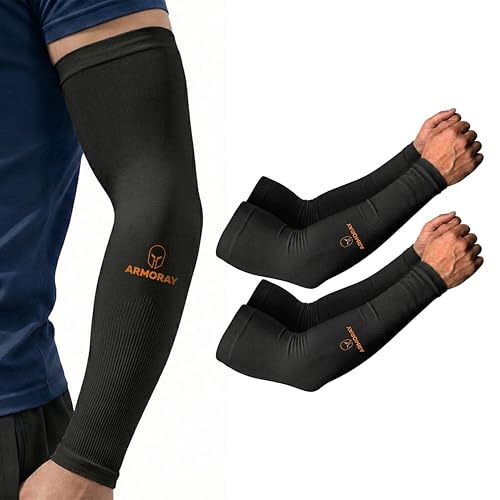
ULTIMATE Sun Protection: Designed with UV protective fabric to help shield your skin during outdoor activity. Ideal as sun sleeves for men and women for running, cycling, golf, and everyday use under direct sunlight.
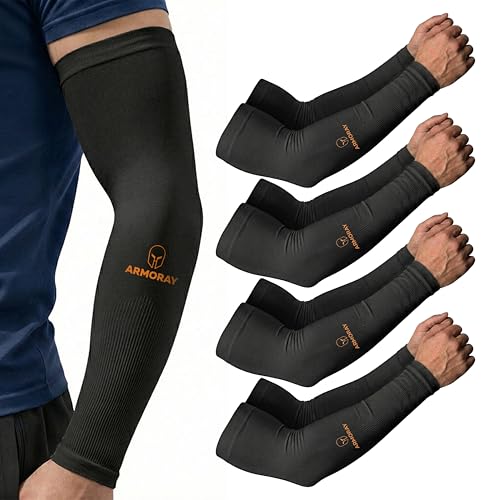
ULTIMATE Sun Protection: Designed with UV protective fabric to help shield your skin during outdoor activity. Ideal as sun sleeves for men and women for running, cycling, golf, and everyday use under direct sunlight.
How Long Tattoo Swelling Normally Lasts
How long should you expect your new tattoo to stay swollen? You’ll typically notice swelling peaks within 24 to 48 hours after your session. Most tattoos lose their puffiness within three to five days, though larger pieces on sensitive areas like hands, feet, or ribs might swell for up to a week. You shouldn’t worry if mild swelling persists slightly longer; your body’s just healing.
Your tattoo’s size, placement, and your individual healing rate all affect duration. You’ll notice swelling decreases gradually rather than stopping suddenly. During this window, you’ll want to keep the area elevated when possible and avoid tight clothing that restricts circulation.
You’ll know healing progresses normally when swelling softens and skin begins feeling less tender. If you’re swelling worsens dramatically after day three or accompanies fever, you’ll need to contact your artist or physician immediately.
Recommended Products

Height-Adjustable Leg Wedge Pillow: We designed this legs pillow with a variety of adjustable height, so that you can according to your height to choose the suitable elevating height. For a lower height, just take off the bottom layer; For a higher height, just add the top pad. This leg pillow can be used not only as a flat top pillow but also as a U-shaped top pillow to meet your different needs.

【Premium Leg Pillow for Recovery】Designed for post-surgery recovery or leg injuries, this leg support pillow elevates your legs and knees at the appropriate angle, making it perfect for femur replacement, ACL surgery, hip replacement, knee replacement, and more.
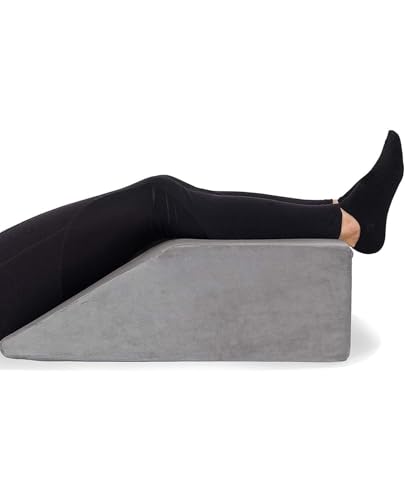
LEG WEDGES FOR ELEVATION FOR SWELLING: When keeping both legs elevated, this innovative memory foam layer support pillow improves circulation, relieves back, hip and knee pain, and helps reduce the discomfort of swollen feet.
Cold Compresses for New Tattoo Swelling
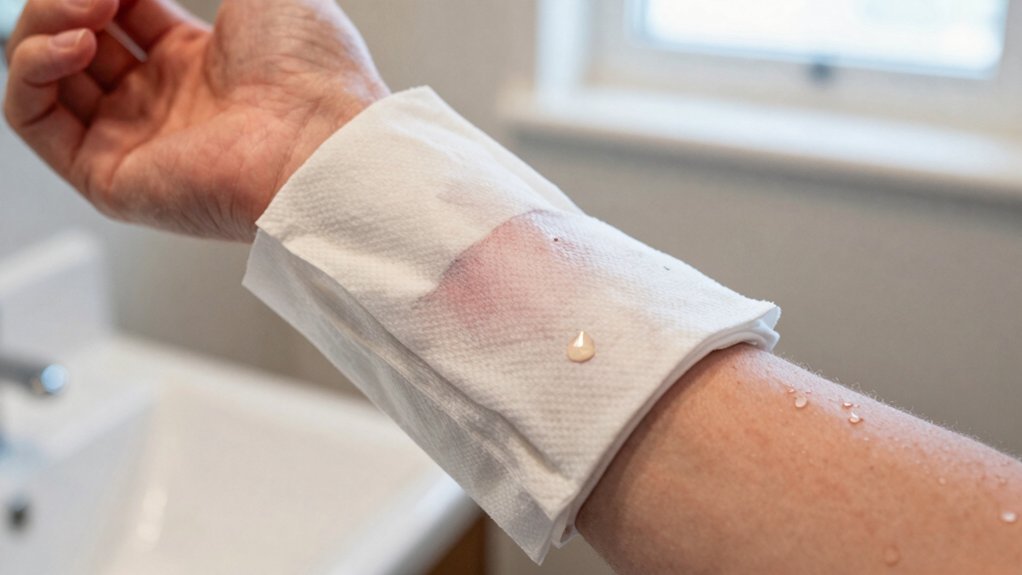
When should you reach for a cold compress? Grab one during the first 24 to 48 hours after your tattoo session. You’ll tackle swelling at its peak and prevent it from worsening.
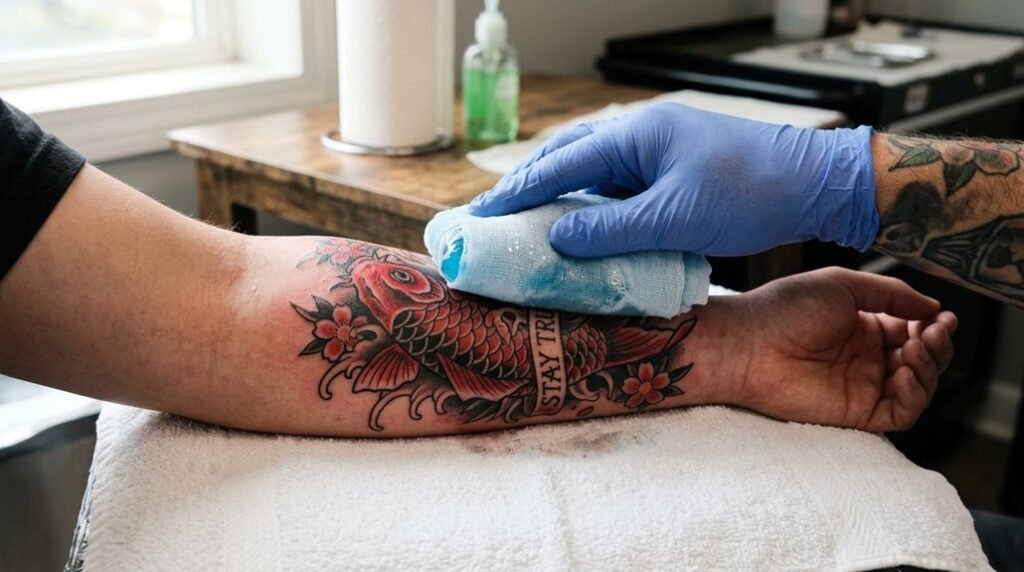
Wrap ice or a cold pack in a thin, clean cloth. Never place ice directly on your fresh ink—you’ll risk damage and infection. Press the compress gently against your swollen area for 10 to 15 minutes, then remove it. Let your skin rest for at least an hour before reapplying.
You’ll repeat this cycle several times throughout the day. Watch for numbness or excessive redness—those signal you’re overdoing it. Stop immediately if you notice these warning signs.
Cold temperatures constrict your blood vessels, slowing fluid buildup and reducing inflammation naturally. You’ll feel relief quickly, and your tattoo heals more comfortably without compromised circulation.
Recommended Products

Targeted Cold Therapy for Shoulder & Upper Arm: The REVIX shoulder ice brace is designed to target shoulder and upper arm discomfort, helping to alleviate tension and fatigue. Its contoured design ensures focused cold therapy, which is ideal for relieving discomfort after workouts or long desk hours.

INSTANT RELIEF: Cooling gel formula with aloe vera and chamomile extract provides immediate comfort and soothes irritation on fresh tattoos.
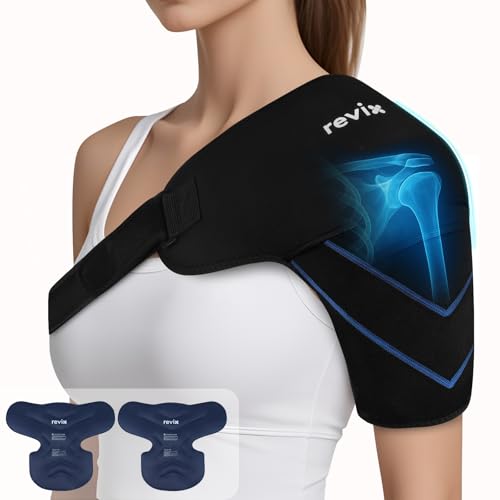
Targeted Cold Therapy for Shoulder & Upper Arm: The REVIX shoulder ice brace is designed to target shoulder and upper arm discomfort, helping to alleviate tension and fatigue. Its contoured design ensures focused cold therapy, which is ideal for relieving discomfort after workouts or long desk hours.
Elevate Your Tattoo Above Heart Level
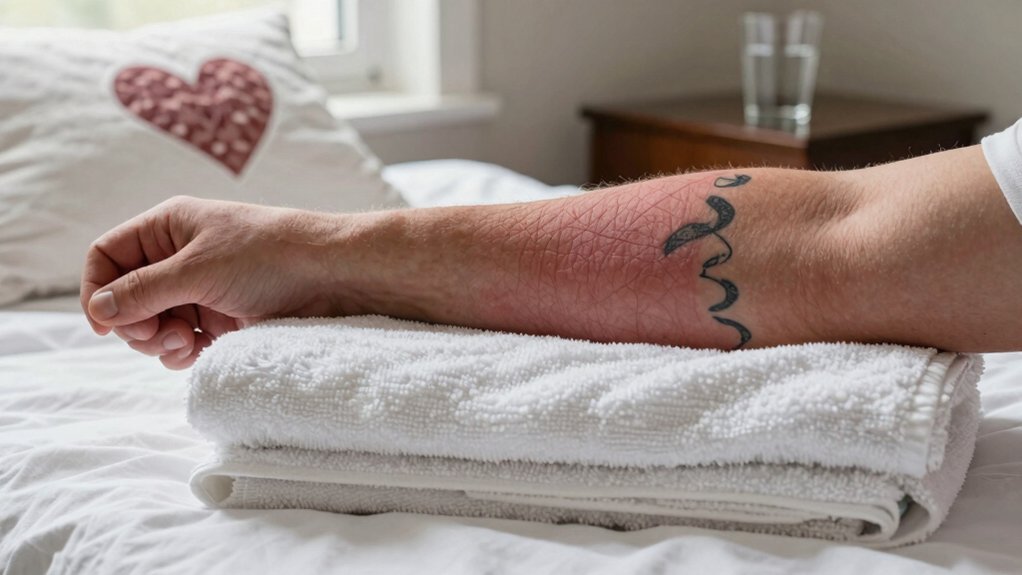
Elevate your tattoo above heart level whenever possible during the first few days of healing. You’ll reduce blood flow to the area, which minimizes fluid accumulation and decreases swelling considerably.
If you’ve gotten ink on your arm, prop it up on pillows while sitting or sleeping. For leg tattoos, lie down and raise the limb on stacked cushions. Keep the position comfortable but effective—your limb should rest steadily without straining.
You’ll notice the difference especially during sleep, when prolonged stillness lets gravity work in your favor. Set up your resting space before you settle in, so you won’t need to readjust with fresh ink.
Maintain this elevation routine consistently through day two or three post-session. Don’t abandon it once swelling starts fading—continuing supports complete fluid drainage and faster overall recovery.
Recommended Products

Experience instant pain relief - The extra insulation keeps it cold and effective, to quickly reduce swelling and pain.

ULTIMATE Sun Protection: Designed with UV protective fabric to help shield your skin during outdoor activity. Ideal as sun sleeves for men and women for running, cycling, golf, and everyday use under direct sunlight.

EASY SOLUTION – Instant cold packs are perfect for any emergency situations, just squeeze a flexible instant cold pack until inner bag pops, it will turn ice cold instantly, apply on area needed, it will relief pain and reduce swelling of body.
Over-the-Counter Pain Relievers: What to Know
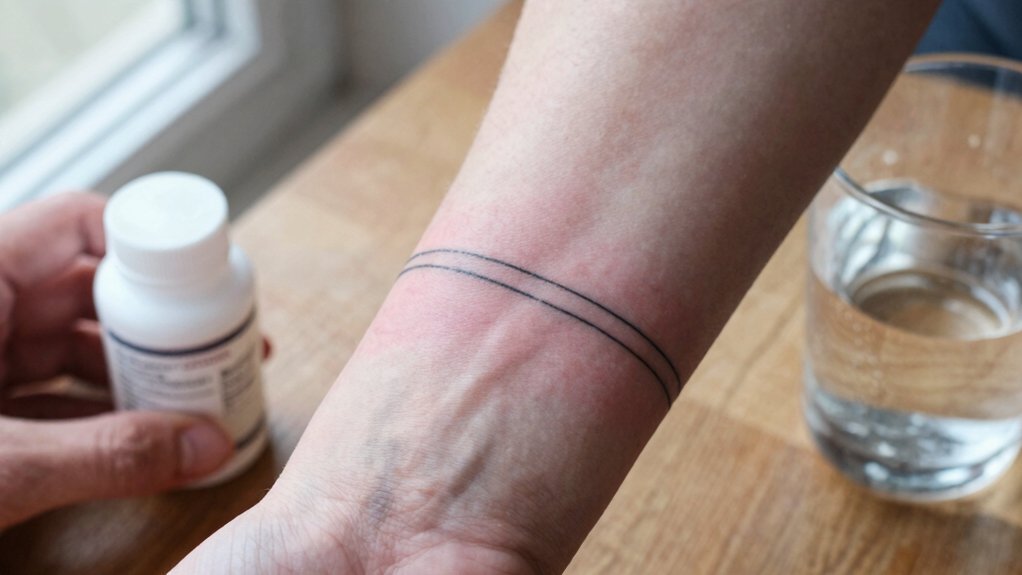
Why battle unnecessary discomfort while your tattoo heals? Grab over-the-counter pain relievers to manage swelling and soreness effectively. You’ll want to reach for ibuprofen or naproxen since they’re anti-inflammatories that actively reduce swelling. Avoid acetaminophen because it won’t address the inflammation you’re fighting.
Check the label carefully before taking anything. You’ll typically take these medications every six to eight hours, but don’t exceed the recommended daily dose. Skip ibuprofen if you’ve got stomach issues or blood thinning concerns.
Take your first dose as soon as you notice swelling building. You’re controlling the inflammation before it spirals. Keep taking doses consistently for the first day or two. Stay hydrated while medicating. If you notice increased bleeding or unusual bruising, stop immediately and contact your artist.
Recommended Products

SUN PROTECTION ARM SLEEVES: These lightweight arm sleeves provide full arm coverage to shield your skin from UVA and UVB exposure; great for driving, cycling, fishing, hiking, gardening, running and daily outdoor activities

American Made Quality - Proudly made in the USA with premium craftsmanship delivering high-quality protection and durability. Suntan full arm sleeves in MediuMLarge size for reliable coverage.

ULTIMATE Sun Protection: Designed with UV protective fabric to help shield your skin during outdoor activity. Ideal as sun sleeves for men and women for running, cycling, golf, and everyday use under direct sunlight.
Activities to Avoid During the First 48 Hours
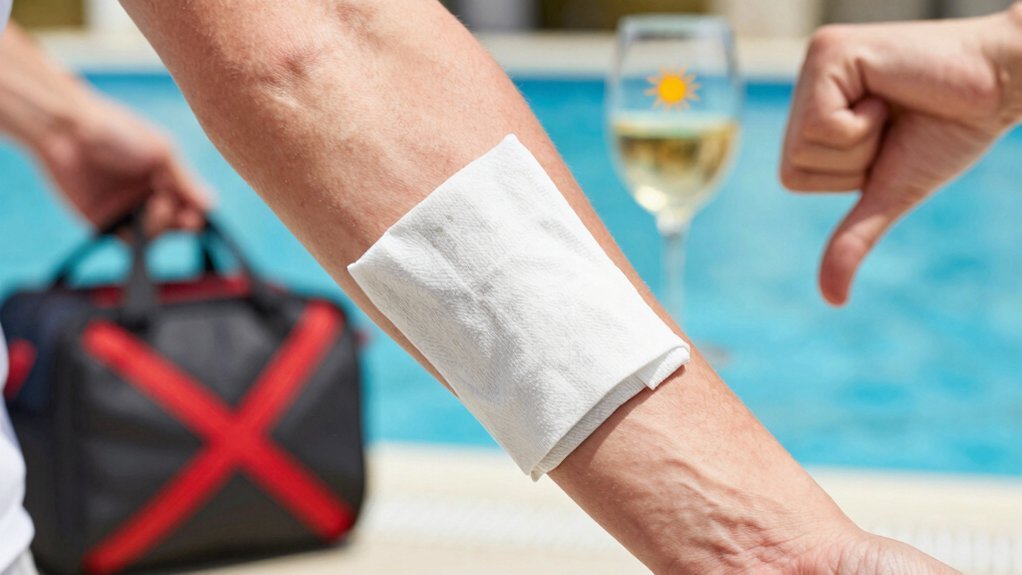
How can you protect your fresh ink from unnecessary damage? You’ll need to skip certain activities during the first forty-eight hours.
Don’t submerge your tattoo in baths, pools, or hot tubs. Standing water harbors bacteria that’ll infect open skin.
Skip intense workouts that make you sweat heavily and increase blood flow to the area.
Avoid direct sunlight and tanning beds completely.
Don’t scratch, pick, or touch the tattoo unnecessarily with dirty hands.
You’ll also want to skip tight clothing that rubs against the fresh ink.
Avoid sleeping on the tattooed area, and don’t let pets or bedding contact it.
Don’t drink alcohol, as it’ll thin your blood and worsen swelling.
Skip shaving over or near the tattoo until it’s healed.
Recommended Products

Adjustable Height: Pillow contains a removable bottom layer. For shorter height, simply remove the bottom layer, and easily install the bottom layer for a higher height. To install, simply attach the upper and lower layers with hook and loop

2 Height Adjustable Leg Elevation Pillow: Our leg support pillow is height-adjustable, with options of 6" or 8", so that you can freely combine it according to your height and usage scenarios. Just add or remove the bottom layer to keep your legs at a comfortable height
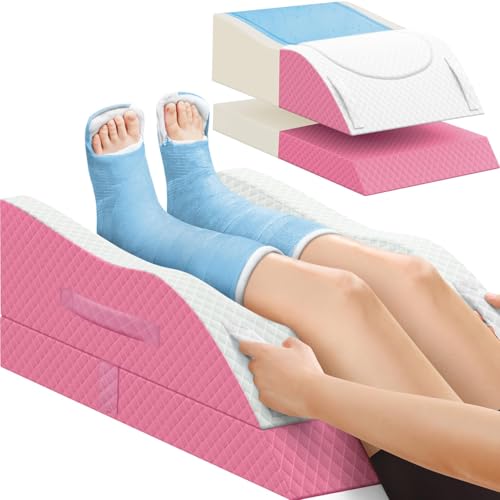
Adjustable Height for Personalized Support: Designed with your comfort in mind, this leg pillow offers easy height adjustment to cater to individual needs. The well-crafted padding ensures a comfortable experience, promoting relaxation and supporting recovery
Foods That Reduce (or Worsen) Swelling
While you’re avoiding pools and skipping that evening drink, there’s another factor sitting right on your plate. What you eat directly impacts how much your tattoo swells.
Load up on anti-inflammatory foods. You’ll want pineapple, which contains bromelain, and turmeric with its active compound curcumin. Berries, leafy greens, and fatty fish like salmon also fight inflammation effectively. Drink plenty of water to flush excess sodium and reduce fluid retention.
Now watch what you’re cutting out. Salt-heavy foods trap fluid in your tissues, so put down those chips and processed snacks. Alcohol worsens swelling and thins your blood. Spicy foods can increase blood flow to the area. Skip these temptations for at least 48 hours.
Your meal choices actively support healing—or they don’t. Choose wisely.
Recommended Products

Flexible Ice Packs for Injuries (Reusable): These flexible ice packs for injuries reusable stay pliable even when frozen, molding firmly to injured areas like the knee, back, or shoulder. They provide targeted hot or cold compress therapeutic relief from strains, sprains, or pains, acting as effective cold packs for injuries.

Targeted Cold Therapy for Shoulder & Upper Arm: The REVIX shoulder ice brace is designed to target shoulder and upper arm discomfort, helping to alleviate tension and fatigue. Its contoured design ensures focused cold therapy, which is ideal for relieving discomfort after workouts or long desk hours.

Targeted Cold Therapy for Shoulder & Upper Arm: The REVIX shoulder ice brace is designed to target shoulder and upper arm discomfort, helping to alleviate tension and fatigue. Its contoured design ensures focused cold therapy, which is ideal for relieving discomfort after workouts or long desk hours.
Sleep Positions That Reduce Overnight Swelling
Where exactly will you rest your fresh ink when bedtime rolls around? You’ll want to keep the tattooed area elevated above your heart whenever possible. Sleep on your back with the limb propped on pillows—this lets gravity pull fluid away from the swollen tissue. If your tattoo sits on your arm, avoid crushing it beneath your body weight; you’ll restrict blood flow and trap fluid. Side sleepers should switch sides or use a pillow barrier to prevent rolling onto fresh work. For leg tattoos, stack pillows under your calf or ankle rather than letting your limb hang off the bed. You’ll also benefit from sleeping in clean, loose clothing that won’t stick to or compress the area overnight.
Recommended Products
FOR ALL SPORTS & OUTDOOR ACTIVITIES - Shinymod arm sleeves will keep you comfortable whether you're golfing, fishing, playing basketball football volleyball, cycling, hiking, driving, or even gardening. Expect ultimate comfort and protection wherever adventure takes you.

Experience instant pain relief - The extra insulation keeps it cold and effective, to quickly reduce swelling and pain.

PROFESSIONAL SLEEVES BRAND - Shinymod began to sell arm sleeves since 2016, so far, Shinymod arm sleeves are the most popular one among Amazon customers. To meet customers’ various needs, we release this new version without thumb holes.
Warning Signs Your Swollen Tattoo Is Infected
Some swelling’s normal after you get inked, but you’ll need to watch for signals that something’s gone wrong. You’ll notice infection through several telltale signs. Your tattoo feels hot to the touch, and the redness spreads beyond the inked area instead of fading after a few days. You’ll see yellow or green pus oozing from the skin, accompanied by a foul odor that doesn’t smell like normal healing plasma.
You’ll experience throbbing pain that intensifies rather than subsides, and your skin develops red streaks traveling outward from the tattoo. You might run a fever above 100.4°F or notice swollen lymph nodes near the area. Your tattooed skin hardens or forms painful lumps underneath. These symptoms indicate your body’s fighting bacteria, not just recovering from needle trauma. Recognize these warning signs quickly.
Recommended Products

SUN PROTECTION ARM SLEEVES: These lightweight arm sleeves provide full arm coverage to shield your skin from UVA and UVB exposure; great for driving, cycling, fishing, hiking, gardening, running and daily outdoor activities

SUN PROTECTION ARM SLEEVES: These lightweight arm sleeves provide full arm coverage to shield your skin from UVA and UVB exposure; great for driving, cycling, fishing, hiking, gardening, running and daily outdoor activities

SUN PROTECTION ARM SLEEVES: These lightweight arm sleeves provide full arm coverage to shield your skin from UVA and UVB exposure; great for driving, cycling, fishing, hiking, gardening, running and daily outdoor activities
When to Call Your Tattoo Artist
How soon should you loop in your tattoo artist when swelling picks up? Contact them within 24 to 48 hours if swelling feels excessive or spreads beyond the tattooed area. They’ve seen countless healing processes and can distinguish normal inflammation from concerning reactions.
Your artist knows their work intimately. They understand how deep they inked, what skin type you’re sporting, and which aftercare products complement their technique. Send clear photos if you can’t visit in person. They’ll assess whether you’ve followed aftercare instructions correctly or if something’s gone awry.
Don’t hesitate when swelling accompanies heat, tightness, or oozing that smells unusual. Your tattoo artist can adjust your aftercare routine, recommend specific products, or determine if you need medical intervention. They want your tattoo to heal beautifully. Trust their expertise and keep communication open throughout your recovery.
Recommended Products
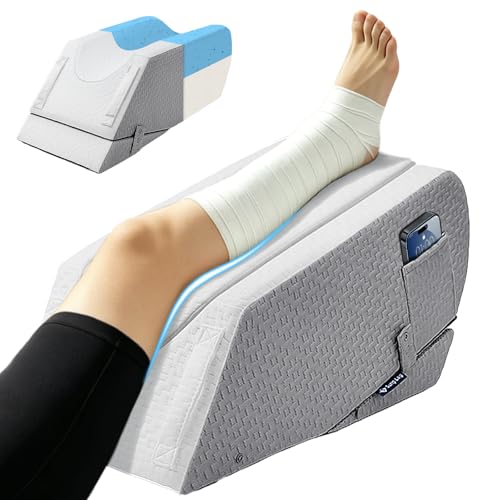
Adjustable Leg Elevation & Wedge Pillow - 4 Heights/2 Slopes for Post-Surgery Recovery, Memory Foam, Knee/Leg Swelling & Pain Relief, Improves Blood Circulation, Ankle/Foot Essential

ERGONOMIC LEG ELEVATION SUPPORT: Designed to support both legs in a gently elevated position for more comfortable resting after surgery, injury, or long periods of sitting or lying down. Ideal for use on the bed, sofa, or recliner.

Dimensions: 18” x 9”
When to See a Doctor About Tattoo Swelling
What symptoms signal it’s time to bypass your artist and head straight to a doctor? Seek immediate medical attention if you notice fever, chills, or red streaks spreading from your tattoo. These indicate potential blood infection. You should also consult a doctor if swelling worsens after three days, the area feels hot to touch, or pus oozes from the skin. Don’t ignore severe pain that painkillers can’t touch, or skin that turns purple, black, or develops raised bumps. These suggest allergic reactions or necrosis.
You’re risking permanent damage if you delay. Doctors can prescribe antibiotics for bacterial infections or steroids for allergic reactions. They’ll culture any fluid to identify the specific cause. Trust your instincts—if something feels seriously wrong, it probably is. Your health matters more than protecting your artist’s reputation or saving a copay.
Conclusion
You’ll manage tattoo swelling by acting early: apply cold compresses wrapped in cloth, keep the area elevated above heart level, and avoid tight clothing that traps heat. Take ibuprofen if you need it. Watch for warning signs like spreading redness or fever, and don’t hesitate to contact your artist or doctor when something feels wrong. Most swelling fades within a few days with proper care.