
You’ve just gotten fresh ink, and now you’re wondering when you can grab that razor again. The wait feels longer than you’d expect, and rushing it comes with real consequences. There’s a specific window where shaving becomes safe, but jumping in too early could permanently damage your artwork.
Key Takeaways
- Wait two to four weeks before shaving over fresh tattoo ink.
- Shave only when the surface feels completely smooth with no raised areas.
- Ensure no scabs, peeling, or shiny patches remain before shaving.
- Press gently to confirm no tenderness exists in the tattooed area.
- Stop shaving immediately if irritation or new scabbing returns.
Recommended Products

GENTLY CLEANSES NEW TATTOOS - Use Repair Tattoo Wash during the healing process to keep your fresh tattoo ink clean or as a perfect prep wash before and after tattooing.

PROTECT & HEAL - H2Ocean Aquatat seals the skin in a moisturizing barrier to protect from irritants while still allowing the skin to breathe. Aquatat will also heal topical wounds on skin such as tattoos, rashes, cuts and scrapes while minimizing scabbing.

GREAT FOR NEW TATTOOS - H2Ocean Blue Green Foam Soap cleanses skin on and around new tattoos and the addition of aloe vera aids the healing process.
When Can You First Shave Over a New Tattoo?
How soon you can grab your razor depends entirely on where your tattoo sits in the healing timeline. You’ll typically wait two to four weeks before shaving over fresh ink. During the first week, your skin forms a protective scab layer—don’t touch it. By week two, scabs start flaking naturally, revealing tender new skin beneath. You can’t rush this process.
You’ll know you’re ready when the surface feels completely smooth, with no raised areas, scabs, or shiny patches. The tattoo shouldn’t feel tender when you press it gently. If you notice any peeling, wait longer.
Moisturize daily to speed healing, but don’t substitute lotion for patience. Your artist’s aftercare instructions trump general timelines—follow their specific guidance for your piece’s size and location.
Recommended Products

100% Cotton Sterile Gauze Pads 4x4: Made from high-strength, high-quality cotton. They are soft, breathable, comfortable, and free from harmful chemicals, causing no irritation

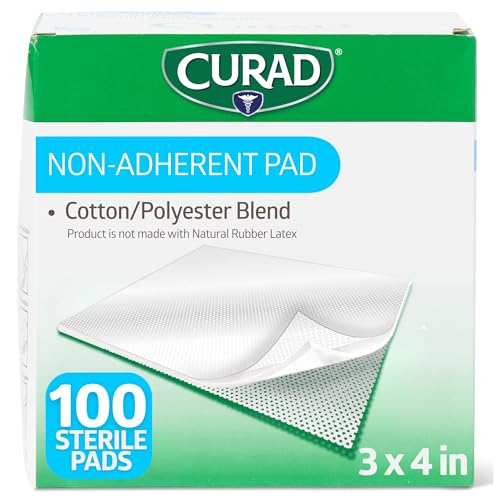
This sterile, absorbent rayon/polyester pad will not interfere with granulating tissue by sticking to the wound
What Happens If You Shave Too Soon?
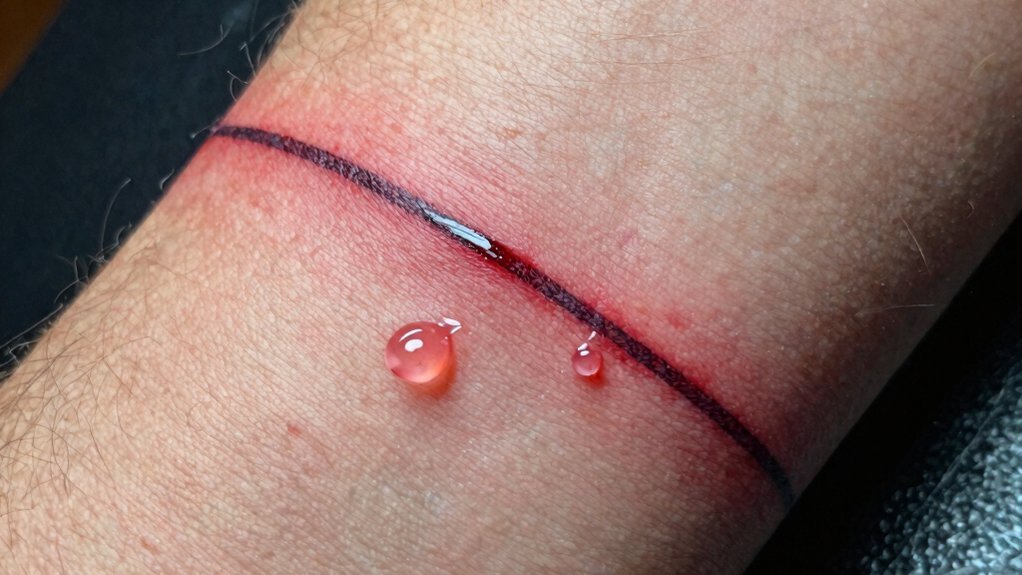
Why risk it? You open the door to infection when you drag a blade across unhealed skin. Your tattoo hasn’t sealed yet, so you’ve created an entry point for bacteria. You’ll likely slice through scabs you’ve worked hard to protect, pulling out ink and leaving gaps in your design. The razor strips away delicate new tissue you’ve been nurturing, forcing your body to restart the healing process.
You’ll notice immediate consequences. Blood wells up, stinging announces the damage, and redness spreads beyond normal irritation. Your tattoo may appear patchy or faded once healed. You’ve also introduced irritation that prolongs recovery markedly.
The controlled trauma of tattooing demands respect. Shaving too soon shows impatience, and your skin pays the price with compromised artwork and potential scarring you can’t reverse.
Recommended Products

Extra-Strength Care for Piercings: Specifically formulated for piercing aftercare, Tattoo Goo Cleansing Spray helps prevent infection and scarring. Suitable for both internal and external use, it helps with proper healing without harsh ingredients

Supports the Natural Fading Process for Unwanted Ink-This tattoo care spray is formulated with botanical extracts to support the skin’s natural appearance over time. Designed for daily use, it helps maintain skin health on areas with old or unwanted tattoos, providing a gentle and non-invasive approach to your personal care routine
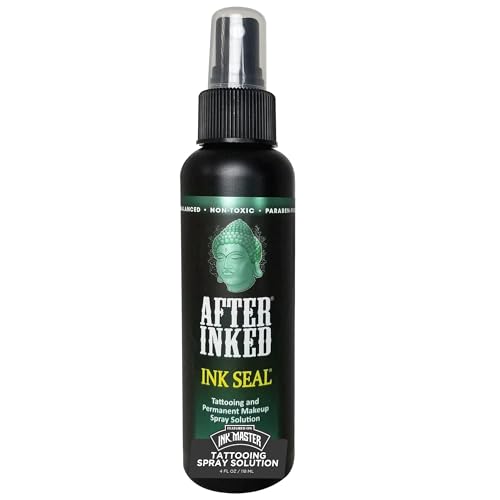
BENEFICIAL CLEANSER: After Inked Ink Seal Spray is a credible and gentle solution for cleaning tattoos and permanent makeup. This formula helps maintain ink clarity, foster hydration, and promotes faster recoup, making it an essential part of the tattooing procedure.
Quick Fixes for Accidentally Shaving a Healing Tattoo
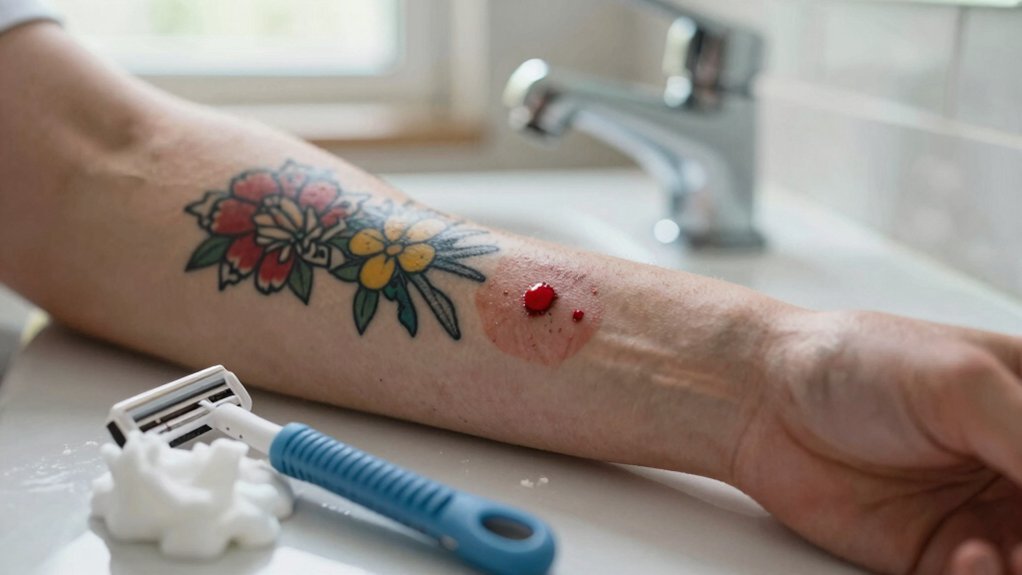
So you’ve nicked your healing tattoo with a razor—now what? First, drop the razor. Rinse the area immediately with lukewarm water. Pat it dry gently with a clean paper towel—don’t rub. Apply a thin layer of unscented antibacterial ointment. Cover it loosely with sterile gauze if bleeding persists.
You’ve disrupted the healing process, so adjust your aftercare. Switch back to washing twice daily and moisturizing more frequently. Skip products with alcohol or fragrances—they’ll sting and irritate further.
Watch closely for warning signs. Increasing redness, warmth, swelling, or pus means infection’s setting in. Don’t wait—contact your tattoo artist or doctor promptly.
Most nicks heal without lasting damage if you act fast. Protect the area from sun and friction while it recovers. Resume shaving only after complete healing.
Recommended Products

16-fluid ounce bottle of Lubriderm Fragrance Free Daily Moisture Lotion + Pro-Ceramide, Shea Butter and Glycerin to help restore skin's moisture barrier for healthier-looking skin

24-hour results: Clinically proven to help moisturize dry skin for 24 hours** with Pro-Ceramide and glycerin, this hydrating lotion helps strengthen your skin’s natural moisture barrier for healthier-looking, hydrated skin

Protect Your Body Art: Moisturizing with the bonus of itch relief! Tattoo Goo's Tattoo Care Lotion soothes healing skin & keeps healed ink looking sharp for life. With olive oil & glycerin, it delivers deep, breathable hydration that won’t clog pores
Healing Signs: When You’re Clear to Shave Over Your Tattoo
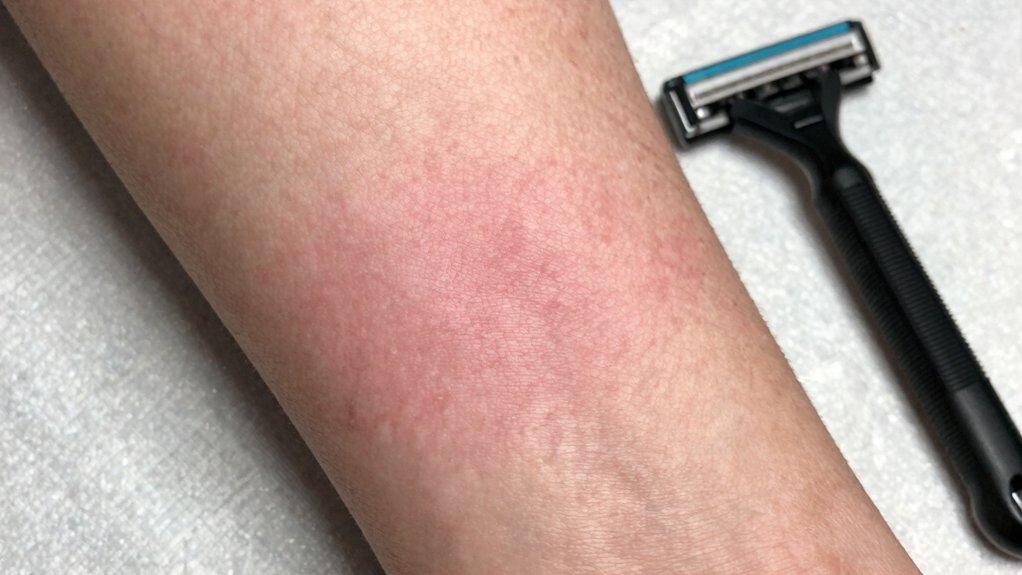
Once you’ve repaired any accidental nicks and your tattoo has had time to mend, you’ll need concrete signals that shaving won’t cause new damage. Your skin shouldn’t peel, flake, or shed anymore. The surface must feel smooth and match the texture of surrounding skin, not raised or bumpy. Scabbing needs to end completely—don’t mistake thin, healing scabs for ready skin.
You’ll know you’re clear when itching stops and redness fades entirely. The tattoo’s colors should look settled, not dull or cloudy from trapped moisture. Press the area gently; if you feel no tenderness or warmth, you’ve likely healed internally too.
Wait at least two to three weeks minimum, though larger pieces often need six weeks or more. Rushing guarantees regret.
Recommended Products

COMPLETE AFTERCARE KIT FOR NEW & EXISTING TATTOOS: This Tattoo Aftercare Kit brings together 3 essentials, Antimicrobial Soap, Tattoo Balm, and Tattoo Lotion, to help cleanse, protect, and moisturize fresh ink. Useful after tattoo sessions and throughout healing, it supports vibrant color and skin comfort for dedicated ink enthusiasts and artists

Foaming Tattoo Soap: Great for in-process and post-tattoo and piercing care. Keeps new tattoos & piercings clean during the healing process.

Gentle, Deep Cleansing: Tattoo Goo Foaming Cleansing Soap for tattoos and piercings helps remove impurities and clean the inked or pierced areas at a deep level by removing dirt, dead skin cells, and killing germs without damaging the skin
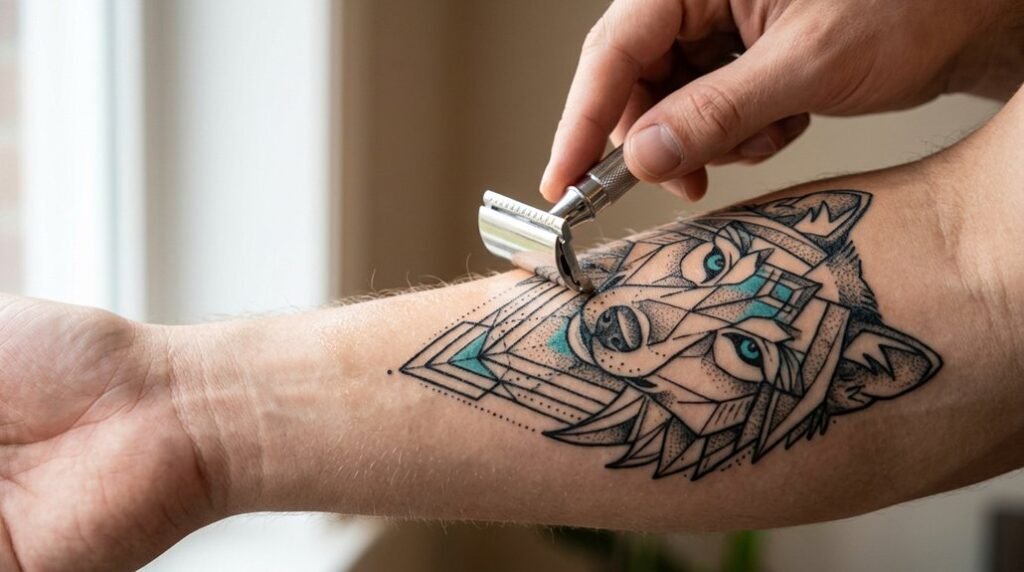
How to Shave Over a Healed Tattoo Safely
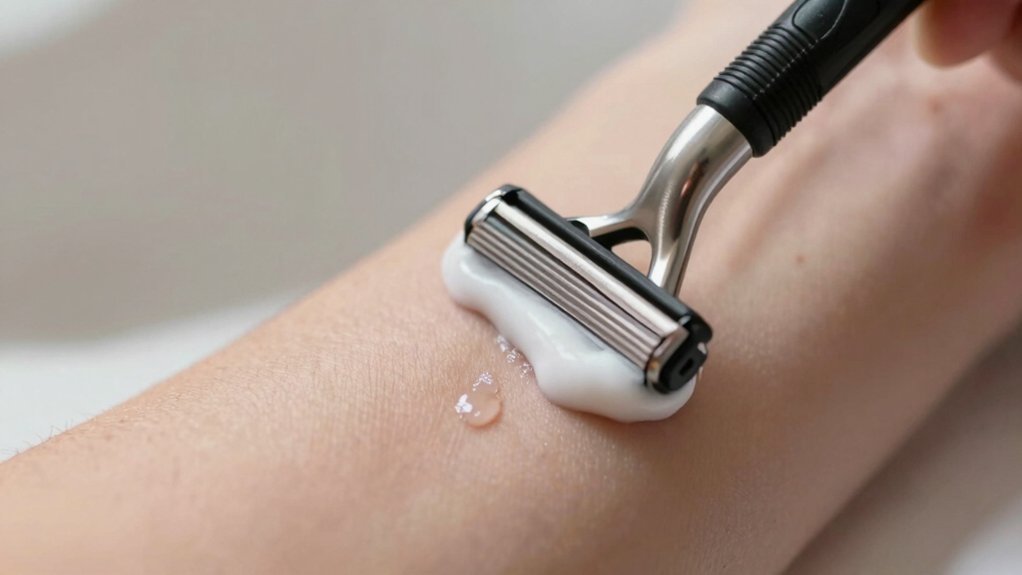
How exactly should you glide a razor across inked skin without ruining the artwork beneath?
Start with warm water. You’re softening hair and opening pores, reducing resistance against the blade. Apply a thin layer of fragrance-free shaving gel—fragrances irritate freshly exposed skin. You’re creating a protective barrier between steel and ink.
Shave with the grain, never against it. You’re minimizing ingrown hairs and micro-abrasions that dull tattoo vibrancy. Use light, even pressure. You’re letting the razor do its job without scraping away epidermal layers that hold pigment.
Rinse with cool water. You’re closing pores and calming inflammation. Pat dry—don’t rub. Apply unscented moisturizer. You’re restoring hydration without clogging shaved follicles.
Skip shaving if you notice redness, raised areas, or scabbing returns. You’re waiting until the skin settles completely before bringing steel back to your art.
Recommended Products

GREAT FOR NEW TATTOOS - H2Ocean Blue Green Foam Soap cleanses skin on and around new tattoos and the addition of aloe vera aids the healing process.

TATTOO AFTERCARE OINTMENT – Made especially for aftercare of tattooed skin. Offers premium protection and the best tattoo care. Suitable for new & existing tattoos. Moisturizes dry skin and nourishes it. Makes tattoo colors look more vibrant and fresher. Helps tattoos look their best.

NOURISHING SEA MINERALS FOR EXTREME TATTOOS – Designed for hard-to-heal areas and intense colors, this tattoo aftercare kit gently cleanses and nourishes with Red Sea salt and vitamins. While the Ultimate Kit speeds tattoo healing for less intense tattoos, the Extreme Kit is perfect for those “extreme” spots that need extra care.
Electric or Manual Razor: Which Treats Tattooed Skin Better?
Which tool deserves a place in your hand when you’re maintaining ink you’ve already invested in? You need to weigh your options carefully.
You’ll find electric razors gentler on tattooed skin. They don’t scrape directly against the surface; instead, they cut hair without pulling the blade across your delicate ink. You reduce irritation and nicks substantially. However, you won’t get as close a shave, so stubble returns faster.
Manual razors give you smoother results but demand more caution. You’re dragging a sharp blade across your artwork, which risks catching on raised lines or snagging dry patches. If you choose this route, you must use a fresh cartridge and adequate lubrication every single time.
Ultimately, you’ll protect your tattoo’s vibrancy better with an electric option, especially over intricate or colored work where skin remains sensitive long after healing completes.
Recommended Products
QUICK & EASY TO USE! Sticky around the edges but not in the middle, Healqu Bordered Gauze Island Dressings protect fresh cuts and scrapes without sticking to the wound, for good protection while healing. Simply peel & stick, and get on with the rest of your day!

VERSATILITY: Roller gauze has never been as versatile as MED PRIDE Conforming Stretch Gauze Bandages. Ideal for a roller bandage 2 inch application, these bandages are a must-have for hospitals, schools, and even your home first aid kit.

Rayon-Polyester Blend: These 2x2 small gauze pads are made from 70% Rayon – 30% polyester non-woven blend, ensuring enhanced softness, breathability and comfort.
Should You Exfoliate Before Shaving Over a Tattoo?
You’ve settled on your razor, but your prep work matters just as much. You should exfoliate before shaving over a tattoo, but timing and technique determine whether you help or harm your ink.
Wait until your tattoo has fully healed—typically four to six weeks—before introducing any exfoliation. Fresh tattoos can’t withstand scrubbing, and you’ll risk infection, scarring, or color loss if you rush this step.
Once healed, you benefit from gentle exfoliation. You remove dead skin cells that trap hairs and create uneven shaving surfaces. You reduce drag on your razor, which means fewer passes and less irritation over your artwork.
Use a mild chemical exfoliant or soft washcloth. You avoid harsh scrubs with large granules that scratch the skin. You exfoliate one to two days before shaving, not immediately prior, so your skin recovers its protective barrier.
Recommended Products

Nourishes Healing Ink for Vibrant Color: Tattoo Goo supports healing tattoos & maintains vibrancy on healed ink with a lightweight formula rich in olive oil, lavender oil, cocoa butter, and beeswax. It absorbs quickly, moisturizes deeply, and helps reduce dryness, itch and tightness so your tattoo looks and feels comfortable through everyday routines

All Natural and Vegan: Our Blue Bubbles Foaming Aftercare Tattoo Soap is crafted with care, providing an effective detergent/cleanser that is all-natural and vegan. Perfect for the removal of dried blood and protein soils from the skin and scalp, it offers a soothing and gentle cleansing experience.
Complete Tattoo Cleaning Kit: Includes 1 bottle of COSCO Tincture of Green Soap 16 oz Tattoo Stencil Cleaner with Plastic Spray Bottles for convenient application
How to Prevent Ingrown Hairs When Shaving Over Tattoos
Few shaving frustrations rival the irritation of ingrown hairs erupting across your inked skin. You prevent them by softening hair with warm water before you pick up your razor. You apply a thin layer of shaving cream and let it sit for one minute to further soften stubble. You shave with the grain, not against it, using short, light strokes that don’t press into the skin. You rinse your blade after every pass to prevent clogging and tugging. You swap out dull blades weekly; they catch and pull hair backward into follicles. You finish with cold water to close pores, then pat dry. You apply fragrance-free moisturizer daily between shaves to keep skin supple and hair growing outward, not inward.
Recommended Products

INFUSED WITH CLEAN, EFFECTIVE INGREDIENTS - The clean ingredients like Glycerin & Shea Butter provide lightweight nourishment and bounce to skin without ever feeling heavy or greasy on the surface. Anti-aging powerhouse vitamin A promotes visible firmness to skin, offsetting the appearance of fine lines and wrinkles.

Body lotion for dry skin: Daily Moisturizing Lotion nourishes the skin with a light and creamy yet fast-absorbing feel to help prevent dryness; body lotion instantly strengthens the skin barrier with 48-hour hydration; 8 Fl Oz

Hydrates and relieves dry, sensitive skin
Which Body Spots Make Shaving Over Tattoos Tricky?
Where exactly are you trying to shave? Some body spots challenge you far more than others.
You face serious difficulty around joints—knees, elbows, ankles—where skin stretches and folds unpredictably. Your razor catches on these uneven surfaces, increasing irritation risk over fresh ink. You’re also contending with curved areas like shoulders, ribs, and hips where maintaining proper blade angle becomes awkward.
Bony regions present another hurdle. When you shave over collarbones, shinbones, or spine ridges, you apply uneven pressure that abrades healing skin. You’re working with less cushioning there, so mistakes hurt more.
Sensitive zones—inner thighs, armpits, groin—demand extra caution too. Skin there rubs constantly and reacts strongly to irritation. You’ll need steadier hands and more patience in these spots to protect your artwork without causing damage.
Recommended Products

ESSENTIAL AFTERCARE FOR TATTOOS & PIERCINGS: After Inked Aftercare Foam Cleanser is designed to gently cleanse and remove dirt from tattoos, piercings, and body modifications. It provides an effective yet soothing clean without causing skin irritation or dryness.

THE ORIGINAL TATTOO AFTERCARE BANDAGE – Saniderm’s Original Gloss Bandage is the tried-and-true, industry-defining tattoo aftercare bandage. Dermatologist-recommended and trusted by expert tattoo artists worldwide, this medical-grade bandage ensures your tattoo heals quickly, safely, and more vibrantly. With over a decade of experience and millions of tattoos healed, it’s the perfect way to heal your ink.

Complete Tattoo Aftercare Kit – Includes 1.7oz Tattoo Balm and 2oz Tattoo Foam Soap Cleanser to support a full tattoo care routine. Clean, hydrate, and maintain the appearance of your body art.
What Ingredients Should You Skip in Shaving Products?
Whatever you lather up with matters when there’s fresh ink involved. You’ll want to scan labels carefully and ditch products loaded with alcohol, fragrances, and artificial dyes. These ingredients sting, dry out healing skin, and trigger irritation that can blur your lines.
Skip menthol and eucalyptus too—they create that cooling burn that feels refreshing on normal skin but wreaks havoc on open or tender tattooed areas. Avoid exfoliating acids like salicylic or glycolic acid; they’ll strip away protective layers your tattoo desperately needs.
Steer clear of sodium lauryl sulfate, the foamy culprit that strips natural oils and leaves skin vulnerable. You should also pass on essential oils, which seem natural but often cause allergic reactions on compromised skin.
Choose fragrance-free, gentle formulas instead. Your healed artwork depends on it.
Conclusion
You’ll know you’re ready when your tattoo feels smooth, settled, and completely itch-free with no shine or peeling. Wait at least two to four weeks, then shave gently with clean, sharp razors and fragrance-free products. Stop immediately if irritation flares up. Patience protects your ink and your skin.