
You notice a rough crust forming over your fresh ink, and you worry you’ve done something wrong. Your body is simply protecting the wounded area with a natural barrier while new skin grows underneath. This scabbing process starts within days and actually confirms your immune system is working properly. But knowing what’s normal versus dangerous changes everything about how you’ll heal.
Key Takeaways
- Scabbing is your body’s normal response to the controlled skin injury created by tattoo needles.
- Plasma, ink, and blood rise to the surface during healing, forming protective scabs over vulnerable tissue.
- The inflammatory healing phase typically begins within two to three days after your tattoo session.
- Your immune system cannot distinguish between accidental wounds and intentional tattooing trauma.
- Scabs serve a protective function, shielding the damaged skin beneath while it regenerates.
Recommended Products

Gentle, Deep Cleansing: Tattoo Goo Foaming Cleansing Soap for tattoos and piercings helps remove impurities and clean the inked or pierced areas at a deep level by removing dirt, dead skin cells, and killing germs without damaging the skin

GENTLY CLEANSES NEW TATTOOS - Use Repair Tattoo Wash during the healing process to keep your fresh tattoo ink clean or as a perfect prep wash before and after tattooing.

COMPLETE AFTERCARE KIT FOR NEW & EXISTING TATTOOS: This Tattoo Aftercare Kit brings together 3 essentials, Antimicrobial Soap, Tattoo Balm, and Tattoo Lotion, to help cleanse, protect, and moisturize fresh ink. Useful after tattoo sessions and throughout healing, it supports vibrant color and skin comfort for dedicated ink enthusiasts and artists
Why Tattoo Scabbing Happens (And Why It’s Normal)
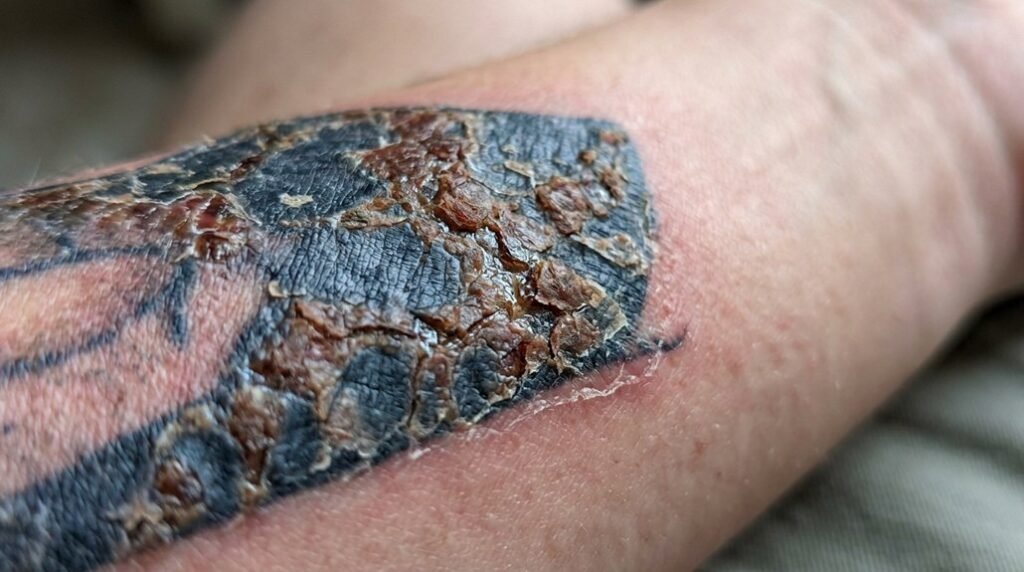
Why does your tattoo scab in the first place? You’re witnessing your body’s natural healing response. When the needle punctures your skin thousands of times, you’re sustaining a controlled injury. Your immune system rushes to repair the damage you’ve endured.
You’ll notice plasma, ink, and blood rising to the surface. As this mixture dries, you’re seeing scabs form. They’re protecting the vulnerable tissue you’ve created beneath. You’re not observing an infection or complication—you’re watching regeneration unfold.
Your tattoo sits in the dermis, but you’ve damaged the epidermis above it. Scabbing indicates you’ve reached the inflammatory phase of healing. You’ll typically see this develop within two to three days after your session.
You’re experiencing something every tattoo collector endures. Your body doesn’t distinguish between accidental wounds and intentional art—it simply responds to the trauma you’ve chosen.
Recommended Products
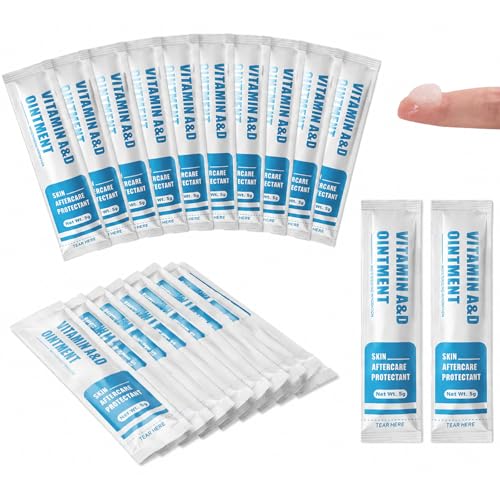
Honest, Accurate Care – This protective ointment comes in 50 hygienic single-serve packets for mess-free, on-the-go convenience. Easy to apply for tattoo protection anytime.

PROTECT & HEAL - H2Ocean Aquatat seals the skin in a moisturizing barrier to protect from irritants while still allowing the skin to breathe. Aquatat will also heal topical wounds on skin such as tattoos, rashes, cuts and scrapes while minimizing scabbing.

【Enriched with Vitamins A & D】This tattoo scar gel is formulated with naturally derived vitamins A and D, plus skin-calming ingredients. It helps support your skin's natural recovery process while keeping the tattoo area moisturised.
How to Care for a Scabbing Tattoo: Daily Steps
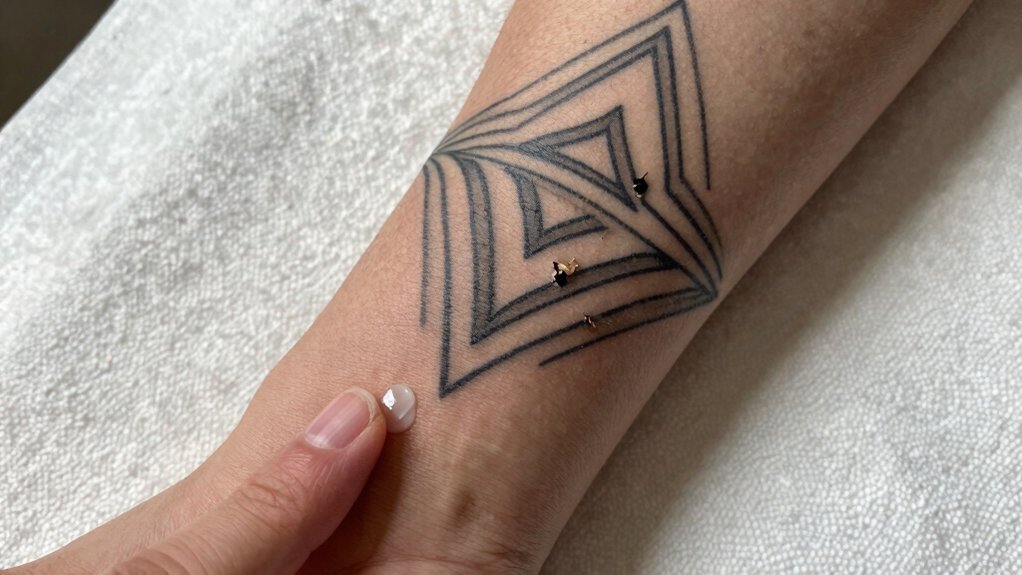
So how exactly do you keep your scabbing tattoo on track?
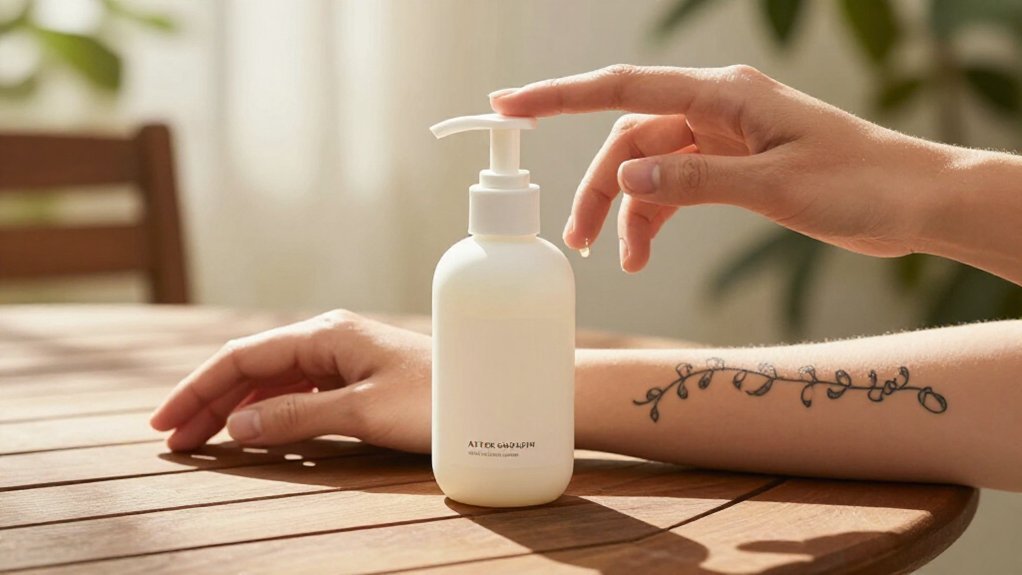
You’ll wash your hands first, then gently cleanse the area with fragrance-free soap and lukewarm water. Pat it dry with a clean paper towel—don’t rub. Apply a thin layer of your artist’s recommended ointment, just enough to make it glisten. You’ll repeat this washing and moisturizing routine two to three times daily.
Keep your clothing loose and breathable. You’ll avoid soaking the tattoo in baths, pools, or hot tubs. Don’t pick at scabs or scratch them, even when they itch. You’ll let the scabs detach naturally.
Sleep on clean sheets and avoid direct sunlight hitting the healing skin. Stay hydrated and resist the urge to over-moisturize, which can suffocate the wound.
Recommended Products

Protect Your Body Art: Moisturizing with the bonus of itch relief! Tattoo Goo's Tattoo Care Lotion soothes healing skin & keeps healed ink looking sharp for life. With olive oil & glycerin, it delivers deep, breathable hydration that won’t clog pores

Nourishes Healing Ink for Vibrant Color: Tattoo Goo supports healing tattoos & maintains vibrancy on healed ink with a lightweight formula rich in olive oil, lavender oil, cocoa butter, and beeswax. It absorbs quickly, moisturizes deeply, and helps reduce dryness, itch and tightness so your tattoo looks and feels comfortable through everyday routines

◈ Premium Value Set - Get 2 rolls of professional tattoo aftercare bandage (6"x2 Yard each), totaling 4 yards. Easily cut to fit large tattoos, saving frequent repurchases. Ideal for all body areas.
Normal vs. Infected: Reading Your Scabs
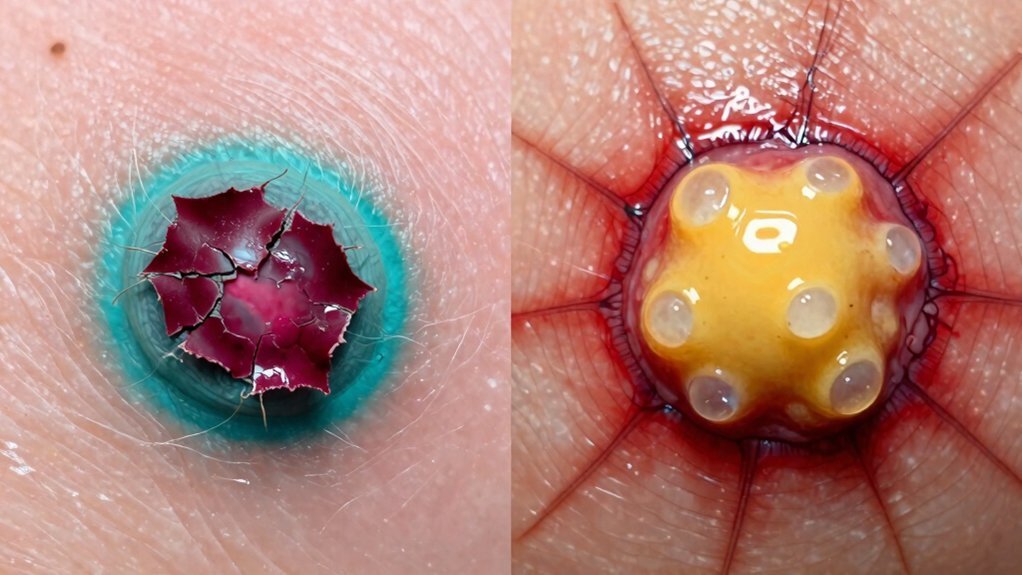
How do you know if your scabbing tattoo is healing properly or signaling trouble? You’ll recognize healthy scabs by their thin, flat appearance and dark brown or black color. They feel slightly raised but not swollen, and you’ll notice minimal tenderness that improves daily.
Infected scabs tell a different story. You’ll see thick, yellow-green crusts or pus underneath. The surrounding skin turns angry red and feels hot to your touch. Pain increases rather than subsides, and you might spot red streaks traveling outward. Fever and swollen lymph nodes confirm your suspicions.
Trust your instincts when something feels off. Normal healing produces some discomfort, but excessive throbbing, spreading redness, or foul odors demand immediate medical attention. Don’t wait—contact your artist or doctor promptly when infection signs appear. Early intervention prevents serious complications and protects your investment.
Recommended Products

TIP-TO-TOE CARE: Baby Dove Fragrance Free Moisture Hypoallergenic Baby Wash gently cleanses baby's hair and skin during bath time; suitable for sensitive skin and gentle enough for newborn care.

Complete Tattoo Care Routine in One Kit: The Ultimate Healing Kit provides a simple multi-step routine designed to support tattoo care from the first day through the healing process. The kit combines essential products that work together to help keep the skin clean, comfortable, and hydrated while maintaining the appearance of fresh tattoo artwork.

GREAT FOR NEW TATTOOS - H2Ocean Blue Green Foam Soap cleanses skin on and around new tattoos and the addition of aloe vera aids the healing process.
The Real Risk of Picking or Scratching
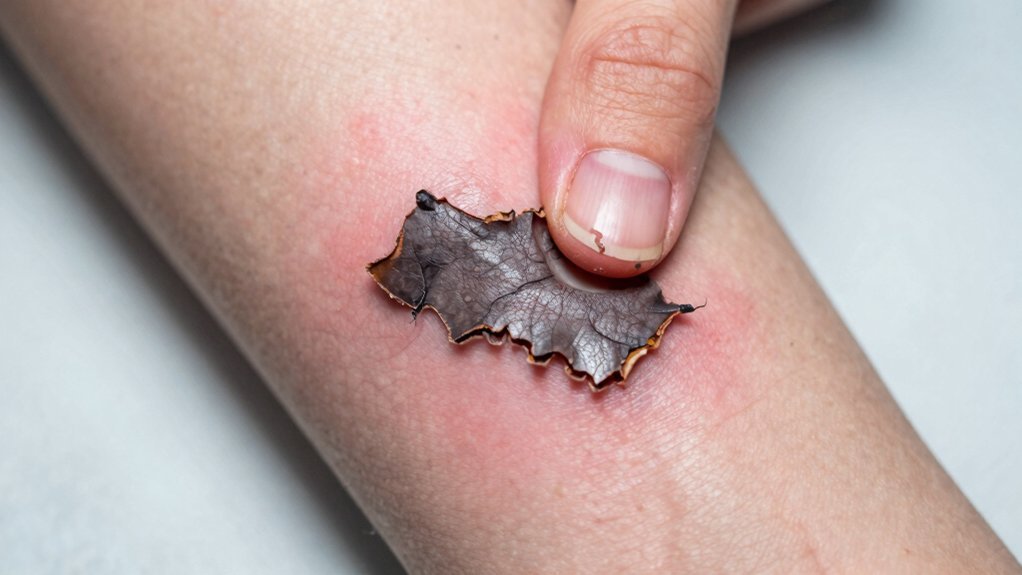
When you scratch that healing tattoo, you’re dragging bacteria into the wound and pulling ink straight out of your skin. You’re not just risking infection—you’re actively destroying your artist’s work.
Every time you pick at a scab, you’re creating gaps in the design that’ll heal as permanent scars or faded patches.
You might think you’re speeding up healing, but you’re actually prolonging it. You’re reopening the wound and restarting the recovery process. You’re also increasing your chances of raised, textured scars that distort the tattoo’s lines.
Your fingernails harbor germs you can’t see. When you dig at itchy skin, you’re introducing staph and other pathogens directly into vulnerable tissue. You’re trading temporary discomfort for permanent damage. Don’t do it.
Recommended Products

Fun and Cute Pink Tattoo Station Sign This temporary tattoo station sign features a charming pink and white design with clear tattoo application instructions, making it a fun addition to any event. Perfect for adding a playful vibe to your tattoo station!

Classic Tattoo Parlor Vibes: This black-and-white sign with bold text adds an edgy yet fun way to direct party guests to your temporary tattoo station.

Generous Quantity: 5 sheets x 5 = 25 temporary tattoos
When Scabbing Needs Medical Attention
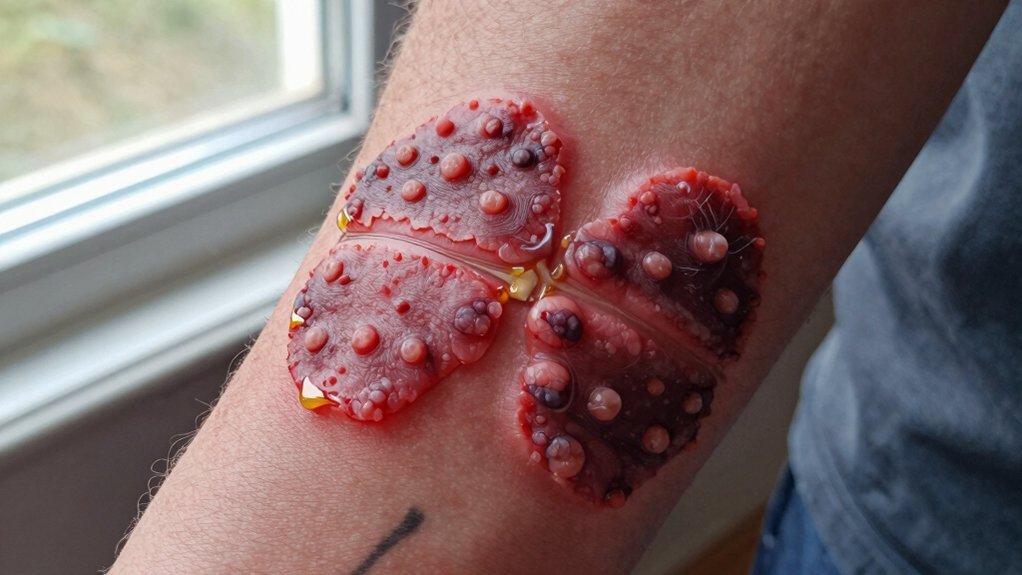
Most tattoos heal without drama, but certain signs mean your scabbing has crossed into territory that needs a professional’s eyes. You must watch your healing ink closely.
You feel excessive heat radiating from the area, and the warmth refuses to fade after three days. You spot pus oozing from beneath the scab, or you catch a foul odor rising from the wound. You notice red streaks spidering away from the tattoo. You develop a fever that climbs above 100.4°F. You see the scabs hardening into thick, crusty layers that refuse to fall off naturally after two weeks. You experience swelling that worsens instead of improving.
Do not wait these symptoms out. You contact your tattoo artist or head straight to a doctor. You protect your skin and your health by acting fast. Infections spread quickly.
Recommended Products

Foaming Tattoo Soap: Great for in-process and post-tattoo and piercing care. Keeps new tattoos & piercings clean during the healing process.

PERFECT FOR THE TATTOO ARTIST AND COLLECTOR – Whoever you are, you want to make your tattoo aftercare experience convenient and effortless. This soap ensures the tattoo always leaves the shop or house sanitized and moisturized.

GREAT FOR NEW TATTOOS - H2Ocean Blue Green Foam Soap cleanses skin on and around new tattoos and the addition of aloe vera aids the healing process.
Conclusion
Your tattoo scabs because your body’s doing exactly what it’s designed to do—protecting wounded skin while it heals underneath. You’ve learned that gentle care, patience, and resisting the urge to pick will get you through this phase safely. Trust the process, watch for warning signs, and you’ll protect both your health and your ink. The scabbing won’t last forever, but your tattoo will.
Recommended Products

QUICK HEALING:A&D ointment gel is rich in essential vitamins A and D,which is very important for aftercare microblading ,effectively helping to remove burns,cuts,surgical marks and the impact of marks on beauty

[ Natural Ingredients ] — Our all-natural after tattoo care butter is petroleum and paraben free. Bela tattoo post care is made from only the finest ingredients, including Shea Butter, Olive Oil, Panthenol, Tocopherol, Grape Seed Oil, Lavender Oil, Aloe Vera Extract, Coconut Oil, Camellia Japonica Seed Oil, Bisabolol, and Sunflower Oil. Great tattoo aftercare ointment.

PROTECT & HEAL - H2Ocean Aquatat seals the skin in a moisturizing barrier to protect from irritants while still allowing the skin to breathe. Aquatat will also heal topical wounds on skin such as tattoos, rashes, cuts and scrapes while minimizing scabbing.