
A tattoo blowout strikes like ink bleeding through wet paper, your clean lines dissolving into unintended shadows beneath the skin.
You need solutions that work, not vague reassurance.
This guide walks you through five proven methods, from patient observation to precise correction, each matched to your situation’s severity and your comfort with intervention.
You’ll learn exactly when to wait, when to act, and which path saves your art without breaking your budget or your spirit.
The right fix depends on factors you haven’t considered yet.
Let It Heal: Don’t Judge a Fresh Tattoo Blowout
Although panic sets in when ink looks blurry, you shouldn’t declare “blowout” while your tattoo’s still fresh. Your first week brings swelling, oozing, and scabbing, any of which can mimic ink spreading beneath your skin’s surface.
Why Early Judgment Fails
Days after getting your new tattoo, the boundary between scab and ink often looks hazy. This normal healing response can appear like distortion, but it’s not tattoo blowout yet. Your tattooed skin needs time to settle before you’ll see true clarity.
The Root Cause
Blowout usually stems from ink placement during your session, not aftercare. If the artist injected too deep, that’s the issue, not how you’re cleaning it.
Your First Move
Contact your artist with photos immediately. Never rush toward laser tattoo removal while the tattoo to heal properly is unfinished. Wait the full 3 to 8 weeks.
Recommended Products

Professional Stencil Prep: Balm Tattoo Premium tattoo stencil remover is designed for tattoo artists, studios, and apprentices who need to adjust, clean, or reposition tattoo stencils before starting a session.

Tattoo Machine Alignment Adjustment Tool for Spring Adjustment
Blowout or Bruising? How to Spot the Difference
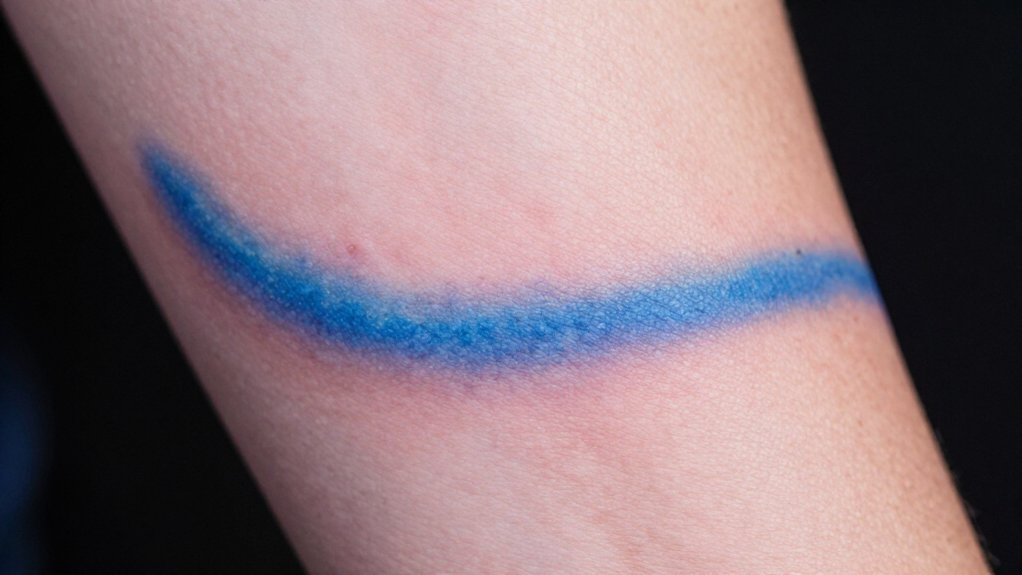
How do you know if you’re dealing with bruising or a real blowout? You need to spot the difference before you panic.
1. Compare the Spread
Bruising looks diffuse and superficial. Blowouts show ink spreading beyond your tattoo’s crisp outline. You’ll notice a blowout when blurred edges “bleed outward” and don’t follow your design.
Blowouts reveal themselves when ink bleeds past crisp outlines, creating blurred edges that stray from your design’s intended path.
2. Track the Timeline
Blowouts become more obvious within days as your tattoo heals. Early scabbing can make any tattoo look hazy temporarily.
3. Check the Cause
Blowouts happen when the artist presses too hard, sending ink particles too deep. Your tattoo aftercare routine cannot cause or fix this underlying placement issue.
4. Watch for Improvement
If the hazy area clears as scabs fall off, you’re seeing normal healing. If linework stays blurred outside design boundaries, you’re dealing with a true blowout that changes how a tattoo looks permanently.
Recommended Products

RELIABLE PROTECTION: Hion transparent adhesive bandage shields your skin from dust, dirt, germs and bacteria, as well as friction or scrubbing. It is good to protect minor burns, scrapes, cuts, blisters, abrasions and new tattoo in healing. The transparent film dressing allows you to observe healing progress of your wound without having to peel it off.
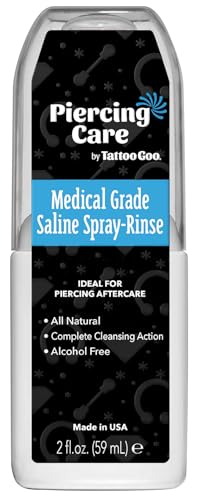
COMPLETE CLEANSING ACTION - Can be used in conjunction with an antiseptic such as found in X-pression Piercing Aftercare, and anti-bactericide as found in Tattoo Goo Deep Cleansing Soap as well; This treatment method conforms to the requirements as set out by Association of Professional Pierces

COMFORTABLE AND BREATHABLE:The waterproof bandages consists of three layers of PU film,adhesive and release paper,the waterproof bandages for swimming is flexible and stretchable,thin and breathable,tattoo aftercare won't be burdensome to stick it on your skin,the tattoo cover up tape can be effectively adhered to your skin,second skin tattoo is not easy to fall off,and tattoo aftercare bandage can be easily torn off after using waterproof bandaids,tattoo cover up patch won't damage your skin.
Will It Fade? When Blowouts Heal on Their Own
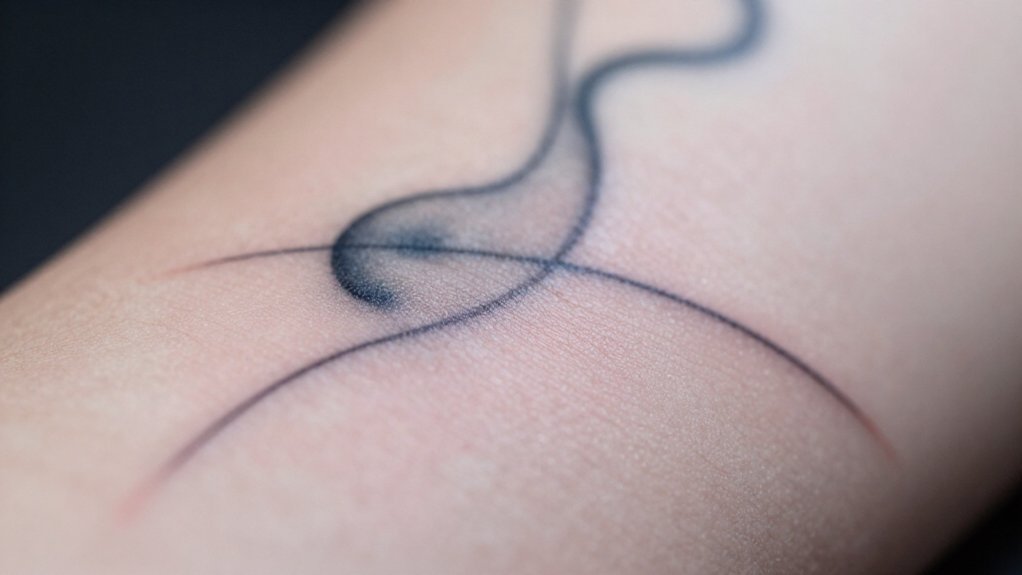
A blowout can look alarming in the first few days, but you need to know what will actually fade. Some tattoo blowouts appear worse initially due to swelling, oozing, and scabbing. As the healing process continues, these effects subside.
You will see clearer signs after scabs flake away, typically within two to four weeks. When blowouts heal on their own, real improvement remains limited. If ink has truly spread beneath your skin, the blown-out tattoo rarely fades substantially without intervention.
You must take good care of your fresh tattoo and wait for it to fully heal before judging results. If distortion persists after full healing, laser therapy offers the most reliable solution. Multiple sessions gradually reduce the scattered ink. Patience now prevents poor outcomes later.
Recommended Products

COMPLETE AFTERCARE KIT FOR NEW & EXISTING TATTOOS: This Tattoo Aftercare Kit brings together 3 essentials, Antimicrobial Soap, Tattoo Balm, and Tattoo Lotion, to help cleanse, protect, and moisturize fresh ink. Useful after tattoo sessions and throughout healing, it supports vibrant color and skin comfort for dedicated ink enthusiasts and artists
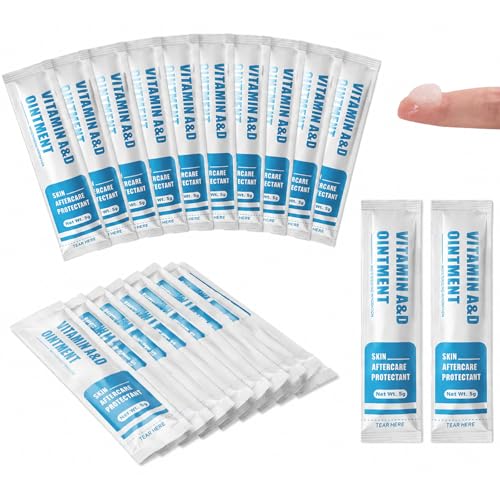
Honest, Accurate Care – This protective ointment comes in 50 hygienic single-serve packets for mess-free, on-the-go convenience. Easy to apply for tattoo protection anytime.

FRAGRANCE FREE TATTOO AFTERCARE FOR SENSITIVE SKIN - The same #1 artist recommended Hustle Butter formula, now with no added fragrance, dyes, or parabens. The unscented tattoo lotion of choice for sensitive or easily irritated skin.
Fix It With Ink: Cover-Up and Camouflage Options
Once your tattoo has fully healed, you still have options if the blowout remains visible. You can fix a tattoo blowout with ink rather than jumping to tattoo removal methods or laser treatment.
Once healed, a tattoo blowout can be fixed with ink—no laser removal required.
1. Understand the Timing
You must wait about two months for the original tattoo to settle before adding new ink.
2. Plan Your Blowout Cover-Up
An experienced tattoo artist will plan darker shading, thicker linework, or expanded elements around the blown-out area. Fine details rarely restore cleanly, so you adapt the design.
3. Explore Camouflage Tattoo Techniques
Artists turn haze into intentional texture, or add features that break up the spread rather than mask it completely. This improves appearance of a tattoo without erasing history.
4. Budget for Cover-Up Tattoos
Expect $50 to $400 depending on size and complexity.
5. Choose Your Artist Carefully
Thin or high-risk skin needs extra caution, as further blowout remains possible. Confirm your artist specializes in cover-ups, not just flash work.
Recommended Products

TATTOO AFTERCARE ESSENTIAL: Hustle Butter is the original tattoo aftercare balm for new and older tattoos. With over 10 years in the market, we are a pioneer of the tattoo aftercare category.

Protect Your Body Art: Moisturizing with the bonus of itch relief! Tattoo Goo's Tattoo Care Lotion soothes healing skin & keeps healed ink looking sharp for life. With olive oil & glycerin, it delivers deep, breathable hydration that won’t clog pores

Nourishes Healing Ink for Vibrant Color: Tattoo Goo supports healing tattoos & maintains vibrancy on healed ink with a lightweight formula rich in olive oil, lavender oil, cocoa butter, and beeswax. It absorbs quickly, moisturizes deeply, and helps reduce dryness, itch and tightness so your tattoo looks and feels comfortable through everyday routines
Fix It With Removal: Laser and Surgery for Blowouts
If you’re not ready to mask a blowout with more ink, removal methods offer a different path. You can treat a tattoo blowout through two main approaches: laser therapy or surgical excision.
Laser Tattoo Removal
A Q-switched laser breaks down ink pigments that have spread beyond their intended lines. Your body clears these smaller particles over multiple sessions. You’ll typically need five or more treatments, depending on how extensive the blowout is and how your skin responds. Sessions average $423 each in the U.S. and insurance rarely covers them.
Skin Aftercare Between Sessions
Avoid sun exposure completely. Apply high-SPF tattoo sunscreen (SPF 30 or higher, tattoo-formulated) to protect healing skin.
Surgical Tattoo Removal
If your tattoo is blown out considerably, a dermatologist may recommend cutting out the affected skin and stitching the surrounding tissue. Expect more scarring and longer recovery.
Always discuss costs, session count, and the risk of a tattoo removal procedure with a specialist before committing.
Recommended Products

TATTOO COVER UP: Specially designed patch to conceal tattoos discreetly, ideal for tattoo enthusiasts seeking temporary coverage.

Widely Used: Our tattoo film has grid lines on the backing paper, which can be cut into different sizes according to requirements. The size of the film is 6 inches x 8 yards, including 3 layers, namely PET backing, PU film and release paper. Soft and stretchable, which makes it fit perfectly anywhere in the body

TATTOO COVER UP: Specially designed patch to conceal tattoos discreetly, ideal for tattoo enthusiasts seeking temporary coverage.