
You want to tattoo from home, you need to know the law, and you face a maze of local rules that could shut you down before you start.
Most jurisdictions ban residential tattooing entirely, while others allow it only with commercial-grade permits, inspections, and strict health protocols.
Your first step is finding whether your county health department even permits home studios, what licenses they require, and how much compliance will cost you.
The answers determine if your dream is viable or a legal liability waiting to happen.
Where Home Tattooing Is Legal (and Where It’s Banned)
Where exactly can you legally tattoo from home? You can only tattoo from home if your local jurisdiction explicitly permits it, and you’ve secured proper Tattoo Licensing through your county Health Department.
1. Understanding the Legal Foundation
Home tattooing is generally illegal unless you and your home studio are licensed and inspected as a permitted body-art facility. Tattooing, including permanent cosmetics, is regulated like any establishment that inserts pigments under the skin.
2. California’s Specific Requirements
In California, you must register annually through your county Health Department body art program. You must follow the Safe Body Art Act (AB 300). “At-home” work is only lawful if your county permits and inspects your operation.
3. Key Limitations to Remember
Your registration typically isn’t portable across jurisdictions. Working from a home outside your licensed county can violate local rules. States differ on whether mobile or home setups are allowed at all.
Recommended Products

BOLD BODY ART is at your fingertips with hawink Skin Markers. Create vibrant temporary tattoos to complement cosplay outfits, Halloween costumes. Includes easy-to-use stencils. TEMPORARY TATTOO KIT includes 10 skin-safe body art pens and 56 large temporary tattoo stencils. Create eye-catching body art with a rainbow of tattoo marker pens that are skin-friendly.

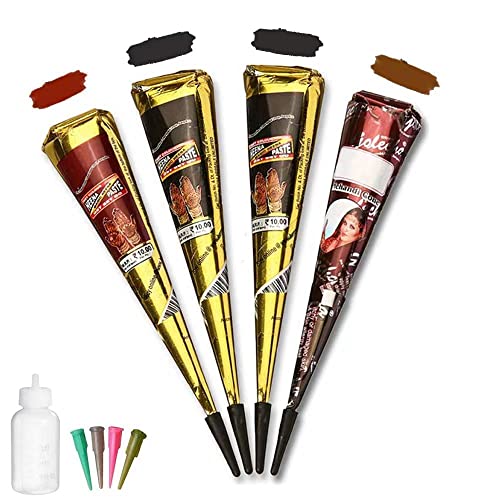
🎨🎨LONG LASTING WATERPROOF: : different colors of products have different storage time. Duration varies from 3 to 7 days. After drying, it can be waterproof.
How Mobile Tattoo Rules Affect Home Studio Options
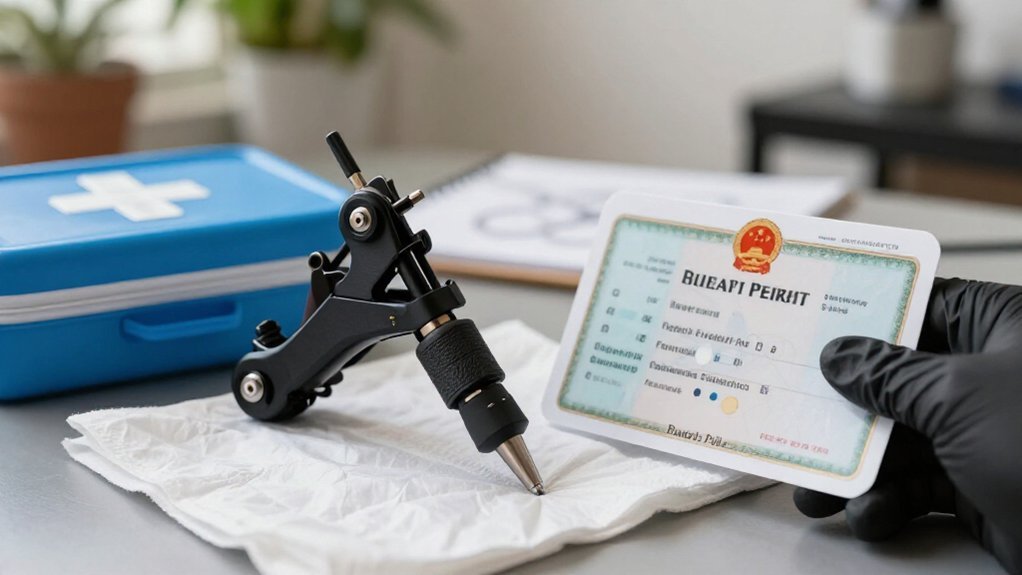
You need to understand how mobile studio regulations shape your home-based options, since most jurisdictions treat mobile tattooing as site-specific rather than license-portable. Your ability to operate legally hinges on whether your home qualifies as a permitted facility under local zoning compliance rules, not merely where you store your equipment.
Before you set up, you’ll verify that your specific address holds proper studio licensing and that your county’s health department authorizes tattoo services at that location.
Recommended Products

Self-Sealing Bags: ForPro Self-Sealing Sterilization Pouches are single-use, latex-free pouches that are made to protect.

TATTOO SUPPLY KIT: Tattoo ink mixer machine with 100 Tattoo ink mixing sticks. Durable and long-term use. The tattoo ink mixing stick is made of high-quality materials, sticks are only one time use, clean and sanitary.
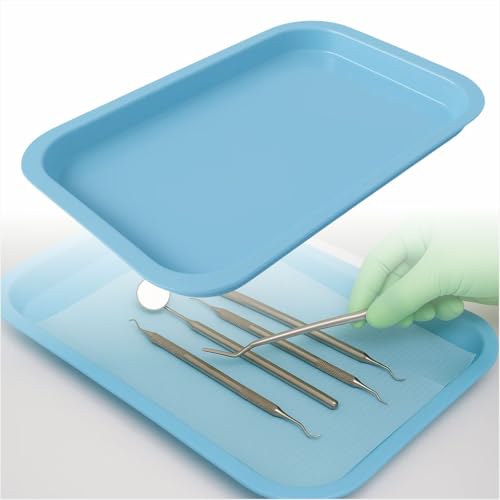
Measures 13.4"L×9.6"W, providing ample space for neatly organizing and displaying dental instruments, syringes, gauze, and other tools during procedures.Please confirm the size is suitable before purchase.
Mobile Studio Regulations
Although mobile tattooing might seem like a flexible alternative to fixed studios, you’ll quickly discover that most jurisdictions treat it as heavily regulated commercial activity.
1. Understand Your Licensing Obligations
Mobile studio regulations often mirror fixed-studio requirements. In places like Texas, you’ll need the same tattoo license for permanent-makeup operations, since pen-type intradermal devices insert pigment under the skin. Don’t assume home settings exempt you.
2. Check Location Restrictions
Your permitted operation sites and dates may be strictly limited. Registrations frequently aren’t transferable beyond pre-approved windows, so verify where you can legally work.
3. Maintain Infection-Control Standards
You’ll document universal precautions: handwashing, single-use gloves, sterilized instruments, and proper sharps disposal. Keep sterilization records current.
4. Verify Age-Related Rules
Consent requirements for clients under 18 still apply at home. Obtain parent or guardian documentation before proceeding.
Zoning Compliance Rules
Even if you’ve secured a mobile tattoo license, you’re not automatically cleared to work from home. Zoning compliance rules often restrict where licensed body art activities can legally occur, and mobile permissions typically apply only to specific authorized locations.
1. Understand Your Local Restrictions
Local jurisdictions control whether tattooing can operate from a residence versus a commercial facility. In California, for example, county health permits are not transferable between counties. You must meet local facility requirements where you actually perform the work, not where you registered.
2. Check Site-Specific Authorization
Your Licensing Requirements may allow mobile services, but zoning often prohibits home-based setups entirely. Even pen-type devices for intradermal cosmetics trigger the same local operation rules.
3. Verify Before You Operate
Contact your city or county directly. Operating outside approved locations risks enforcement action, regardless of your license status.
What Licenses Do Home Tattoo Artists Need?
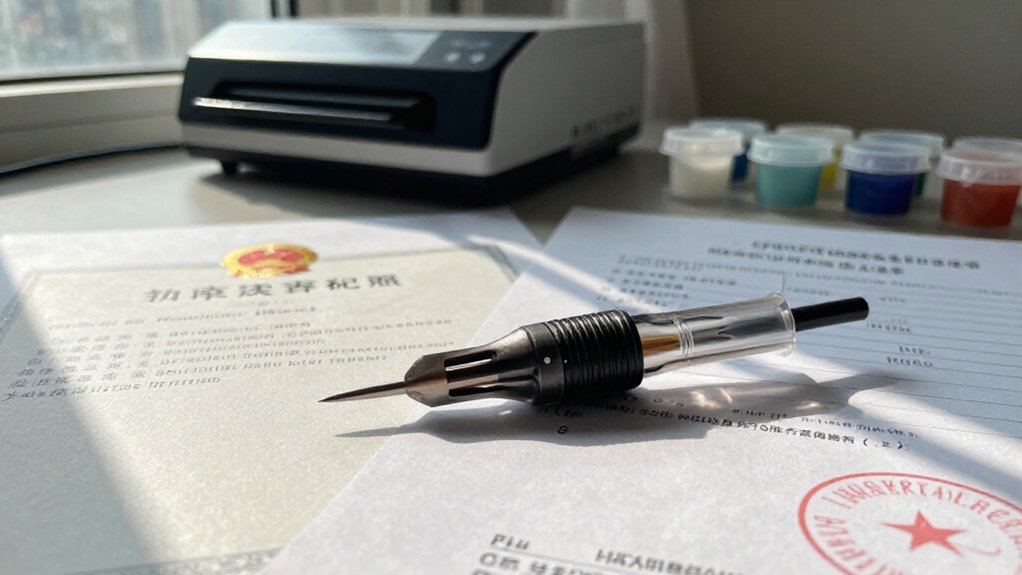
Before you set up your equipment, you’ll need to understand that licensing rules vary sharply by state, and home tattooing carries specific obligations beyond standard studio requirements.
1. Texas Requirements
Texas requires a license for any business creating indelible marks by inserting pigments under skin. Pen-type devices for permanent cosmetics fall under regulated practice, and pre-sterilized pen parts are treated as disposable components.
If you tattoo minors, you must comply with 25 Texas Administrative Code §229.406(c), including parent or guardian consent.
2. California Requirements
California uses county-level permits, not a single state license. You must register annually with your county health department where tattooing occurs, and the permit stays valid only in that county.
For home tattooing, you must meet Safe Body Art Act obligations: annual registration, bloodborne pathogens training, proof of Hepatitis B vaccination or declination, valid photo ID, and infection-control documentation. Inspections can suspend permits for violating health and safety standards.
Recommended Products

Versatile: BIOMASER tattoo needle cartridges are suitable for shading, lining, and rotary tattooing.It can not only use on body art tattoo,but also permanent makeup eyebrow,liner,lip etc.

【High‑Quality Premium Materials】 Crafted with sharp 316L stainless steel bugpin needles for long‑lasting durability. Premium plastic housing and flexible silicone ensure stable smooth operation. Single‑use disposable design keeps tattoo practice clean for artists and beginners.

Why Health Departments Won’t Let You Tattoo at Home
After you’ve secured your licenses and permits, you’ll likely face a hard stop. Health departments in most jurisdictions simply won’t approve residential spaces for tattooing, and here’s why.
Health departments in most jurisdictions simply won’t approve residential spaces for tattooing, and here’s why.
1. Infection Control Standards
Tattooing punctures skin thousands of times per minute. You’re creating open wounds that can transmit Hepatitis B, Hepatitis C, and HIV. Health departments mandate documented sanitation, universal precautions, and inspection-ready facilities. Your kitchen or bedroom can’t meet these clinical requirements.
2. Bloodborne Pathogen Certification Requirements
You’ll need Bloodborne Pathogen certification, plus proof of Hepatitis B vaccination, written infection-prevention plans, and annual registration. California’s Safe Body Art Act exemplifies these strict laws and regulations. Home setups rarely satisfy documentation and inspection protocols.
3. Legal Definitions Trigger Enforcement
State laws define tattooing as regulated body art. In Texas, any business creating indelible marks requires licensing. Even skilled artists face penalties when operating unapproved home studios.
Recommended Products


Sterile All-In-One Piercing Kit for All Body Piercings: Our professional kit works for ear, nose, lip, tongue, navel and all body piercings, perfect for home or studio use. Each kit is individually sterile-packaged for maximum safety and hygiene

All-In-One: Our piercing needles have a standard-length loop bar to fit all piercing guns, piercing kit, piercing supplies. Perfect for all kinds of body piercings such as navel, eyebrow, tongue, etc.
Equipment Requirements for Legal Home Tattooing
You’ll need to meet strict sterilization equipment standards before you set up your station, and you’ll follow specific disposable supply protocols for every session. Your autoclave, or approved alternative, must sterilize reusable tools properly, while needles, grips, and barriers remain single-use items you’ll discard immediately.
You can’t skip these requirements. They’re the foundation that keeps you compliant and your clients protected.
Recommended Products

Medical-Grade 3.5 Mil - Supmedic nitrile gloves deliver exam grade barrier & tactile feel - provides 40% extra thickeness than typical food gloves, ideal for Cooking Cleaning and everyday task.

ORIGINAL QUALITY – Tired of flimsy, low-quality gloves? Inspire Medical Nitrile Gloves bring back the durable, rip-resistant quality you remember. These premium black disposable exam gloves are powder-free, latex-free, and offer superior protection—far exceeding rubber, latex, and plastic gloves. Trusted by professionals, designed for performance and for a more sterile environment.

EXCELLENT BARRIER PROTECTION: SAFESKIN Nitrile Disposable Gloves are the professional-grade solution for medical, culinary, and cleaning applications. Our premium nitrile formula delivers exceptional barrier protection without natural rubber latex, making these gloves safe for users with latex allergies and sensitivities.
Sterilization Equipment Standards
Because sterilization is the backbone of safe tattooing, you need equipment that meets documented, repeatable standards for killing pathogens on reusable tools. Your sterilization equipment must maintain routine, documented practices, and you’ll keep sterilization records available for inspections. You complete annual bloodborne pathogen training to handle these tools safely.
1. Reusable Tool Requirements
- You sterilize instruments that contact broken skin; you never reuse them without full sterilization.
- You follow universal precautions with every client.
2. Pre-Sterilized Disposable Options
– If you use pen-type permanent-makeup systems, you use manufacturer pre-sterilized components as one-time-use items.
3. Sharps Safety
- You maintain safe sharps-handling controls.
- You use compliant disposal methods so needles are never reused or discarded improperly.
4. Supporting Sanitation
– You demonstrate germicidal soap-based skin cleaning, sterile bandaging, and antibiotic ointment application.
Disposable Supply Protocols
Sterilization standards protect your clients, but disposable supplies add another layer of safety you can’t skip. You must follow strict disposable supply protocols to prevent the spread of bloodborne pathogens during home tattooing.
1. Required Single-Use Items
- Pre-sterilized disposable pen-machine parts (if using pen-type devices)
- Needle bars and cartridge parts: one-time use only
- Any component contacting skin must be sterile at use and discarded after
2. Immediate Disposal
Dispose used sharps immediately in an approved sharps container. Never recap needles.
3. Skin Preparation and Aftercare
Apply germicidal soap before inking. Use sterile bandages and antibiotic ointment afterward, with uncontaminated supplies.
4. Non-Disposable Equipment Warning
If you use traditional non-pen equipment, disposable supply protocols aren’t satisfied. You must sterilize those instruments properly rather than relying on one-time parts.
How to Meet Sterilization Standards Without a Commercial Studio
Although home tattooing faces steep legal hurdles in Texas, you can still understand what sterilization standards demand even without a commercial studio. You must adopt universal precautions as your foundation for health and hygiene practices.
Understanding sterilization standards starts with universal precautions, even without a commercial studio in Texas.
1. Master Your Core Protocols
You wash hands thoroughly, wear clean clothing, and don single-use gloves with PPE. You sterilize all instruments, or you use disposable alternatives, and you maintain sharp logs and waste handling records. You prep skin with germicidal soap before application. You dip needles in pigment first, then puncture. You apply antibiotic ointment with sterile bandages, and you provide written aftercare instructions.
2. Document Everything
You use manufacturer-presterilized, disposable components, and you design workflow to prevent cross-contamination. You keep sterilization records, and you prove infection-prevention plans during inspections. Without studio controls, you’re documenting rigorously to match commercial compliance.
Recommended Products

Deluxe All-in-One Tattoo Kit:Includes 20 reusable tattoo stencils, 14 tattoo paste cones in 10 vibrant colors, tattoo paste mixing bottles, cotton swabs, and disposable gloves—everything needed for advanced DIY body art and color creativity.

Alcohol-Based Formula: The pre-mixed formulation provides consistent flow through airbrush equipment. It is suitable for detailed full-body art projects.

Freehand draw Or design your favorite tattoo with Metker tattoo stencils to create distinctive body art that will allow you to show off your creativity for all kinds of festivals and occasions!
Age Consent Rules for Home Tattooing
When you’re tattooing at home, you must follow the same age restrictions that bind commercial studios, and you can’t assume informal settings grant you any exemption. Most jurisdictions require clients to be at least 18 years old before you proceed without parental involvement.
1. Understand Your Local Requirements
You need to complete thorough research on your state’s specific regulations. In Texas and California, tattooing minors is prohibited unless strict conditions apply. Texas rules require compliance with 25 Texas Administrative Code §229.406(c), including a parent or guardian determination that covering an existing tattoo serves the minor child’s best interest.
2. Gather Proper Documentation
Where minors are permitted, you must obtain signed consent forms with parent or guardian information. Some jurisdictions require notarization or specific identity verification.
You also need to complete additional procedural safeguards beyond basic consent, such as confirming the legally allowed reason and assembling required documentation before beginning any procedure.
Recommended Products
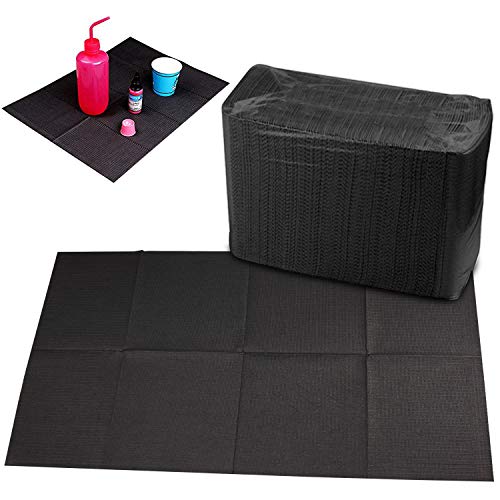
Packaged: 125 pcs Disposable Clean Pad in a bag , The ultimate Multi-Tasking tattoo tool hands-free, disposable, Time-saving.

DISPOSABLE ADULT BIBS - Enhance cleanliness while eating and feeding with 13"x18" dental bibs. Suitable for senior living, nursing homes, and patient care. Attach with clips to hang from the neck, tuck into the neckline of a shirt, or use as a lap cover.

This is a product newly invented by a tattoo artist in China and has applied for a US patent The simple and practical workstation every tattoo artist dreams of
Penalties for Illegal Home Tattooing (Fines, Jail Time, Health Risks)
Because you’re operating outside regulated channels, you’re exposing yourself to penalties that escalate quickly from fines to criminal charges, and you’re also endangering your clients’ health in ways that can cause permanent harm.
1. Legal Penalties You Face
You’re violating state licensing rules when you tattoo without proper authorization. In Texas, you’re breaking the law if you lack business licensing for tattooing or Body Piercing, and tattooing minors triggers extra requirements. You’re risking permit suspension, revocation, and steep fines.
2. Health Risks You’re Creating
You’re amplifying bloodborne pathogen exposure when you skip safety protocols. Your tattoo machine punctures skin thousands of times per minute, so you’re causing serious harm without proper sterilization, single-use supplies, sharps disposal, germicidal prep, or aftercare instructions. You’re inviting infections beyond cosmetic damage.
Recommended Products

Mast Pro purple tattoo cartridges needles have been providing with high density clear plastic body.
Mast Pro purple tattoo cartridges needles have been providing with high density clear plastic body.

【50PCS Mixed Tattoo Cartridge Needles Set】Includes 50 individually packaged tattoo cartridge needles in popular configurations: 1203RL, 1205RL, 1207RL tattoo cartridges, 1209RL, 1205RS, 1207RS, 1207M1, 1215M1, 1209RM, 1215RM (5pcs each). Suitable for both lining and shading needles for tattooing.
How to Find Your Local Health Department’s Tattoo Rules
You need to understand your local rules before you set up any tattoo equipment, so here’s how to locate them.
1. Search County and City Websites
Look for the “body art” program on your county and city sites. You’ll find tattoo artists’ licensing rules there. Requirements are usually county-based, and licenses typically don’t transfer outside the issuing county.
2. Check Permit and Registration Requirements
Confirm whether your area requires a studio permit and/or artist registration with the county health department. Check the renewal schedule too; many systems demand annual renewal.
3. Review Training and Documentation
Examine the county’s listed items for necessary health compliance. Common requirements include bloodborne pathogen training and proof of Hepatitis B vaccination or a declination form.
4. California-Specific Rules
If you’re in California, confirm compliance with the Safe Body Art Act (AB 300) statewide standards plus any extra county conditions.
5. Find Inspection Criteria
Use your county health department’s “inspection” page to learn what they verify: infection control, sterilization records, and whether mobile services are allowed.
Recommended Products

1.VALUE PACK - 5 Pieces Surgical Steel Hollow Piercing Needles. Each Individually Packed in Sealed Tube, 100% New and Unused.

1.VALUE PACK - 5 Pieces Surgical Steel Hollow Piercing Needles. Each Individually Packed in Sealed Tube, 100% New and Unused.

On-the-Go Piercing Aftercare: Tattoo Goo Piercing Care Cleansing Swabs are single-use, medicated swabs designed for targeted piercing care. Suitable for both skin and oral piercings, they help prevent infection, irritation, and scarring