
You want a tattoo, but you’re worried about the pain. That’s fair. Most people do. What you might not realize is that your choice of placement matters just as much as your pain tolerance. Some spots let you sit comfortably for hours. Others make twenty minutes feel like torture. The difference comes down to anatomy.
Key Takeaways
- The outer upper arm offers thick skin, substantial muscle padding, and easy concealment under clothing.
- The outer forearm provides more cushioning and stability than the front due to greater distance from bone.
- The upper back and shoulder blades benefit from generous muscle padding and a relaxed, face-down position.
- Areas with high fat deposits and low nerve density naturally absorb needle impact and minimize discomfort.
- Fleshy regions trade some design complexity for reduced pain, often requiring simpler linework on curved surfaces.
Recommended Products

👍【Premium-Quality Tattoo Cover Up Patch】The tattoo cover up sleeves are crafted with elastic spandex and nylon fabrics, very soft and comfortable, dry and breathable. Has strong sweat absorption ability, the nice flexibility will not tighten your arm, let you wear comfortably.

[LARGE COLLECTION] Total 16sheets included. Extra large size temporary tattoos can cover your body parts larger, Yazhiji's full-arm tattoo is 22.83 inches (58CM) long, which covers the whole arm very well

NO SLIP GRIPPER -- No Tags -- No Chafe Seams -- Our flat lock seam is so comfortable you might even forget your wearing one of our tattoo cover ups.
10 Least Painful Tattoo Spots, Ranked
Where exactly should you get inked if pain worries you? You’ll find relief on your outer upper arm, where thick muscle and fat cushion the needle. Your forearm offers similar comfort with its abundant muscle tissue. You can’t go wrong with your upper back, either—broad, flat, and padded.
Your calves protect you well; they’re muscular and distant from bone. Your hips and stomach areas vary, but fleshy sections tame the sting considerably. Your buttocks rank among the easiest spots, with ample cushioning throughout.
Your shoulders and outer biceps handle needles gracefully. You’ll barely flinch on your outer thigh—though you already know that’s prime territory for beginners. Finally, your upper chest (steering clear of collarbone and sternum) rounds out this list with tolerable, manageable discomfort.
Recommended Products

TATTOO AFTERCARE ESSENTIAL: Hustle Butter is the original tattoo aftercare balm for new and older tattoos. With over 10 years in the market, we are a pioneer of the tattoo aftercare category.

Nourishes Healing Ink for Vibrant Color: Tattoo Goo supports healing tattoos & maintains vibrancy on healed ink with a lightweight formula rich in olive oil, lavender oil, cocoa butter, and beeswax. It absorbs quickly, moisturizes deeply, and helps reduce dryness, itch and tightness so your tattoo looks and feels comfortable through everyday routines

STICK APPLICATION, ZERO MESS: Twist up the tattoo balm stick, swipe directly over the tattoo, and blend as needed. No jar to open, no fingers scooping product, and no need to carry a separate applicator. The solid stick format is easy to keep in a bag, bathroom cabinet or travel kit, making care simple at home or on the go. It gives you controlled application exactly where you want moisture, with less mess than traditional balm jars. Great for quick touch-ups whenever tattooed skin feels like it needs extra care, at home, after work or while traveling.
Why Your Upper Outer Thigh Is Ideal for First-Timers
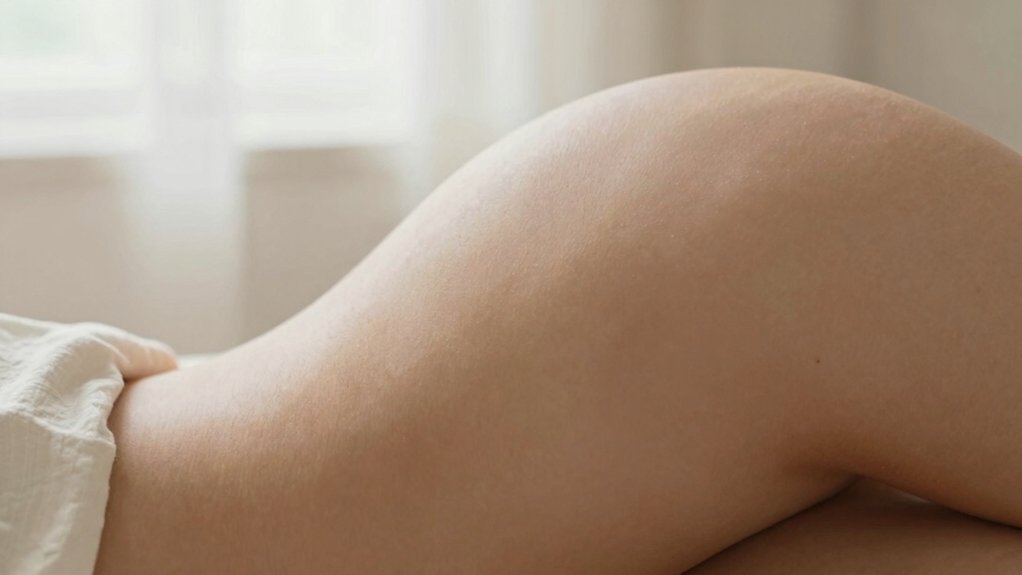
How does one spot manage to top nearly every “least painful” list? You’ll find your answer in the upper outer thigh.
You possess substantial fat and muscle padding there, which means your nerves sit deeper beneath the skin. When the needle works, you feel pressure more than sharp pain. You also control visibility completely; you’ll show the tattoo when you choose and conceal it effortlessly for work or family.
The flat, expansive surface gives your artist steady room to create clean lines and smooth shading. You’ll sit comfortably through longer sessions without the fidgeting that botches delicate work.
You’re accessing a beginner-friendly zone that forgives inexperience. The outer thigh spares you the agony that drives first-timers away from tattooing forever.
Recommended Products

Dragonhawk Traditional Pro Complete Tattoo Kit: Features two cast iron tattoo machines with full set to make tattooing quick and easy. The lining & shading machines help make it easy to get right tattoo style. You can play and adjust any parts with Dragonhawk pro coils machines. The tattoo machines has a powerful, long-lasting coils. The needles are also stainless steel to provide outstanding cutting performance.

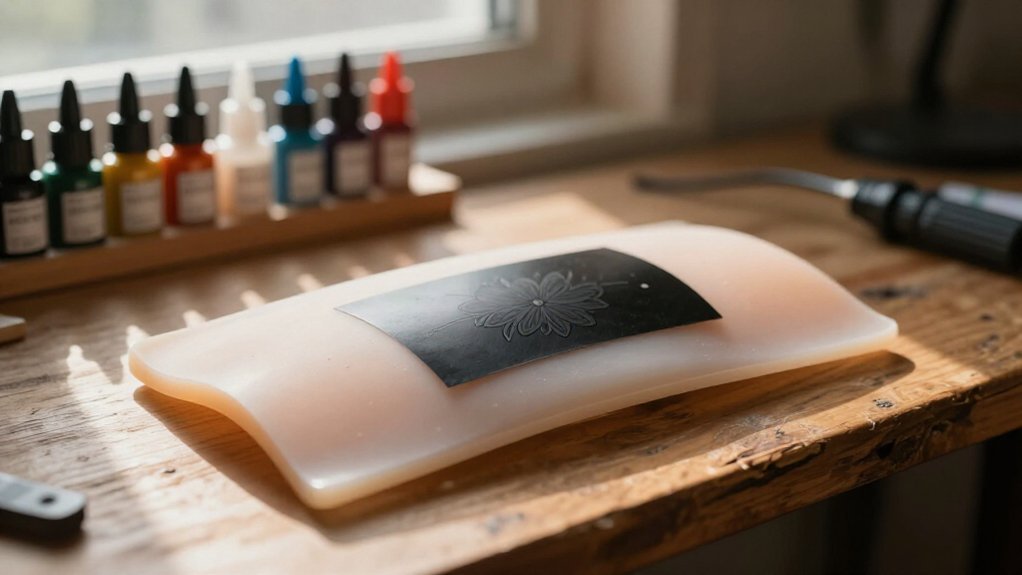
TATTOO GUN KIT PACKAGE: Everything You Need to Start; Kickstart your tattooing journey with this all-in-one beginner tattoo kit; Includes a professional rotary tattoo machine, dual-control power supply, foot pedal, 10pcs assorted tattoo cartridge needles (3RL, 7RM), 10pcs 5ml tattoo inks in various colors, practice skin, transfer paper, and more; No need to buy separate parts—just unbox, assemble, and start practicing on practice skin right away

Beginners Friendly - This Wormhole Tattoo Kit is specially customized for tattoo beginners. Easy to start. It contains a complete tattoo kit, you don't need to buy anything else. Great for practicing tattooing at home. That is absolutely the best choice for tattoo starters
Why Your Outer Upper Arm Balances Space and Comfort
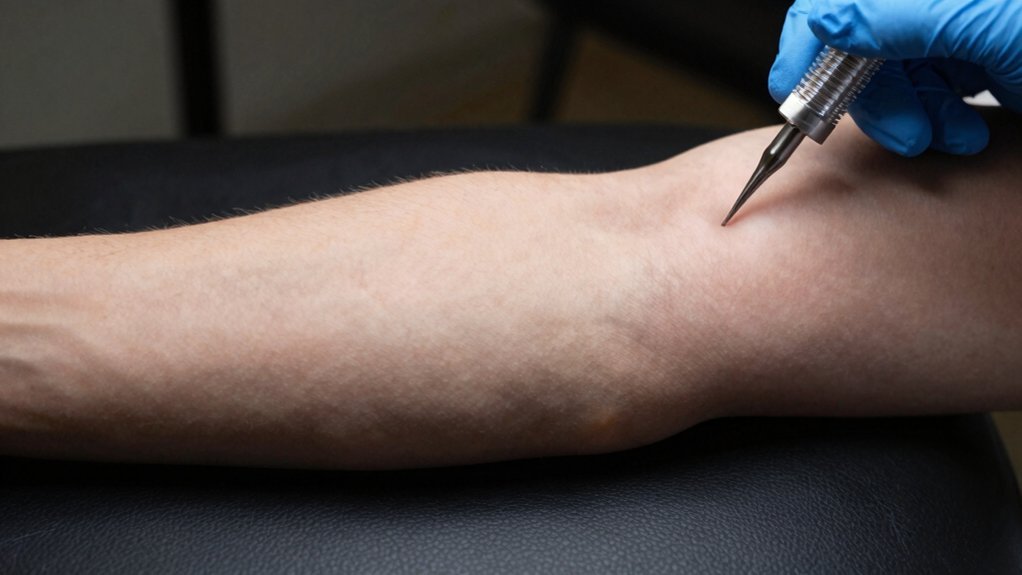
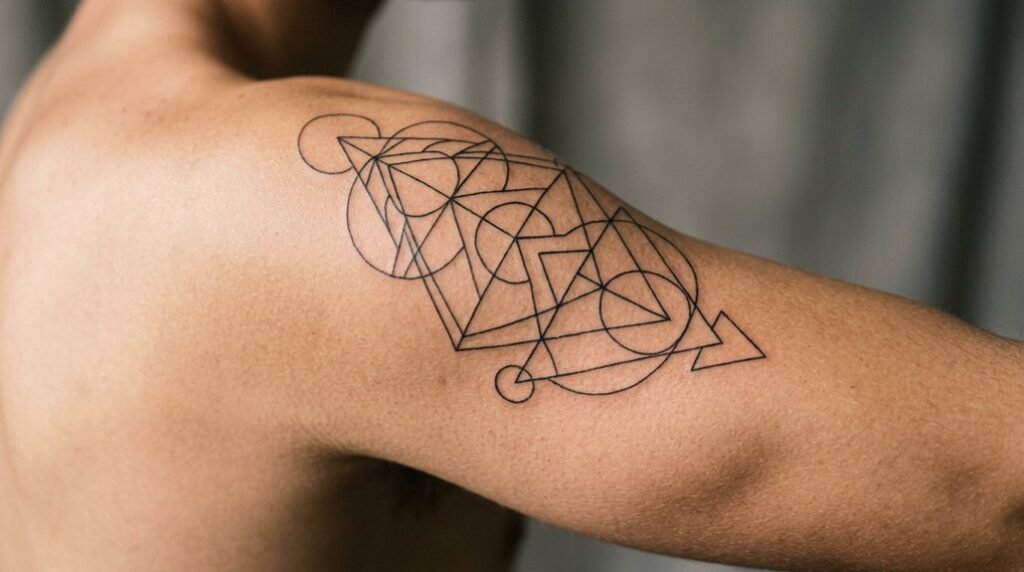
Why does the outer upper arm remain a staple recommendation for manageable tattoo sessions? You feel minimal discomfort here because thick skin and substantial muscle padding cushion the needle’s impact. You’re accessing a broad, relatively flat canvas that accommodates designs ranging from small emblems to detailed half-sleeves. You won’t struggle with positioning either; you simply rest your arm naturally while the artist works. You appreciate how this placement conceals easily under short sleeves when situations demand professionalism. You heal faster here since the area avoids constant friction from clothing and bedding. You gain confidence knowing you’ve chosen a spot where millions have successfully sat before you. You balance creative freedom with physical comfort, making this location ideal when you want substantial ink without substantial suffering.
Recommended Products
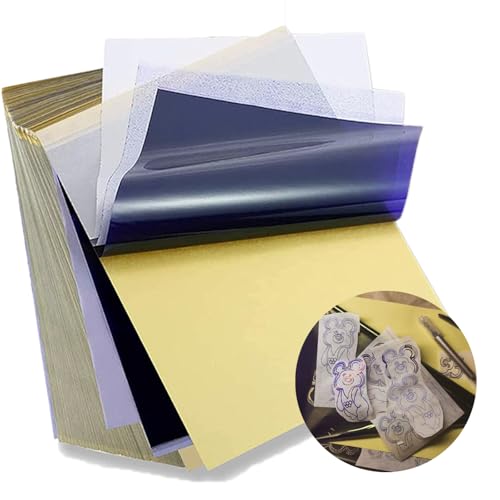
Standard size: Tattoo Transfer Paper is standard A4 paper size, each measures 8.27 in X 11.69 in. There are 4 levels in total. The thickness of the paper is very light and smooth to the touch.

Warm Tips: The tattoo transfer paper need to work with transfer medias.You will need to purchase the stencil ointment separately. Apply the design made on the master paper. Please pay attention to press the back side of the pattern to the skin for at least 3 seconds
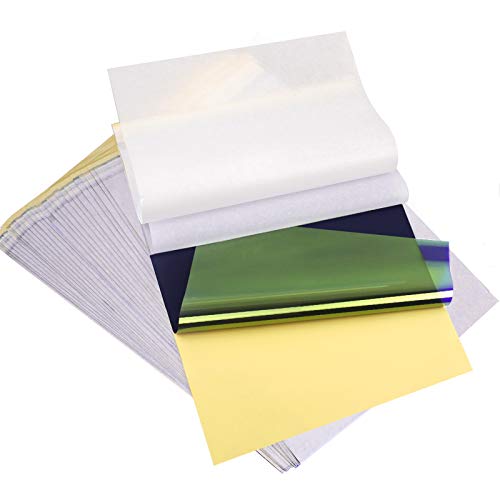
ADVANCED MATERIAL: Tattoo transfer paper is made with the high quality dyes and stencil paper. Transfer marks are very clear, clean and smooth. Tattoo transfer paper kit come with 35 sheets. Great for tattooing, trace and transfer images onto the body.<br>
Forearm Tattoos: Why the Outer Edge Beats the Front
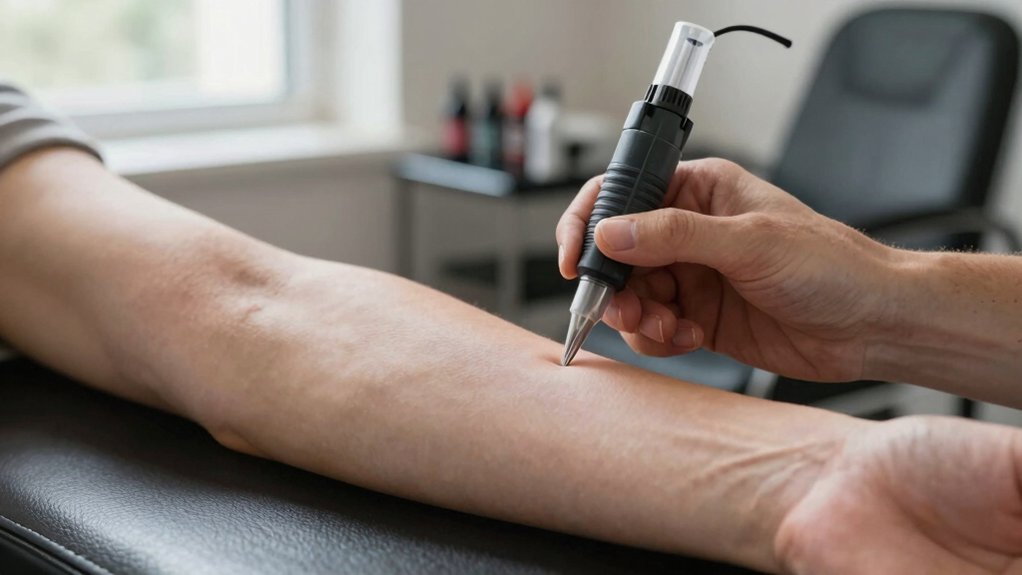
Which part of your forearm offers the smoothest ride? You’ll find it on the outer edge, not the front.
The outer forearm sits farthest from the bone, wrapped in thicker muscle and more fat padding. You’ll feel the needle’s buzz, but you’ll miss the sharp sting that comes from skin stretched thin over bone. Your radial bone lurks just beneath the front of your forearm, leaving less cushion between surface and skeleton.
Tattoo artists also work faster on this canvas. The skin stays taut without much stretching, so sessions finish quicker. You’ll save time and spare yourself extra discomfort.
The outer edge gives you prime visibility too. You’ll display your ink naturally when your arm hangs at your side. Choose this spot, and you’ll thank yourself later.
Recommended Products

Product Includes: You will get 8 sheets of lace temporary tattoos, meet most of your needs
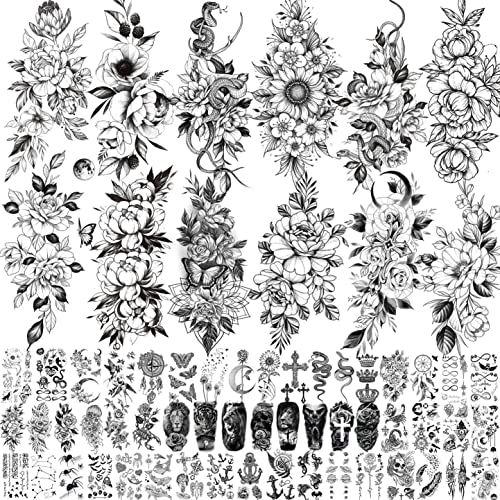
💕【61 Sheets】--VANTATY 3D Flowers Temporary Tattoos For Women Girls Kids Adults Body Art Stickers Look Real! 【click Our Store/brand Name To See More Fashion Designs】

⚡️Premium Practice Kit : No more separate purchases! Get 10 reusable silicone tattoo practice skins (7.4"x5.6") and 20 professional stencil papers (11"x8.5") – A complete bundle to master techniques without wasting supplies. Perfect for tattoo artists & apprentices!
Why Back and Shoulder Blades Rank Among the Calmest
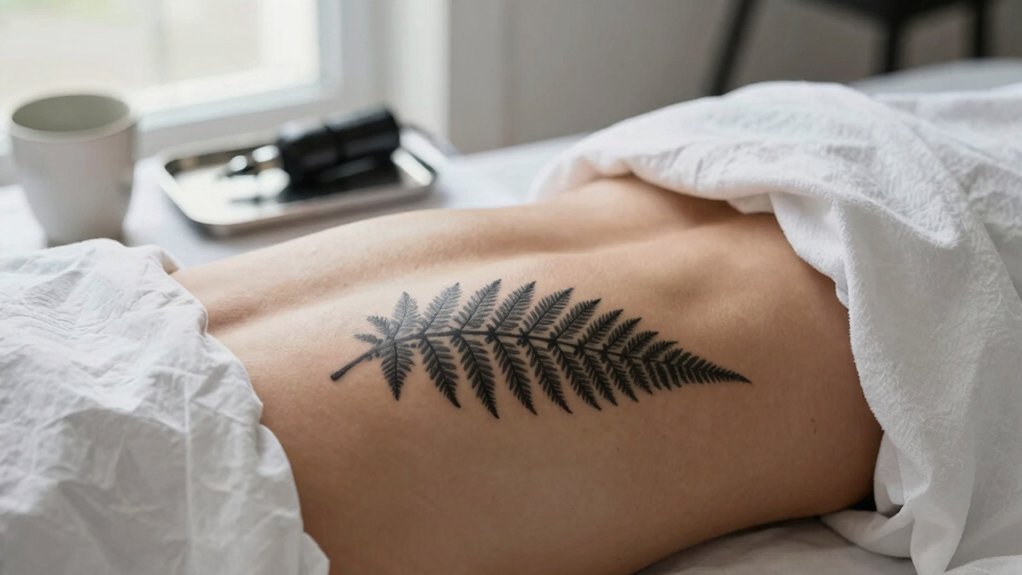
Where does your body carry the most natural cushioning? You’ll find generous padding across your upper back and shoulder blades, making these prime territory for easier tattoo sessions. Your trapezius and rhomboid muscles create a thick, fleshy landscape that absorbs needle impact effectively.
You’ll notice the skin here moves less than on bony protrusions. The needle glides through relatively stable tissue, reducing the sharp, stinging sensation you’d feel elsewhere. Your shoulder blades specifically benefit from substantial muscle coverage—you’re not pressing bone against needle with thin skin between.
Your back also offers another advantage: you’re lying face-down, which lets you fully relax. You can’t tense muscles you can’t see, and your breathing stays steady. This natural position keeps your cortisol lower, which means you perceive less pain throughout the process.
Recommended Products

Note: the picture shows all the sizes; Please refer to the size and quantity information in this part; You will receive 2 pairs of tattoo cover sleeves in classic colors, the classic colors are easy for you to use and replace in daily life, also you can share with your family members, the tattoo cover sleeves are approx. 22.35 x 9.2 cm/ 8.8 x 3.6inches, suitable for most men and women

Note: the picture shows all the sizes; Please refer to the size and quantity information in this part; You will receive 2 pairs of tattoo cover sleeves in classic colors, the classic colors are easy for you to use and replace in daily life, also you can share with your family members, the tattoo cover sleeves are approx. 17 x 9.2 cm/ 6.7 x 3.6inches, suitable for most men and women

Note: the picture shows all the sizes; Please refer to the size and quantity information in this part; You will receive 2 pairs of tattoo cover sleeves in classic colors, the classic colors are easy for you to use and replace in daily life, also you can share with your family members, the tattoo cover sleeves are approx. 17 x 9.2 cm/ 6.7 x 3.6inches, suitable for most men and women
Why Fat and Nerves Control Tattoo Pain
How exactly does your body determine whether you’ll wince or barely notice the needle? Your fat tissue and nerve density hold the answer.
You’ve got fat deposits scattered across your frame, and these pads act as natural shock absorbers. When a needle punctures skin layered over thick fat, that cushioning dampens the sensation before it reaches deeper structures. You’ll feel less sting in these plush zones.
But fat alone doesn’t tell the full story. Your nerve endings cluster unevenly—some regions swarm with them, others remain relatively sparse. You’re mapping two variables: padding thickness and neural traffic. High fat plus low nerve density equals minimal discomfort. Thin coverage plus dense innervation? You’ll register every poke sharply.
This biological lottery explains why you’ll sail through certain spots while others test your resolve.
Recommended Products

ENHANCE & MAINTAIN YOUR INK - This ultra-nourishing balm instantly enhances ink vibrancy as it forms a protective barrier on skin to help moisturize and soothe skin.

COMPLETE AFTERCARE KIT FOR NEW & EXISTING TATTOOS: This Tattoo Aftercare Kit brings together 3 essentials, Antimicrobial Soap, Tattoo Balm, and Tattoo Lotion, to help cleanse, protect, and moisturize fresh ink. Useful after tattoo sessions and throughout healing, it supports vibrant color and skin comfort for dedicated ink enthusiasts and artists
ENHANCE & MAINTAIN YOUR INK - This ultra-nourishing balm instantly enhances ink vibrancy as it forms a protective barrier on skin to help moisturize and soothe skin.
Why Your Body Type Determines What Hurts Most
Pain tolerance charts only get you so far—what stings your friend might barely register for you, and the difference often comes down to your own build. You carry fat, muscle, and skin thickness in your own pattern, and those layers act as your personal shock absorbers.
If you pack more muscle, you cushion bone-near zones and dull the needle’s bite. If you store fat around your thighs or hips, you’ve got built-in padding that shrinks the sting. But you might run lean with bone sitting close to skin—then your ribs, shins, or collarbones scream louder.
Your nerve density shifts too. You might host more receptors in your wrists than your shoulders. You can’t trade bodies, so you study your own frame, note where you’re padded and where you’re exposed, and you plan accordingly.
Recommended Products

COMPLETE KIT CONTENTS: The Tattoo pen kit includes 1 x Battery Tattoo Pen, 1 x Extra Battery, 20 x Tattoo Cartridges Needles, 1 x Self Cohesive Tattoo Grip Cover, 40 x Ink Caps, 2 x Practice Skin, 2 x Transfer Paper, 10 x 5ml Tattoo Ink, 1x 30ml Black Tattoo Ink, 1 x Tattoo Gloves, , 1 x Tattoo sticker, 4 x Tattoo Table Mat and 1 x instruction and essential accessories for immediate use

[Tattoo Supplies with Complete Accessories] This complete tattoo machine kit includes 1 wireless pen machine, 20 needles, 1 black ink, 3 practice skins and essential accessories—ideal for beginners and artists seeking a maquina para tatuar

COMPLETE TATTOO KIT: The Wormhole tattoo kit includes a tattoo pen with RCA cord, tattoo power supply, foot pedal, 6 color tattoo ink, 2 transfer paper, 2 self-adhesive bandage, 20 tattoo cartridge needles, 40 tattoo ink caps with base, 1 tattoo ointment, 1 clip cord sleeve, 1 pair disposable glove, 1 tattoo practice skin, 1 user manual; A very perfect combo for beginners
When Low-Pain Placements Limit Your Design Options
What happens when the spots that barely pinch also shrink your vision? You discover the fleshy parts of your upper arm, thigh, and outer shoulder offer prime real estate for low-pain ink—but they’re cylinders, not flat canvases.
You can’t stretch a detailed portrait across a curved surface without distortion. You sacrifice scale for comfort. You trade intricate shading for simpler linework because the outer bicep twists and flexes, warping your design with every movement.
You might want a full sleeve, but you’re avoiding the ditch, the elbow, the armpit web. You’re dodging the pain, sure. You’re also dodging the negative space, the flow, the cohesive story that demands those tender bridges.
You get smaller pieces. You stack them awkwardly. You wonder if playing it safe costs you the tattoo you actually wanted.
Recommended Products

Precision Transfer Performance - It’s professional-grade tattoo stencil paper delivers vibrant, high-definition transfers even for intricate designs. The carbon layer ensures sharp outlines without smudging or fading, ensuring crisp lines that stay true to your original artwork.

Precision Transfers & Long Lasting: Tattoo stencil paper delivers vibrant, high-definition transfers even for intricate designs. Creates crisp, dark lines that transfer cleanly to skin (clearly on different skin tones) which are easy to follow during tattooing. The carbon layer made from high-quality dyes ensures sharp outlines without smudging or fading and maintains crisp lines visibility throughout long tattoo sessions, so you can focus on creating art instead of re-drawing lines

🔍 Precision Industry-Standard Transfer - Engineered 4-ply stencil paper (8.25"x11.75") with high-density dyes delivers defined lines for intricate tattoo stencils. Compatible with major thermal printers for reliable tattoo transfer paper workflows.
Conclusion
You’ll find your most comfortable tattoo experience on areas with natural padding—your outer upper arm, thigh, or upper back. These spots shield you from the sharpest sensations while still giving artists room to create. Remember, your unique body shape matters too; what feels easy for someone else might differ for you. Trust your artist, breathe through the process, and you’ll walk away with art you’ll love without unnecessary suffering.
Recommended Products

【Develops Fully in 48H】Your unique design realistic large sexy flower thigh temporary semi permanent tattoo will initially appear silver before naturally darkening to a rich finish within 48 hours. For optimal results, avoid contact with bare skin (particularly the face) and cover the area with clothing during sleep to prevent transfer. Realistic Moon star floral & wing boho designs for hand back thigh wrist arm temporary fake tattoos for women adult

💕【65 Sheets Flower Temporary Tattoos For Women 】--VANTATY 3D Realistic Floral Rose Peony Temporary Tattoos For Adults Women Kids Adults Girls Body Art Stickers Look Real! 【Click Our Store/Brand Name To See More Fashion Designs】Dandelion Sunflower Birds Lotus Mountain Wolf Snake Sea Weave Animals Tiger Skull Skeleton Lion Crown Spider Spiderweb Bat Dragon Scorpion Anchor Pirate Butterfly Compass Triangle Geometric dolphin Elephant Tattos Indian Feather Bowknot.
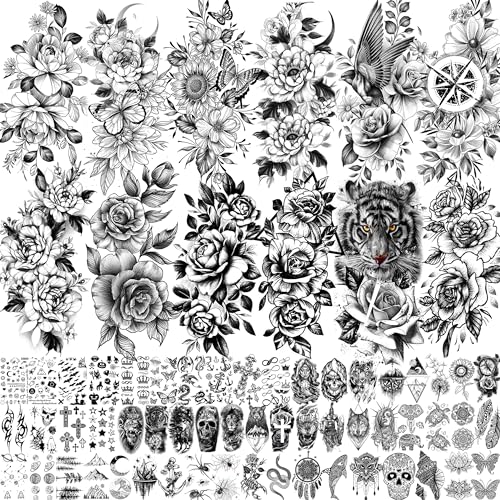
🌟67 Sheets Flower Temporary Tattoos For Women Variety Designs -- JOEHAPY Brand Fake Tattoos Temporary For Adults Girls Teens Kids. One Package Includes 12 Sheets 19x9CM 7.4"x3.5" HOT Custom Floral Rose Temporary Tatoos Paper and 55 Sheets 10.5x6CM 4.1"x2.3" Small Temporary Tattoos For Kids Decal Tattos Sets Kits Halloween Makeup Kit.