
You’re standing in front of a mirror, imagining ink on your skin, but you haven’t chosen the artist yet. That decision will shape how your tattoo looks in ten years, not just ten days. The steps you take now—researching portfolios, prepping your body, understanding aftercare—determine whether you’ll wear art or regret. Most people skip at least one critical step, and you’ll want to know which one catches even the prepared off guard.
Key Takeaways
- Research artists thoroughly and verify credentials, licenses, and healed work quality before booking consultations.
- Meet with multiple artists to assess style alignment, comfort level, sterilization practices, and overall rapport.
- Calculate total budget including hourly rates, deposits, tips, and touch-ups without compromising quality for lower prices.
- Select placement considering pain tolerance, aging effects on skin, and professional visibility requirements.
- Prepare skin through gentle exfoliation, moisturization, hydration, and avoiding alcohol or sun exposure beforehand.
Recommended Products

TATTOO AFTERCARE ESSENTIAL: Hustle Butter is the original tattoo aftercare balm for new and older tattoos. With over 10 years in the market, we are a pioneer of the tattoo aftercare category.

TATTOO AFTERCARE ESSENTIAL: Hustle Butter is the original tattoo aftercare balm for new and older tattoos. With over 10 years in the market, we are a pioneer of the tattoo aftercare category.
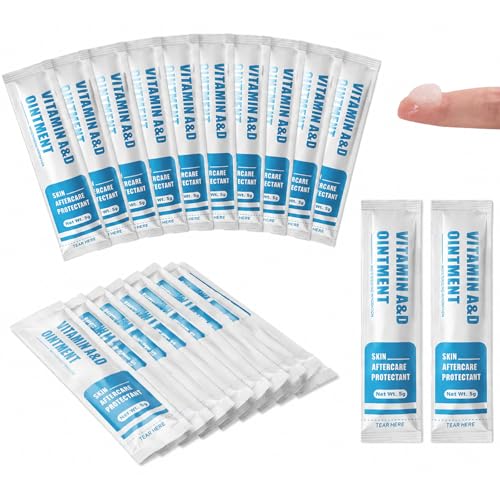
Honest, Accurate Care – This protective ointment comes in 50 hygienic single-serve packets for mess-free, on-the-go convenience. Easy to apply for tattoo protection anytime.
Research Tattoo Artists Whose Style Matches Yours
Before you commit to a design, you’ll want to find an artist whose portfolio speaks to your vision. You’ll scroll through Instagram, TikTok, and dedicated platforms like Tattoodo to discover specialists in your desired technique. You’ll examine healed tattoos, not just fresh ones, because you’ll need to understand how their work ages on skin.
You’ll read reviews and check credentials. You’ll verify they’re licensed and work in a clean, reputable studio. You’ll message them directly with questions about their process and availability.
You’ll book consultations with two or three artists. You’ll bring reference images, but you’ll respect that they’ll adapt concepts to their expertise. You’ll ask about their sterilization practices and aftercare guidance. You’ll trust your instincts when you meet them—comfort matters.
You’ll secure your appointment only when you’ve found someone whose artistry truly resonates with you.
Recommended Products
PROTECT & SOOTHE: Condition & protect your tattoos to keep ink looking bold & vibrant. Soothing, nourishing tattoo care softens fresh tattooed skin, calms redness & irritation, and promotes healing

Upgraded Design, Easy to Use --- Tattoo aftercare balm comes in a tube,this container allows you to glide on the butter easily,Rolls on smoothly and evenly on your skin,No more mess or residue on your finger,convenient to use

COMPLETE AFTERCARE KIT FOR NEW & EXISTING TATTOOS: This Tattoo Aftercare Kit brings together 3 essentials, Antimicrobial Soap, Tattoo Balm, and Tattoo Lotion, to help cleanse, protect, and moisturize fresh ink. Useful after tattoo sessions and throughout healing, it supports vibrant color and skin comfort for dedicated ink enthusiasts and artists
Set Your Tattoo Budget Before Choosing Placement

Once you’ve found an artist whose work you trust, you’ll need to nail down what you can realistically spend. You’ll contact the artist for pricing, considering their hourly rate and estimated session time. You’ll factor in deposits, tips, and touch-up costs. You’ll resist the temptation to bargain shop—quality work demands fair compensation. You’ll determine if you’ll pay upfront or save over months.
Your budget directly shapes what you’ll get. You’ll adjust size, complexity, or color count to match your funds. You’ll understand that a sleeve costs thousands, while a palm-sized piece runs hundreds. You’ll avoid rushing into placement decisions before you’ve secured adequate funds. You’ll remember that stretching your budget for better work beats regretting cheap ink. You’ll plan financially, then you’ll choose where it goes.
Recommended Products

Self-Sealing Bags: ForPro Self-Sealing Sterilization Pouches are single-use, latex-free pouches that are made to protect.

Sanitize Your Tools - Keep dental, medical, and personal care tools clean with our pouch bags. They’re available in 7 sizes to fit your instruments and get them ready for autoclave sterilizers.

Vibrant Preservation - Infused with the power of Chamomile Extract and Aloe Vera Extract, our tattoo wipes are designed to nurture your skin while keeping your tattoo vibrant and fresh. A natural moisturizer, aloe vera soothes the skin, promoting faster recovery and preventing dryness.
Pick Placement Based on Pain, Aging, and Lifestyle
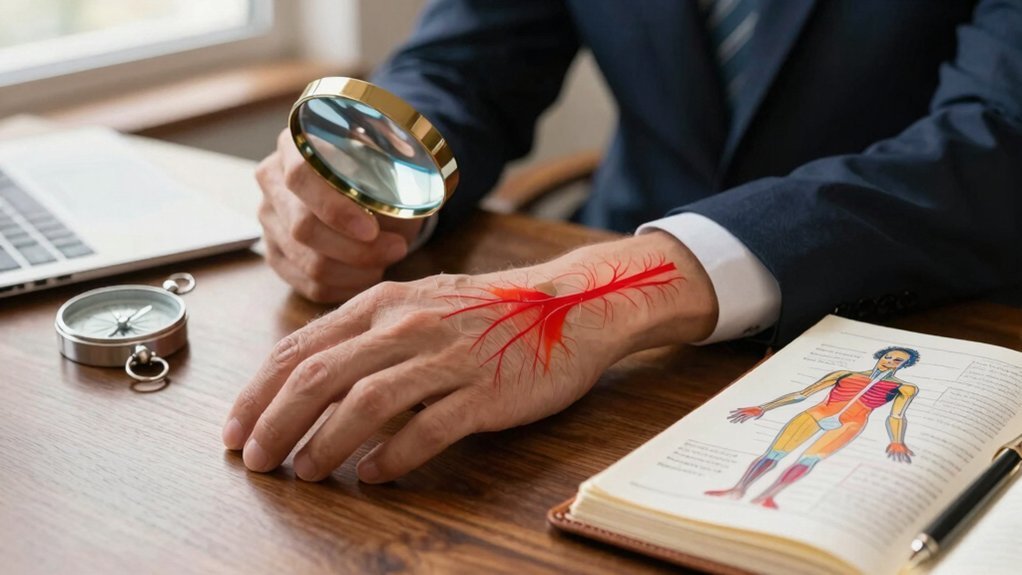
Where you place your tattoo shapes everything that follows—how much it’ll hurt, how it’ll age, and whether it’ll fit your daily life.
You’ll feel more pain over bone, on ribs, feet, and inner thighs. Fleshier areas hurt less. Consider your pain tolerance honestly—don’t pick a spot that’ll make you tap out mid-session.
Think decades ahead. Skin stretches, sags, and wrinkles. A design on your stomach or upper arm won’t look the same at sixty. Pick placement that’ll age gracefully with your body.
Match your tattoo to your lifestyle. Hand, neck, and face tattoos affect job prospects. If you work in conservative fields, hide your ink easily. If you’re committed to visible art, own that choice fully.
Recommended Products

Phomemo Tattoo Transfer Paper kit - Paper size: 8.27 in x 11.69 in (210 x 297 mm), Quantity: 1 Box, 100 Sheets in the box, Color: Blue. Phomemo Tattoo Transfer Paper is ideal for tattoo enthusiasts, artists and professional tattoo artists, offering reliability and consistency in tattoo stencil creation

Precision Transfers & Long Lasting: Tattoo stencil paper delivers vibrant, high-definition transfers even for intricate designs. Creates crisp, dark lines that transfer cleanly to skin (clearly on different skin tones) which are easy to follow during tattooing. The carbon layer made from high-quality dyes ensures sharp outlines without smudging or fading and maintains crisp lines visibility throughout long tattoo sessions, so you can focus on creating art instead of re-drawing lines
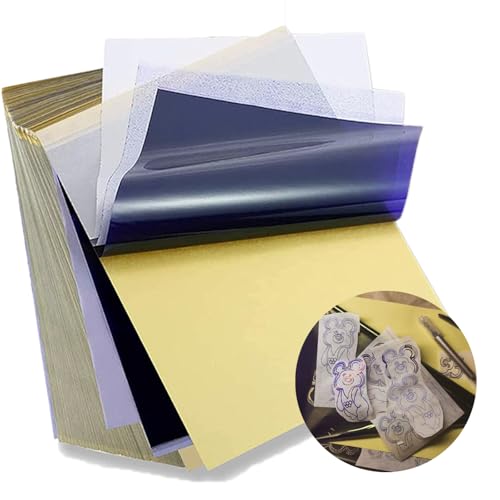
Standard size: Tattoo Transfer Paper is standard A4 paper size, each measures 8.27 in X 11.69 in. There are 4 levels in total. The thickness of the paper is very light and smooth to the touch.
Prep Your Body and Skin for Tattoo Day
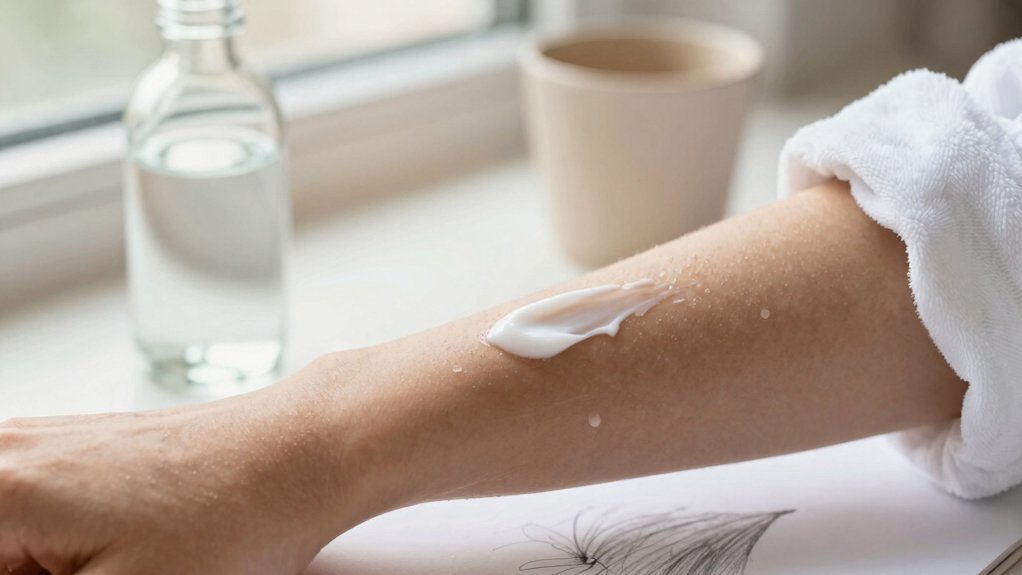
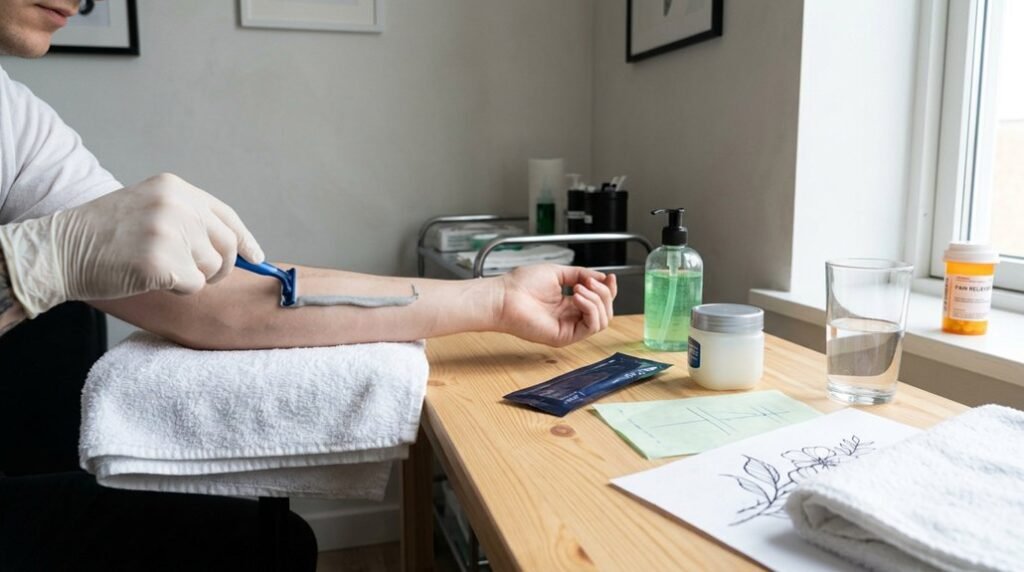
Your skin’s condition on tattoo day directly impacts how well the ink settles and how smoothly the session goes. Exfoliate gently a day before, but don’t scrub aggressively. Moisturize regularly during the week leading up, yet stop applying lotion the morning of your appointment. Hydrate thoroughly—drink plenty of water starting days beforehand. Skip alcohol for at least 24 hours prior; it thins your blood and increases bleeding. Get solid sleep the night before. Eat a nutritious meal within two hours of your session to stabilize blood sugar. Wear comfortable, loose clothing that grants easy access to the placement area. Shave the area carefully if your artist hasn’t specified otherwise. Avoid sunburn, tanning beds, and heavy sweating right before. You’ll walk in prepared, and your artist will work with optimal canvas conditions.
Recommended Products

FSA HSA Eligible Over-the-Counter Medication - This topical lidocaine numb cream with Allantoin, Vitamin E, and Aloe is clinically proven to temporarily relieve pain, burning, itching, discomfort, inflammation, and soreness in local and anorectal areas

LIDOCAINE 5% PAIN CREAM | Experience deep pain relief with the strongest formulation of lidocaine available OTC.

Fast Acting Hemorrhoid Cream - Made with 5% Lidocaine, this topical anesthetic provides temporary relief from discomfort, itching, and burning associated with hemorrhoids and other anorectal irritation.
Learn Tattoo Aftercare Before Your Appointment
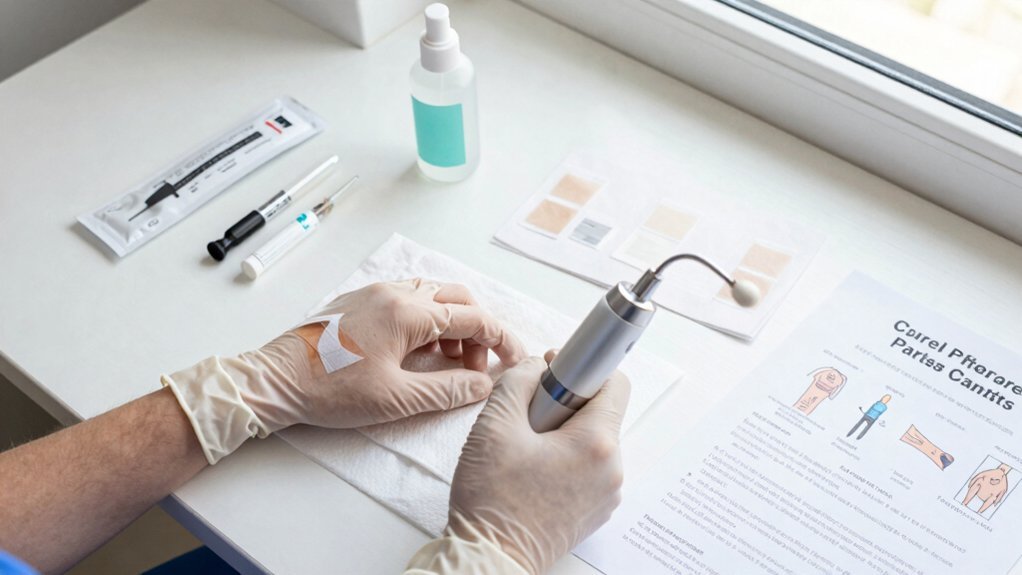
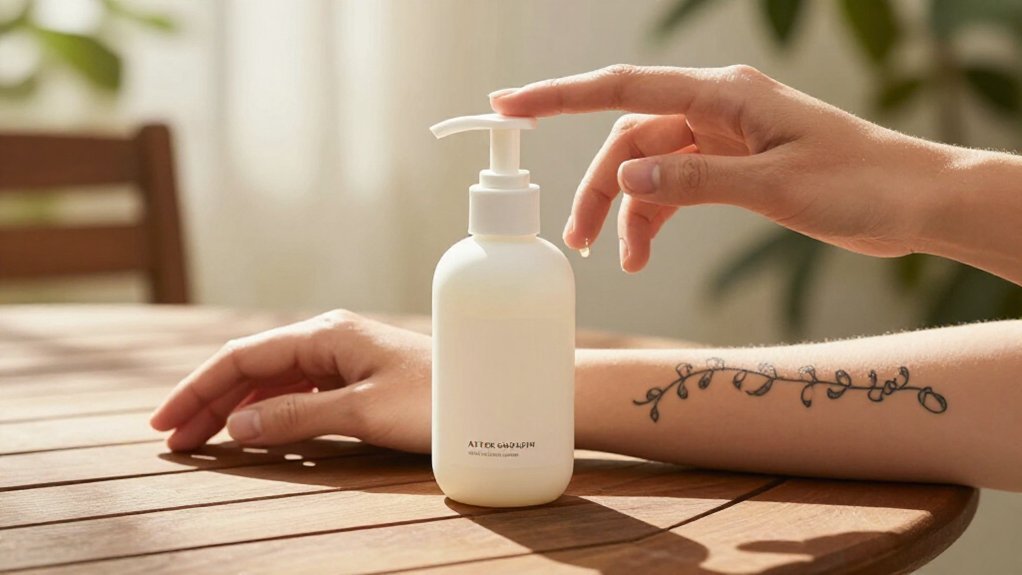
Mastering aftercare steps before you’re in the chair keeps you from scrambling later. You’ll research your artist’s specific protocol, since studios vary in their recommendations. Some prefer wrapped healing; others advocate for breathable methods. You study the signs of infection—excessive redness, swelling, or discharge—so you’ll recognize problems early.
You stock supplies beforehand: fragrance-free soap, unscented lotion, and clean bedsheets. You won’t need to rush to the store with fresh ink throbbing. You clear your schedule for the healing window, avoiding swimming, sun exposure, and tight clothing that rubs. You learn that picking scabs destroys lines and color. You understand that proper aftercare preserves your investment and prevents costly touch-ups. Preparation now prevents panic later.
Recommended Products

QUICK HEALING:A&D ointment gel is rich in essential vitamins A and D,which is very important for aftercare microblading ,effectively helping to remove burns,cuts,surgical marks and the impact of marks on beauty

PROTECT & HEAL - H2Ocean Aquatat seals the skin in a moisturizing barrier to protect from irritants while still allowing the skin to breathe. Aquatat will also heal topical wounds on skin such as tattoos, rashes, cuts and scrapes while minimizing scabbing.

✅【GREAT MATERIAL】 - Scar repair cream contains natural Vitamin A and Vitamin D as well as potent skin-soothing herbal ingredients, which can effective prevent scarring and nourish your skin. Refine the ointment from the thyme hibiscus, celery, snokeweed, licorice, which is safe without side effects.
Conclusion
You’ve done your homework—researched artists, planned your budget, chosen placement wisely, prepped your skin, and learned aftercare. Now you’re ready to walk in confident and informed. Trust your preparation, communicate openly with your artist, and commit to proper healing. Your tattoo journey starts before the needle touches skin, and that effort shows in the art you’ll wear forever. Go get inked with peace of mind.
Recommended Products

Nourishes Healing Ink for Vibrant Color: Tattoo Goo supports healing tattoos & maintains vibrancy on healed ink with a lightweight formula rich in olive oil, lavender oil, cocoa butter, and beeswax. It absorbs quickly, moisturizes deeply, and helps reduce dryness, itch and tightness so your tattoo looks and feels comfortable through everyday routines

STICK APPLICATION, ZERO MESS: Twist up the tattoo balm stick, swipe directly over the tattoo, and blend as needed. No jar to open, no fingers scooping product, and no need to carry a separate applicator. The solid stick format is easy to keep in a bag, bathroom cabinet or travel kit, making care simple at home or on the go. It gives you controlled application exactly where you want moisture, with less mess than traditional balm jars. Great for quick touch-ups whenever tattooed skin feels like it needs extra care, at home, after work or while traveling.

Nourishes Healing Ink for Vibrant Color: Tattoo Goo supports healing tattoos & maintains vibrancy on healed ink with a lightweight formula rich in olive oil, lavender oil, cocoa butter, and beeswax. It absorbs quickly, moisturizes deeply, and helps reduce dryness, itch and tightness so your tattoo looks and feels comfortable through everyday routines