

You’re considering letting your teen get a tattoo, but you can’t assume the rules are simple. Some states ban all minor tattoos completely, while others demand notarized forms, your physical presence, or even a doctor’s note.
The paperwork varies too: photo IDs, consent forms, and record-keeping rules differ everywhere. Penalties range from fines to jail time, depending where you live.
Before you book an appointment, you need to know exactly what your state requires. Here’s where to start.
States That Ban All Minor Tattoos vs. States That Allow Parental Consent?
Whether you’re considering a tattoo for your teen or they’ve asked about local laws, you need to know where your state stands.
Parents need to understand their state’s tattoo laws before their teen makes a permanent decision.
1. States That Ban All Minor Tattoos
Fourteen states and D.C. enforce absolute bans. Tattoo laws in Arkansas, California, Georgia, Illinois, Iowa, Maine, Mississippi, New York, North Carolina, Oklahoma, Rhode Island, South Carolina, Washington, and D.C. prohibit tattooing minors completely, even with parental consent. California penalizes artists with misdemeanors; Minnesota treats violations as gross misdemeanors.
These age restrictions exist to protect minors from permanent decisions they may later regret.
2. States That Allow Parental Consent
Other states permit teen tattoos when parents comply with specific requirements. Some states that require written parental consent demand notarized forms, while others mandate physical presence. You’ll need to verify your state’s exact rules, as requirements vary substantially.
Recommended Products

All-In-One 75-Pack – Includes 25 consent forms, 25 intake sheets, and 25 aftercare instruction pages—everything needed for a full session workflow.

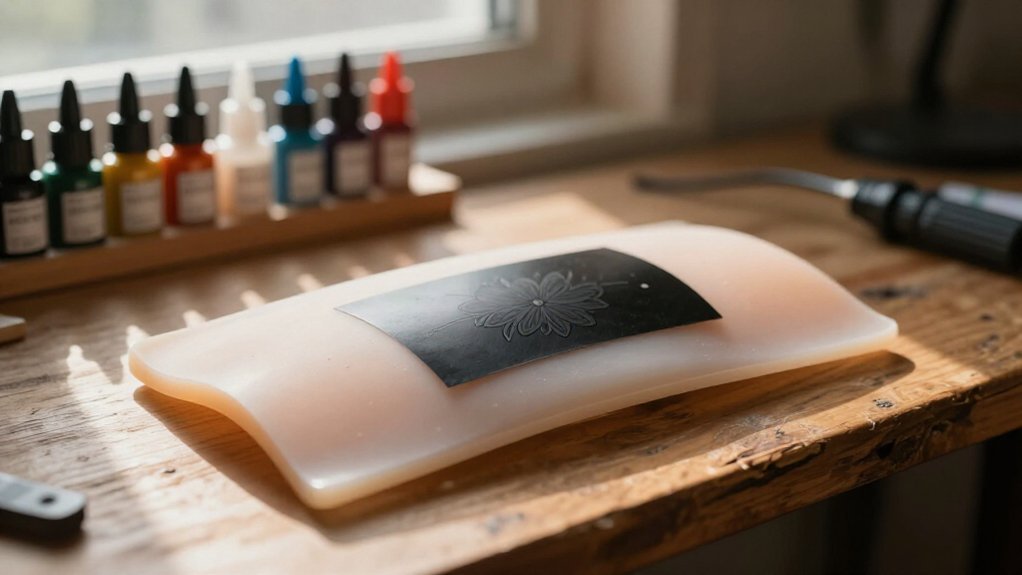
Improve Tattoo Skills: These soft tattoo practice skins can be curved to mimic real skin, helping you learn to tattoo contoured body parts. They are ideal for beginners practicing tattoos, eyebrows, eyeliner, and lips
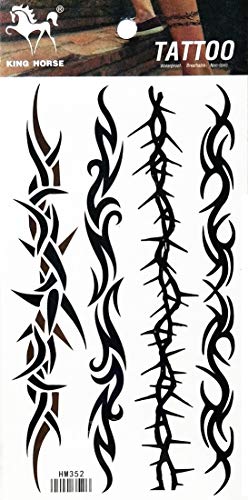
Waterproof Tattoos: The tattoos are waterproof and can be used for temporary body art.
Minor Tattoo Requirements: Notarization, Presence, and Medical Authorization?
If your state allows minor tattoos, you’ll need to navigate specific legal hurdles before your teen can get inked.
1. Notarization Requirements
Some Tattoo Age Requirements demand notarized signatures. In Florida, Kentucky, and Delaware, a parent or guardian must sign the Consent Form before a notary. You cannot simply sign at home and send your teen alone.
2. Physical Presence Rules
Several states require you to be physically present during the procedure. Arizona, Arkansas, Indiana, Louisiana, Ohio, Pennsylvania, and Texas mandate that a parent or guardian must stay on-site. Texas adds strict limits: cover-ups only for offensive, gang, or drug-related designs, plus photo ID for both parties.
3. Medical Authorization
Oregon and Wisconsin restrict minor tattoos to physician-authorized cases only.
Check your local regulations through the health department, as written consent rules vary widely and determine whether any minor tattoo is permitted.
Recommended Products

What Documents Do Parents Need for a Compliant Minor Tattoo?
You’ll need to gather three categories of paperwork before your minor’s appointment: identification documents that prove your relationship, consent forms that meet your state’s specific language requirements, and in many cases, notarized signatures plus your physical presence during the procedure.
Most shops require your government-issued photo ID, the minor’s ID or birth certificate, and a completed consent form that includes the tattoo’s design, placement, date, and the artist’s license number. Check whether your state demands notarization, and confirm that you must remain on-site, as rules in places like Texas, Arizona, and Pennsylvania explicitly require parental attendance for the entire session.
Recommended Products

Required Identification Documents
Before your minor gets tattooed, you’ll need to gather specific documents that prove identity, age, and legal relationship. You and your child must present government-issued photo IDs, such as driver’s licenses, passports, or military IDs, to verify who you are.
1. Standard Requirements
Individuals must bring valid identification to the tattoo artist before any procedure begins. Most states require tattoos with written consent documentation kept on file at the shop. You’ll need to check local laws, as requirements vary by location.
2. Special State Rules
For guardian consent in Hawaii, the parent must be present during the entire procedure. Texas requires additional paperwork for cover-ups, including a signed affidavit describing the existing tattoo. Some jurisdictions demand notarized consent with ID validation at the time of service.
Parental Consent Forms
Because state laws vary widely, you’ll need to verify exactly what paperwork your state demands before your minor gets tattooed. Tattoo studios follow state laws that dictate exact content for parental consent forms.
What States Typically Require
Many states require written parental consent. You’ll submit your photo ID as the legal guardian, plus your minor’s government photo ID showing date of birth.
Some states add extra fields: Texas, for example, mandates a parent-signed affidavit describing any existing tattoo being covered, with rationale tied to specific categories.
Form Contents
Expect spaces for procedure details, date, design description, body location, and artist identification including license number. Some states require catalog numbers for inks or jewelry used.
Record-Keeping
You and the studio must keep records for mandated periods: Minnesota requires 3 years, New York 1 year, New Hampshire 7 years. Check your minor tattoo rules for exact retention requirements.
Notarization And Presence
Across many states, notarization and physical presence create extra hurdles you’ll need to clear before your minor’s appointment.
1. Notarized Parental Consent
Some state laws demand notarized parental consent before tattooing minors. Florida, Kentucky, Delaware, and Kansas require written permission with a notary seal. You’ll obtain this document before visiting tattoo studios.
2. Parental Presence Requirements
Other states mandate parental presence during the procedure itself. Arizona, Arkansas, Indiana, Louisiana, Ohio, Pennsylvania, and Texas require you to stay for the entire session, not just sign forms.
3. Texas-Specific Documentation
Texas combines both requirements: you’ll provide parental presence, a signed affidavit, and photo ID for yourself and your minor. For cover-ups, bring a written description or photo of the existing tattoo.
4. What to Bring
Gather your minor’s government photo ID, your own identification, and any notarized parental permission forms. Verify specific requirements with your chosen studio, as rules vary by location.
Texas and Nevada: Cover-Ups and Regional Exceptions
While most states set a firm age floor, Texas and Nevada take more nuanced approaches that you’ll need to navigate carefully.
1. Texas: Cover-Up Rules
Texas sets a minimum age of 18 for most tattoos, but you’ll find an exception for cover-ups. If your minor needs an offensive, gang-related, or drug-related design concealed, you must provide consent through a specific process.
You and your child must both be physically present, and you’ll sign a detailed affidavit with photo ID from both parties. Local health departments enforce these rules strictly, so you’ll want documentation ready before booking.
2. Nevada: Regional Variations
Nevada lacks a statewide minimum age, which creates confusion you’ll need to address directly. Southern Nevada requires minors to be 14+ with written consent and parental presence, but other regions differ. You’ll need to verify local policies before scheduling any appointment.
Penalties for Illegal Minor Tattoos in California and Minnesota
You’ll find that California and Minnesota take distinctly different approaches when penalizing artists who tattoo minors, though both reject parental consent as a legal shield. In California, you’re looking at a standard misdemeanor under Penal Code 653, which carries up to six months in county jail and fines reaching $1,000. Minnesota raises this to a gross misdemeanor, signaling harsher consequences even when you, as a parent, have given written permission.
California Misdemeanor Penalties
California’s tattoo laws draw a hard line at age 18, where parental consent cannot override the prohibition, and violations carry real criminal consequences. In California, tattoos must be 18 years old, no exceptions. You cannot sign for your minor, even with full support. Artists who break this rule face misdemeanor penalties under Penal Code 653.
Up to six months in county jail awaits violators. Fines reaching $1,000 hit your wallet hard. Criminal records follow artists, blocking future licensing. Parental consent forms offer zero legal protection. Shops risk closure for repeat offenses with minors aged under 18.
You protect your child best by verifying artist credentials, demanding ID checks, and understanding that California’s strict stance exists to shield minors from permanent decisions they may later regret.
Minnesota Gross Misdemeanor
Although Minnesota and California share a hard line against tattooing minors, the legal consequences diverge in ways you’ll want to understand.
Minnesota’s Gross Misdemeanor Classification
In Minnesota, you’ll face a gross misdemeanor if you tattoo anyone under 18. This state doesn’t recognize parental consent as a legal workaround, so you can’t “paper” the transaction with a signature. The law is absolute: clients must be at least 18 years old, period.
What This Means Practically
You cannot let minors get tattoos, even with willing parents. You must tattoo without present valid consent forms changing that threshold. Minnesota imposes stricter penalties than California’s standard misdemeanor, with no additional requirements that could create loopholes.
Both states prevent exploitation where consent documents might otherwise override clear age protections. Check IDs carefully, every time.
How Long Must Studios Keep Minor Tattoo Records?
State laws spell out how long you must hang onto records for minors you’ve tattooed, and these rules aren’t one-size-fits-all. Record-retention rules for minor tattoo consent and related paperwork vary considerably by state, so you’ll need to check your specific requirements.
- New York: You must keep parental consent records for 1 year.
- New Hampshire: You’re required to retain documentation for 7 years.
- Texas and Hawaii: Store records for 2 years.
- Alaska, New Mexico, and Minnesota: Maintain files for 3 years.
- Kansas and Nebraska: Keep documentation for 5 years.
These retention requirements apply specifically to minors, including those aged 16 and older. You should store parental consent forms and identification records securely, making them available for inspections.
Confirm how long studios must keep records in your state, and don’t guess.
Where to Check Your State’s Current Tattoo Age Rules
Where exactly do you find trustworthy information on tattoo age limits when laws vary so much across state lines?
Start with your state law directly. You’ll want to check official statutes, typically housed under your health department guidance or body art licensing agency, searching terms like “tattooing,” “body art,” or “minors.”
Some states say you must be 18, period. Others allow parental consent, though requirements differ: some demand notarized forms, others require parents present. Local rules can add layers, so don’t stop at state level.
Before booking, verify current policy by calling your proposed studio. Ask which forms and IDs they need, then cross-check their claims with state sources. Laws shift, and outdated blogs won’t protect you.