
You’re staring at your first tattoo design, but you haven’t committed to a spot yet. The pain chart changes everything you thought you knew. That delicate rib placement you love? It might test you more than expected. But there’s a reason seasoned collectors keep coming back.
Key Takeaways
- Outer arm, shoulder, and thigh cause mild discomfort due to muscle and fat padding.
- Calves, biceps, and forearms produce medium pain from thinner tissue layers.
- Chest, stomach, and inner arm demand serious grit due to sensitive skin and nerve clusters.
- Ribs, feet, hands, elbows, knees, and groin create the sharpest, most extreme sting.
- First-timers should choose padded areas like outer upper arm, calf, or thigh.
Recommended Products

Protect Your Body Art: Moisturizing with the bonus of itch relief! Tattoo Goo's Tattoo Care Lotion soothes healing skin & keeps healed ink looking sharp for life. With olive oil & glycerin, it delivers deep, breathable hydration that won’t clog pores

TATTOO AFTERCARE ESSENTIAL: Hustle Butter is the original tattoo aftercare balm for new and older tattoos. With over 10 years in the market, we are a pioneer of the tattoo aftercare category.

TATTOO AFTERCARE LOTION: After Inked Tattoo Lotion brings hydration and nourishment to your tattooed skin. Formulated with grape seed oil, which helps maintain vibrant ink colors while pacifying the skin and promoting moisture retention.
Tattoo Pain Chart: Every Body Part Ranked
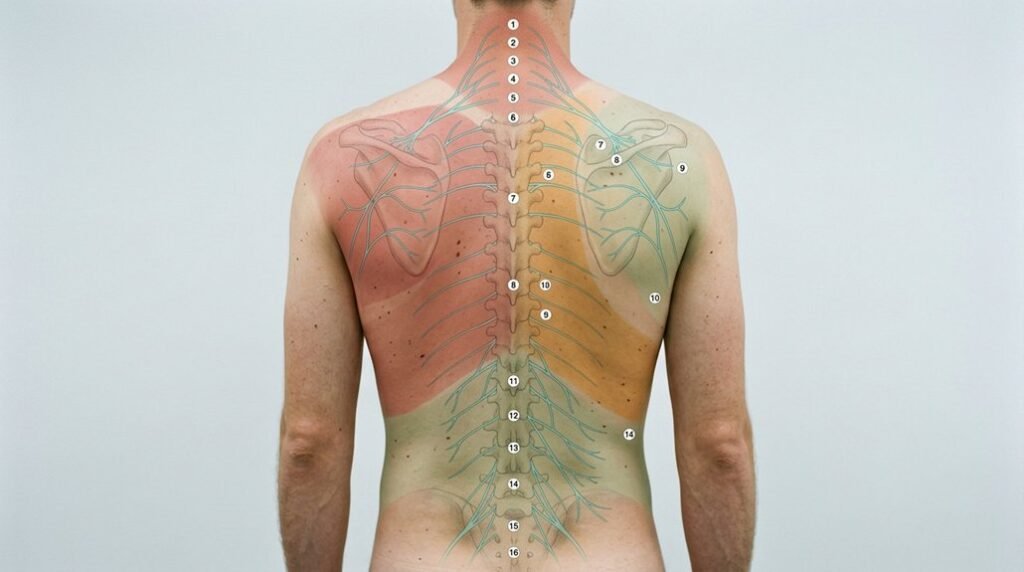
Wondering where your next tattoo will hurt the most? You’re about to find out. Every body part brings its own pain level, and you’ll feel the difference immediately.
Start with the outer arm, shoulder, and thigh. You’ll experience mild discomfort here since these spots carry plenty of muscle and fat padding. You’ll manage these areas without much trouble.
Move inward, and you’re facing medium pain. Your calves, biceps, and forearms test your endurance more directly. You’ll feel the needle’s vibration through thinner tissue layers.
Your chest, stomach, and inner arm demand serious grit. You’re confronting sensitive skin and nerve clusters now. You’ll grip the chair tighter.
Finally, you’re hitting the extremes. Your ribs, feet, hands, elbows, knees, and groin deliver the sharpest sting. You’ll remember these sessions vividly. Choose wisely, breathe steadily, and trust your artist’s pace.
Recommended Products

LIDOCAINE 5% PAIN CREAM | Experience deep pain relief with the strongest formulation of lidocaine available OTC.

Fast Acting Hemorrhoid Cream - Made with 5% Lidocaine, this topical anesthetic provides temporary relief from discomfort, itching, and burning associated with hemorrhoids and other anorectal irritation.

Long-Lasting Relief, Maximum Comfort: This numbing cream delivers prolonged analgesic effects, quickly relieving itching, pain, burning sensations, and significantly reducing swelling. It effectively desensitizes the skin for a comfortable experience.
Why Ribs, Feet, and Joints Hurt Most
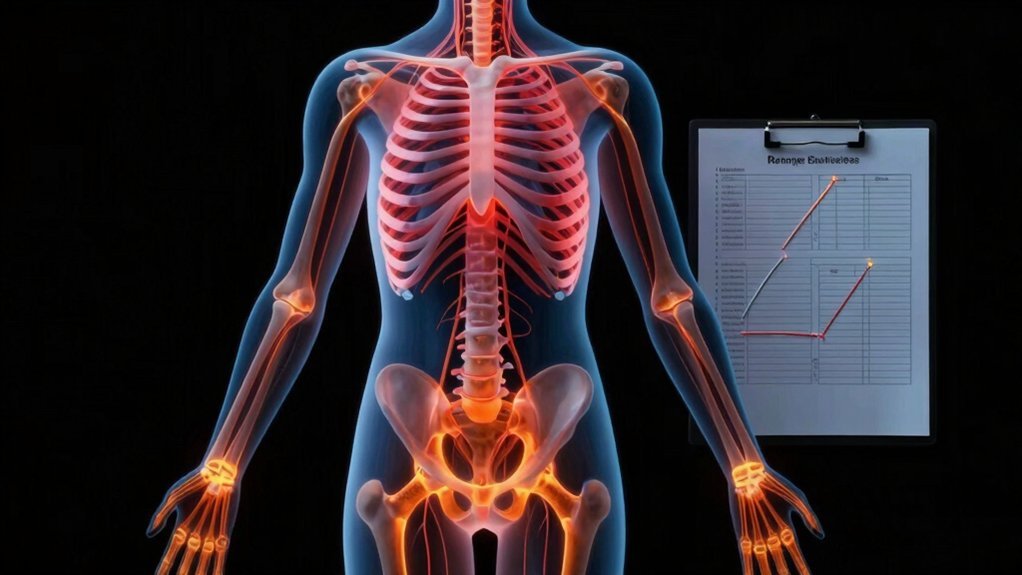
Why do ribs, feet, and joints make you squirm when other areas barely register?
You’re hitting spots where skin stretches thin across bone, skipping the cushioning fat and muscle that pad fleshier zones. Your ribs cradle organs beneath a fragile layer of tissue, so every needle vibration rattles directly against bone. You feel it reverberate through your torso.
Your feet present another challenge. You’re packing dozens of small bones, tendons, and nerve endings into tight spaces with almost no padding beneath the surface. The artist drags needles across these concentrated nerve clusters, and you register every strike.
Joints compound the problem further. You’re dealing with constant movement, thin skin, and bone proximity at elbows, knees, and armpits. Your body can’t ignore needles attacking these sensitive hinge points where nerves gather to coordinate motion.
Recommended Products

THE ORIGINAL TATTOO AFTERCARE BANDAGE – Saniderm’s Original Gloss Bandage is the tried-and-true, industry-defining tattoo aftercare bandage. Dermatologist-recommended and trusted by expert tattoo artists worldwide, this medical-grade bandage ensures your tattoo heals quickly, safely, and more vibrantly. With over a decade of experience and millions of tattoos healed, it’s the perfect way to heal your ink.

THE ORIGINAL TATTOO AFTERCARE BANDAGE – Saniderm’s Original Gloss Bandage is the tried-and-true, industry-defining tattoo aftercare bandage. Dermatologist-recommended and trusted by expert tattoo artists worldwide, this medical-grade bandage ensures your tattoo heals quickly, safely, and more vibrantly. With over a decade of experience and millions of tattoos healed, it’s the perfect way to heal your ink.

THE ORIGINAL TATTOO AFTERCARE BANDAGE – Saniderm’s Original Gloss Bandage is the tried-and-true, industry-defining tattoo aftercare bandage. Dermatologist-recommended and trusted by expert tattoo artists worldwide, this medical-grade bandage ensures your tattoo heals quickly, safely, and more vibrantly. With over a decade of experience and millions of tattoos healed, it’s the perfect way to heal your ink.
Prep Strategies for High-Pain Placements
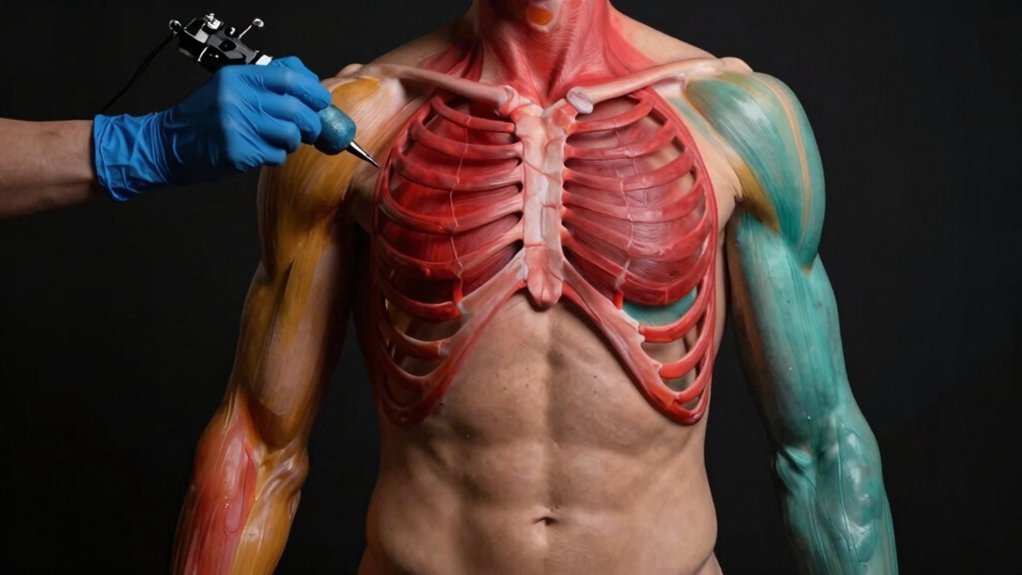
How do you brace yourself before the needle hits those brutal spots? You hydrate heavily for 48 hours and skip alcohol and caffeine entirely. You eat a solid meal two hours prior and bring high-protein snacks.
You moisturize the area for weeks beforehand so your skin accepts ink smoothly. You schedule your session when your pain tolerance peaks—mid-morning, not during menstruation or illness.
You practice breathing techniques: four counts in, hold, out, hold. You wear comfortable clothing that grants full access. You apply numbing cream 90 minutes before if your artist approves.
You bring headphones and a playlist you won’t skip. You position yourself to minimize twitching—ribs demand side-lying, hands need flat tables.
You accept that you’ll flinch. You commit anyway.
Recommended Products

PAIN SPRAY: Topical Pain Relief spray for pain beneath the surface, such as joint pain relief, muscle pain relief, knee pain relief, back pain relief, and relief for other muscle aches and pains

TARGETED RELIEF FOR LEG & FOOT PAIN: Get relief quickly with this easy-to-apply cooling foot spray. Helps calm shooting, stabbing, burning, and tingling sensations in legs and feet. This moisturizer for dry cracked skin helps relieve discomfort, ease soreness, and reduce sensitivity. Suitable for all skin types, including people with diabetes

Combination of isobutane, N-Butane and propane cools the skin, reduces swelling, and helps relieve pain associated with strains, sprains, and muscle spasms
Low-Pain Alternatives for Sensitive Spots
What if you could wear your art without surrendering hours to the needle’s bite? You can shift placement and dodge the worst sting. Instead of ribs, you choose outer bicep. You swap sternum for upper arm. You trade ankle for calf. You reimagine finger tats as wrist pieces. Skin thickness and nerve density vary wildly, and you’ve got options.
You also control size and detail level. Small, simple linework reduces session time dramatically. You pick bold designs over stippled shading, cutting needle passes in half.
Temporary alternatives exist too. You test drive jagua or henna before committing. You explore transfer tattoos that last weeks. You aren’t trapped into suffering for your aesthetic—smart placement, scaled-down concepts, and trial runs let you express yourself without gritting through avoidable pain.
Recommended Products

Widely Used: Our tattoo film has grid lines on the backing paper, which can be cut into different sizes according to requirements. The size of the film is 6 inches x 8 yards, including 3 layers, namely PET backing, PU film and release paper. Soft and stretchable, which makes it fit perfectly anywhere in the body

【SELF ADHESIVE BANDAGE WRAP】- CIYAGPOOU vet wrap tape is made of premium porous fabric and non-woven material, which is soft,breathable and elastic. And it also has stronge self stick,Cohesive bandage sticks only to itself,it not sticky your skin or hair,bandage wrap is very comfortable

Self Adhesive Bandage: Package includes 16 rolls of multi-color self adhesive bandage wrap. Each roll measures 2 inch wide and 5 yards long after stretching. It easily adheres to itself but will not stick to other surfaces such as skin or hair, making it easy to pull off and change bandages
Reading Your Body: Normal Ache vs. Warning Signs
Where exactly does discomfort end and danger begin?
You’ll feel steady burning, stinging, and dull throbbing—that’s normal. Your skin’s getting punctured thousands of times per minute. Sharp zinging near bones or joints? Also expected. But you must catch what isn’t right. Watch for spreading redness, radiating heat, or pus after leaving the shop. Those aren’t standard reactions; they’re infection warnings. If you notice numbness, tingling that won’t quit, or sharp shooting pains traveling elsewhere, speak up immediately. The artist needs to know. Your body sends clear signals—you’re responsible for reading them. Distinguishing “this hurts” from “something’s wrong” protects your health and your tattoo. Trust your instincts. When in doubt, call your artist or a doctor.
Recommended Products

Tattoo Aftercare Lotion with Rapid Absorption: Our tattoo lotion aftercare is specifically formulated for quick absorption, promoting non-greasy application while aiding swift tattoo healing. This advanced formula ensures your skin receives optimal care during the critical post-tattoo period.

Tattoo Aftercare Daily Lotion: gives your tattoos the everyday care they deserve to keep your artwork looking fresh. Formulated to provide deep hydration and leave skin feeling soft and smooth. Rejuvenates your artwork and moisturizes skin.

COMPLETE AFTERCARE KIT FOR NEW & EXISTING TATTOOS: This Tattoo Aftercare Kit brings together 3 essentials, Antimicrobial Soap, Tattoo Balm, and Tattoo Lotion, to help cleanse, protect, and moisturize fresh ink. Useful after tattoo sessions and throughout healing, it supports vibrant color and skin comfort for dedicated ink enthusiasts and artists
Your First Tattoo? Pain-Proof Placement Guide
Understanding your body’s signals matters, but choosing where to sit for your first piece matters just as much. You’ll want to target spots with more muscle and fat padding. The outer upper arm, calf, and thigh offer natural cushioning that dulls the needle’s impact. These areas keep you comfortable while letting you watch the process unfold.
Avoid bony zones like ribs, ankles, and collarbones for your debut. You’ll tense up, and that tension amplifies every sensation. Stay away from inner arms and knees too—the skin’s thinner there, and nerves cluster closer to the surface.
Pick a placement you can reach easily for aftercare. You’ll thank yourself when applying ointment to a spot you can actually see and touch without twisting into awkward positions.
Recommended Products

Anorectal Numbing Cream and Temporary Pain Relief for Hemorrhoids

EXTRA LASTING RELIEF: This numbing cream is provide long-lasting numbing, and temporarily relieve itching, soreness, burning, and reduce swelling caused by hemorrhoids and other minor anorectal irritations, allowing you to feel more comfortable

Fast Acting Hemorrhoid Cream - Made with 5% Lidocaine, this topical anesthetic provides temporary relief from discomfort, itching, and burning associated with hemorrhoids and other anorectal irritation.
Conclusion
You’ve got the knowledge—now trust yourself. Start with cushioned spots like your outer arm or thigh if you’re nervous, and work toward bolder placements as you build confidence. Prep smart, read your body’s signals, and remember: the sting fades, but the art stays. Choose a placement that respects your limits and celebrates your story. Your tattoo journey is yours to shape, one mindful decision at a time.
Recommended Products

✡Various Purpose - Care for all types of wounds; Waterproof cover; Fixed dressing; Tattoo aftercare. It can help lock in the color, protect your tattooed skin, and reduce scabbing when you wash or moisturize your tattoo, quickly form a protective film then accelerate your recovery

What You Get - The tattoo aftercare bandage totall 4.4 yard (6" x 4.4 Yard), you will get tattoo aftercare bandage, the size is 6" x 4.4 Yard. You will the tattoo supplies is best combination of with guaranteed quality. According to the size of the tattoo area, the shape can be freely cut, and it is suitable for all kinds of large-area new tattoos

RELIABLE PROTECTION: Hion transparent adhesive bandage shields your skin from dust, dirt, germs and bacteria, as well as friction or scrubbing. It is good to protect minor burns, scrapes, cuts, blisters, abrasions and new tattoo in healing. The transparent film dressing allows you to observe healing progress of your wound without having to peel it off.