
Nearly one in five people with tattoos experience raised, bumpy skin reactions at some point, and you’re likely searching for answers right now.
Your tattoo might feel like tiny ridges under your finger, or you may notice itching that comes and goes without warning.
The causes range from harmless healing quirks to immune responses that surface years later, and knowing which one applies to you changes everything about how you respond.
Why Your Old Tattoo Suddenly Raised Up After Years
If you’ve noticed a tattoo you got years ago suddenly rising up and feeling bumpy, you’re not imagining things, and it doesn’t always mean something is seriously wrong.
1. Your Immune System Remembers
Your body stays aware of tattoo pigments. Years later, it can re-react to them, causing delayed inflammation.
Your immune system never forgets a tattoo—years later, it may reawaken with sudden inflammation.
2. Common Triggers
Heat and sun exposure intensify inflammation. Temperature or humidity shifts activate dormant responses.
3. What Biopsies Reveal
A dermatologist may find immune activity tied to microscopic ink contaminants, like silica. This explains reactions appearing four years after application.
4. Pattern and Treatment
These flare-ups come and go. You’ll likely manage them with steroids whenever symptoms appear, not a permanent cure.
5. When to Worry
Treat raising as an allergic reaction to tattoo if you see spreading redness, warmth, blisters, pus, fever, or worsening pain. These signal infection or serious inflammation requiring prompt care.
Recommended Products

TATTOO AFTERCARE ESSENTIAL: Hustle Butter is the original tattoo aftercare balm for new and older tattoos. With over 10 years in the market, we are a pioneer of the tattoo aftercare category.
PROTECT & SOOTHE: Condition & protect your tattoos to keep ink looking bold & vibrant. Soothing, nourishing tattoo care softens fresh tattooed skin, calms redness & irritation, and promotes healing

TATTOO AFTERCARE ESSENTIAL: Hustle Butter is the original tattoo aftercare balm for new and older tattoos. With over 10 years in the market, we are a pioneer of the tattoo aftercare category.
New Tattoos: When Bumpiness Is Normal vs. Concerning
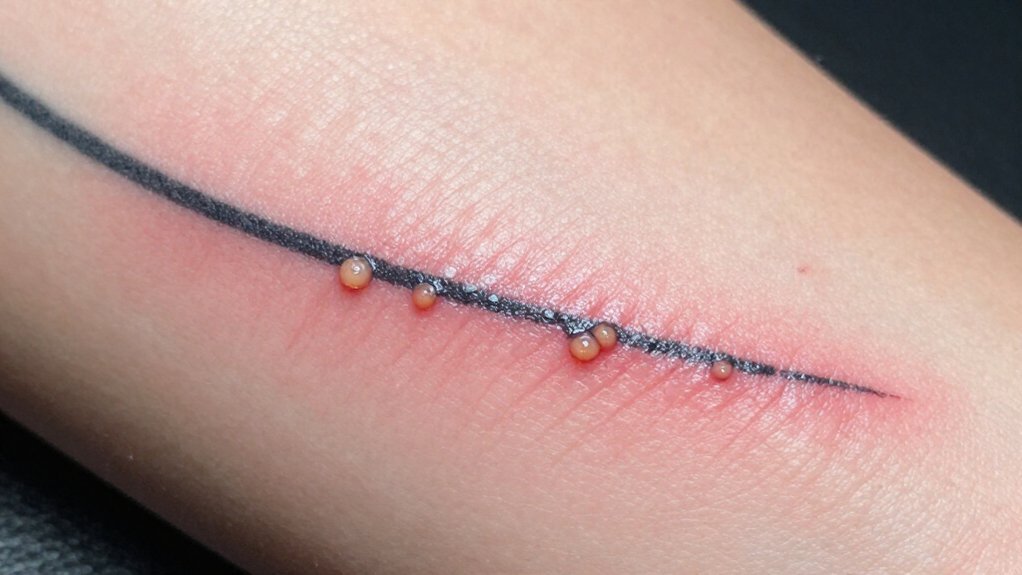
Since you’re watching a fresh tattoo heal, you’ll notice some bumpiness along the way, and most of it is completely ordinary. Mild peeling, itching, and a slightly raised texture signal normal healing, because your new tattoo is inflamed skin recovering from controlled trauma.
1. Reassuring Signs
Healing bumps are normal when your tattoo isn’t hot, rapidly worsening, or leaking fluid. You’ll see improvement within the first couple of weeks.
2. Warning Signs
Contact a clinician promptly if you notice:
- Increasing redness, warmth, or swelling
- Blisters or pus
- Fever or worsening pain
- Severe itching with expanding inflammation
These symptoms suggest possible skin infection, not routine healing. Don’t try home remedies when symptoms progress instead of settling. Early medical attention prevents complications and protects your new tattoo’s long-term appearance.
Recommended Products

Protect Your Body Art: Moisturizing with the bonus of itch relief! Tattoo Goo's Tattoo Care Lotion soothes healing skin & keeps healed ink looking sharp for life. With olive oil & glycerin, it delivers deep, breathable hydration that won’t clog pores

TARGETED UNDER-BREAST & THIGH RELIEF: Specially formulated as an anti chafing balm to soothe red skin under the bust ("Picaboob") and between the legs. Serves as a soothing under breast rash treatment and anti friction for thighs to stop uncomfortable rubbing caused by sweat and daily movement.

Poison Ivy or Sumac Relief - Treatment Balm for Sensitive Skin, Poison Ivy, Oak, Stops itching from Insect Bites
Dry Skin and Clogged Pores: Easy Fixes for Raised Texture
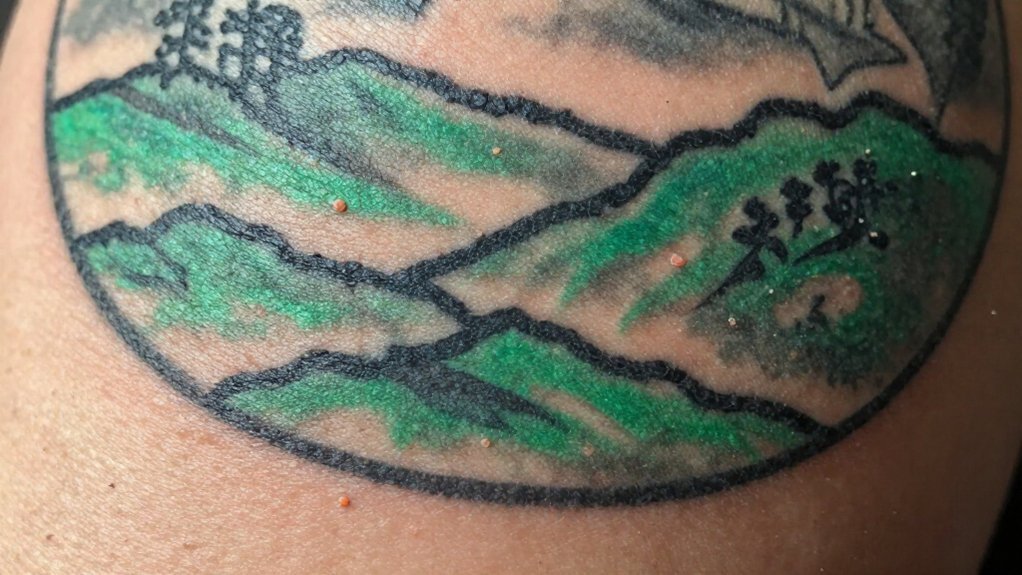
Even after your tattoo has fully healed, the skin can sometimes look rough or feel slightly raised, and this usually comes down to dryness or clogged pores rather than anything wrong with the ink itself.
1. Fix Dry Skin
Dry skin makes your tattoo feel tight and bumpy. Apply a thin, non-irritating moisturizer daily. Avoid thick, greasy products that sit on top.
2. Clear Clogged Pores
Tiny bumps around your tattoo often mean sweat or residue is blocking follicles. Switch to lighter skincare, wear loose clothing, and reduce friction on the area.
3. Gentle Exfoliation
Once bumps calm, lightly exfoliate the surrounding skin to prevent buildup. Skip this during active flare-ups.
4. When to Seek Help
If bumps keep returning or worsen quickly despite these steps, see a clinician. Persistent issues may signal something beyond simple dryness or clogged pores.
Recommended Products

Nourishes Healing Ink for Vibrant Color: Tattoo Goo supports healing tattoos & maintains vibrancy on healed ink with a lightweight formula rich in olive oil, lavender oil, cocoa butter, and beeswax. It absorbs quickly, moisturizes deeply, and helps reduce dryness, itch and tightness so your tattoo looks and feels comfortable through everyday routines
Protect your Body Art: Getting inked takes a toll on your skin. What you lose in moisture, we give right back. Our formula mimics your skin’s natural hydration so it absorbs fast, works harder, and helps your skin recover faster

Tattoo Aftercare Lotion with Rapid Absorption: Our tattoo lotion aftercare is specifically formulated for quick absorption, promoting non-greasy application while aiding swift tattoo healing. This advanced formula ensures your skin receives optimal care during the critical post-tattoo period.
Immune Reactions: When Your Body Attacks Tattoo Ink Years Later
Although your tattoo looked fine for years, your immune system might suddenly decide the ink doesn’t belong. Your body remembers components of the ink and reactivates long after healing completes. Allergic reactions like these can surface four years later, or even longer.
1. Why This Happens
Your immune system treats certain ink components as threats. Microscopic contaminants, such as silica, sometimes trigger these responses.
2. What You Will Notice
One specific color or outline raises while the rest stays flat. The reaction takes ages to develop fully. Flares come and go unpredictably.
3. How Doctors Handle It
These immune responses are managed, not cured. You will likely receive steroid prescriptions for flare-ups, since the tendency returns.
This delayed reaction is common, so you are not alone in experiencing it.
Weather, Heat, and Sun: Environmental Causes of Raised Tattoos
You might notice your tattoo looks puffy, or feels rough to the touch, after a hot day at the beach or an intense workout, and that’s because heat and humidity trigger temporary swelling in the skin. Sun exposure, especially on newer ink, can spark inflammation that raises the texture without signaling anything wrong with the tattoo itself.
Temperature swings and dry air at home can also exaggerate bumpiness, so you’ll want to cool the area, limit further sun, and watch for warning signs like spreading redness or pus that suggest infection rather than irritation.
Heat Triggers Swelling
When temperatures climb, your tattooed skin often responds with temporary swelling that can make older ink feel raised or bumpy. Sun exposure and irritated skin often go hand in hand during summer months, and this combination can amplify the texture changes you notice.
Your skin reacts to heat through several mechanisms:
- Sweat accumulates around tattooed areas, which softens the skin and can cause mild inflammation
- Humidity traps moisture against your ink, creating a breeding ground for irritation
- Friction from tight clothing or exercise worsens the swelling and bumpiness
- Hot-to-cold changes inside your home shock the skin, triggering puffiness
- UV light and heat together spark localized immune responses that alter how your tattoo feels
If heat triggers your symptoms, keep the tattoo cool, limit sweating, and reduce direct sun exposure until the swelling settles.
Sun Exposure Effects
Sun and heat work together to provoke your healed tattoo.
1. How Sunlight Affects Your Ink
UV radiation and heat can make an already-healed tattoo temporarily feel raised or bumpy. The skin in the dermis reacts again to environmental stress. After direct sun exposure, you may notice swelling-like texture changes over tattooed areas, even when the ink isn’t “failing.”
Warmth also increases local inflammation and itch, so your tattoo looks more prominent after beach days or hot weather.
2. What You Can Do
You can reduce these raised bumps by:
- Applying broad-spectrum sunscreen to healed tattoos
- Avoiding prolonged direct sun during flare-prone periods
Your skin barrier stays calmer when you shield it from harsh rays.
Temperature Fluctuations Impact
Although your tattoo has long since healed, temperature swings and weather changes can still trigger temporary texture shifts. When temperature rises, your skin swells and tightens, which can create a raised texture along healed lines. Heat also increases blood flow and inflammation, making bumps more noticeable.
Direct sun exposure amplifies this reaction, often leaving your tattoo puffy after outdoor activity. Sweat and humidity worsen irritation by adding friction and keeping skin damp.
You can manage these flares with specific steps:
- Limit direct sun during peak hours, and seek shade when possible
- Keep the tattooed area cool with cold compresses or air conditioning
- Reduce sweating by wearing loose, breathable clothing over the design
- Apply gentle, fragrance-free moisturizer after cooling the skin
- Rehydrate dry, cold-weather skin promptly to minimize rough texture
Allergy or Infection: How to Spot Serious Reactions
You need to distinguish between a simple irritation and something that demands medical attention. Allergic reactions to tattoo ink can surface months or even years later, appearing as itchy, raised, scaly bumps, while infections strike harder and faster with warning signs you can’t ignore. Learn to read your skin’s signals so you act quickly when it truly matters.
1. Ink Allergy Signs
- Delayed reaction common months to years after tattooing
- Immune system targets ink components or contaminants, like microscopic silica particles
- Appearance: itchy, raised, scaly, or bumpy skin over the tattoo
- Symptoms may flare and subside with triggers
- No new tattoo needed for reaction to begin
2. Infection Warning Signals
Seek urgent care immediately if you notice:
- Area feels hot or warm to the touch
- Redness spreads rapidly outward from tattoo
- Pain increases rather than improves
- Swelling worsens over time
- Pus, blisters, or other discharge develops
- Fever or general feeling of unwellness occurs
3. Quick Differentiation Guide
| Allergic Flare | Likely Infection |
|---|---|
| Itchy and irritated | Worsening redness |
| Comes and goes | Persistent warmth |
| Triggered by specific exposures | Increasing pain and swelling |
| No discharge | Discharge present |
Do not attempt home remedies if you suspect infection or experience intense burning, spreading redness, or systemic symptoms. Contact a clinician promptly for evaluation and treatment.
Recommended Products
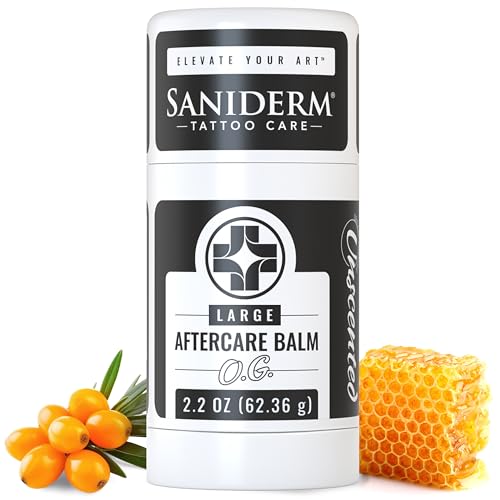
NATURAL AND UNSCENTED FORMULA – Saniderm’s Original Tattoo Aftercare Balm is made using natural ingredients like beeswax, shea nut butter, and sea buckthorn oil. Unlike other common ointments and tattoo balms, Saniderm’s fragrance-free Tattoo Aftercare Balm is also petroleum-free so it won’t suffocate the skin while your tattoo heals.

Upgraded Design, Easy to Use --- Tattoo aftercare balm comes in a tube,this container allows you to glide on the butter easily,Rolls on smoothly and evenly on your skin,No more mess or residue on your finger,convenient to use

☑Natural Safe Organic Ingredients: Tattoo Aftercare Butter is composed of Shea Butter, Jojoba, Macadamia Ternifolia Seed Oil and Vitamin E Complex. Our all-natural butter is also petroleum-free and paraben-free. After use, it can make the tattooed skin heal faster and moisturize the skin. Makes your skin smooth and the tattoo color bright.
Ink Allergy Signs
If your tattoo suddenly becomes raised and bumpy, you’re probably wondering whether it’s an allergy or something more serious. An allergic reaction to tattoo ink can appear years later because your immune system “re-discovers” pigment trapped in your skin.
Look for these ink allergy signs:
- You notice raised, itchy, or scaly bumps that come and go
- The area burns or stings without feeling hot to the touch
- Symptoms flare with heat, sweat, friction, or seasonal changes
- The discomfort stays localized rather than spreading rapidly
- You experience strong itching without pus or fever
Contact a doctor if symptoms are intense, spreading, or not improving, since allergy and infection treatments differ. Seek urgent care immediately for dizziness, nausea, or severe burning.
Infection Warning Signals
Because raised, bumpy tattoos can signal either allergy or infection, you’ll need to watch closely for warning signs that point toward something more serious.
1. Recognize Infection Red Flags
Your raised tattoo should not feel hot, increasingly painful, or swollen. If you notice blistering, spreading redness beyond the ink, or pus oozing, you’re likely dealing with infection rather than irritation. These symptoms demand urgent medical care.
2. Watch for Systemic Symptoms
Fever or flu-like symptoms indicate your body is fighting something beyond skin-level inflammation. Don’t wait this out; contact a clinician promptly.
3. Distinguish Allergy from Infection
Allergic reactions often make skin feel bumpy and itchy, sometimes delayed by days. However, burning sensations, intense pain, warmth, or worsening symptoms over time mean you need evaluation regardless of cause.
Scars and Keloids: Permanent Raised Texture From Tattooing
Although some raised texture is temporary, scar tissue from tattooing creates a permanent change when your skin heals with extra fibrosis rather than smoothing normally. You may notice raised bumps that don’t flatten over time, and instead worsen or expand.
You can identify scarring by these characteristics:
- Hypertrophic scars stay localized around your tattoo’s original boundaries
- Keloids grow beyond the original tattoo edges and feel firm or lumpy
- Deep needle penetration or repeated irritation during healing increases your risk
- Persistent raised texture months or years later signals permanent change
- Dermatology evaluation determines whether steroid injections or scar therapies help
You should seek professional assessment since treatments differ for hypertrophic scars versus keloids. Early intervention improves outcomes, so don’t delay if your tattoo’s texture continues changing.
Home Remedies for Itchy, Raised Tattoos
While permanent scarring requires professional treatment, many raised tattoos respond well to simple home care when irritation, not scar tissue, is the cause.
1. Gentle Cleansing and Moisturizing
You treat irritated skin by washing gently with mild soap and lukewarm water. Pat the area dry, then apply a thin layer of fragrance-free moisturizer. This prevents drying and friction that worsen bumps.
2. Cool Compresses and Temperature Control
You apply cool compresses (never ice directly) for short periods to calm itching and swelling. Avoid hot sunlight and overheating, since heat and UV temporarily make healed tattoos feel bumpier.
3. Protection From Irritation
You avoid scratching or exfoliating the area. Keep it loosely covered to prevent rubbing. Skip tight clothing that traps heat and creates friction against your skin.
Tattoo aftercare at home works best for mild irritation. Seek medical care if you notice spreading redness, warmth, pus, blisters, fever, or worsening pain.
Recommended Products

AFTERCARE CREAM FOR NEW TATTOOS - A specialist cream for use immediately after tattooing to soothe freshly tattooed skin and help reduce redness.

Improve Tattoo Skills: These soft tattoo practice skins can be curved to mimic real skin, helping you learn to tattoo contoured body parts. They are ideal for beginners practicing tattoos, eyebrows, eyeliner, and lips

HEAL YOUR TATTOOS FASTER: with our gentle and soothing cream and soap that moisturize and nourish your skin. Our products are dermatologically tested and safe for all skin types.
When a Raised Tattoo Needs Medical Care
Some home remedies help with mild irritation, but you need to know when raised skin signals something more serious. You must watch for warning signs that your tattoo has become an open wound or becomes painful without improvement.
Contact a healthcare provider immediately if you notice:
Warmth, spreading redness, or rapid expansion beyond the tattoo’s edges; pus, blisters, or steadily worsening pain suggesting infection; fever, flu-like symptoms, dizziness, or nausea indicating systemic reaction; delayed reactions that keep flaring, especially with suspected ink contaminants like silica; or rapidly intensifying symptoms during flares requiring prompt steroid treatment.
Don’t self-treat when these appear. Your dermatologist can manage recurring issues, but urgent care prevents complications. Early intervention protects both your health and your tattoo’s appearance.
Can a Raised Tattoo Be Fixed, or Is It Permanent?
Once you’ve ruled out infection and gotten urgent symptoms under control, you’re probably wondering what comes next for your tattoo’s texture.
Understanding Whether It’s Fixable
Whether you can fix a raised, bumpy tattoo depends on what caused it. Dryness or friction irritation often improves with proper skincare and avoiding triggers. However, keloids, scar tissue, or true allergic reactions may remain permanent.
Not all raised tattoos can be fixed—some causes heal with care, while others leave permanent texture changes.
Treatment Options That Can Help
For temporary flares, your dermatologist might prescribe short steroid courses to calm inflammation. These manage symptoms, but don’t permanently remove reactivity.
Old tattoos with uneven ink might benefit from touch-ups once fully healed, though this won’t fix active rashes or allergies and could worsen irritation.
When the Issue Persists
If immune sensitivity to ink contaminants cause raised areas, the bumpiness can recur indefinitely.
Seek immediate care for new symptoms like heat, pus, spreading redness, blisters, fever, or worsening pain.
Recommended Products

🌿 VIBRANT COLOR & DEEP MOISTURE - Crafted with nutrient-rich a&d ointment, our balm deeply hydrates freshly inked skin. It supports your natural moisture barrier, keeping body art and microblading looking bold and beautifully vibrant.

FROM THE LEADER IN TATTOO AFTERCARE: For years now, Mad Rabbit has consistently ranked among the most popular and highest-rated tattoo products on the market. We’ve created a top-of-the-line Tattoo Glide to help professional tattoo artists do their best work.
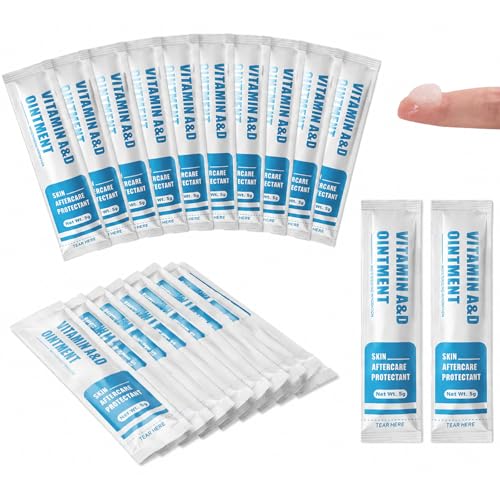
Honest, Accurate Care – This protective ointment comes in 50 hygienic single-serve packets for mess-free, on-the-go convenience. Easy to apply for tattoo protection anytime.